Paul,
It appears to be working now. This is what I originally wrote to ask
you when my emails were bouncing:
While researching turbo-compounding, I came across pictures of your
traction drive on your site, and was wondering if you
had made any progress on it since the date on the pictures (5-22-06). Does
it
work?
Also, I can find very little information about traction drives in
general, but I'm interested in reducing a 100,000 to 150,000 rpm
turbine down to manageable speeds for use on a conventional
reciprocating engine or rotary. It looks a little like a planetary
differential without gears. Is it a continuously variable
transmission? Can you describe its operation? Would you share the
Solidworks files or drawings used to make it?
I'm fascinated by your description of the possible efficiencies in
turbo-compounding a rotary engine, and I'm very excited about the
implications of Mazda's new 1.6L all-aluminum direct-injection rotary
in homebuilt use.
Thanks,
-Chris
Traction drives do work. They have been widely used for years.
Doug on here has a Rotrex supercharger that uses a traction drive.
Paxton/McCulloch made truck super chargers starting in the late 1930's.
Yes I can send you some step files which work the best in Solid Works.
Paul Lamar
Paul,
That's fascinating. Seems like a very reasonable way to develop high
reduction ratios with shafts of otherwise unreasonably high speeds.
I have a million questions:
What exactly is meant by "high contact surface pressure", ie how does
one calculate the roller preload necessary for it to work? Does wear
substantially decrease the interference fit (or preload) over time?
What type/viscosity of oil is used? Is the ideal roller surface finish
very smooth?
Step files would be much appreciated.
Thanks,
-Chris
You need the torque out of the turbine. You can work backwards by estimating
the torque knowing the HP and the RPM of the turbine.
My guess on a full chat 200 HP rotary would be 50 HP out of the turbine.
HP eqauls torque times RPM divided by 5252.
My wild ass guess is about 1 foot pound at 100,000 RPM.
Then you need the coef. of friction for steel on steel in the presence
of traction fluid. There are several auto tranny traction drives on the market
for cars so that is a good source of traction fluid. My guess on the subject
is .3 coef. Next you know the geometery and you know the contact pressure you
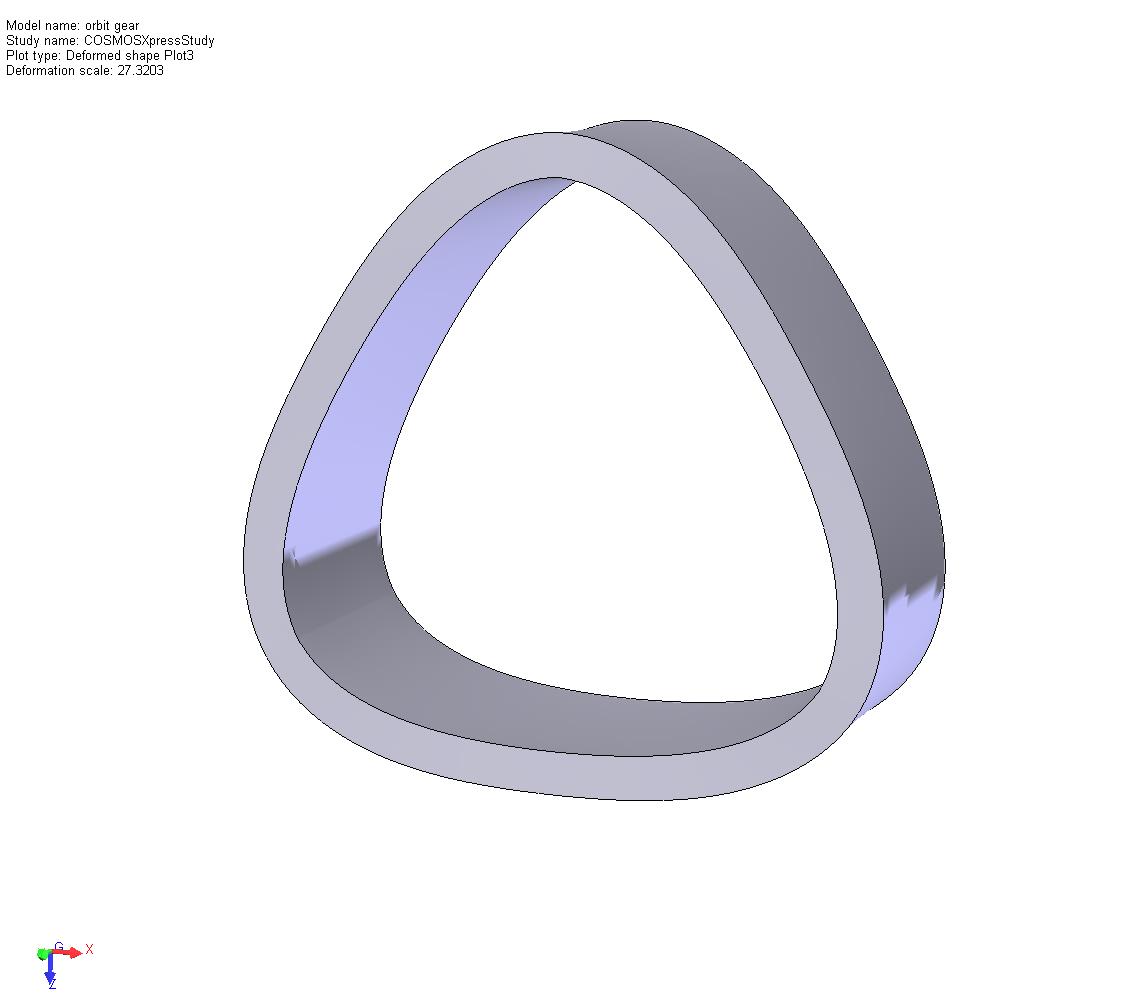
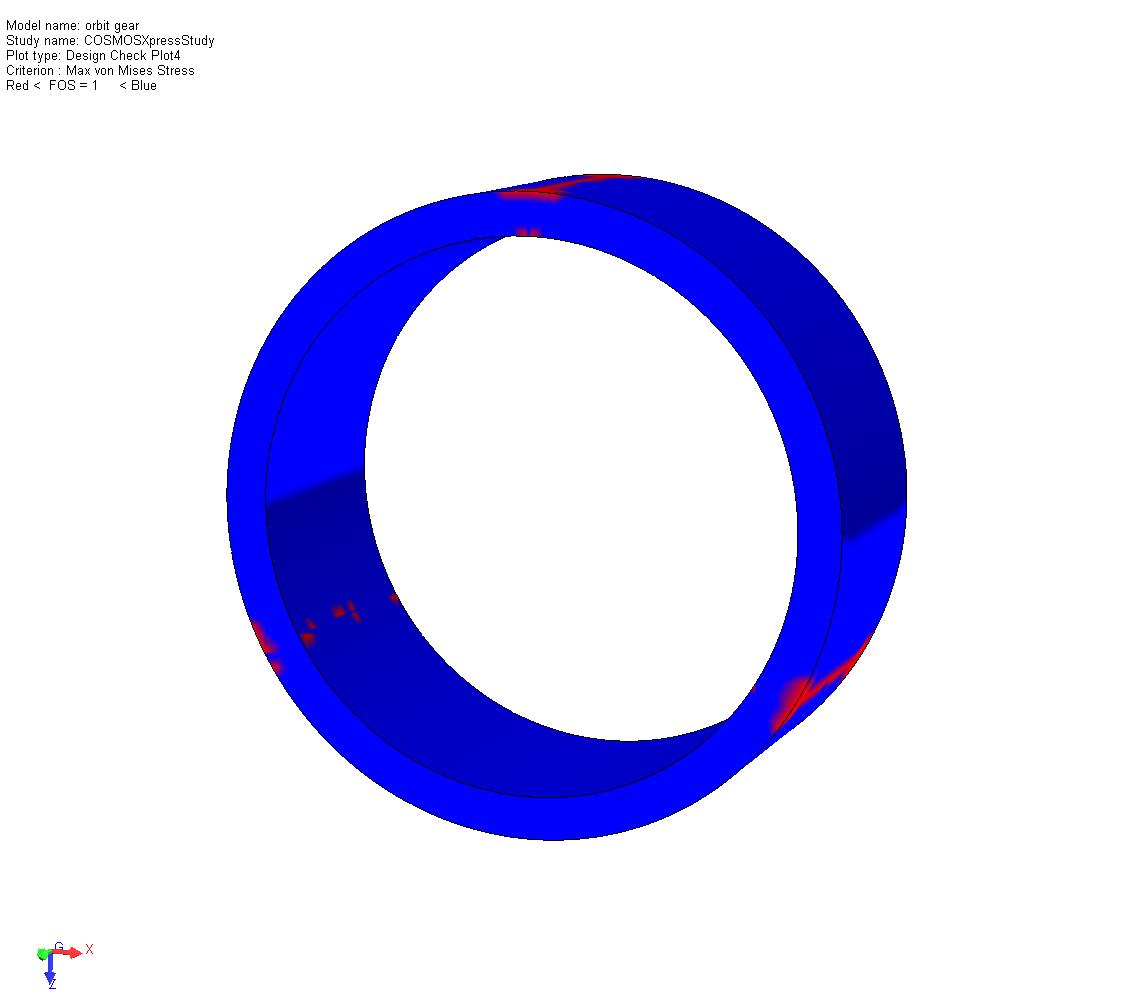
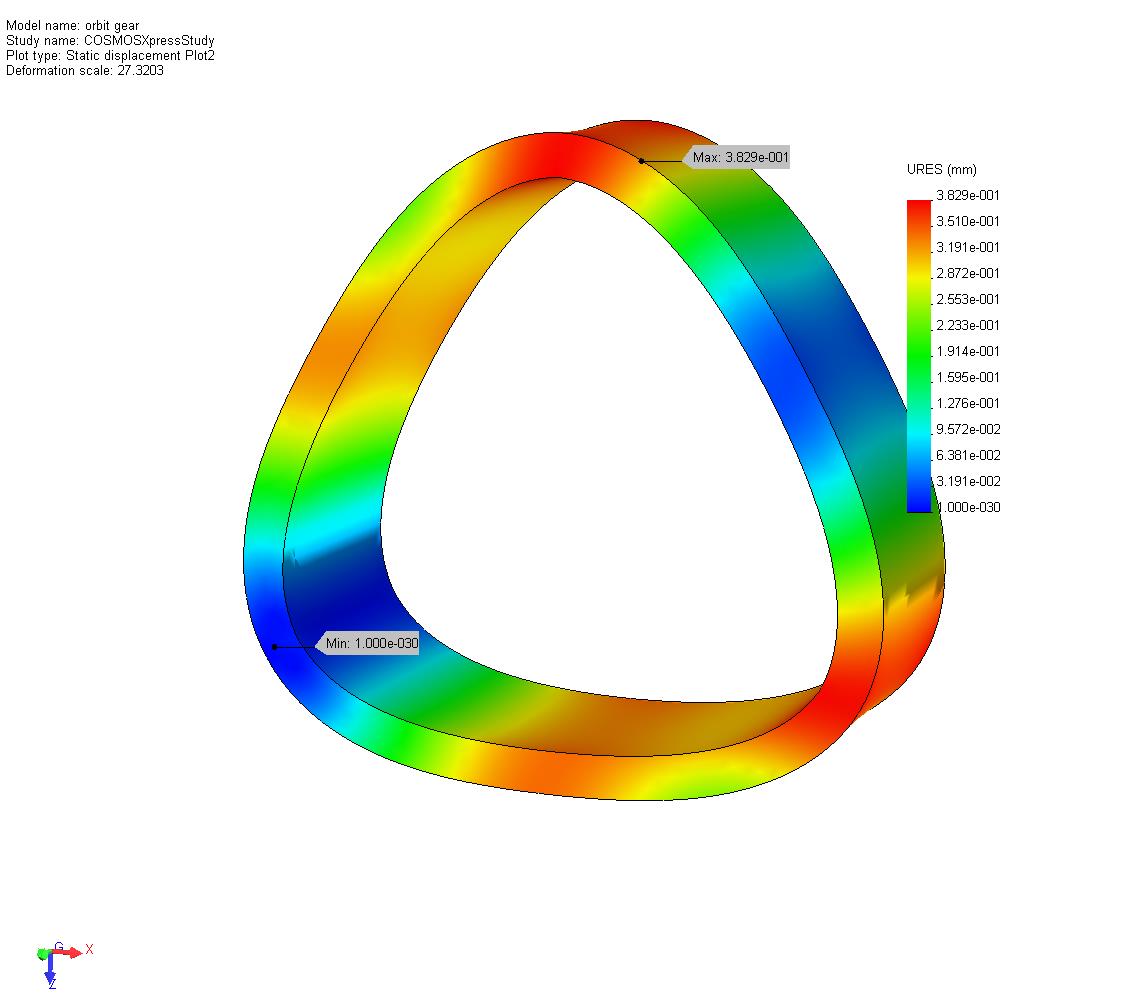
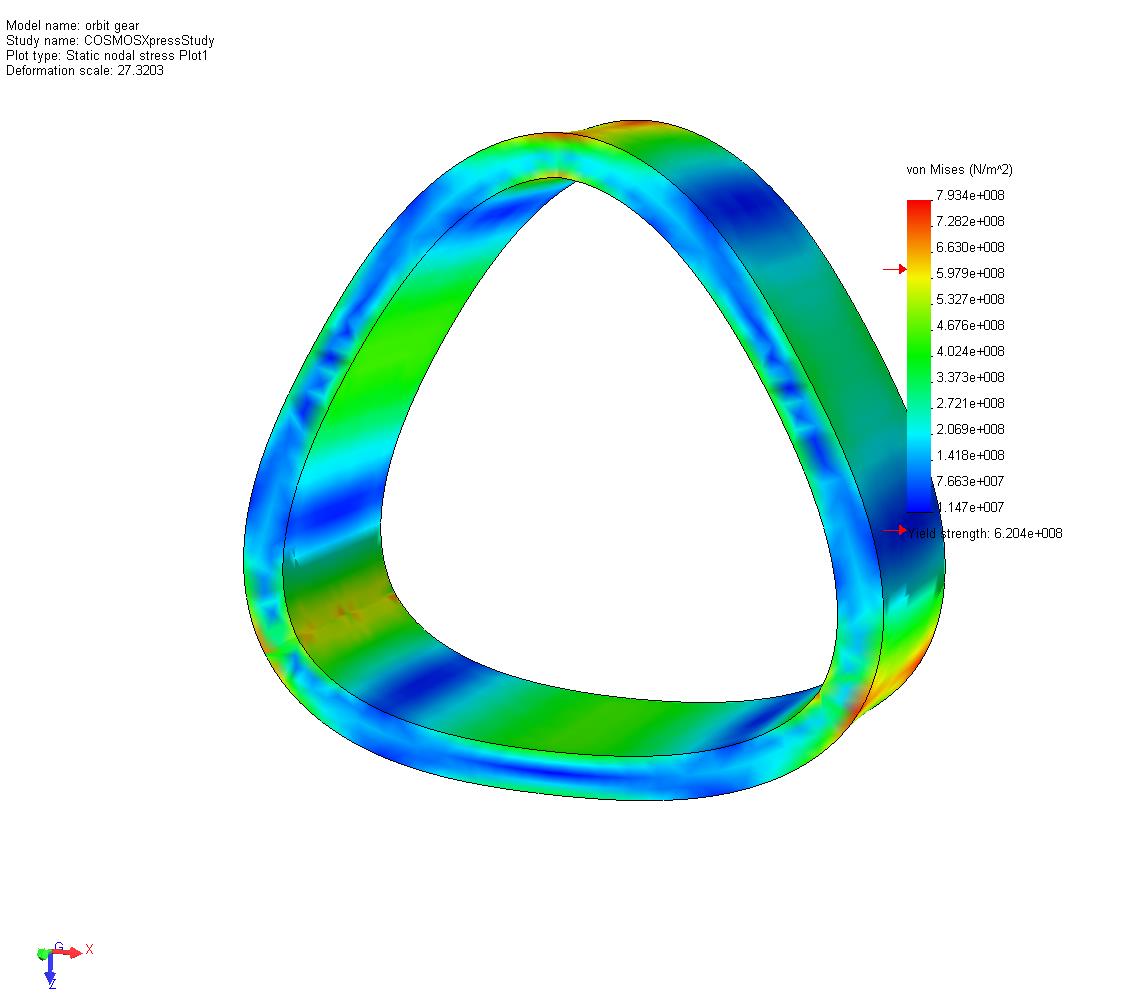
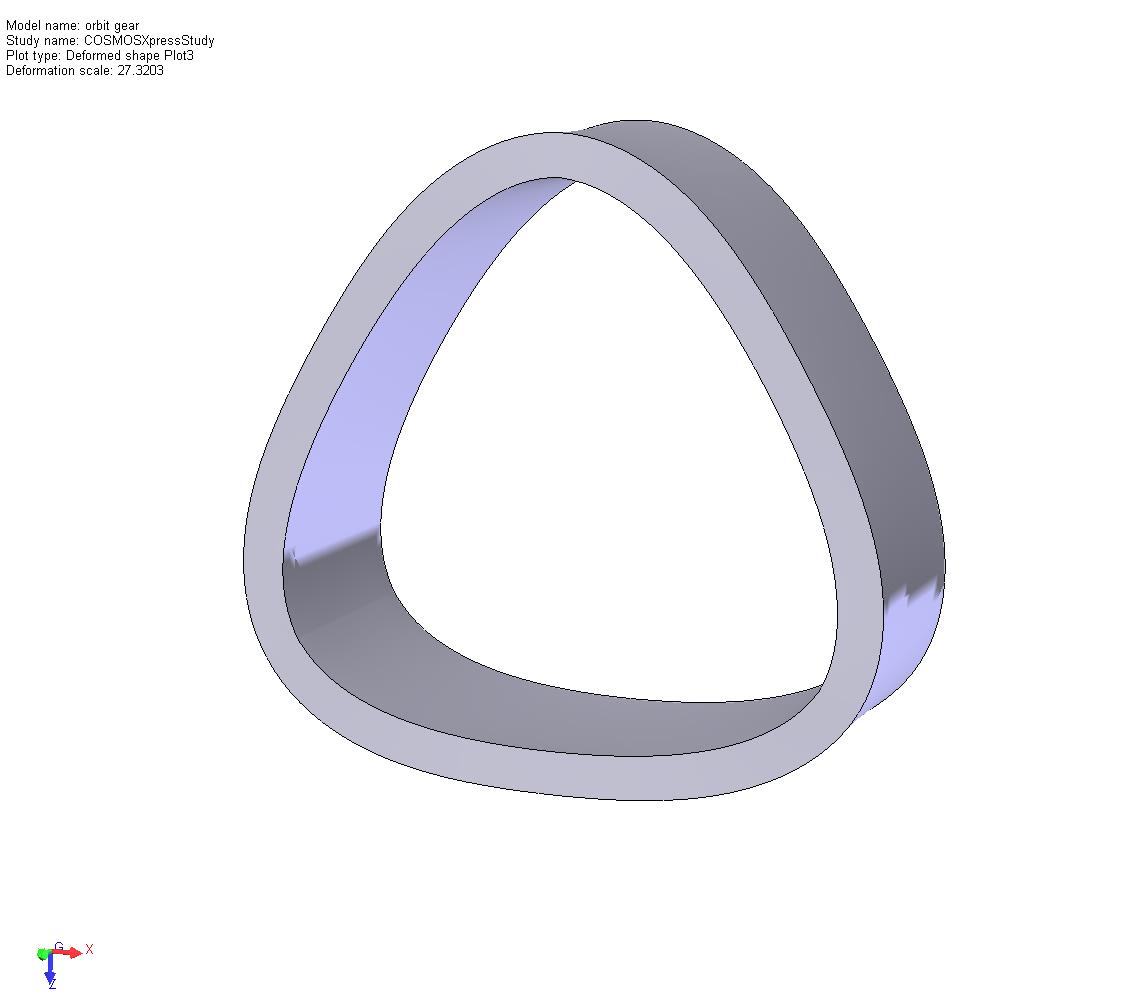
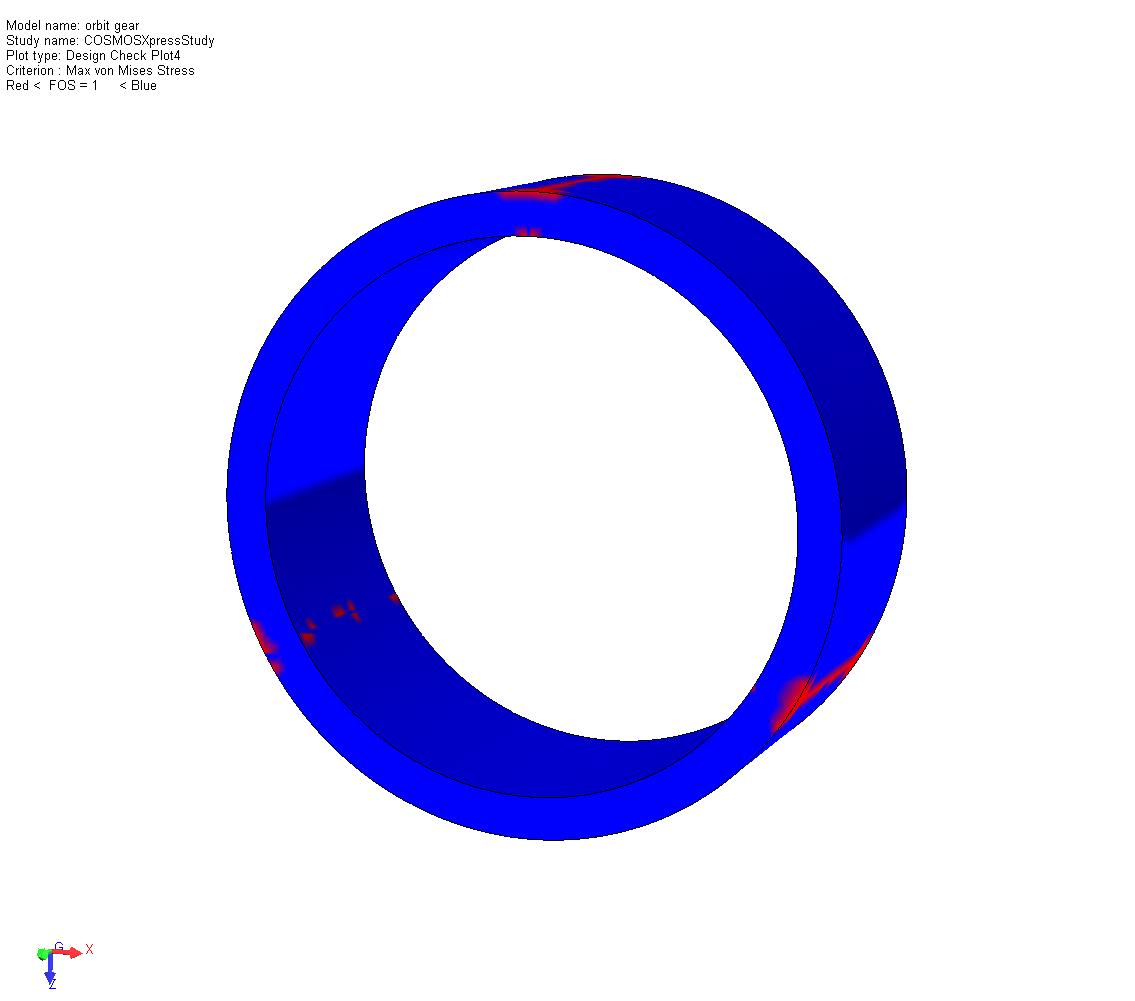
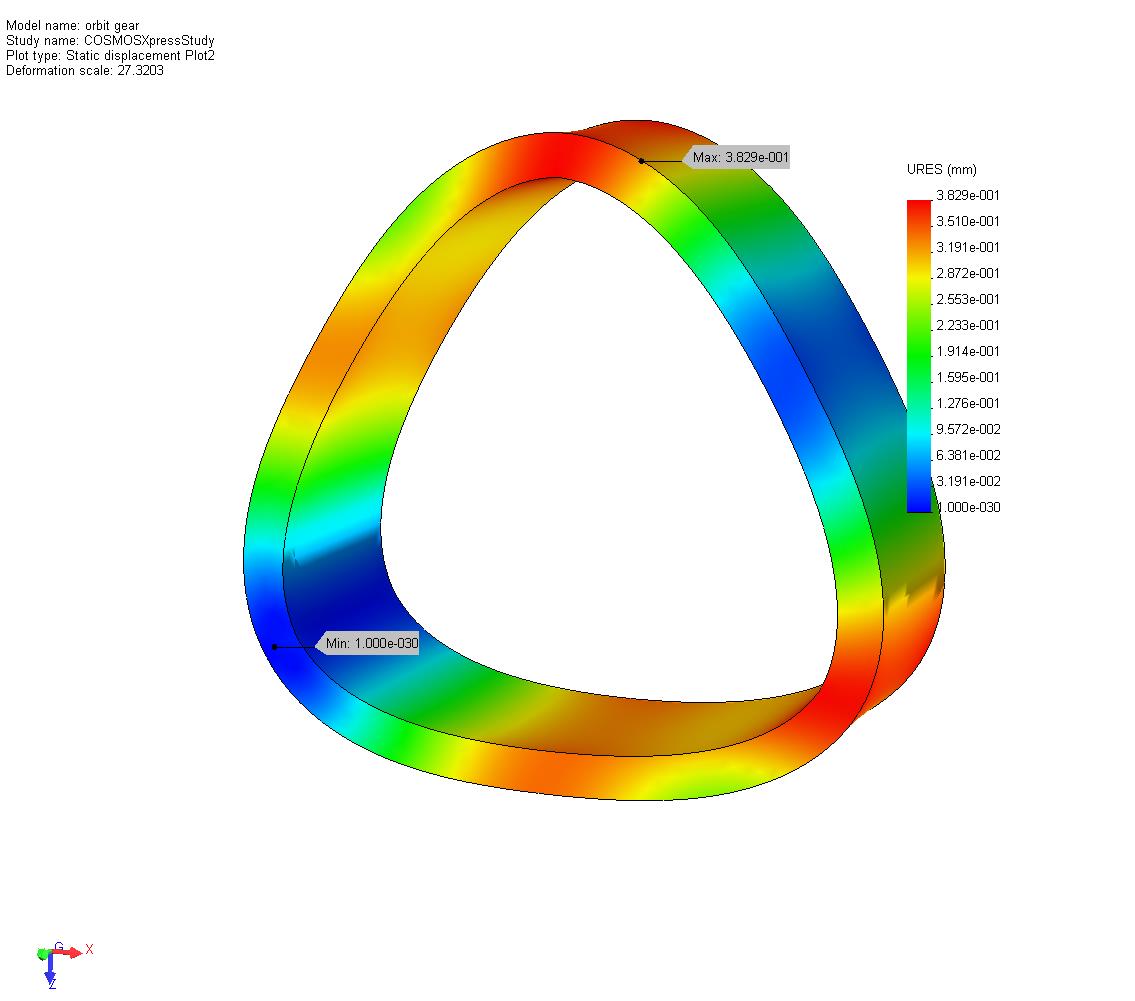
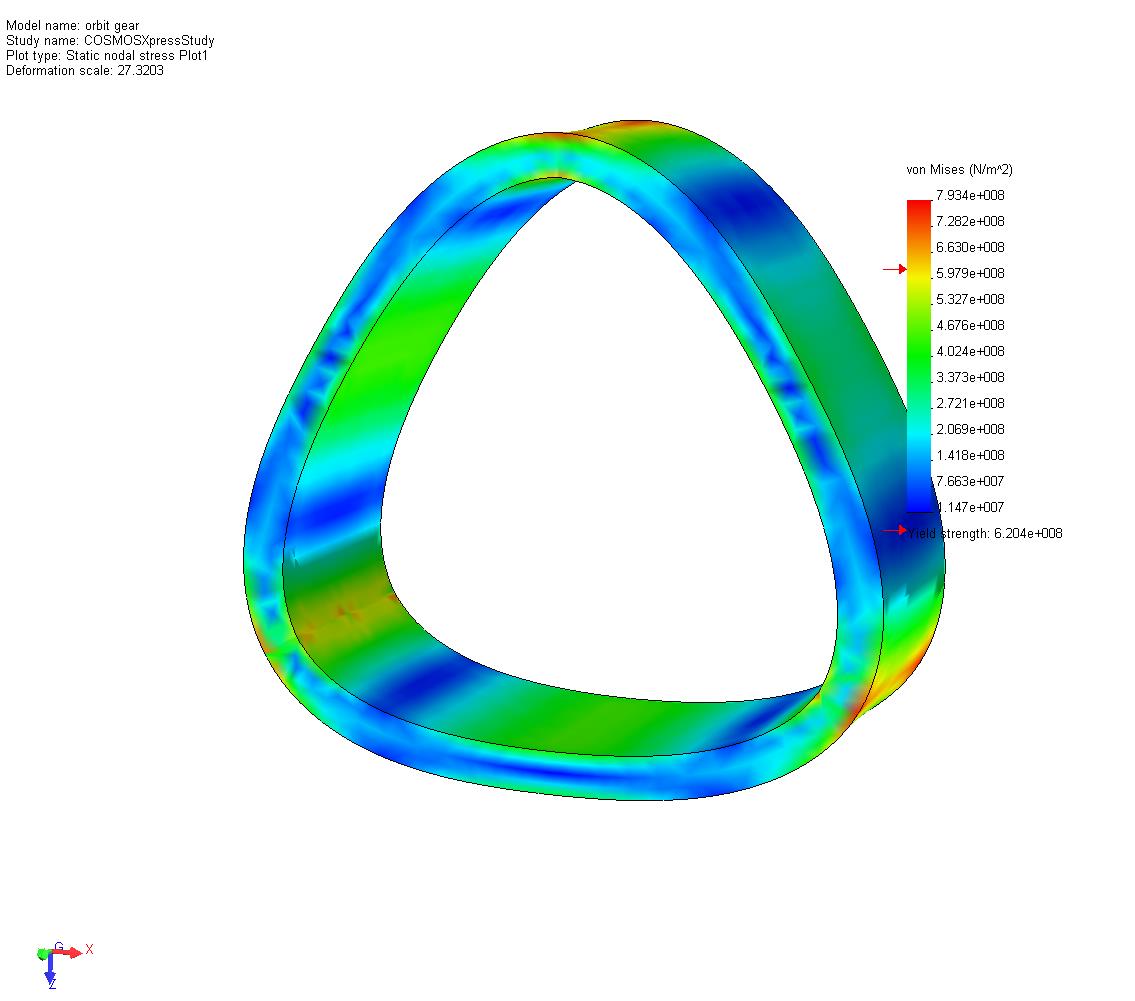
can calculate the torque capacity. FEA will give you the contact pressure
of a steel ring deflected into a triangular shape with three internal rollers.
Here is a pdf on traction fluid.
You insert the ring in a large lathe 3 jaw chuck and insert the rollers and
release the chuck.
Doug may have done static torque measurements on the Rotrex.
I basically copied the Rotrex.
Paul Lamar
--
The Rotary Engine NewsLetter. Powered by Linux.
ACRE NL web site.
http://www.rotaryeng.net
Youtube key word UTUBPLEASE
Copyright 1998-2008 All world wide rights reserved.