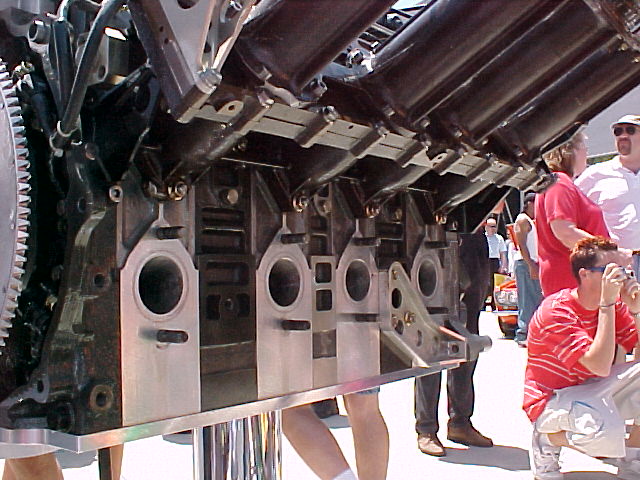
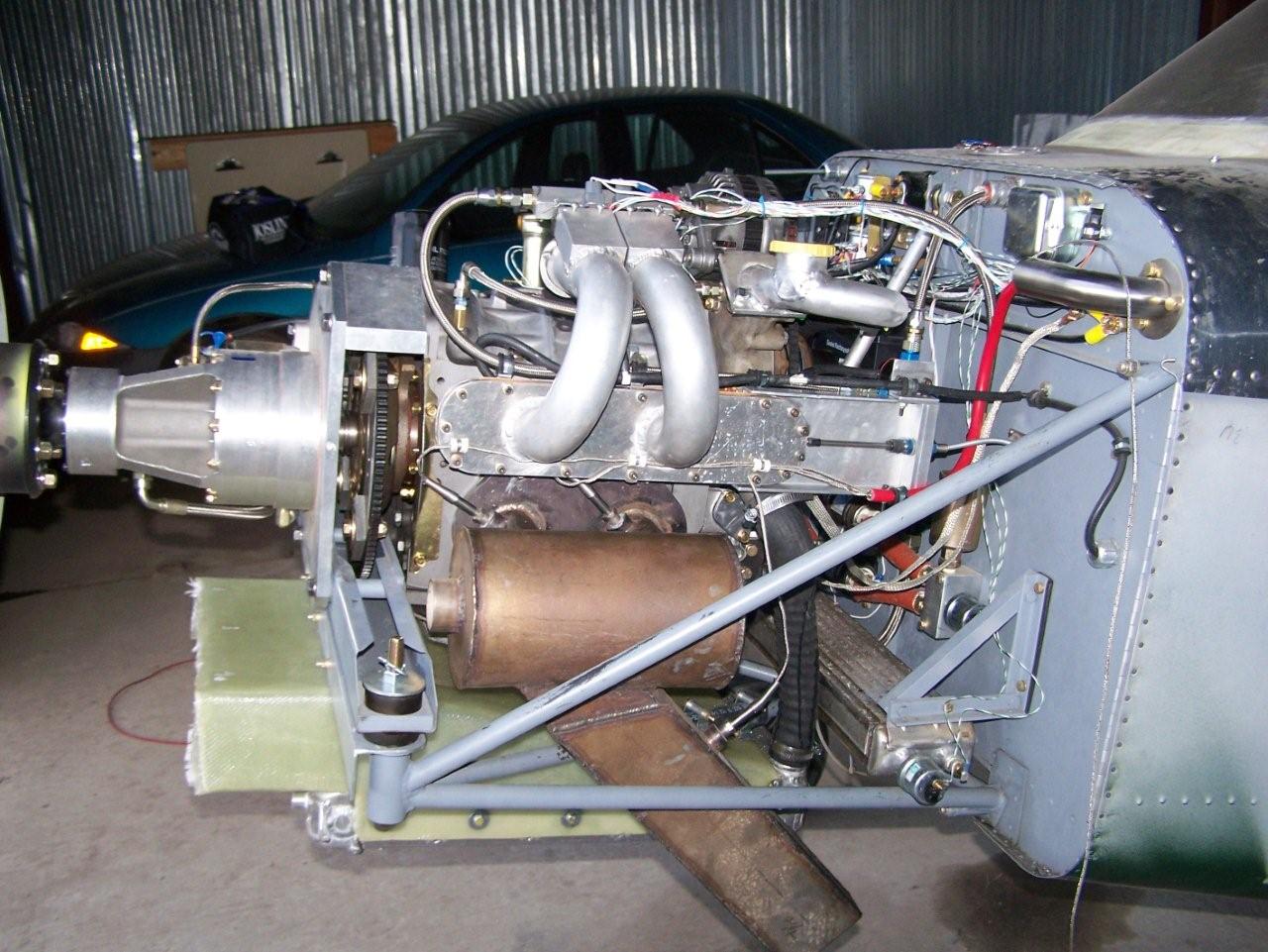
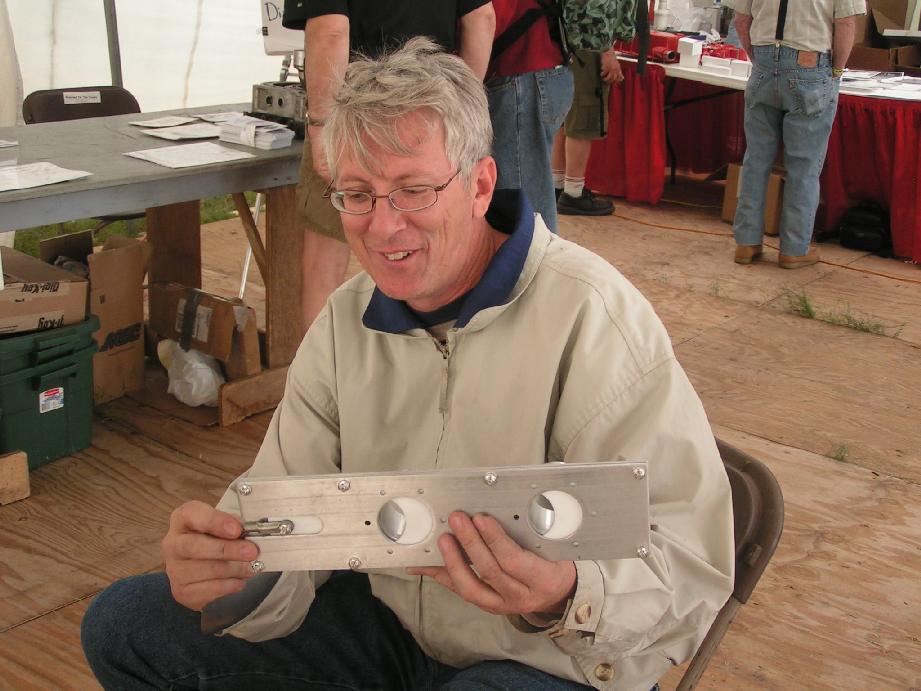
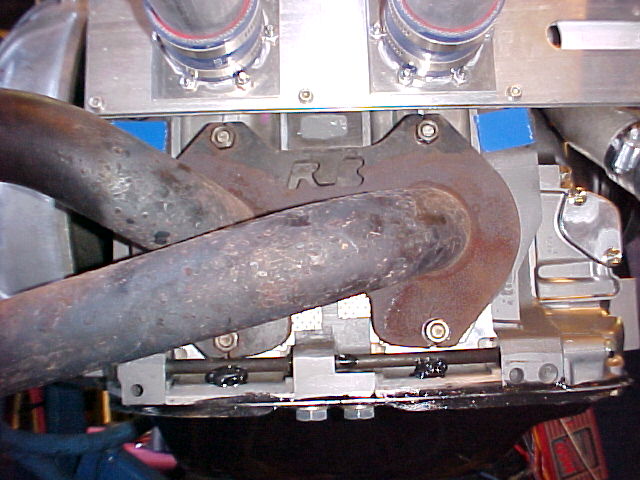
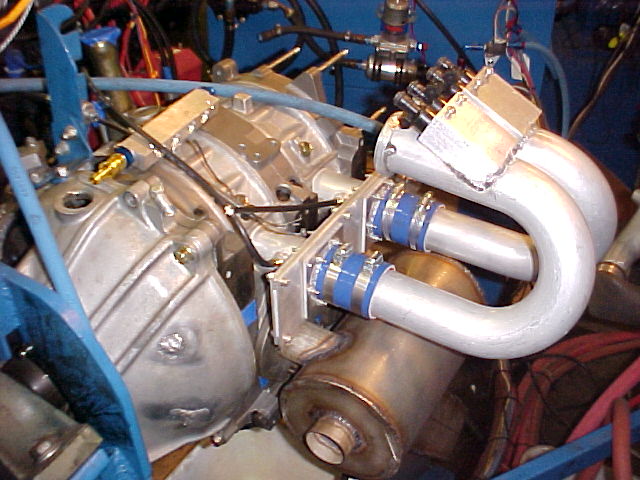
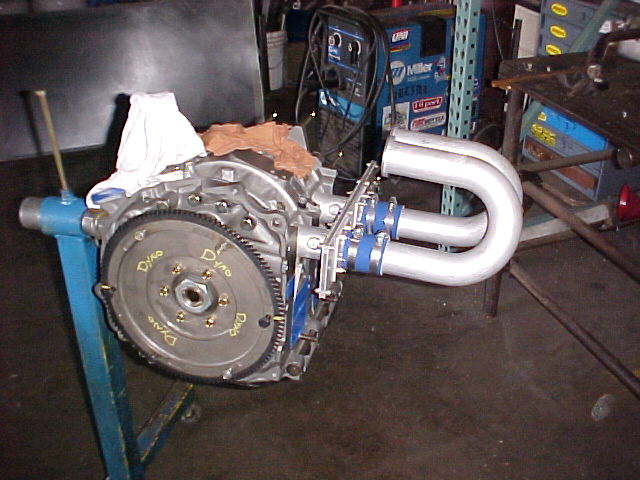
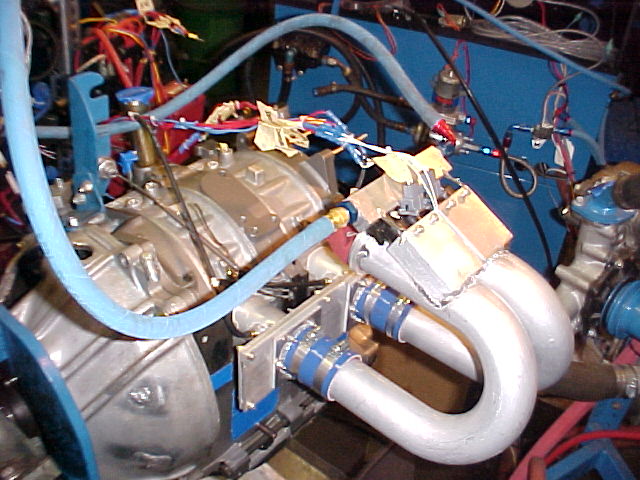
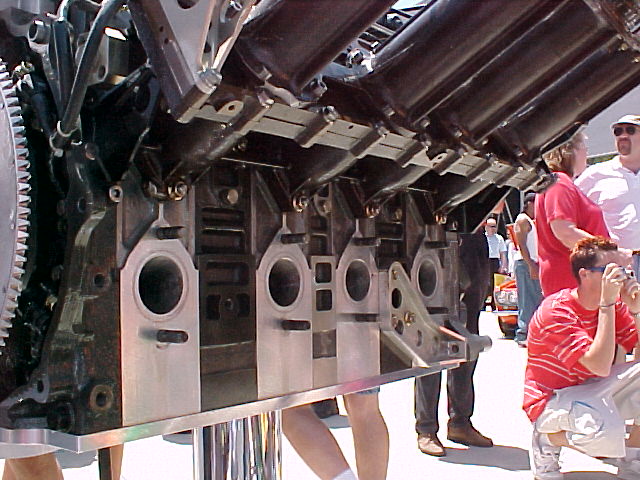
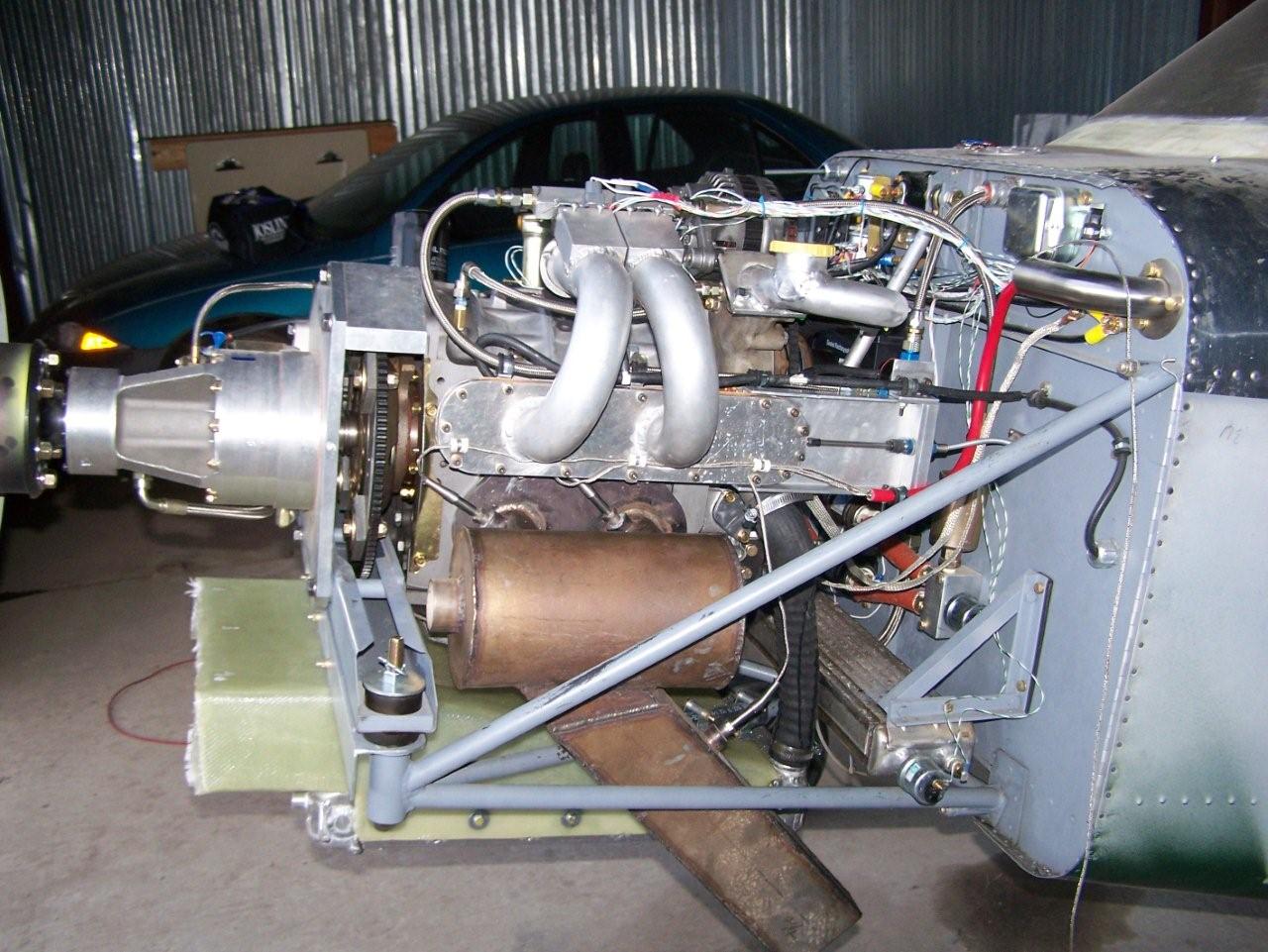
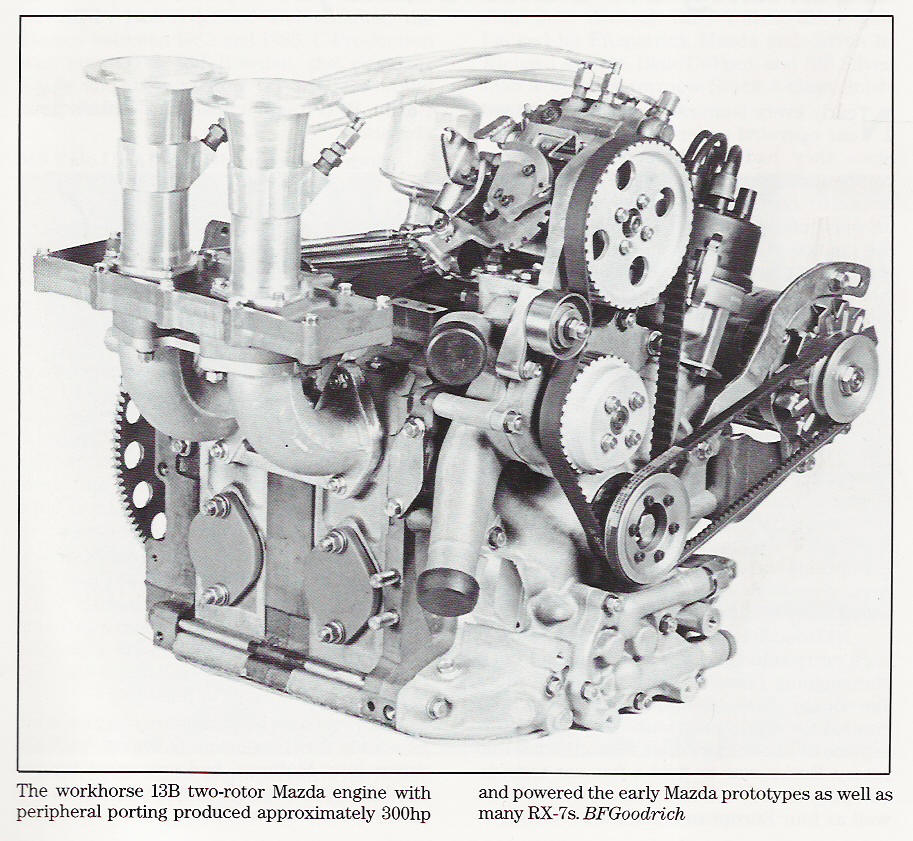
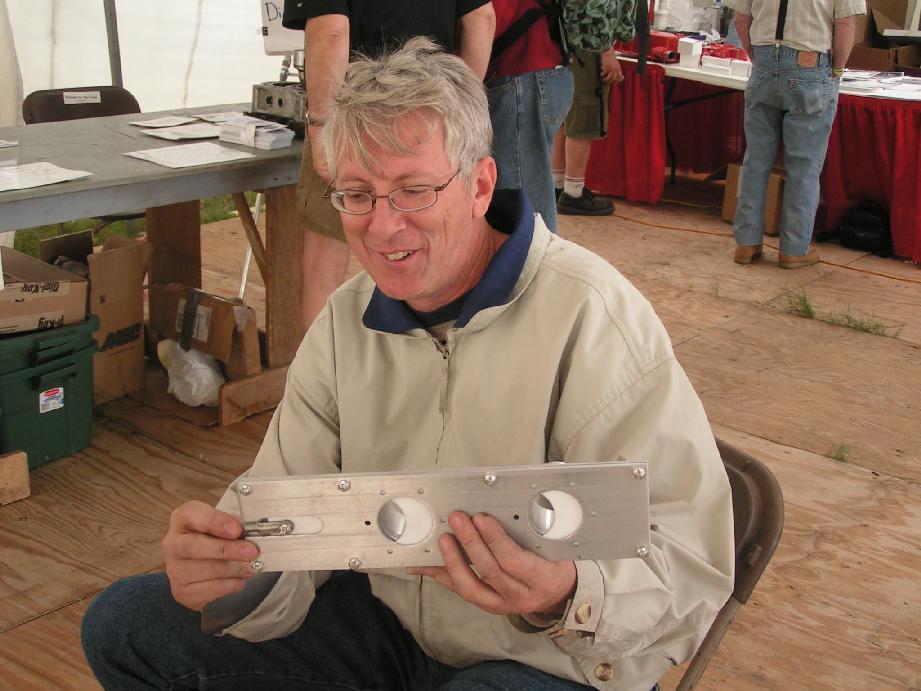
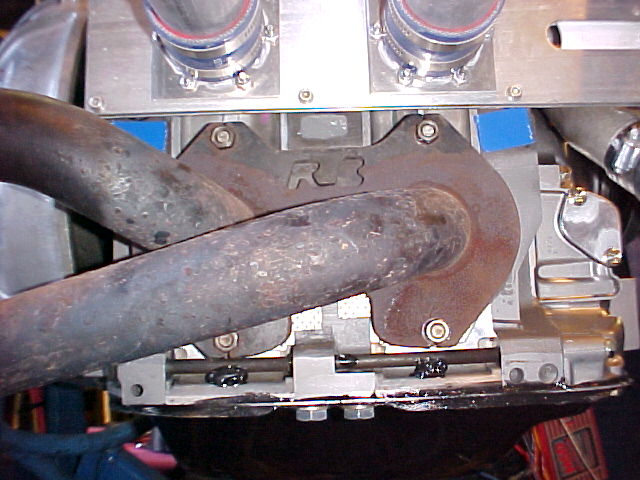
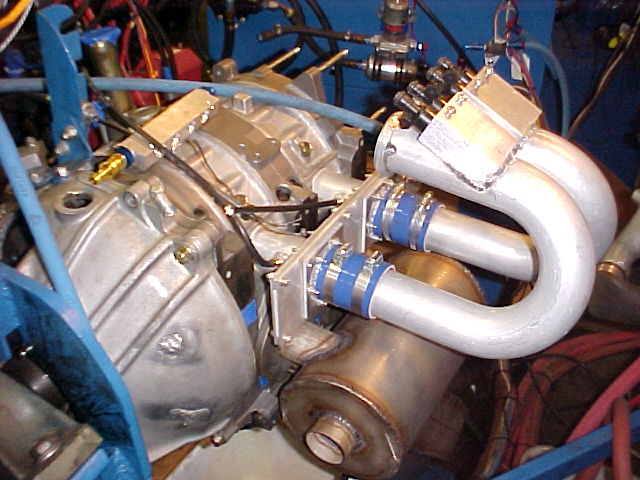
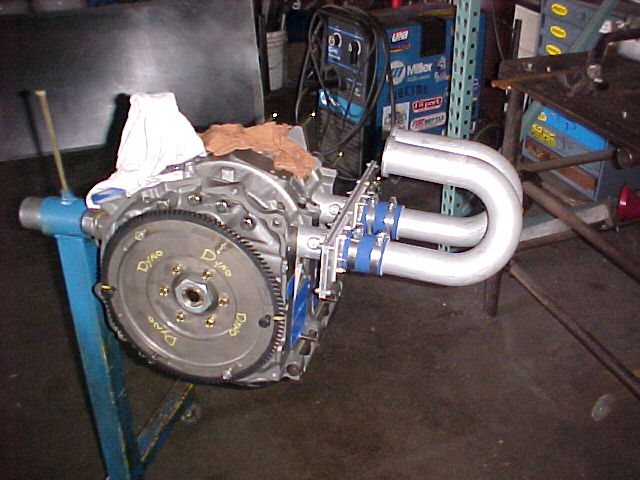
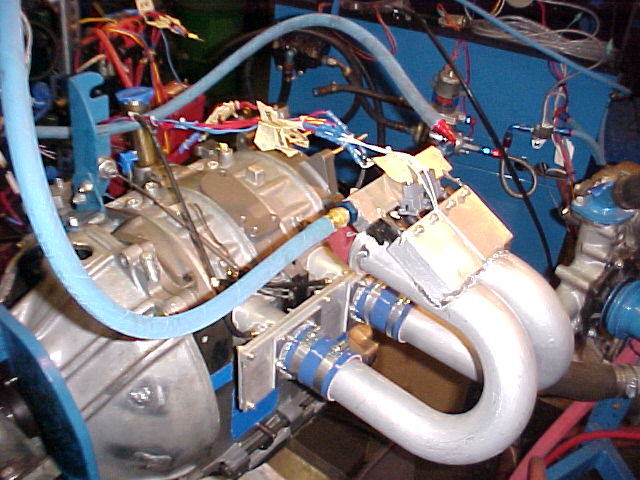
Steve, consider offering the Teflon slide throttle. Aircraft engines
spend 90%
of the time WOT and the slide throttle has no internal aerodynamic drag
so the
BSFC and power is better. Here are some pictures. It is cheap if punched
out on
an NC punch. Ten or more holes sets are punched at one time and then the
covers
are sheared to final size. People have complicated them with oblong
holes, NC
mills and rounded ends but all that does is increase the cost. Mazda
engines are
chosen for aircraft because of the lower cost so the idea is to keep the
cost down.
Paul Lamar
Thanks Paul. In your email I did not see the photos attachments you
referenced.
We did draw up a system using a slide throttle arrangement but did not get
around to testing it. Do you use it at the plenum and wet runners or
other
configuration? Similar to one of Ben Ellison's throttle body injector
units?
Steve Beckham
We ran them on the dyno and on Mark Supinski Mustang II so far. The
injectors
were placed near the open ends but anywhere will work. The idle was good.
I could not tell the difference compared with the P.S. engine idle. They
all
have to idle above about 1800 engine RPM (630 prop RPM) as the gear box
shakes.
Do you have "view attachments inline" turned on in your email program?
Did everybody else get them? Here they are again.
Paul Lamar
Got'em this time. Thanks Paul. Do you have any photos of it installed on
the engine on dyno or in the aircraft?
It probably should work well based on all the prior application in race
cars. And Ellison slide units have been used for years on aircraft.
Will be interesting in flight tests r.e.transitional response...ie. short
final and quick throttle change required from different low points. The
throttles in the rotor housing really worked exceptionally well for us in
that respect and produced a nice engine idle all the way down to about
1,000-1200 in the aircraft as I remember. On the dyno tests did you have an
airbox or plenum and if so could tell if you had any reversionary blow back
out the top that you experienced with the dyno test involving Webbers? That
blow back was common with Webbers and individual runner systems. Is the
Mustang II flying yet with the slide?
Stgeve Beckham
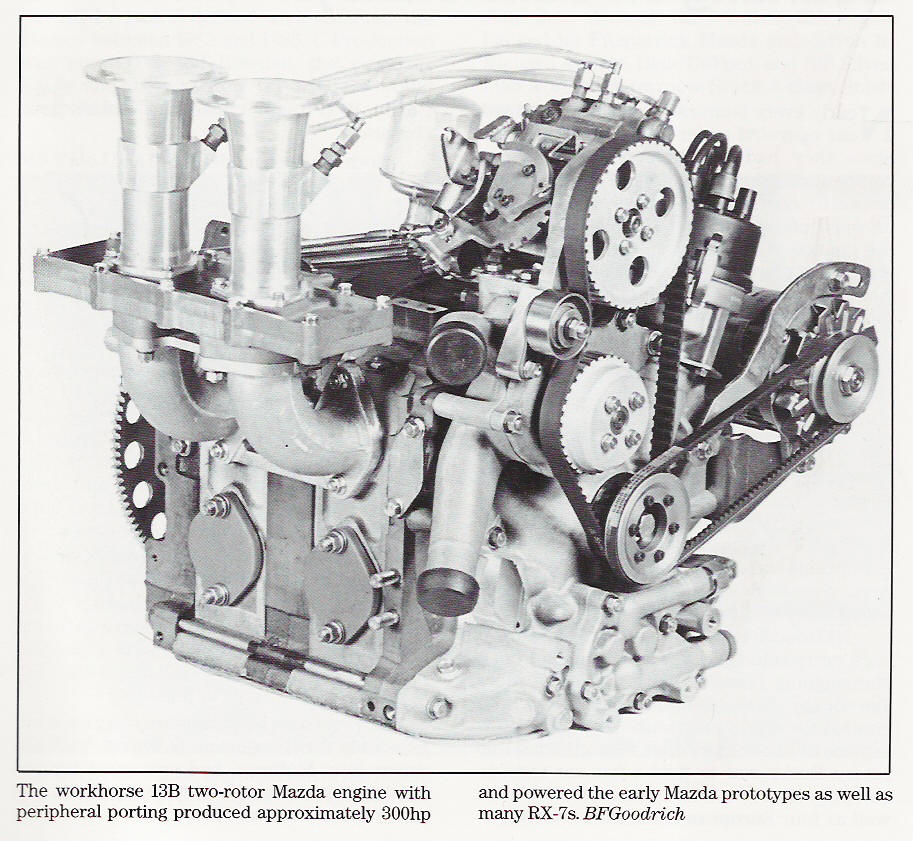
Historically they were used on the standard 300 HP p-port race motors of 1980's.
They were also used on the Lemans engine. The old fashion type dating back to
the early 1900's were very expensive as they had recirculating ball bearings to
prevent lock up on engine over run. At 15 psi manifold pressure worse case and
about six square inches of port area you had a clamping force on the slide of
about 90 pounds. Needless to say you may crash if the slide locks up in a road
race :)
What we have done is replace all that very expensive recirculating ball bearing
stuff with a Teflon slide that has a coefficeint of friction of about of about
.06. That means the max force you will ever see on the throttle cable is 5
pounds. No air box yet but I have one made and I plan on using it on the prop
dyno RX8 P-port engine. So far it has run only with a Weber on the Mazdatrix
dyno. I am building a super cheap, non computer, analog EFI as we speak. Much
cheaper than a $1,000 Ellison.
Here are a bunch more pictures.
Paul Lamar
--
The Rotary Engine NewsLetter. Powered by Linux.
ACRE NL web site.
http://www.rotaryeng.net
Youtube key word UTUBPLEASE
Copyright 1998-2008 All world wide rights reserved.