However people are looking for smooth finished panels and the additions
of a gel coat and the smoothness adds even more weight. The smoothness, of
course, is a result of the filling in of the weave and gaps in
fiberglass overlap joints.
The Jig method may have some of the same problems but if the foam is
surfaced filled and the glass fiber is placed on the foam before the
resin tacks up, the glass will absorb up to 15% of the excess resin from the
foam sealing resin and glass beads.
I think this should be explained in full to those who are seeking to
achieve the lightest possible panels, so that they might make an informed choice
about which method to select. If weight is not so important the choice
is easier.
In my particular project I'm aiming for the Light Sport category the
target weight is right on the cusp - so any additional weight must be avoided
at all costs.
George Lendich (Down Under)
----------------------------------------------------------------------
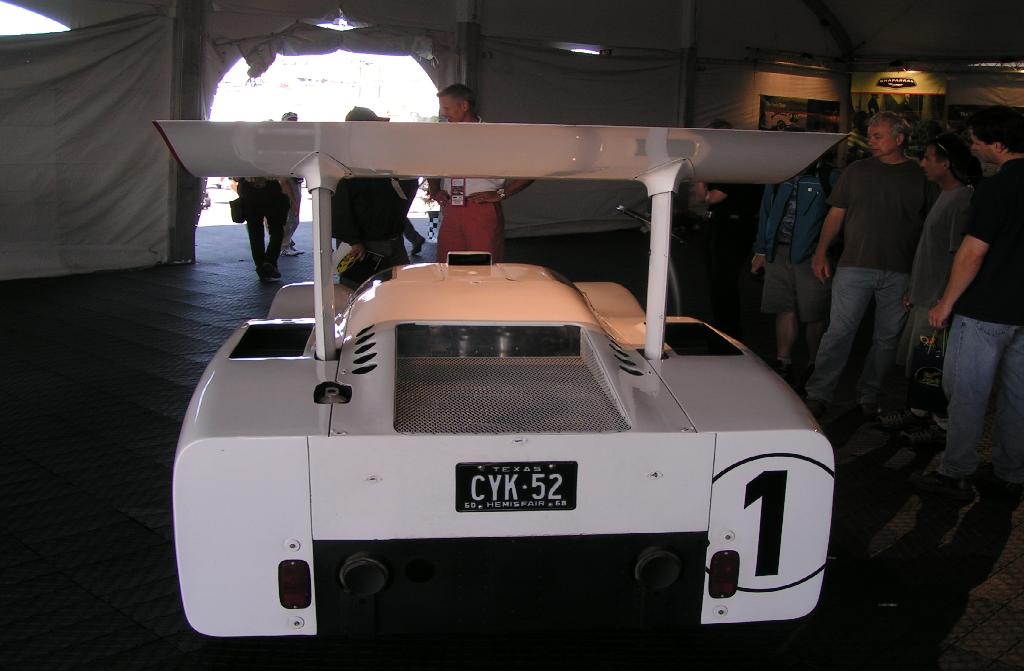
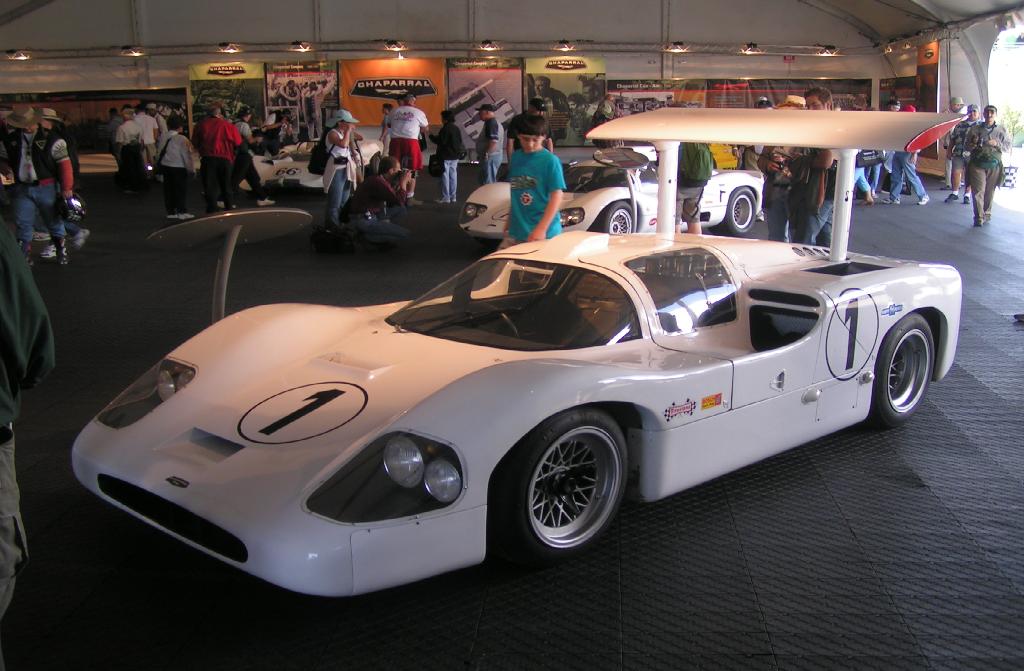
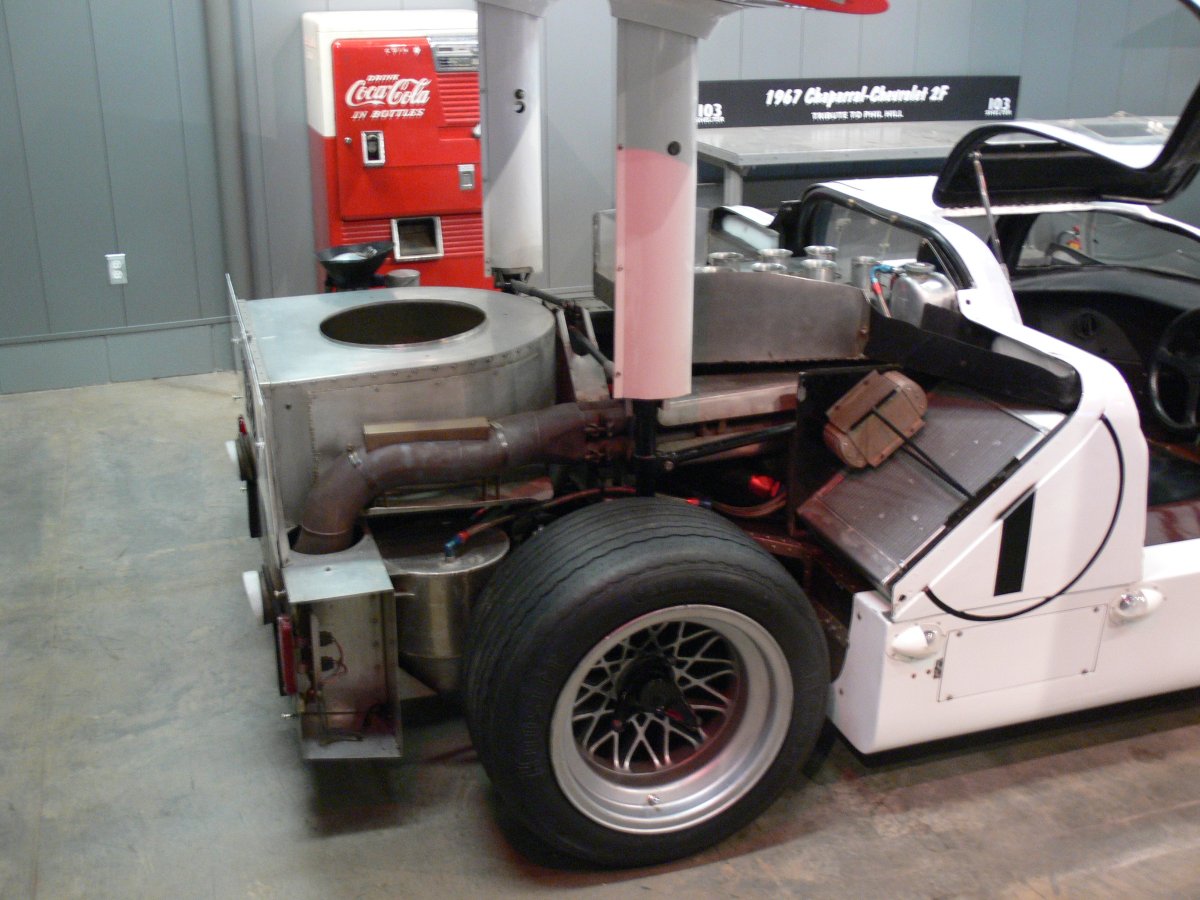
George, Find some lighter weight cloth for the low stress panels.
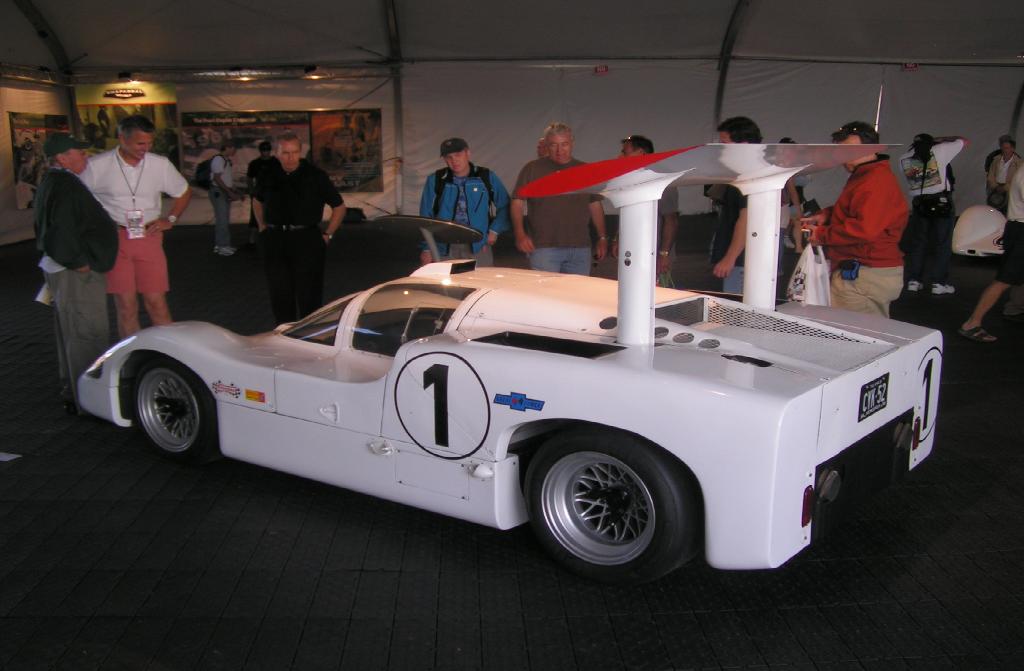
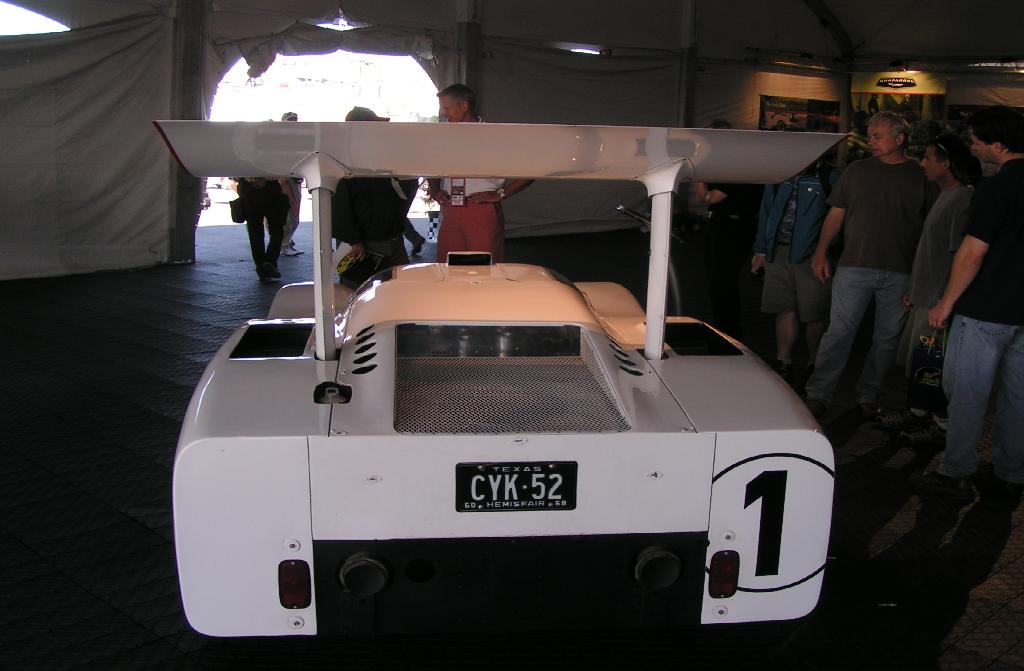
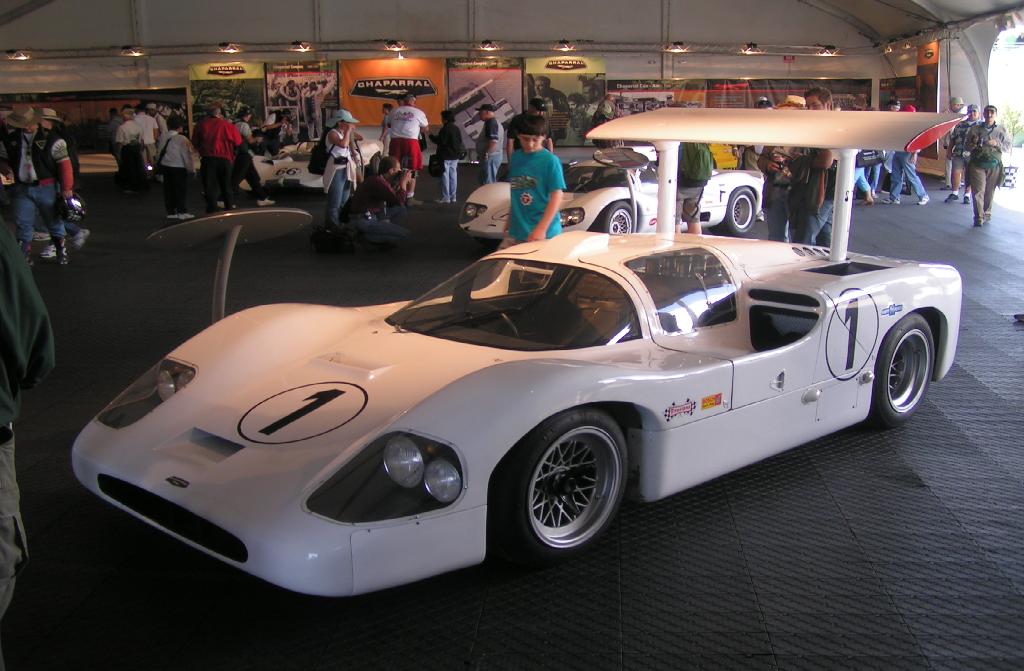
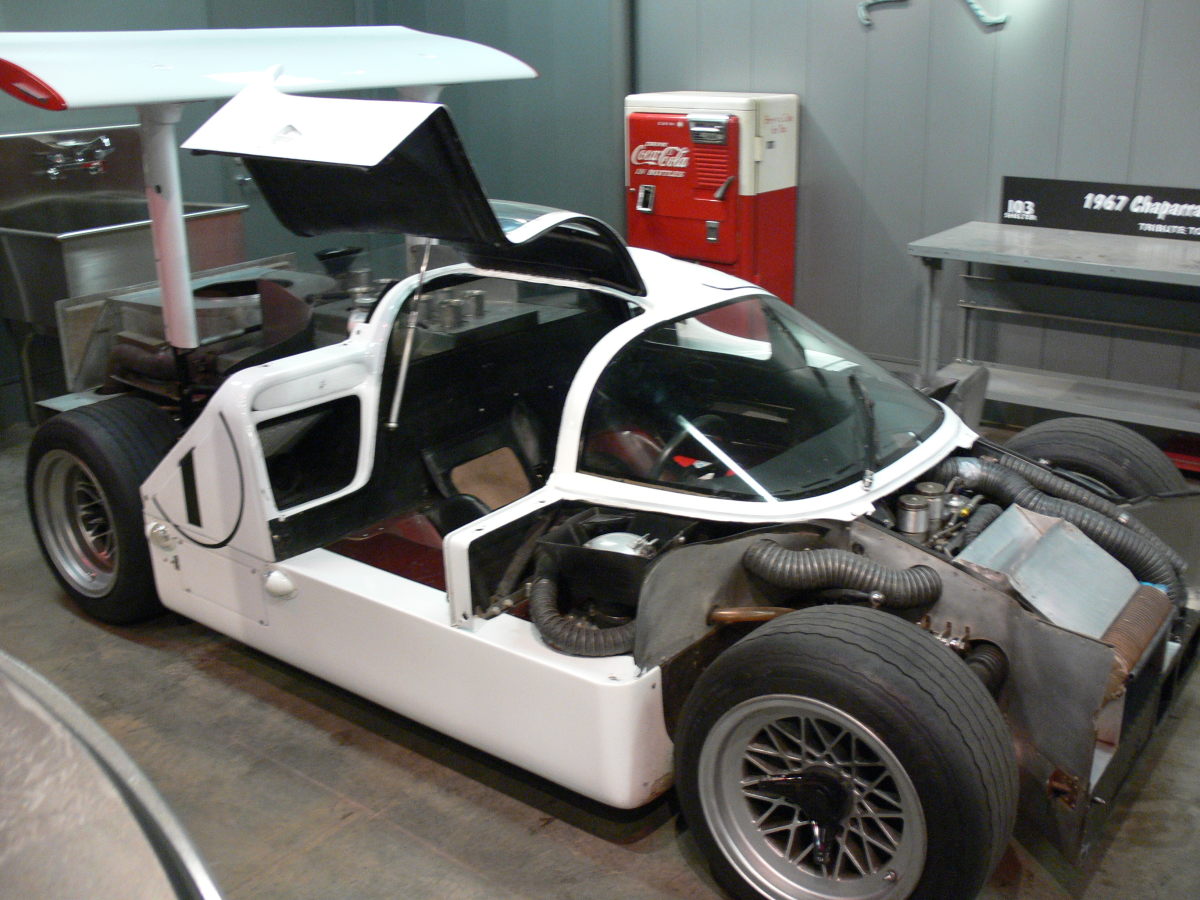
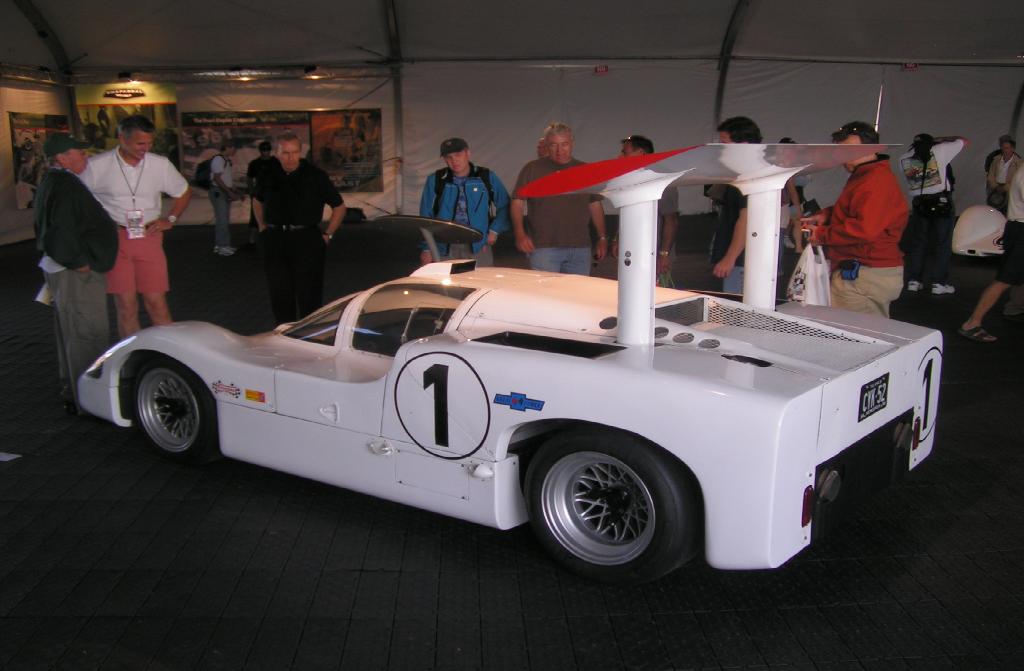
On this car the body was made from two layers of four ounce glass cloth
with 1/4 inch thick PVC foam core. You don't have to use 10 oz. When it
came back from the paint shop it was twice as heavy :) It went 230 MPH at
Lemans.
Paul Lamar
----------------------------------------------------------------------
--
I like the looks of the car in photo. Does anyone have any construction
detail on it for a later project. Off course the engine will be a rotary
with a turbo!
Pierre in South Africa
------------------------------------------------------------
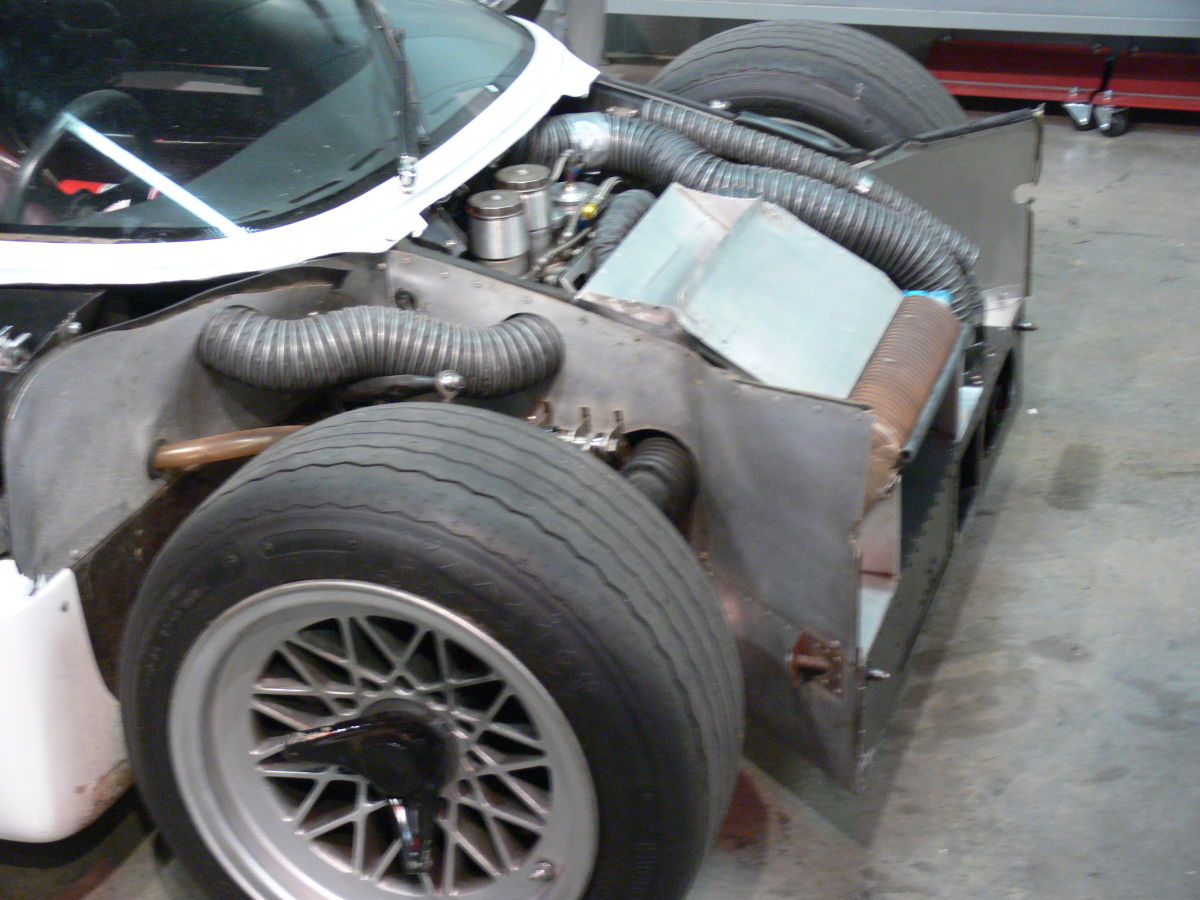
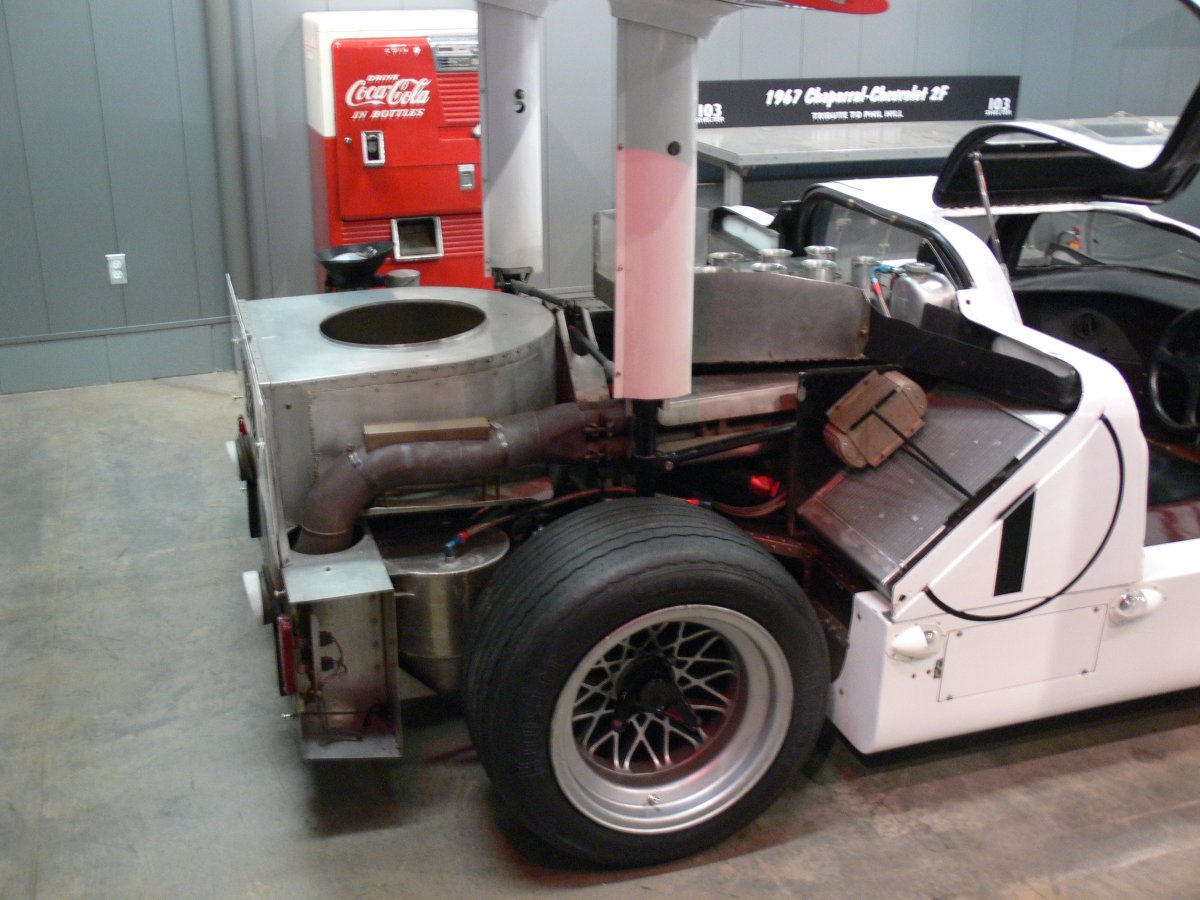
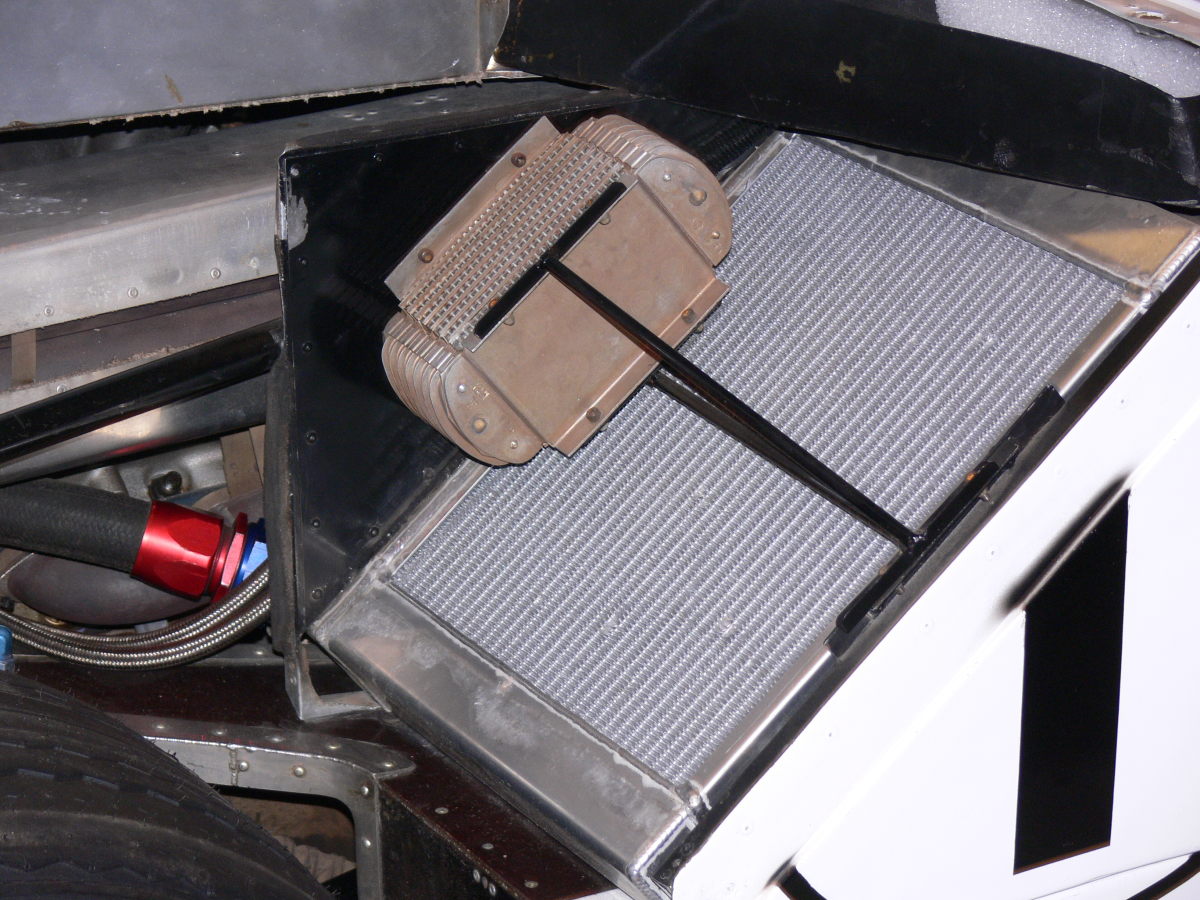
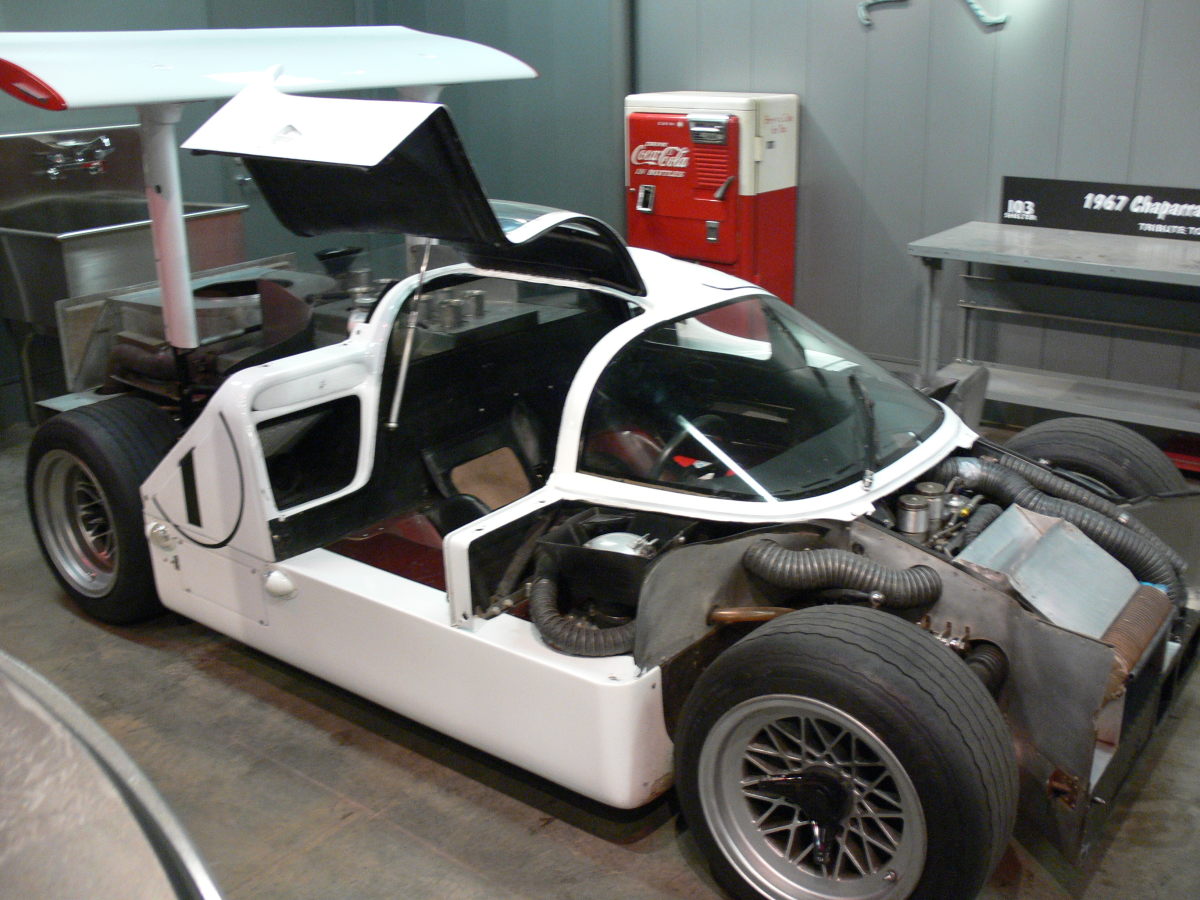
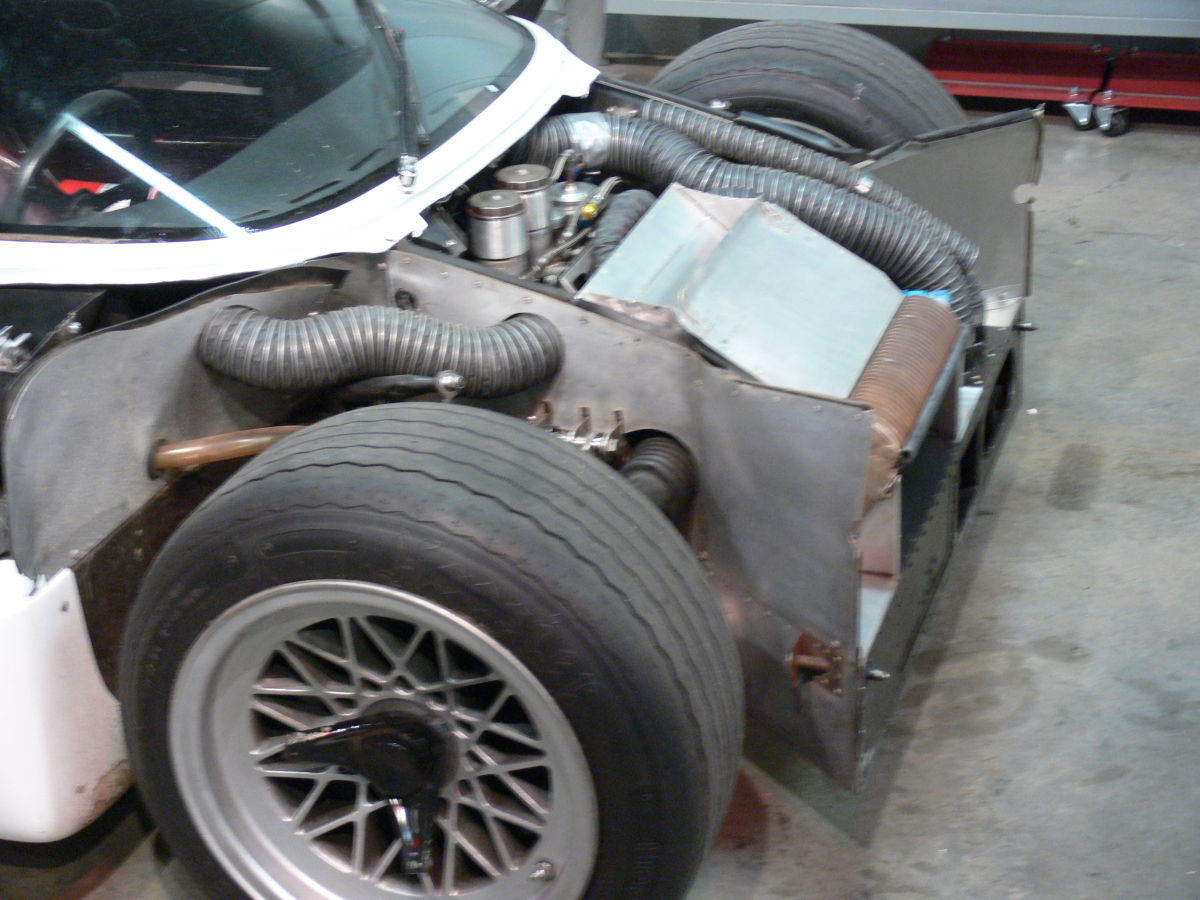
Yes it does have a timeless appeal if I do say so myself. I designed the body
and part of the wing mounting. It had an eight layer 181 fiberglass chassis
vacuum bagged and cured in an autoclave. The engine was a 7 L big block aluminum
push rod V8 made by GM. It had four custom made dual throat down draft
carburetors. Copies of Weber side drafts more or less. Fuel capacity was about
30 gallons. Transmission was a four speed manually shifted crash gearbox using a
lock up torque converter. Empty weight was 1750 pounds. Weight ready to race
was about 1950 pounds as I recall. The wing angle of attack and down force on
the nose could be changed on the straight away to reduce drag. You will need a
four rotor turbo to do it justice.
Paul Lamar
--
The Rotary Engine NewsLetter. Powered by Linux.
ACRE NL web site.
http://www.rotaryeng.net
Youtube key word UTUBPLEASE
Copyright 1998-2008 All world wide rights reserved.