> >> Hey, guys,
> >>
> >> Here is an image of the Integrated Motor Assist (IMA) as installed on
> >> the Honda Insight.
> >>
> >> http://www.beaudaniels.com/automotive-images/Insight-IMA.jpg
> >>
> >> The starter/motor is that 2-inch thick pancake electric motor sitting
> >> right between the inline-3 cylinder gasoline engine and the
> >> transmission. It is kind of hard to see. That is the largest image
> >> of it I have found so far.
> >>
> >> The IMA always worked for me in the year I owned an Insight. Honda
> >> does design good stuff, generally. Could the IMA fulfill the
duties you
> >> envision for an alternator/starter on an aircraft?
> >>
> >> Les Nordman
>
>
> There is a fundamental difference in technology here that has not been
> mentioned.
> The StAR starter/ alternator is just or starting the gas engine and
> generating ordinary 14v power.
> The IMA is an alternate power source to drive the car when the gas
> engine is not needed and is therefore a much larger unit.
> Hardly what we require in an airplane, as I see it.
>
> Dave McCandless
Dear Mr. McCandless:
You have just put your finger on a vital point and, perhaps, have opened
up an easier, better way for us to turbocompound our engines.
PROBLEM
One of the constant, large problems turbocompounding must overcome is
the problem of TIME. More specifically, "how do we get the power from
the turbocompounder to the propeller as quickly as possible?" Though
exhaust gasses blast out of the rotary engine at supersonic speeds, it
still takes time to turn that thermal and gas-speed (sorry, I don't know
a more precise term for it) energy into usable energy spinning the
propeller. So, specifically stated, the TIME problem for
turbocompounded aircraft rotary engines is: "We don't want to bog the
engine down, waiting for the turbocompounder to spin up to speed." The
usual way to solve this problem of conversion is mechanical: spinning
turbines, shafts, and gearboxes. More weight, more complexity, and less
reliability than the original rotary engine.
A SOLUTION
One solution is to Take The Problem Of Time Away.
What do I mean by that? Instead of trying to solve our time
problems with the turbocompounder shackled to the propeller
by mechanical means, how about let us _decouple_ the power generation of
the turbocompounder from the power generation of the rotary engine?
Decouple those two power generations _completely_.
GENERAL APPLICATION
Let the exhaust gasses blasting out of the rotary engine spin a turbine
which will turn an electrical generator. Make a _SMALL_, _LIGHT_ set of
batteries serve as the "automatic transmission" transferring power to
the propeller. The _SMALL_, _LIGHT_ set of batteries already have
been charged up from the previous flight. They are a reservoir of
power. Apply that reservoir of available power immediately to the
engine. The _SMALL_, _LIGHT_ batteries put the power of the
turbocompounder to the propeller at the same time as the rotary engine
does. This the batteries do until the turbocompounder is up to speed.
When the turbocompounder comes up to speed, let the power flow through
the batteries, to the IMA, to add turbocompounded horsepower to the e-shaft.
In all modes of use, the rotary engine is set free to make as much power
as it can to turn the propeller, with out worrying about, "when is the
power from the turbocompounder ever going to get here?" The
turbocompounder is set free to make as much power as it can, without
worrying about, "how can we get this power as quickly as possible to the
propeller?"
This process happens at idle,then when advancing the throttle to take
off and cruise settings. All the time. No dead weight.
SPECIFIC APPLICATION
In this particular application, with Honda's IMA under discussion, the
IMA could serve four purposes:
1. start the engine.
2. deliver stored power to the propeller, at start up and when throttle
settings change.
3. continue to deliver the power recovered by the turbocompounder, _as_
it is recovered, to the propeller.
4. charge the _SMALL,_ _LIGHT_ battery pack at the end of the present
flight, to be used at the start of the next flight.
That way, the IMA would be in constant use. It would never be dead
weight. This would handle the problem posed by Mr. McCandless: "The
IMA is an alternate power source to drive the car when the gas engine is
not needed and is therefore a much larger unit."
CAVEAT
You aviation powerplant types will, doubtless, point out many problems
with the _specific_ _application_ to the problem. (MONEY! Yes, I know,
Mr. Lamar. So noted. :-) Problems, even insurmountable problems with
the application, are okay by me: I am not wedded to the Honda IMA, as
slick a piece of engineering as it is. Even if the Honda IMA does not
turn out to be the specific answer to our turbocompounding TIME problem,
I would like us to apply ourselves to the Principles:
1. _Decouple_ the power generation of the rotary engine from the power
recovery of the turbocompounder _completely_.
2. Apply the power recovered from the turbocompounder to the propeller
in a means _better than_ mechanical connection:
a. electrical
b. hydraulic
c. some other amazing technology I have not even thought of.
CONCLUSION
The engineering giants of the 1950's gave us a wonderful tool:
turbocompounding. Let us stand on their shoulders.
Turbocompounding presents us with basic problems. One such problem is
TIME. Let us go farther than the giants of the 1950's could, rather
than just staying with their solutions. If we applied ourselves to
solving the basic problems turbocompounding presents us, we could create
a far better powerplant than by just massaging the solutions of the past.
Les Nordman
Les,
I'll give Paul a break on this one, because I believe I brought up the
same issue several times. I assume you already know about a bit about
electro-magnetics but I am tailoring this response to people that may
not. To start off with let me say that my thought processes were
identical to yours until I spent a year sourcing turbines, generators,
crunching numbers and speaking with the electrical engineers at my
company who by the way design DC/DC converters, inverters and DC
generators. We manufacture a lot of technology needed to pull this off
so price was not an issue. The conclusion was that the efficiencies did
not merit the complexity UNLESS we were happy with an input of less than
120 amps. At 14.2 volts that is around 1.7Kw or the maximum load you
might need for running accessories. I was mildly surprised and yes I
was thinking turbo-electric. I had guesstimated about 8 or ten hp.
would be worth going after in this manner. Now if this power is coming
from off the shelf alternators connected by belt to the engine, 50%
efficiency is the often quoted number. Battery charging efficiency is
actually a curve and depends on numerous variables and generators are
often quoted at sweet spot efficiencies. So if we want 1.7kW our
engine is going to donate twice that much to make it, or 4.5 hp. The
Valeo I mention as well as the flat wire wound alternators by Denso are
a better choice here. Their sweet spot efficiencies approach 70%. but
heat density increases. More cooling is needed which is actually not a
drag problem with well designed ducts in an airplane.
Back to turbo-generators, Garrett has been doing quite a lot of research
on that subject for going on 7 years now. They are using PM generators
and the challenge (besides the high frequency power conditioners) is the
keeping the magnets cool. I believe their target is diesel engine
trucks and they want to use the power for the numerous truck
accessories. Good market and sound design concept. I would ball park
guess their generator efficiency is around 95% if kept cool.
However Trying to get this power into the prop electronically will be a
futile exercise because of the energy losses and weight of the
components. Can it be done? Sure, but as someone much wiser than I,
(Vance RIP), said, "You would be lucky to find the energy with a
microscope".
Now over the years, we briefly spoke about a high speed turbine driving a
hydraulic oil pump but I admit I never ran the numbers on the set-up.
Things to consider would be the oil, the in line friction, pump
cavitation, and the efficiency loss of the hydraulic motor connected to
the drive line. Personally I am not wise enough to design a compact
lightweight high rpm hydraulic motor driven by a hydraulic pump
connected to an extremely high speed source. It seems much easier to
connect the traction drive via a shock dampened belt directly to an
e-shaft.
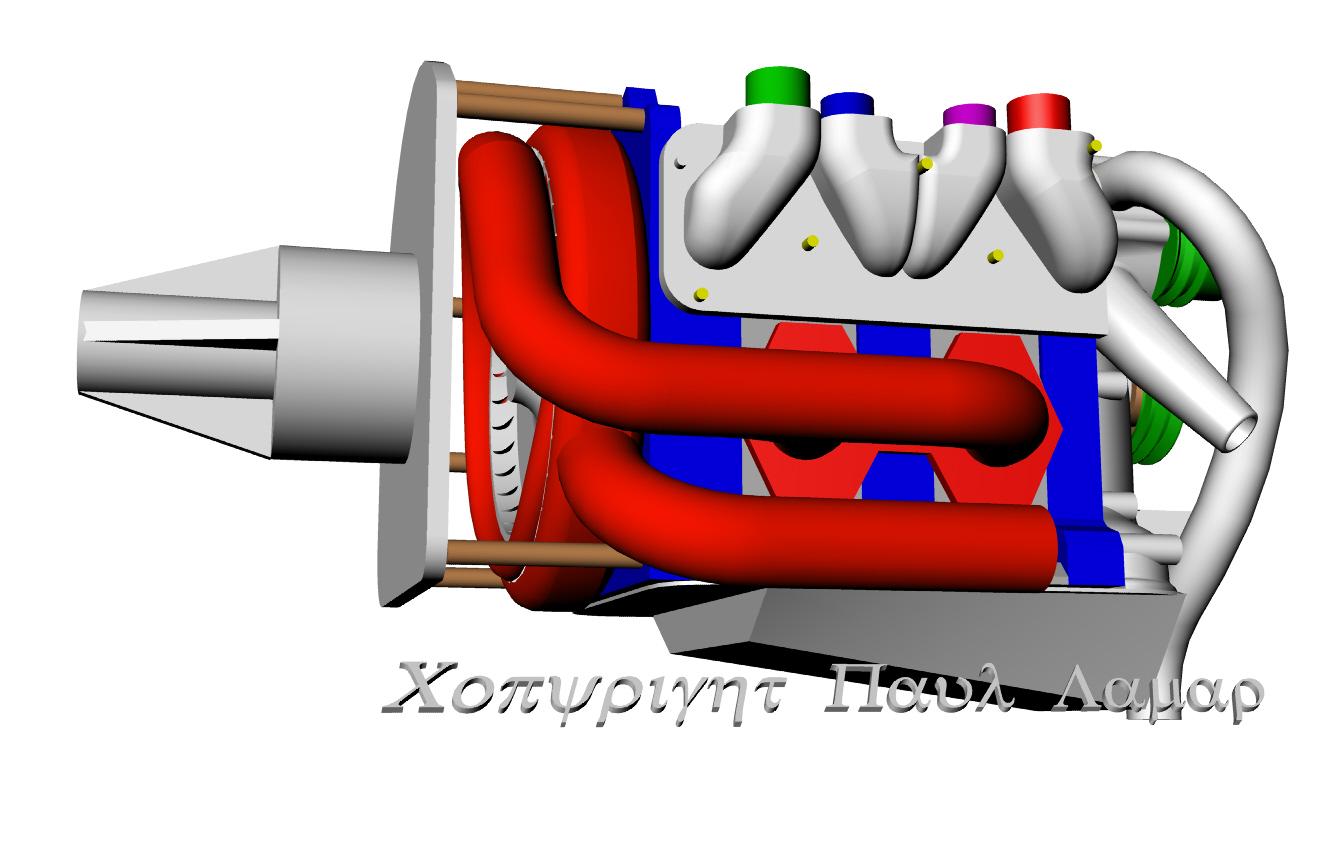
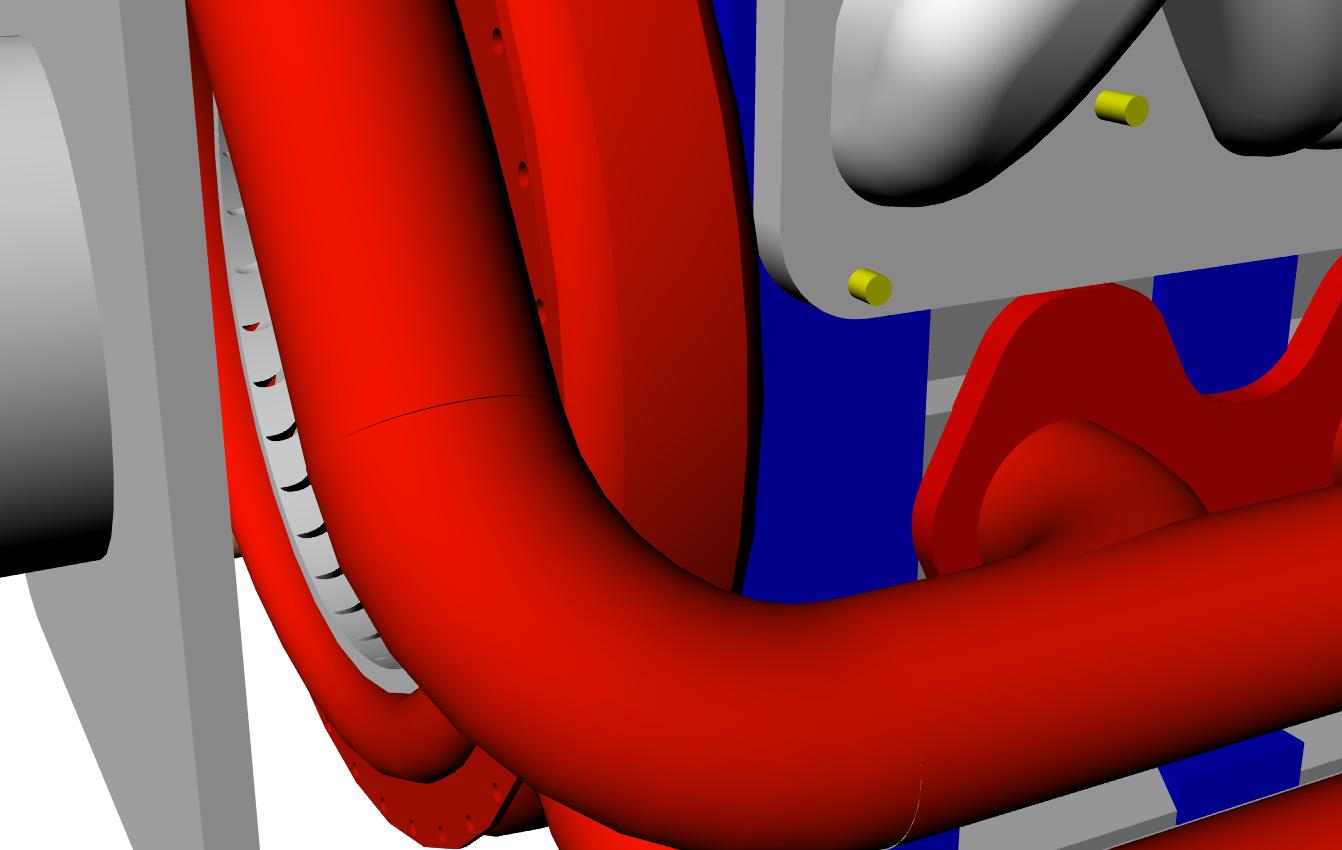
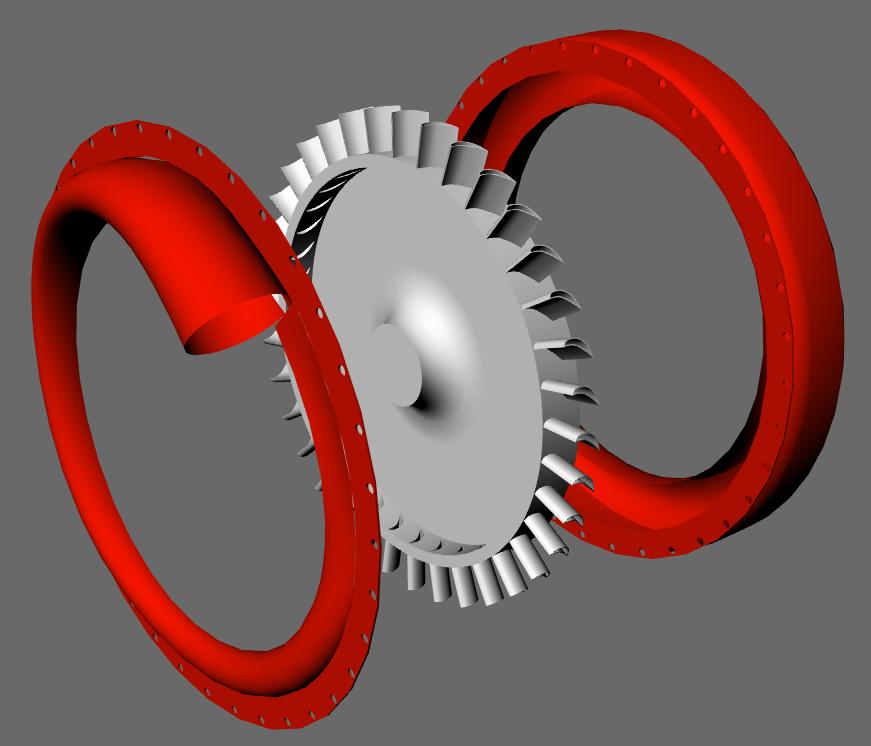
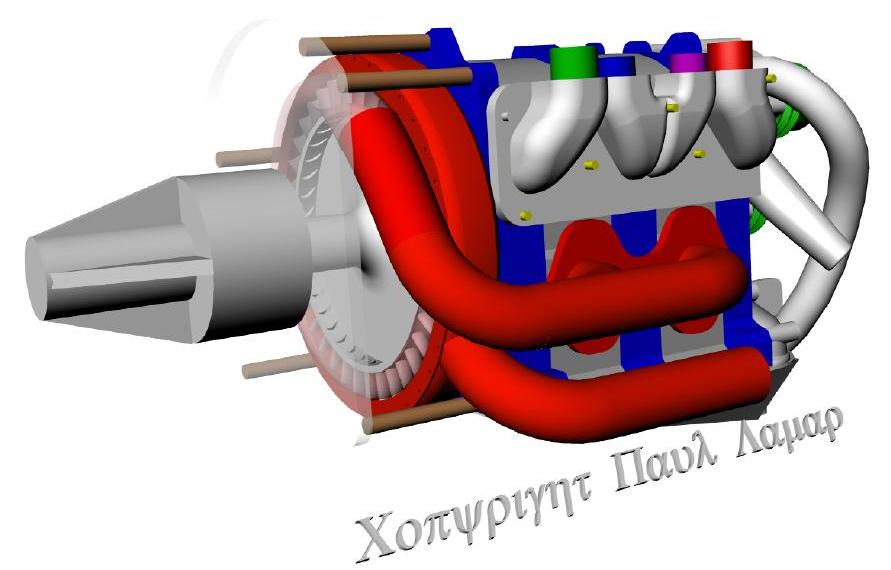
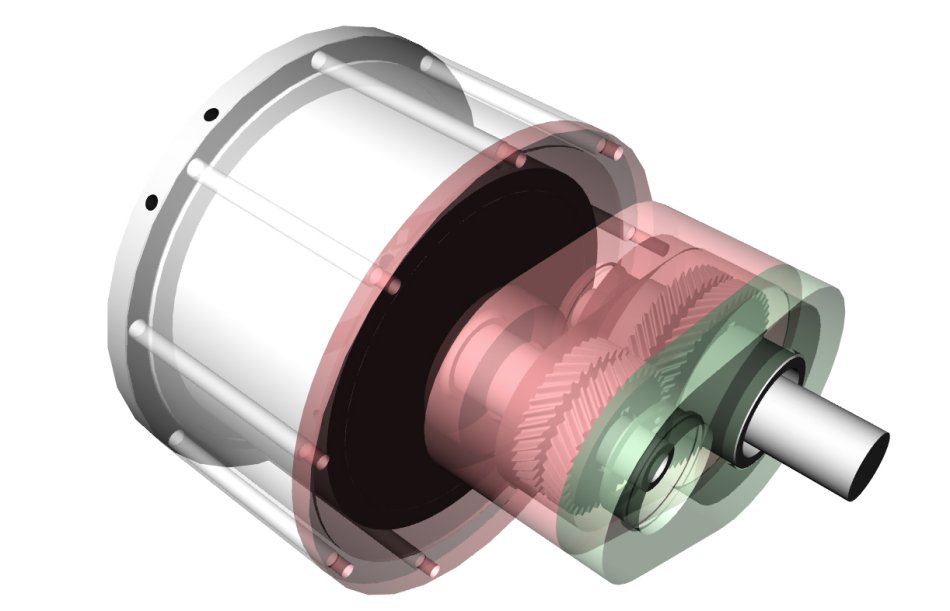
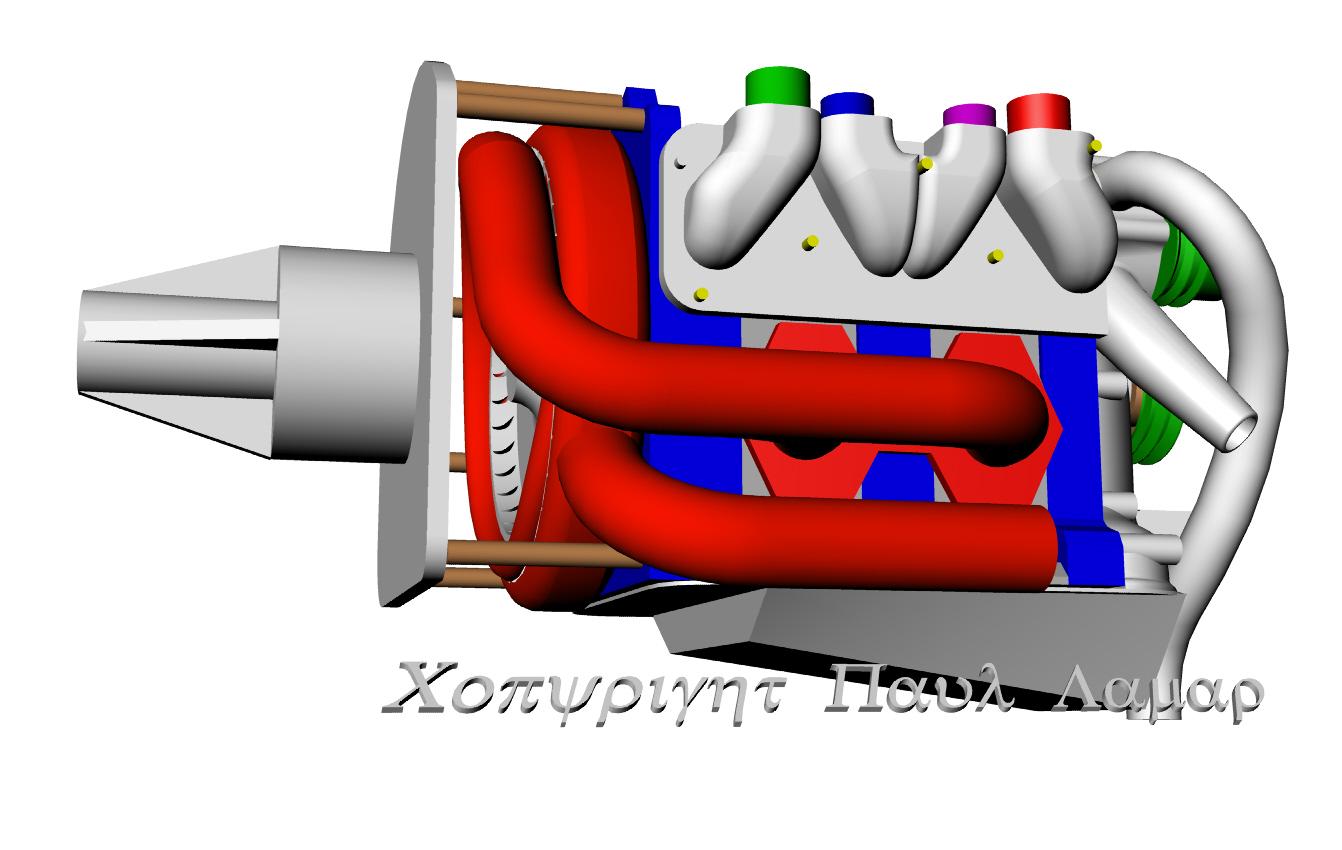
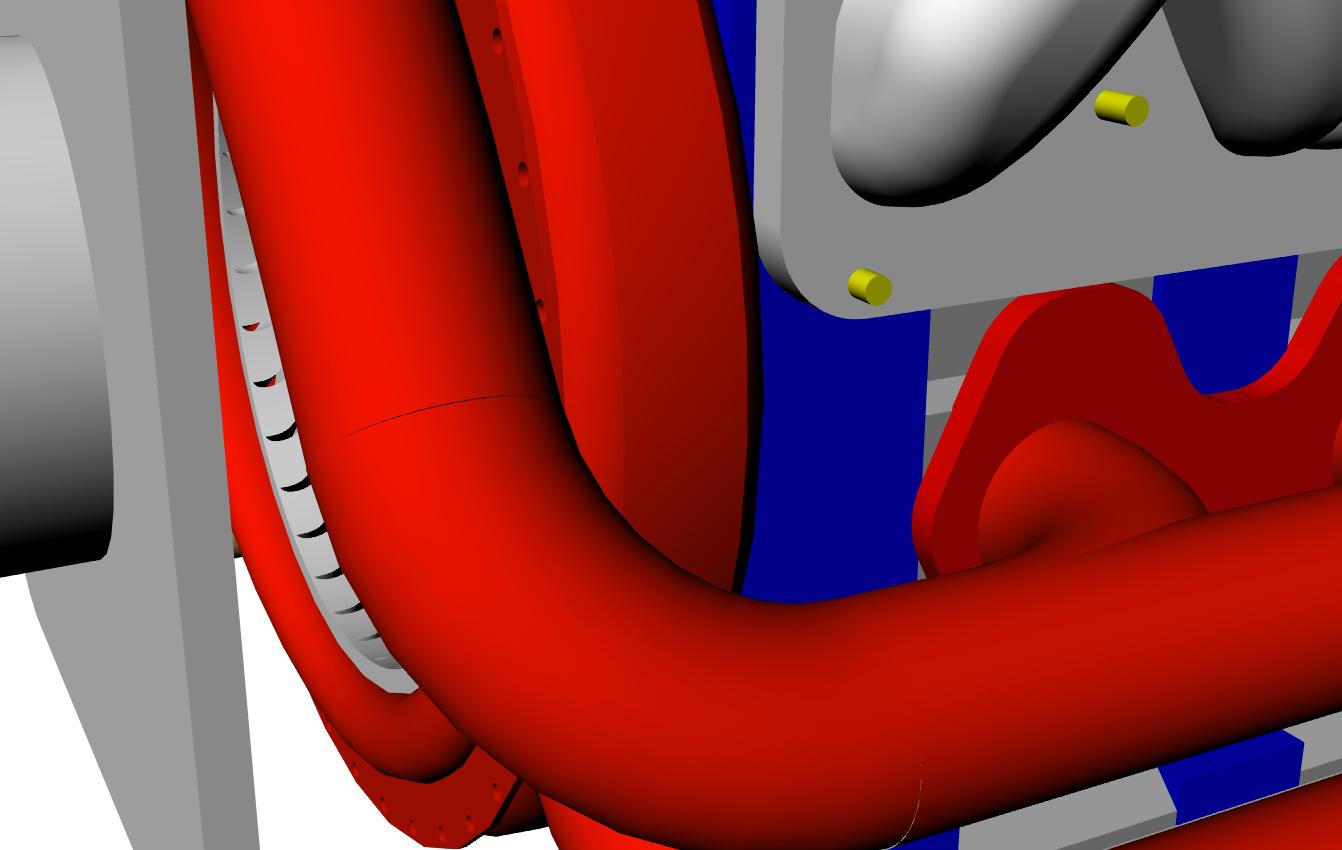
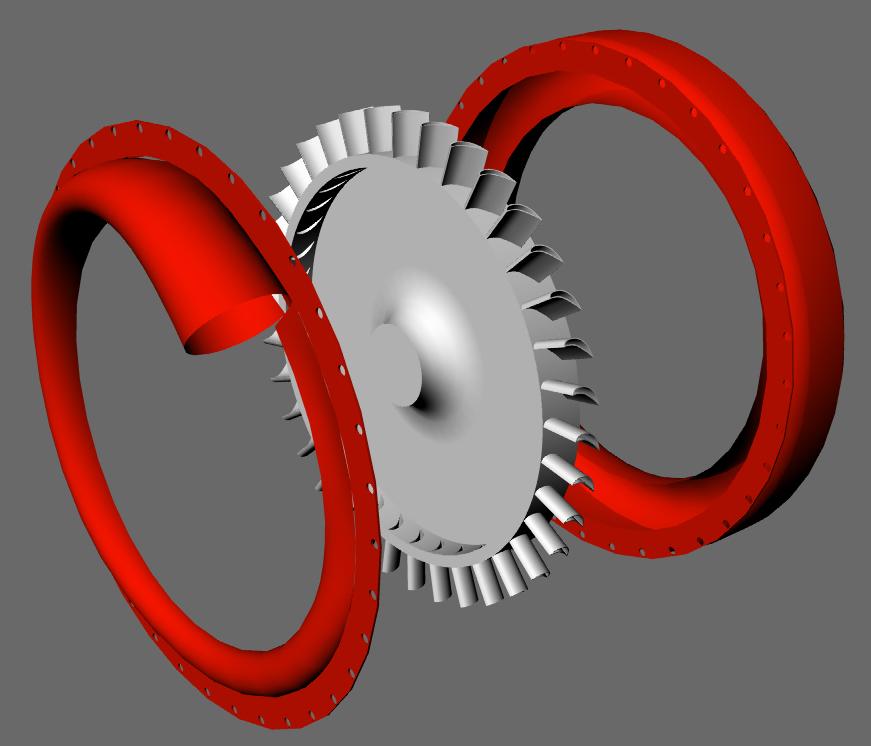
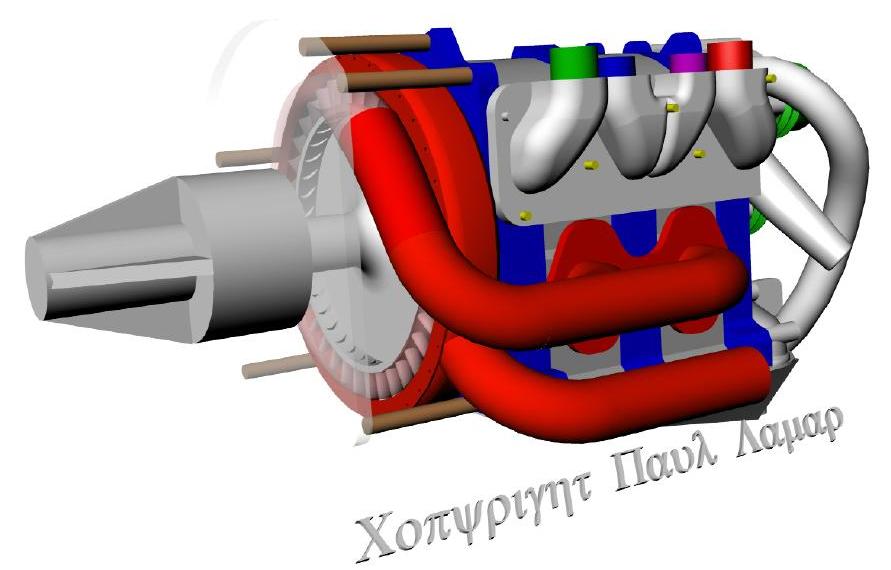
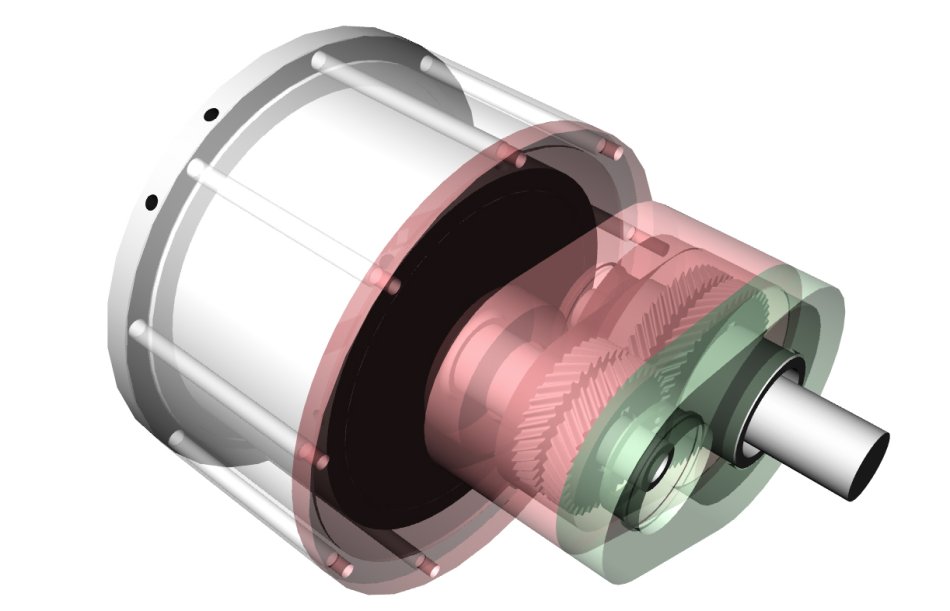
Paul's illustration of a huge axial turbine connected directly to the
flywheel end of the engine is pure elegance. There are a few technical
challenges to over come such as heat isolation and the desire for
variable vane nozzles that could react with changes in exhaust flow,
which I personally believe would be an issue after a turbo-charger.
Technically his design would be the most logical solution. It is
however beyond the research budget of most of us.
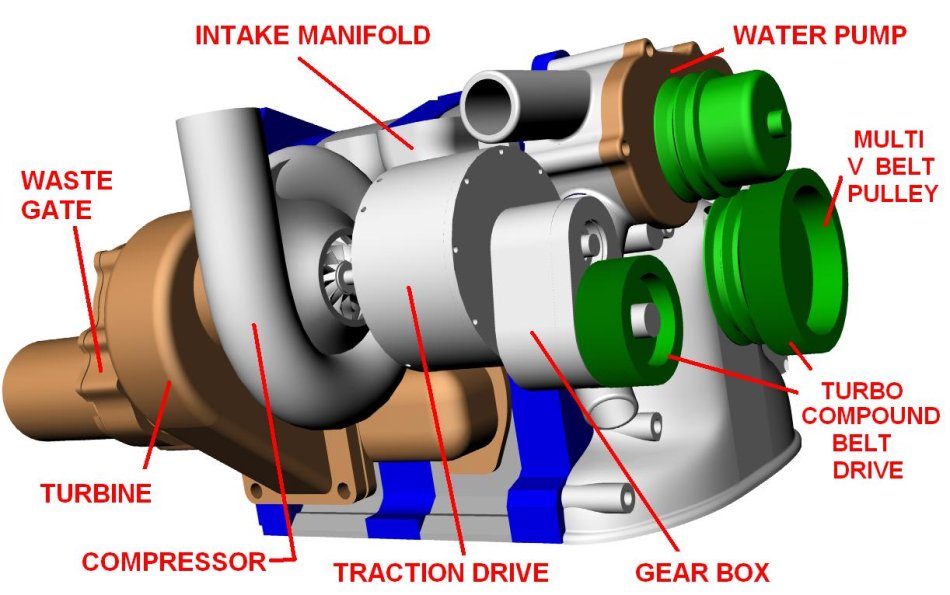
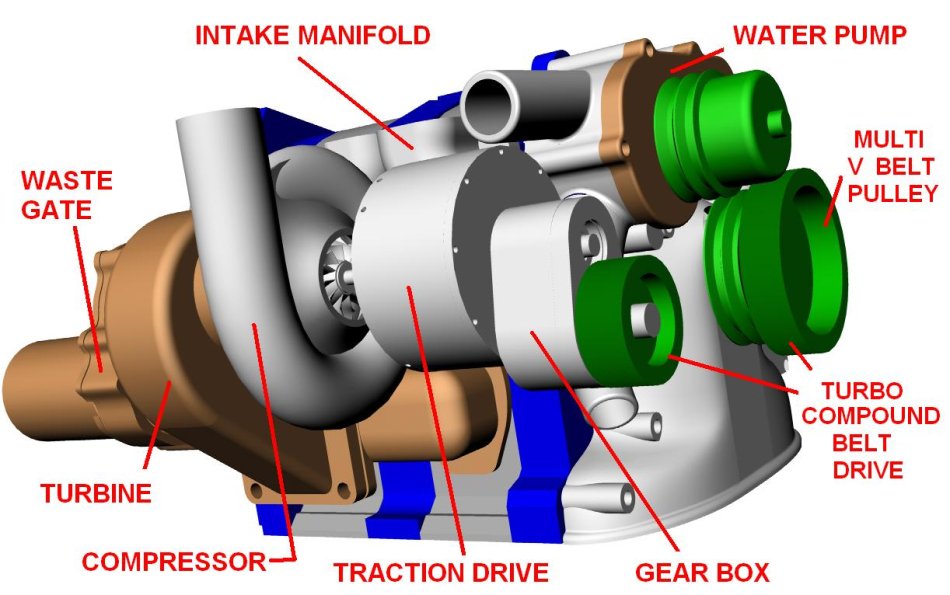
Reason would dictate we imitate what has been done in prior TC. art and
use off the shelf turbo-charger radial turbines and new tech traction
gear and multi-v belts to get some data on the system. If that step
proves out then armed with data we can go for funding to design the
second step, an axial turbine. Other things to remember. Best MPG
with TC appears to be at power settings at or above 75% and high
altitudes above 20K'.
Doug in Japan
--
The Rotary Engine NewsLetter. Powered by Linux.
ACRE NL web site.
http://www.rotaryeng.net
Youtube key word UTUBPLEASE
Copyright 1998-2008 All world wide rights reserved.