Does anyone have any ideas on how to build a relatively low-buck DIY
engine dyno? I want to examine the expense/feasibility of building one
myself.
The basic idea would be a water-brake using a jet ski impeller (or
similar) and some sort of torsional load cell driveshaft. My main
questions and concerns would be instrumentation. How to setup and
collect data from a single (or series of) strain gauges on a metal
shaft and take periodic accurate readings from them while also reading
shaft RPM. I'm sure it's possible to buy instrumentation for <$200 if
you look in the right places or >$2000 if you look in the wrong ones.
Makes me wish my degree was in electrical engineering.
-Chris
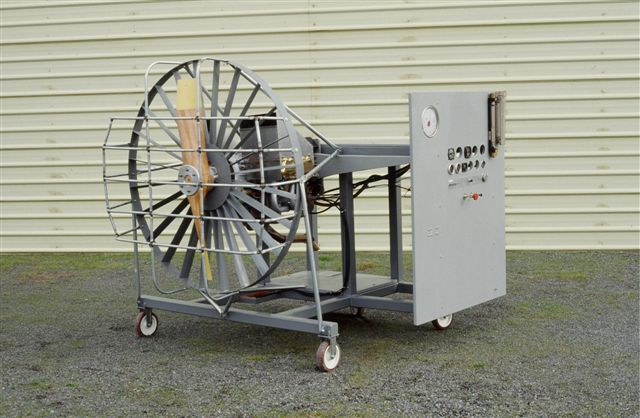
Water brake dynos heat the water. 800 gallon tanks are typical.
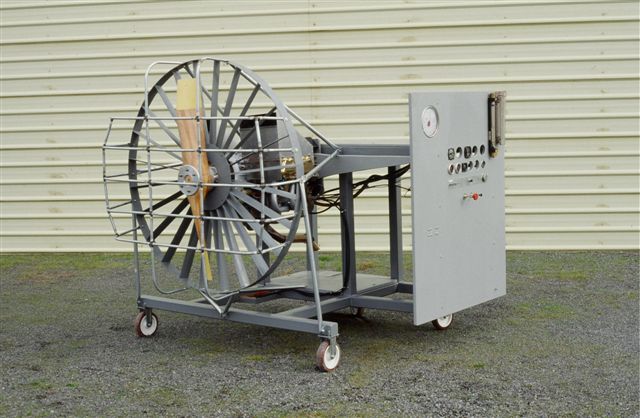
250 HP is 186 Kilo Watts. Here is one that heats the air.
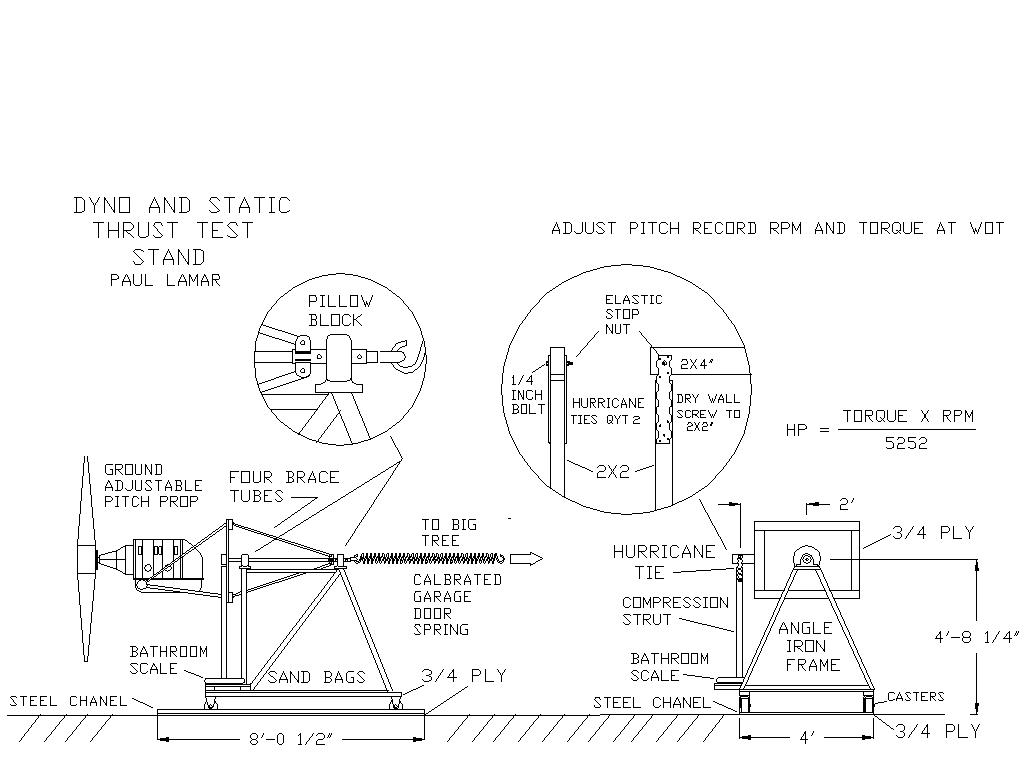
CALIBRATING THE DYNO
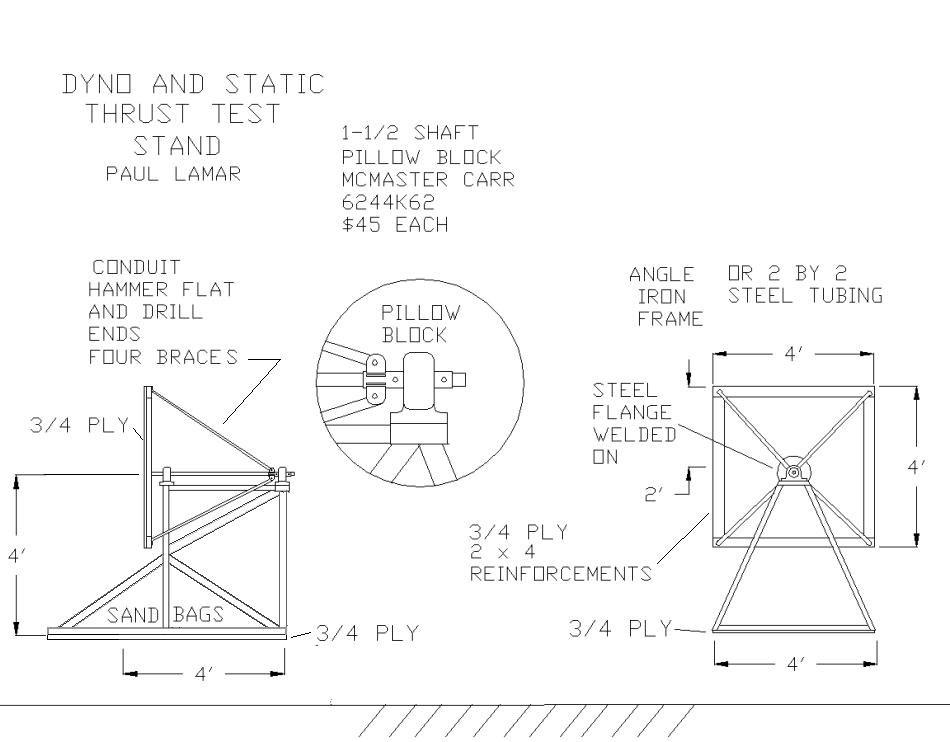
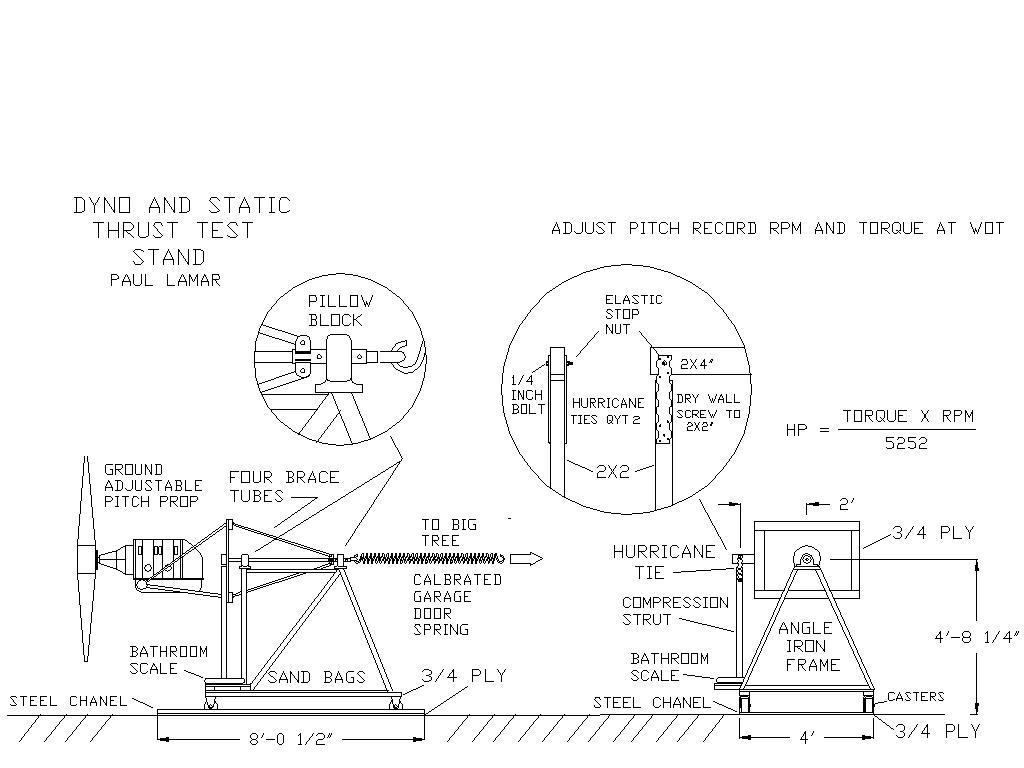
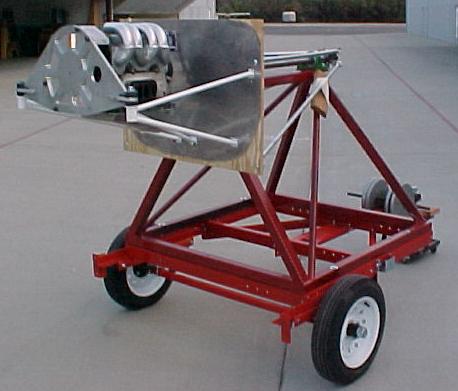
Calibrate the torque system with a large torque wrench. With a two
foot lever arm double the scale reading to get foot pounds of
torque.
TESTING
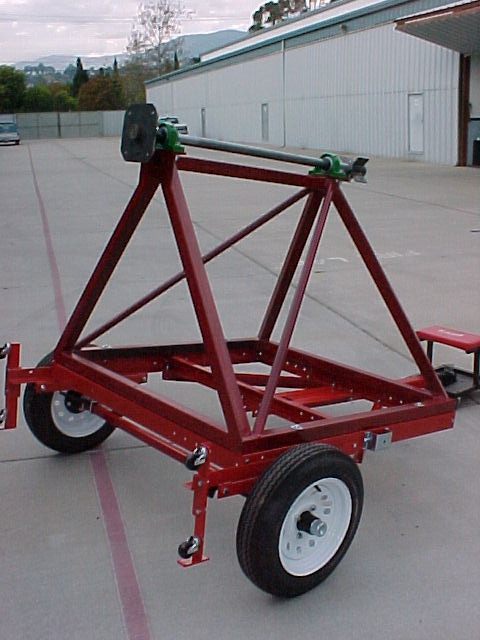
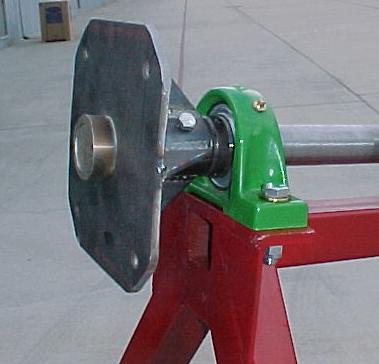
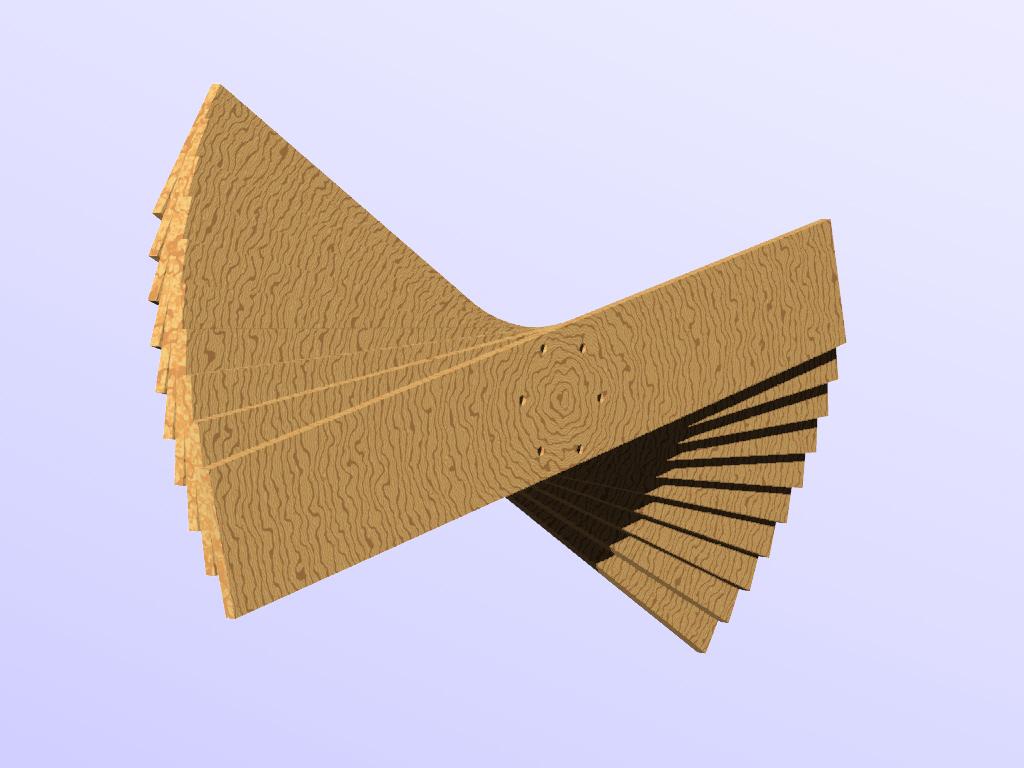
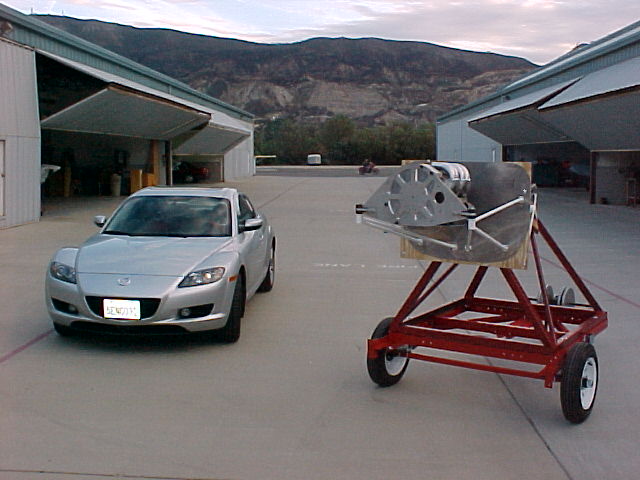
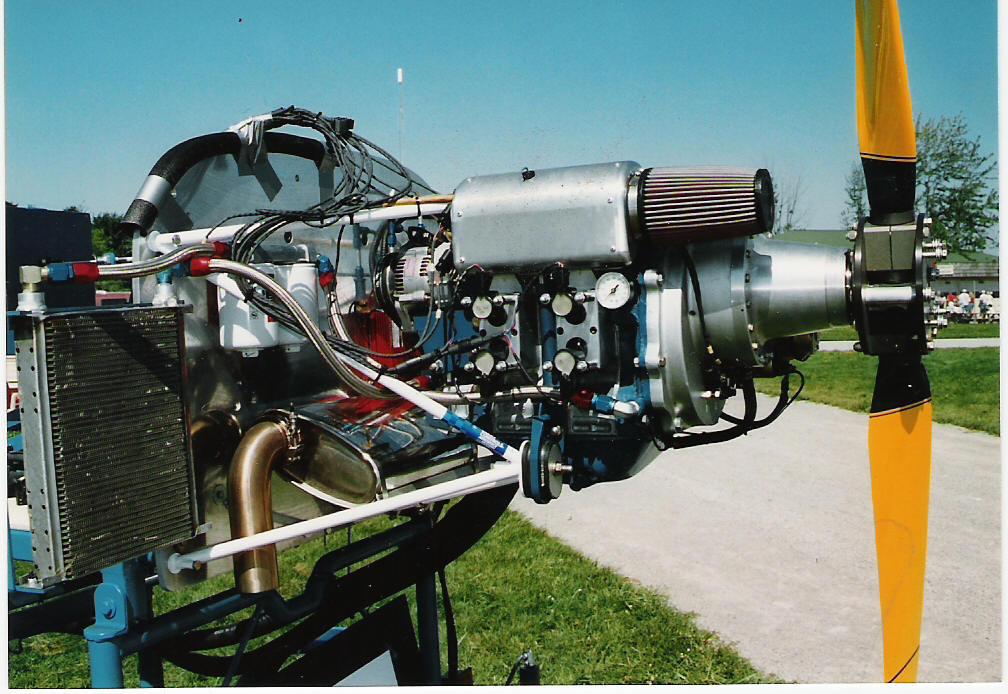
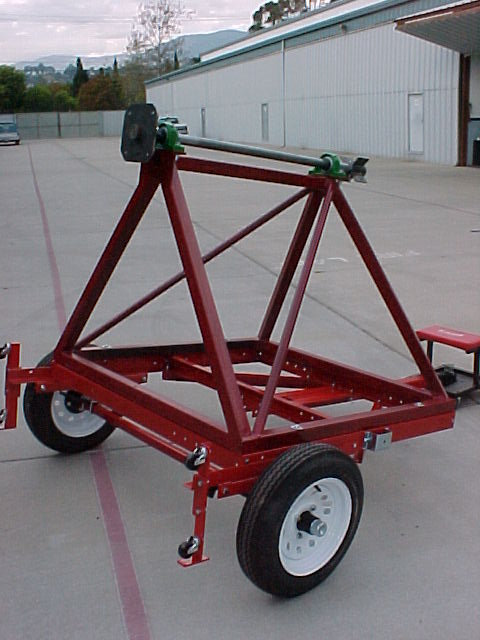
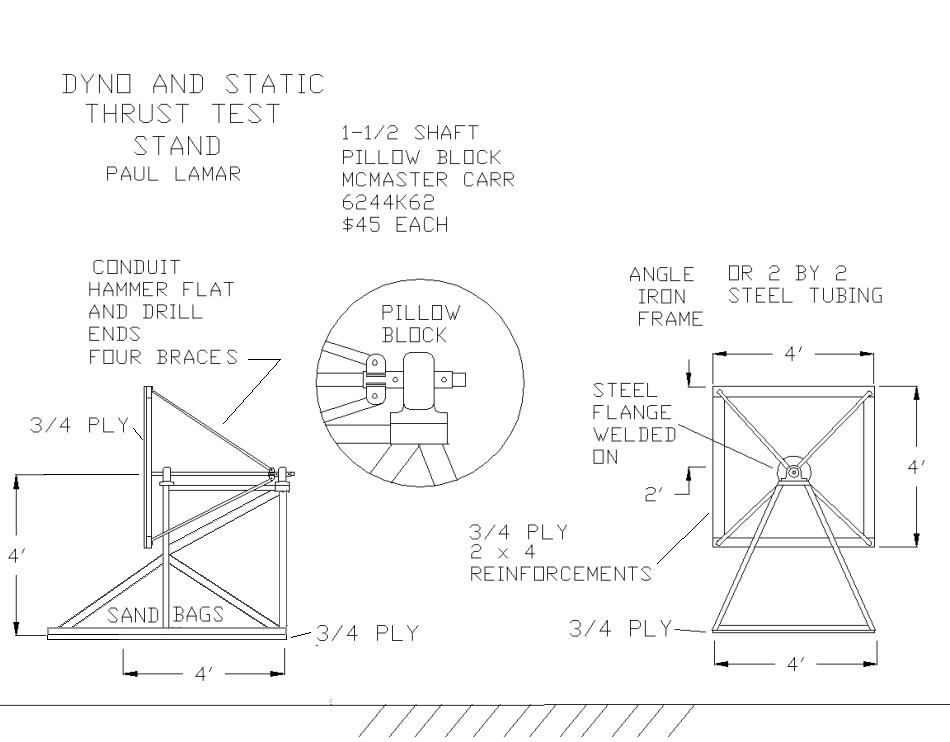
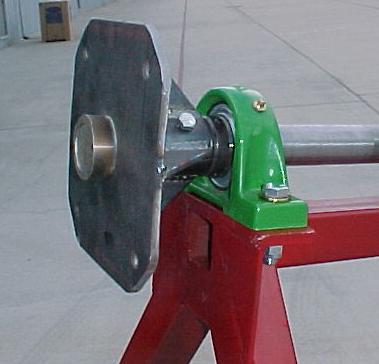
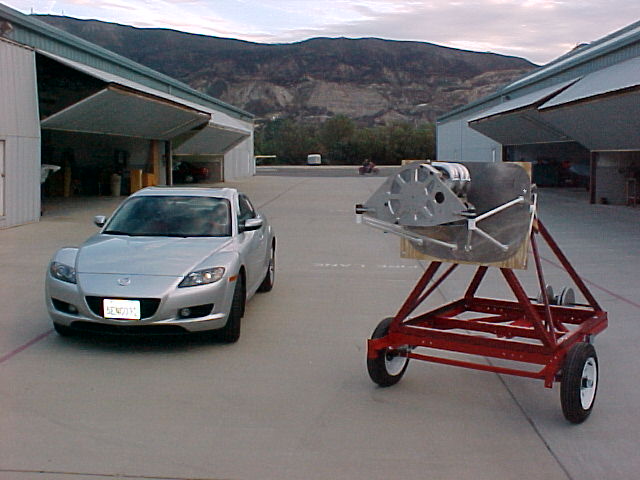
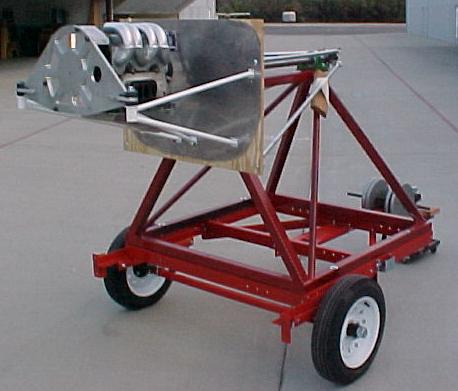
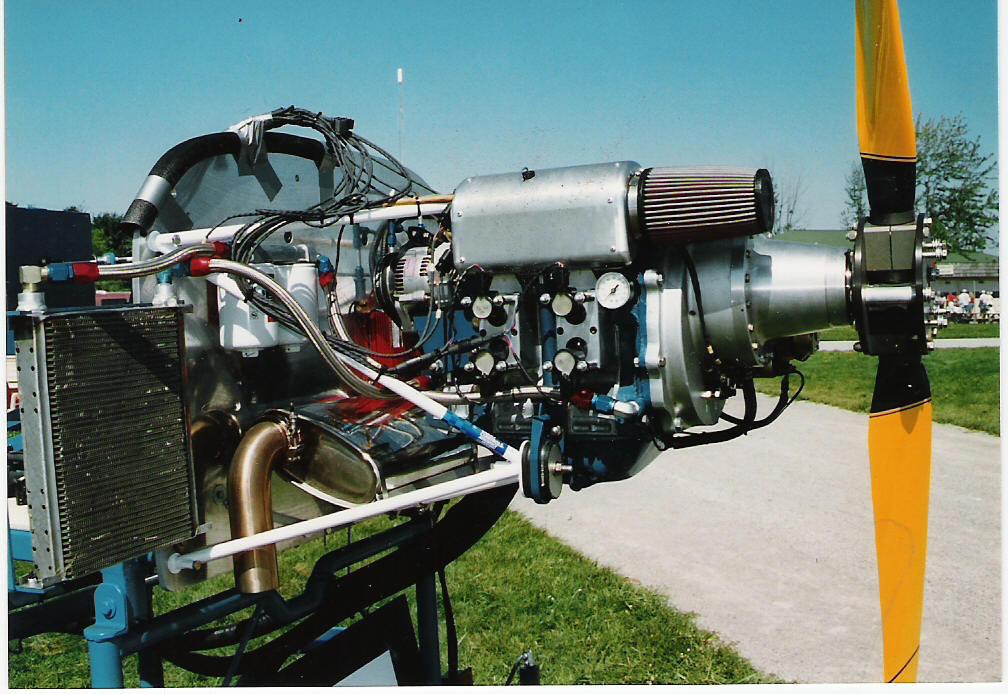
Mount the engine and PSRU with an adjustable pitch prop. Balance the
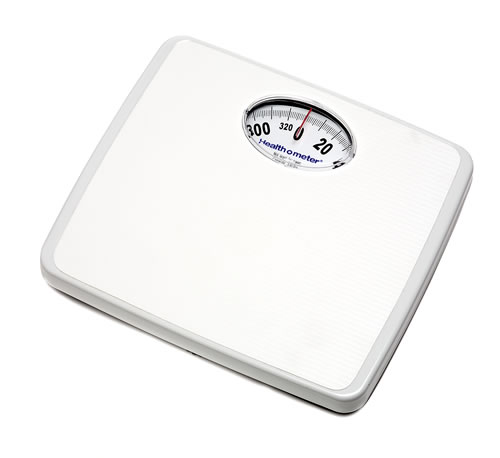
rig about the axle shaft so the engine does not rotate on it's own
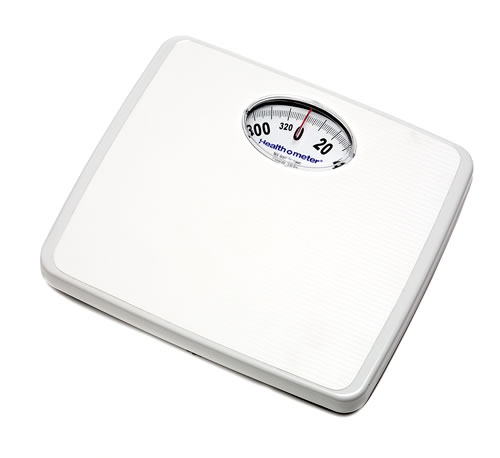
and zero is showing on the bathroom scale. Run the engine up to max
RPM allowed by the pitch chosen. You now know the torque and prop
RPM so the HP can be calculated. Stop the engine and lower the
pitch until the engine will run at max HP RPM. Usually around 7500
RPM for a geared engine and around 2700 RPM for an aircraft engine.
You now know the max HP. Repeat this process for any RPM of
interest.
MEASURING FUEL CONSUMPTION
Make a fuel consumption gage out of a long piece of clear plastic
hose mounted vertically. Measure how much fuel the hose will hold
between marks using a chemistry lab calibrated beaker. Time the fuel
consumption with a stop watch. Use an electric pump and an on/off
switch to fill the hose again to repeat the fuel consumption test.
Don't forget to correct for the temp. of the fuel. You now know the
gallons per hour and the BSFC can be calculated from that
information and the HP. Brake Specific Fuel Consumption or BSFC is a
measure of the efficiency of the engine. It is in units of pounds of
fuel burned for each HP for one hour. A good number for an aircraft
engine is .45 pounds per HP hour. Some car engines are about .45 to
.55. Hook up a manifold pressure gage and record that as a function
of HP. Knowing manifold pressure is very important to be sure your
engine is developing the maximum possible HP at any RPM.
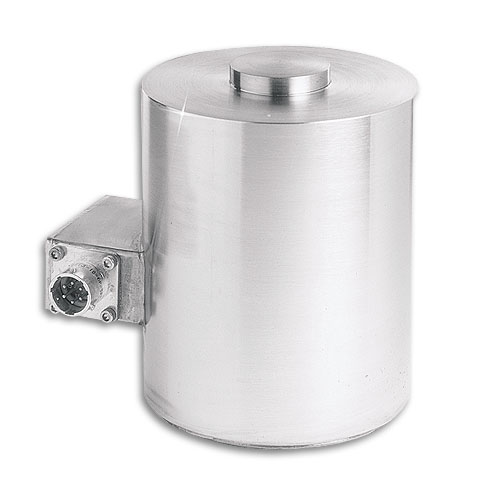
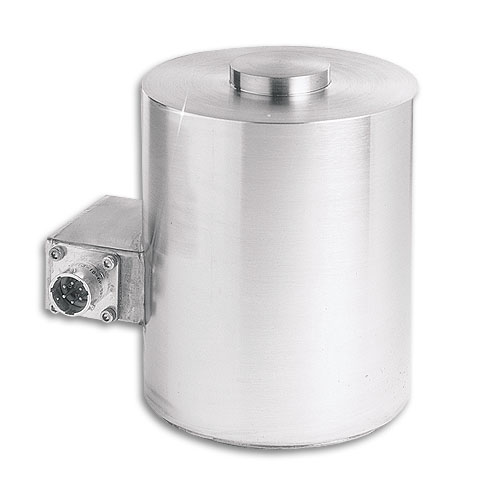
Omega.com has load cells if you don't want to use a bathroom scale.
Paul Lamar
--
The Rotary Engine NewsLetter. Powered by Linux.
ACRE NL web site.
http://www.rotaryeng.net
Youtube key word UTUBPLEASE
Copyright 1998-2008 All world wide rights reserved.