Paul,
Are the Barry mounts the same units as those used on tracitional
aircraft
motor mounts?
Joe Berki
No but they are made by the same company out of the same material and
they
are
one tenth the cost of aircraft mounts. They are used on the Questair
Venture as
well as a dozen or so rotary powered aircraft.
Paul Lamar
Paul,
I remeber you telling me about this before and turned my mounts 90
degrees.
At that time I told Charlie about the loads but he thought that the mount
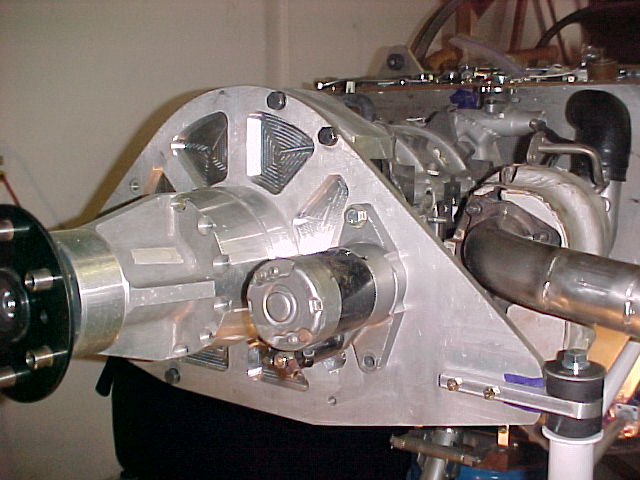
were different.. Attached are the mounts that Charlie and I are using.
Joe Berki
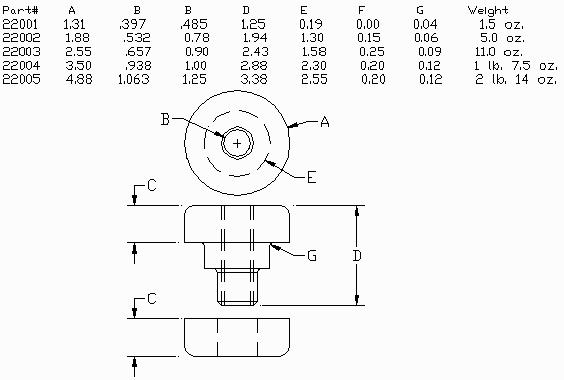
What brand are these? Do you have any load or deflection data?
Dwgs of how they are installed?
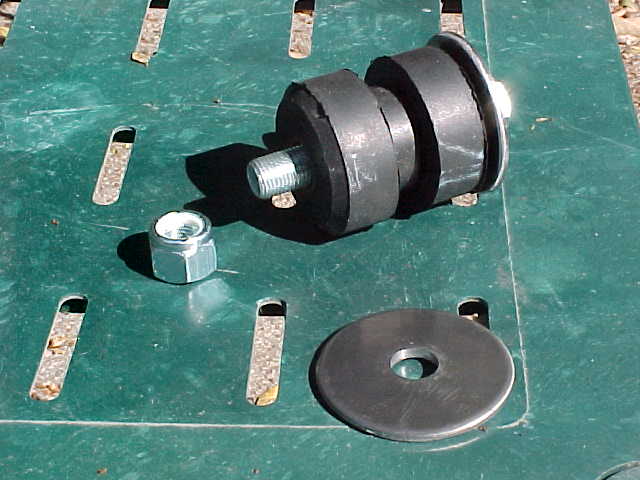
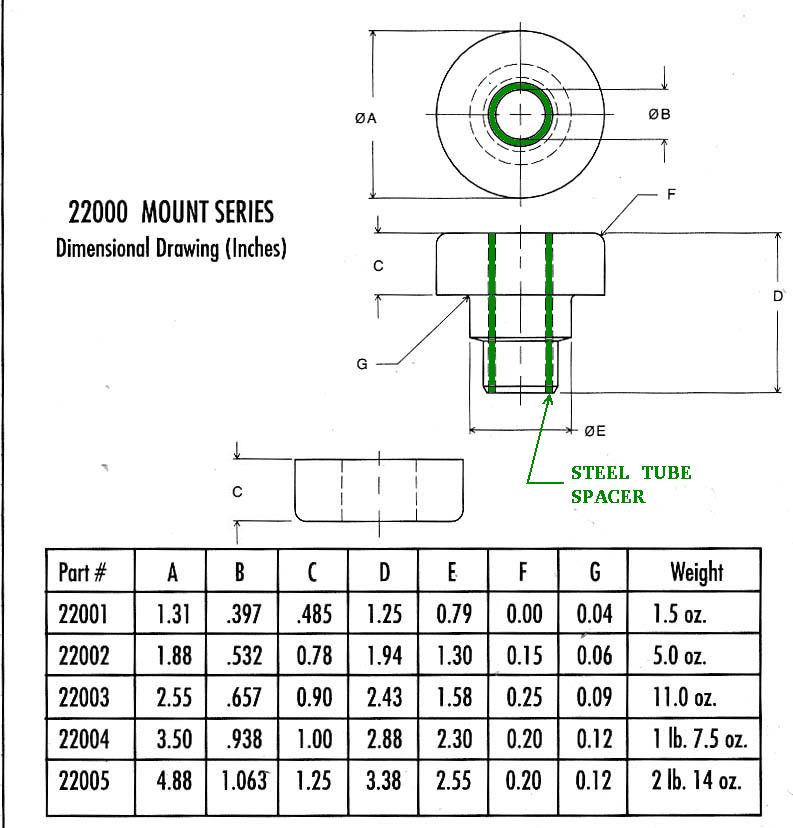
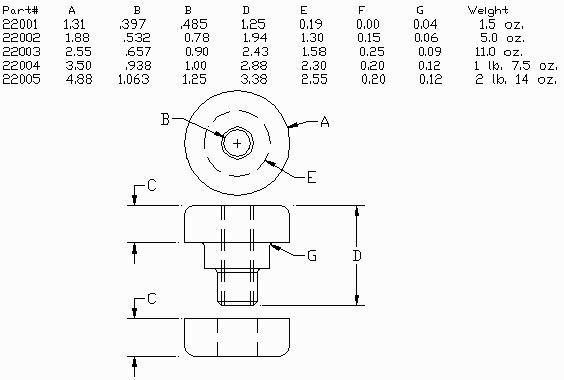
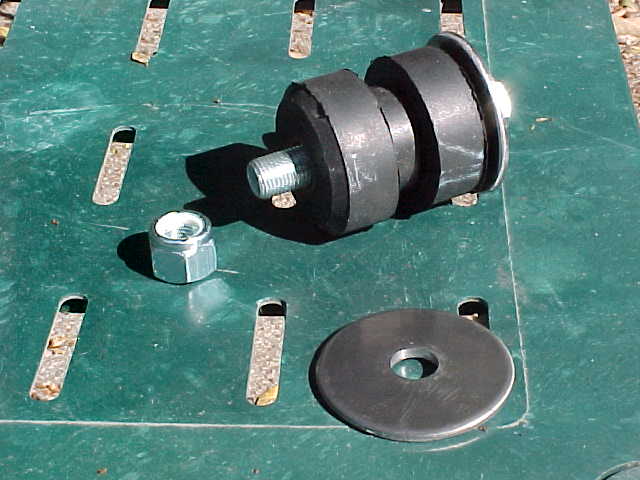
That is all important and why we use these $5.95 Barry mounts as they
publish
load and deflection data on them.
Not to say yours won't work.
Paul Lamar
Paul, these appear to be standard Lycoming Dynofocal mount pieces.
Steve Beckham.
Ah so! Thanks Steve. In that case they are being misused because the
softest direction is the same as the Barry mounts. Namely axial and not
radial.
In an out and not side to side. Lycomings vibrate up and down and side to
side
as well as torsionally. Dynafocal mounts focus on the CG of the engine
for up and down and side to side vibrations typical of horizontal opposed
piston engines. The rotary has zero vibrations in those directions so
those
mounts still need to be rotated 90 degrees. They are now focused at
infinity
fore and aft. They are also too hard for the rotary loads.
This is not to mention the cheapest Barry versions of dynafocals for the
Skyhawk cost $75 in the wicks catalog. The Barry 2202 industrial mount
does
exactly the same thing made out of the exactly the same material and cost
six
dollars :) Jim Griswold who designed the Questair Venture knew exactly
what he
was doing as he also designed the Piper Malibu.
http://www.rotaryeng.net/motor.html
Of course anything or nothing will work. Perry has been flying his Long EZ
with
the rotary engine bolted solidly to the airframe for 15 years. He had no
other
choice in the years he used a ducted fan. The rotary is that smooth.
Paul Lamar
Paul, your attachment information is great reference, thank you. And you
are spot on about Jim Griswold. We learned first hand that he was a true
renaissance man regarding all aspects rather than a specific technical
expertise. Everett and I gave a presentation with him years ago and I
learned so much talking with him causally during those two days. In thirty
minutes sitting on the ground in the shade one-on-one he really helped me
focus regarding where to gain the most r.e. cooling drag reduction efforts.
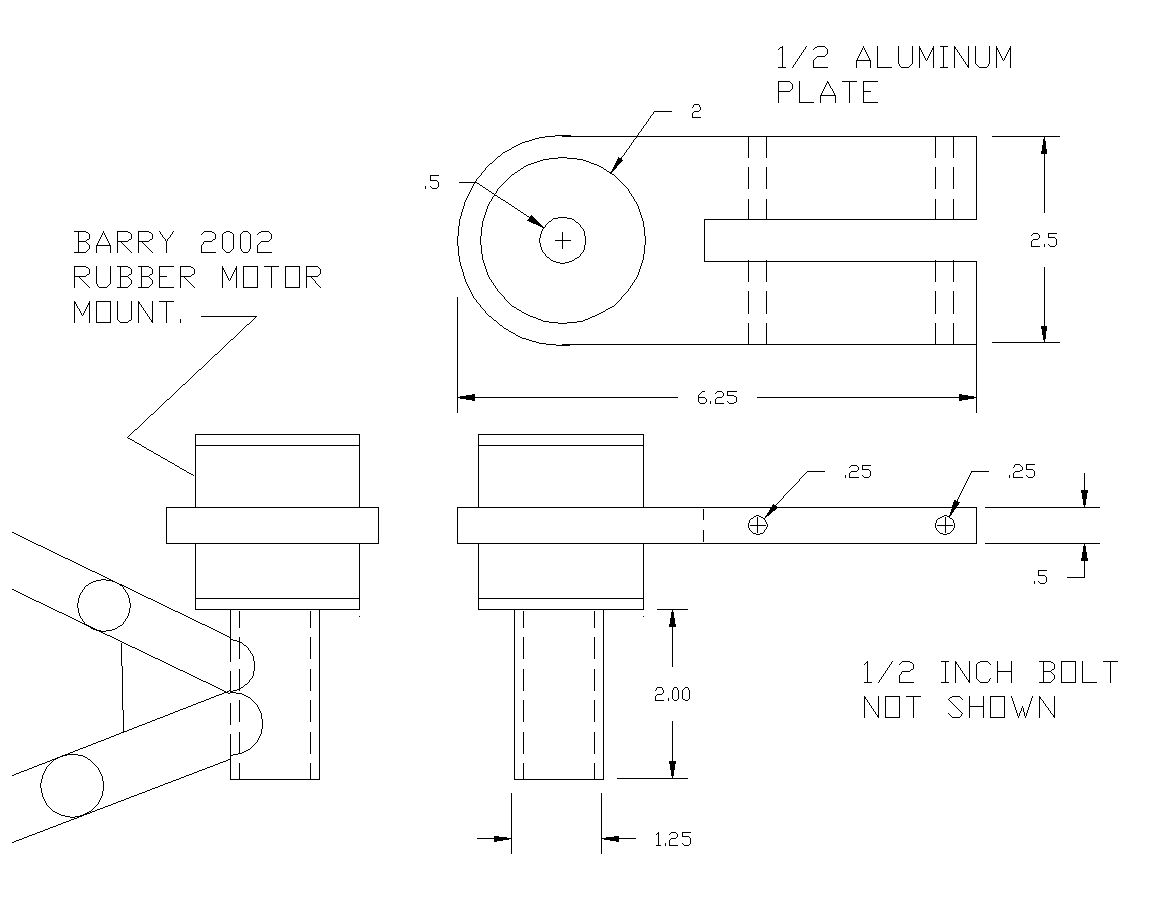
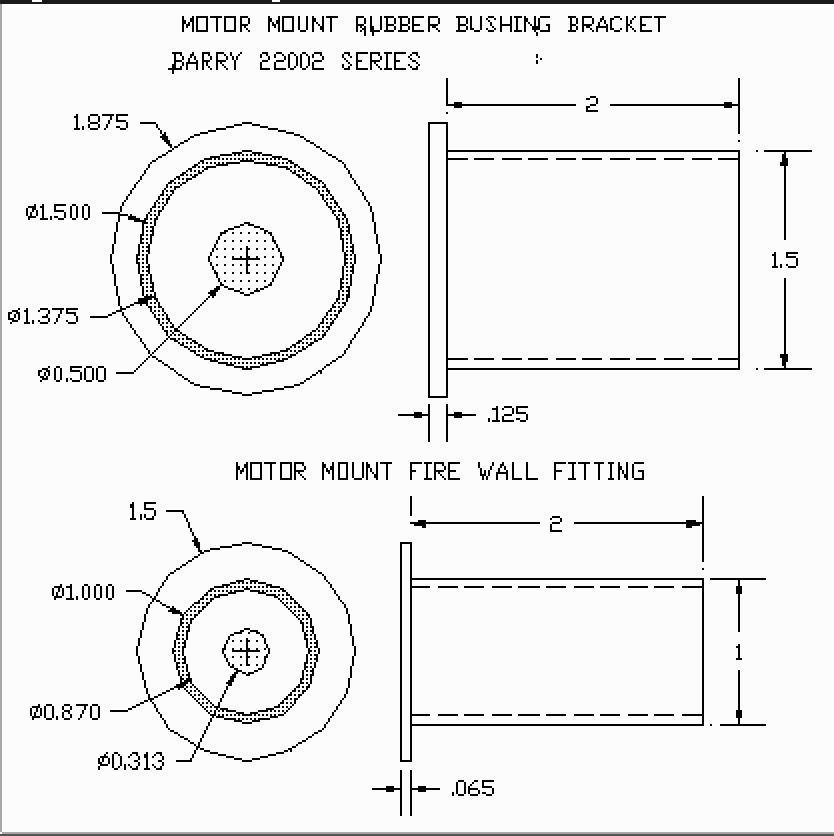
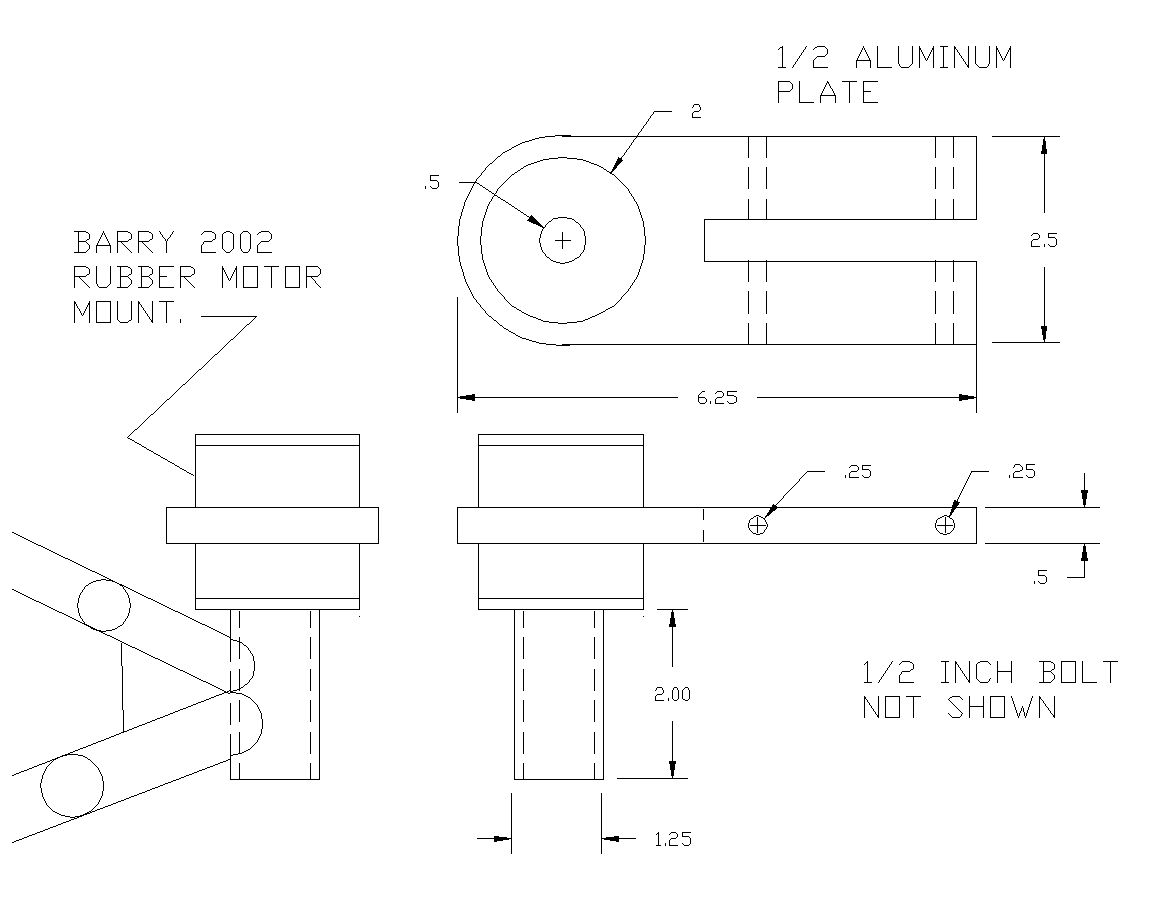
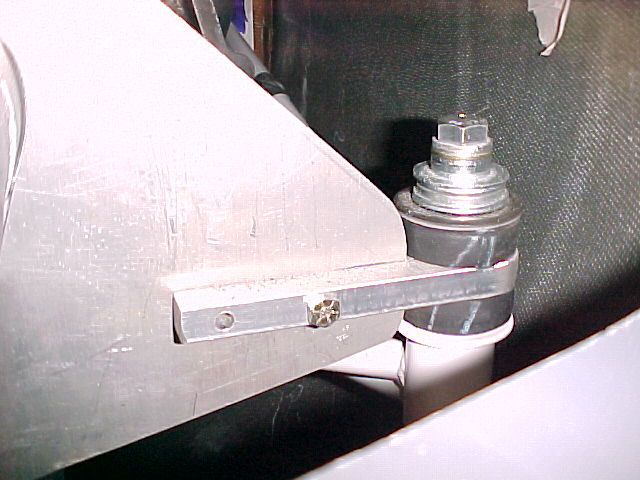
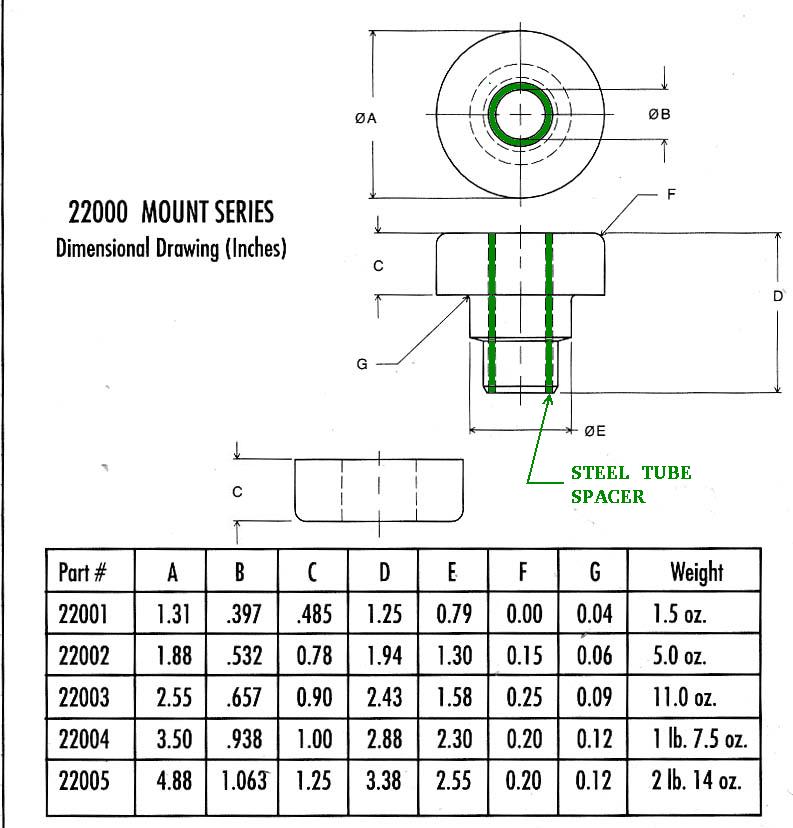
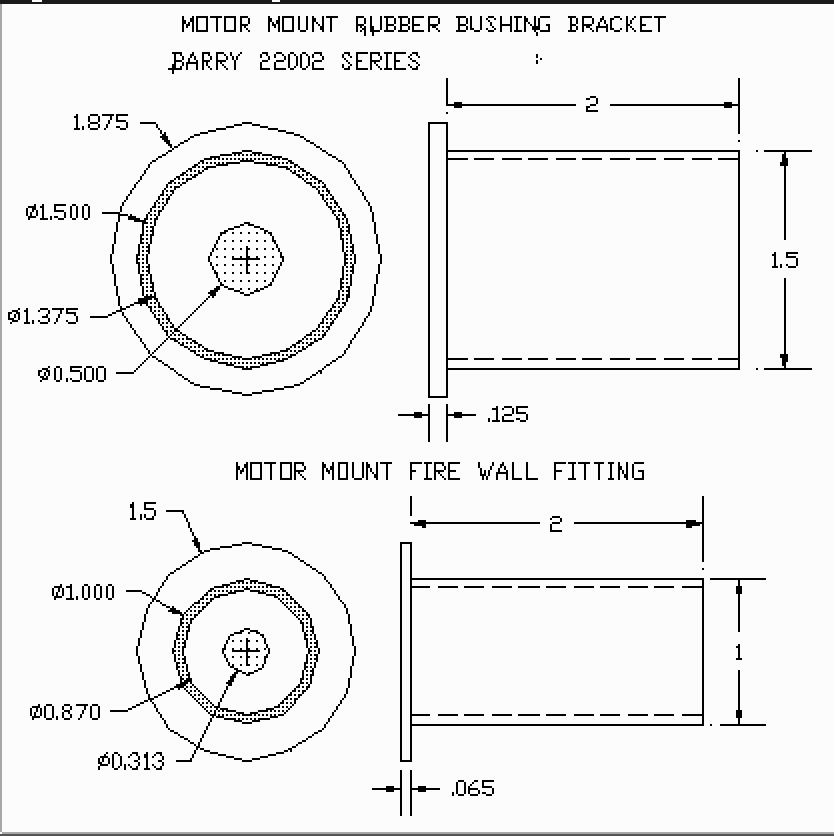
R.e Barry mounts, do you have drawings/dimensions and other specifics
regarding the thickness of the plate to which they are attached, size of the
hole relative to the bolt, etc? Each piece have a short extention to
register in the hole as does a Lycoming/Lord Conical Mount rubber? Hole is
a simple drilled or machined hole as shown in the Venture mount with small
chamfer? Looking to see if we can adapt these to Barry mounts made
previously and future alternative mounts.
Steve Beckham.
I wish I had met the man. I was very impressed with several things he did.
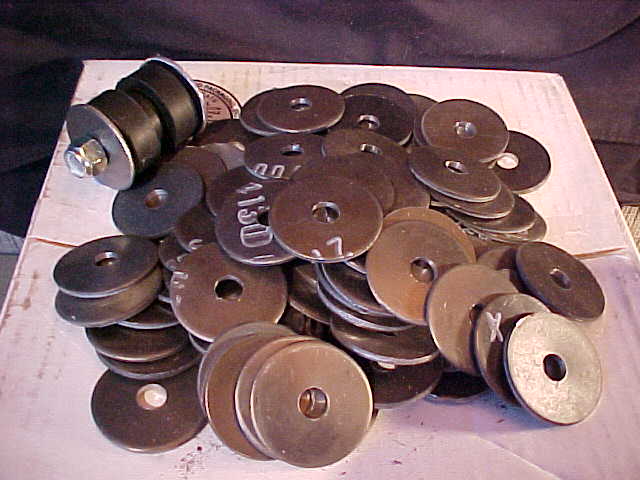
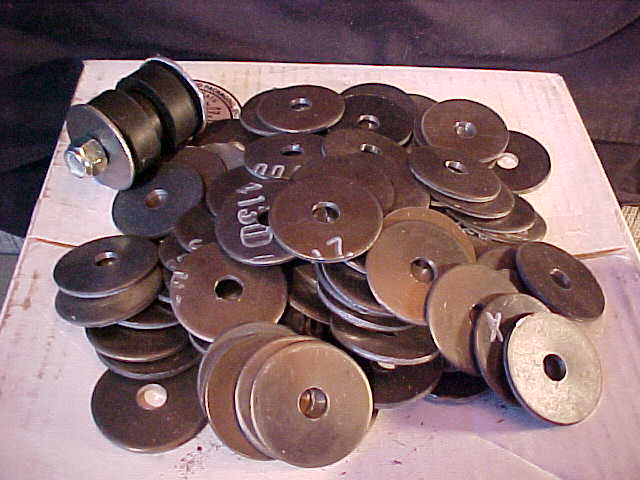
I had a bunch of washers made up. I think I sent them to Jerry.
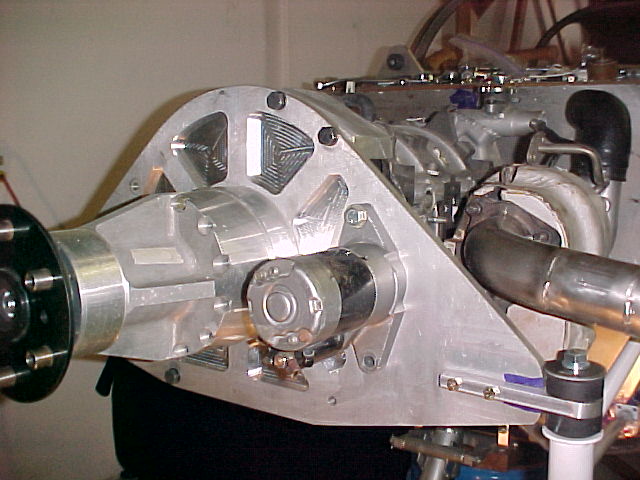
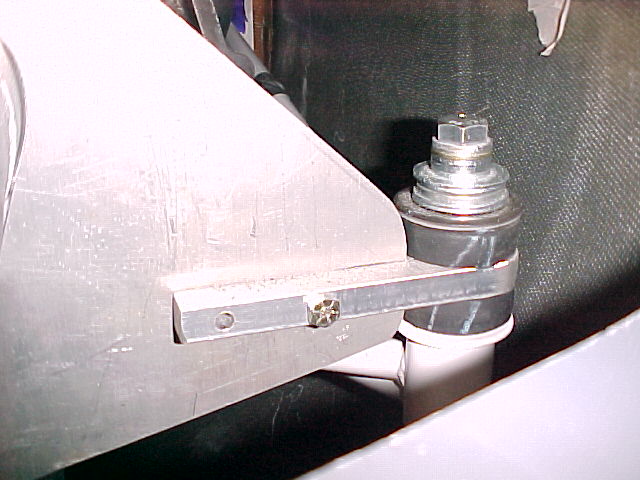
The allowable load goes up if you have a 9/16th thick mounting plate so Jerry
uses a 1/2 plate along with the .065 thick 4130 Schertz beam. Here is a pdf on
the theory and a bunch of pictures and dwgs over the last ten years we have been
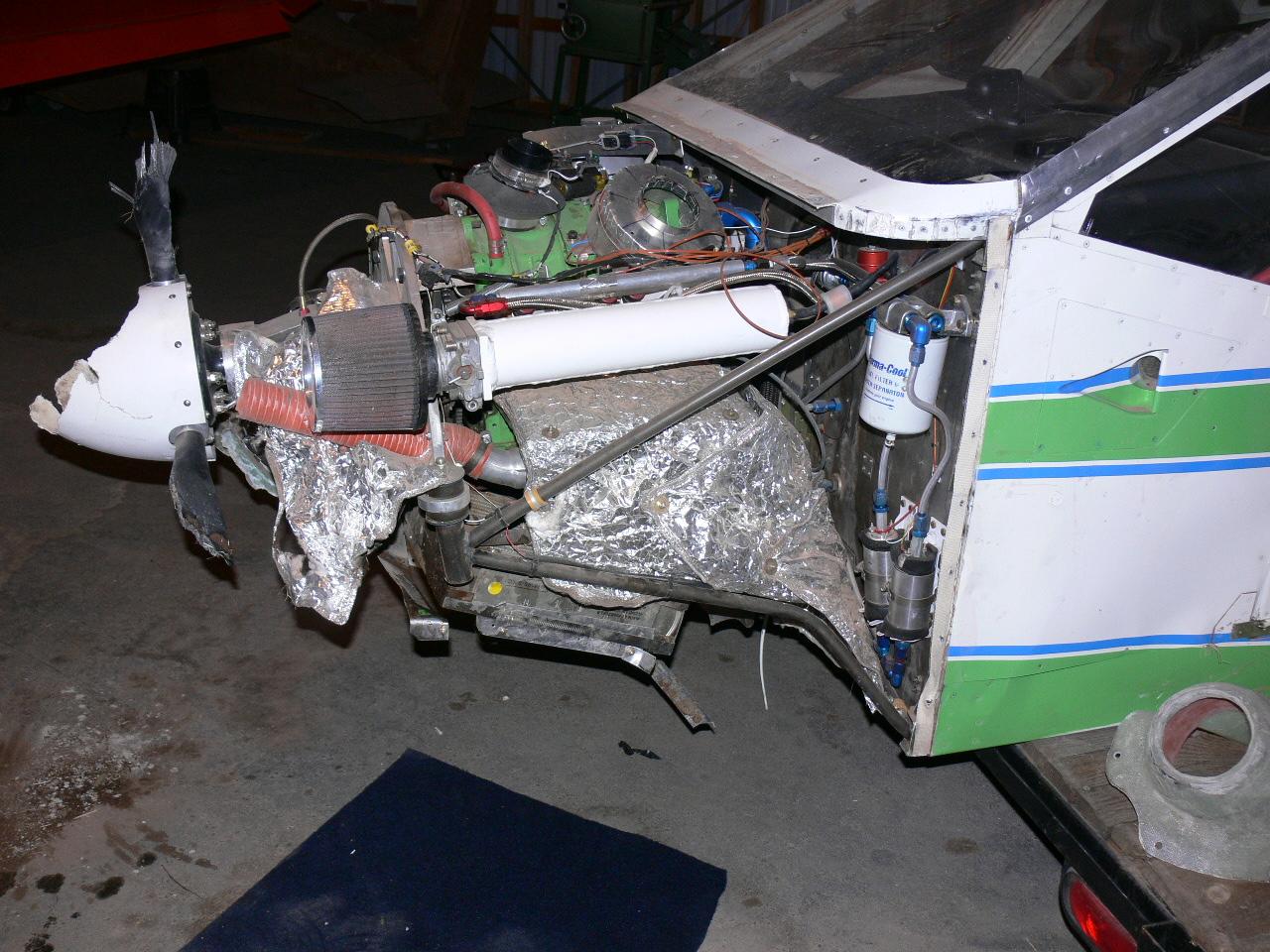
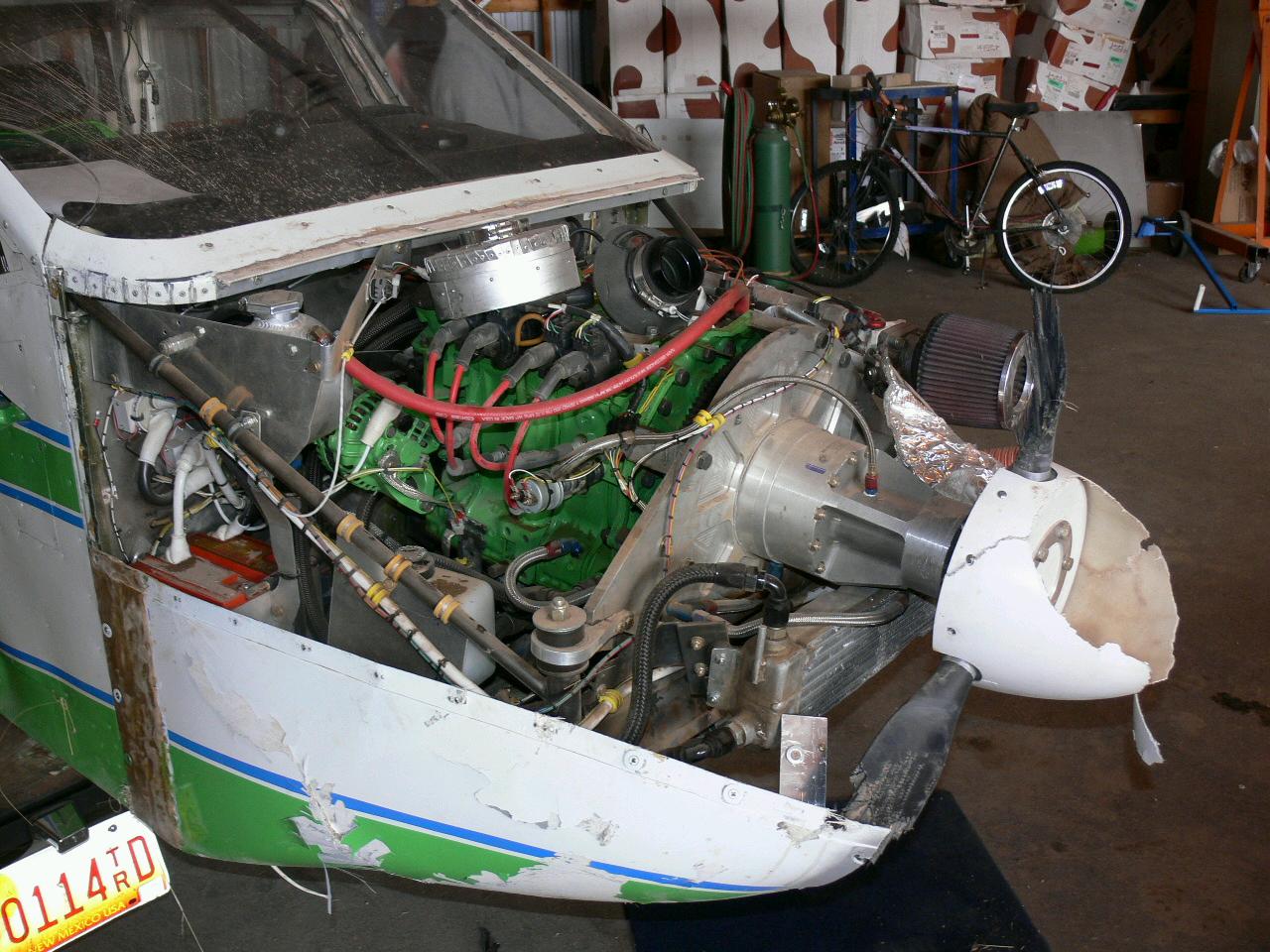
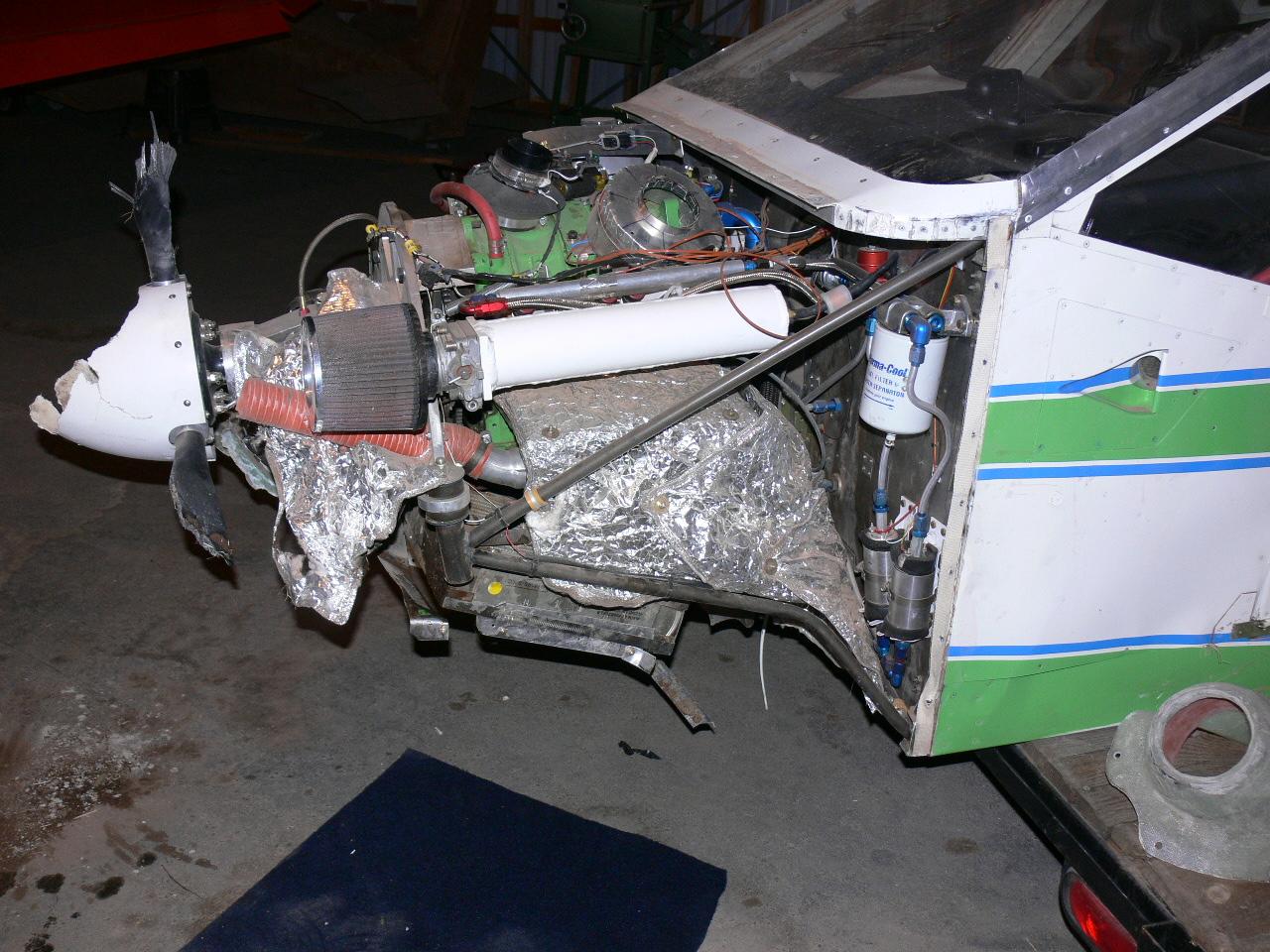
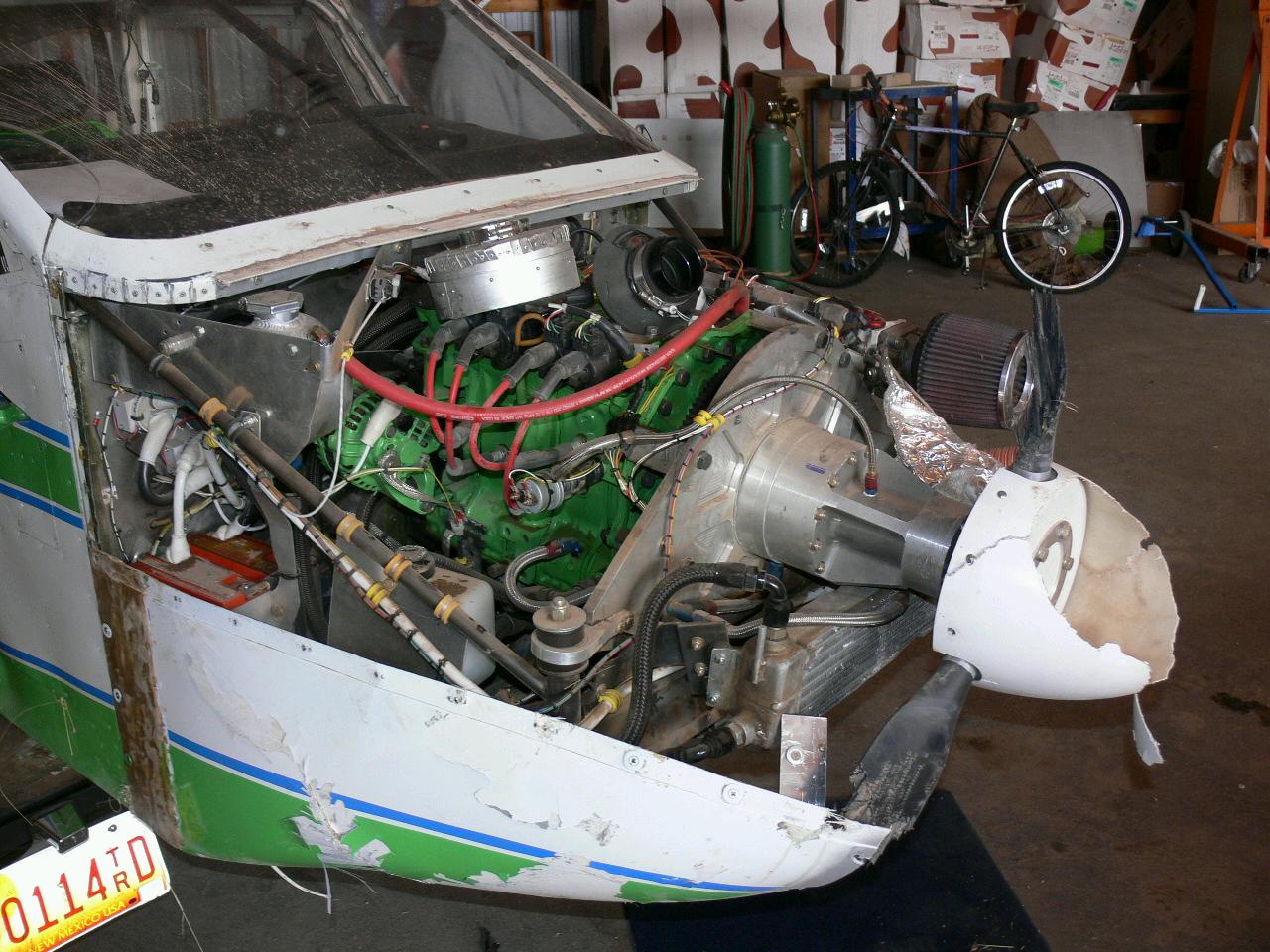
using them. Bob White crashed one so we KNOW it works :)
Paul Lamar
--
The Rotary Engine NewsLetter. Powered by Linux.
ACRE NL web site.
http://www.rotaryeng.net
Youtube key word UTUBPLEASE
Copyright 1998-2008 All world wide rights reserved.