Doug,
Just last weekend I spent a couple of hours talking with a turbo mechanic,
he's building a RV9- very similar to the Vision. He was telling me about a
turbo one man can hold with both hands which can be used in a light
aircraft, didn't mention hp but said one was used in an RV in the States,
but like you said fuel burn is double and the cost would be something like
$100,000 - but he said the cost was coming down.
Personally I think a larger fuel capacity carrying plane would better served
with a turbo prop as I believe cost of development would be comparable to a
turbo prop installation , which only leave fuel burn the only remaining
factor.
One could run 3, 13B motors.
George (down under)
You can run 3 engines, one on the tail and two on the wings. All the
plumbing through one big radiator.
Dan
George,
George I wonder if the turbine you are referring to was a modified Solar
APU on the cover of EAA Sport Aviation a few years ago? The guys that
are promoting this turbine as THEIR development have a questionable
reputation and have duped at least one person I know. The efficiency is
terrible and power output is less than a NA 13B is capable of.
Dan
My brother who has a twin Piper Commache often remarked that if one
engine went out on T.O. he would be hard put to keep the plane level.
However when flying, if one engine quit, the good one would allow the
plane to fly to site of the crash:)
In all seriousness though, Matt said it most succinctly. Small turbines
are not as efficient as their larger cousins. And if time is money for
the client, they won't care if the fuel cost another $50 or $100
dollars a trip.
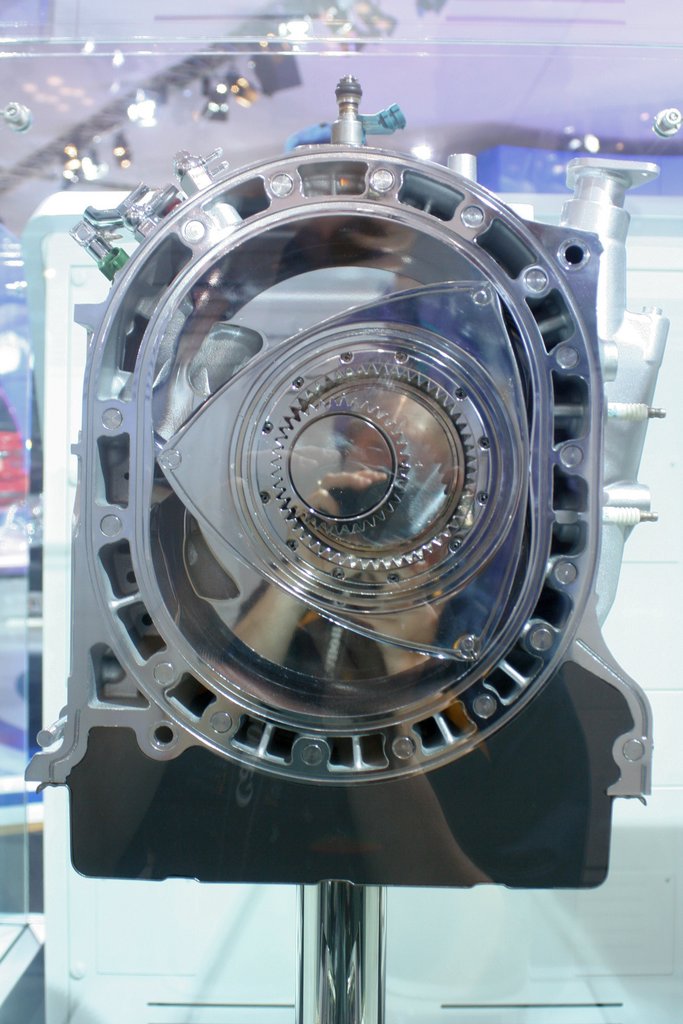
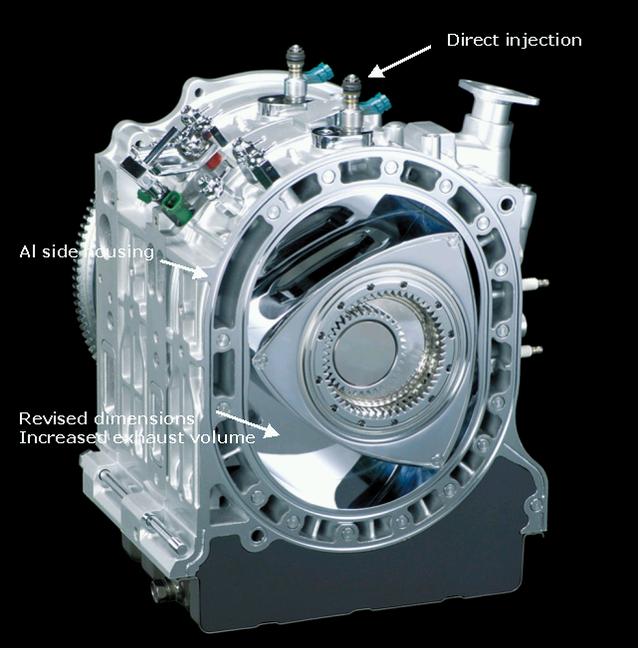
As for rotary engines, they have a great future when scaled up if the
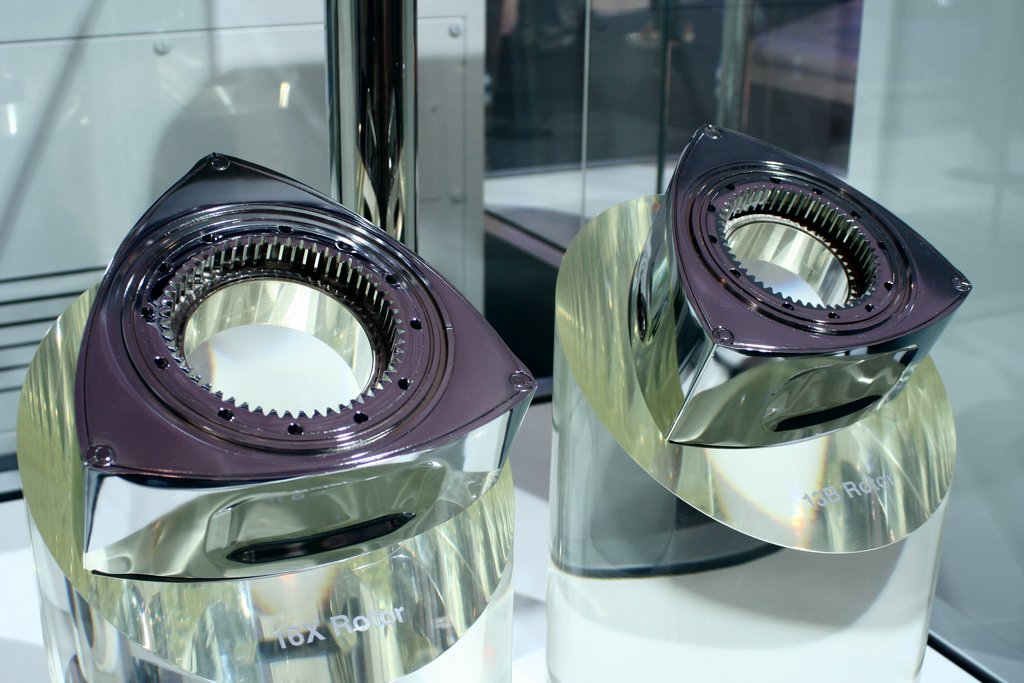
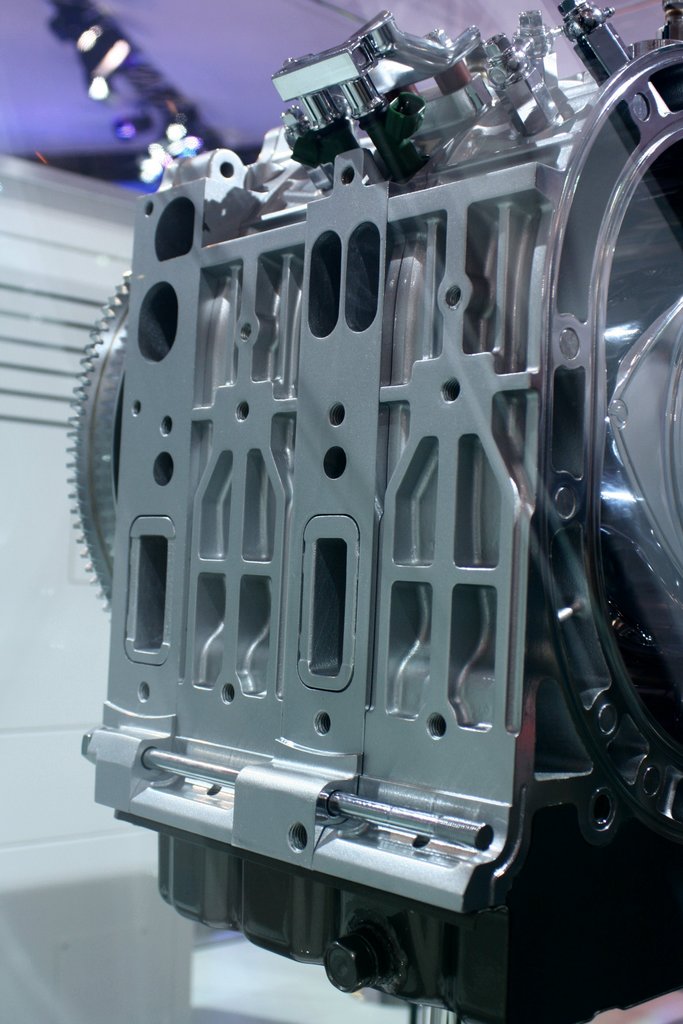
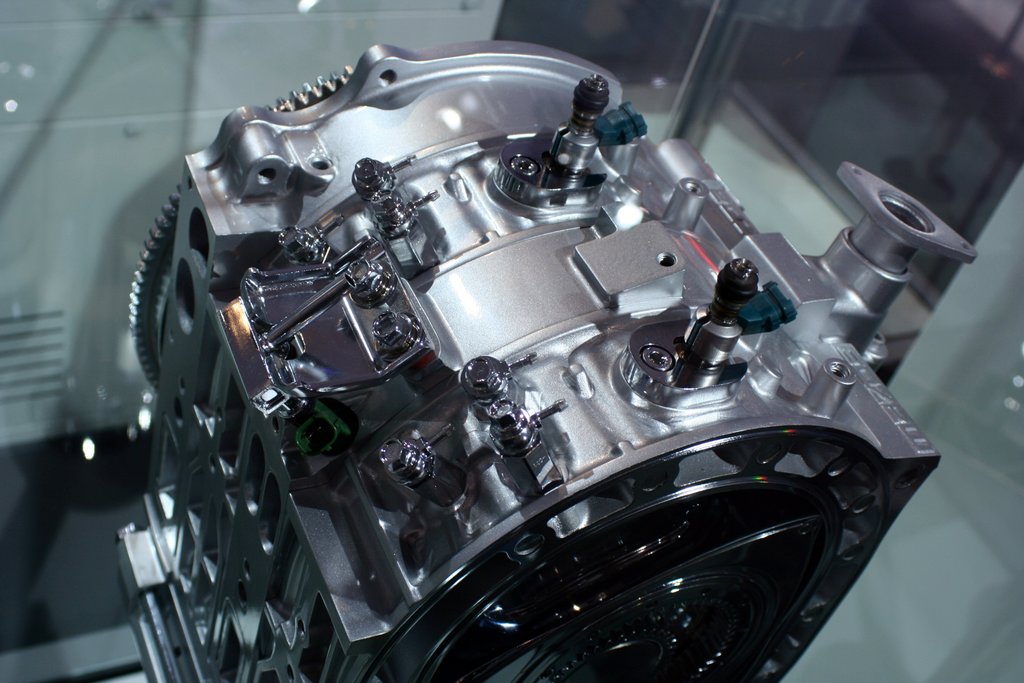
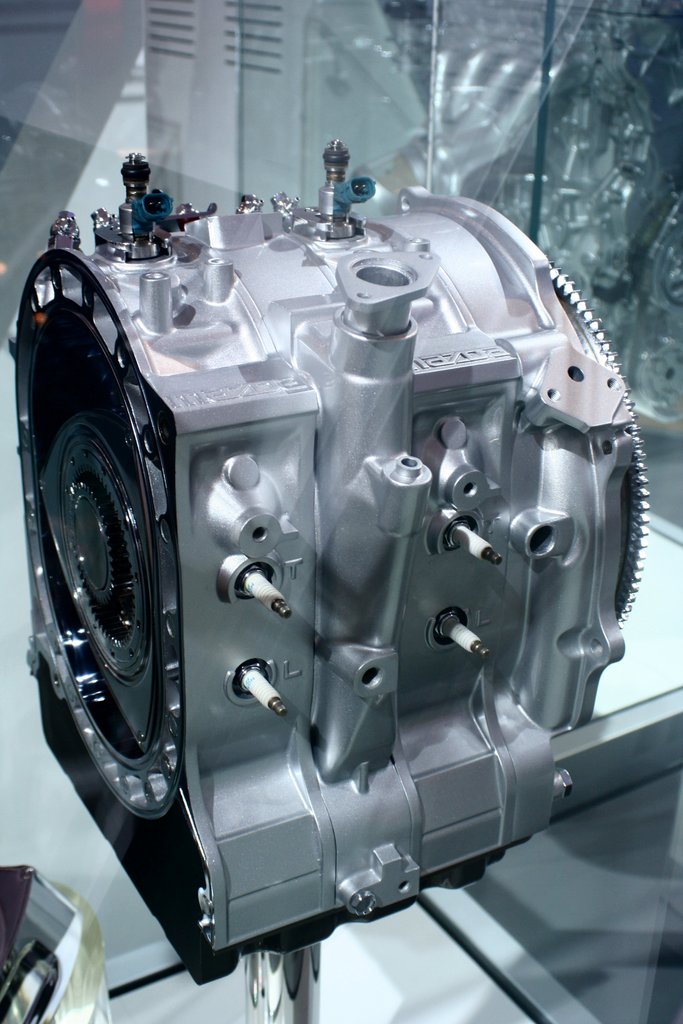
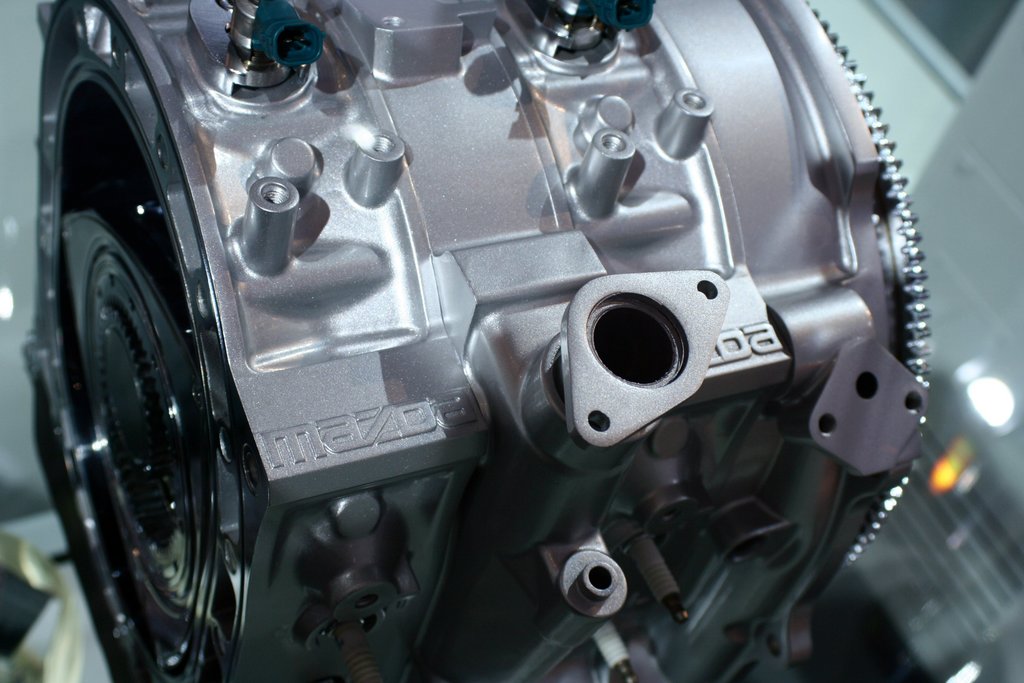
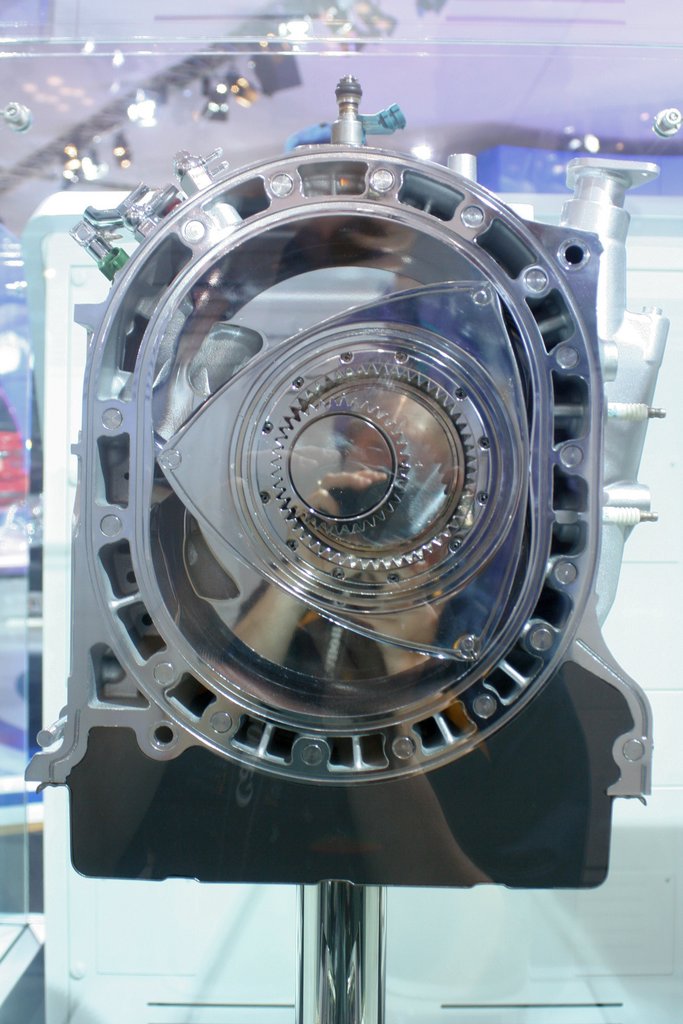
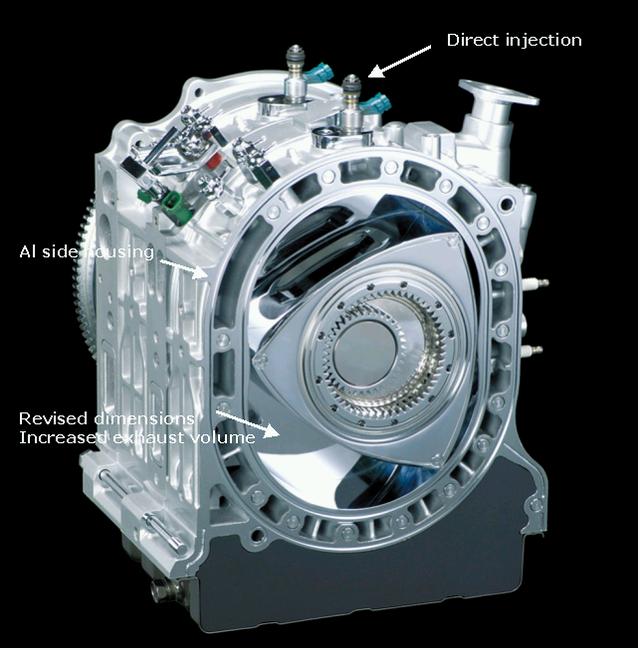
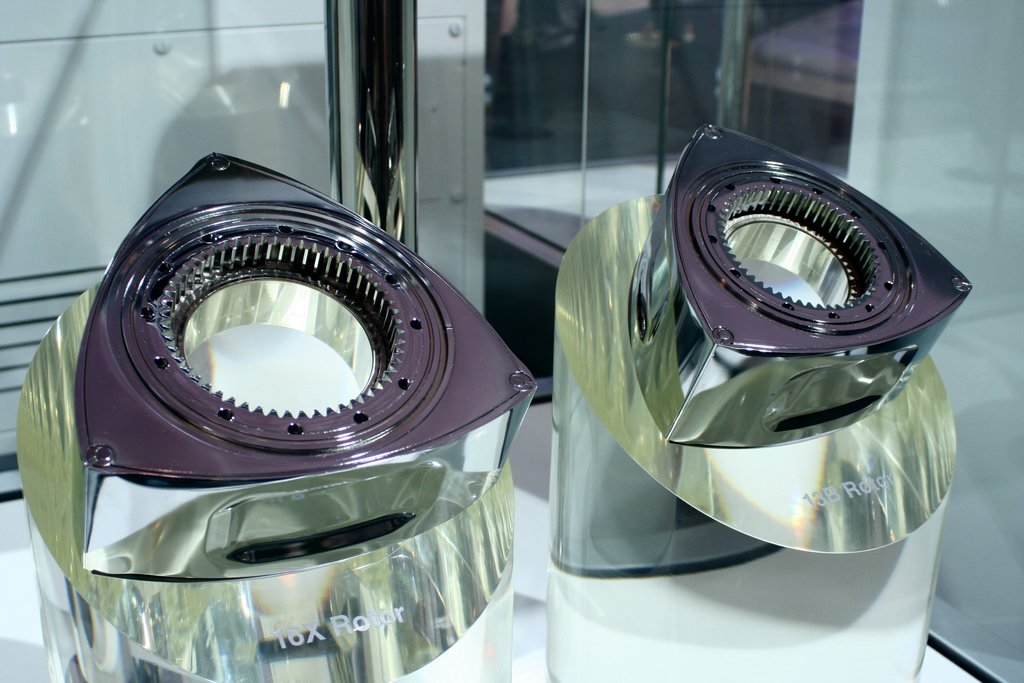
rotor weight can be proportionally scaled down. A engineer on the 16X
project told me their new engine red line may have to be lowered to 8500
or less because of the increased rotor weight and diameter. Scaling up
a rotary engine to take on turbines in the 500 to 850 hp would IMHO be
a great business opportunity. The market size and sale price of such an
engine would allow for greater leeway in using exotic metals such a
titanium rotors and Inconel in the axial turbo compound. In addition if
some of the know how of advanced cooling in the aerospace world is
applied, perhaps the heat loads could be reduced and managed easier.
The perfect aerospace wankle engine would be a white sheet design, taken
up where the NASA sponsored SCORE left off. The investment to create it
would not be for the faint of heart though. Until then we have to be
content to improve the automobile rotary engine with lower efficiency
but relatively cheap mass produced parts.
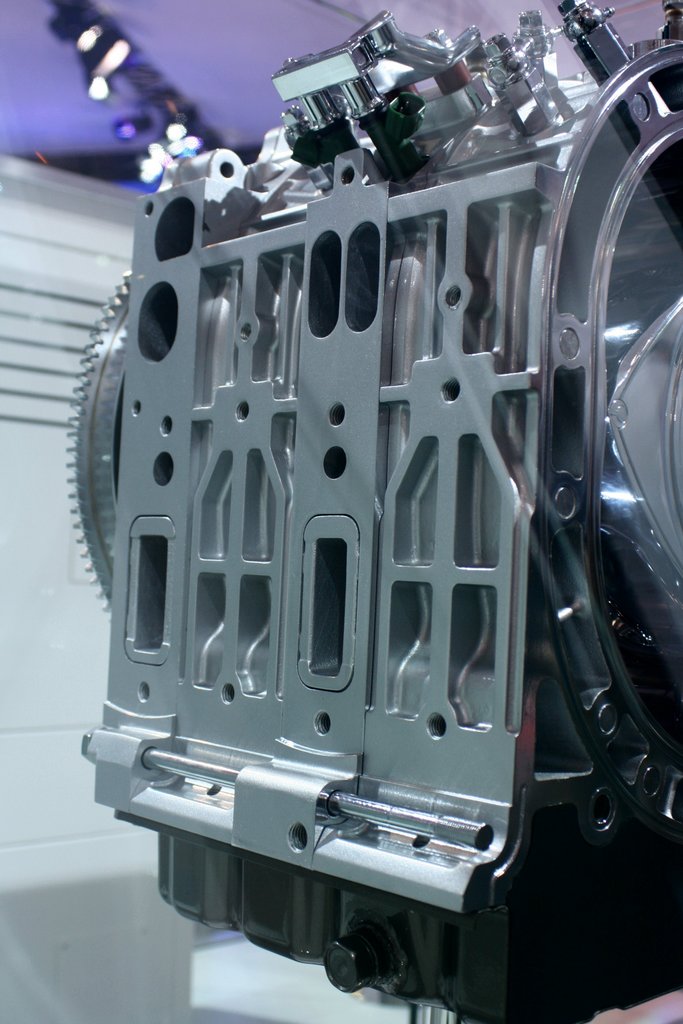
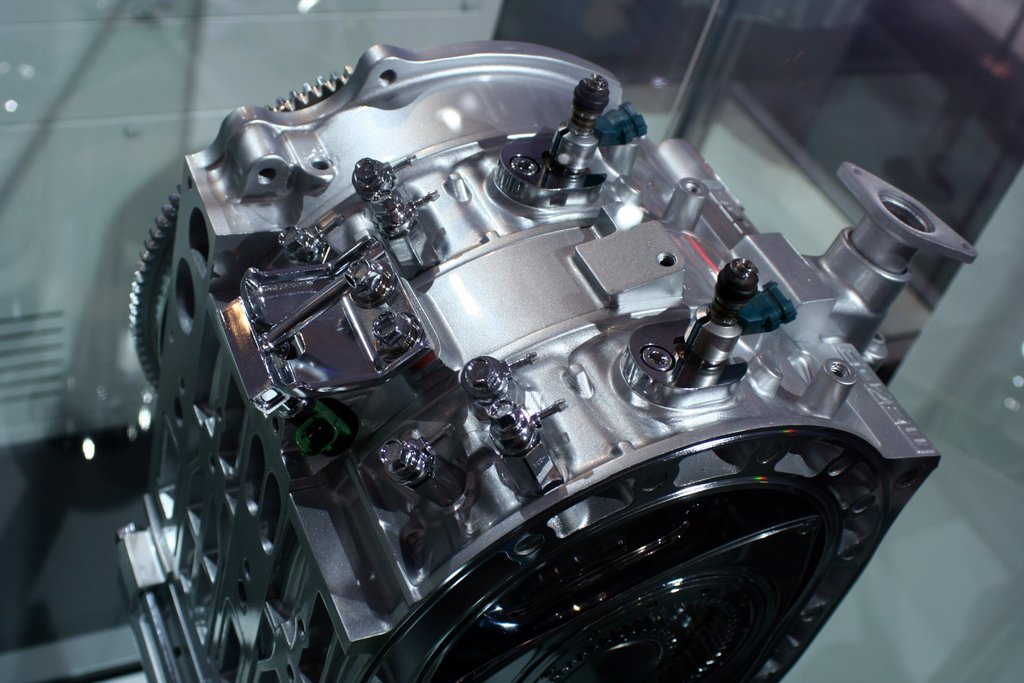
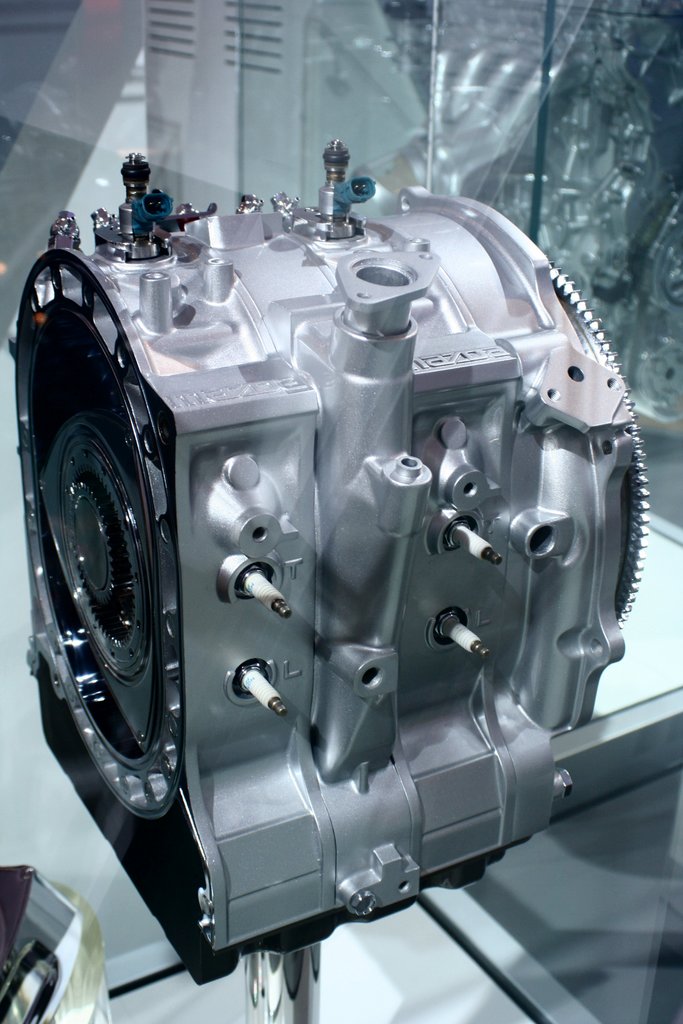
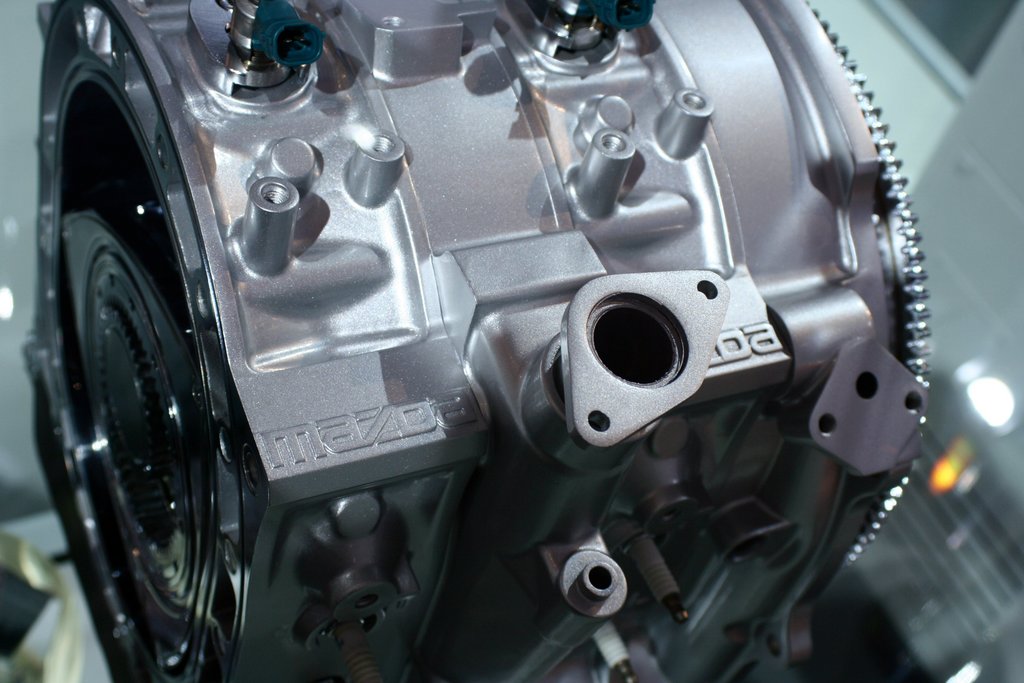
One point I find remarkable is that the 16X bears a remarkable
similarity to the size of the 13A. Paul I know you have a picture of
that housing somewhere. Could you post it?
Doug in Japan.
--
The Rotary Engine NewsLetter. Powered by Linux.
ACRE NL web site.
http://www.rotaryeng.net
Youtube key word UTUBPLEASE
Copyright 1998-2008 All world wide rights reserved.