I have to confess that I need someone to give me a short, one paragraph
lesson on the mechanical factors involved in turbo-compounding. I'm not
an engine guy but I can learn quickly. Here's what I understand so far.
If the turbo is always turning at, say, 75k rpm cruise power, then it
would be easy enough to direct drive thru gear reduction to assist the
final drive at the prop hub. OK. Reduce 75k rpm down to 2500 rpm
(30:1). But, and this is the part that I don't understand completely,
things are not always turning at these speeds. As the prop slows down
for cruise flight (say down to 2,000 rpm) that would also drag the
governor down to 60k. Not good because that's not its efficient speed
and will build up backpressure. It wants to keep turning at 75k. Also,
if the engine is throttled back to idle and the aircraft dives, the prop
may be back up to 2,500 rpm but the turbo only wants to turn at half
that speed. I think I understand that much. What's needed is a
variable connection between the 2 with high efficiency (i.e. direct
gears, not hydraulic or electric motors). Also, I believe that some
system needs to identify what the correct ratio should be and
automatically set the gearing accordinly. From here, I'm lost. What
are we trying to accomplish? Are we trying to allow the turbo to turn
at whatever speed it naturally wants, but also connect it somehow to a
prop shaft that can vary in rpm from 500 to 2500? Or am I missing
another aspect completely.
Anyone got a "turbo-compound for Dummies" book they can loan me??
Greg
Since the aircraft engine spends 95% of the time at constant cruise RPM
it is easy to optimizes the gearing for that cruise RPM. Also back pressure has
just a little effect on the engine power.
Here are some numbers.
Paul Lamar
Greq did you watch these youtube videos?
http://www.youtube.com/watch?v=iy_Jd5kewbM I want my MPG!
http://www.youtube.com/watch?v=luoUHrX6DeQ I want my MPG Diesel
http://www.youtube.com/watch?v=emLKhfm6MWE I want my MPG Q and A
Any questions? Where did I go wrong?
This chart pretty well sums it up. 30 inches of Hg exhaust pressure is
sea level pressure. The big difference between a piston engine
and a rotary is a piston engine has only half the kinetic energy available
for blow down turbines due to the exhaust valve. If it is this good for a piston
engine think what it would be for a rotary.
Paul Lamar
Paul,
I wonder if this chart data is actual, predicted or both? The first
two lines of data seem believable the second questionable.
gear efficiency at 95%.
Doug in Japan
I assume you got the entire NACA-822 pdf.
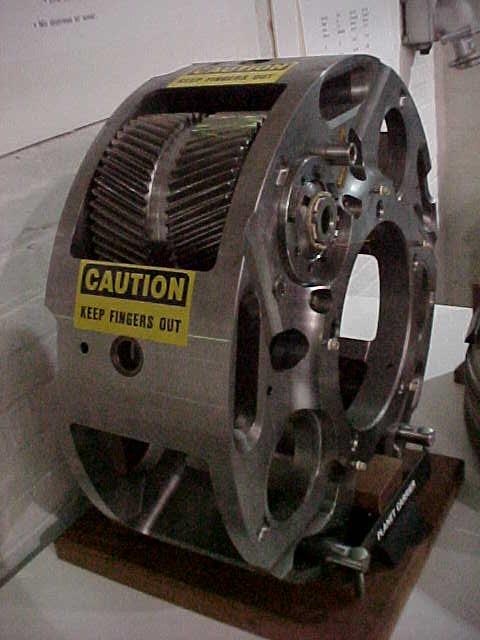
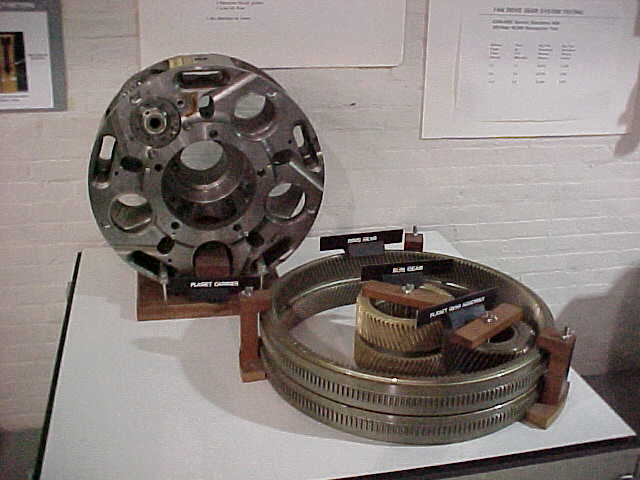
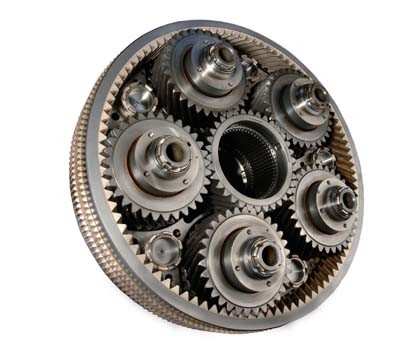
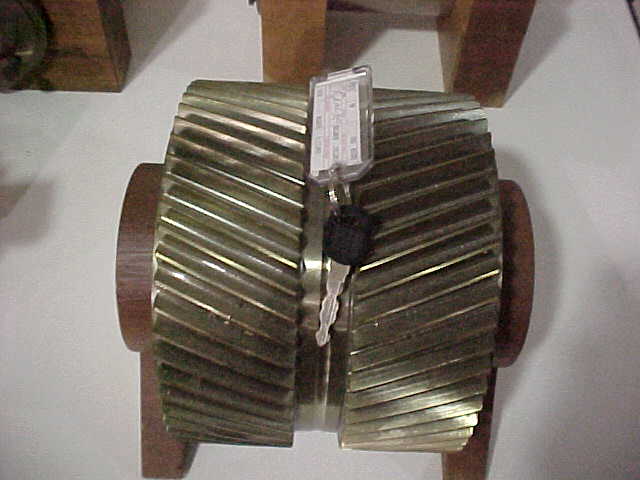
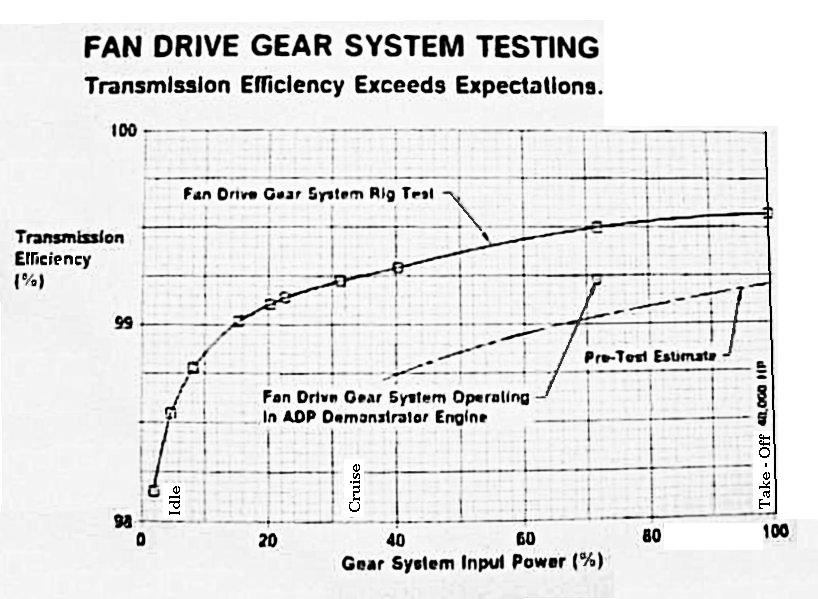
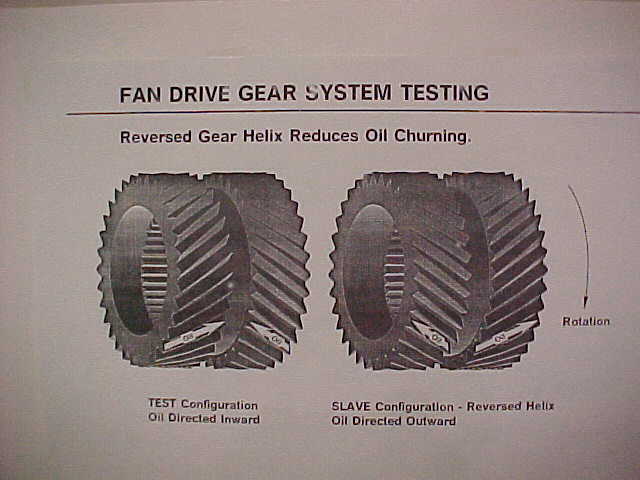
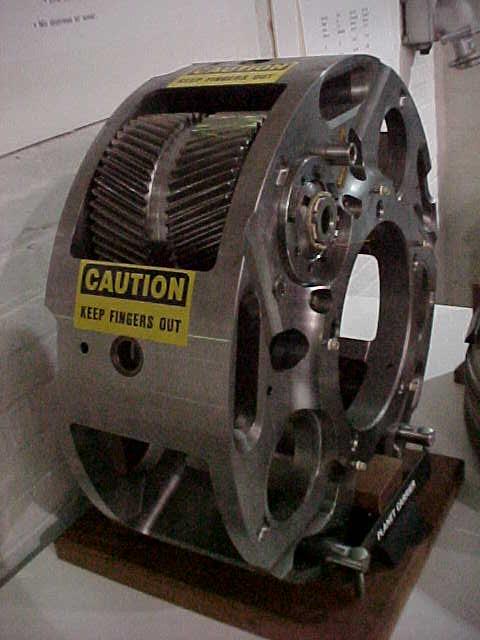
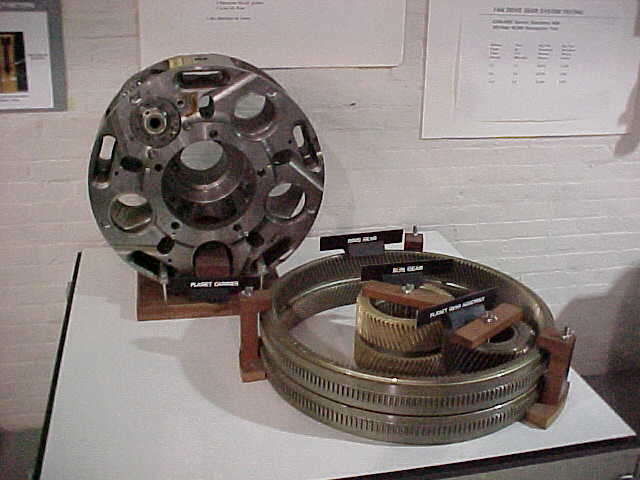
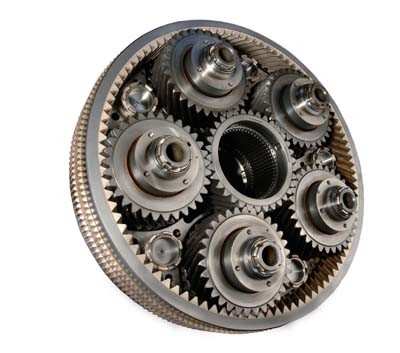
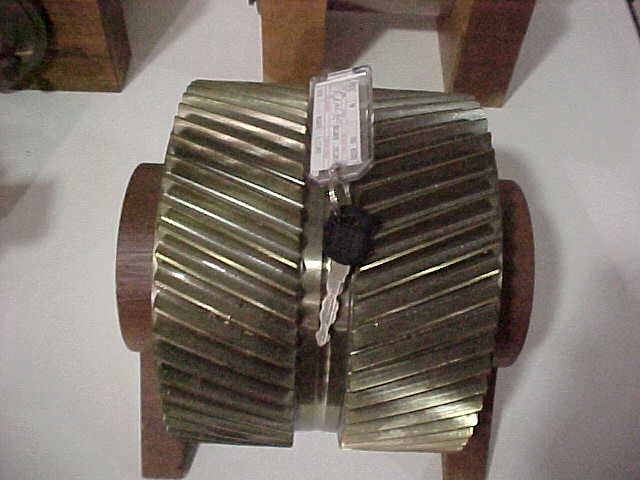
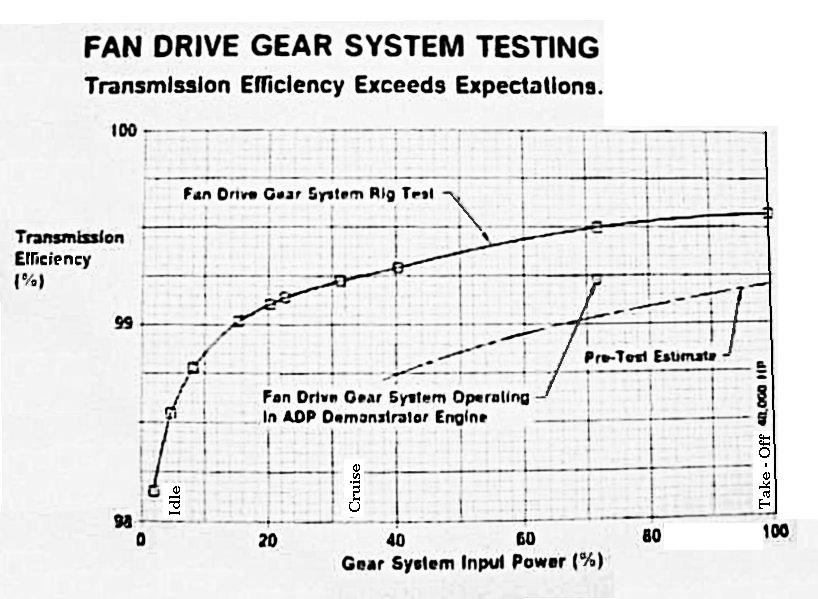
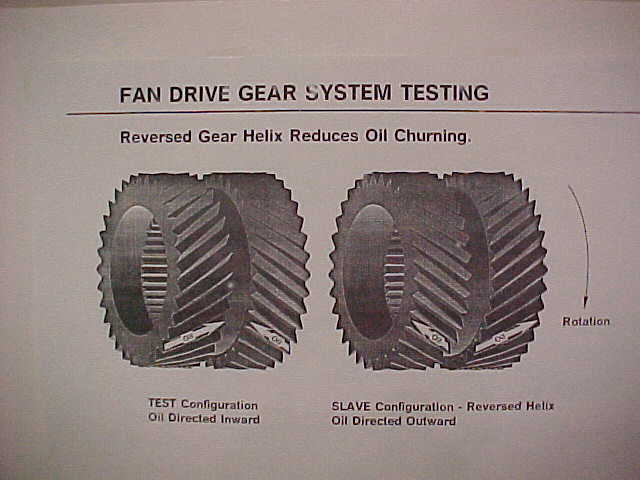
Here is a planetary drive where the gear eff. is claimed to be 99%.
Granted it is not 10 to one or 60 years ago.
Paul Lamar
--
The Rotary Engine NewsLetter. Powered by Linux.
ACRE NL web site.
http://www.rotaryeng.net
Youtube key word UTUBPLEASE
Copyright 1998-2008 All world wide rights reserved.