> GREG FLEMING wrote:
>> Forgive me if this has been discussed before, but does anyone see merit
>> in using the Evans NPG waterless coolant?
>>
http://www.evanscooling.com/main21.htm
>> Since this liquid's boiling point is much higher than regular 50/50
>> water/glycol, there is no boiling, meaning no pressure in the cooling
>> system. No pressure from steam, that is. Not as much pressure on the
>> hoses, clamps, fittings, etc. Also appears to give better cooling
>> properties.
>> Anyone heard of this stuff?
>> Greg in Canada
>
> People have tried it and it seems to work. In theory the conductivity
> between metal and coolant is not as good as metal to glycol and water.
>
> Paul Lamar
Paul, this stuff appears to be basic propylene glycol. Back in the day when
we heard Dow was testing propylene glycol but not offering it commercially,
Everett talked to some of their research folks who provided us a drum for
flight testing our prototype rotary engines. An interesting feature was
that it was biodegradable.
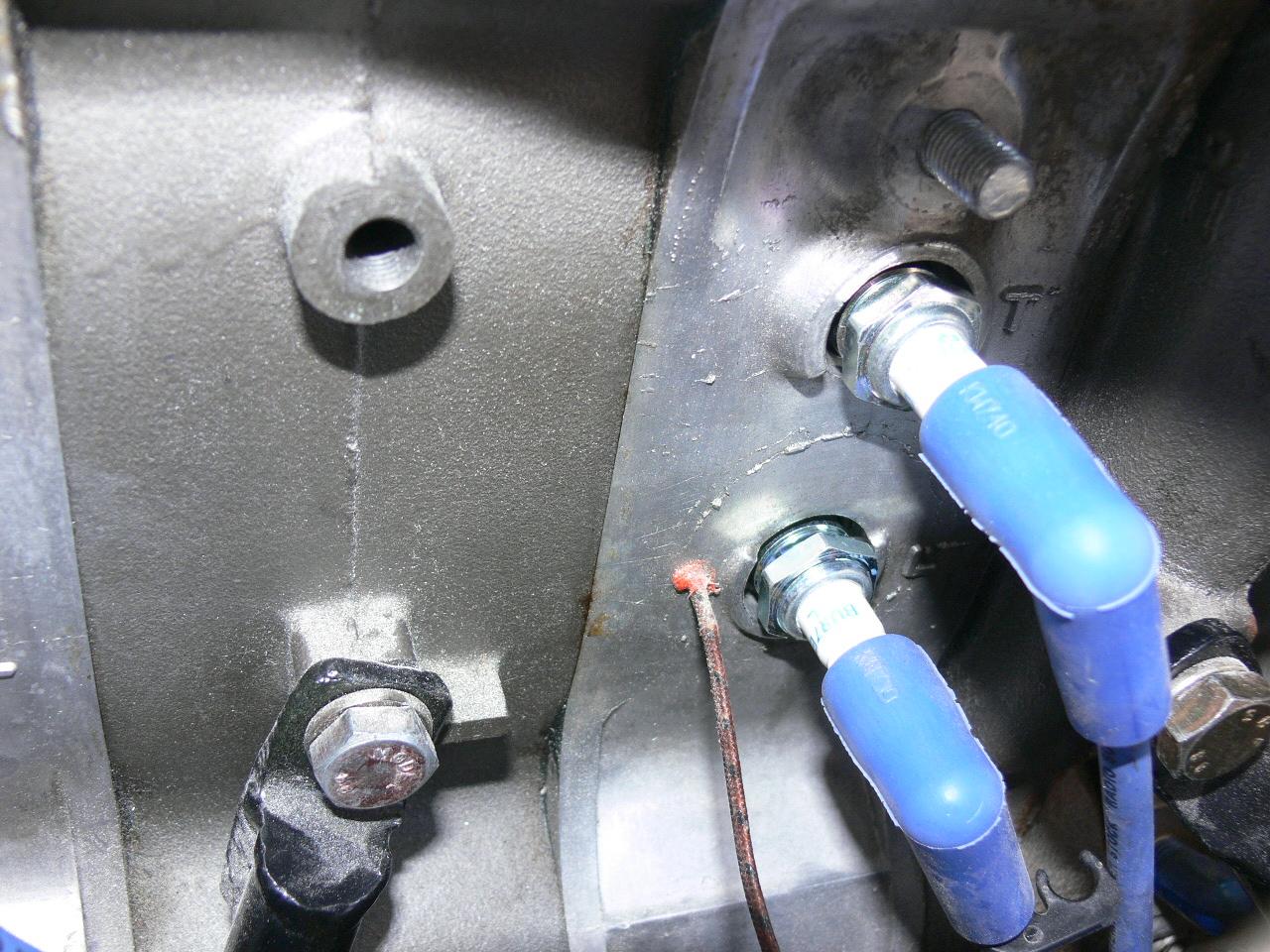
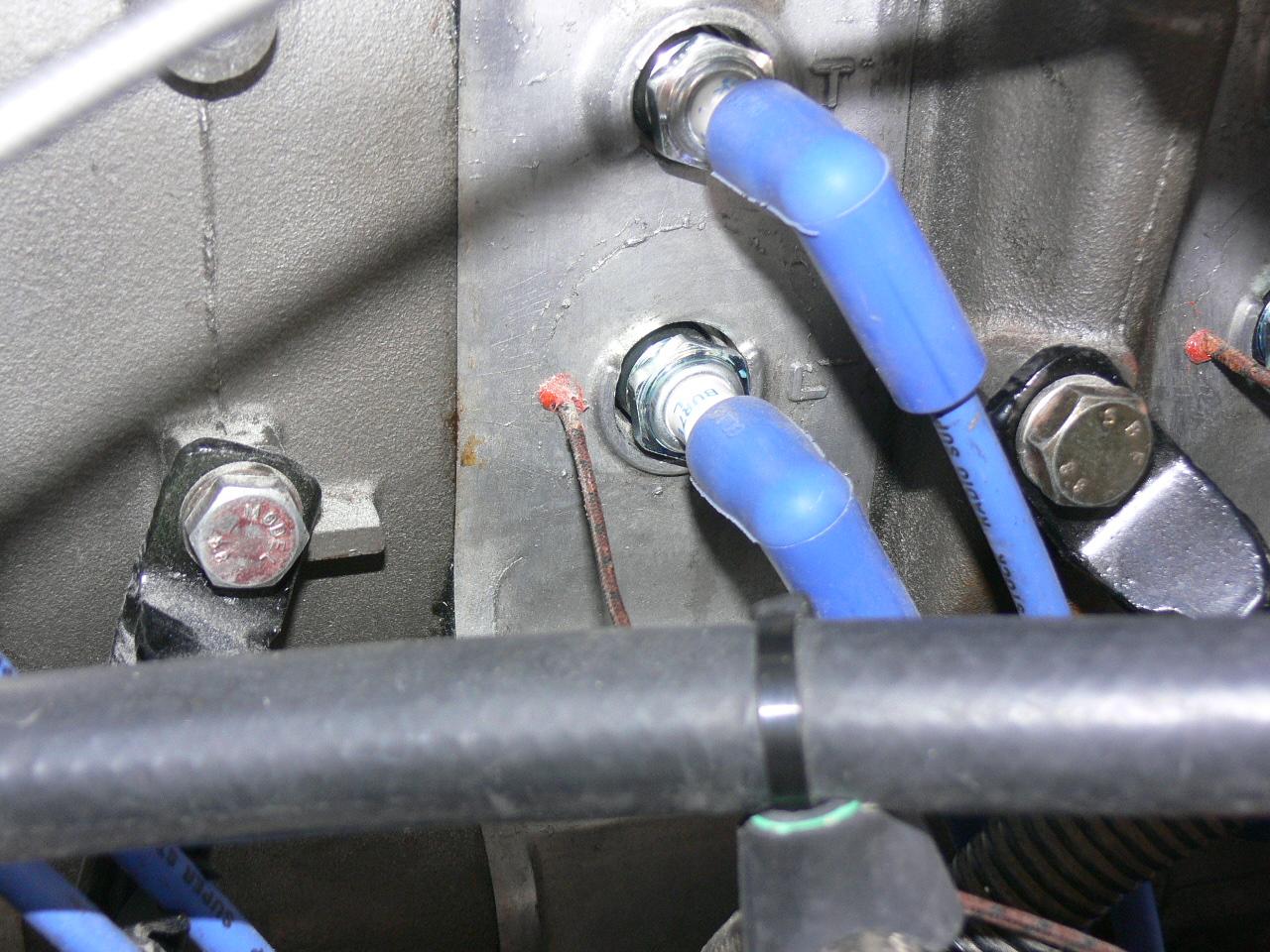
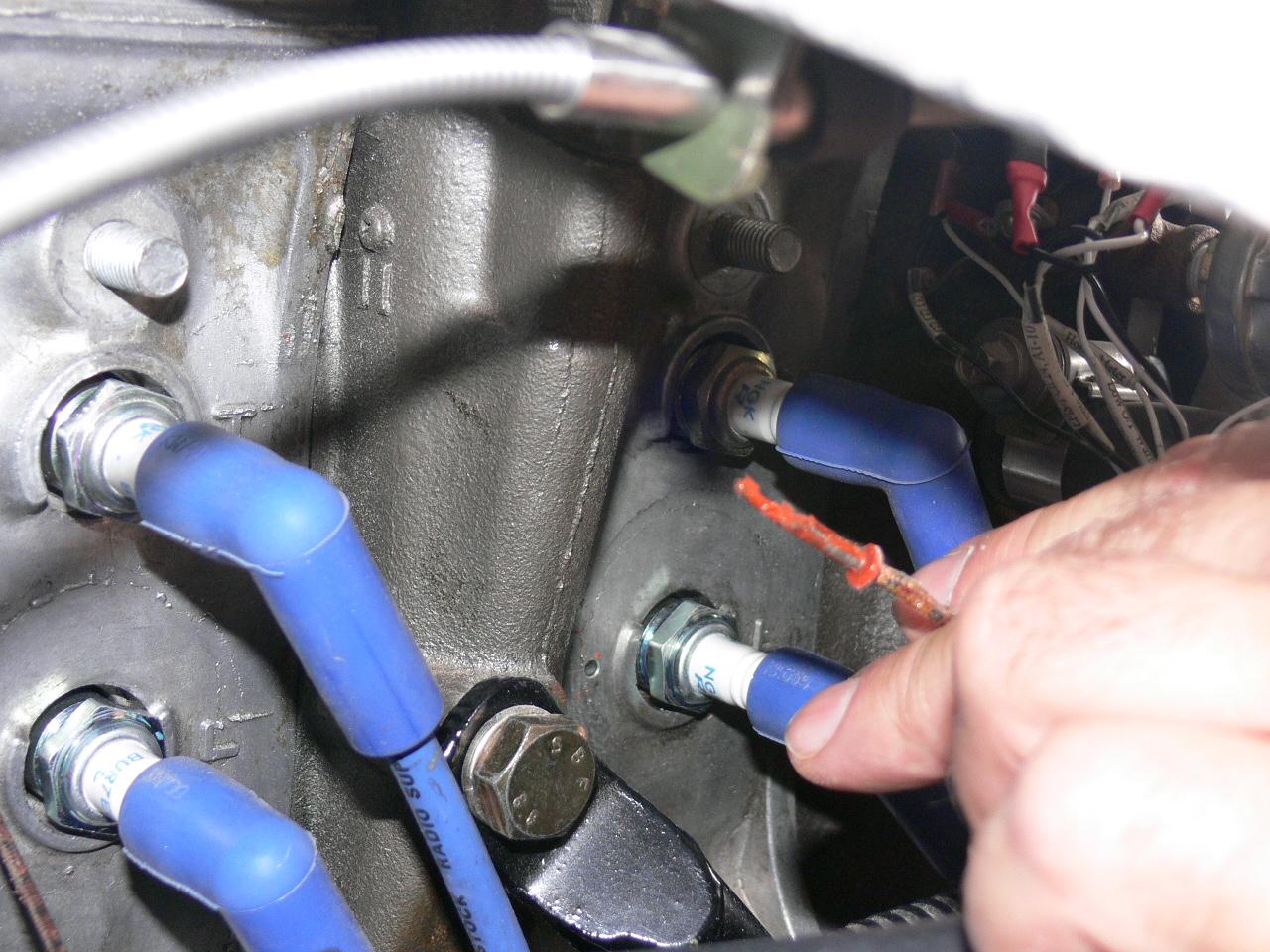
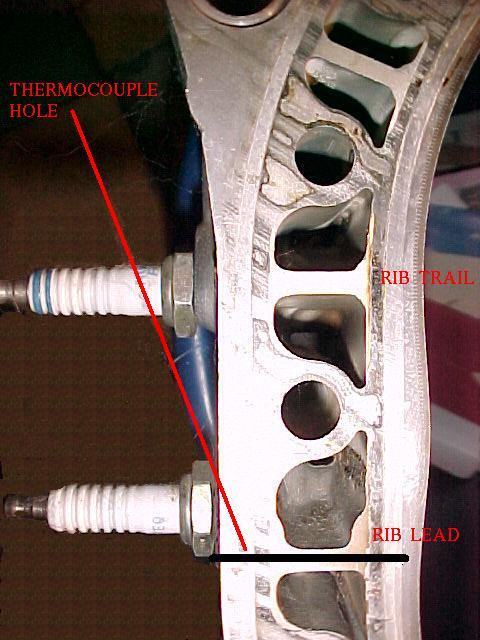
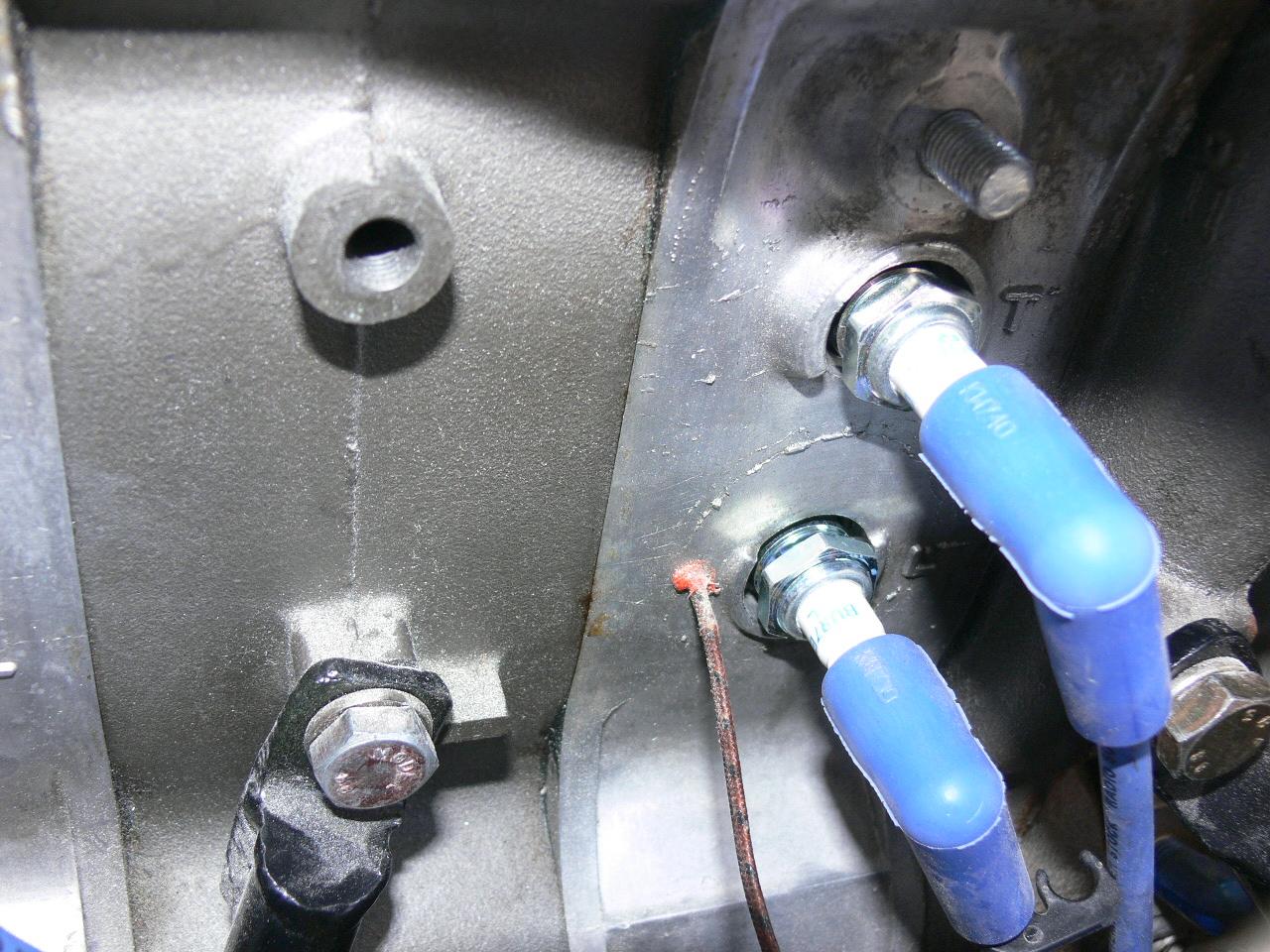
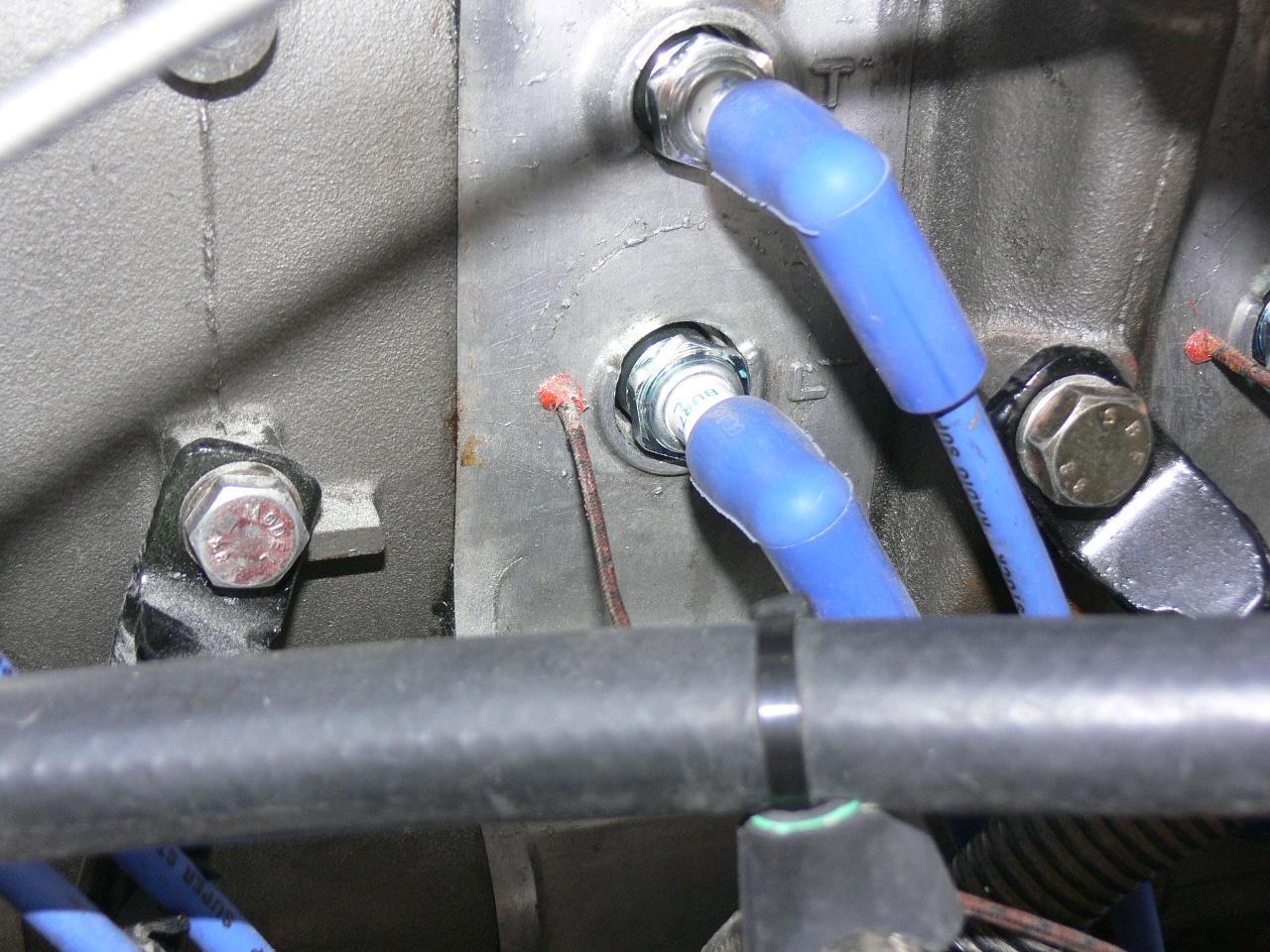
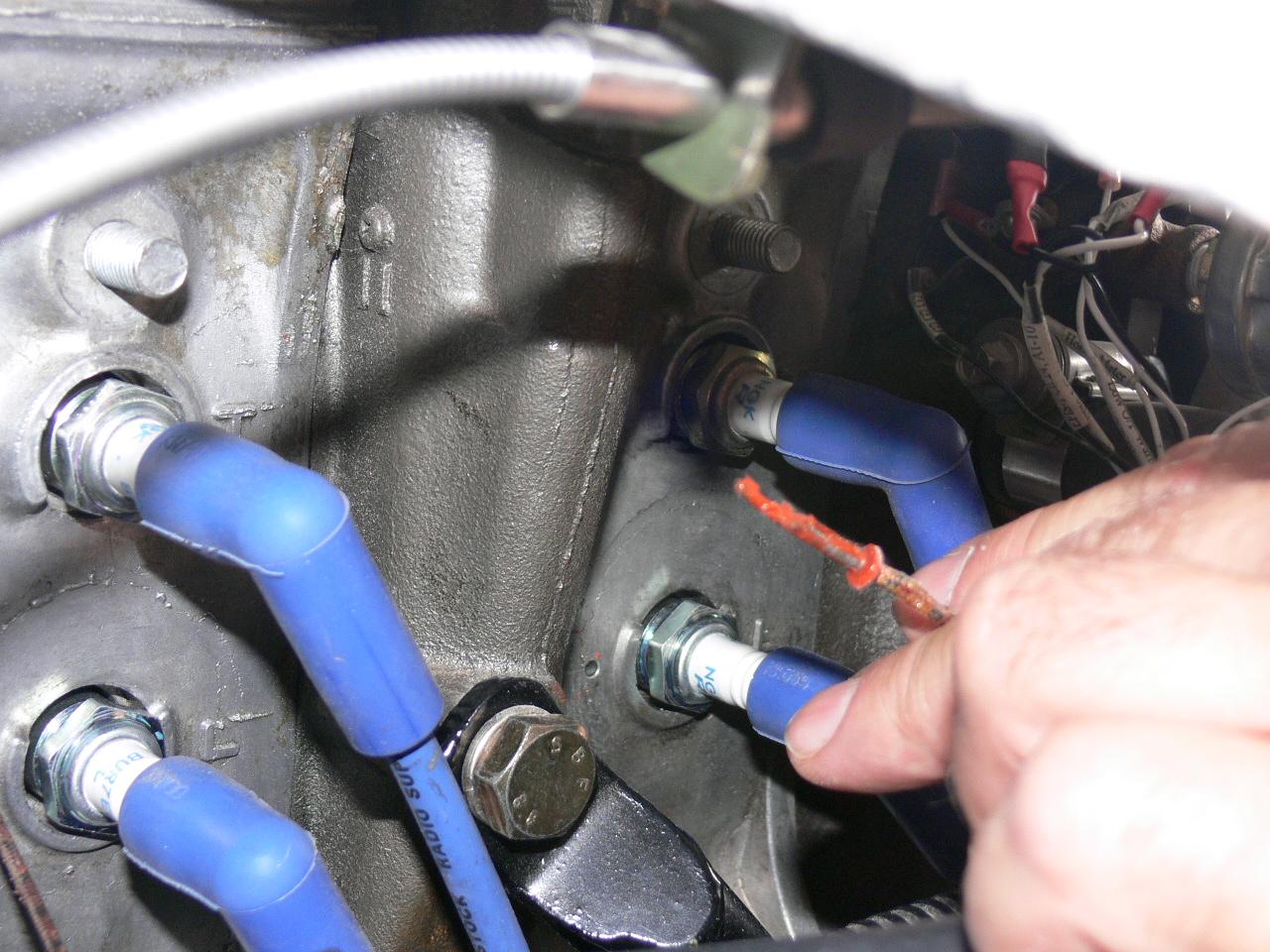
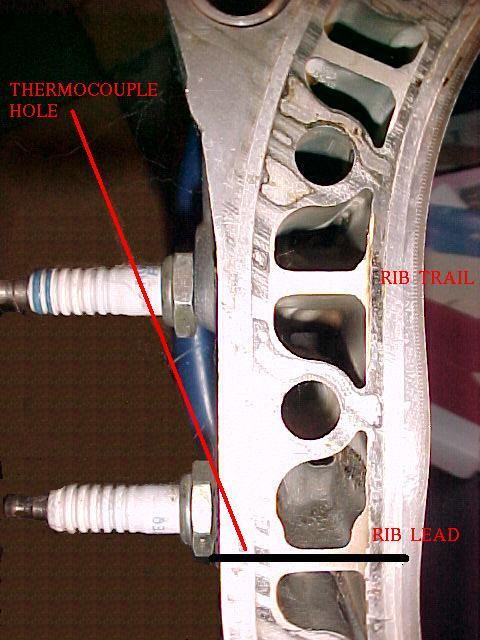
Our goal was to reduce or eliminate nucleate boiling around the spark plug
bosses in the rotor housings during sustained high power settings. As I
remember, we started these tests in the late 1980's. In addition to
propylene we also tested various other water/anti-freeze combinations and no
pressure system, low and high pressure systems. Ultimately we settled on
what for us proved to work as the most superior cooling
combination--straight water with a small bottle (6-8 oz?) of Water Wetter
(or equivalent). The Water Wetter really helped reduce nucleate boiling
around the spark plug bosses. We settled on this combination with a
moderate pressure cap. The specs below may not be spot on but should be
close. I don't have my published charts handy listing all the
specifications for various cooling media but you probably have already
provided these. Oil listed here because at the time we nosing around
whether it would be possible to use oil cooling for a direct drive, 100 hp,
oil cooled version of our aluminum engine.
Thermal conductivity
Water = .343
Propylene Glycol = .173
Ethylene Glycol = .153
Oil = approx .08-.1
Specific Ht
Water = 1
Ethylene Glycol/water 50-50 = .825
Propylene glycol = .8
Ethylene Glycol 100% = .65
Steve Beckham
Hi, Steve:
Interesting read about your testing back in the late 80's. I guess this
is a classic exercise in compromise. I can't use straight water as a
coolant in Canada since it would freeze half of the year. Was there any
data to support a 50/50 mix of water and
_Propylene_ Glycol instead of
water/ethylene? I like the bio-degradable part, and the propylene
appears to have an edge with thermal conductivity.
The Red Line's Water Wetter came in with pretty good marks in this
report from 'Turbo':
http://www.turbomagazine.com/features/0703_turp_cooling_system_additives/index.html
The 2 page article sure clears up a lot of mystery for me about coolant
and additives. I'm going to check out running a propylene/water mix
with additive. A good 'Canadian winter' approach.
Greg in Canada
Water Wetter exist because racing organization do not allow any kind of Glycol
as it makes the track slippery when it spills.
Pure Ethylene Glycol is not used in engines because it actually has a higher
freezing point. Excerpt from my book.
"The freezing point of pure water is higher than some winter temperatures, and
its boiling point is lower than the coolant temperature at which a hot (but not
overheated) engine can operate. Ethylene Glycol has a higher boiling point than
water. This is especially an advantage on today's hotter running vehicles with
multiple accessories and air conditioning. One drawback to using 100% Ethylene
Glycol is that Ethylene Glycol does not absorb as much heat as water does.
Another is that the freezing point will actually be higher when the ethylene
glycol concentration is too high. Ethylene Glycol is mixed with water until it
is the correct concentration. The factory radiator fill is usually about 50%
water and 50% Ethylene Glycol, which provides protection against freezing down
to -34 F. The freezing point of a mixture with a 70% concentration of ethylene
glycol would be -85 F. Its boiling point of 235 F is 11 F higher than would be
provided by a 50-50 mixture. A 70% concentration is the maximum that should be
used."
Extra aircraft recommends changing the coolant ratio twice a year in the liquid
cooled Continental engine.
"The development of the exact shape of the internal water jacket around the
Wankel combustion chamber is still in a state of change after 40 years of
development as more and more power is extracted from the rotary. Some turbo
charged Mazda rotary engines used in drag racing cars burning alcohol and
nitrous oxide are generating up to 400 HP per rotor or 800 HP for a two rotor
engine. Several modifications have been tried such as grooving the walls of the
water jacket to improve the heat transfer from the metal to the liquid coolant.
See Figure M 1 on the next page."
"We have discovered that this is unnecessary if you limit your engine to around
240 HP for take off and cruise at 200 HP. However this feature may come in handy
in the future when we get more experience with higher HP turbo charged Mazda two
and three rotor engines in aircraft use. Particularly when air racing rotary
powered airplanes. BTW a P-port, 215 HP 2 rotor powered Velocity aircraft
averaged 205 MPH in a 500 mile cross country air race in Augast 2007.
We do know the two rotor Mazda engine will currently generate about 200 HP
continuously with out melting or cracking"
The full power metal temperatures in the hottest parts of the rotor housing are
actually about 100 F below the typical air cooled aircraft engine.
Mark Steitle is currently running thermocouples in his three rotor... rotor
housings and is reporting no excessive temperatures.
Paul Lamar
The Rotary Engine NewsLetter. Powered by Linux.
ACRE NL web site.
http://www.rotaryeng.net
Youtube key word UTUBPLEASE
Copyright 1998-2008 All world wide rights reserved.