***Always scroll down to see the new message.***
Dear Mr. Lamar,
I had the pleasure of going through your website at www.rotaryeng.net
since I am a VTOL enthusiast myself and have more than just a passing
interest in rotary engines and their uses as power source for
planes. I
was interested in one of the articles you had written. It was called
"/*VTOL AIRPLANES USING ROTARY ENGINES
<http://www.rotaryeng.net/VTOL.html>*/". The link is
http://www.rotaryeng.net/VTOL.html.
In that article you had proposed a VTOL airplane using a Rotary
Engine.In the article, your proposed plane had delta wings with
contra rotating
propellers in a puller configuration. My question is, how would
you land
such a machine? The take-off seems quite obvious. With the nose
pointedstraight up and the wings in almost 90 degree AOA, the
plane would take
off vertically and then gradually transition to horizontal flight.
But I am left wondering how the plane can transition back from
horizontal flight to vertical flight for landing. Because, when the
thrust is reduced the, I presume the plane will have a tendency to
startpointing nose down. Please correct me if I am wrong though. I
would be
glad if you could help me understand the landing process or direct
me to
any other resource that would clear my doubt.
Thank you.
AJ
The technique is to pull up in a steep climb and stop. When you
stop you go into
helicopter mode. There is no provision for cyclical pitch change
but the rotor
shaft is on a u-joint/Gimbel so the thrust vector will pass
through the CG. It
is a lot like a hang glider in that mode. You actually shift the
weight of the
air plane around under neath the prop. There is already a small
helicopter
called an Air Scooter that uses this means of control. Then you
use the throttle
to back down to a landing. This can of course be automated with a
ultrasonic
distance measuring device now used on a lot of the back bumpers of
luxury cars
for parking purposes. Also a rear view mirror or TV camera can help.
Here is a youtube video that demonstrates the landing technique.
http://www.youtube.com/watch?v=K9ybm05EYWg
Paul Lamar
--
Dear Mr. Lamar,
If we have to pull up in a steep climb while in horizontal motion
to get
into vertical motion, wouldn't the plane actually go up a few hundred
meters before coming to a momentary halt and reversing direction? Does
that mean, that such a landing cannot be done close to the ground say
from a height of 250 to 350 meters or even lesser? If not, what do you
think is a reasonable height below which the transition from
horizontalto vertical flight must not be attempted?
Is the CG close to the nose of the VTOL or towards the rear of the
VTOL?Please pardon my barrage of questions.
Thank you.
AJ
Yes it would. Yes it is not safe to do it too close to the ground.
You have to practice a bit to see what the best entry speed is
for the pull
up. Also it is some what a function of the pitch control
authority. A large
elevator means you have more pitch control at a lower entry speed.
Much like an
aerobatic airplane.
The CG must be around the quarter mean cord of any airplane or the
airplanewill become unstable or unable to leave the ground if too
far forward.
It is best to build a quarter or half scale radio controlled model
and try it.
The wing span of the 1/4 scale model would only be 2.5 feet.
Paul Lamar
The Delta is going to help alot w/ the ability to transition. Delta's can carry
up to ~30AOA
prior to loss of lift. The speed would be bled off as the pitch was increased,
once thru 30AOA
you'd be pouring the power back in to maintian level flight. It's possible to
do the transition w/
very little gain in altitude [I'd think anyway..]
Jarrett
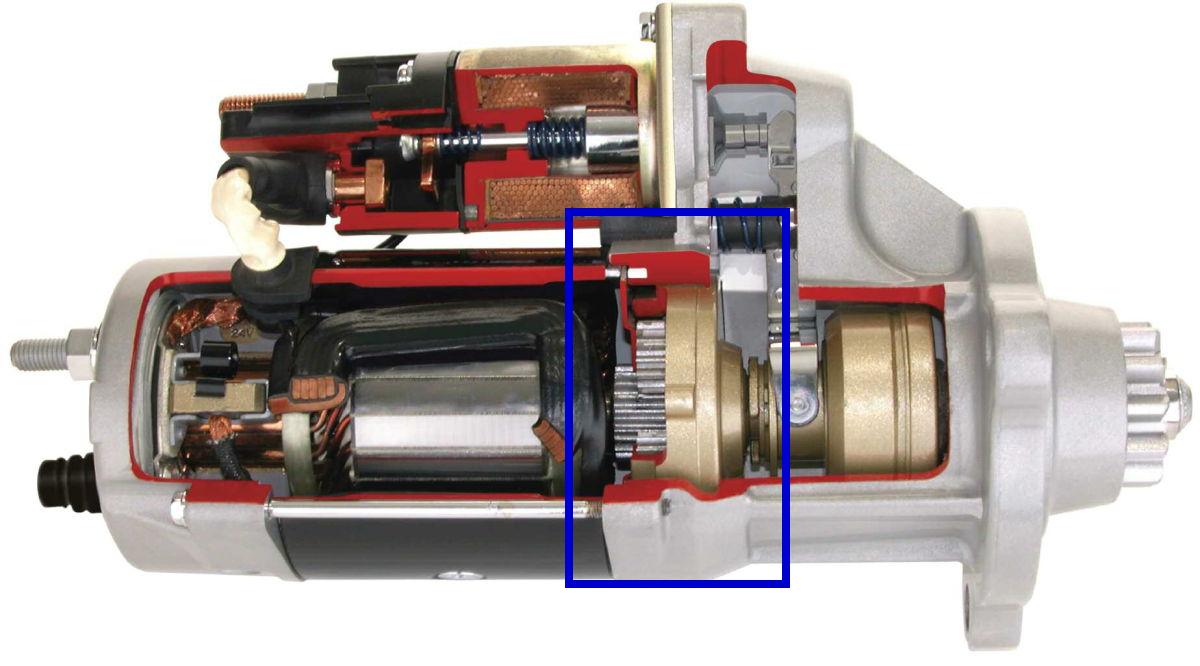
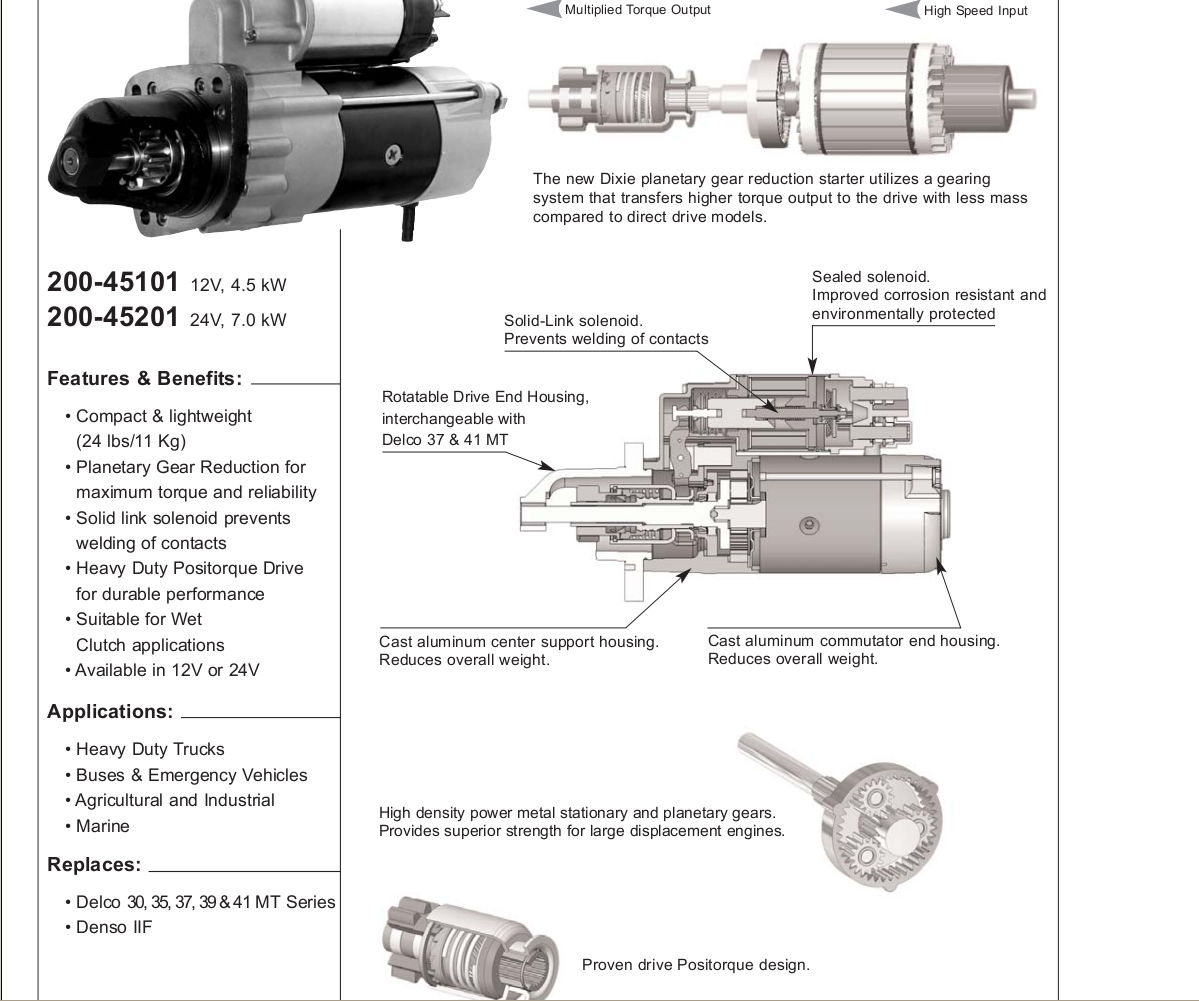
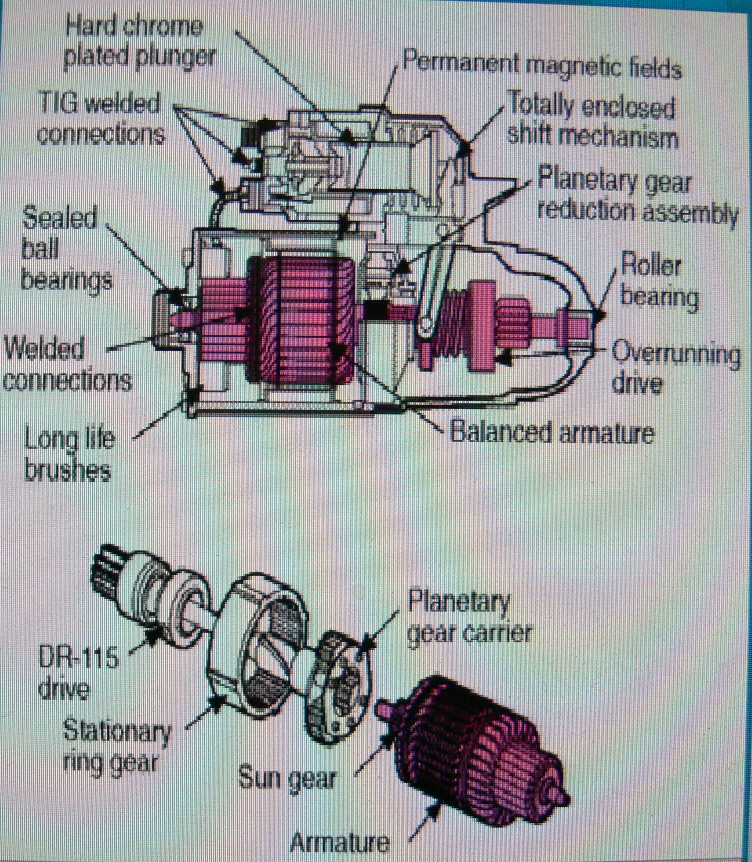
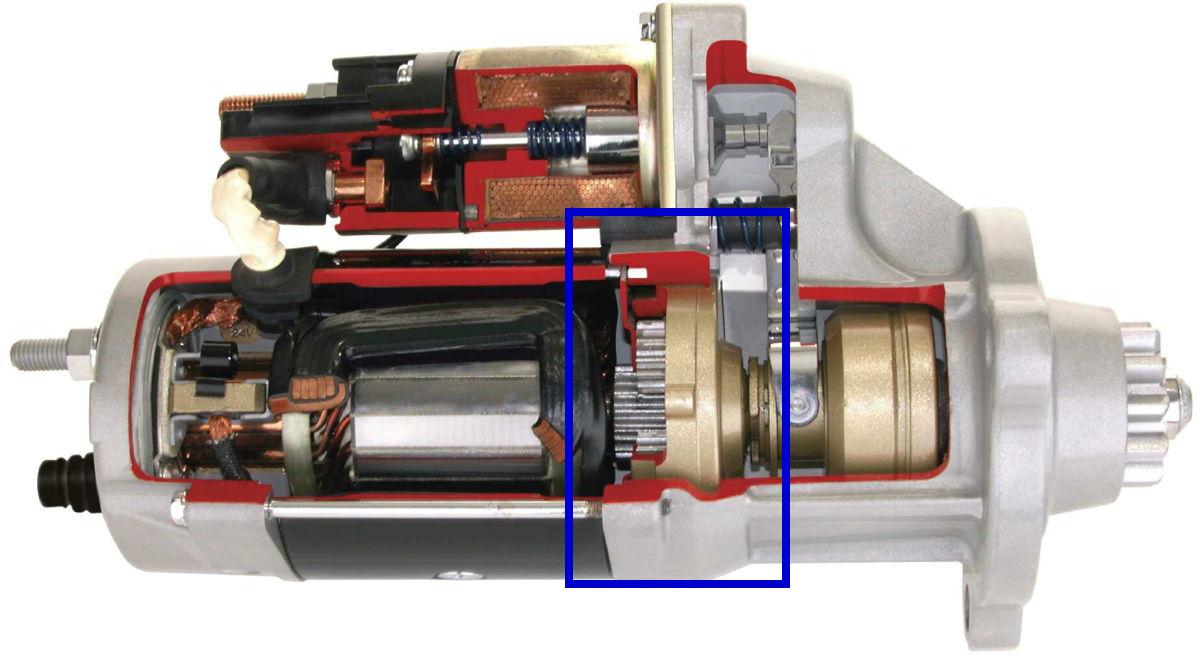
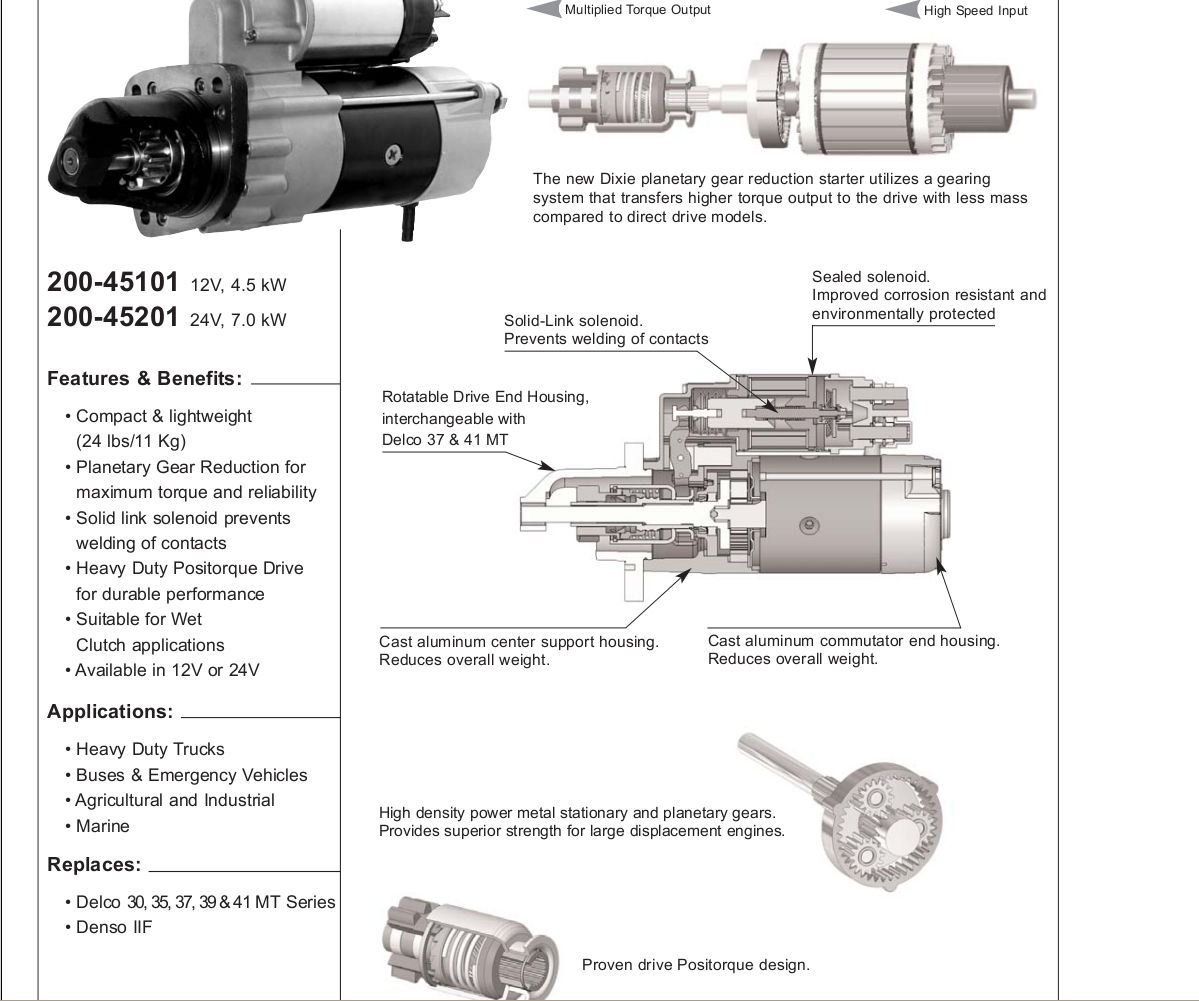
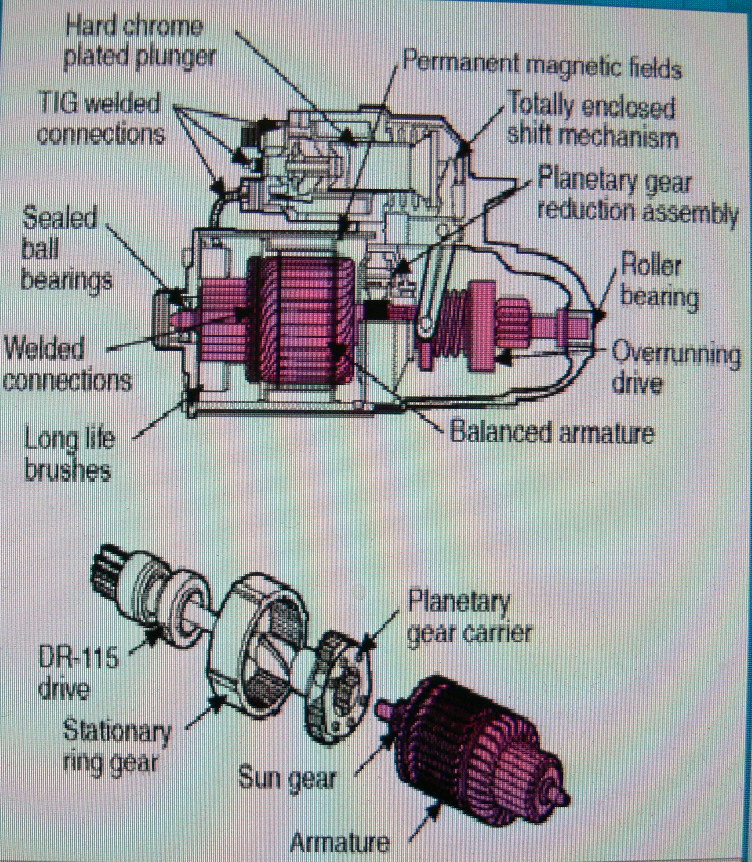
I just came up with a good idea. I have been searching for a low cost planetary
drive for a 1/2 or 1/4 scale model VTOL for proof of concept. I found it. All
truck engine starters are planetary. 8Kw is about 10 HP. Truck junkyard is the
place to go.
Paul Lamar
The Rotary Engine NewsLetter. Powered by Linux.
ACRE NL web site.
http://www.rotaryeng.net
Youtube key word UTUBPLEASE
Copyright 1998-2008 All world wide rights reserved.