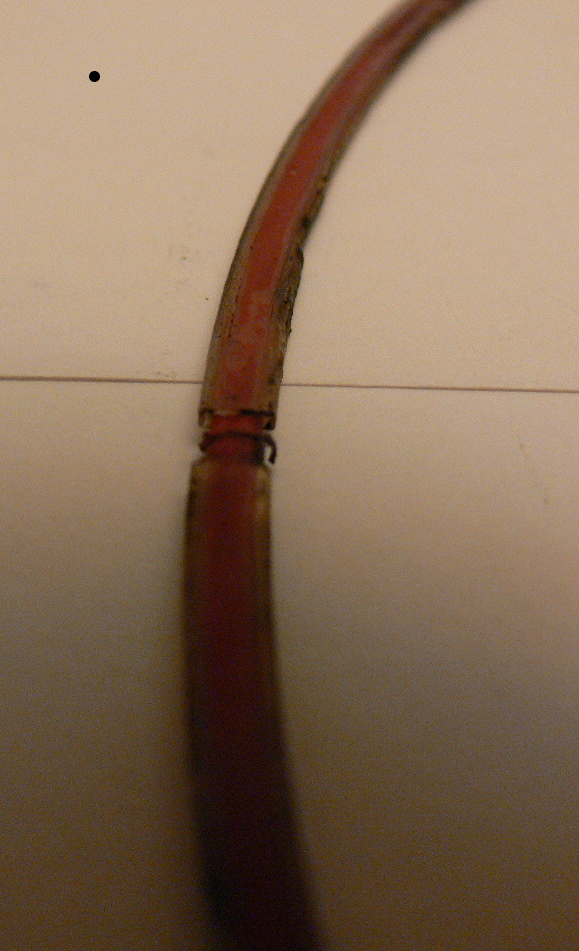
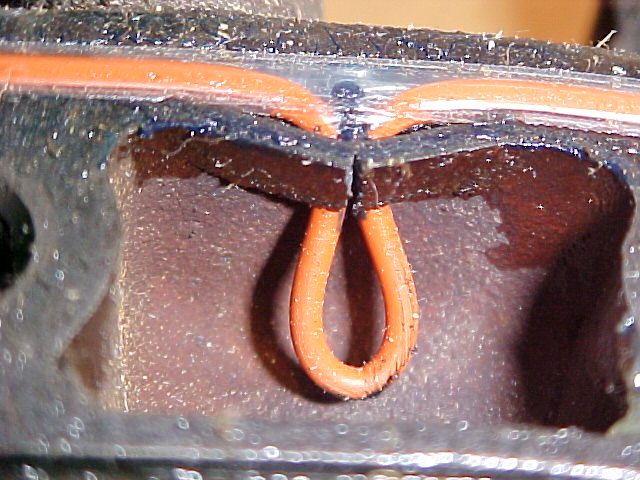
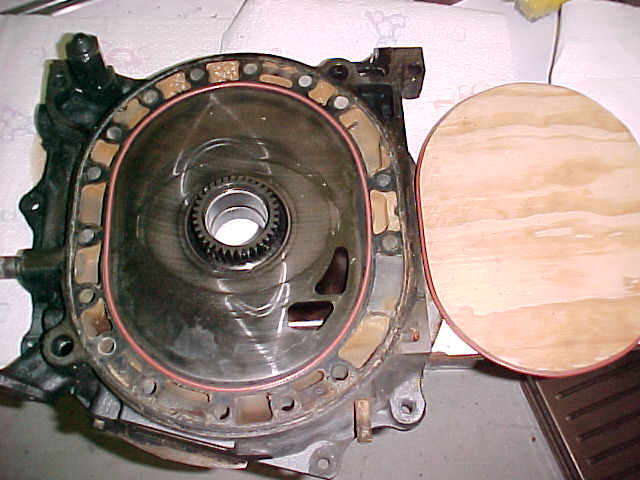
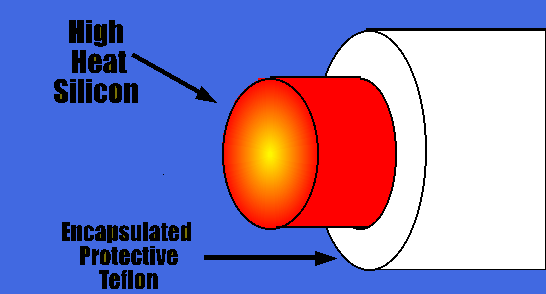
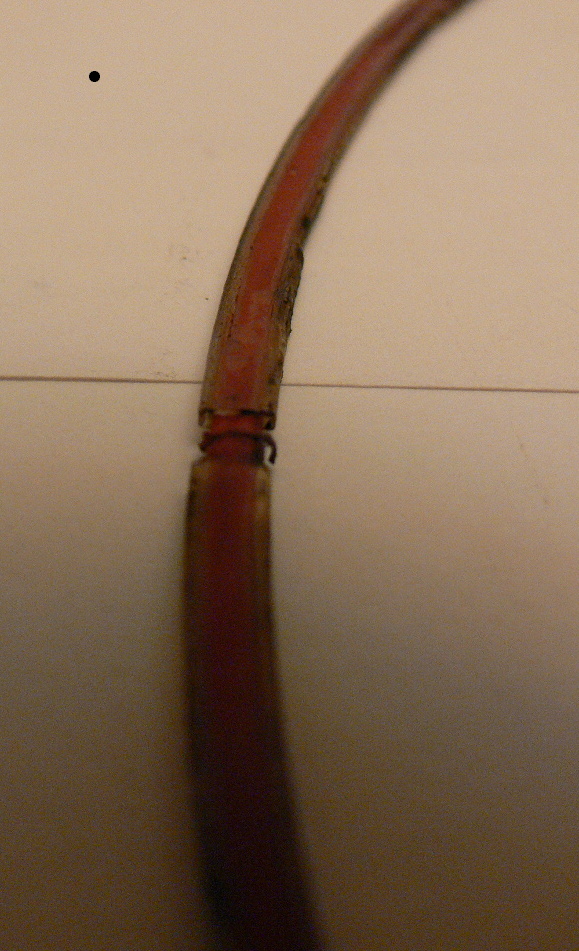
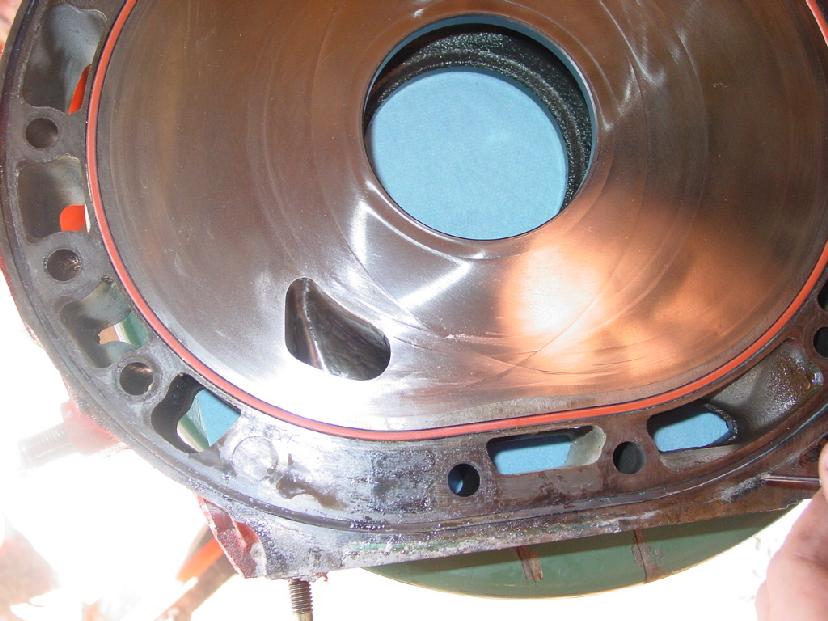
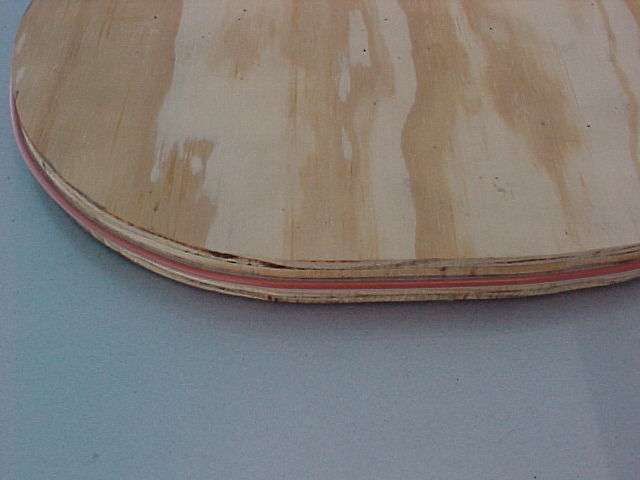
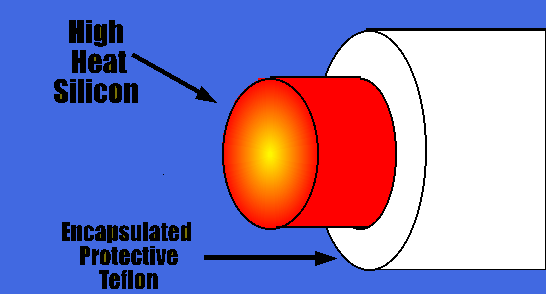
I found another engine that somebody had over hauled with Teflon Encapsulated
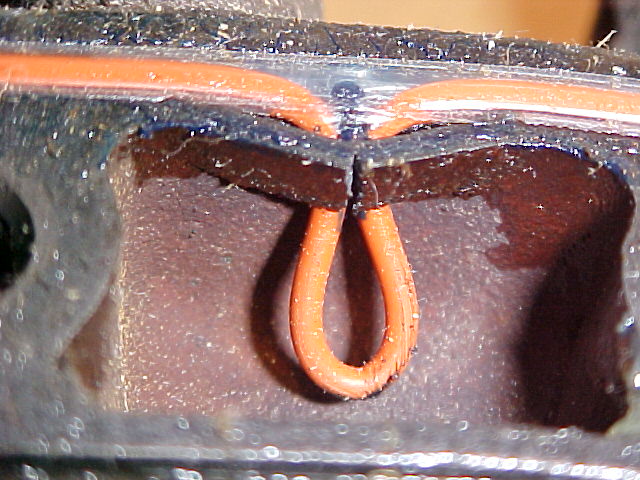
silicon O-ring that were too large in cross section. The Teflon was extruded
into the space between end housing and rotor housing. This was also due to
another mistake made by the over hauler.
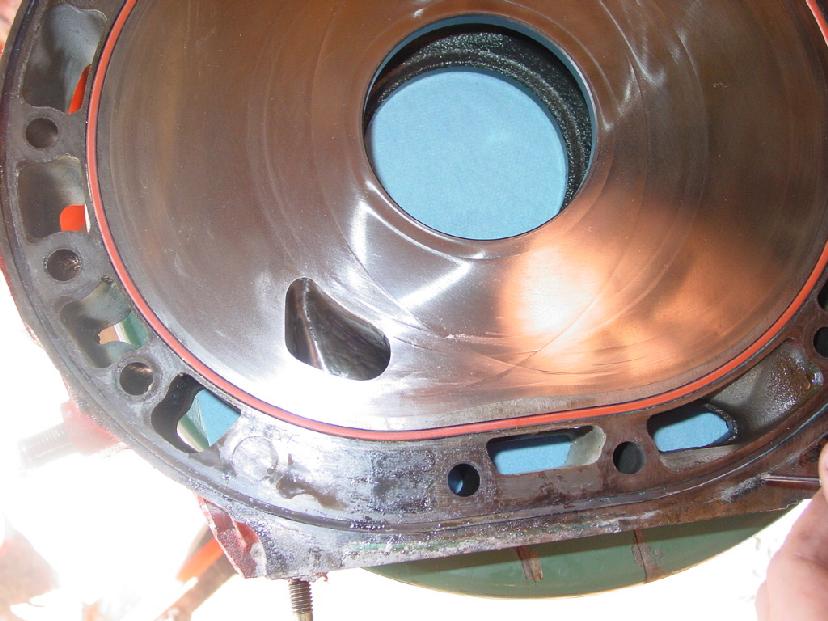
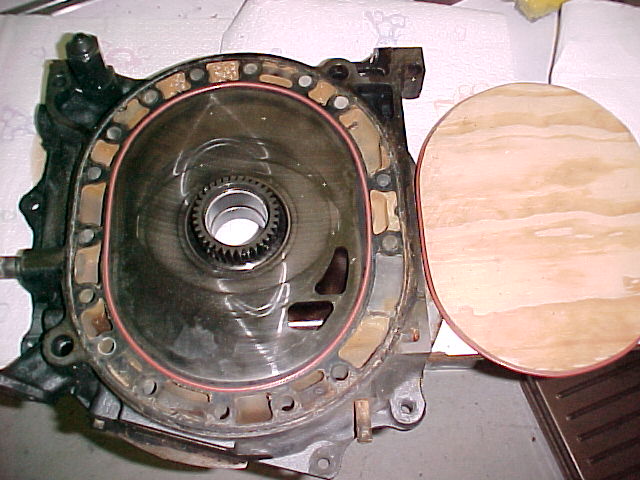
He/She used some sort of gasket compound between housings. THIS IS A BIG NO NO.
Do not use anything between housings!!! NONE NADA!! The engine is designed to
run metal to metal. Let the O-rings do their job. Follow the instructions in the
over haul manual precisely. Also the gasket material partially fills the O-ring
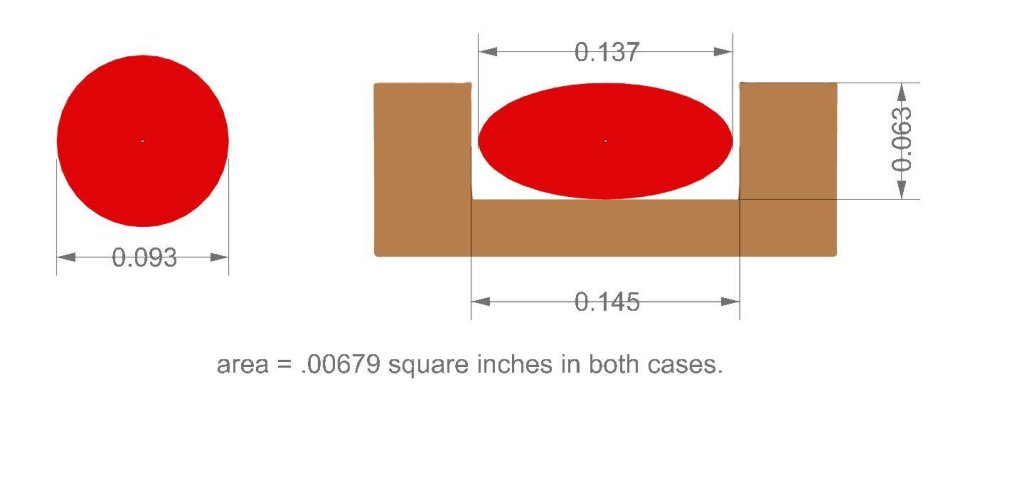
grooves not allowing the O-rings to expand fully.
The owner of this engine was lucky the silicon did not expand further and crack
the end housing. It has happened several times.
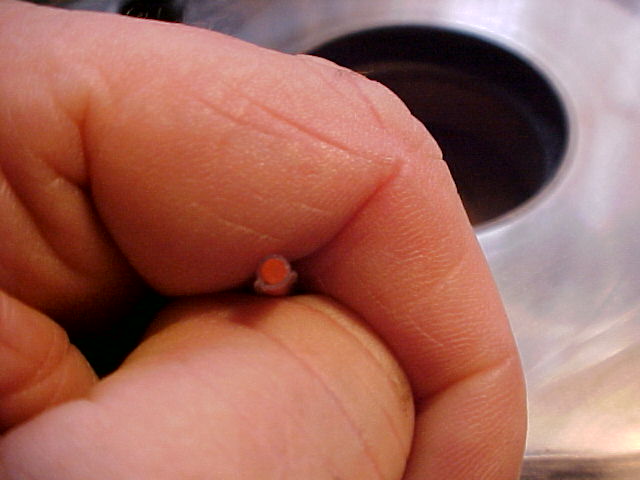
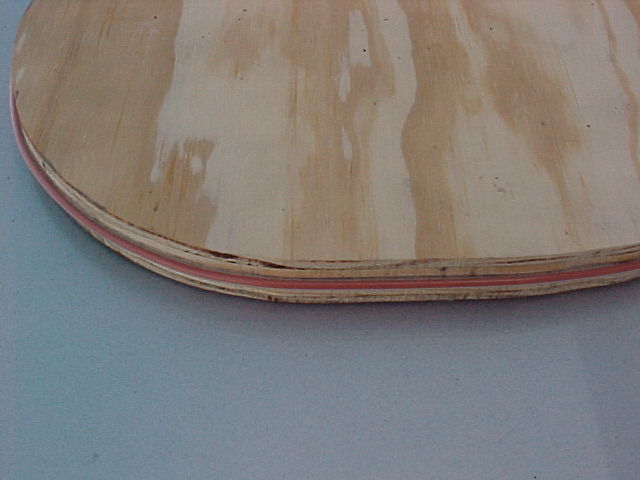
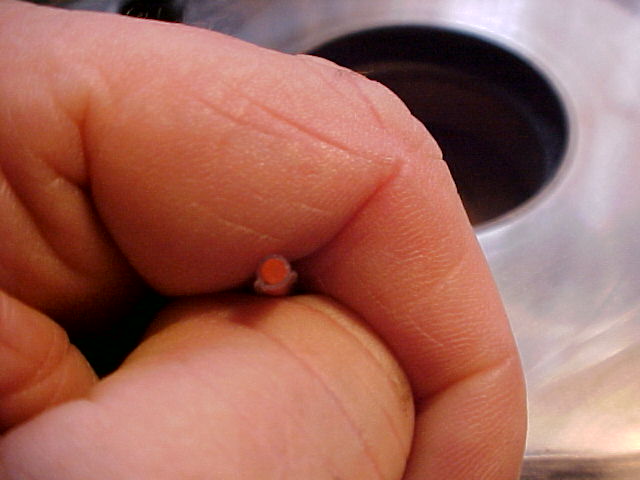
The first picture is the O-ring I took out of the engine.
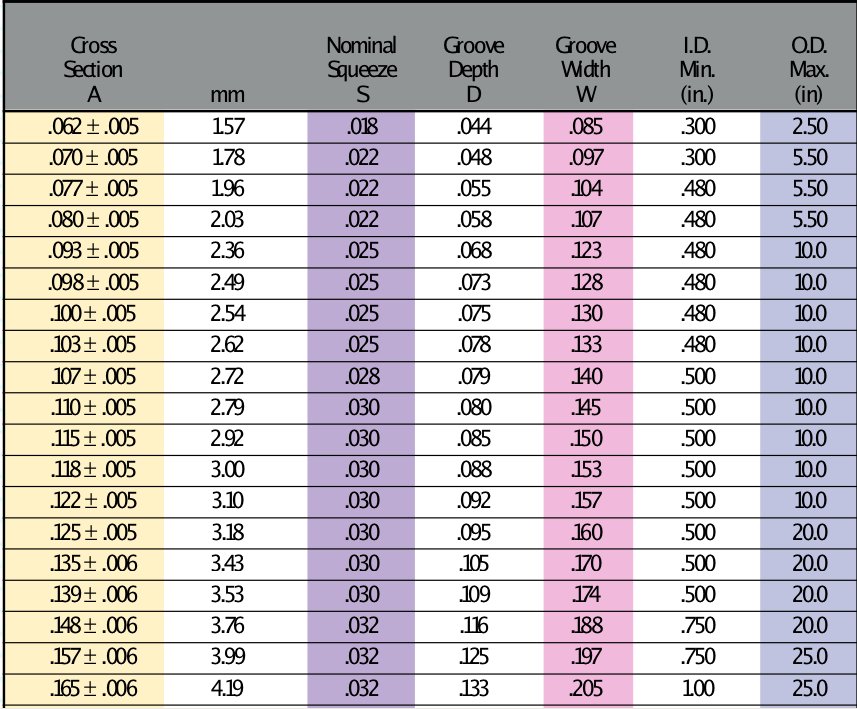
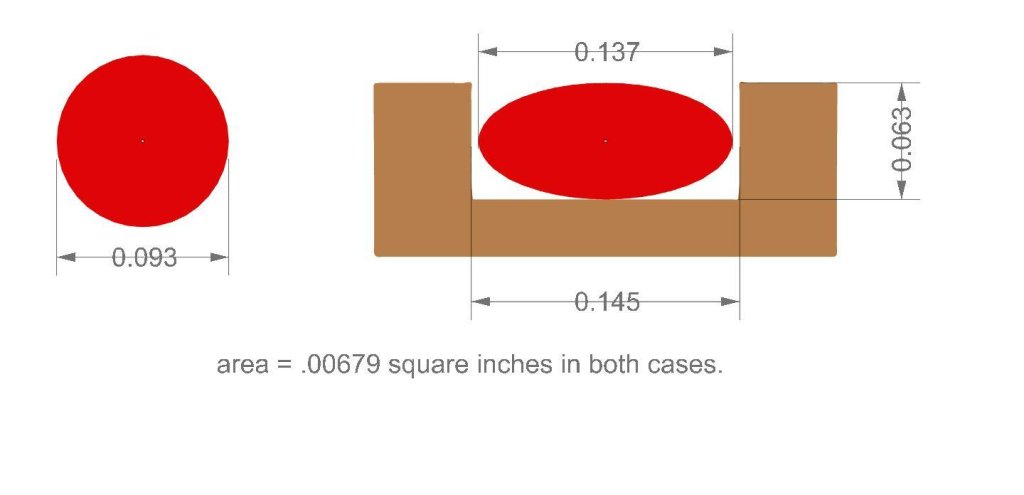
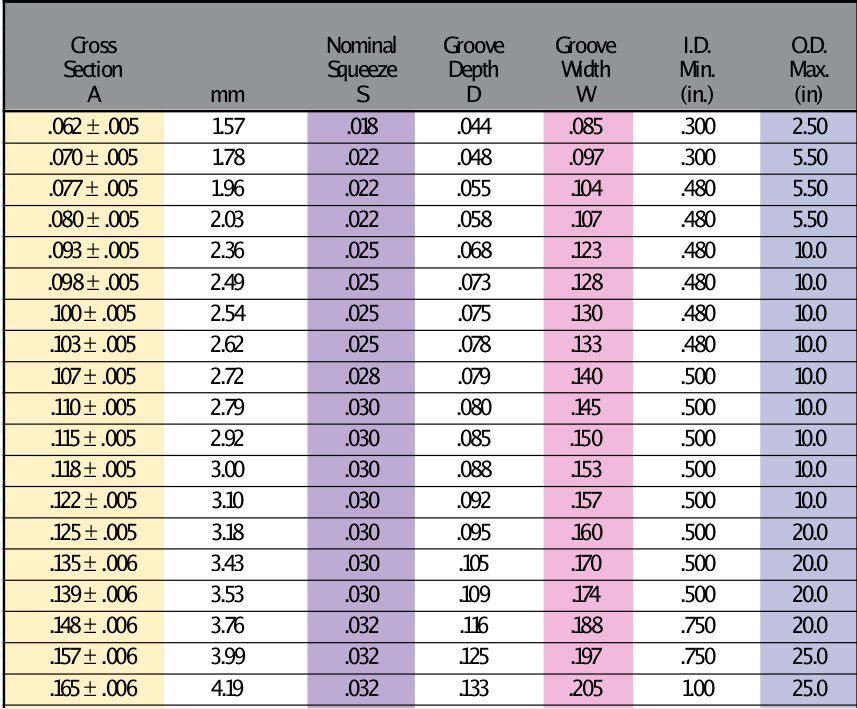
The correct section diameter for the inner slot is .093" maximum and
.080" to be on the safe side. Do NOT use 3/32" as they can be as much as .110"
in diameter. The outer slot is narrower so .080 is a max section diameter.
Mic the new O-rings before you install them to be sure.
http://www.creavey.com/
Teflon encapsulated silicone O-rings are great if properly installed. They will
tolerate a moderately over heated engine as TES O-rings are good to 500 F and
Teflon is inert to all known chemicals unlike silicon alone.
Paul Lamar
The Rotary Engine NewsLetter. Powered by Linux.
ACRE NL web site.
http://www.rotaryeng.net
Youtube key word UTUBPLEASE
Copyright 1998-2008 All world wide rights reserved.