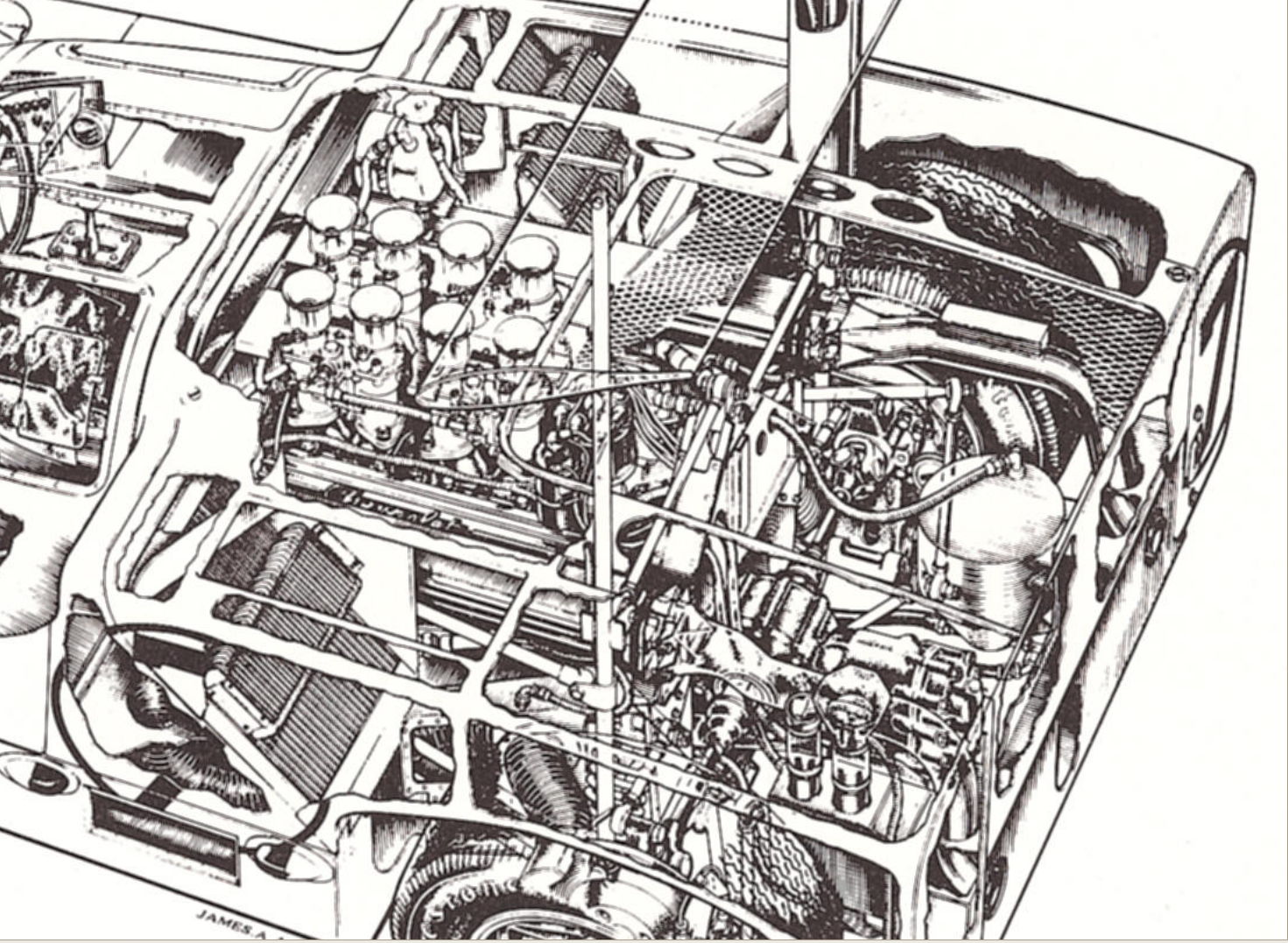
Paul--Right after looking at your mid-engined Firebird, I saw Autoweek's
50th anniversary edition which included a photo and a note on the
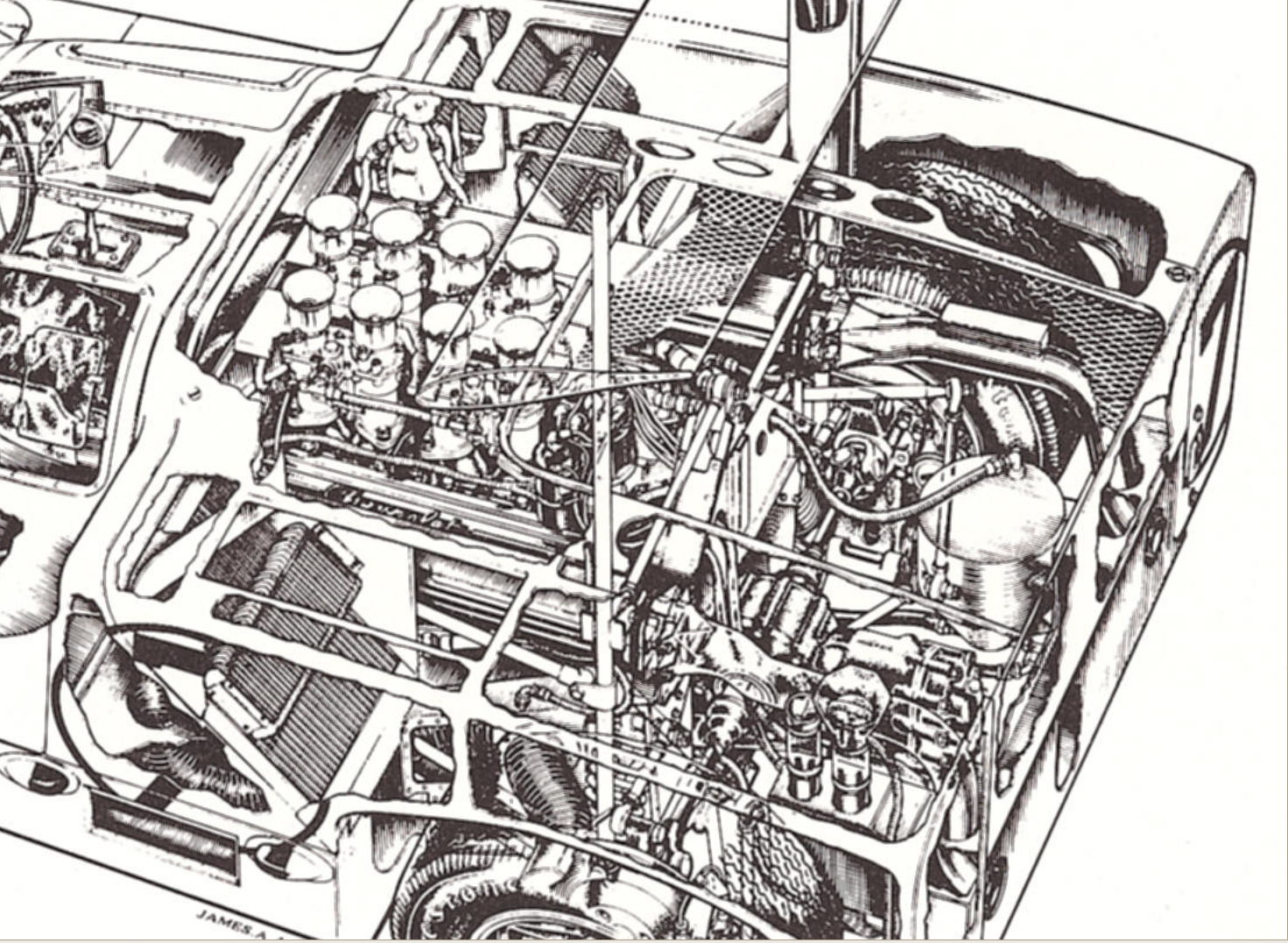
Chaparral 2E stating again that the wing struts were "mounted directly
to the rear hubs." Have seen this reference for years and keep
forgetting to ask you how this was done. Did it mean the wing traveled
up and down with the the rear hubs as unsprung (?) weight? If so, what
kind of sturcture attached it to the hubs? Also in this regard, how did
you successfully address, as Colin Chapman apparently did not on the
Lotus F1 car, the lateral g-loads generated by the cantilevered wing?
Steve Beckham
Yes it was connected to the hub carrier. Long story Steve. I'll address
this when I get home and I can send you some pictures. I have no pictures
here on the EeePC as it only has 40 gig memory :)
Paul Lamar
The first wing was built by Chevy R&D in Michigan and was very poorly
designed. It was very heavy with foam core, no spar and heavy fiberglass
skins. It weighed about 30 pounds. Chevy R&D also came up with one lateral
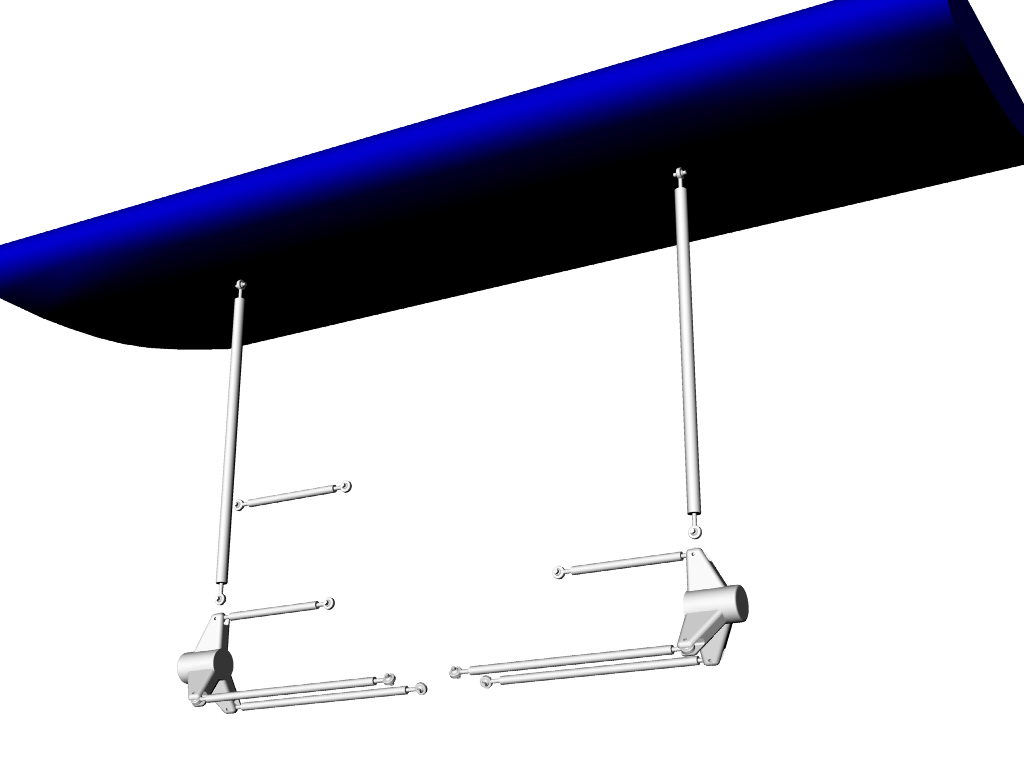
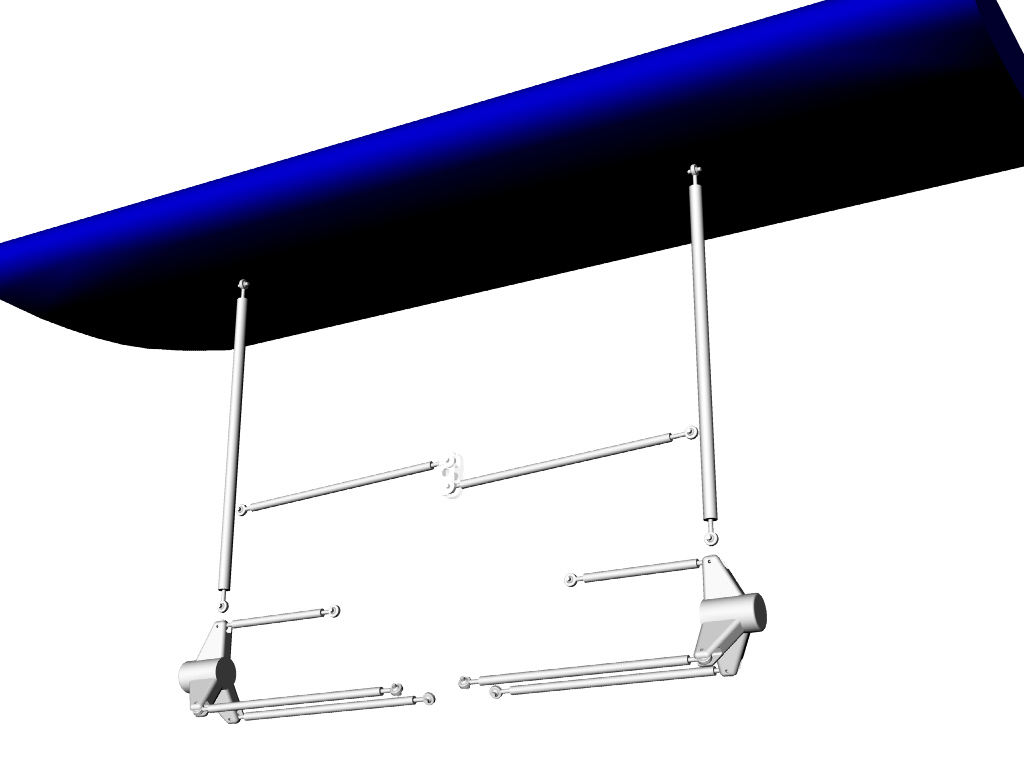
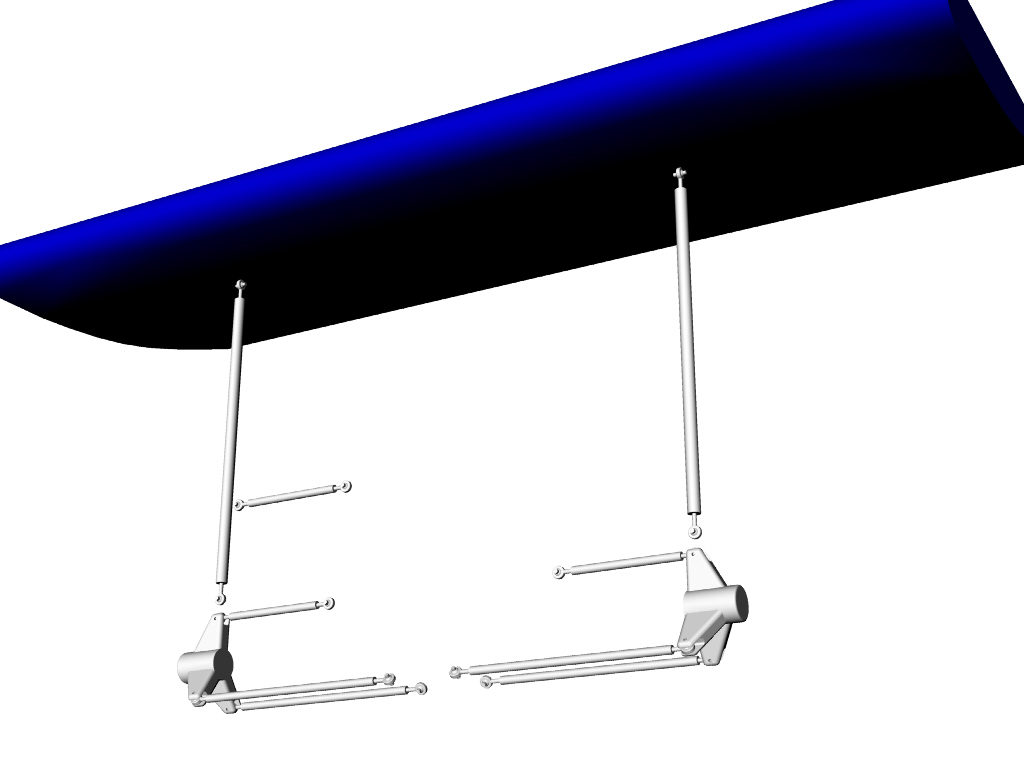
strut attached to the vertical strut about 25% of the way up. 3D #1. The
geometry was all wrong. When the car hit a bump the wing was jerked sideways at
a high rate of G's. This over loaded the mechanism and both cars failed the
lateral wing locating struts in the same place at Bridge Hampton Long Island
during the debut race of the suspension mounted wing. Phil Hill and Jim Hall
were drivers as I recall. We beefed up the lateral strut and then the vertical
strut failed. We beefed that up and I think the chassis mount failed. Something
was seriously wrong :)
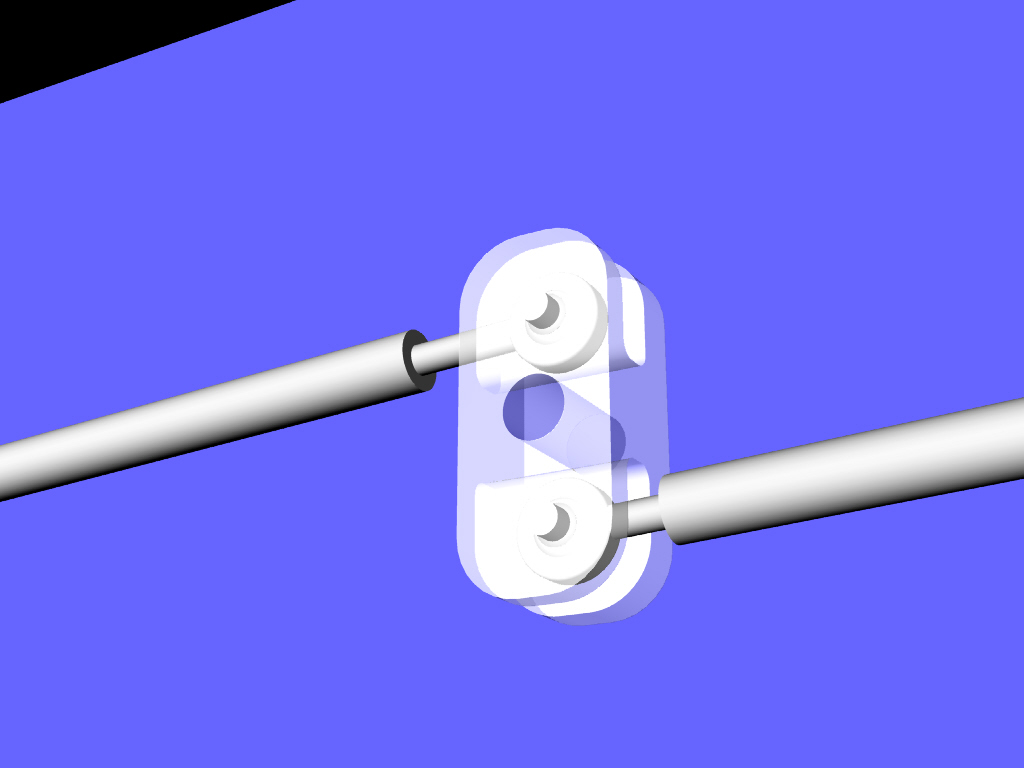
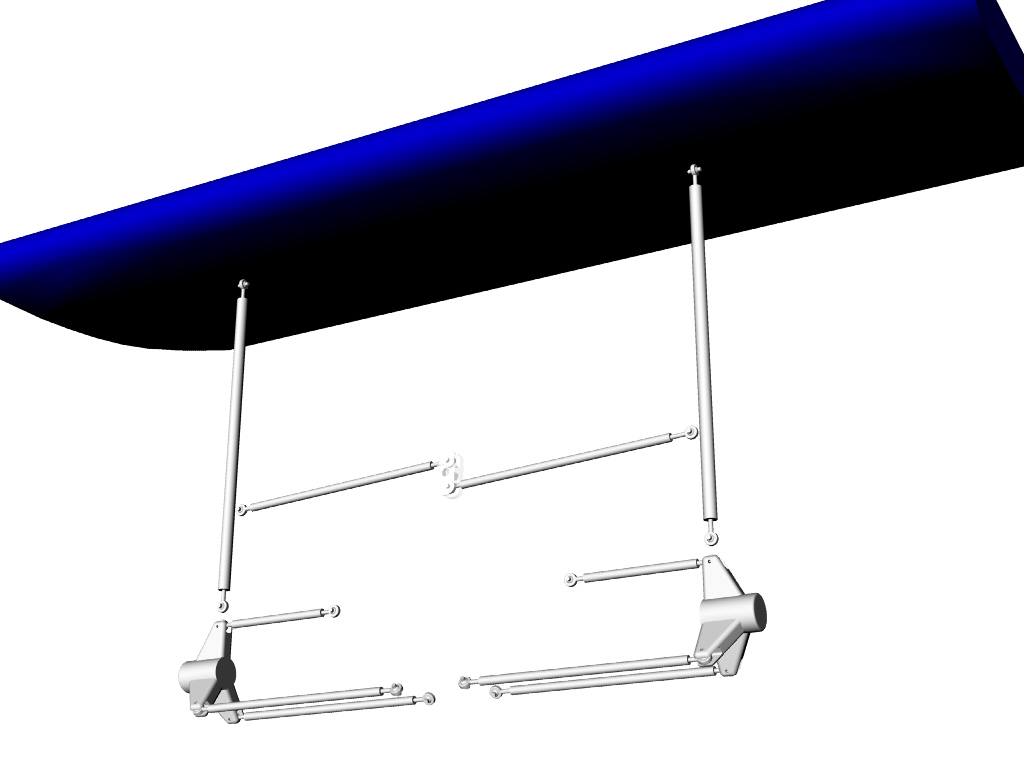
I analyzed the problem back in Midland and figured it out. I discussed
it with Jim and the mechanics and as usual nobody believed me. Nobody was
willing to listen to some young Yankee engineer just out of college :) I said;
"OK I will build it and test it on the 2B mule car". I ran it around the track
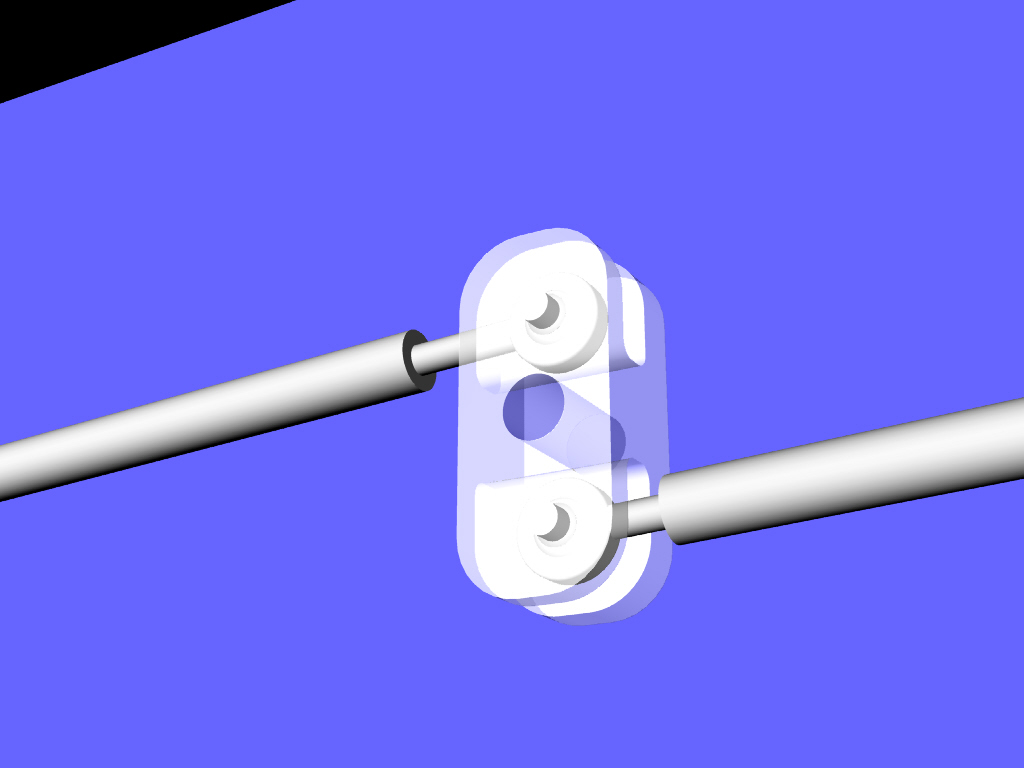
for awhile and took it into the shop. I disconnected the bottom of the vertical
strut from the hub carrier and moved it around side to side and back and fourth
so everybody could see that it worked. We installed it on the 2F and ran many
races all over Europe, set many lap records and won the BOAC 500 with no
problems there after. The mechanism was then used on all subsequent Chaparral
CanAm cars with suspension mounted wings as large engines were typically
outlawed by the French in Europe for Group 6 after Ford beat the hell out of
them at Le Mans:)
I also built a huge .032" thick aluminum wing with a proper spar to cut the
weight while I was at Chaparral. I tested that as well on the 2B mule car. The
wing angle adjustment strut ball joint broke at over 100 MPH in a turn and I
found out first hand what it was like to spin out with a total loss of down
force in the rear. The yaw acceleration had to be hundreds of degrees per second
per second. No way could any driver catch that. That wing design was latter used
on the ill fated 2H "Whale" CanAm car in an attempt to fix it but that is
another story.
When I left Chaparral I redesigned the wing using .016" and .025" thick 7075 T6
aluminum with a proper spar that cut the weight to less than ten pounds for a
formula A wing. I used another method of wing lateral location. I had Pete Lyons
climb up on the wing and sit in the middle when some driver questioned
the strength of such a light weight wing. We sold dozens and almost all formula
A cars were equipped with my suspension mounted wings. Mostly Lolas. Also some
Indy cars. More about that soon when I make some more 3D's.
Paul Lamar
--
The Rotary Engine NewsLetter. Powered by Linux.
ACRE NL web site.
http://www.rotaryeng.net
Youtube key word UTUBPLEASE
Copyright 1998-2008 All world wide rights reserved.