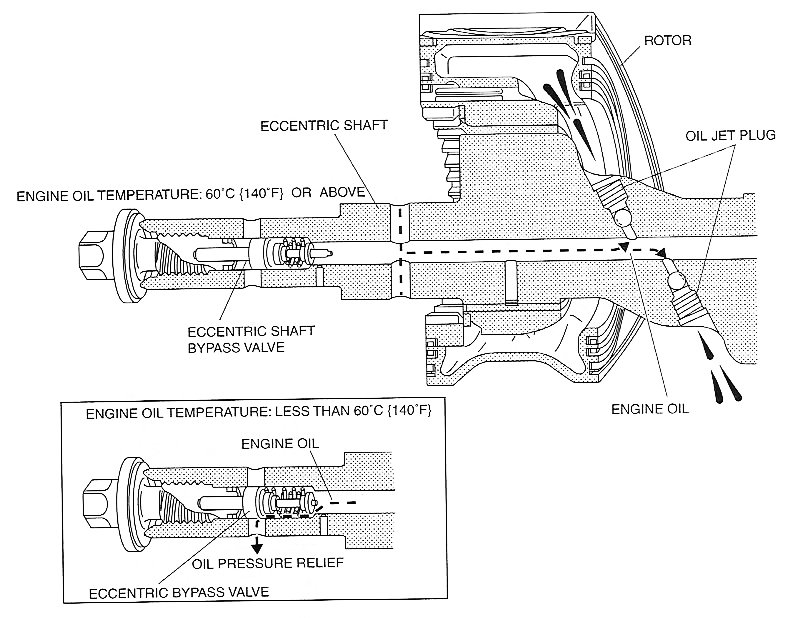
> I had no idea Curtis Wright investigated aluminum
> rotors. I was going over some old 1963 booklets and
> tech papers Don Sherman sent me awhile back (his complete
> collection. Thanks again Don.) and ran across this illustration.
> The booklet was written by Max Bentele and was called "Curtis-Wright's
> Experimental Rotating Combustion Engines". Here is an excerpt.
>
> "A rotor made from an aluminum forging offers the benefits of
> lightweight and
> high thermal conductivity, but requires adequate cooling.
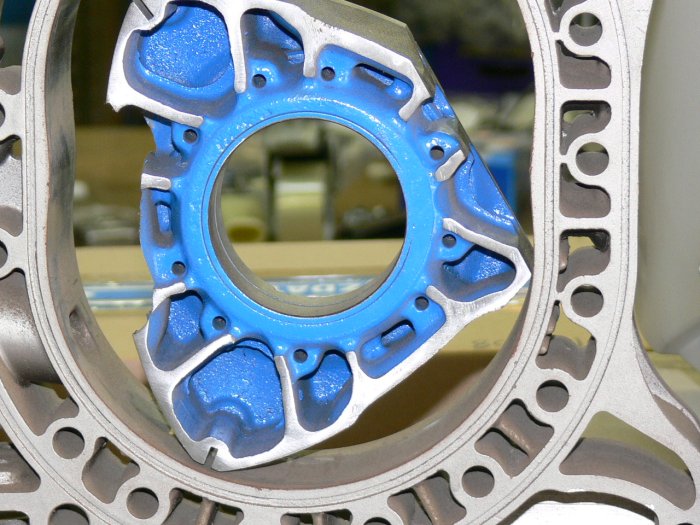
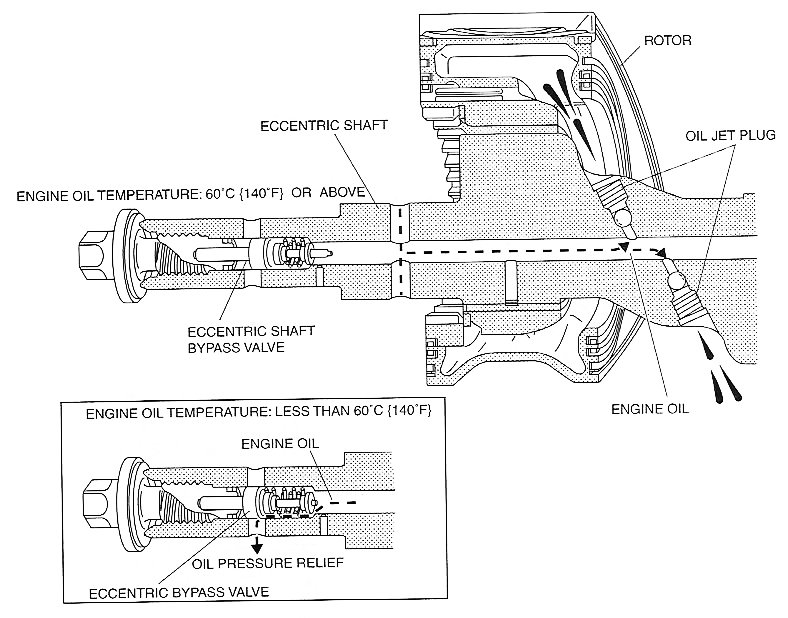
> One of the most successful aluminum rotor designs is cooled by forced
> circulation of oil from the engine lubrication system. The cooling
> circuit is
> schematically illustrated in Figure 18. Oil is supplied from the
> hollow shaft,
> through radial feed holes in the eccentric, and then to the rotor
> bearing
> central annulus. The oil then divides, one part to lubricate the
> bearing and the
> other to cool the rotor.
>
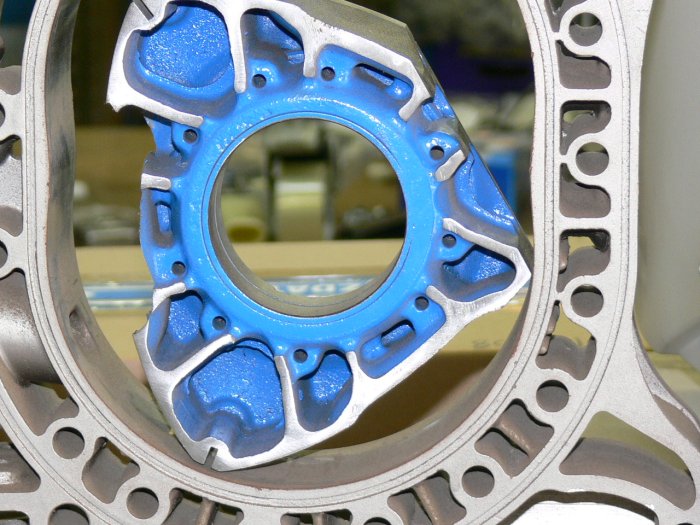
> Integral fins in each rotor lobe provide adequate cooling surface
> and a small
> hydraulic diameter. A recess at each end of these finned passes acts
> as a
> manifold for distribution of the oil. The oil from the rotor exit,
> after
> passing the bearing end annulus, is discharged from timed shaft
> eccentric
> passages directly into the housing drain annulus.
>
> The oil entering temperature, temperature rise, and period of
> contact with the
> metal are controlled to avoid coking or other lubricant
> deterioration. To date,
> we have had no evidence of adverse effects in this regard. While the
> oil flow of
> this design is continuous, the velocity varies as a function of the
> system
> dynamics: shaft and rotor inertia pumping superpose a roughly
> sinusoidal
> pressure increment onto the oil supply pressure. The cooling oil is
> metered at
> the exit; in this way, the rotor cavities are maintained full. Cast
> iron rotors
> can be made very much simpler than aluminum rotors but at present,
> not quite as
> light. Their cooling system is, however, different; it is adjusted
> to the lower
> thermal conductivity of cast iron and the thinner rotor walls. It is
> expected
> that by further design and casting improvements, the weight of iron
> rotors will
> approach that of aluminum rotors."
>
> Curtis Wright failed to take advantage of this weight reduction not
> realizing
> that someday the RPM of the rotary would be limited to 11,000 RPM by
> the weight
> of the rotor. Modern material, like Beryllium aluminum alloy, would
> make
> aluminum rotors even better. Be/Al alloy is three quarters the
> weight of just
> aluminum. My guess is the RPM of a two Be/Al rotor rotary (weighing
> 180 pounds)
> would double to around 22,000 RPM and the HP would also double to
> about 1600 HP
> for an all out p-port turbo charged racing version. That would be a
> power to
> weight ratio much better than a pure turbine with about 1/3rd the
> fuel burn and
> 1/10th the cost in a turbo compound rotary configuration.
>
> http://www.berylliumproducts.com/Attributes.aspx?id=AlBeMet162
>
> When this happens it is going to be an earth shaking event.
> A 300 HP car engine could shrink to below the size of a soccer
> (foot) ball.
> The empty weight of the car would also decrease as it is largely a
> function of
> the engine weight. The light aircraft industry would never be the
> same if these
> super power to weight ratio rotary engines were used in VTOL designs.
>
> Paul Lamar
>
> Paul, isn't there a major toxicity issue with machining beryllium?
> This was to be the super metal of the late 40's and 50's and it
> didn't happen.
>
> best,
>
> George W
>
>So? You want hi tech you deal with it. So is nuclear energy. Machining
>magnesium is dangerous as well.
>
>Paul Lamar
>
>Paul,
>Raw beryllium is dangerous, but alloyed much less so. The same reason so
>much mag is in mag-al alloy form. Mag is of course a physical problem,
>fire, rather than poisioning. Beryllium poisioning or berylliosis occurs
>more with long term contact.
>Bill Jepson
>
>So you stay out of contact with it. This is the age of automation.
>If you can reduce the weight of a car by 500 pounds what does that translated
>into initial energy savings and pollution? Once it is in the engine you will not
>be in contact with it. There are beryllium springs already in the Mazda rotary
>engine.
>
>Paul Lamar
Paul,
Why don't we get our new found friend Ted, from Russia to give us an
estimate on how much titanium rotors would cost to cast. He is correct
that there is a huge titanium casting infrastructure, along with
expertise available there at attractive costs compared to other
countries.
Titanium rotors have better properties in this application in any case as
the alloy is an insulator, and would need little or no cooling at the
face under the temperature it is expected to operate at.
Frankly I am surprised Mazda hasn't used titanium rotors before in their
race engines. The cost is a drop in the bucket in the overall scheme
of things.
Doug
Hi Doug,
It is possible to give such estimates. What we need is a drawing/3D model of
what we want to cast. Than a little FEA study to optimize rotor geometry for
this specific material (we will need mech. and therm. loads) - I can do it here.
Thank You
Ted
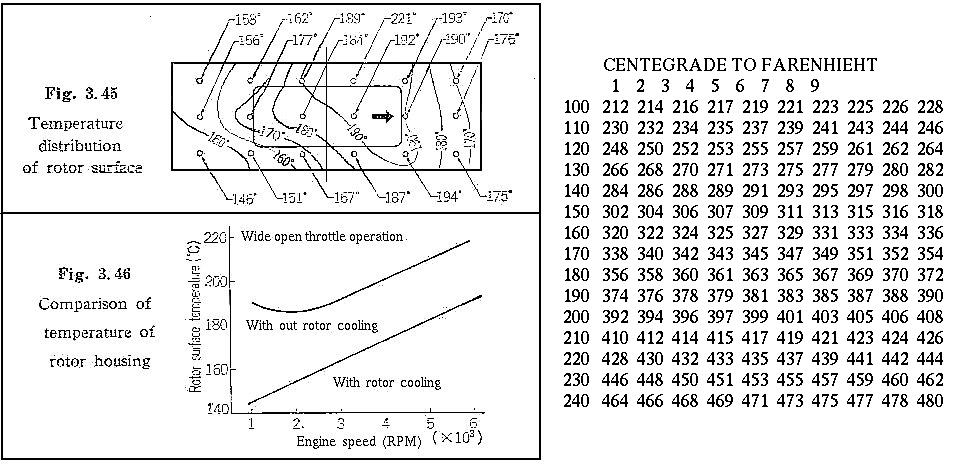
Great Ted. I'll work up a design in Rhino and send you a stp file. Do you have
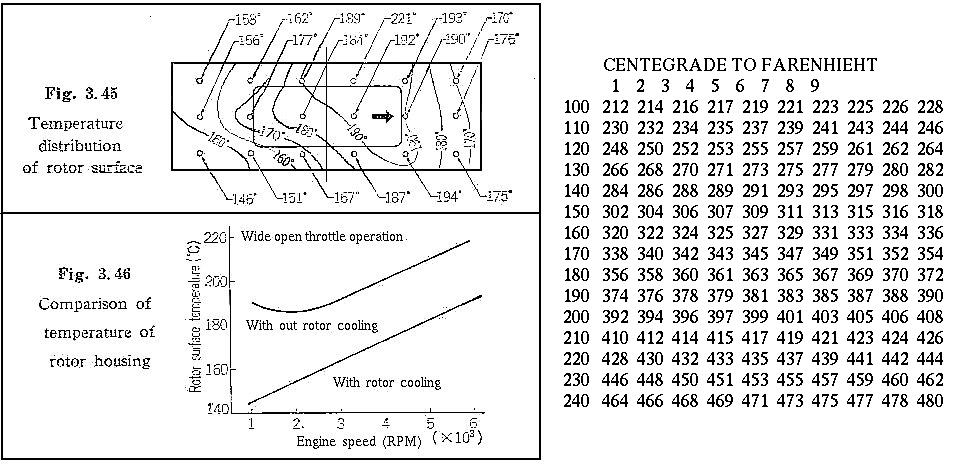
Solid Works? In the mean time this is the temp data on the cast iron rotor.
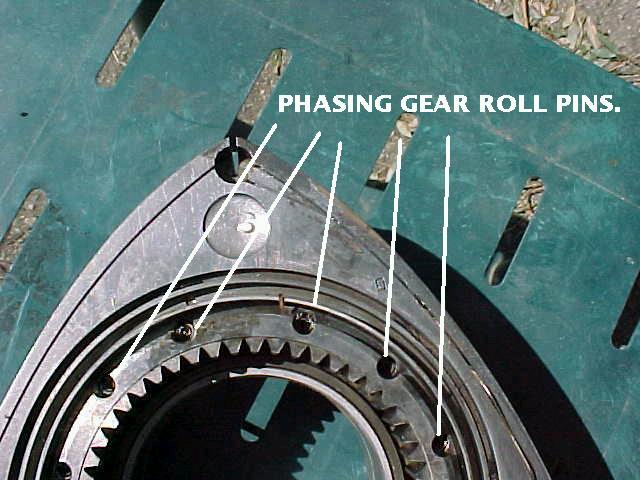
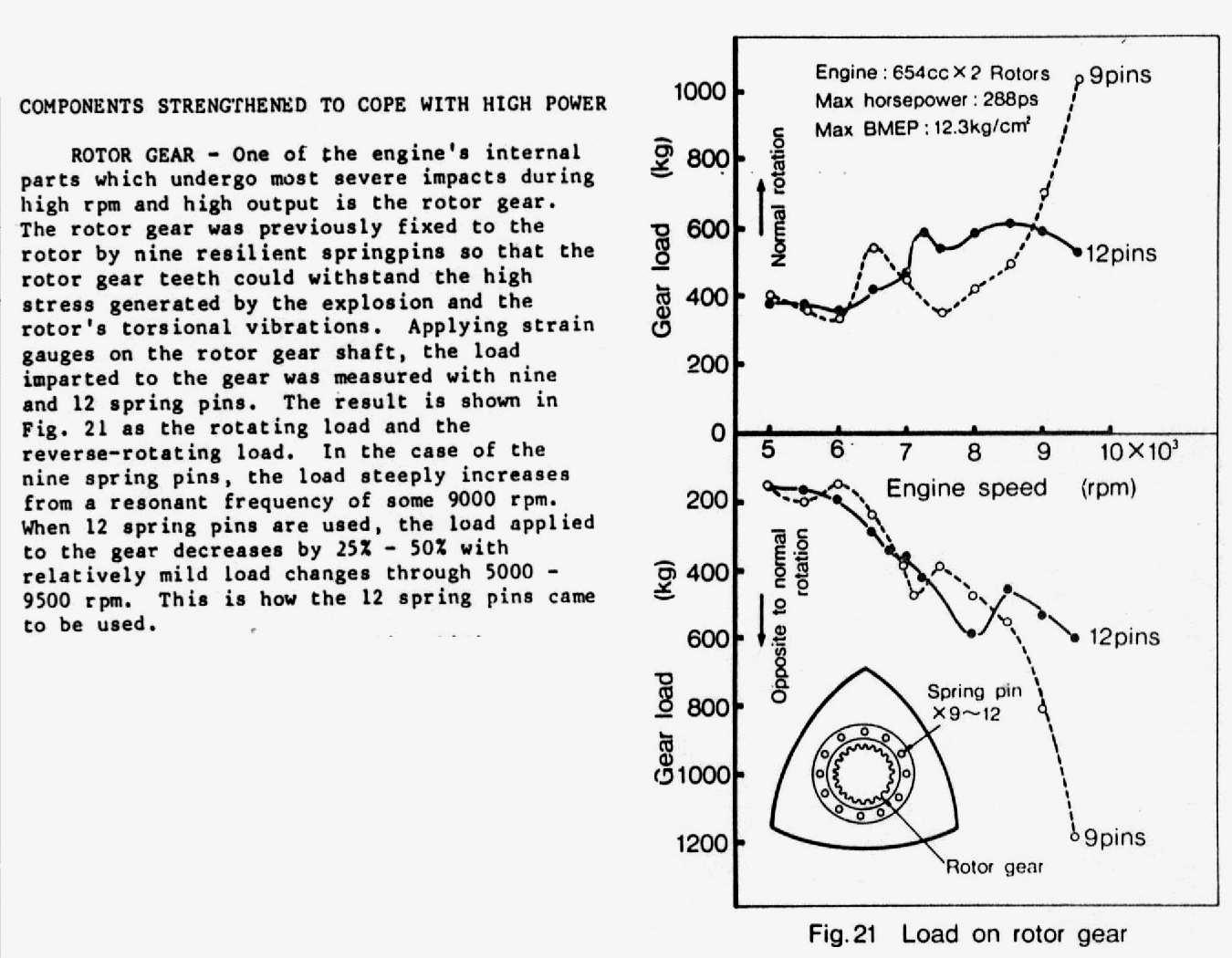
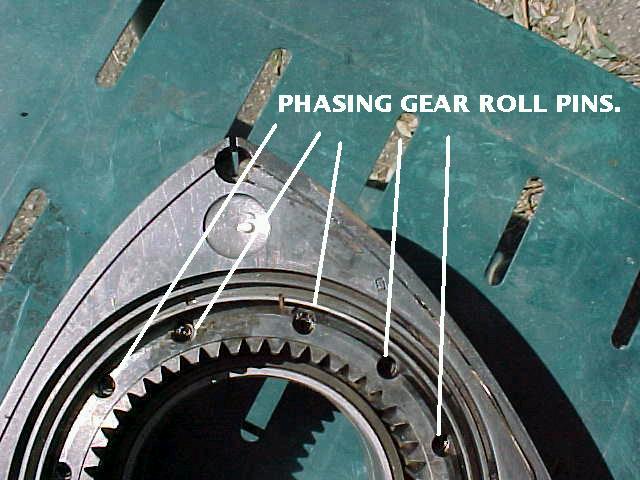
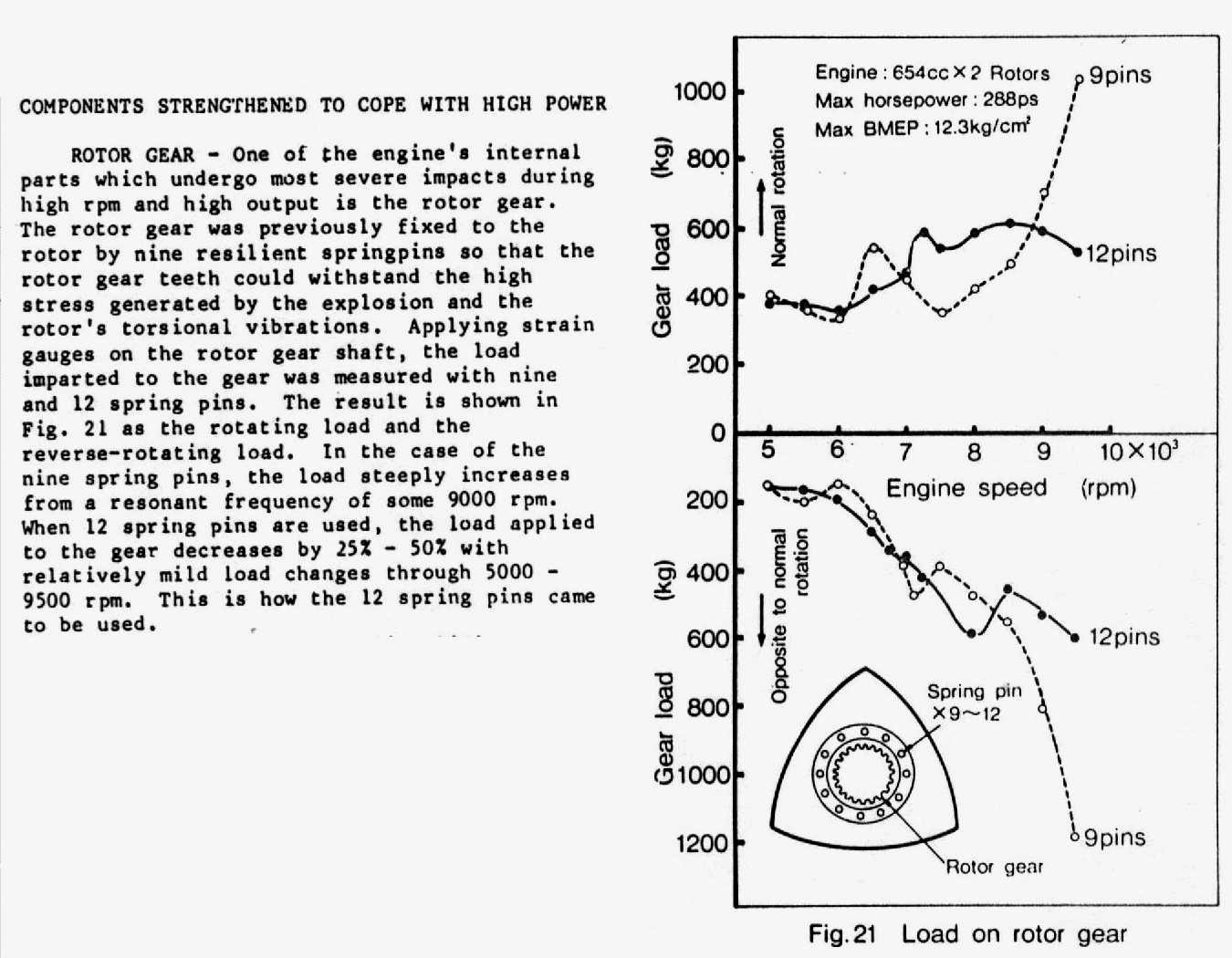
I also have data on the phasing gear loads. The BMEP loads are not much over
such a large face. The other thing to worry about is the wear characteristics
of the apex seal slot. Perhaps a steel insert will work for that.
BTW what is the status of the Vaz rotary and why did they stop making them?
Paul Lamar
--
The Rotary Engine NewsLetter. Powered by Linux.
ACRE NL web site.
http://www.rotaryeng.net
Youtube key word UTUBPLEASE
Copyright 1998-2008 All world wide rights reserved.