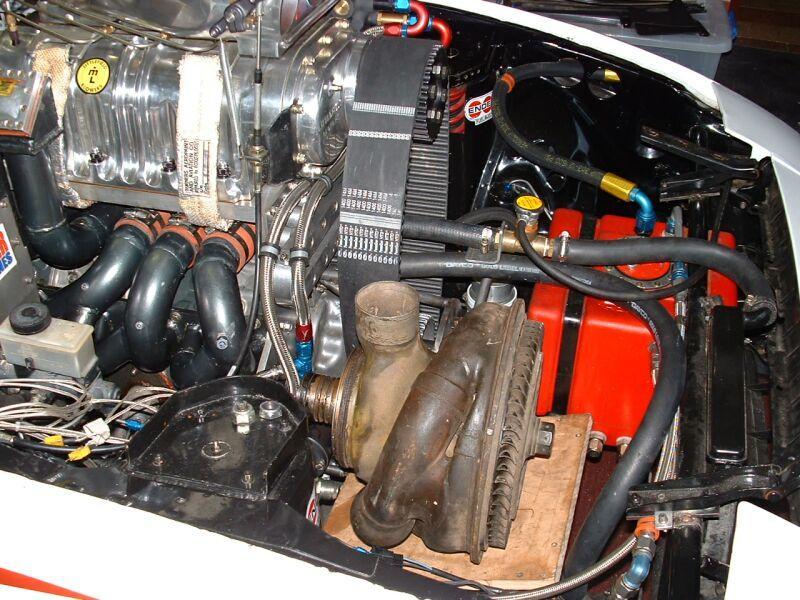
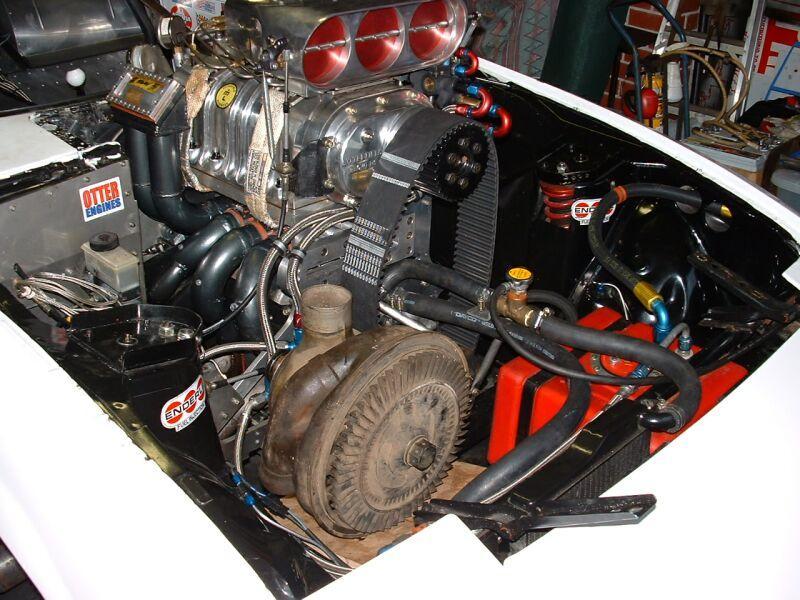
Paul,
I wanted to bring up this thought I had some time back about a possibly
simpler way to turbo compounding. This wouldn't be as good as your use of
the traction drive to improve the drive ratio to optimum, but it could
work. We all agree that some kind of exhaust energy recovery is a great
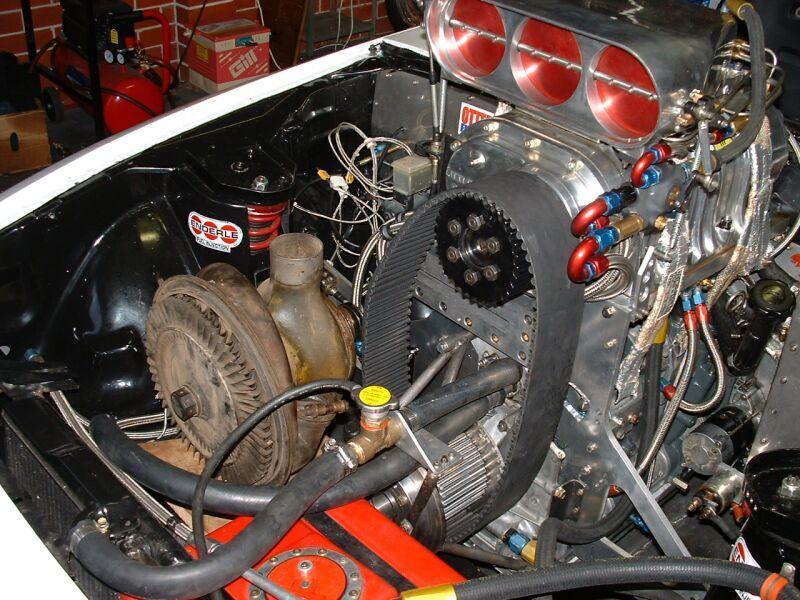
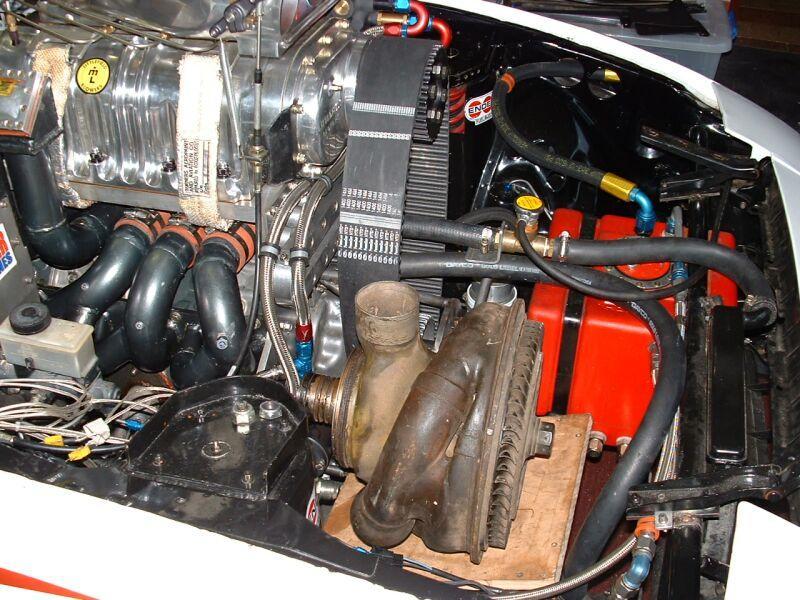
idea. My thought was to use just the turbine from a regular turbocharger
and couple it directly to the crankshaft of the aircraft using a belt,
(v or poly-v) to allow some give but still recovering considerable
energy in the correct RPM range. The system might require a small
gearbox as well but I think you could improve the BSFC in cruise quite a
bit.
The reason I thought about this is that many of the guys were
having such trouble with mufflers that they were thinking of using a
turbo without the compressor even hooked up as just a muffler. OK that
would be a rather expensive and heavy way to provide muffling alone ,
but what if you could do a cheap test version of the turbo compound? Use
a single reduction ratio with a belt final drive and no compressor
section. This is using a standard radial inlet turbocharger turbine
section. At low RPMs the turbine wouldn't do any large amount of work,
but let it be wasted it is just doing a muffling job down there. As the
RPM increased to cruise or takeoff RPM the turbine would be in it's
"proper" range and start to drive the crank providing actual work.
For starting you could de-tension the belt using a movable idler if that was
even needed. With a direct connection the turbine would be prevented
from overspeeding, the problem in some of the stock turbo supercharging
systems. This system would suck on a car, but as Paul has often said,
"We fly within a narrow rev range." I am attaching a crude sketch of
what I'm talking about.
Bill Jepson
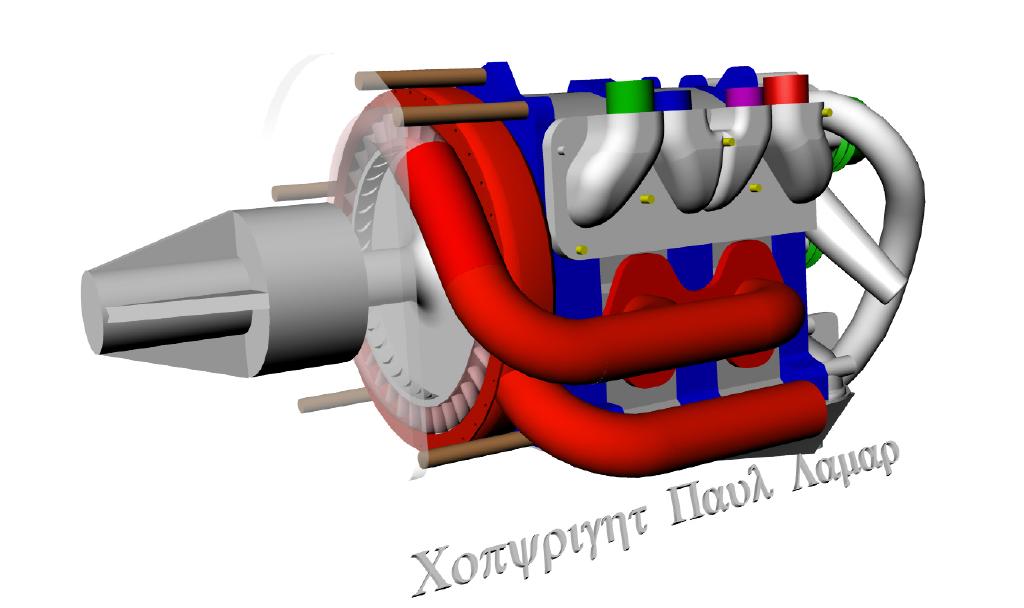
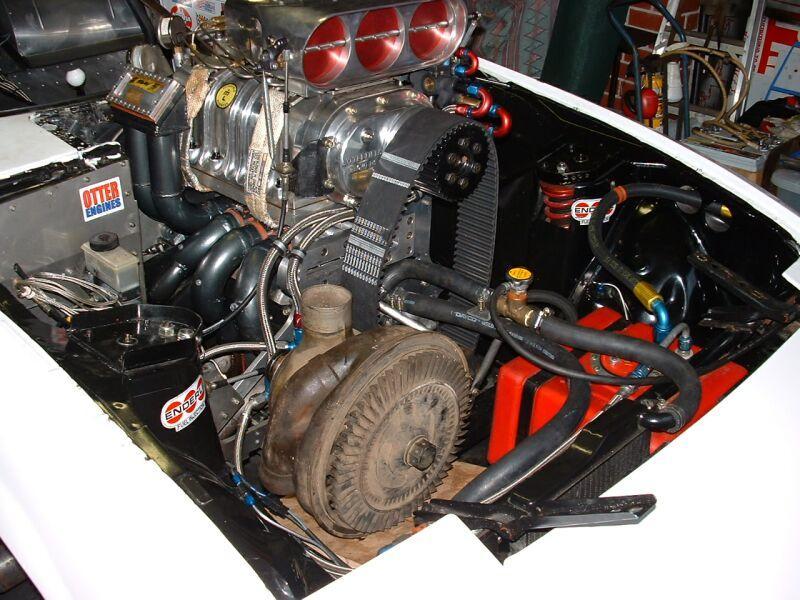
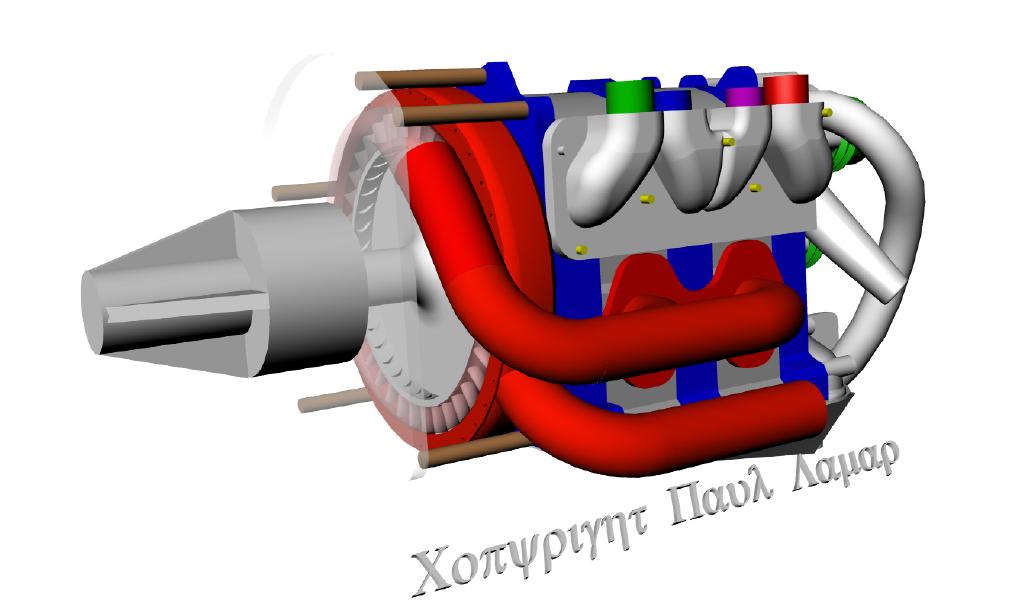
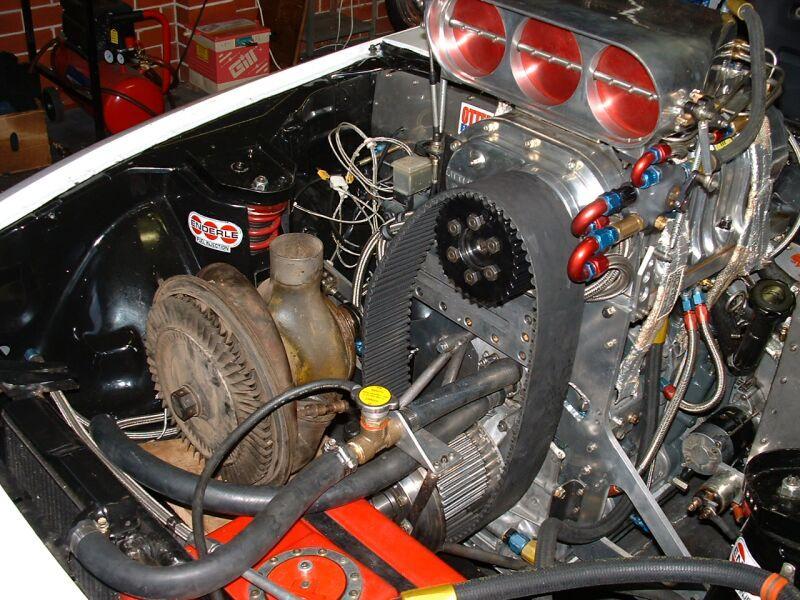
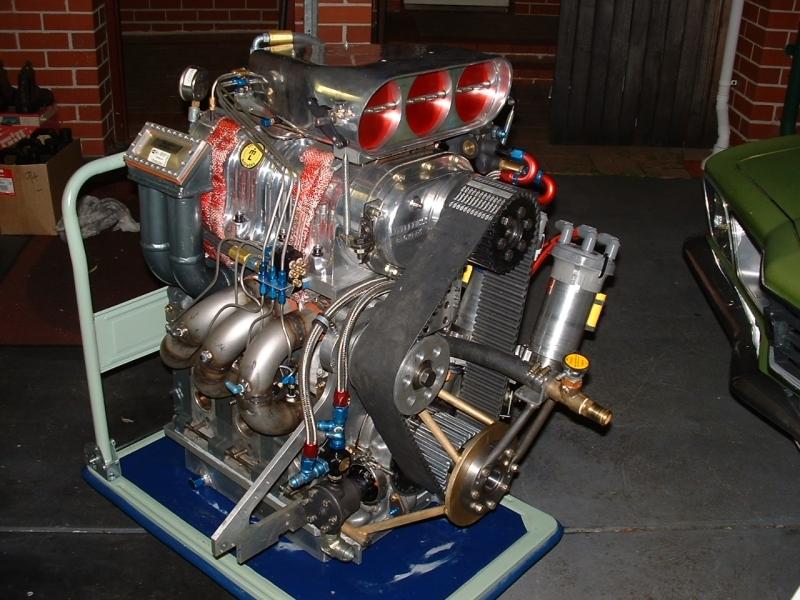
Bill, can you render that Solid Works "crude sketch" :) file and send us the render?
We almost have this idea on the web site but it includes the compressor.
http://www.rotaryeng.net/18-complete-reduction--engine-3D.jpg
The hard and expensive part is building the gear box as the turbine RPM is in
the 100,000 RPM category. Even 50,000 RPM is a significant problem.
Less of a problem with our new beryllium aluminum alloy rotors with the
110 pound engine (less turbine) turning at 23,000 RPM. The rotors shown are
solid aluminum alloy rotors with out internal oil cooling or weight savings.
The turbo charged engine is only 855 HP at 11,000 RPM without the turbo
compound. I don't think the FIA would like it running at 23,000 RPM :) Come to
think of it Ferrari, Mercedes, BMW, Toyota and Honda would not like it either.
Paul Lamar
Bill,
I think I understand where you are going with this. With a direct belt
drive the engine will limit the turbo charger rpms to lets say 6K rpm.
It may even bog the engine down. At those speeds the little turbine
will produce no significant power. Running it at 80,000 rpm however
may put out several foot lbs of torque.
A traction drive is the only reduction method we have found to date that
can handle those rpms. Even with the larger 7:1 reduction box from
Rotrex's larger units, the unhindered output will be at
11,000 rpms or so. From there to the shaft speed the required reduction
ratio is still a question for me, and why I wanted to know the specs on
the Curtiss Wright R3350 TC cyclone engine.
Doug in Japan
R3350 turbine speed is 16,000 RPM at cruise and 19,000 RPM at takeoff power.
Gear ratio is 6.52:1. Turbines are spin tested to 27,500. Diameter is
11.45" with the length of the buckets being 1.375" The temperature of
the hub is kept to 700 F. The turbines are generating over 200 HP each
at takeoff power on early engines. Later engines the turbines made 300 HP each.
From a Curtiss Wright booklet "Facts about the Wright Turbo Compound".
At the 200 HP level the engine power was increased 21.4%.
With this size turbine a current Formula 1 engine would need no gear reduction
between the engine and the turbine. The Formula 1 engine would go from about
800 HP to about 970 HP. 1950's tech.
I am currently working on an TC article for Race Tech mag if they want to
publish it.
Paul Lamar
--
The Rotary Engine NewsLetter. Powered by Linux.
ACRE NL web site.
http://www.rotaryeng.net
Youtube key word UTUBPLEASE
Copyright 1998-2008 All world wide rights reserved.