Hi Paul,
hope you remember your visit in Wiener Neustadt some years ago?
Meanwhile I found my way via WankelSuperTec to AVL Schrick, as you can
see in the signature below. Unfortunately this means that I am
completely out of the Rotary business, but still more than enthusiastic
about it and working on my private Rotary projects, see attachment.
That's why I want to subscribe to your newsletter, just to stay in touch
and to see what else is going on in the Rotary world - just in case! And
to assist where ever possible from this end.
Looking forward to interesting discussions!
Mit freundlichen Grüßen/
Best regards
Martin Rühe
Motorenentwicklung Versuch
Engine development
AVL SCHRICK GmbH
Walter-Freitag-Straße 16
42899 Remscheid
DEUTSCHLAND/GERMANY
http://www.avl-schrick.com/
Yes I do. How are you Martin? Good to hear from you.
Here are some pictures from that time in addition to the three you sent.
There is a guy and company called Rotamax in Ohio that really needed your
services a couple of years ago. They failed to solve the charge cooling problems
and stopped doing biz recently. If he ever starts up again he would do well to
hire you at any salary.
I am working hard on getting turbo compound accepted and hopefully
that includes the rotary. If the piston engine community accepts
it so too Mazda hopefully. I was just in Oxford giving a presentation
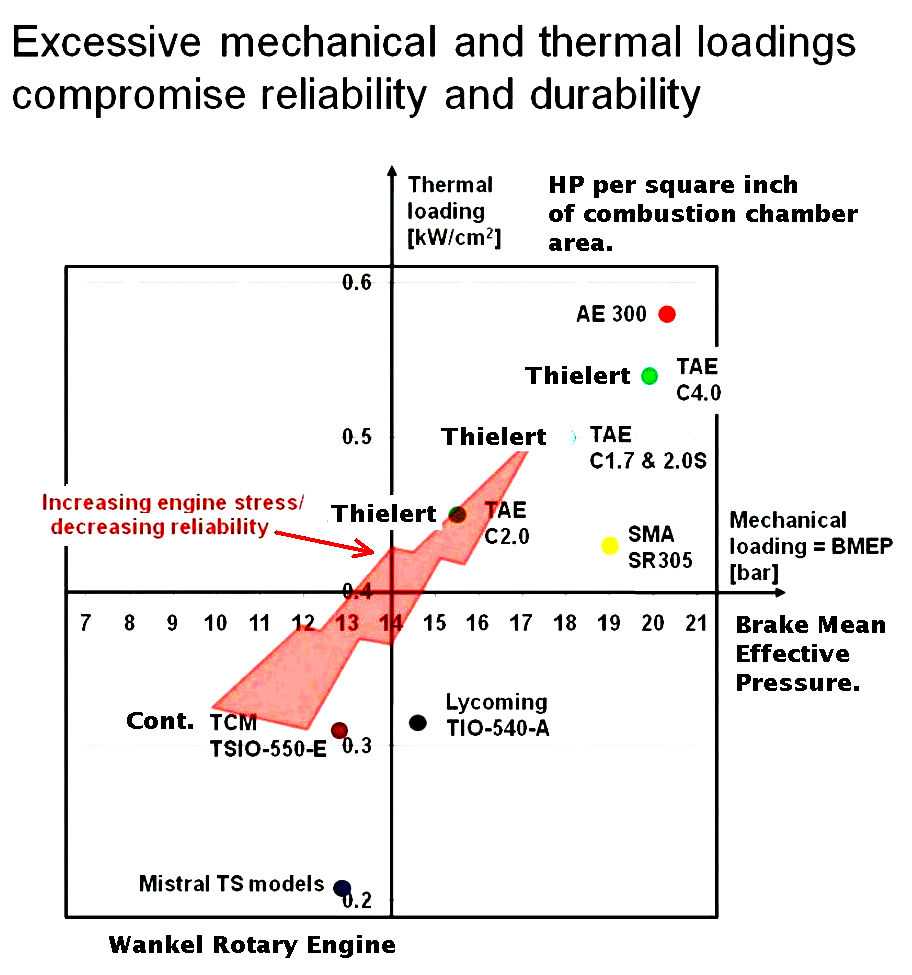
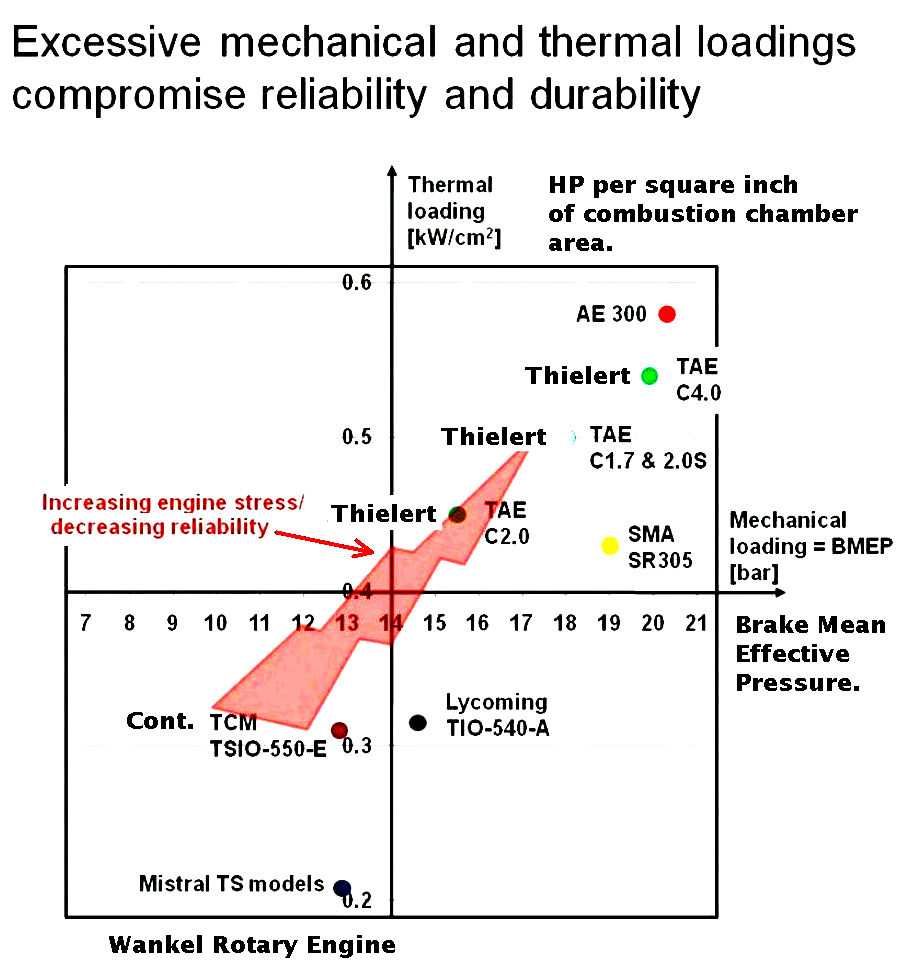
on TC to the Formula 1 engine management engineers. Now that Thielert stumbled
badly hopefully Chris Dries, owner of Diamond Aircraft, will understand the
wonderful Wankel resource he is sitting on :)
Again good to hear from you.
Paul Lamar
thanks a lot for your quick reply! And for the pictures that bring back some
very happy memories indeed!
I had spotted the Rotamax homepage a couple of months ago when I had to spend
some time in the www due to lack of business here at AVL Schrick. I wasn't aware
they went out of business though. Pity that. I wish I had known that they could
have done with my support as I am now, working for AVL Schrick, completely out
of the Rotary trade, as mentioned earlier.
Talking about Christian Dries: Check out
http://www.austroengine.at/, in
particular the news! Pity he made me leave some three years ago. But admittedly
the two years with WankelSuperTec paid well for having to leave Diamond!
Good to hear from you as well, we'll stay in touch!
Regards,
Martin
---------------------------
http://en.wikipedia.org/wiki/Cessna_172
172TD
On October 4, 2007 Cessna announced its plan to build a diesel-powered Cessna
172 model starting in mid-2008. The planned engine was to be a Thielert
Centurion 2.0, liquid-cooled, two-litre displacement, dual overhead cam,
four-cylinder, in-line, turbo-diesel with full authority digital engine
control.[12] The engine produced 155 hp (116 kW) and burns Jet-A fuel. The
engines were to be installed at the Cessna Skyhawk factory in Independence,
Kansas under an STC. The new model was designated the 172 Skyhawk TD, indicating
"Turbo Diesel".[1]
Cessna had taken special measures to ensure that the Skyhawk TD would be only
fueled with Jet-A and not misfueled with avgas. These included placards,
key-shaped tank fillers that only accept jet fuel nozzles and a spring-loaded
door activated with a jet-fuel nozzle. The aircraft was planned to be certified
for Jet-A only and not automotive diesel.[13]
The TD was to be equipped with only one engine control, referred to as a "power
control", although it resembled the push-pull style throttle used in previous
172 models. The prototype has no carburetor heat or mixture control. The
prototype is equipped with a constant speed MT propeller, but this is controlled
automatically and there is no propeller rpm control.[13]
The TD was designed to have the same gross weight as the "S" Skyhawk, 2,552 lb
(1,158 kg), but at 155 hp (116 kW) was intended to have 25 hp (19 kW) less than
the "S" model. Because it is turbonormalized the prototype's engine produces
full power at all altitudes and actually puts out more power than the "R" and
"S" models above 8,500 feet (2,600 m), where the normally aspirated powerplant's
output drops off.[13]
To account for the fact that Jet-A has a higher density than avgas Cessna
planned to reduce the tank capacity on the TD to 44.6 US gallons, giving the
aircraft a similar range to other models, due to the better efficiency of the
diesel engine. The Thielert 2.0 is reported to burn 5.8 gal/hr at 5,000 feet
(1,500 m) and 75% power. This compares to 8 gal/hr at the same power setting and
altitude for the "R" model and 10 gal/hr for the "S" model Skyhawks.[13]
Even with the reduced fuel tank capacity the full fuel payload of the TD will be
445 lb (202 kg)[13] compared to 519 lb (235 kg) for the Cessna 172S[14] and 440
lb (200 kg) for the 172R.[15]
Direct operating costs for the TD were forecast to be USD$96.39 per hour versus
USD$101.81 for the higher powered "S" model. While the TD would burn less fuel
per hour its engine replacement costs at 2400 hours, instead of overhaul, would
almost make up for the difference, although these numbers will change as the
price of fuel changes in future years.[13]
In early 2008 certification had been planned for the summer of 2008 and Cessna
had forecast delivering about 125 TDs before the end of 2008.[13]
The TD was intended to sell for about USD$15,000 more than the top of the line
"SP" Skyhawk and $35,000 more than the "R".[13] Base price was initially
advertised as USD$269,500 versus USD$254,500 for the "SP" or $234,500 for the
"R".[16]
Early orders for the TD were strong with most of the demand from flight schools
and non-US operators.[13]
In April 2008 the 172TD's engine manufacturer, Thielert filed for insolvency
under German law, throwing the future of the aircraft into doubt.[17][18][19][20]
On May 1, 2008 Cessna announced that they have cancelled all 2008 deliveries of
the 172TD due to the insolvency of Thielert. The company stated: "At this point
we have decided that we will not deliver 172TD aircraft during 2008, and we have
informed our customers accordingly."[21] Cessna has indicated, however, that
they will proceed with the certification of the 172TD.[22]
Cessna has indicated that they still wish to produce a diesel 172 as market
demand is strong for this aircraft with over 100 orders.[21]
--------------------------------------------------------------
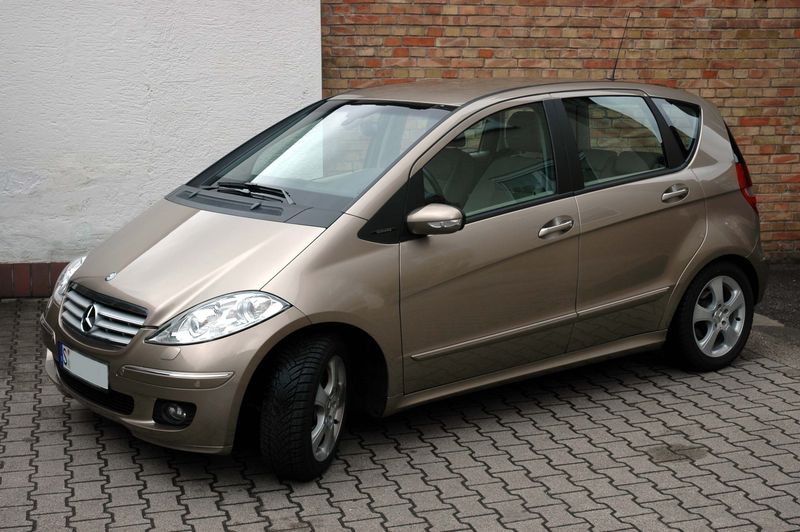
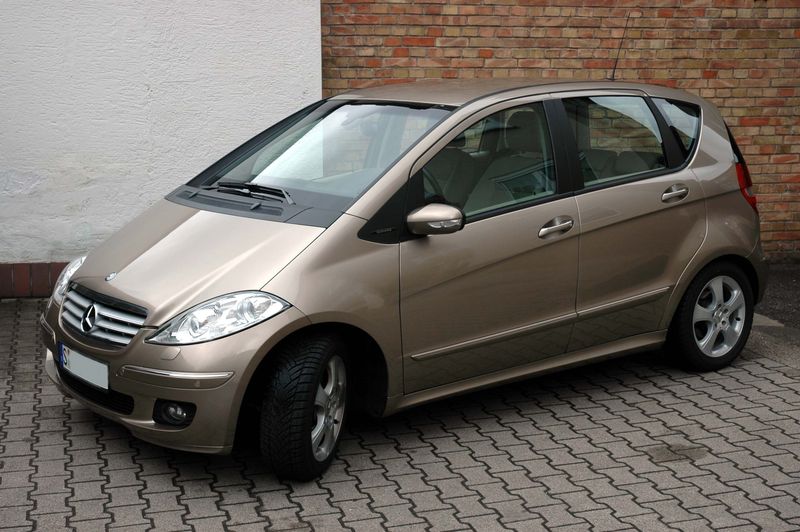
Appears to me Chris Dries is going down the same Mercedes A class engine
dead end road.
Twin Star Claims
50% power 7.2 gallons per hour 135 KTS 155 MPH
60% power 8.8 gallons per hour 138 KTS 159 MPH
90% power 14.4 gallons per hour 163 KTS 187 MPH
135 HP each or 270 HP total
90% 243 HP
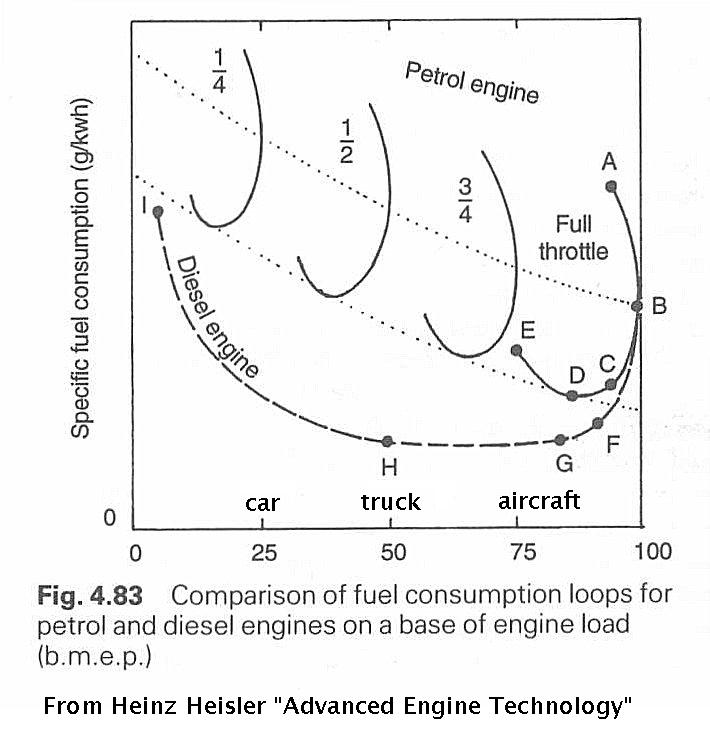
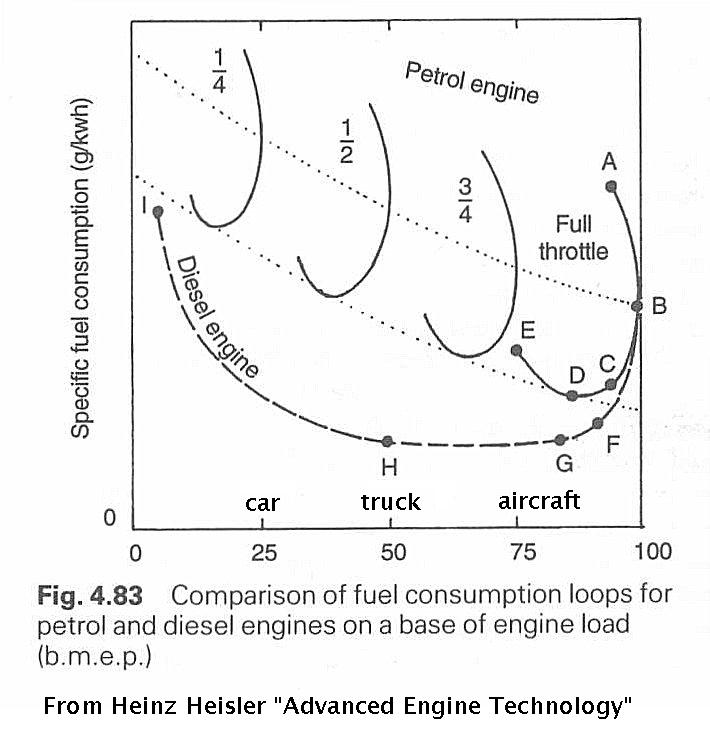
14.4 gallons is 99 pounds of diesel fuel per hour. BSFC = .4 pounds per HP hour.
A regular leaned Continental is close to that BSFC and a non-leaned Lycoming is
.45 with out the extra weight of the diesels. The rotary is lower weight and
.47 BSFC.
50% power is 135 HP
7.2 GPH or 50 pounds of diesel fuel per hour or BSFC .37 pounds per HP hour.
Nobody is going to buy a $750,000 twin airplane and cruise it at 163 KTS let
alone 135Kts except perhaps flight schools that need twins. People are looking
for something that flies well over 200 Kts for that amount of money.
The hot tip is an engine that runs on car gas like the Mistral Wankel rotary.
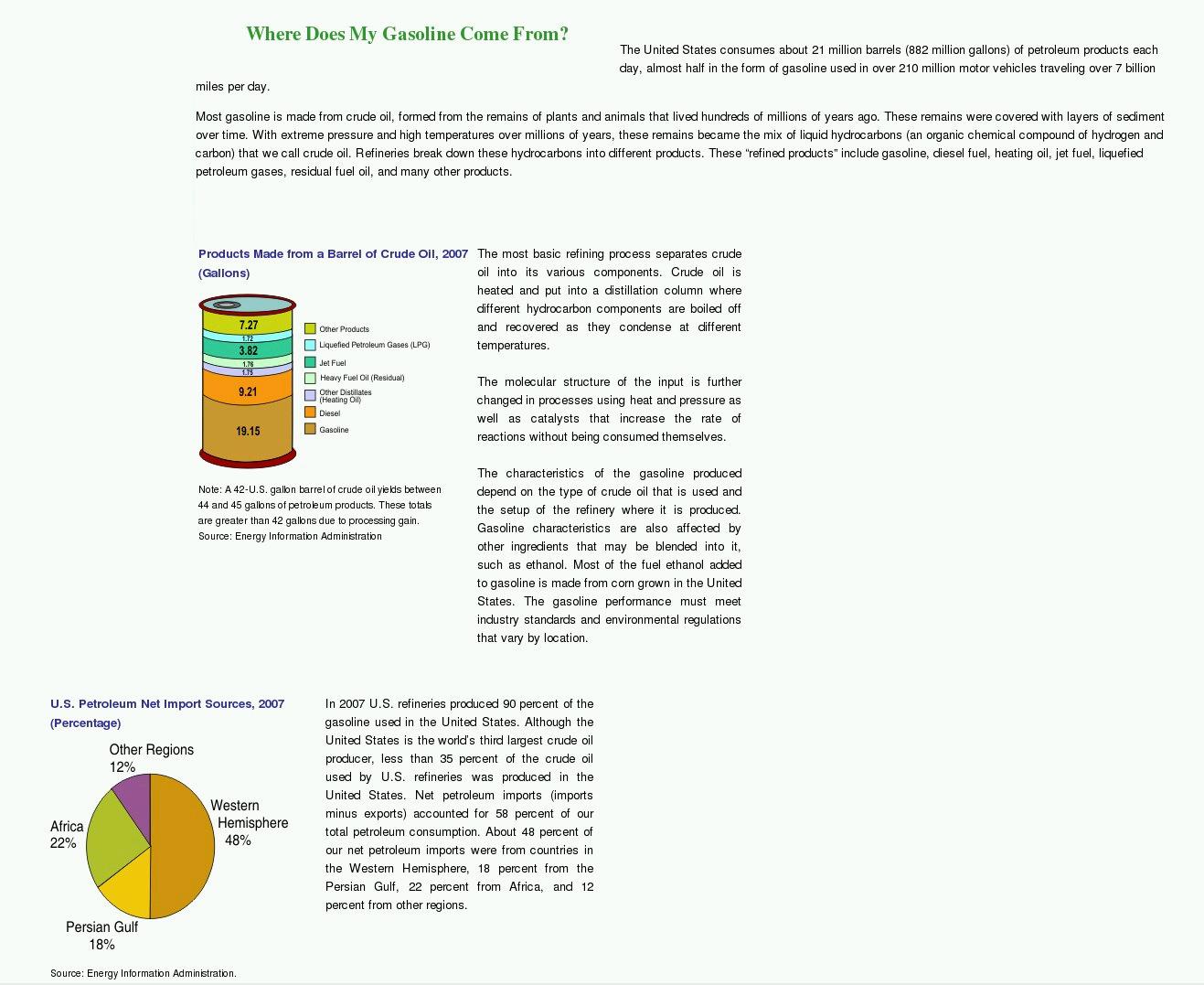
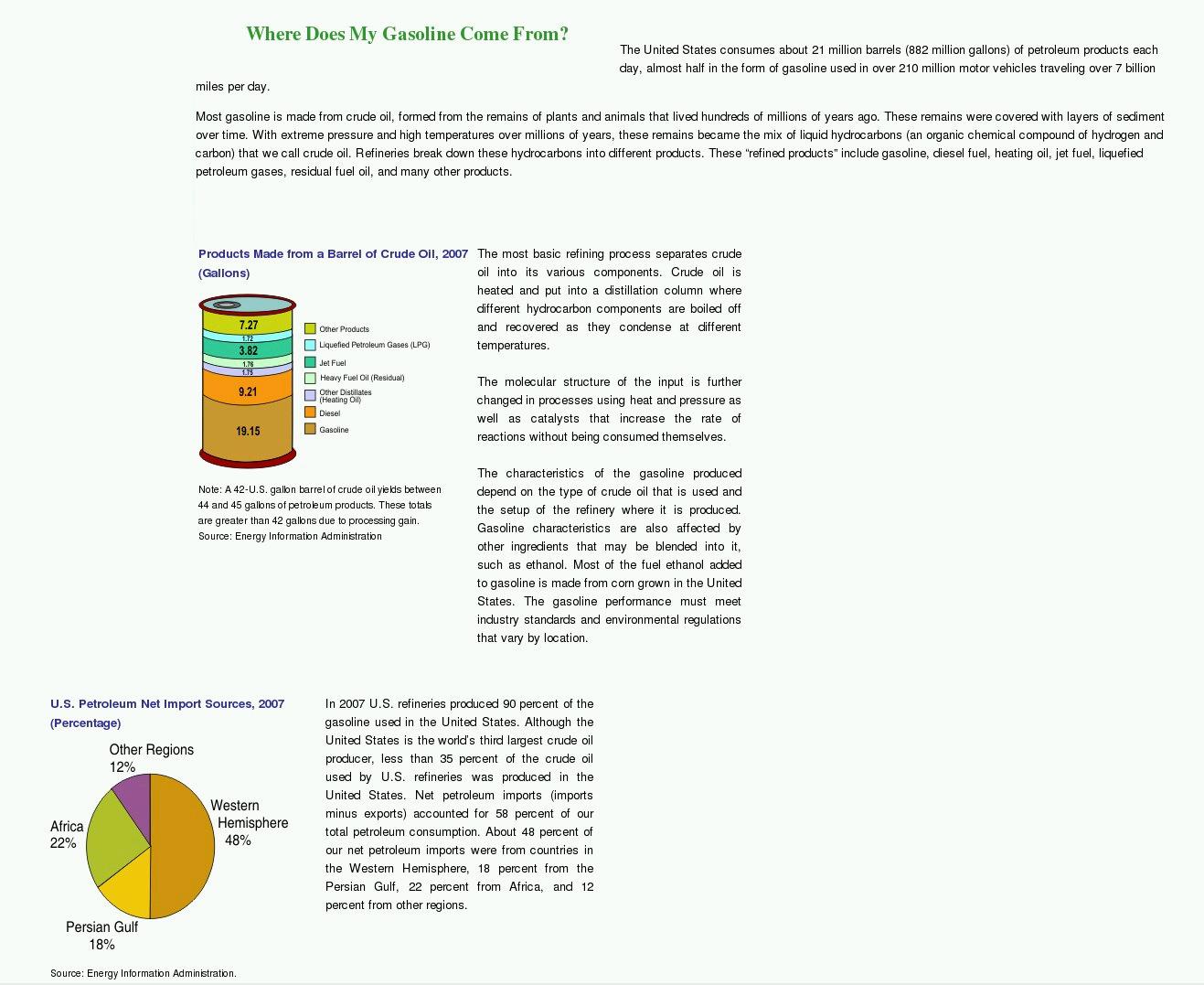
Car gas is over $1.50 cheaper per gallon right now than 100LL and about 50 cents
cheaper than Jet A. This is due to the fact there is only 15% diesel fuel in a
barrel of crude while there is 30% gasoline.
Paul Lamar
-
--
The Rotary Engine NewsLetter. Powered by Linux.
ACRE NL web site.
http://www.rotaryeng.net
Youtube key word UTUBPLEASE
Copyright 1998-2008 All world wide rights reserved.