Paul,
Would a T-70 turbo be a good choice for a/c use?
Mark S.
It is getting hard to find info on the old T numbers.
Garrett acts like they never existed and changed all the numbers
with their new line of turbo's.
The compressor looks fine.
We need the A/R on the turbine. The flange is probably a T4 "divided".
You need to calculate the area of all three exhaust ports
and compare that to the area of the area of the hole in the input flange
of the turbo charger turbine. Each rotor housing port is about 2
square inches.
Six square inches total. Velocity out at full chat is 1100 fps as a
first guess.
That is the first basic info for evaluating the turbine. The pipes are
probably larger than the area of the ports so the gas velocity will
be reduced
in the pipes and into the turbo charger hopefully. Then the A/R must
be known. If it is "one" the gas velocity going into the blades
will be the same as the velocity going through the flange.
Looks like a T4 divided flange is on the small side for a 3 rotor.
The old undivided TO4 flange hole area was 2 by 3 or perfect for a 3
rotor
at six square inches. Yes the exhaust pipes are larger in area and will
slow the exhaust gas velocity but it will be speeded up again as it goes
through the turbo charger flange hole.
For an aircraft an A/R well over one is good. Hopefully the A/R will be
much larger than one. You will probably need a large waste gate.
Next is the diameter of the turbine. That will give an estimate of
the max speed of the turbine blade and RPM with no load. Half of
that RPM will
be the max HP RPM of the turbine. You can then compare that RPM to
the RPM
and flow of the compressor.
This is my best guess at my current level of research on this subject.
-------------------------------------------------------------------------------------
Mark, you are in an excellent position to broaden the info on this
subject.
If you can make a pito tube out of steel brake line and insert it into
the center of your tail pipe we can get a handle on the exhaust gas
speed.
You will need a cheap zero to 15 psi pressure gage. If the pressure is
10 psi the speed of the exhaust at full chat is about 750 MPH.
The pito tube is expendable as all you need is a quick reading.
Paul Lamar
Paul,
The turbo has been something I've thought about off and on. I
usually talk myself out of it before I go too far. From the looks
of things, I'm pretty close to VNE now without a turbo. Last speed
run I saw 214mph at 6500msl. That was after installing a cowl flap
(as you have suggested we all do). The T70 turbo that I mentioned
is for sale by a guy that's just 10 miles down the road from where I
live. is supposed to be new, still in the box. It has an A/R of
.84, (too low?). The price is right at $150, including a new
waste gate. Could the A/R scroll be easily changed? I may buy it
just because...
As for measuring the exhaust velocity, I have a spare ASI that I can
use for measurements. I'll rig it up and see what numbers I get.
Any particular rpm you're interested in seeing? 7000 would be about
the max that I ever reach. Does it matter what diameter tube I use?
Mark
You might be able to port it out using an NC mill. You just need to machine
the internal slot next to the blades.
It might make a good turbo compound turbine as is if somebody comes up
with a cheap high speed gear box.
Will your ASI go to 750 MPH? Is it out of a jet? :)
The pito tube diameter does not matter. Take one quick reading
at full power take off. If the pito tube survives that a reading at cruise would
help. Do you see 7000 RPM at take off? Top speed? In low pitch I take it.
Do you have wheel pants now?
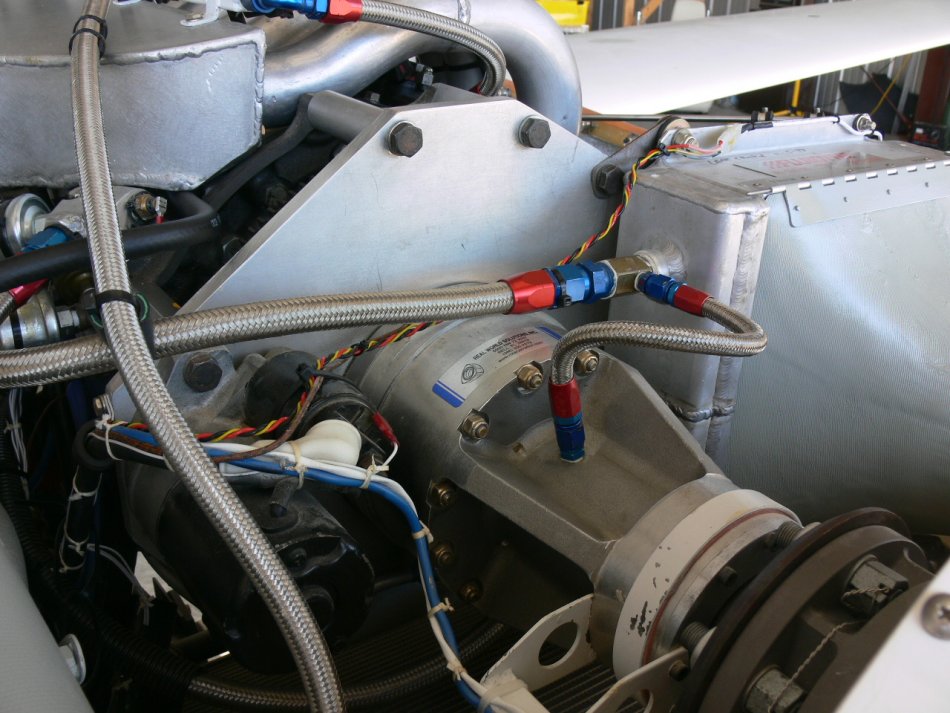
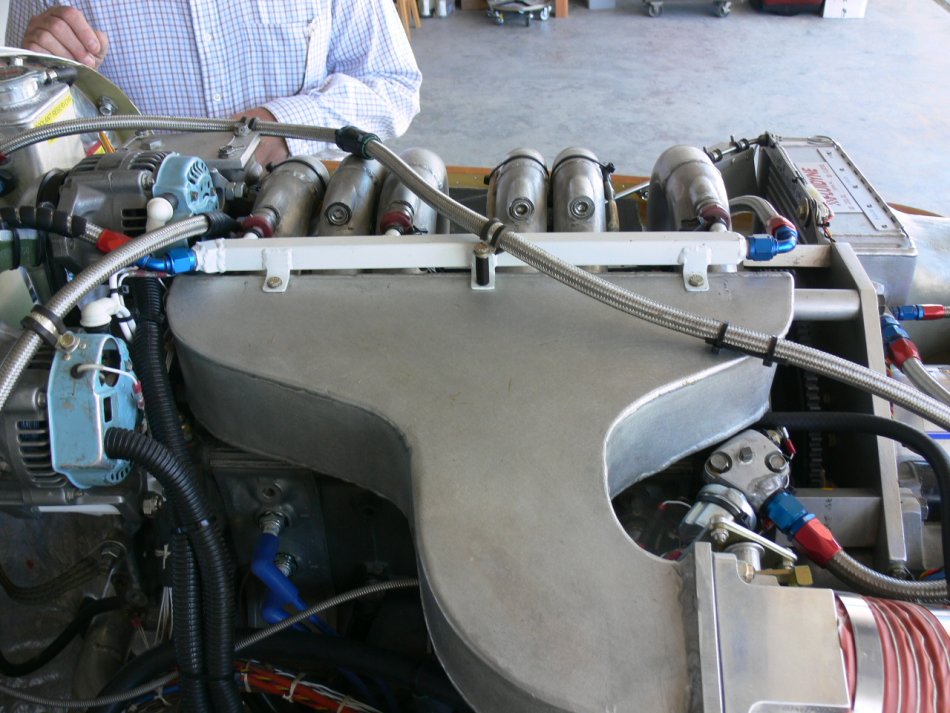
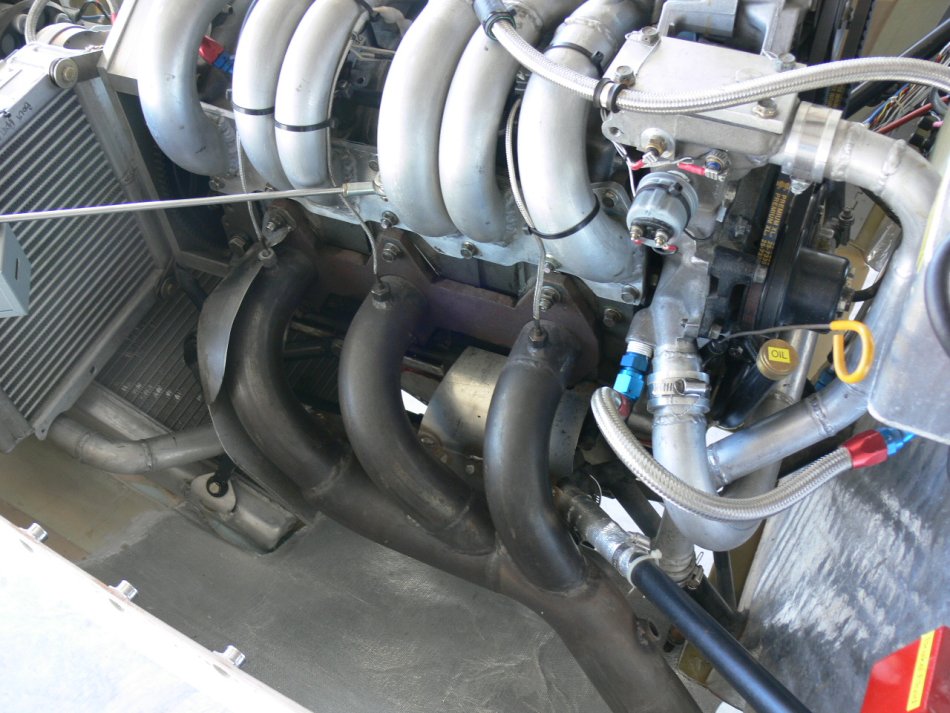
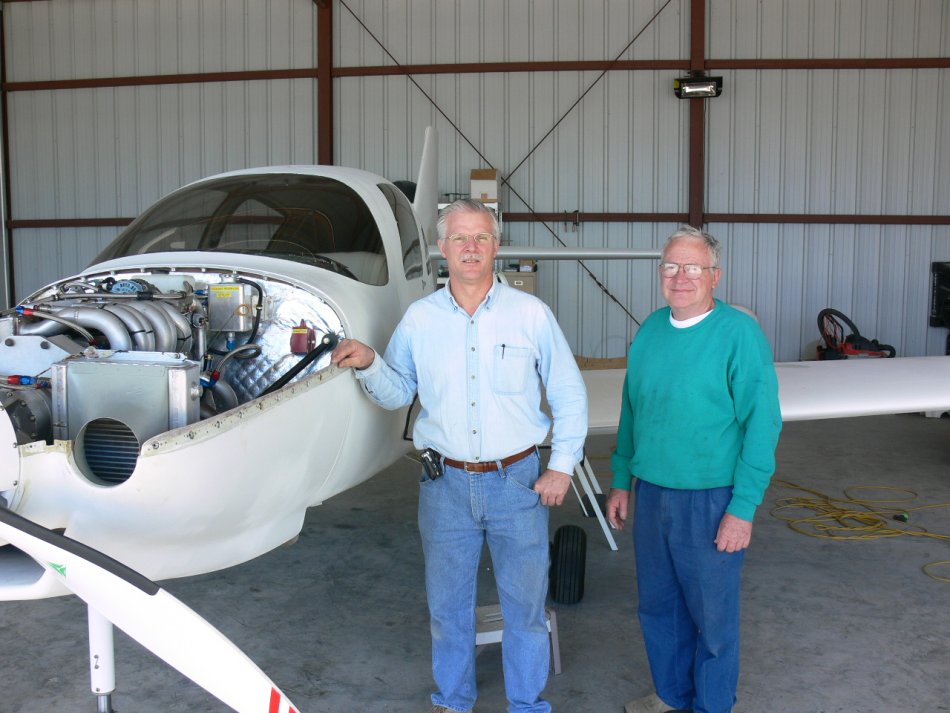
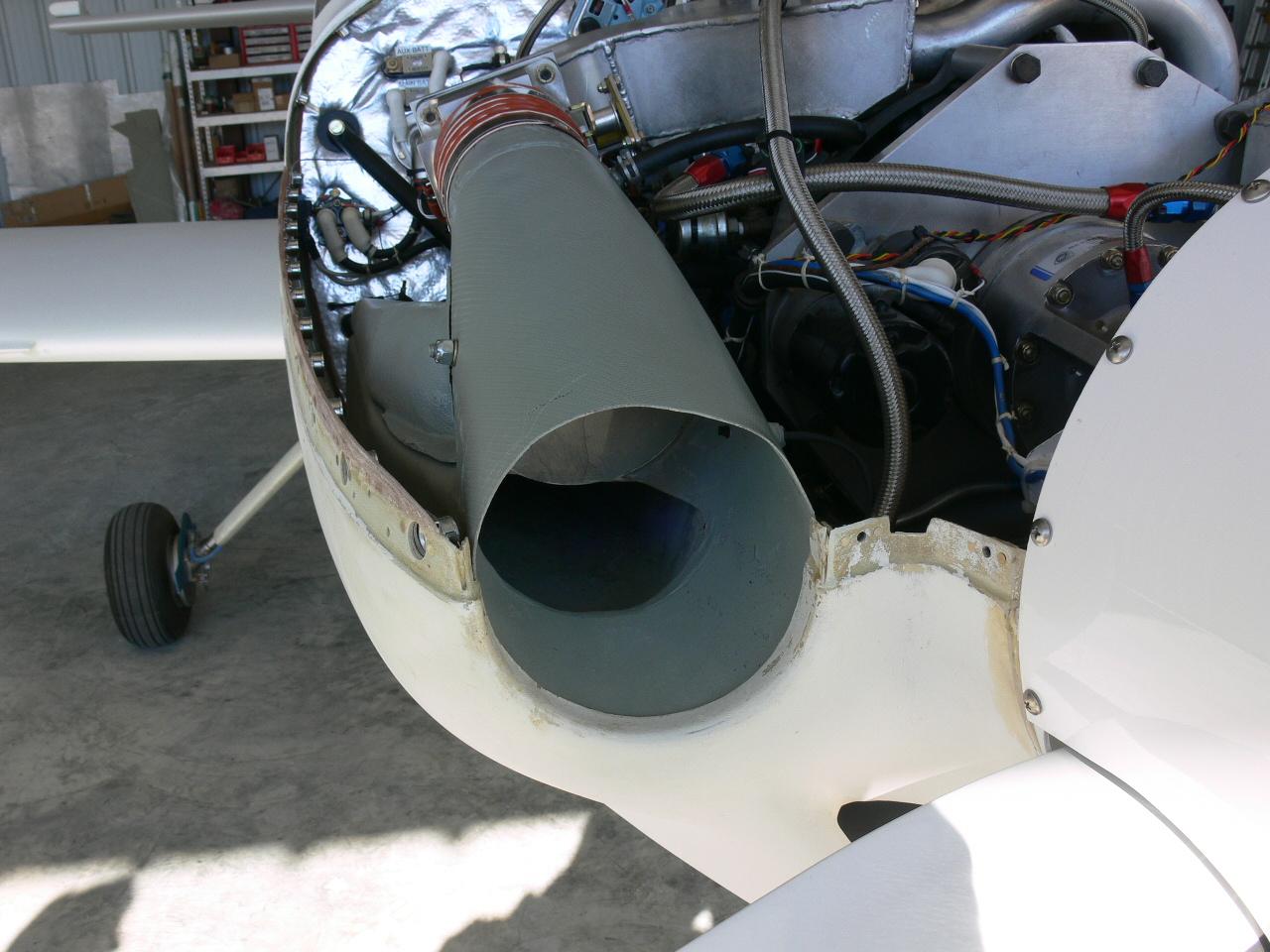
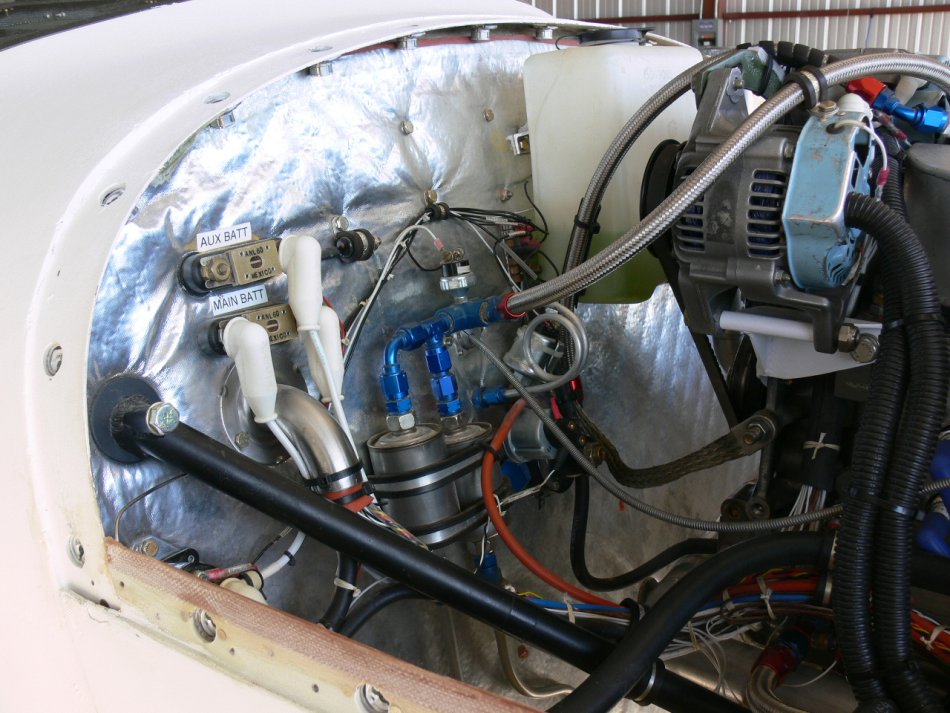
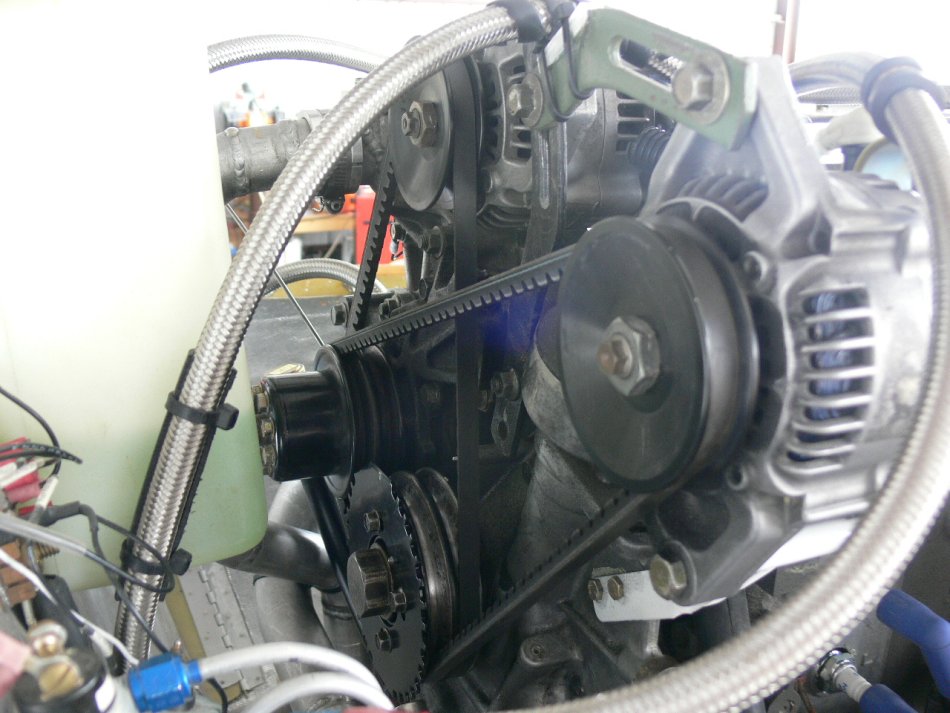
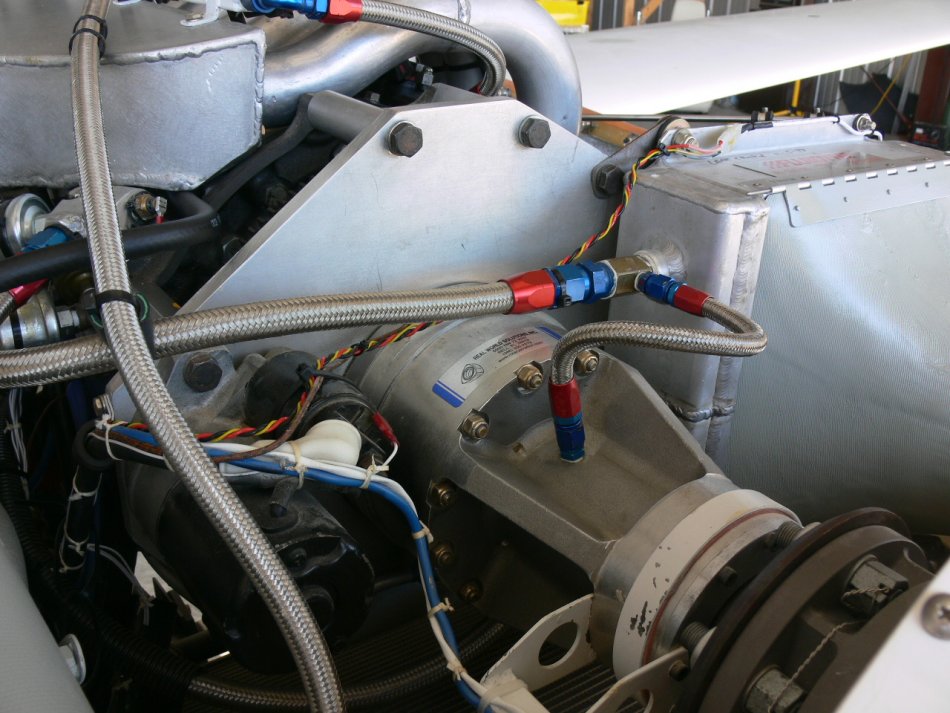
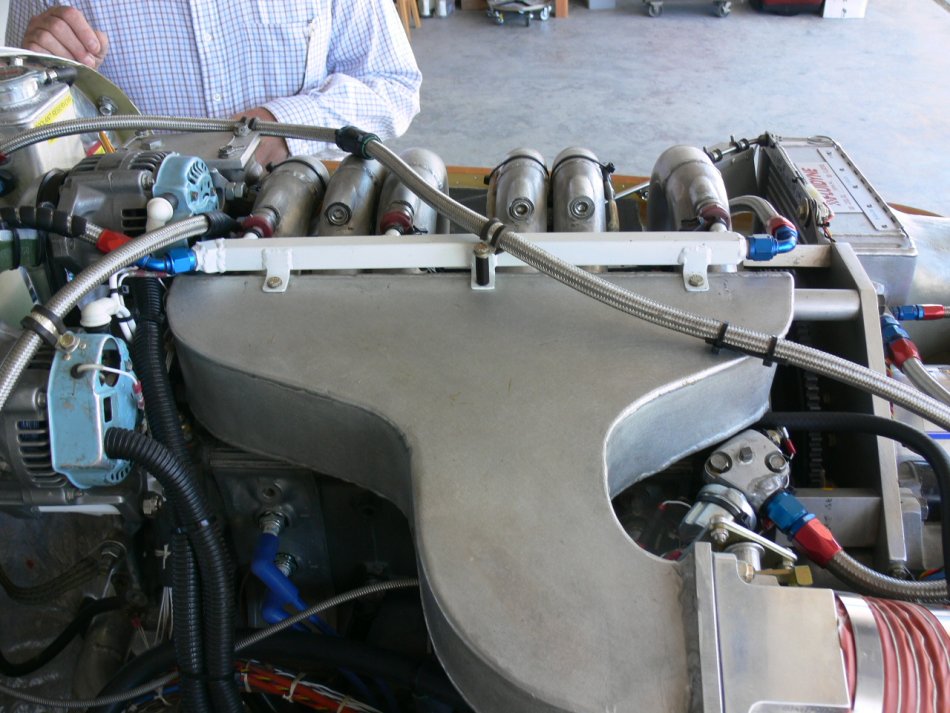
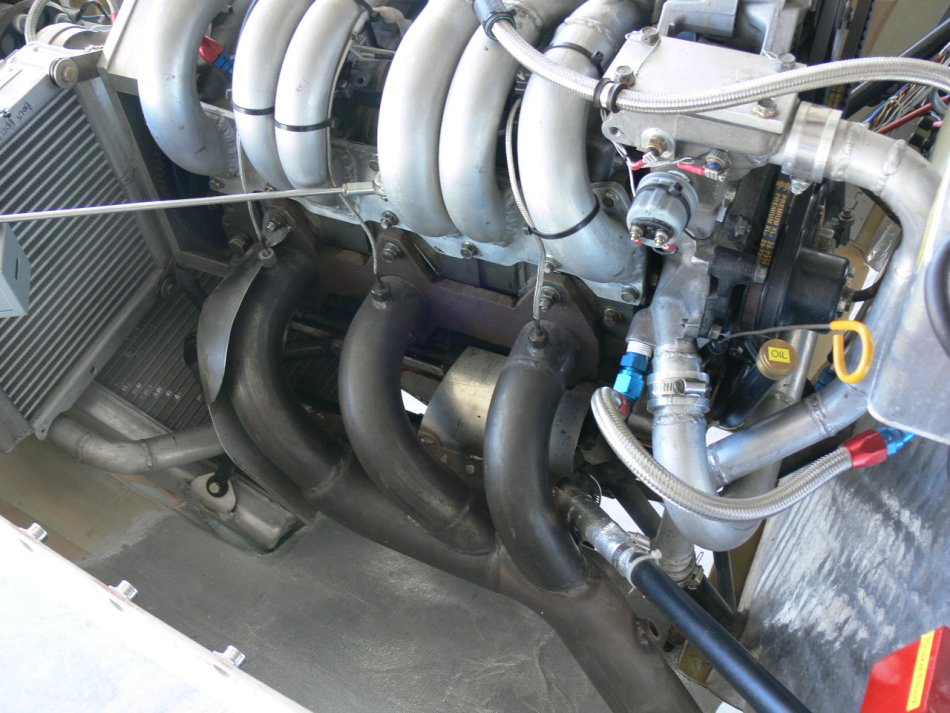
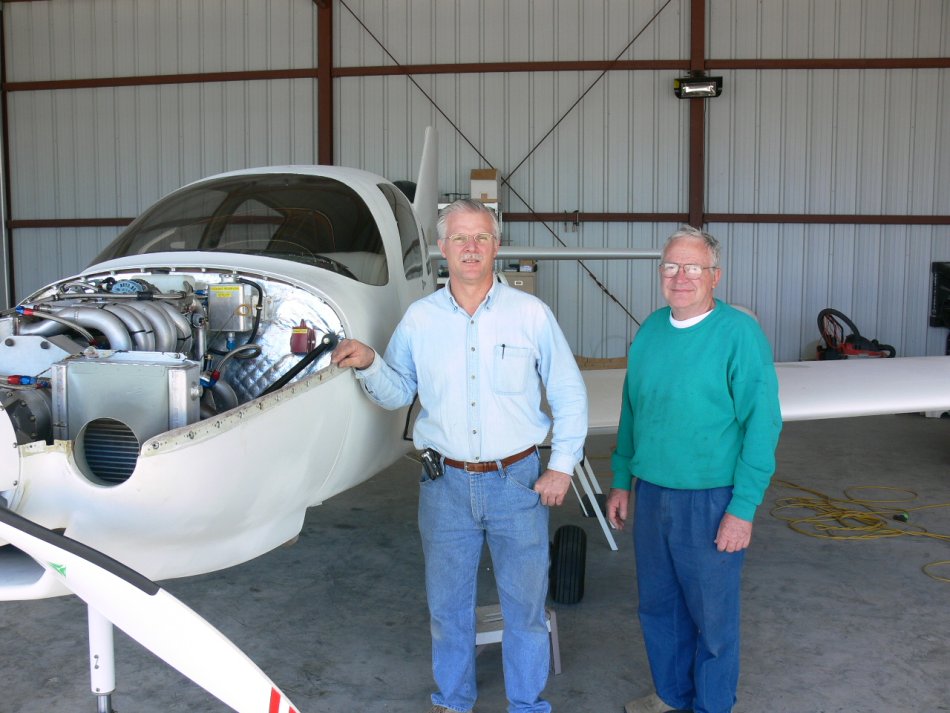
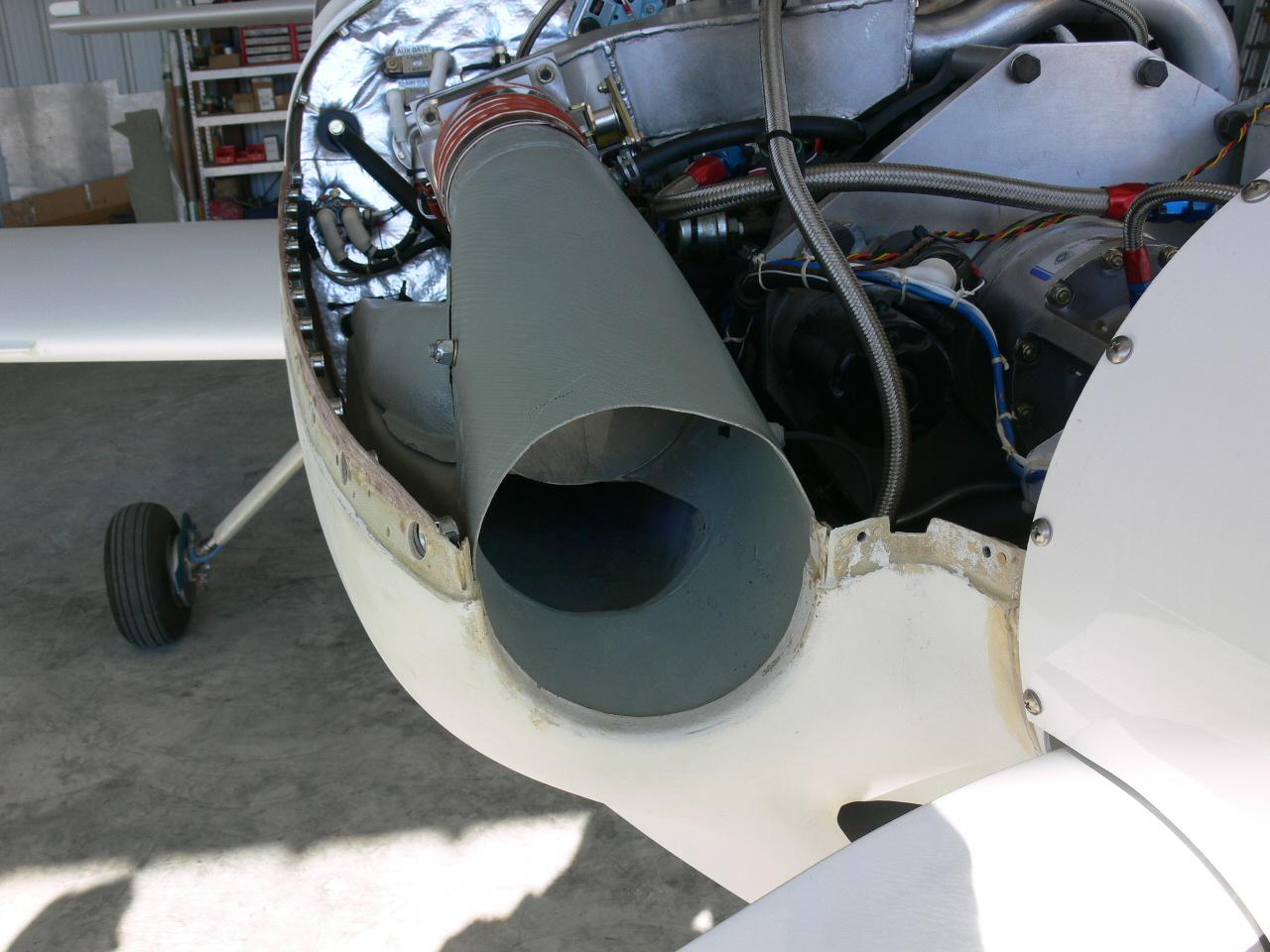
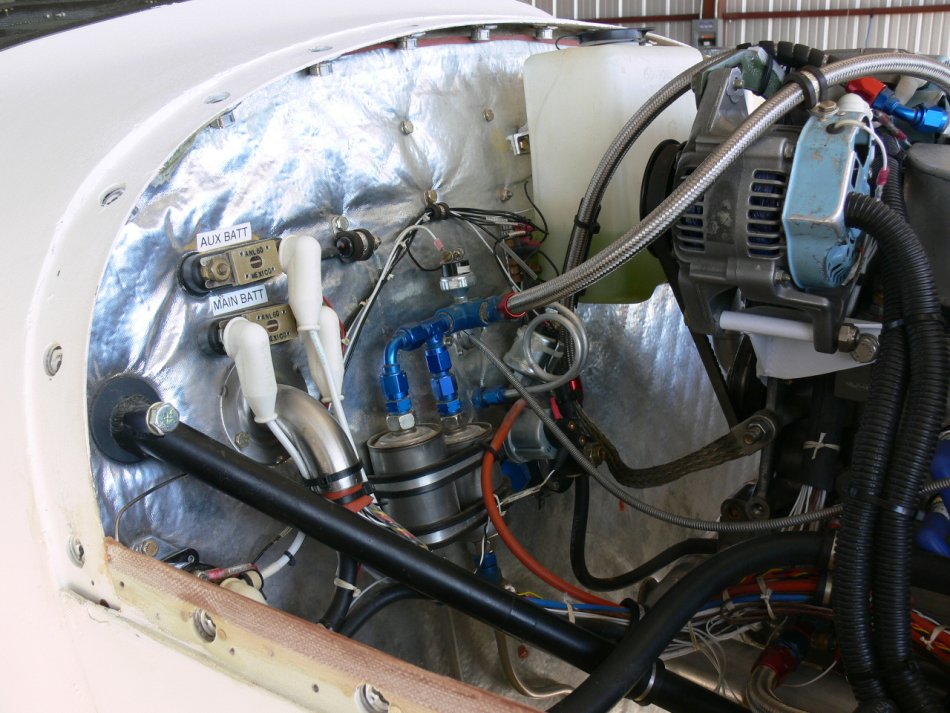
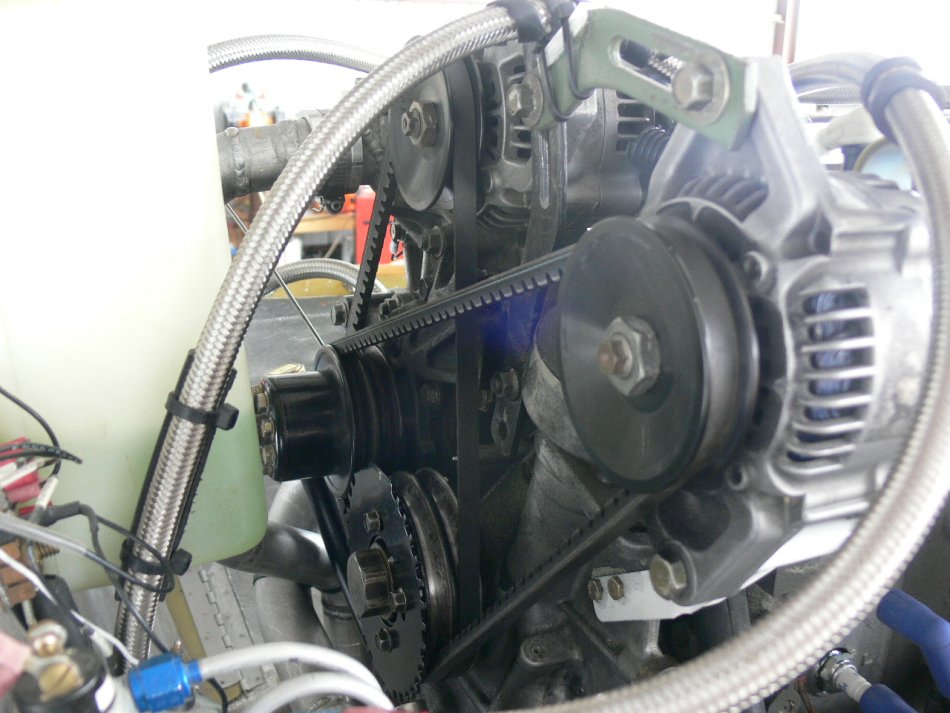
Here are some pictures of Mark's 3 rotor engine installation for the new people
Paul Lamar
--
The Rotary Engine NewsLetter. Powered by Linux.
ACRE NL web site.
http://www.rotaryeng.net
Youtube key word UTUBPLEASE
Copyright 1998-2008 All world wide rights reserved.