Paul: attached is the latest from Max on cost reduction and other
sporting changes. I thought you would find the reference to movable
aero devices of ironic interest. I loved my wing and always believed
they over-reacted in banning them back then. A good idea always survives!
http://www.autoracing1.com/f1.asp
Best regards,
Nick Craw
President of the Automobile Competition Committee for the US.
FIA Deputy President for Sport.
-----------------------------------------------------
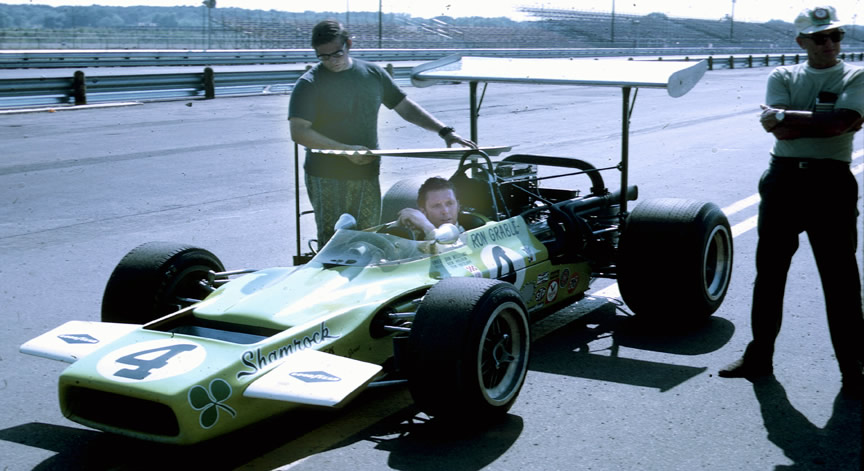
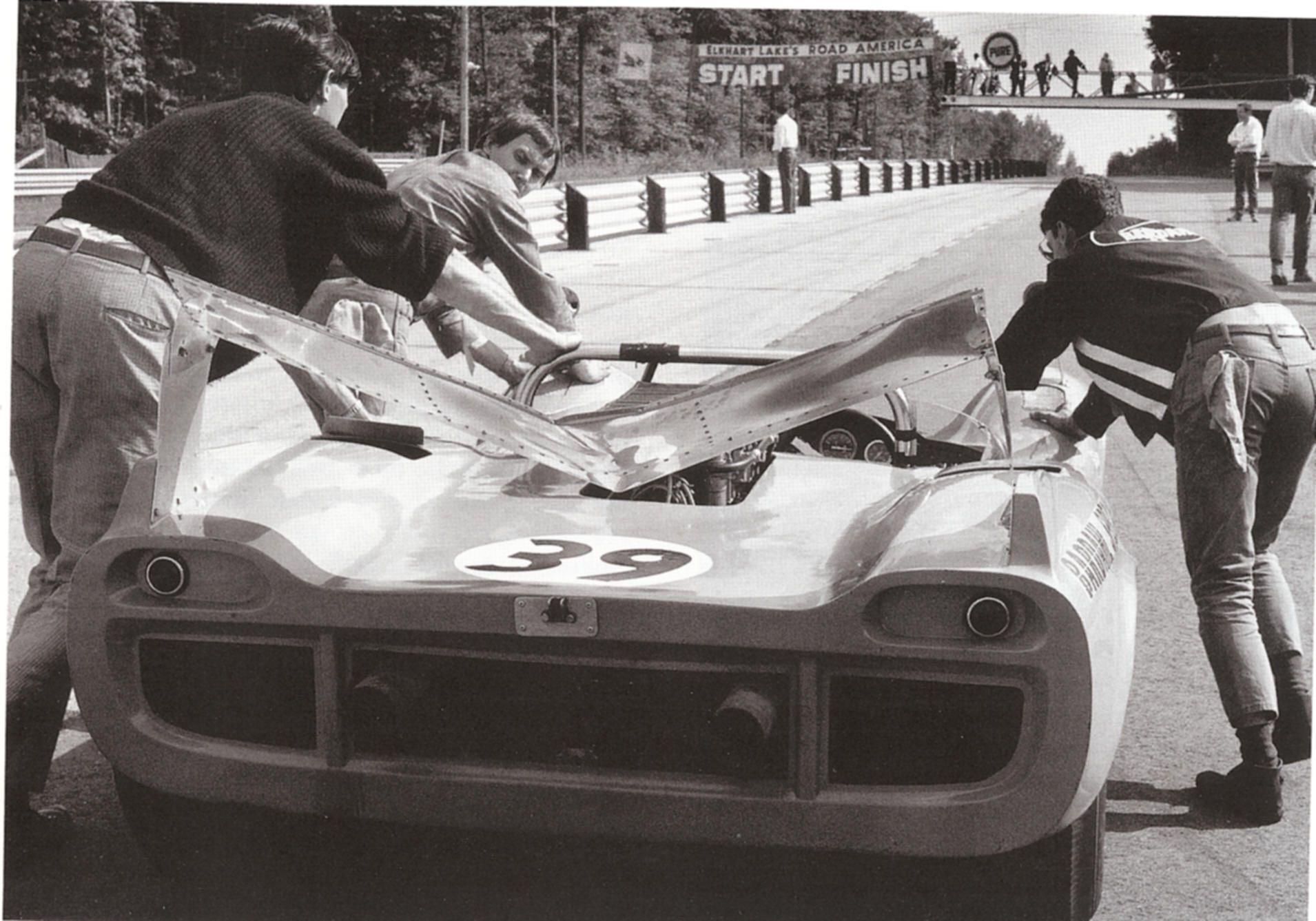
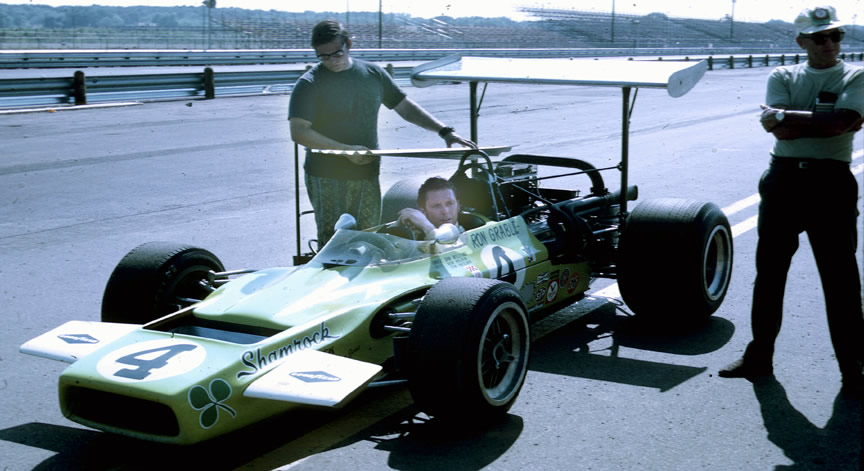
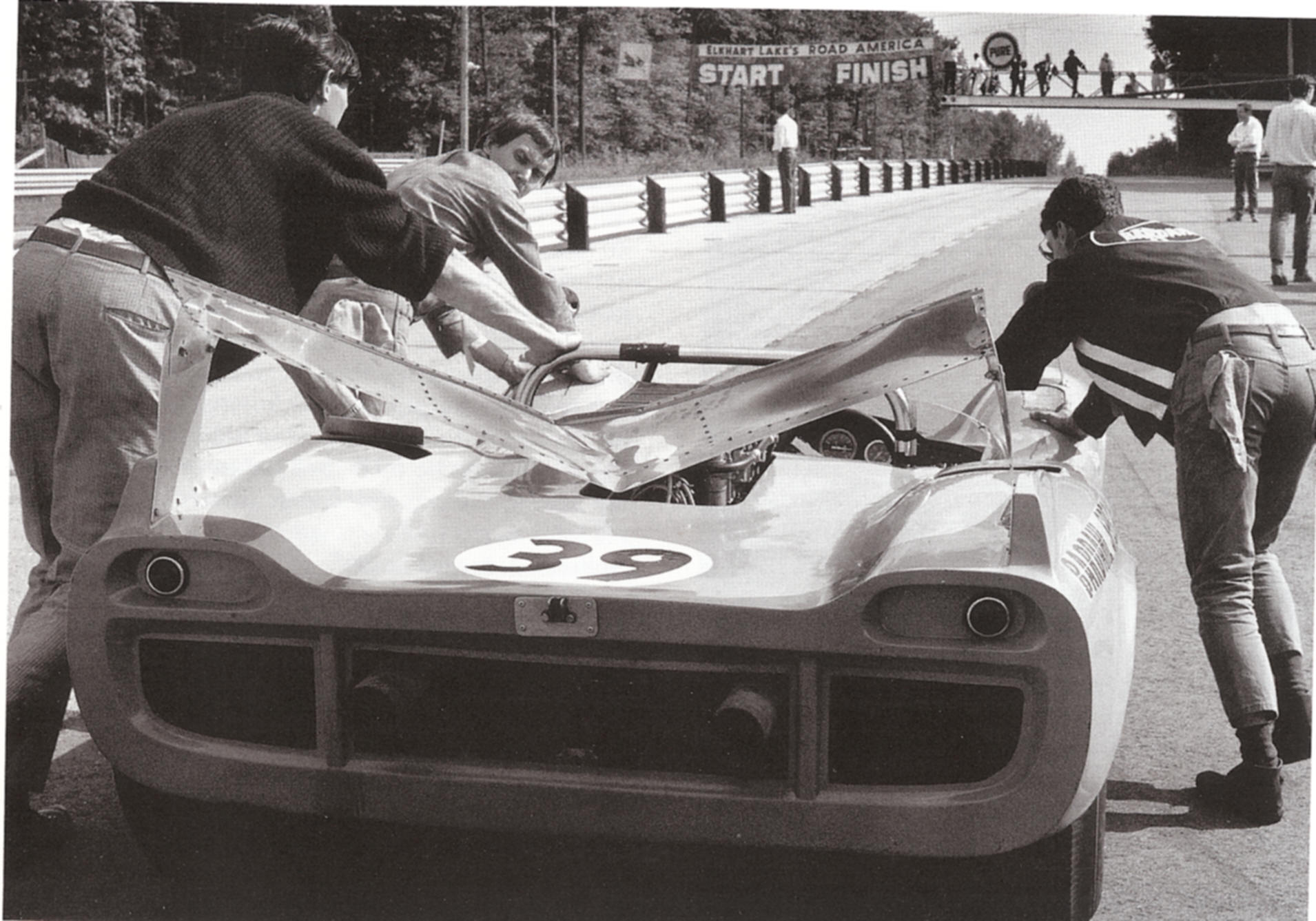
Nick bought a movable wing from me for his Formula B race car back when he
was
director of the Peace Core in 1968. He donated the car to the Smithsonian
museum
at some point. As far as I know the race car is still in the Smithsonian
museum.
Got any better pictures of this car Nick?
Paul Lamar
--------------------------------------------------------------------------------
Mosley letter reveals push for more cuts, return of Cosworth UPDATE
Mosley's full letter:
Dear Mr. Luca di Montezemolo, Chairman
FOTA
FORMULA ONE TEAMS ASSOC.
5 January 2009
Max Mosley
Dear Luca
COST CUTTING
Following Charlie's (Whiting) email of 3 January, I feel it may be useful to
set out the current position as we see it.
A few general points
First, even before the current crisis, Formula One was not viable. Costs
have been so high that we have had vacancies in the Championship for some
time. Secondly, it is impossible to cut costs substantially without
significant change. Inevitably, cherished projects, facilities and sadly
even people have to go. Thirdly, the fact of having recently invested in an
expensive facility is not an argument for retaining it. That money has been
spent. It's gone. What we have to avoid is forcing others to spend the same
money in order to keep up. Fourthly, there is no rational argument to
support the continued use in Formula One of expensive technologies which
have no relevance outside the sport and are unknown (and thus of no
interest) to the general public.
SPECIFICS
2009
The changes to the 2009 Regulations agreed at the December 10 meeting will
help a lot. We need detailed proposals on some aspects, particularly the 8
hour/5 day restriction on wind tunnel use (which we understand was agreed
among the teams) if we are to enforce this as a regulation, but much is
already in place.
We are ready to agree further cost-saving measures for 2009 if these have
the agreement of all the teams.
2010
The really big changes come in 2010.
Engine
- The rev limit will be reduced to 17,000 for 2010 and thereafter;
- retuning will be limited to, at most, trumpets and injectors (position
only), except that Cosworth, having missed out on the last retune, will be
allowed to make general changes within a limited budget;
- engines remain completely frozen until 2013, as already agreed;
- testing will be limited to 15,000km per year, Friday testing included.
On this basis, Cosworth will be able to supply competitive engines from 2010
for well under ââ?s¬5m per season per team, including all on-track
support, provided they have firm orders to supply at least three teams
within the next week or two;
The present regulations will remain in force, so there will be no
interference with any existing arrangement for the supply of engines.
Furthermore, the reduction to 17,000 rpm will allow additional cost savings
for current engine suppliers.
Transmission
We intend to make it a condition of entry to the 2010 Championship that a
team has made an arrangement with XR for the supply of the standard gearbox
in accordance with XR's tender. We appreciate that some teams would like to
continue with their current arrangements and/or use standard internals, but
the fully standard gearbox is an obvious way to save very significant sums
without affecting any useful aspect of Formula One. In order to eliminate
the difficulties of the interaction of the casing with the underbody, we
will also require a standard underbody. Again, this will have no impact on
the spectacle but will save even more money and eliminate certain
scrutineering problems.
Chassis
We will shortly produce a list of chassis parts and systems which, from 2010
onwards, will be the only elements of the chassis which can be developed.
All remaining chassis elements will be either standard or frozen. We wish to
develop this list in consultation with FOTA but it must be understood that
it will involve a radical curtailment of R&D in respect of the chassis and
hence a very significant reduction in costs. If carefully thought through,
it should also reduce the need for the use of wind tunnels, CFD and
simulators.
Race Weekend
We should like FOTA to make proposals to reduce further the costs of the
race weekend, always on the basis that priority should be given to cost
savings in areas which are invisible to the public and have no safety
implications.
KERS
No team is obliged to fit KERS. It is also open to the teams to agree on a
standard system or, indeed, to agree not to fit it at all. We are
increasingly of the view that the use of chemical storage (in particular
batteries) should be prohibited in Formula One owing to the unsuitability of
the batteries currently available. There are at least two mechanical or
electro-mechanical systems under development for Formula One and there may
be others as well as hydraulic systems. Formula One would benefit from
systems with more capacity than the present 400KJ, 60KW, (for example maxima
of: 2MJ stored, 150KW in, 100KW out) but still very small and very light, as
is essential in Formula One. These figures are theoretically possible with
mechanical devices, but not feasible in the foreseeable future using
batteries and/or capacitors. Such non-chemical devices, if successfully
developed, would have a very significant impact on road transport and other
applications.
This is a subject we should like to explore in depth with FOTA. In
particular we should like to examine how Formula One's outstanding
engineering capacity could be used to develop KERS without incurring
significant costs for the teams.
Tires
Apparently a lot of money is currently being spent on achieving a weight
distribution which gets the best possible performance from current tire
widths. We should like to discuss with FOTA a possible change in the
front-to-rear width ratio with a view to eliminating this problem. At the
same time we should like to examine with Bridgestone and FOTA the
possibility of introducing compounds which will not produce "marbles".
Budget Capping
We understand that this is once again being discussed within FOTA. The idea
that each team should have the same amount of money, so that success is
simply a function of intellectual ability, has great appeal. If properly
enforced, it would be a very fair system. Indeed one view is that having
much more money than a rival team is just as unfair as having a bigger
engine. We should like to discuss this further with FOTA. It may be that in
present circumstances, a voluntary cap would work because no manufacturer
whose board has signed off the agreed amount would be likely to allow secret
additional expenditure, while independent teams would probably not have
access to the necessary cash.
The "Show"
The main complaint from race fans is the lack of overtaking and
wheel-to-wheel racing. Changes to the aerodynamics rules have been proposed
by a group of top experts from the teams and will take effect in 2009. It
remains to be seen whether these plus an extra 80 bhp from KERS will help
overtaking. There are also proposals for changes to the sporting regulations
such as wholly or partially reversed grids, allocating leading grid places
by lot, giving the World Championship to the driver with most wins and so
on. Arguably, however, none of these deals with the problem that once the
faster car gets past, it tends to drive away. So none of these proposals is
conducive to close, wheel-to-wheel racing.
We intend to seek FOTA's help to investigate the use of moveable aerodynamic
devices. If sufficiently radical, these could give a car following another
car a performance advantage by virtue of being behind. In a primitive way,
this was the case in the 1960s, when a car would get a "tow" and lose lift
and thus be faster in the wake of another car. The result was wheel-to-wheel
racing at the so-called slip-streaming circuits, for example pre-chicane
Monza. Using modern technology, moveable aero devices could be used to give
a car more downforce and less drag whenever it was in turbulent air. This
would produce wheel-to-wheel racing on all types of circuit. It would,
however, require significant (possibly automatic) moveable aero devices.
The Future
As already mentioned, the financial barriers to entry were already too high
before the current world financial crisis. We had a Championship dependent
on the willingness of world's car industry to continue spending vast sums on
Formula One racing and the few remaining independent teams (with one
exception) entirely reliant on the generosity of their billionaire owners.
In current circumstances, it would be crazy to assume this can continue.
Costs must be reduced to a point where a well-run independent team can
operate profitably with just the FOM money and very moderate sponsorship.
This is the only way to safeguard the Championship and allow new teams to
enter to fill the gaps as well as replace those leaving.
The FIA itself would not be financially disadvantaged by a collapse of
Formula One, but it would suffer in other ways. And, in any event, we
believe we have a duty to do whatever is necessary to preserve the
Championship for the competitors, the commercial rights holder and motor
sport generally. We are therefore prepared to act radically. We hope that,
notwithstanding the changes which must now be made, all teams which are
still in business in 2010 will enter. But as already stated, we will be
ready to recognize an independent series should some teams prefer to go
their own way.
We hope for FOTA's support in the actions we take and for your unstinted
help in reaching the decisions which have yet to be made.
With best wishes
Yours sincerely
Max Mosley
cc: All Formula One Team Principals
01/08/09 (GMM) In a new letter addressed to Ferrari and FOTA boss Luca di
Montezemolo, Max Mosley has outlined his desire to see additional
cost-cutting measures implemented in formula one as soon as possible.
While satisfied with the package of changes unveiled in December, the FIA
president believes the global financial crisis coupled with the sport's
existing unsustainable practices make further reforms crucial, according to
Germany's Auto Motor Und Sport magazine.
Mosley said there is room to standardize many expensive components,
including in the gearbox and aerodynamic departments, that drive up costs
but add nothing to the 'show'.
He vowed to soon publish a list of components for consideration.
Mosley also proposed a further reduction of the engine rev limit from 18,000
to 17,000 rpm, as well as mandating a standard weight distribution for cars
in order to reduce the importance of extra ballast.
He said F1's standard tire manufacturer could be asked to produce tires that
are more durable and therefore leave less rubber discarded on the track, and
once again raises the prospect of an annual budget cap for teams.
Mosley said cost-cutting should continue to the point where the sport is no
longer so reliant on the giant spending of carmakers or extremely wealthy
individuals.
"Budgets must be reduced so that teams can be operated with the money
received by FOM (Formula One Management)," he is quoted as saying.
Mosley also supported moves to make the regulations for KERS safer, but said
he was not keen on proposals including shortening the duration of grands
prix, or introducing a 'medals'-style scoring system.
----------------------------------------------------------------
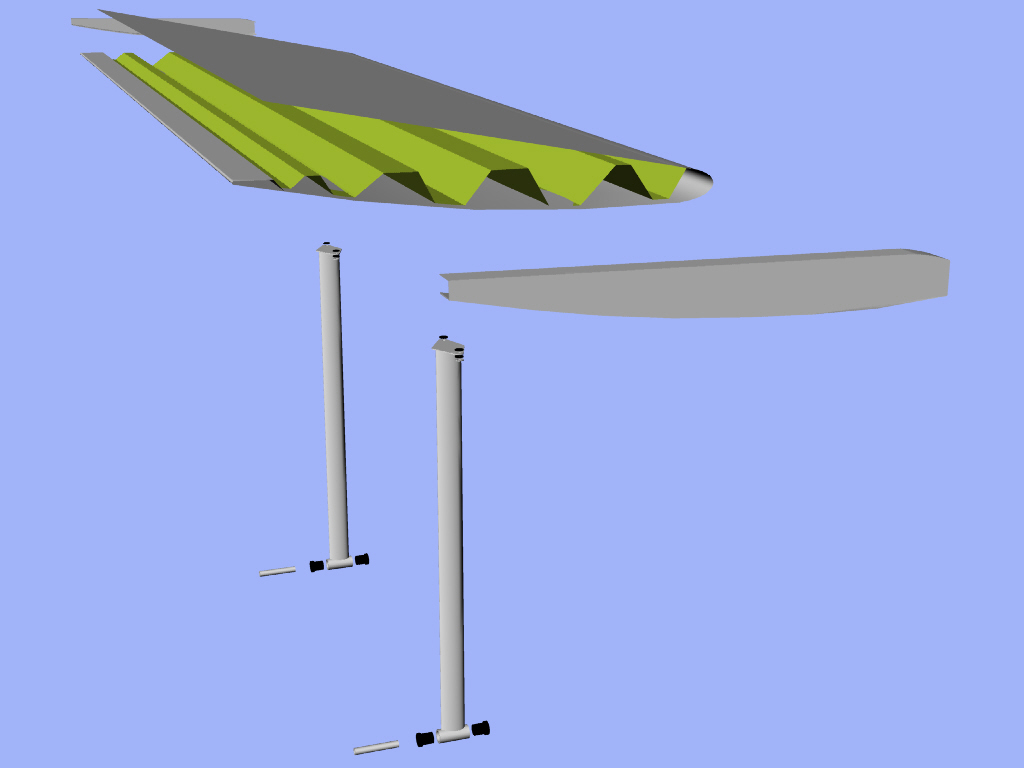
Paul, thanks for the photo of Nick's car. Regarding your wing support
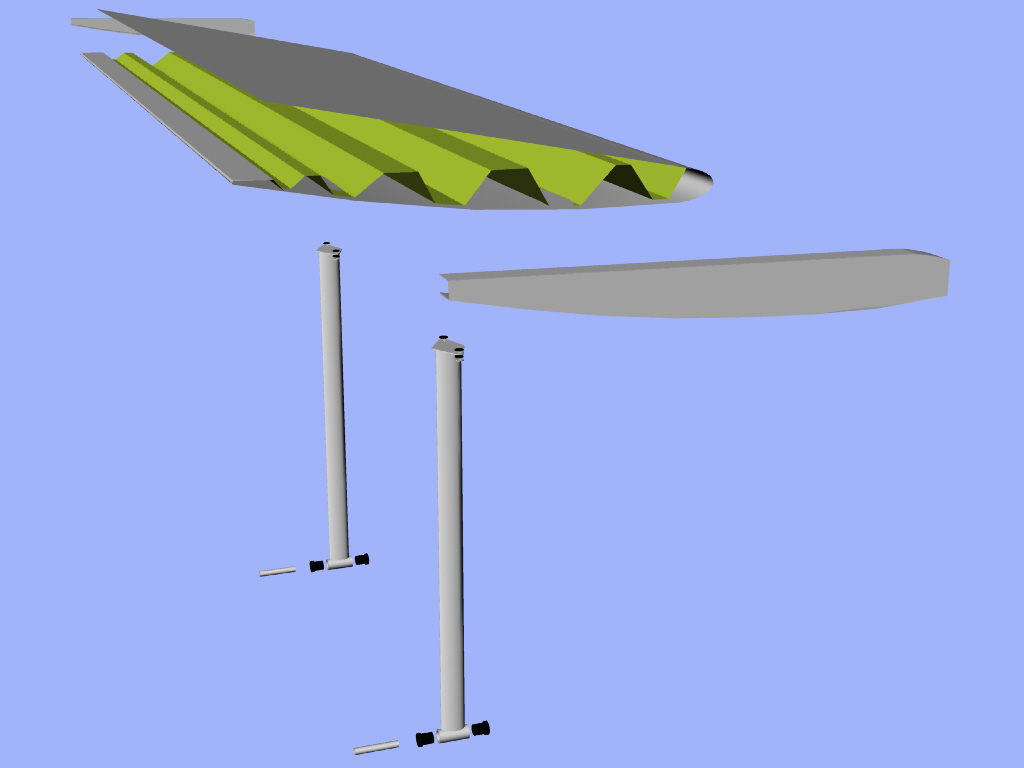
structure, I keep forgetting to ask you how you provided lateral support
strength for the high cantilevered wing. Was it primarily the beam cross
section of the uprights (which appear to be aerotube of aluminum or steel)?
Steve Beckham
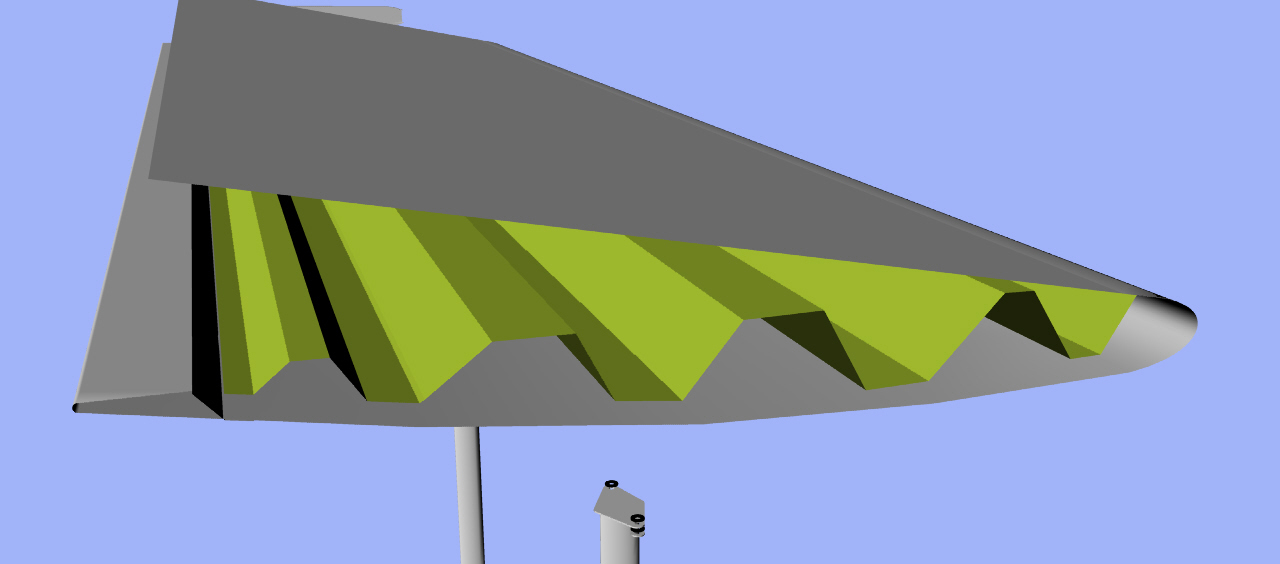
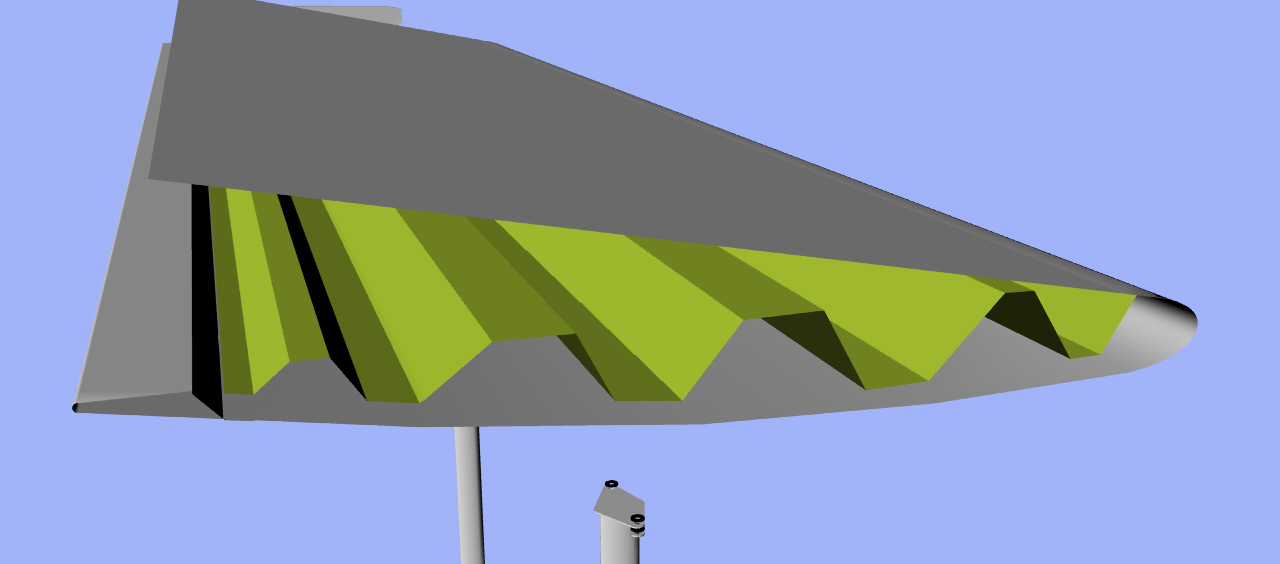
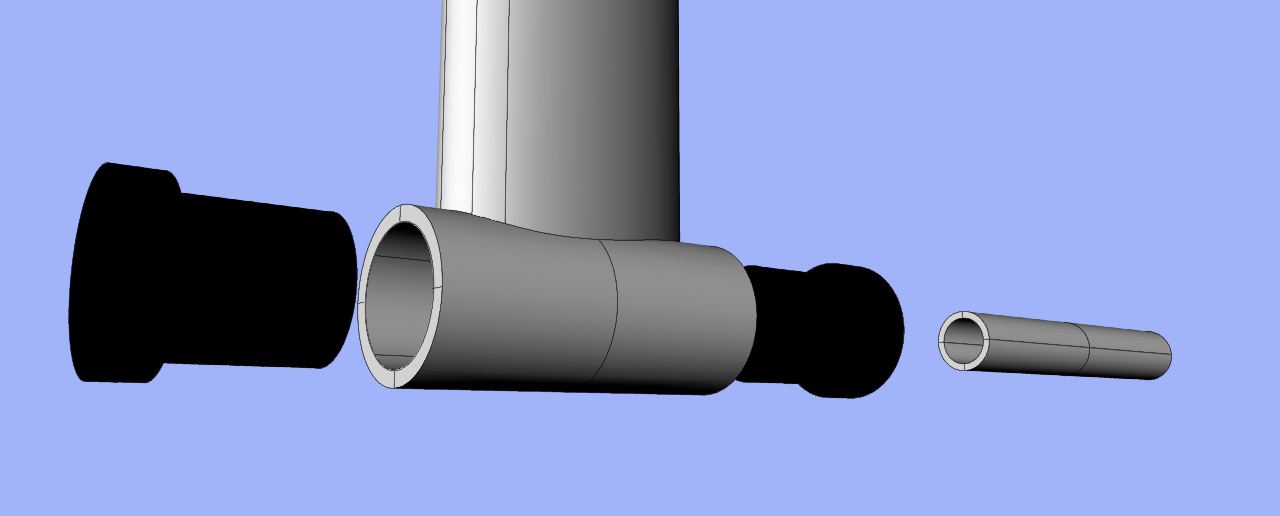
Very tricky and subtle. Latest incarnation for Formula A. First the wing must
have a spar. This spar must be strong enough in bending to take three times the
weight of the wing through long vertical cantilevered struts. 3G lateral in other
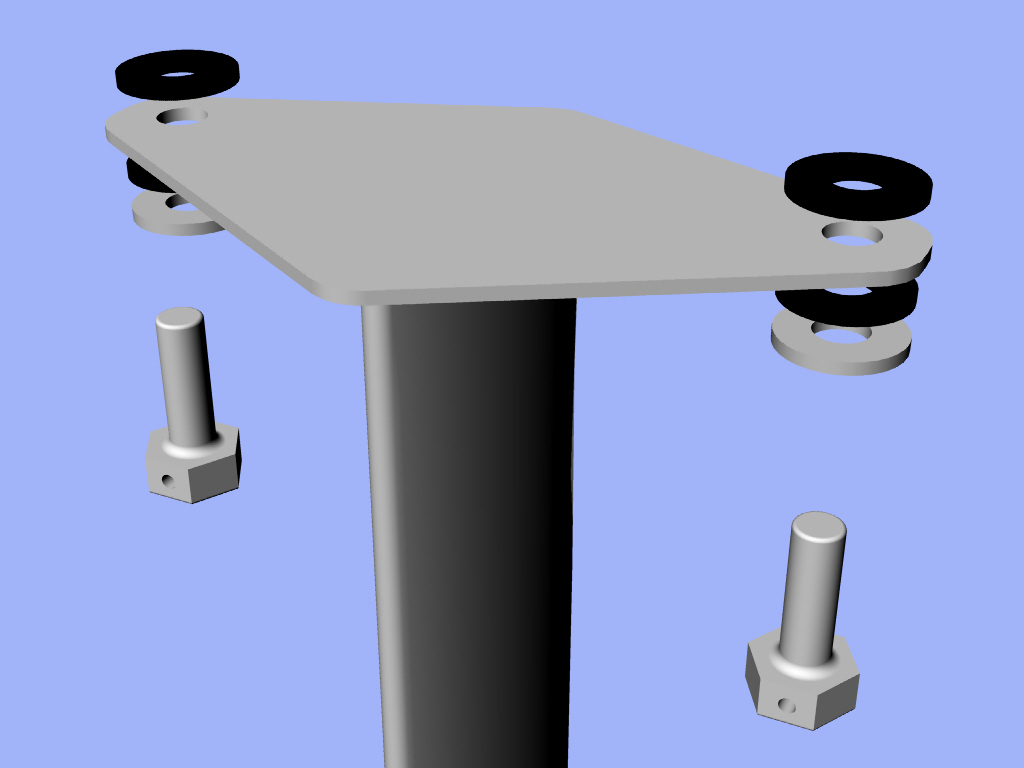
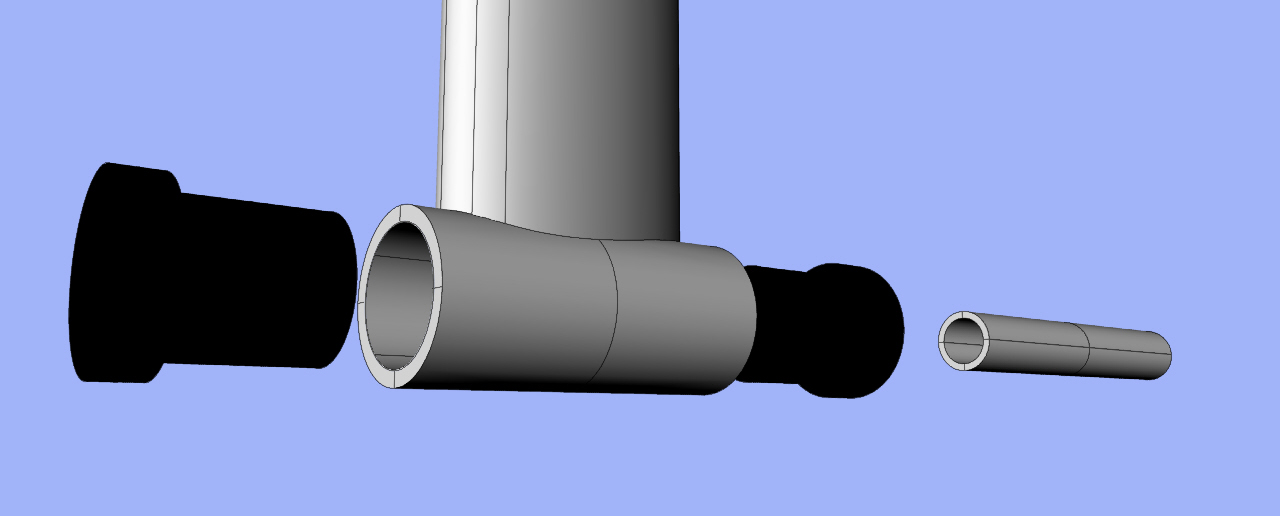
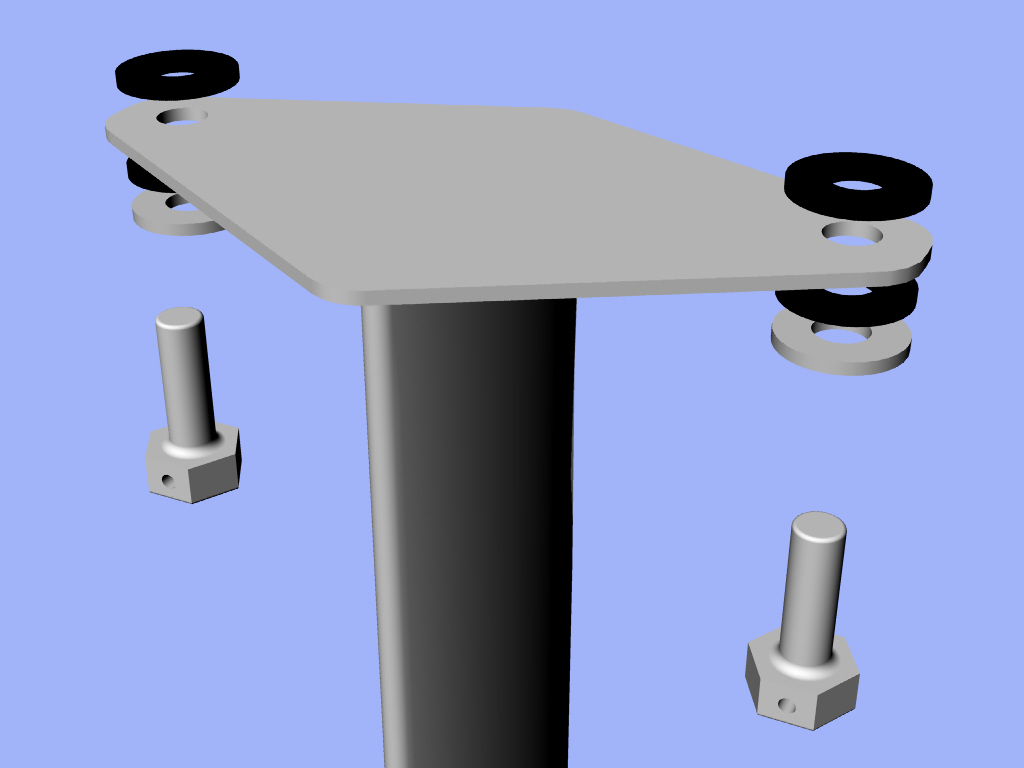
words. The struts were made from spring steel so the bottoms could move around
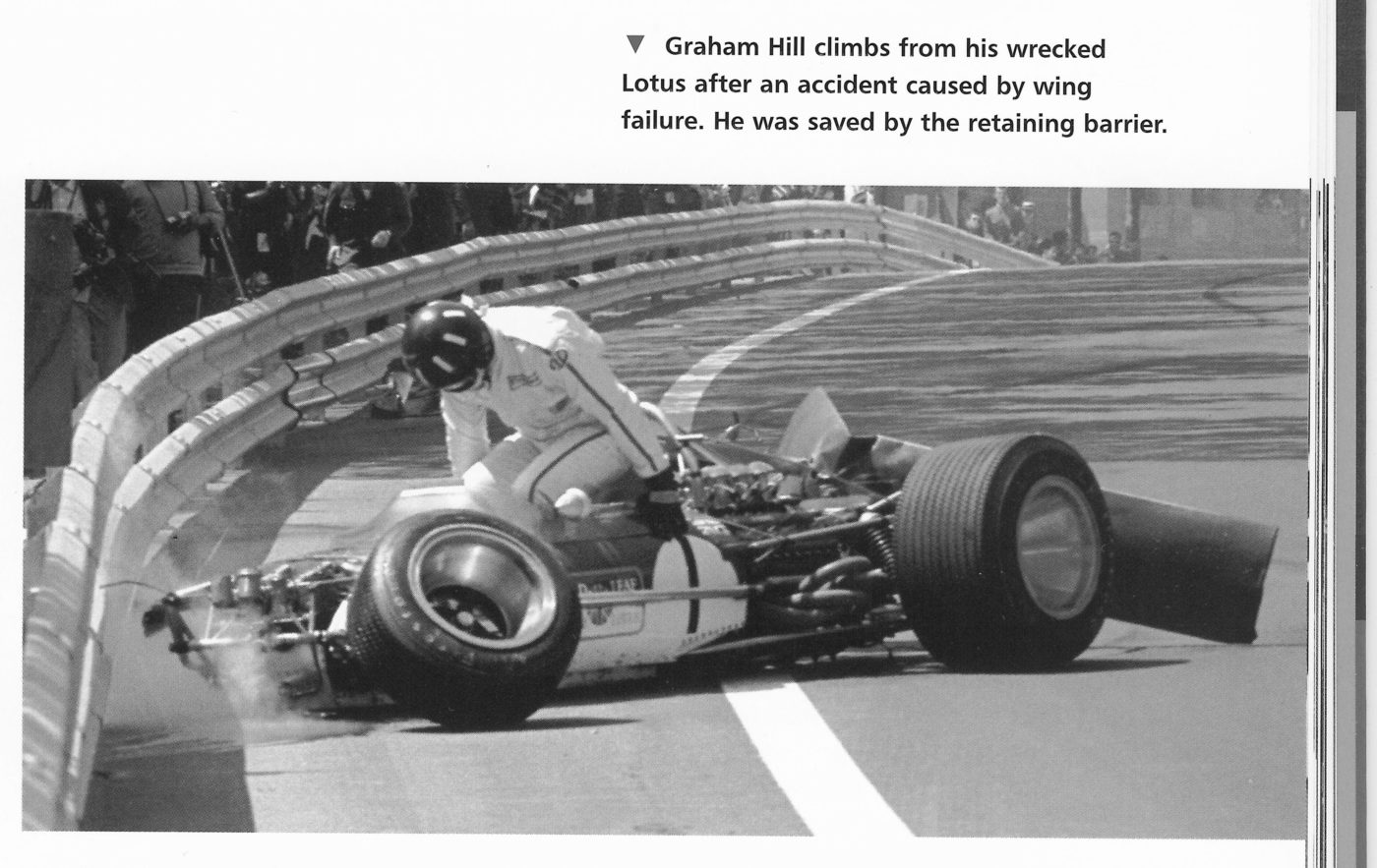
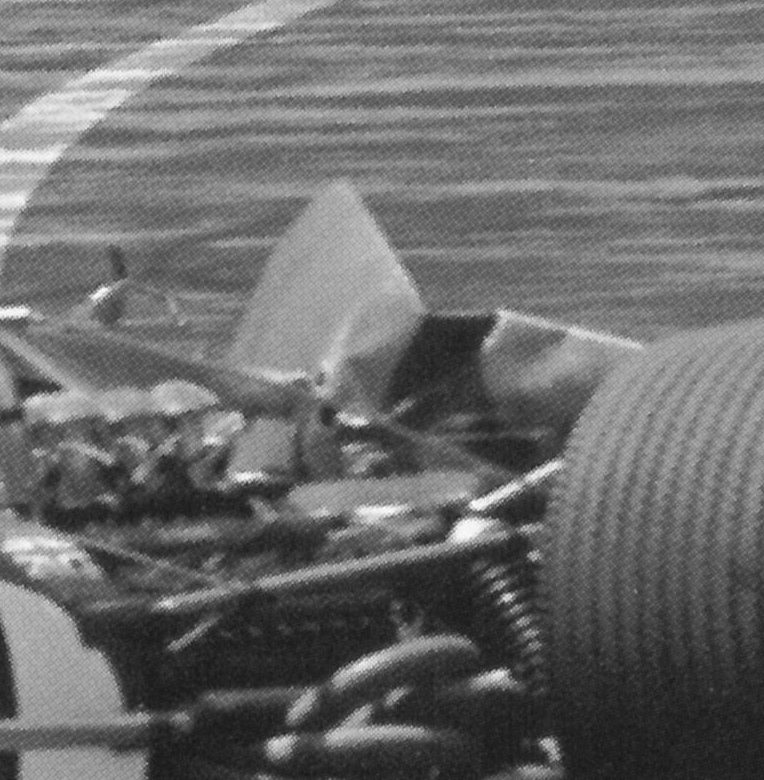
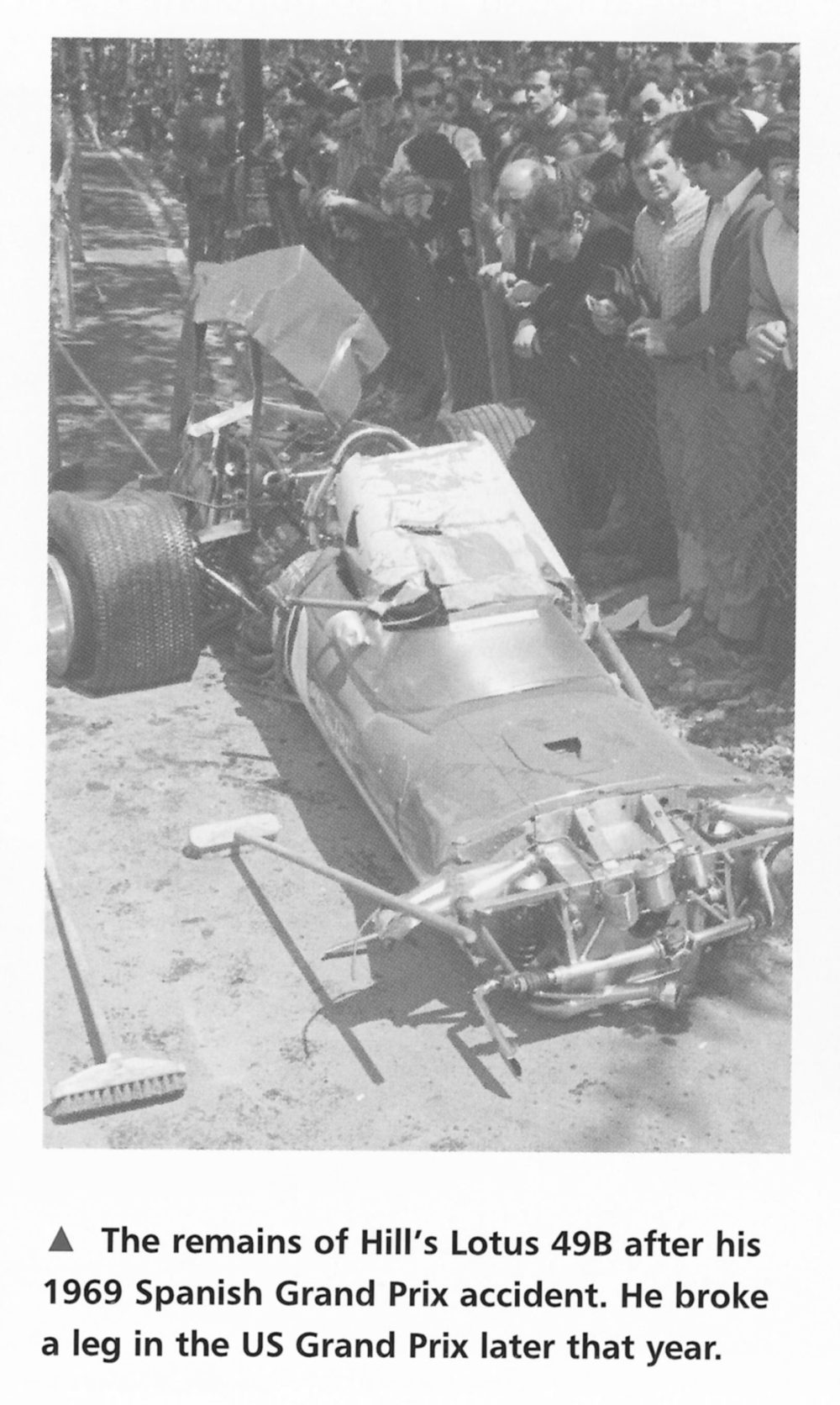
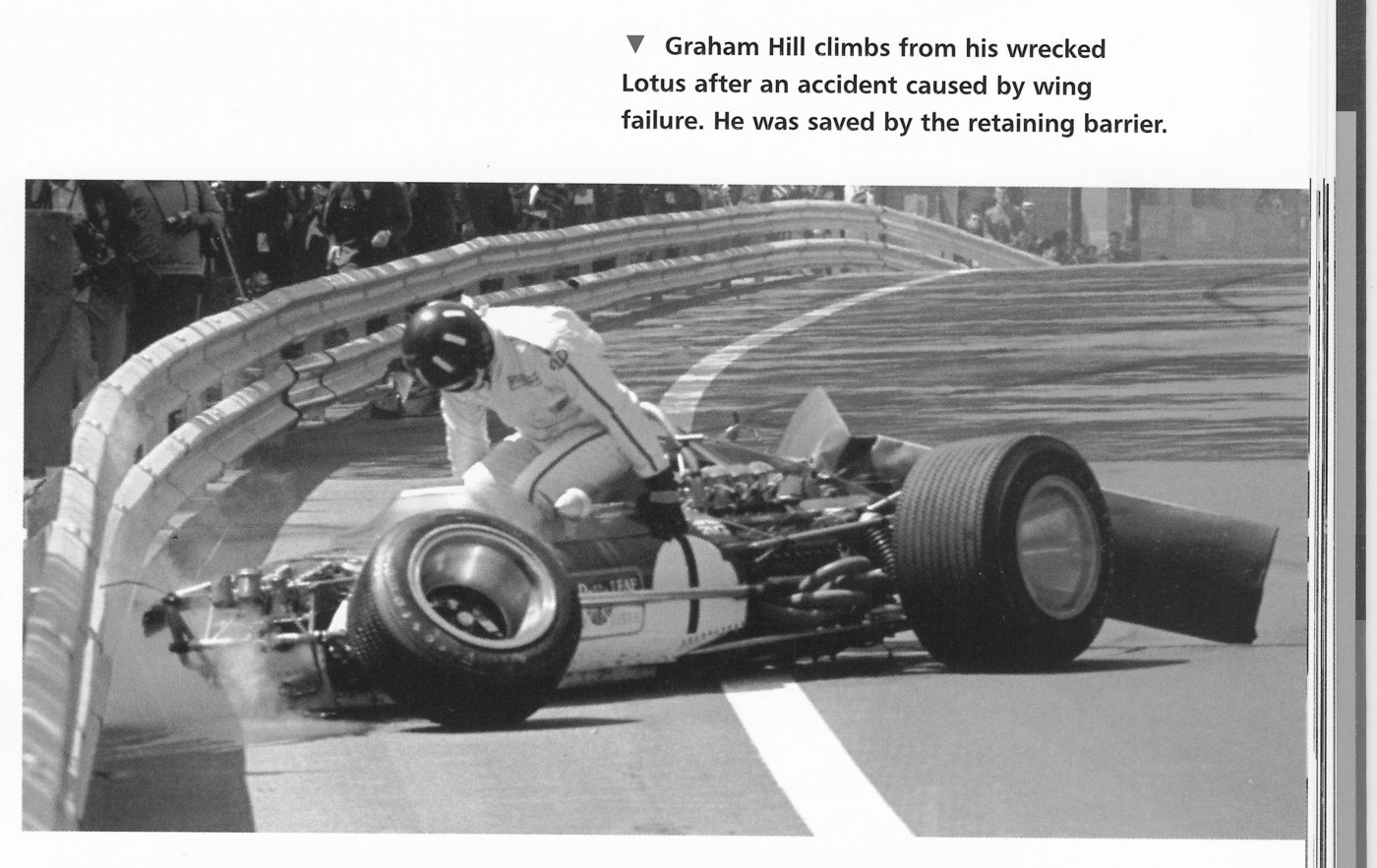
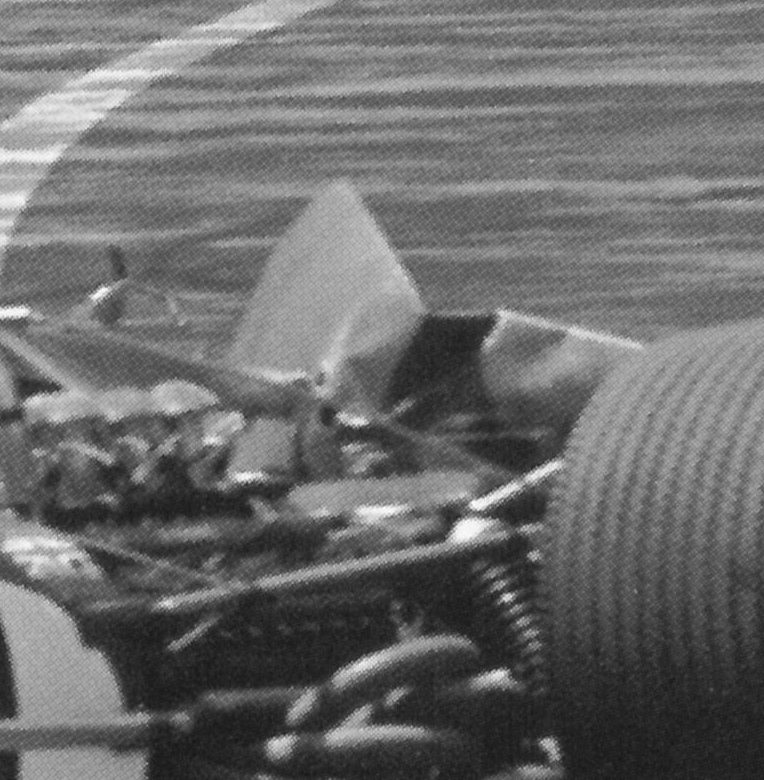
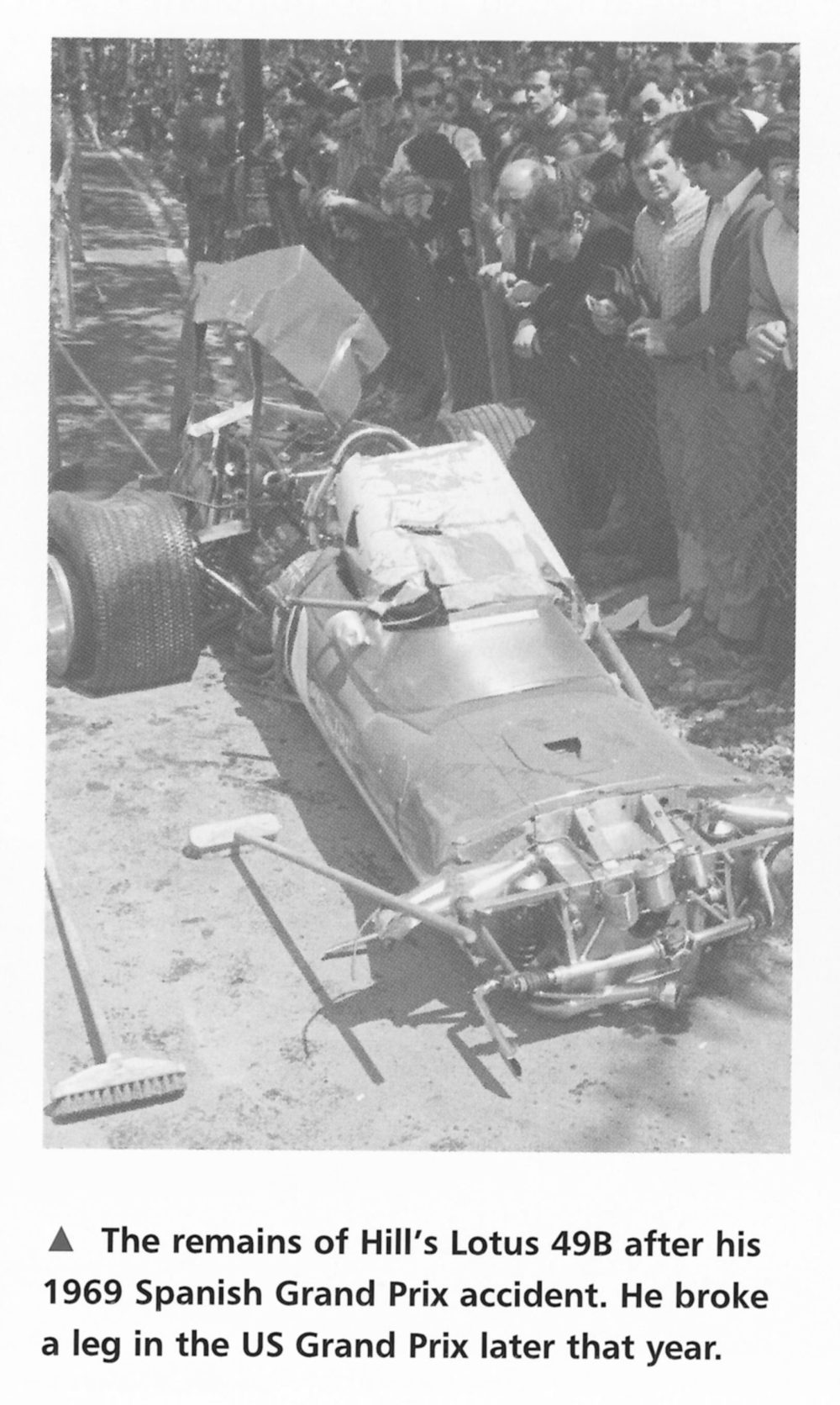
independently and live with out fatiguing. Colin Chapman left out the critical
spars in the two Lotus F1 cars where the wing failed in Spain leading to the banning of
F1 wings by the FIA. I had Pete Lyons climb up and sit in the middle of one of
my high suspension mounted wings to convince some skeptics. Pete will confirm
that if you ask him.
Paul Lamar
--
The Rotary Engine NewsLetter. Powered by Linux.
ACRE NL web site.
http://www.rotaryeng.net
Youtube key word UTUBPLEASE
Copyright 1998-2008 All world wide rights reserved.