Not entirely done as I will be updating it from time to time
depending on your questions.
http://www.rotaryeng.net/simple-cheap-555.html
Paul Lamar
Paul,
Thank You!!!!!
Joe
Your welcome Joe.
Paul Lamar
Paul,
nice write up. The only thing we are doing signifigantly differnet is
to sum in 2 thermocouples for engine temperature and for inlet air temp in the
control portion. Then engine will want to be a little rich for cold
start and idle stability until temps are up a little.
Just makes it more user friendly.
Larry
Thanks Larry.
Yes it would be. As it is now it is about as user friendly as my C182
:)
Full rich for takeoff, climb out and landing. The carb has no
temperature
compensation :) I am used to it.
Paul Lamar
Paul,
the 182 is also running considerably richer than a liquid cooled engine
at full rich as they use the fuel to cool the cylinder heads. We only need
to be rich when the engine temp is low. By the time you taxi to the active
and do a run up, there should be enough temp to not need a rich mixture. Full
power rich on the rotary is considerably leaner than the air cooled
engines,
but our cold start mixture is about the same. I just prefer to automate a
known and predictable condition.
During taxi, I am busy doing the CIGARS checklist and prefer the engine
takes care of itself.
Spark plug life will be much better if we correct the air fuel based on
temperature. Rich mixtures on a rotary is hard on the plugs.
Larry
Well all that may be true but SOP in most air cooled light aircraft I am
familiar
with and have flown (Cessna's, Pipers and Mooney's) is to take off and
climb out at
full rich. In the case of aircraft turbo engines the BSFC is a high 0.65.
That has got to be around 10:1 air fuel mixture or worse. Max power is
12:1 and best cruise is 14:1 or higher. The exception of course is high
altitude airports where you set the mixture to max static RPM and power.
I am not saying temperature comp. is a bad idea. It just makes it a lot
more costly, complicated, harder to build, trouble shoot and repair. I want to
keep this as simple as possible to keep it as cheap, reliable and easy to
build for the home builder.
There is a subsidiary advantage to pilot involved simple carburetors and
fuel injection. It trains the pilot as to what is really going on with
the engine.
If things are too automated the pilot has less awareness of how the
mechanism works.
I once had a float sink in a C172 carburetor. I was able to identify the
problem and keep
the engine running by judicious leaning until I was able to land. Without
leaning the engine would flood and quit. My knowledge of carburetors was
invaluable at that point.
Paul Lamar
Paul,
Did some research on air flow sensors. It seems that there are few after
market models that go up to $300.00 range. It would be nice to refurbish
one from a junk yard. Even the OEM replacement at the auto parts stores
are over $100.00. Just trying to keep it cheap. but safe.
Joe
Paul,
we are basing ours on the 70mm 1996 and up mustang part. it has a built in
air temp sensor and will handle airflow up through a 20B.
They came in plastic body and aluminum. I prefer the plastic part due to
lower weight.
I will get you the correct Ford part numbers that will have the same
calibration.
Larry
Not to mention lower cost.
When you get an engine going I'll pop up there and take some pictures.
Paul Lamar
Paul,
I plan to have the engine on a test stand by the end of February. Should time
well with your return from south.
Larry
Great Larry. That will be fun to play with.
Paul Lamar
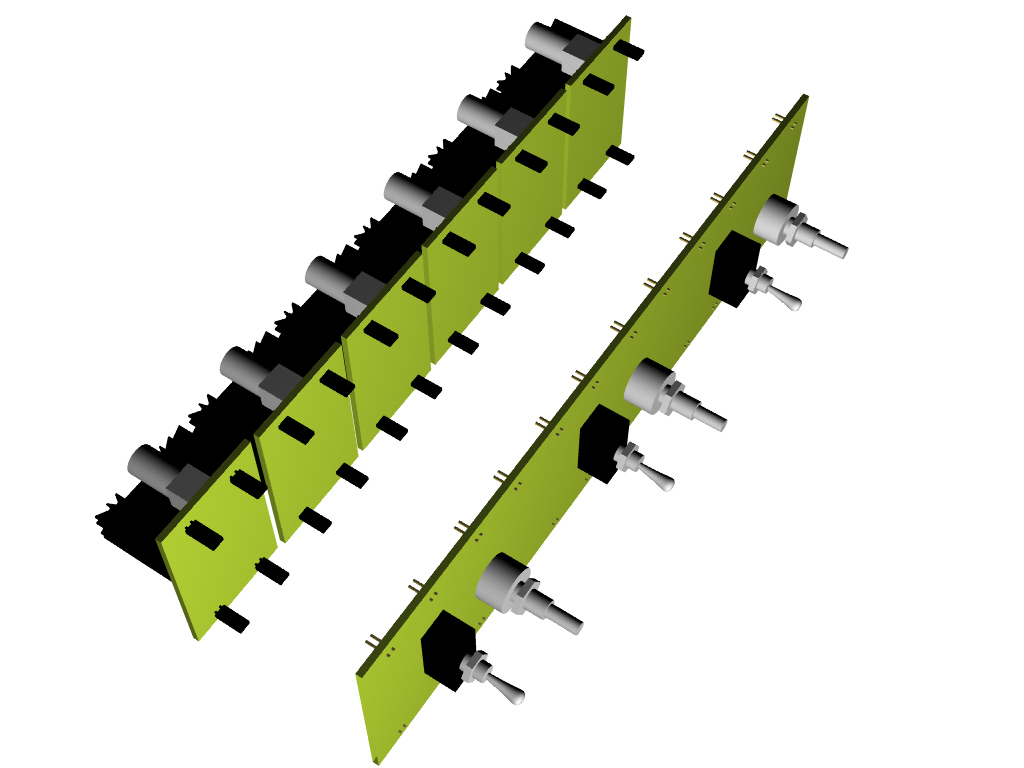
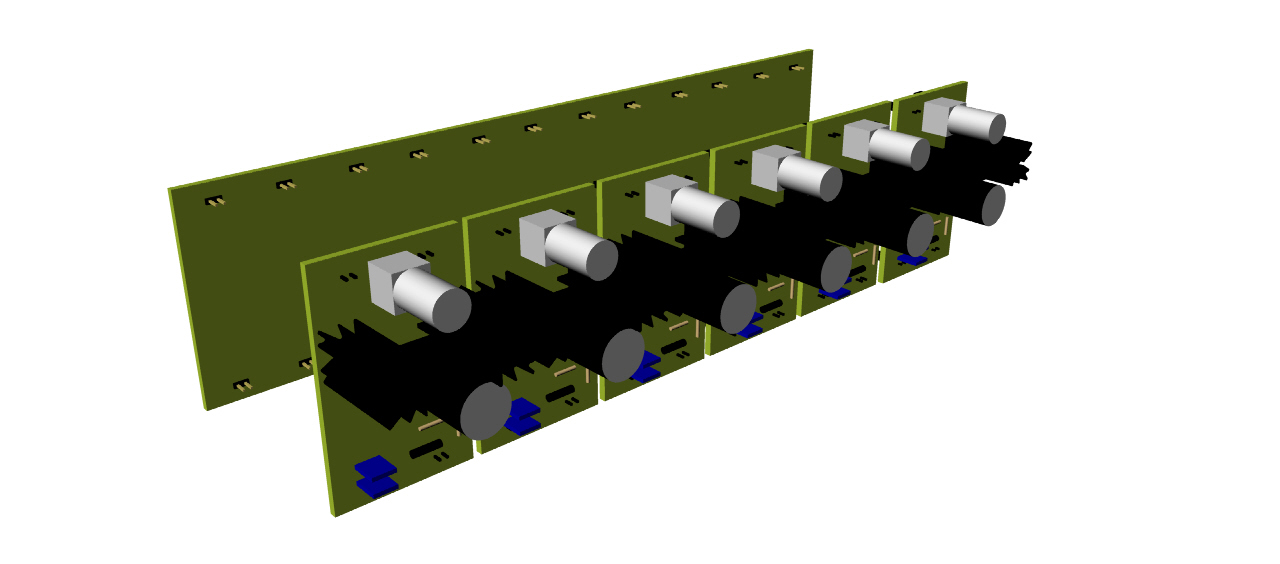
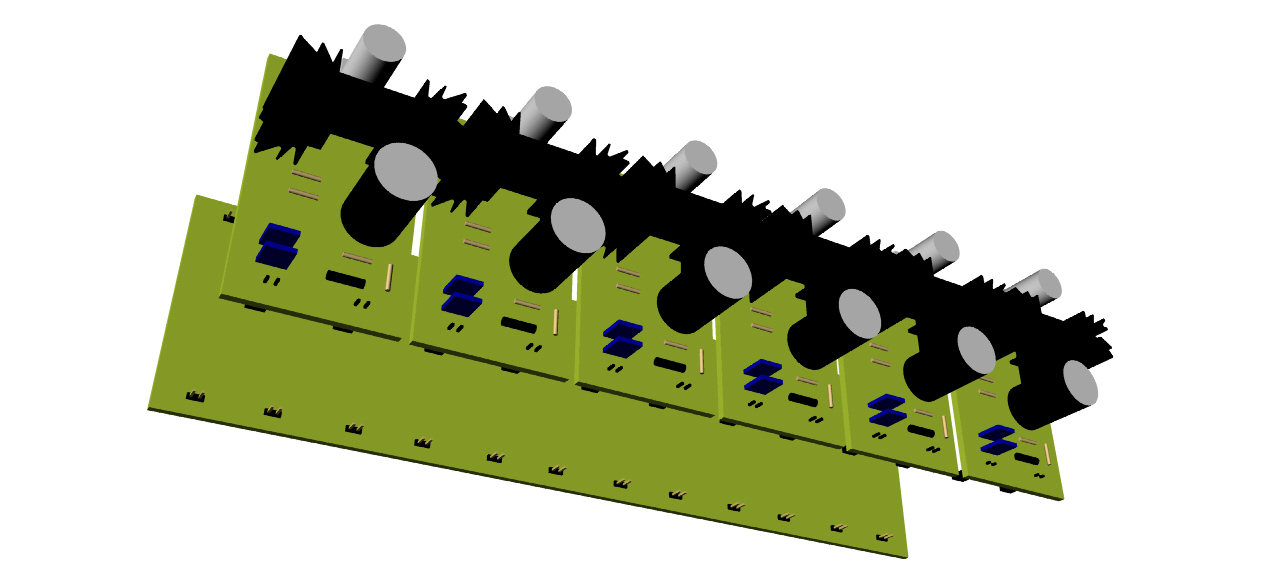
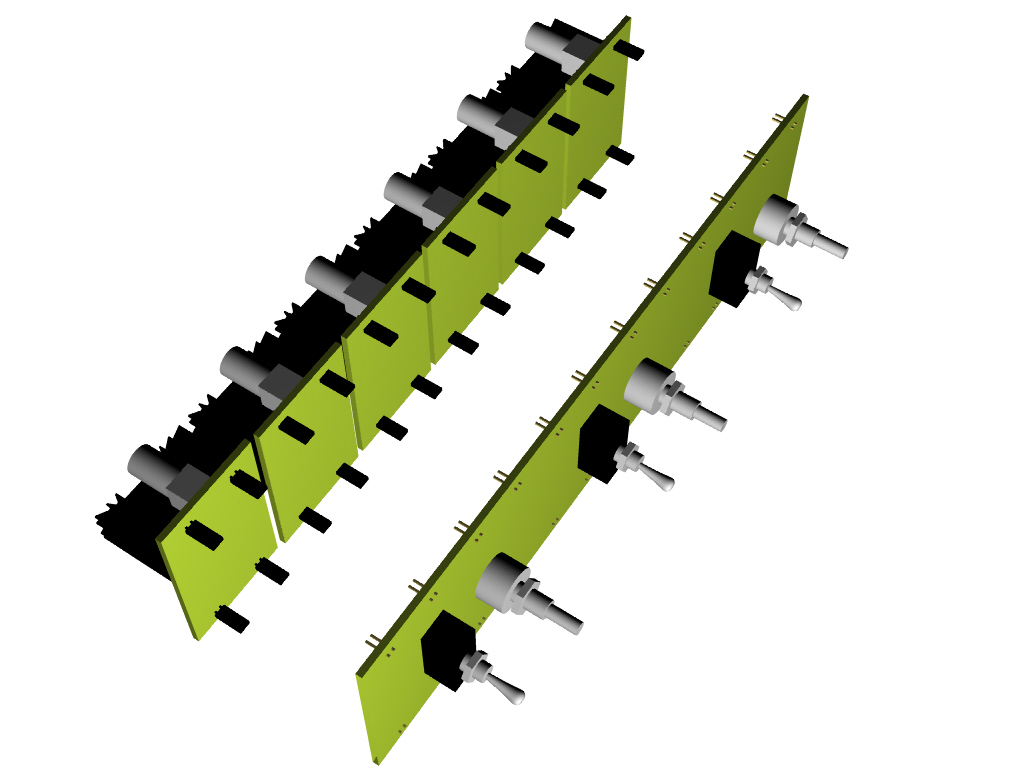
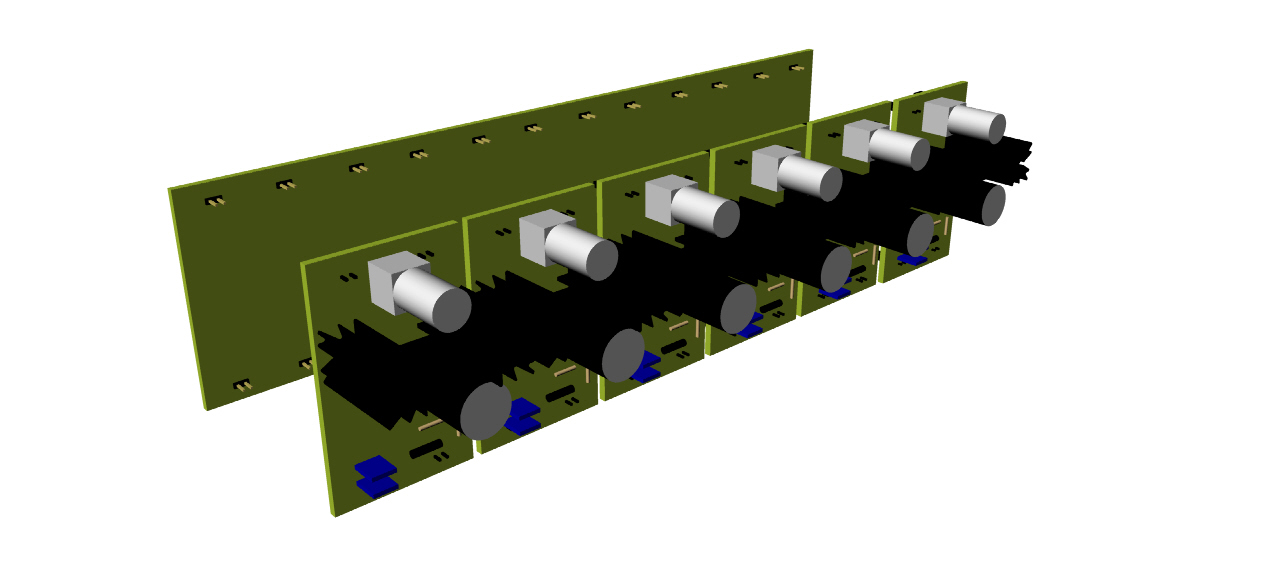
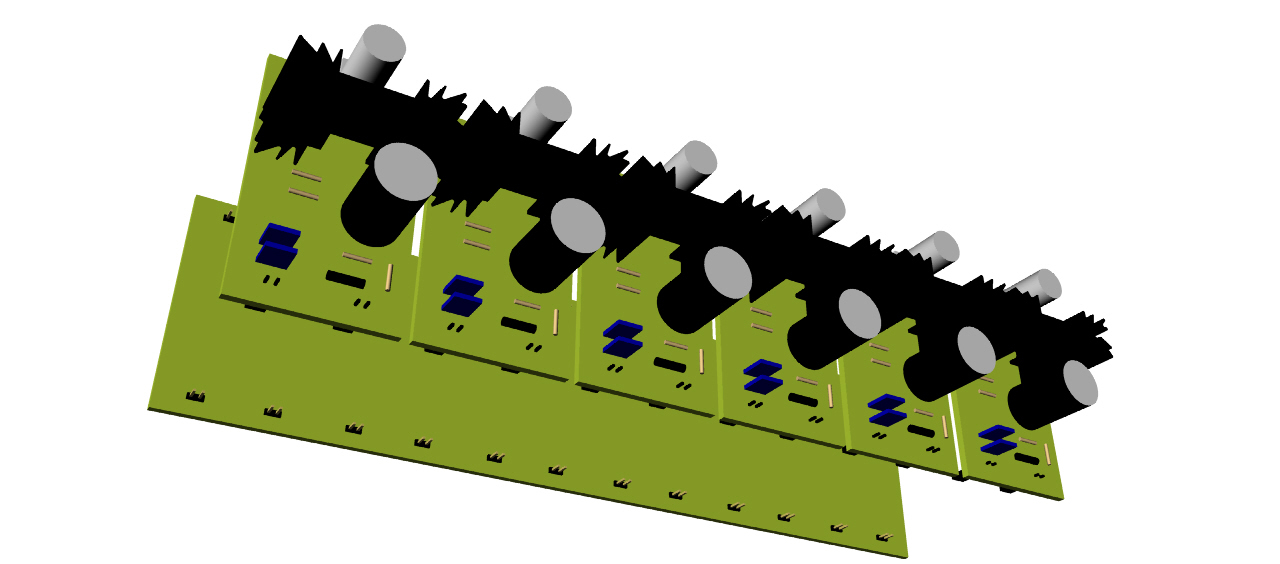
This is how I suggest building it. This 3D is a 3 rotor with two injectors
per rotor. It is a modular system so any injector driver can be swapped out all
most in the air. The connector to the
injectors uses screw on video coax. The coax size can be tiny as the impedance
has nothing to do with it. I suggest using coax as it is automatically
well shielded. There are three leaning knobs with one and off switches
each to kill a rotor system for purposes of trouble shooting. Each rotor
can be leaned individually based on it's EGT. This leads to the lowest fuel
burn much like matching the injectors does in a aircraft engine.
Paul Lamar
The Rotary Engine NewsLetter. Powered by Linux.
ACRE NL web site.
http://www.rotaryeng.net
Youtube key word UTUBPLEASE
Copyright 1998-2008 All world wide rights reserved.