I was also wondering. There have been a lot of recent discussions on
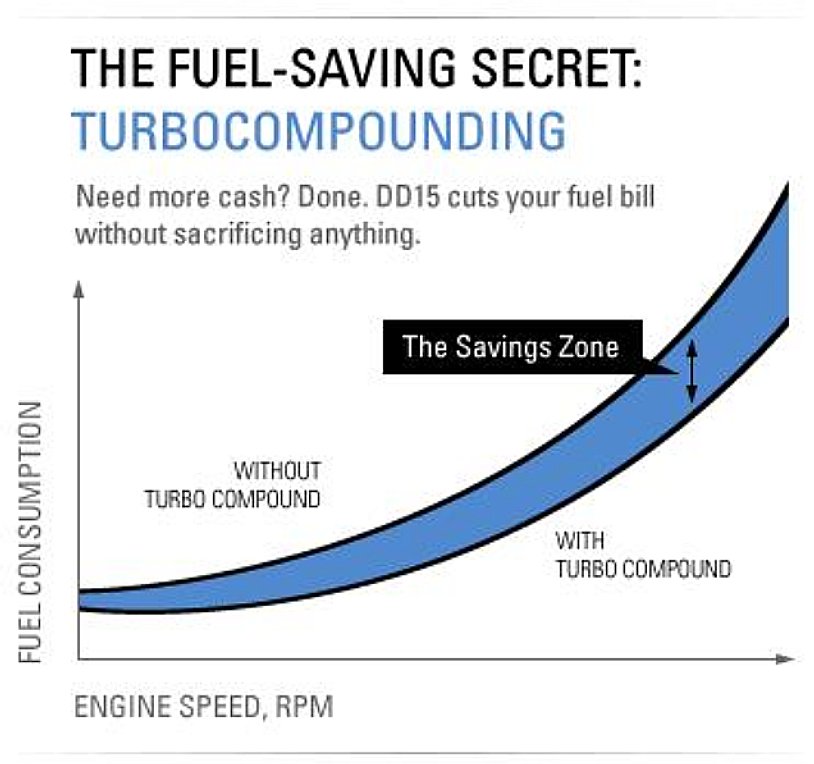
turbo compounding of the rotary engine to improve fuel consumption down to
about 0.35 lbs/hr/Hp (I can't recall the exact realistic target fuel
consumption number).
Would it make any sense to use something like the Rotron 25 Hp or 45 Hp
engine as a developmental test bed to prove the technology, test various
methods. The idea being this may be a cost effective development approach
due to smaller component sizing etc.
In rocket engine development this approach is taken all the time. It is
typical to start testing with an engine that is about 1/10th to 1/5th the
thrust. It saves a lot of money and allows the all important
experience base
on the system and components to develop at a much lower cost than
jumping to
the end goal.
Aircraft engines are fairly scalable, yet rocket engines are generally
considered to be non scalable for a variety of reasons, yet the small
rocket
engine approach works very well to get to the end game at the overall
lowest
cost and shortest time frame.
Thoughts?
Cheers,
Brian
Yes and no. For that size AIXRO engine the turbine gear box becomes
pocket watch sized :) Also the AIXRO engine is quite expensive due to
the euro to dollar ratio. One can find a running Mazda 12A for free almost.
All you need is a turbo and a gear box. I'll loan a gear box and a
turbo to the right person that can demonstrate the ability
and where-with-all to complete it and test it on a dyno.
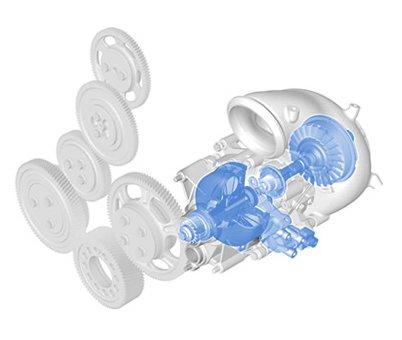
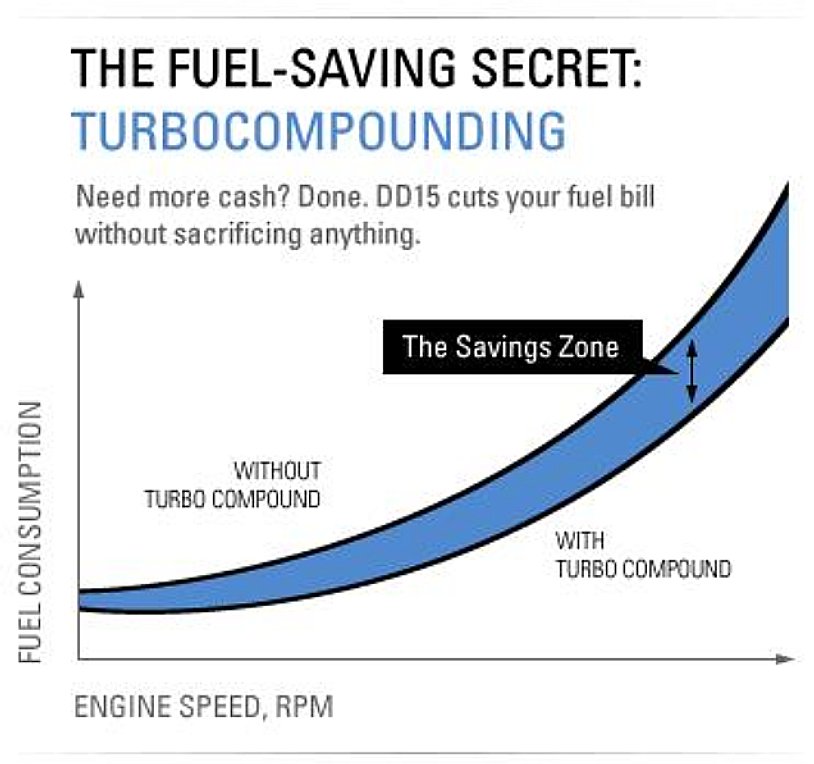
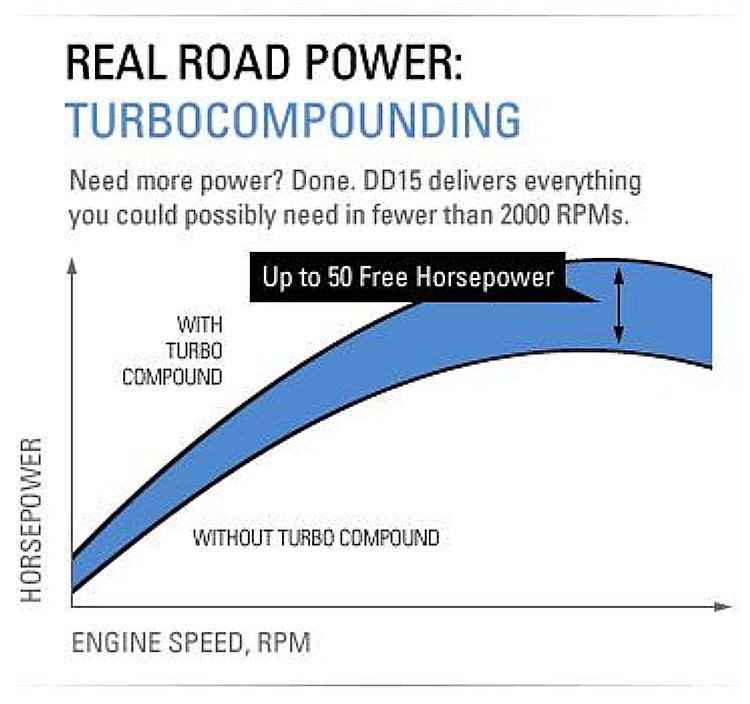
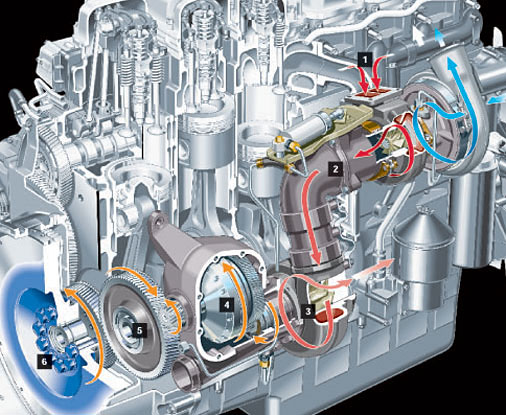
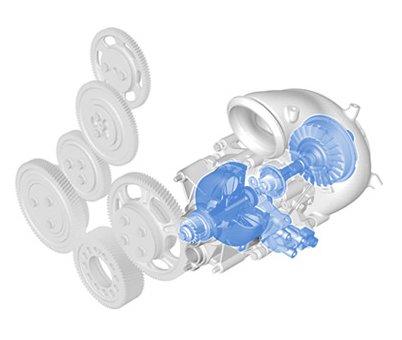
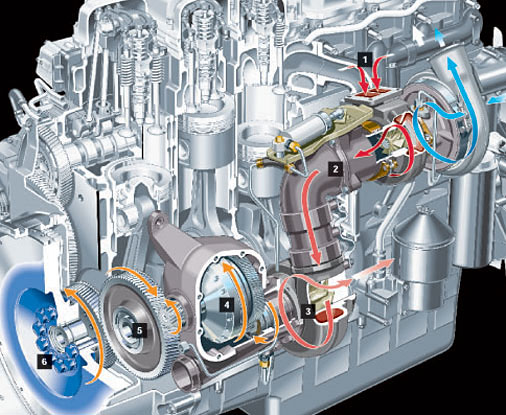
Here are some pictures of what I have so far.
Another possibility is obtain a blow down turbine from an R3350 TC
and connect it to a three rotor. I am saving a 3 rotor for that
possibility. Paul Carey in WA Aus almost did it.
Paul Lamar
Wouldn't it be more simple to use a turbocompound from Scania?
Randolph
Managing Director
heat2power
Excellent idea for testing a 3 rotor turbo compound.
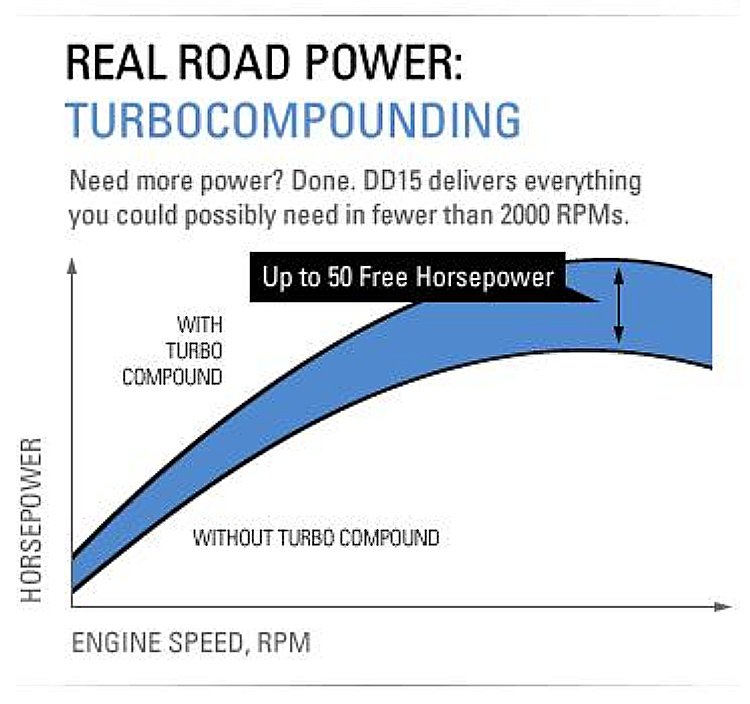
A DD15 TC unit would be a bit more efficient than the Scania.
It is better designed.
There a few problems for flight or production hardware such as weight,
gear box RPM, and exhaust gas temperature but no problem
for testing and proving the concept. The output from the
DD15 TC unit could be connected to a separate dyno.
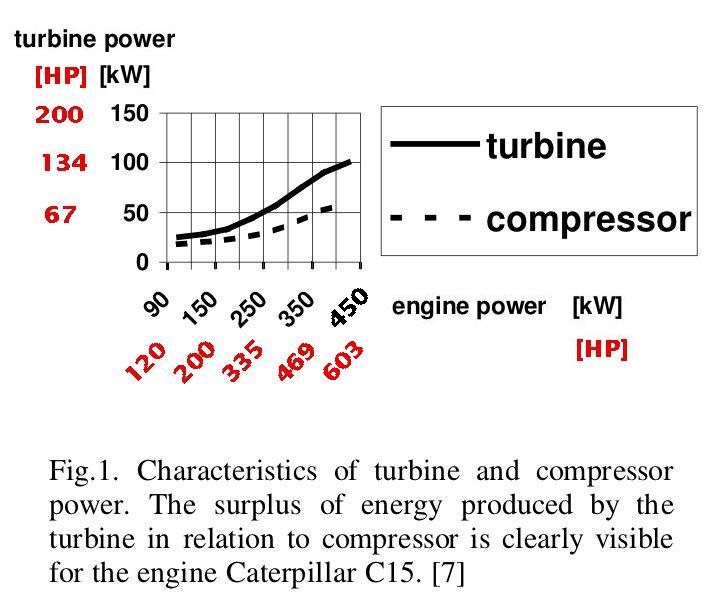
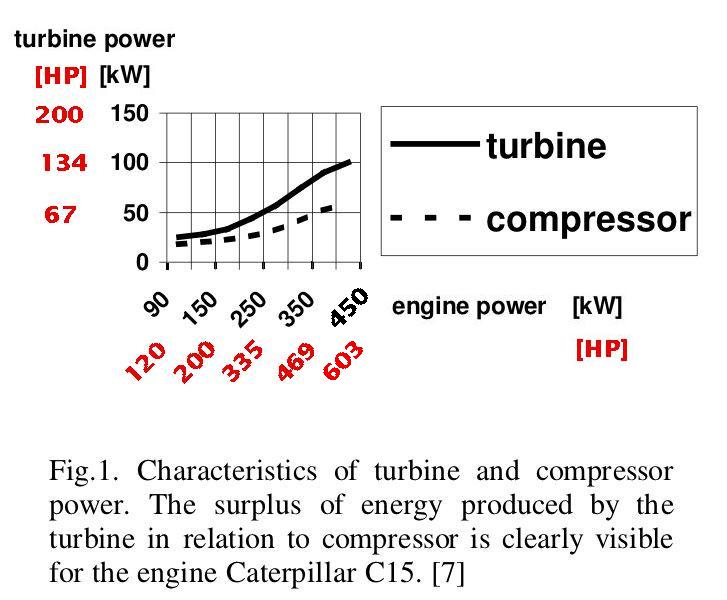
Due to the higher energy in the 3 rotor exhaust the results
obtained would, in theory, be much higher than what is shown here.
Paul Lamar
--
The Rotary Engine NewsLetter. Powered by Linux.
ACRE NL web site.
http://www.rotaryeng.net
Youtube key word UTUBPLEASE
Copyright 1998-2008 All world wide rights reserved.