While I was at the Sebring show today I found the air cam cooling
system to be rather odd but interesting. It's a twin pusher with the
radiators on the top of the wing and a NACA duct feeding from the bottom
of the wing. My question is this a efficient or good way of ducting air
and getting real good cooling results?
Tom/norpro
If I have to use a NACA duct the bottom of the wing is a good place
for it as it is a high pressure area. It all depends on the rad core
size.
Obviously it works for this airplane.
Paul Lamar
Airflow over the aircraft skin creates drag.
Airflow over the surfaces of the radiator creates drag.
If we could find a way to use the skin as a radiator then
could we get rid of the radiator drag?
Jeffrey John Martin
It's been done several times before. The Schneider cup racers used
it. You need so much surface area it rapidly becomes impractical
to cover the entire airplane with a double skin. The early P38's had a
leading
edge double skin used as an intercooler. It was not enough so they
went to conventional intercoolers.
Paul Lamar
One problem is that these radiators are subject to damage. A number of
early aircraft put copper cooling tubes back along the fuselage, and
they would leak because of the flexing of the structure in flight. They
were also dented, dinged and punctured by such stuff as gravel kicked up
while taxiing. The only solution was to make the tubing thicker, thus
heavier.
The next problem was that an ENORMOUS amount of area is needed to cool
this way -- more than in a normal heat exchanger -- because there are
fewer air molecules to transfer the heat into along the exterior
surfaces. A 6-fin radiator, 12" x 12" x 2" thick, has 3456 square
inches of radiating area (not counting holes for tubes), or 288 square
feet! Even if there were no loss of efficiency, imagine the built-in
penalty weight you'd add to the design by making so much of the surface
"wet" . . .and once they boosted horsepower beyond those earliest
engines, there just wasn't enough space, while a hit from a single
bullet would open the cooling system to the outside world.
The ONLY advantages they found in running the cooling system back along
the fuselage were that it would warm the cockpit and it allowed them to
move a significant portion of the FWF weight back, so when
high-performance, liquid-cooled planes came along, they moved stand heat
exchangers to other parts of the plane, putting scoops in the fuselage
(P-51), tail boom (P-38) or high-pressure area under the wing (Spitfire).
In fact, the unique sound which spawned the nickname "Whistling Death"
for the Corsair came from heat exchangers in the wing root which cooled
engine oil.
Keith W
I have to question the math done in converting the total rad fin
cooling area from 3456 sq. in. to 288 sq. ft. Don't we divide sq. in.
by 144 to get sq.ft? I think Keith used a factor of only 12. The real
surface area should be 24 sq. ft., no?? That's not unrealistic to
consider a surface radiator in place of a fin/core rad. Heck, that's
only one side of an 8 ft left wing with a chord of 3 ft.
I, too, have looked at wing surface radiators. Both top and bottom
would be used. Coolant would be pumped thru a 'double skin' arrangement
(AL sheets bonded together with ultrasonic seam and spot welders in a
unique pattern) with a 1/8" gap between. Coolant flowing from the
leading edge back to the center spar, then returned to the engine. With
a normal total wing surface area of about 100 sq. ft, minus 60% (only
using area ahead of the spar) = 40 sq. ft. Double that by using both
top and bottom of the wing. I calculate this to give 80 sq. ft. of
surface cooling area which gives me 11,520 sq. in. Total weight would
be the same as if the metal wing were built using .050 aluminum skins.
Stiff, yes, but too heavy??, not really.
According to Keith's rad dimensions given below, our comparison core/fin
rad would have to be 3.3 times as big (or about 40" x 12" x 2") to equal
the same area. Can I effectively cool the engine with a rad that size
(or a wing that big)? Would it be more efficient not having to deal
with ram air cooling losses?
I don't know the answers. I'm building a prototype right now, crude but
effective. I have also heard it mentioned that heating the air going
over the wing somehow changes the aerodynamic properties, but that's
just shop talk. Heck, if the Schneider racers were able to break 400
MPH using surface radiators, the aerodynamics couldn't have changed all
that much.
Surface radiators don't have to be built with heavy copper tubing. And
a wing design that tolerates flexing will mitigate coolant leaks. The
wing would always be free of ice, but that may not be a consideration
for someone who doesn't fly at altitude or in the winter. (For me it
is, and I just saved some more weight by getting ride of de-icing
boots/heating pads) My biggest concern is the ability to cool the
engine while still on the ground doing runups. Some of those warbirds
would overheat after 7 minutes on the ground, but were talking enormous
Merlin engines, not your average GA engine.
Food for thought, anyone? I'm open to encouragement or ridicule, your
choice.
Greg Fleming
London, Ontario, Canada
A 1 inch thick rad 25" by 25" would be required. Tube spacing is one inch.
25 tubes 25 inches long. 50 square inch per tube or 1250 square inches
for tubes alone. 10 fins per inch so each row is 250 fins.
Double that for surface area or 500 square inches per row for fin area.
12500 square inches for 25 rows fin area. Total area is then 12500 +
1250 or
13750 square inches. 95 square feet.
One problem with skin rads is the boundary layer. As you move away
from the leading edge the boundary layer slows down reducing the heat
transfer rate to the air. This is probably what caught the Lockheed
engineers
out on the P38. Rad fins have little turbulators to get around this to
a certain extent. Also the first half of the rad does 3/4 of the work.
This is why thin rads are better.
Paul Lamar
OK, lets say that the system could be built. (questionable but possible)
What about a bird strike? It should also be mentioned that the Schnider
Cup racers used Fuselage mounted plate radiators. Since the area along
the Fuse was usually turbulent lamalar flow was less of a problem, but
area is since you run out of area sooner. If someone wants to do this
system it would reduce drag a bit, but the cost and complication
compared to a P-51 style scoop with nearly a net 0 cooling drag just
doesn't seem worth it.
Bill Jepson
I agree Bill, but a radiator can take a bird strike with similar
negative consequence. In little airplanes, I'm more concerned about
taking one through the windshield. A coolant leak isn't an
instantaneous loss of power, especially when rotary powered.
Matt-
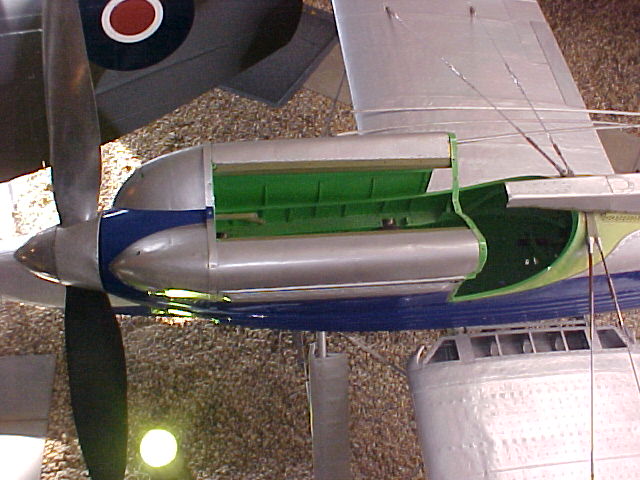
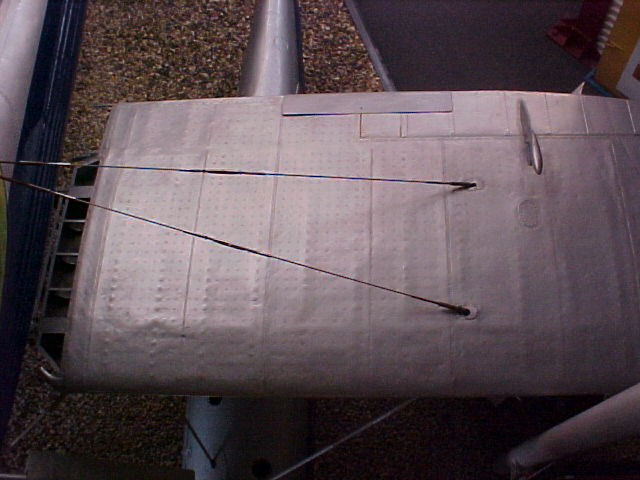
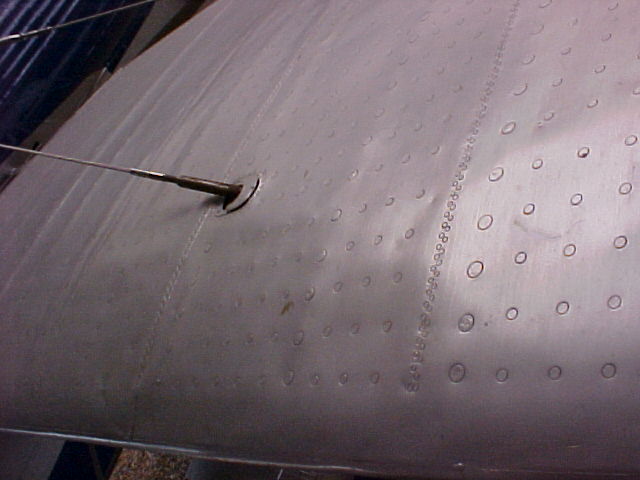
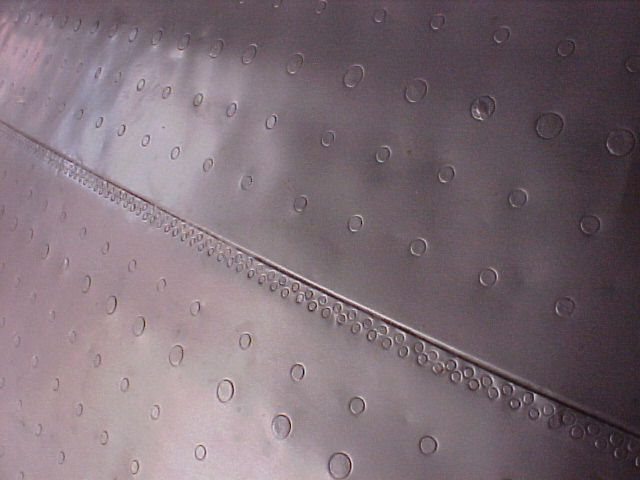
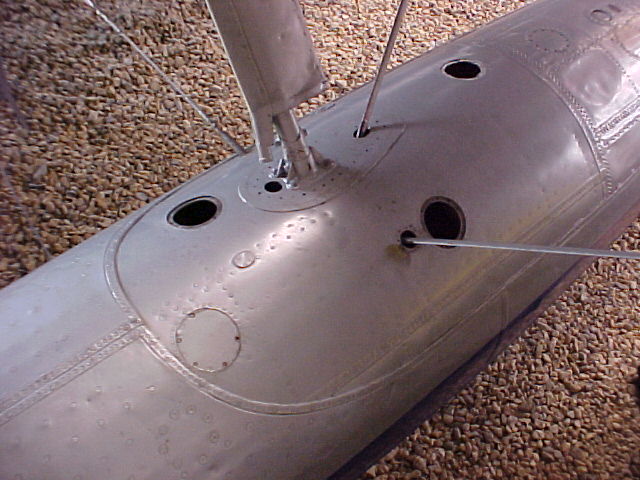
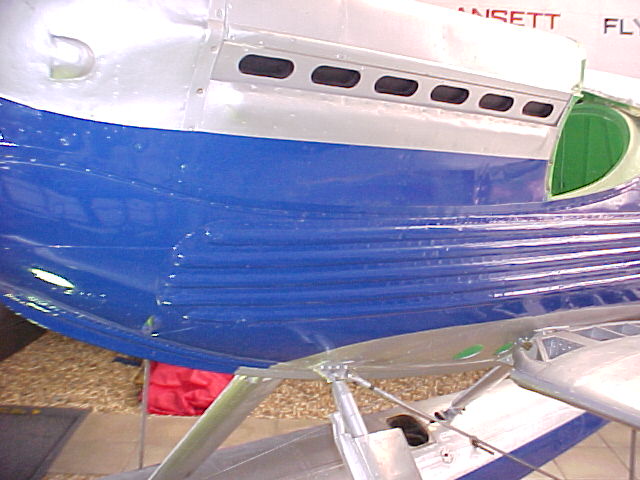
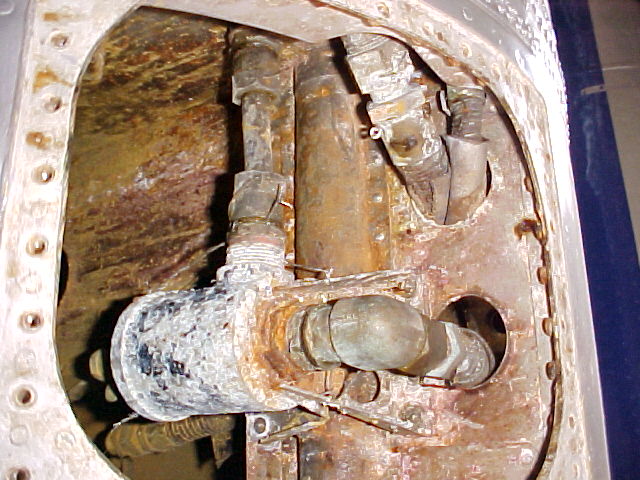
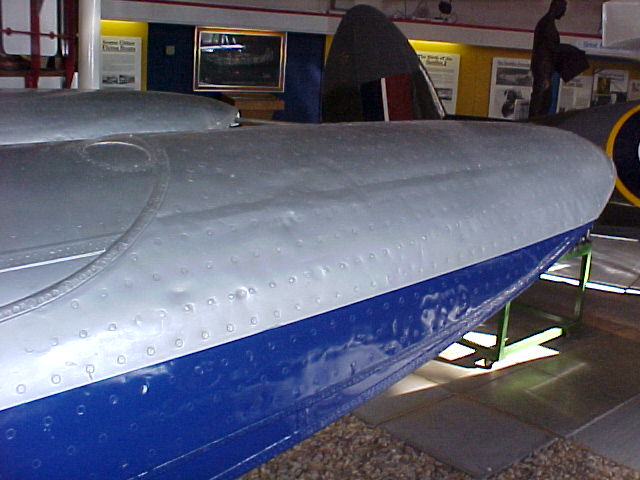
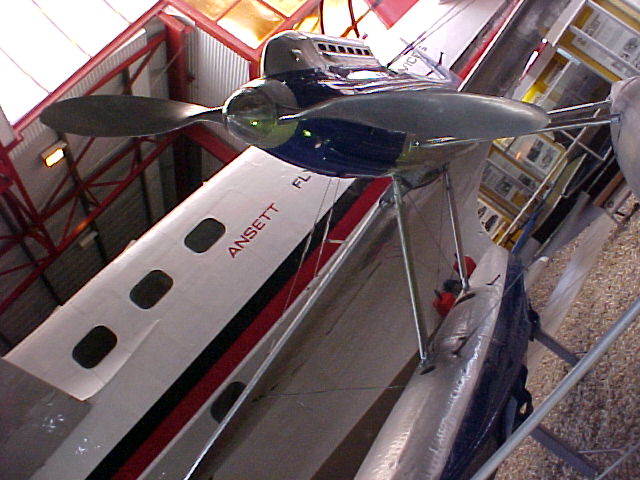
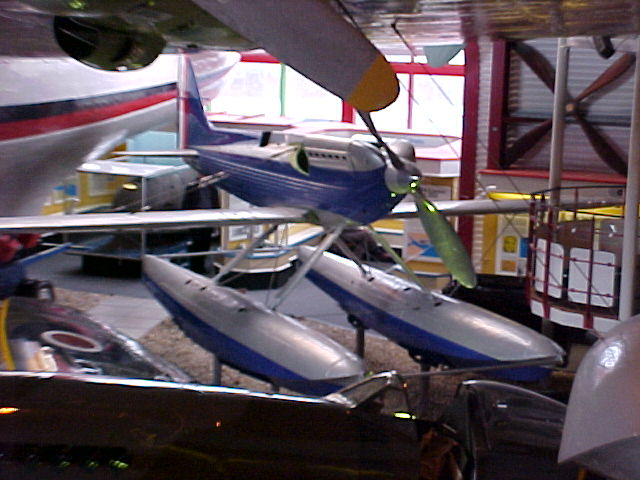
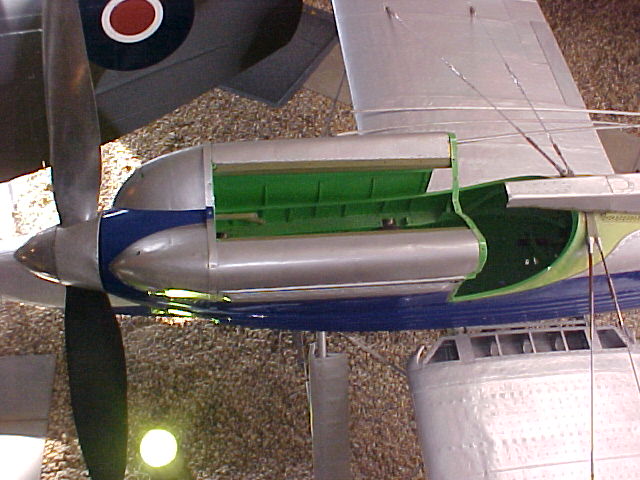
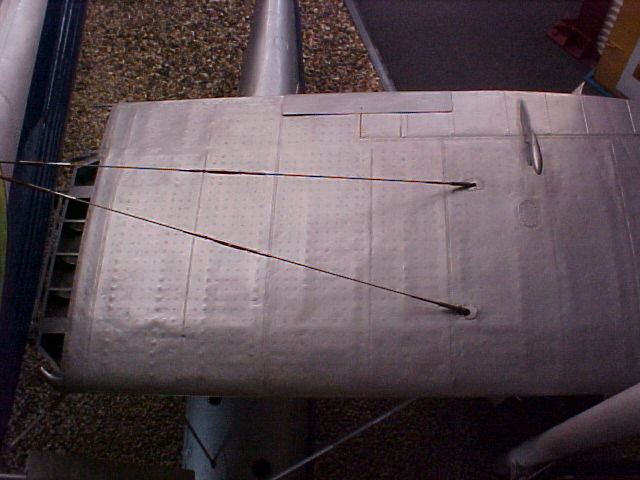
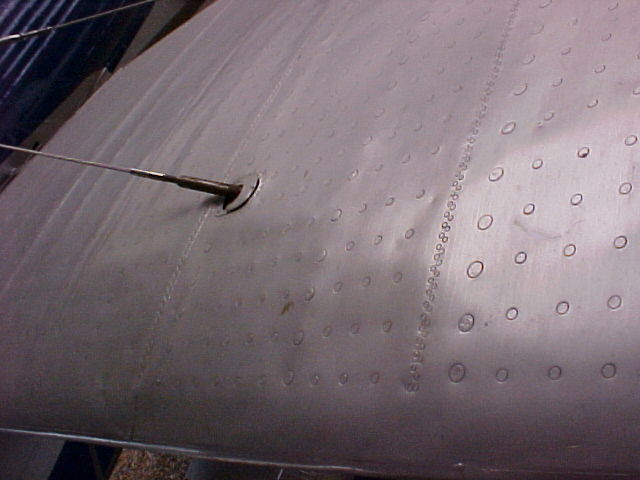
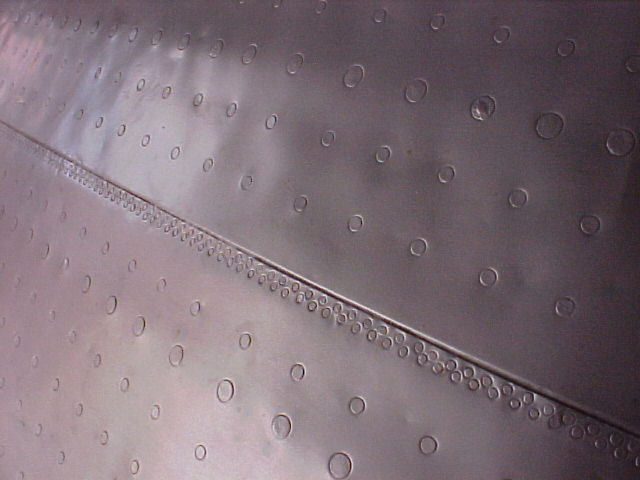
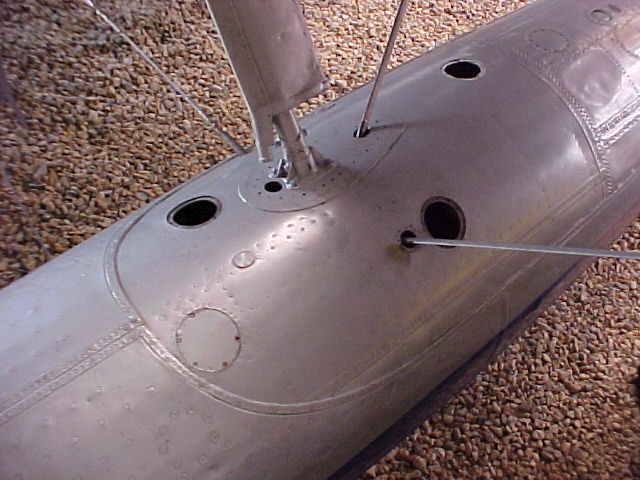
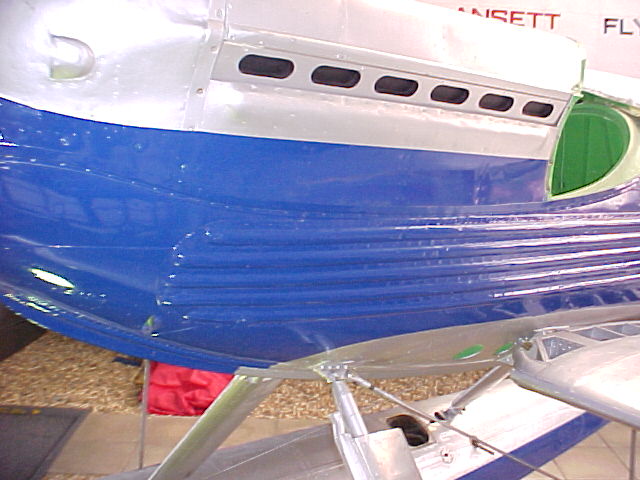
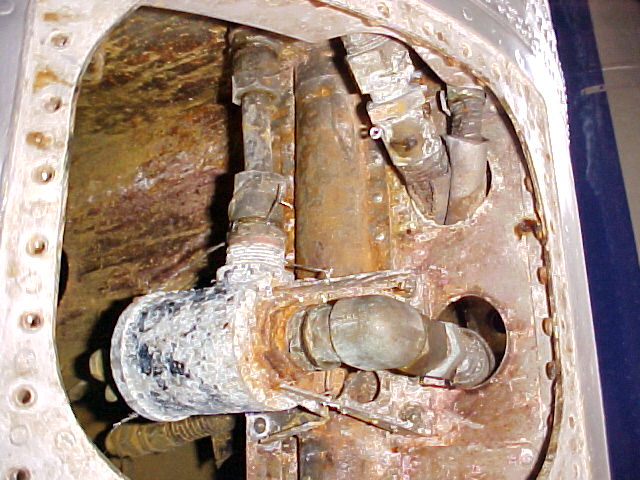
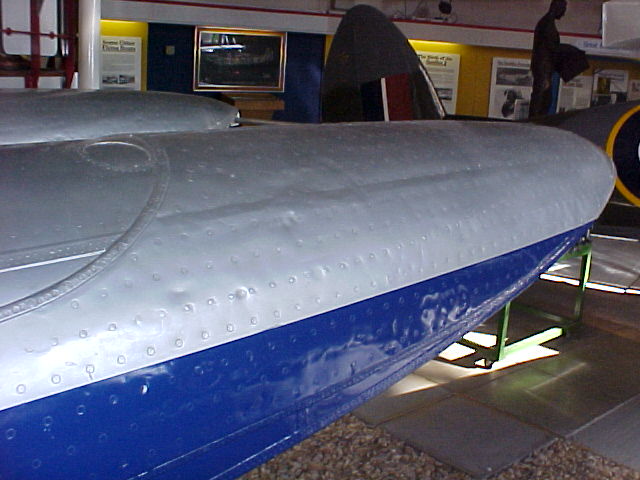
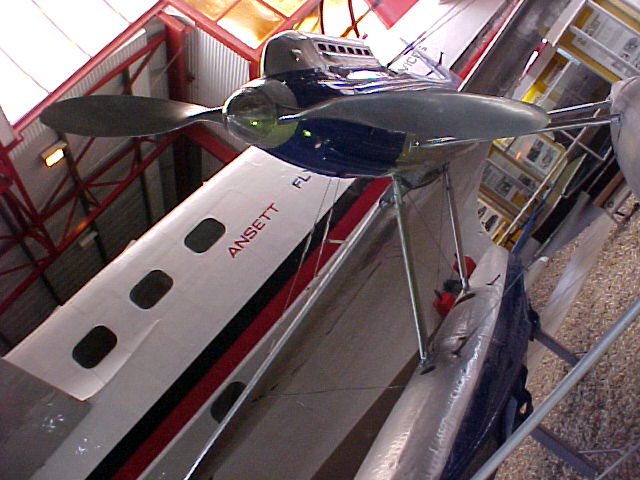
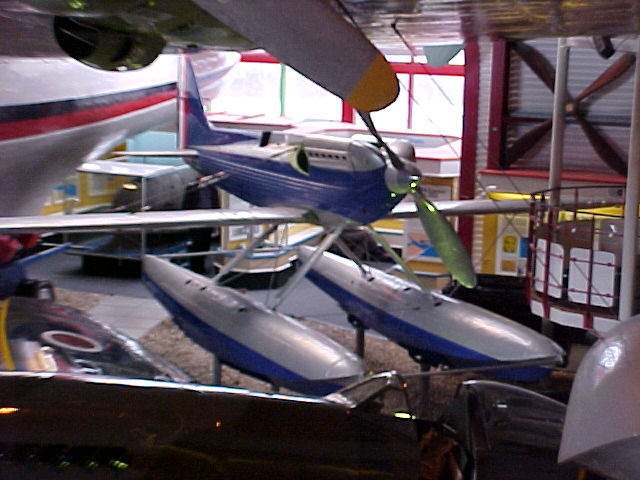
Pictures taken at South Hampton Super Marine museum. Every square inch
is double skin cooling. Man hours no object.
Paul Lamar
--
The Rotary Engine NewsLetter. Powered by Linux.
ACRE NL web site.
http://www.rotaryeng.net
Youtube key word UTUBPLEASE
Copyright 1998-2008 All world wide rights reserved.