On the single rotor we removed the rubber coupling entirely and went
solid mount. All problems that we were experiencing disappeared .All was
good. The more we got use to it we discovered it had one spot as all
rotary gear boxes have is a resonance at 3,000 RPM or somewhere. The
single rotor was at 3,000. You could never get me to run a gear
reduction on a rotary engine.
We have gone back to a belt drive and 1.9 ratio with the best results.
Skip Gorman
Many people have many hours on gear reductions on two rotor engines.
No problem if you somehow mitigate the torque pulses.
The one rotor torque pulse goes negative so a solid or stiff drive is like
using
a jack hammer on the gear teeth. The best thing to use is a fluid coupling.
The problem with that is the size and weight. A rubber coupling is the next
best thing but it must be designed correctly taking into consideration the
resonant frequencies involved. One needs to understand the principles
involved in order to design or choose a coupling properly.
If one does not use a gear box on any small displacement engine one will
never get the required power to weight ratio. There is no replacement
for displacement on a direct drive light aircraft engine. That is because
a prop needs to be about 5 feet in diameter or more to be efficient
AND the tip speed needs to be less than supersonic. That limits the
prop RPM to below 3000 RPM more or less.
On the other hand gear boxes were used on all world war two piston aircraft
engines over 1000 cubic inches and that includes the very large corn cob
engines like the R4360.
A small rotary engine like the Rotamax needs to rev to 6000 RPM or well
above to obtain a reasonable power to weight ratio. Preferably about 7500
RPM for take off. A 1.9 ratio with a 6000 RPM engine would mean the prop
is rotating about 3200 RPM. Not a good thing for a small 100 HP airplane.
The smaller the airplane with low power to weight ratio need a larger prop
turning more slowly for good take off and climb out results.
This situation is what slowed the acceptance of the Rotamax engine in
the first place as most pilots are fully aware of these facts.
The belt does absolutely nothing to change the peak torque
pulse of any rotary or piston engine. They are still there.
The dotted line in the attached chart is the severe torque pulse
from a one rotor engine.
If the belt is working it is doing the same thing as a properly
designed rubber coupling.
Since you did not have over 100 hours on the engine you had no idea
if the gear teeth would take the jack hammer loads impressed on the
gear box teeth without a rubber coupling. It might seem like that
as the gear box will work for awhile. If the rubber
coupling was removed that could have caused the gear teeth to fail
in the Saddler Vampire that crashed if that engine/gear box combo was
the same one tested without the rubber coupling. The gear teeth
could have been cracked or damaged causing a loss of thrust
when they failed.
We changed the rubber coupling in the Higher Class Aviation two
rotor Rotamax engine from 60 durometer to 50 durometer.
That dropped the idle several hundred RPM. That was the softest rubber
coupling we could get from that company. To use a softer coupling to
get the idle much lower would mean a redesign of the entire coupling
system along the lines of Tracy Crook's highly successful rubber coupling.
The gear box ratio was too low so the takeoff performance of the
engine/aircraft combo was unacceptable. The Rotamax 2 rotor engine could
not rev up to its max HP potential. The geared Rotax 912
version of the same aircraft had much better performance.
As far as I could tell Rotamax had no engineers on staff that
understood aircraft engines let alone rotary aircraft engines.
It is a real shame as we had high hopes for the Rotamax engine.
It looked good on paper at first but management basically screwed
it up. Of course they set out with charge cooling which
is not easy to make work. Wankel Gmbh themselves
finally concluded it was necessary to water cool the e-shaft
to make charge cooling work.
Perhaps if they go into bankruptcy someone will buy the assets
and hire some competent engineers. Rotary engines are harder
to design than they look.
Paul Lamar
Being one of the only guys to successfully fly the Rotamax engine I feel I
should say some things. I was one of those stubborn guys that did not
totally listen to Skip along the way. I went and spent the weekend with
Skip a couple of weeks ago and we watched some video I had and really talked
about the whole project and could totally identify a lot of the problems we
encountered along the way. If you are willing to JUMP out of the box you
can accomplish great things. The things I learned from Skip were more
insightful about props, HP, Torque. I challenge any Engineer to prove his
concepts wrong. Not on a piece of paper but in the air. I know I am being
very vague but Skip will come out in the future as a true revolutionary
rotor head. I must say that in the heat of the moment I was so upset with
the company Rotamax that I took my eye off of the motor and turned my ears
off to what Skip was trying to tell me.
As far as the rubber doughnut I did change the stock one after Paul
came down and I did have more success. The cooling was better then I
remember after watching the video with Skip. I did not have a clear head
when it was all happening. I do feel like I would have had much more
success if we could have stuck it out. Officially Higher Class Aviation
will not do any more testing on new engines it cost my little company to
much money. Off the record I will test and fly any configuration of any
engine Skip Gorman tells me is ready to go.
Robert Gaither
Higher Class Aviation
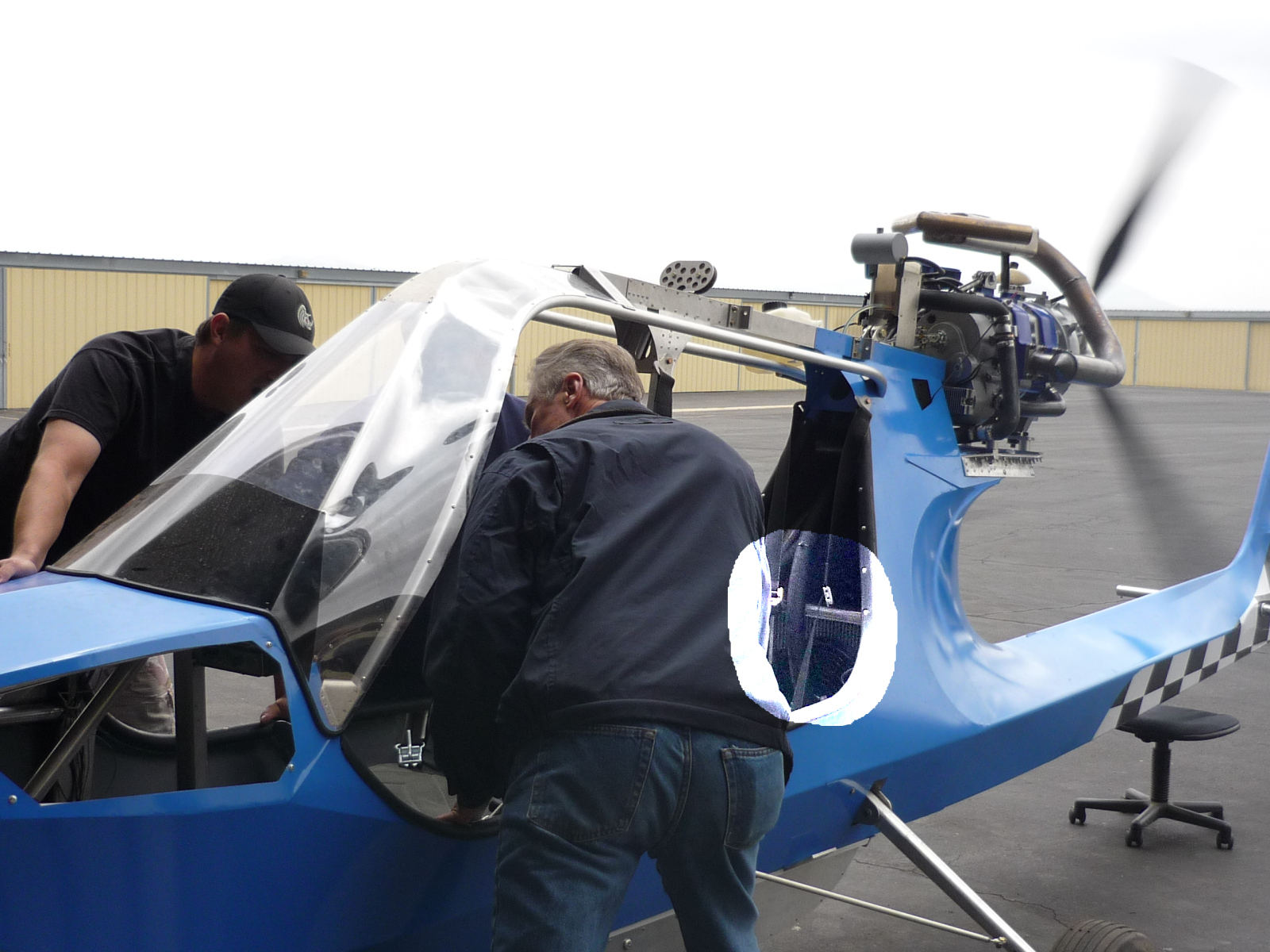
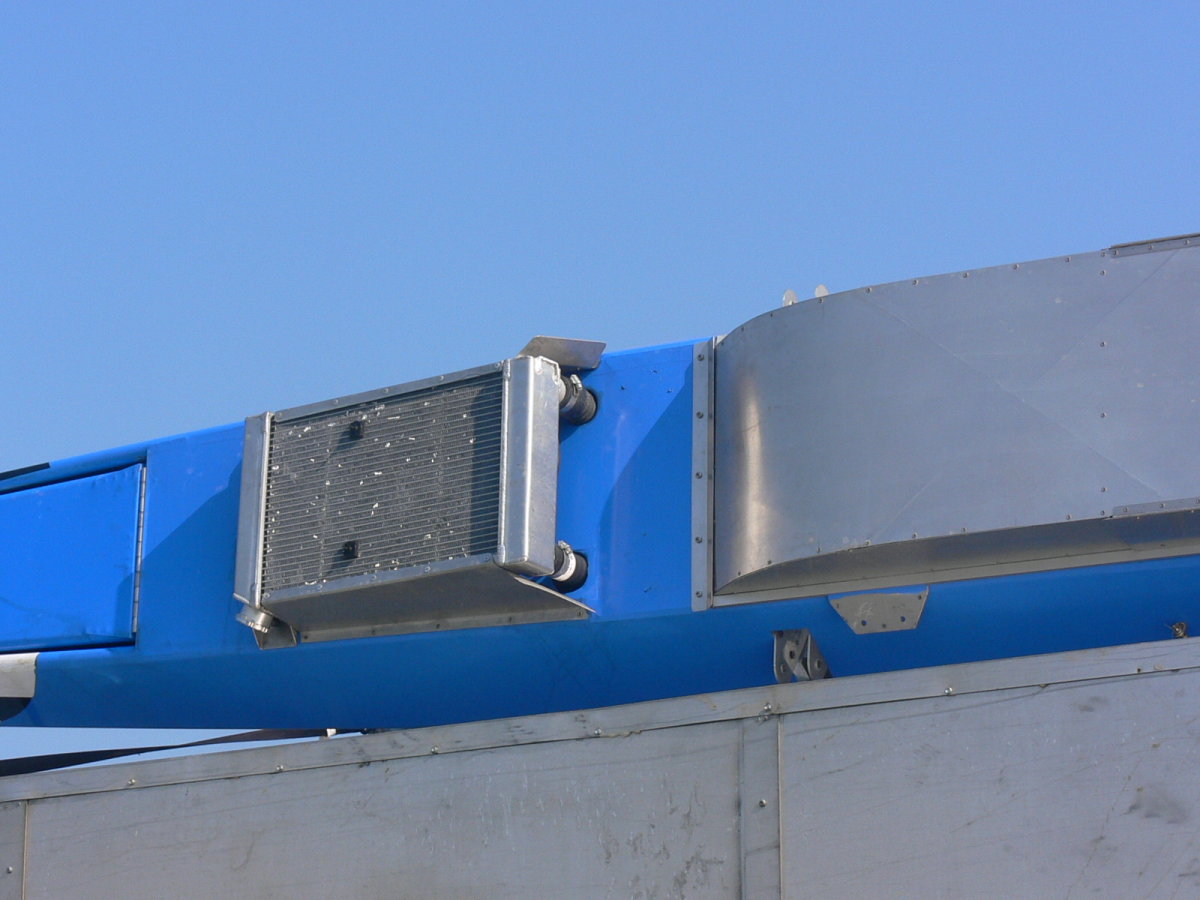
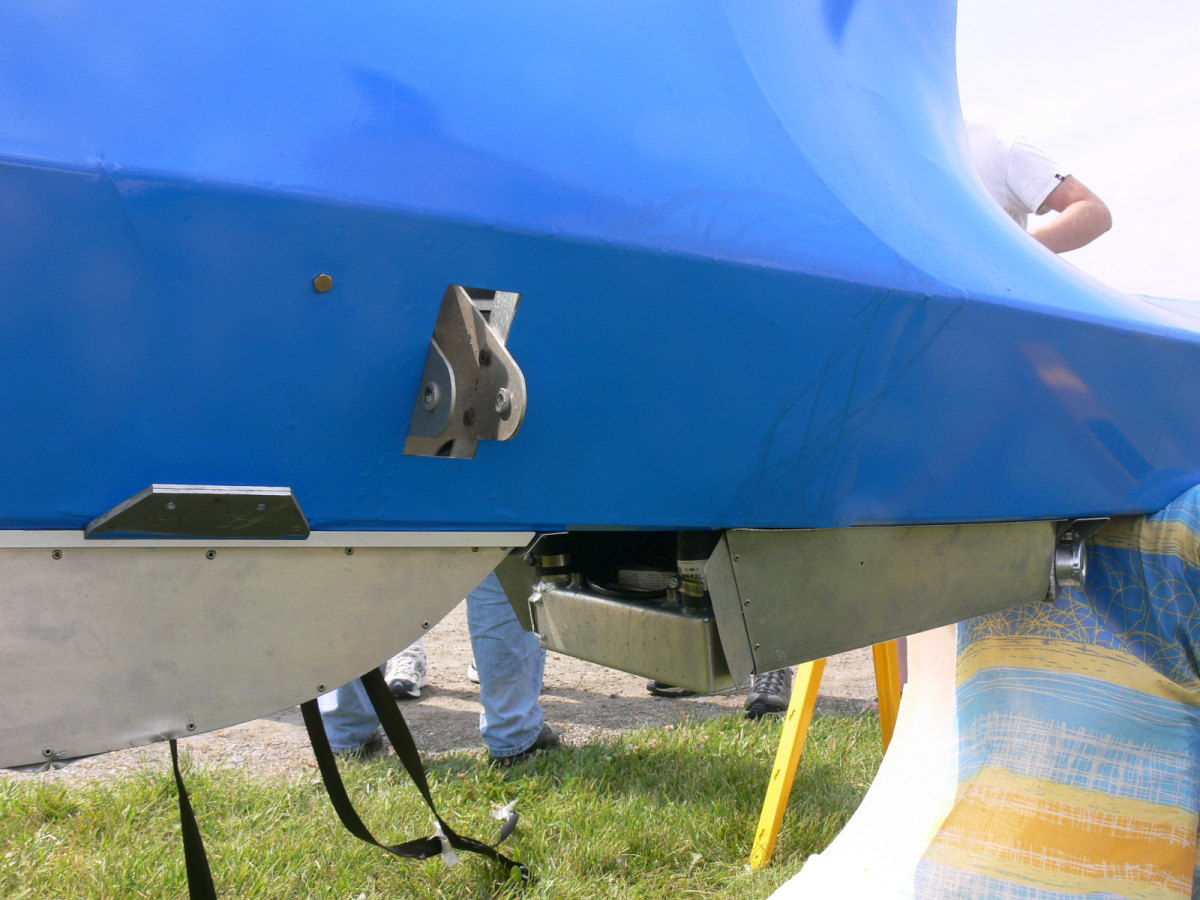
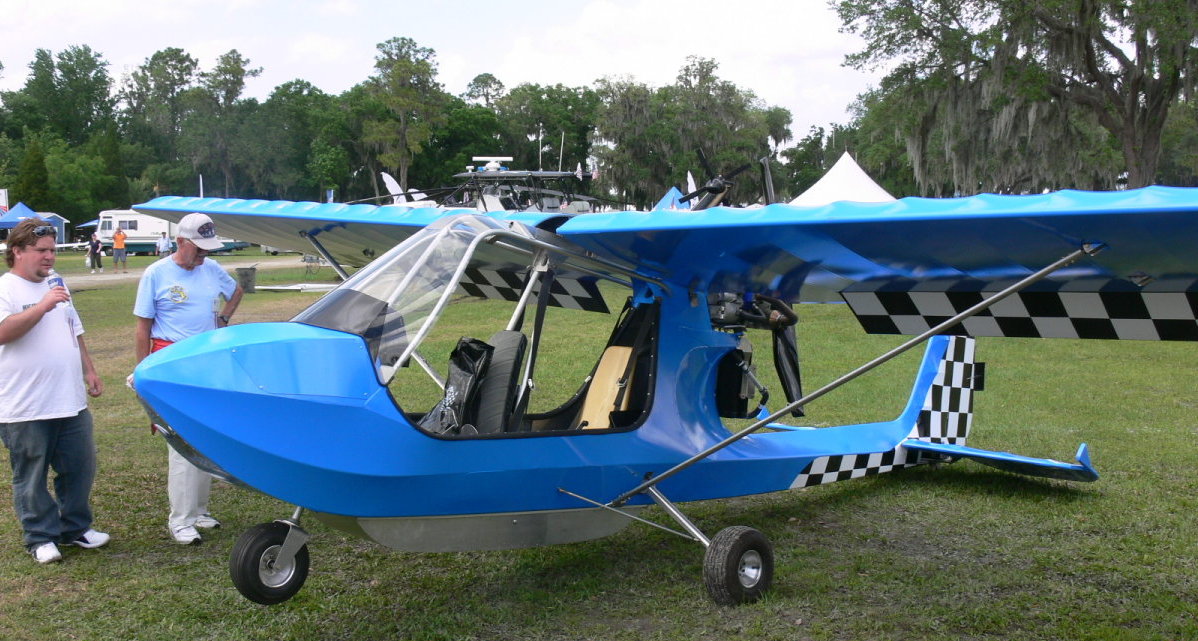
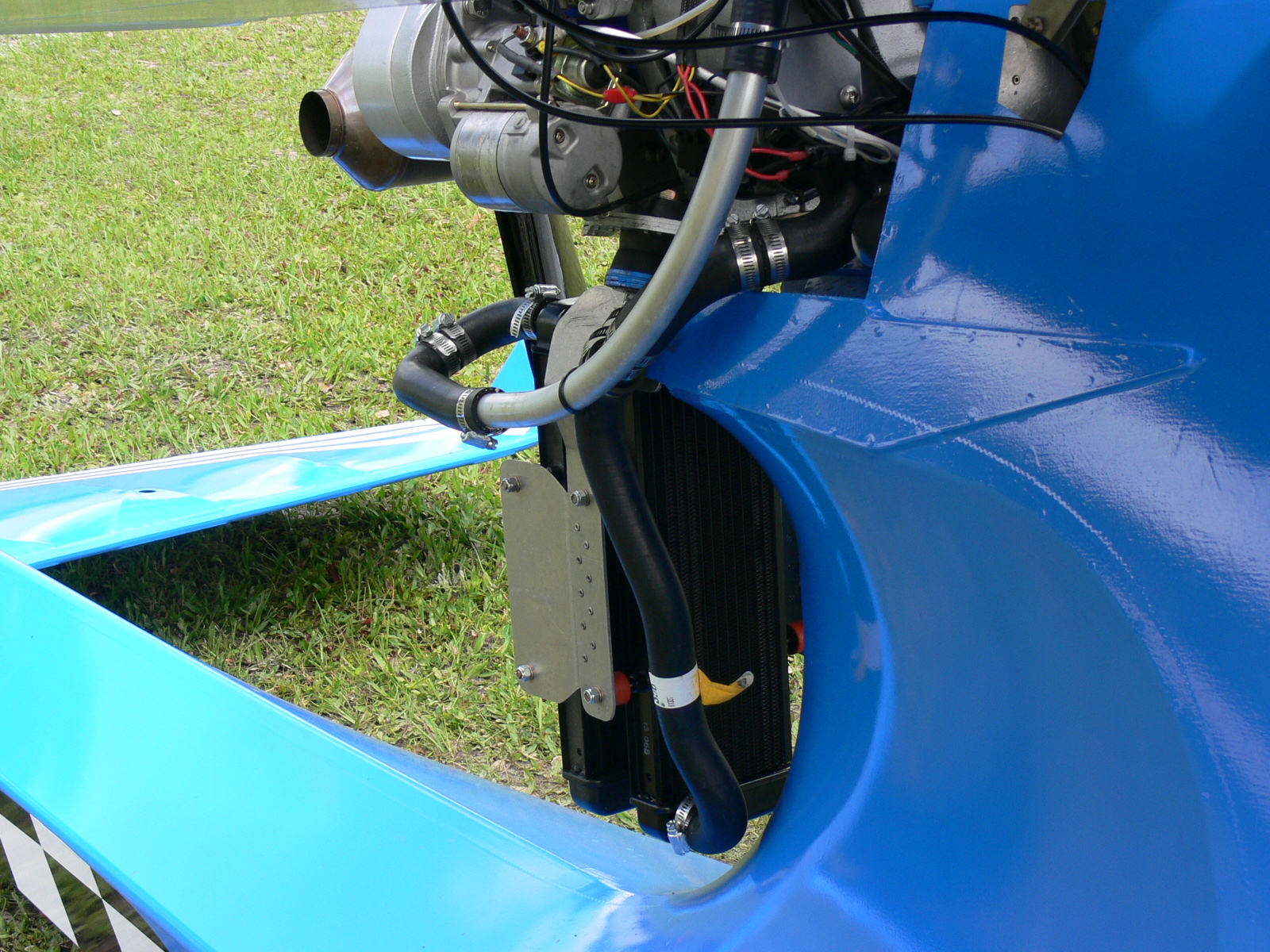
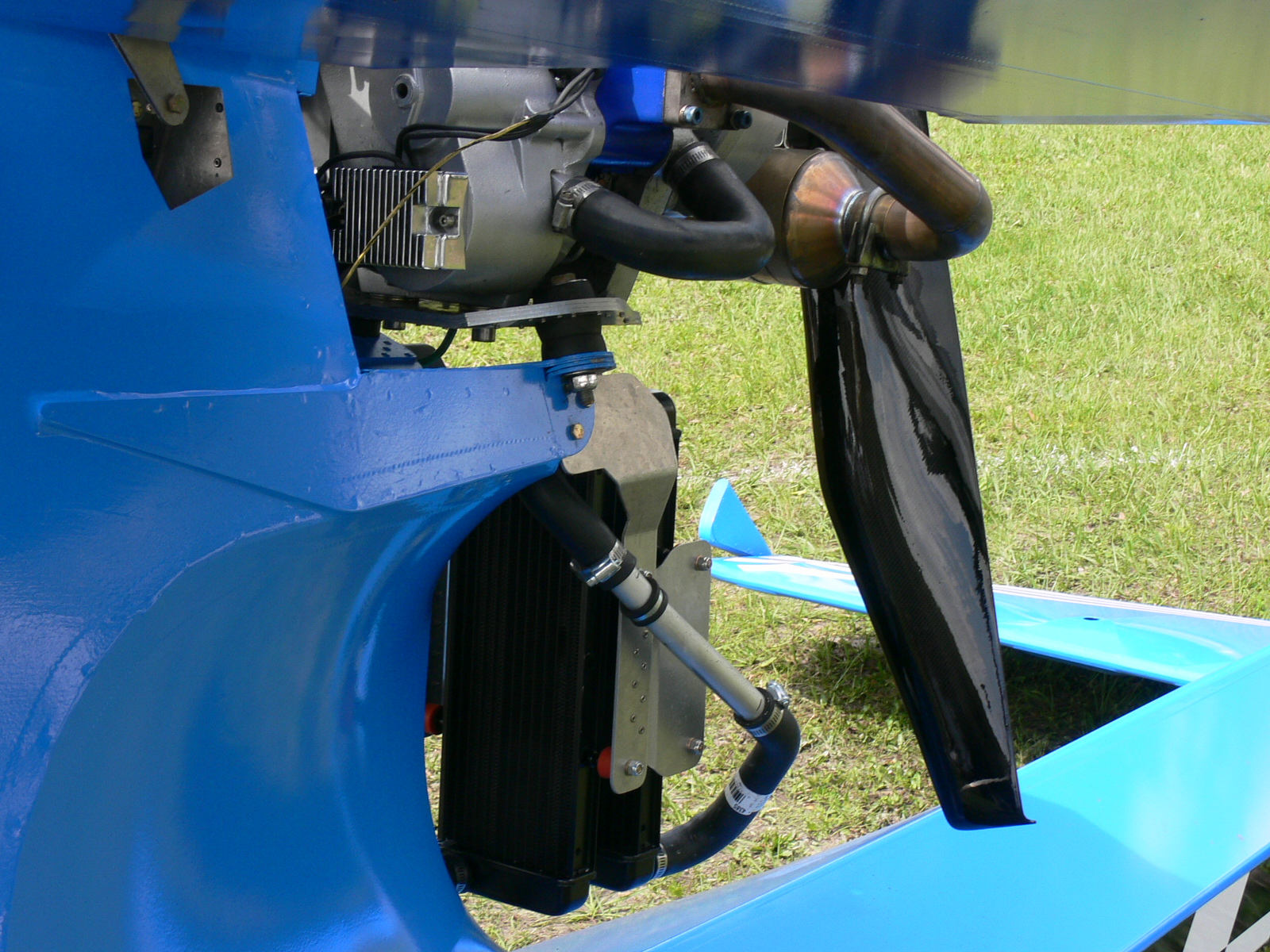
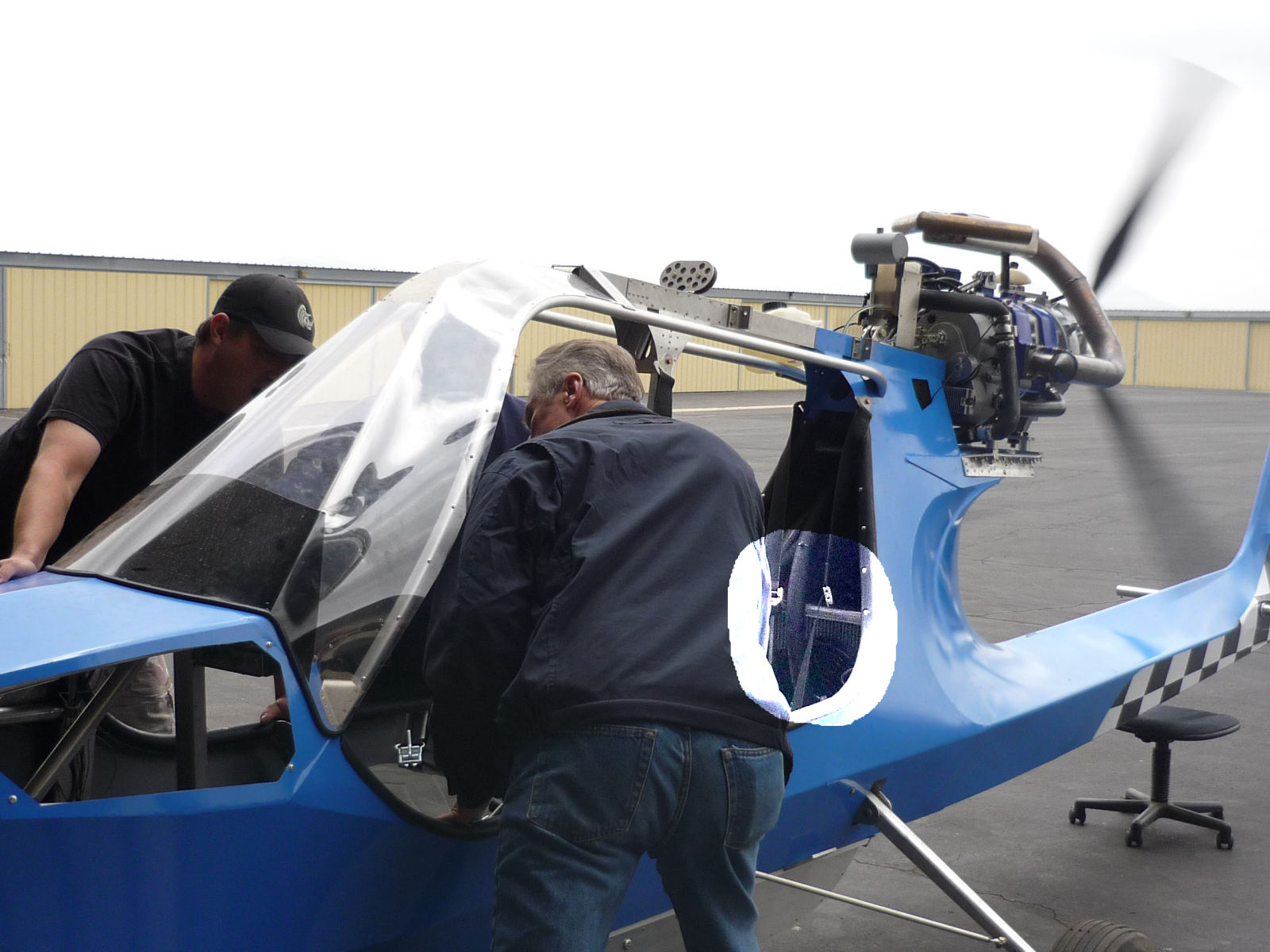
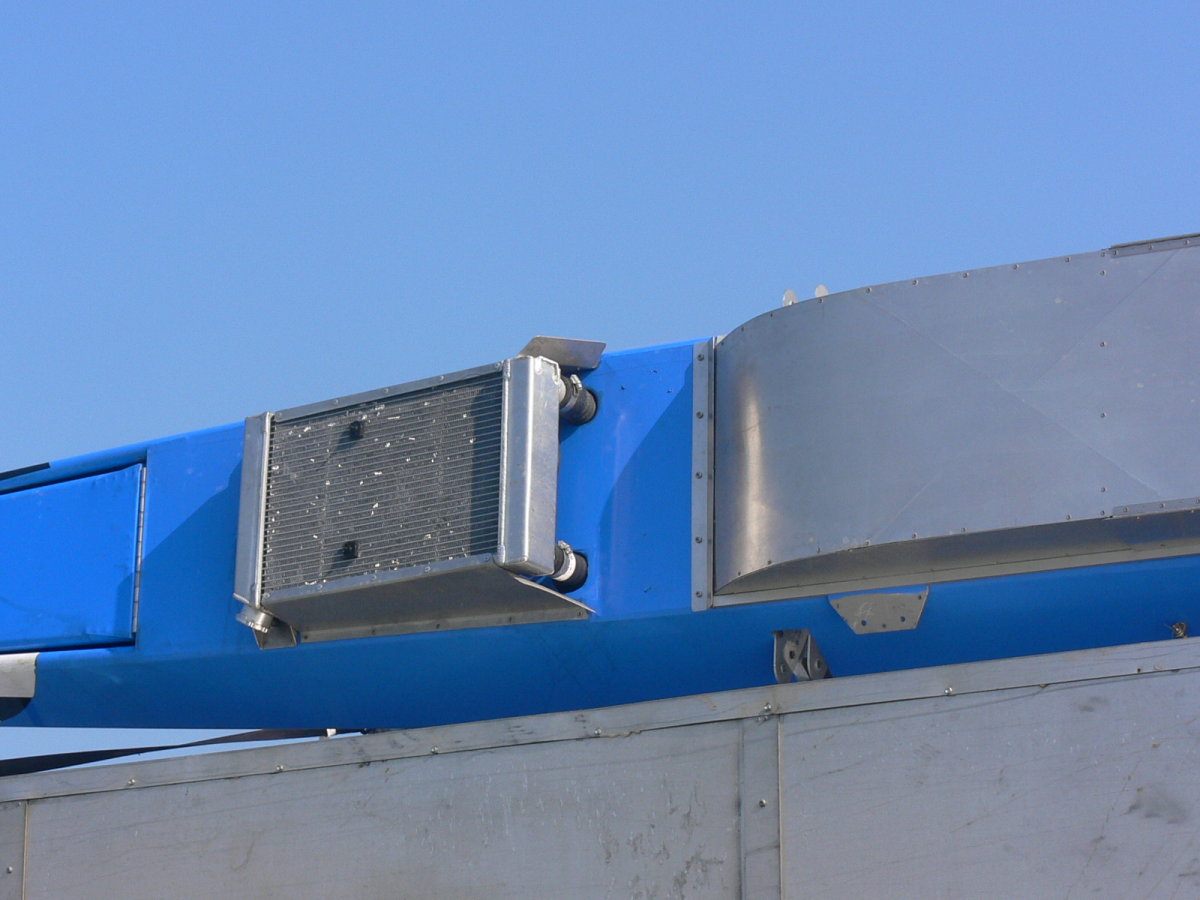
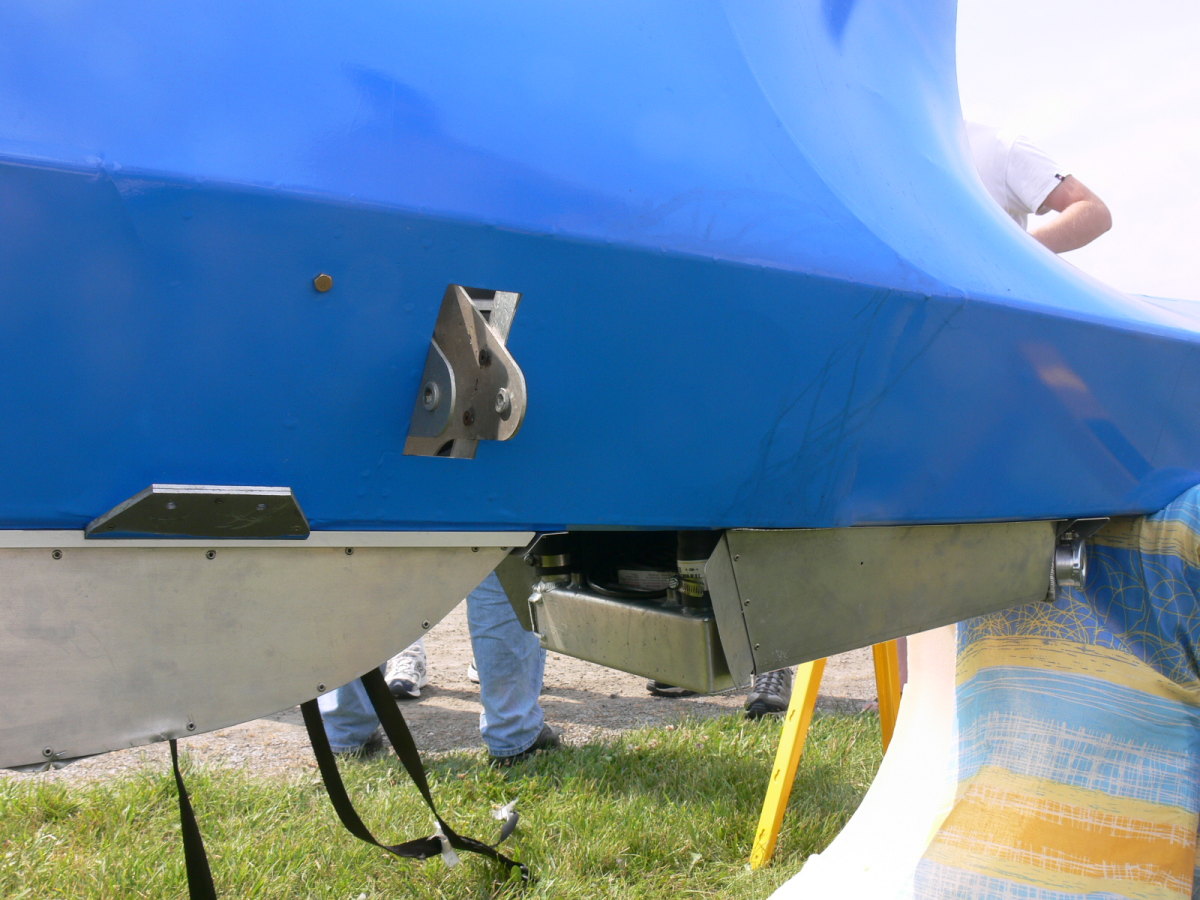
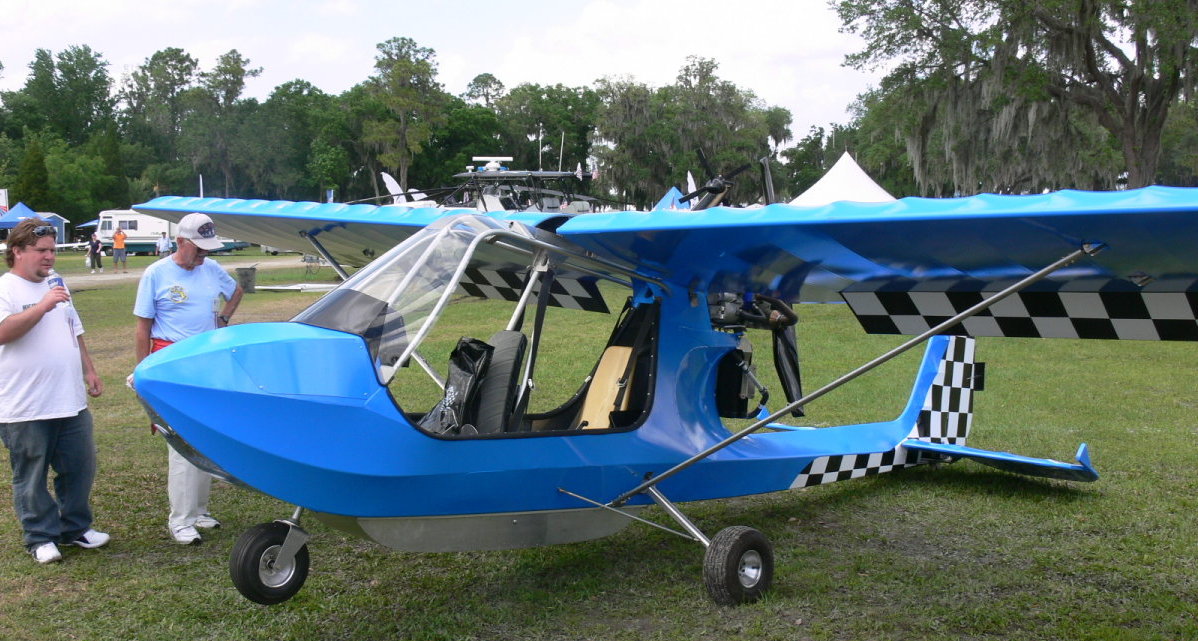
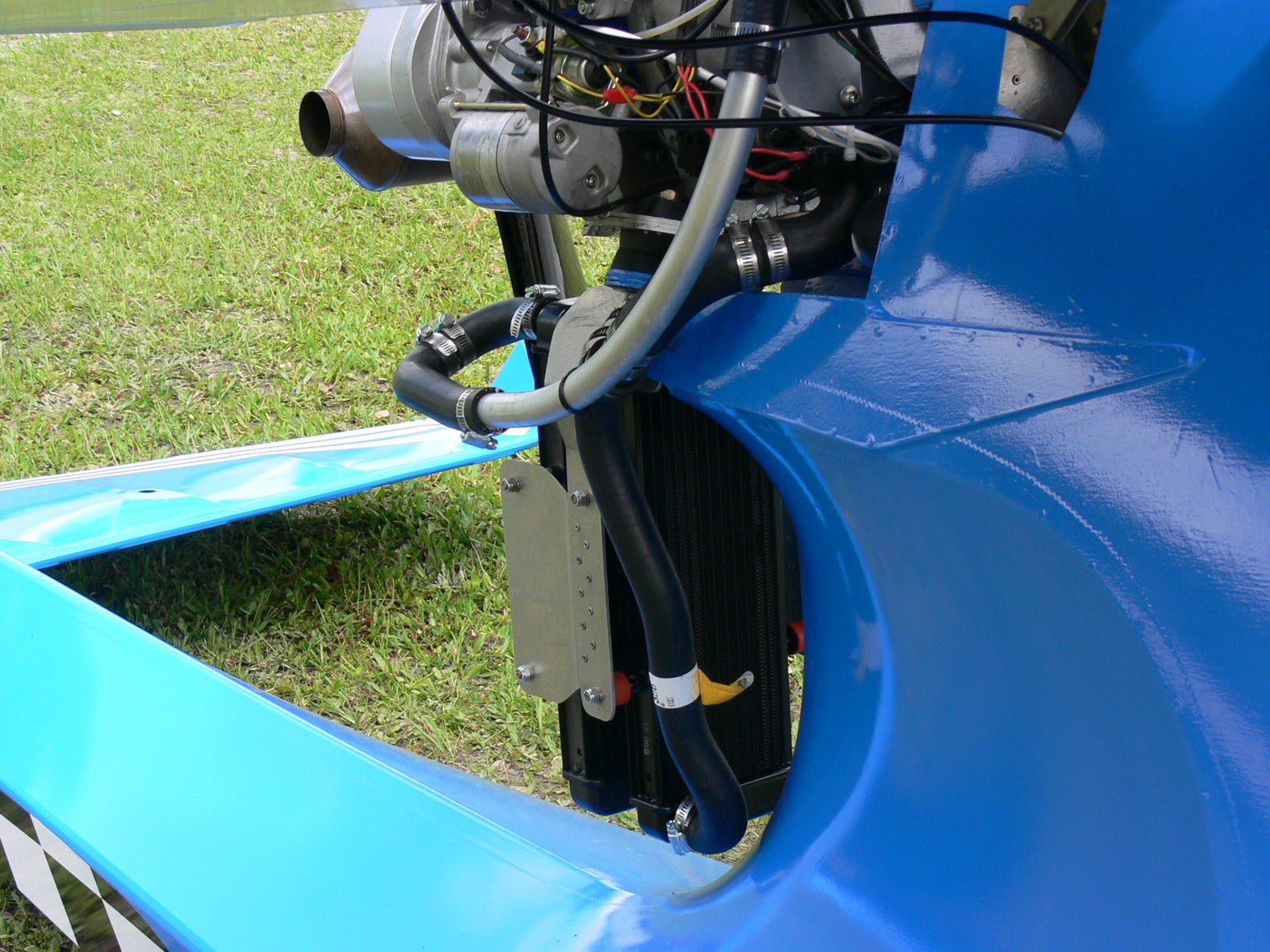
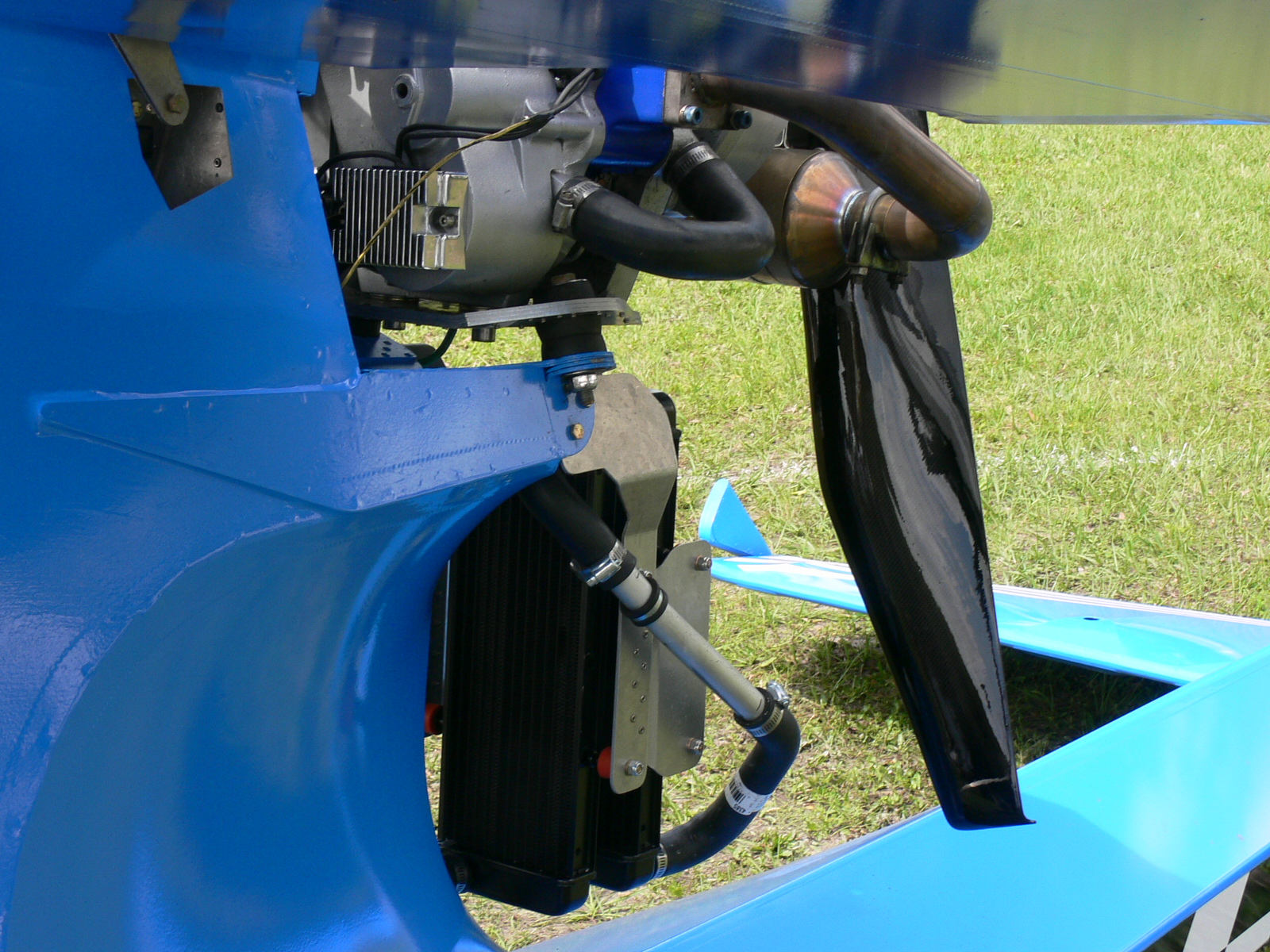
A comment on the cooling. When I first saw the Hornet at Sun n Fun the
rads were in front of the prop. Not bad for cooling. Several weeks later
I drove down to Ramona CA the home of Higher Class Aviation and the rad
was behind the back seat. That was not going to work. No scoop and no exit
path. I suggested to Robert he mount the rad under the fuse using the
Kays & London wedge diffuser. By the time OSH rolled around the work was
done and I asked Robert how it cooled. As I recalled he said it was OK.
Here are the picture. I don't have a really good picture of the rads in
the back seat at Ramona so I enhanced the only view I had while the engine
was running up tied down. I did everything I could to help make Rotamax a
success including stopping off at the factory in Ohio before 2008 OSH.
Paul Lamar
--
The Rotary Engine NewsLetter. Powered by Linux.
ACRE NL web site.
http://www.rotaryeng.net
Youtube key word UTUBPLEASE
Copyright 1998-2008 All world wide rights reserved.