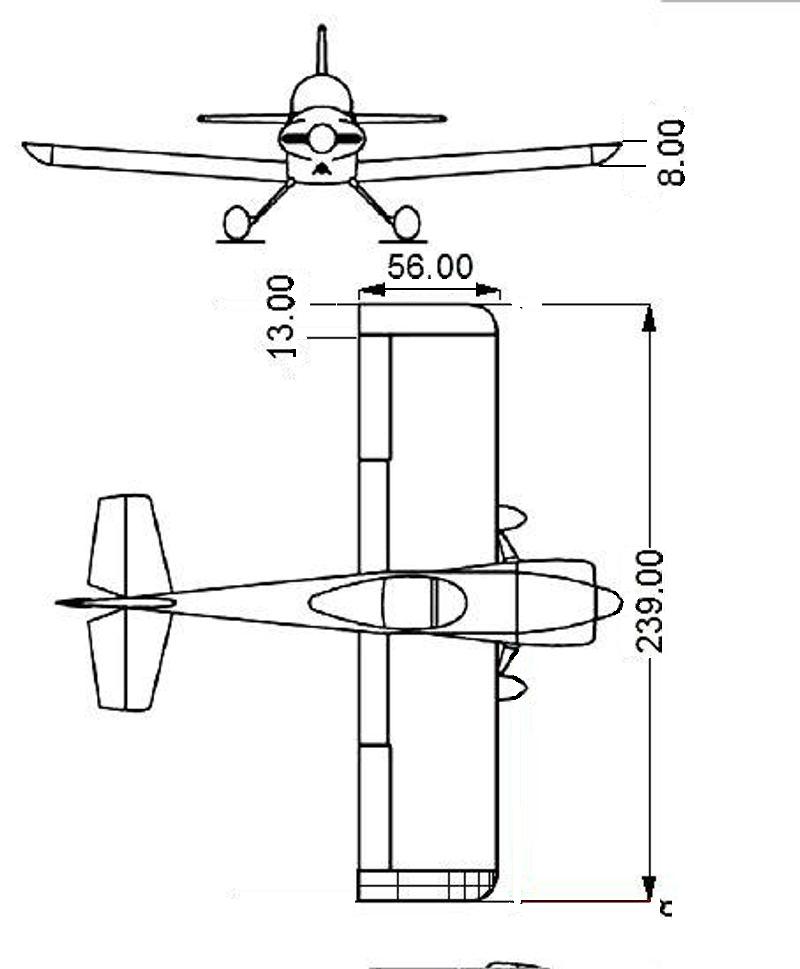
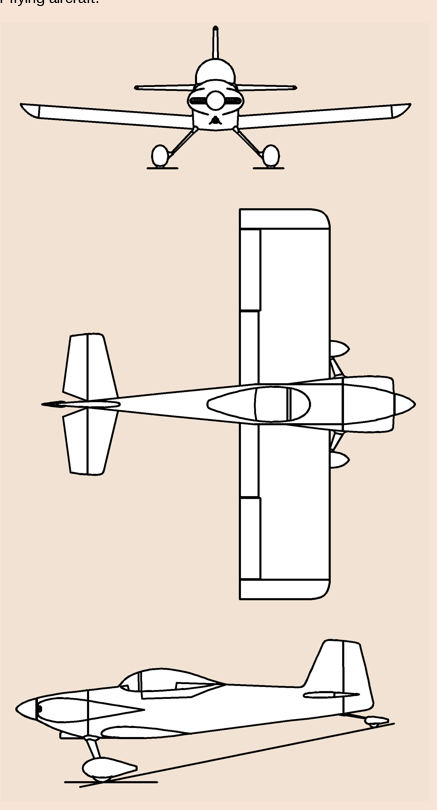
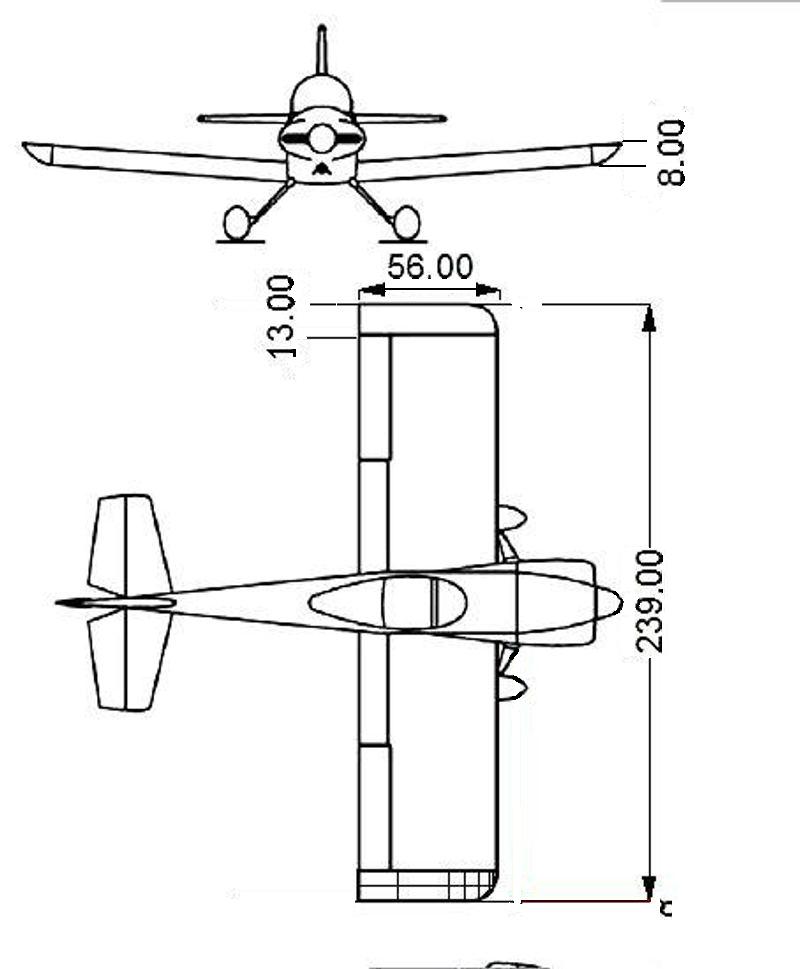
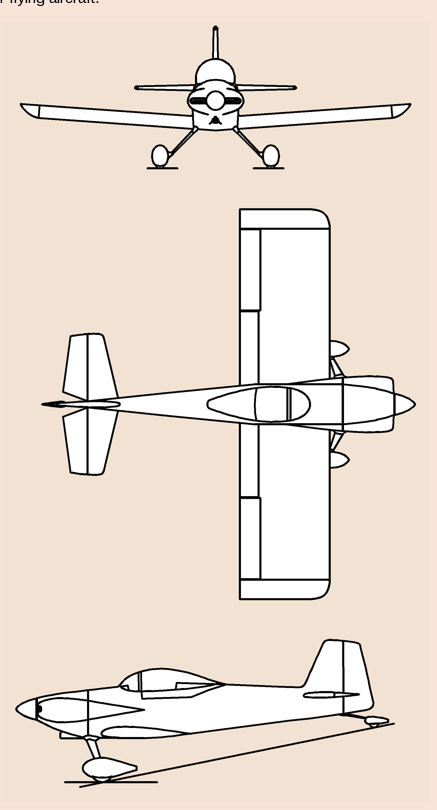
An RV3 (RV4?) powered by a early Power Sport P-port engine, fixed pitch
prop
and a bit of NOS holds the unofficial worlds record time to climb to3000
feet
from a dead stop on the runway in under one minute as I recall. Perhaps
Steve
Beckham can expand on this.
Paul Lamar
Paul, regarding the discussion of Powersport performance numbers, you
asked for information regarding our 1997 Sun'n Fun numbers with theRV-3.
Jack Cox, former editor of Sport Aviation, provided the enclosed report
he wrote for the August 1997 Sport Aviation issue. Â It covers both the
time-to-climb qualifying and the cross country race with the Mazda
conversion prototype we took out of my RV-4and put in Alan's RV-3 for
these races.
Page 8 starts coverage of the Shell 3D Speed Dash (time-to-climb races).
Jack notes in his report we had top qualifying time for the Unlimited
Class using a fixed pitch wood prop and a fairly modest shot of nitrous.
As Jack notes in the report, qualifying times were not posted for
Unlimiteds.
Qualifying was to 2,000 ft.and the race to 3,280 (1,000 meters).
This shows the RV-3 posted top qualifying time for the Unlimited Class.
Jack's report lists the slower "Medallion" class op qualifier had a time
of 48.25 seconds to 2,000. Â The next day in the finals, Bruce won in
Pushy
with a 49.53 to 3,280, so folks said that could have put our time asbest
Unlimited qualifier to 2,000 ft. in the 30's. Â Just don't know.
Jack notes the heartbreak of not being able to compete in the Unlimited
finals. Â That happened because the day following time-to-climb
qualifying
Alan took the class win in the Sun 100 cross country race normally
aspirated
but at end toasted a bearing in the prototype reduction gear. Â See page
7.
As I remember, Alan was following somebody who wandered off course for a
while and this lowered our average speed to 228. Frustrating not to be
able to run in the time-to-climb finals. Â Based on qualifying it sure
looked like we had them covered that year. Â After Sun'n Fun, the engine
came back out of the RV-3 and after improvements to the design of the
the reduction gear and put the package back in the RV-4 where it was
when Everett was killed doing aerobatics a short time later in October.
Steve Beckham
Thanks Steve. The pdf at 5 meg was too big so I captured
the best parts.
Paul Lamar
I still think time to climb competitions hold interesting promise for
spectators.I'd structure it as "The Vertical Quarter Mile" - racing
to 1320ft AGL.People could see the airplanes for the entire run, and
it would be safer than pylon racing.It would be exciting because you
know people would break engines..Rotary powered airplanes would win.
Matt-
It is primarily a HP to weight ratio contest. Top speed is a drag
reduction contest :)
Paul Lamar
Matt, you are correct about keeping the finish line at a low level for
time-to-climb.As Jack notes in his report, after a point, they just
disappear otherwise.2000 ft. would be plenty and 1500 better yet for
spectators.As a postscript to the Sun'n Fun report, I have the engine
mount and nitrous nozzles we built as part of the package for Alan's RV-3.
Have both installed in the new RV-3 under construction out in the shopwith
an engine/reduction gear which is basically a clone of the one we ran back
in '97 @ Sun'n Fun.
Steve Beckham
Please put big tanks in it Steve so you can run the EAA 500 mile
races flat out. 220 HP at .5 BSFC is 110 pounds of fuel per hour
or 17.6 gallons an hour. 500 miles at 220 mph is 2.3 hours or
40 gallons. 20% more at .6 BSFC running it rich. How much
can you get in the wings?
Paul Lamar
Paul, the RV-3 wing tanks hold only 15 gal per side for 30 gal total, so it
will take aux tank(s) to get to 40 gal.The simplest would be to make and
fit a tankin the baggage compartment which is right behind the seat.Will
have to see if the cg numbers work when a 10 gal rear aux tank would be
full. At least one of the two batteries was tentatively going back there and
that is where the two nitrous tanks were installed in the first -3 for climb
work. If cg works, could have fitments for both nitrous tanks and aux fuel
tank in same area--removing one or the other.Nitrous intended only for
climb work..
Don't relish the thought of an aux tank behind me in an off
field landing.Another option could be to make tanks out of the fiberglas
wing tips and use the dihedral to gravity feed to each wing tank.John
Johanson did that on his 'round the world RV-4 in conjunction with fuselage
header tank and a tank that took up the space where the rear passenger would
normally sit.But the wings and wing tanks on my -3 are already built.
Will have to see about drilling requisite holes in each wing tank and
installing sealed bulkhead fittings to plumb line to each wing tip.But
don't relish the thought of drilling off wing skins to route lines then
redoing all those skin rivets.
A fuselage tank was originally used in the
RV-3 so there is some roomin front of the pilot. But I modified the
fuselage cross section in that area (smaller) where the standard fuselage
tank would normally be installed.There may still be room for a custom tank
in that area but probably would result in a nose heavy cg in conjunction
with wing tanks.
Am concerned about doing anything that adds weight.
Power-to-weight is the name of the game in climb.That would argue for the
tip tanks as most of the basic tank structure is already there except for a
wall to seal off the fuselage side and when full in flight would keep the
load off that dinky spar.More than once I've climbed out of the RV-4 and
looked over at RV-3 on the gear with the wings off and am struck by the
difference between the two.
The RV-4 spar is a bridge truss by comparison.
This -3 spar has been strengthened in excess of standard, but the standard
RV-3 simply was never designed for the target speeds. Alan's RV-3 with our
Superlight engine had no serious attention to drag reduction and it would
consistantly loaf along at 200 mph true, turning below 5,000 rpm, burning 9
gph With that engine or the Mazda conversion engine it would
cruise above VNE. At full chat, the aeroelasticity of that airframe is to
be taken serously. But bottom line is that you are right--for that long of
a cross country race, we need more fuel. Any ideas welcomed.
Steve Beckham
You need to go over 220 to get the $1000 E.H. prize Steve :)
Tip tanks are good as they reduce the bending loads on the spar.
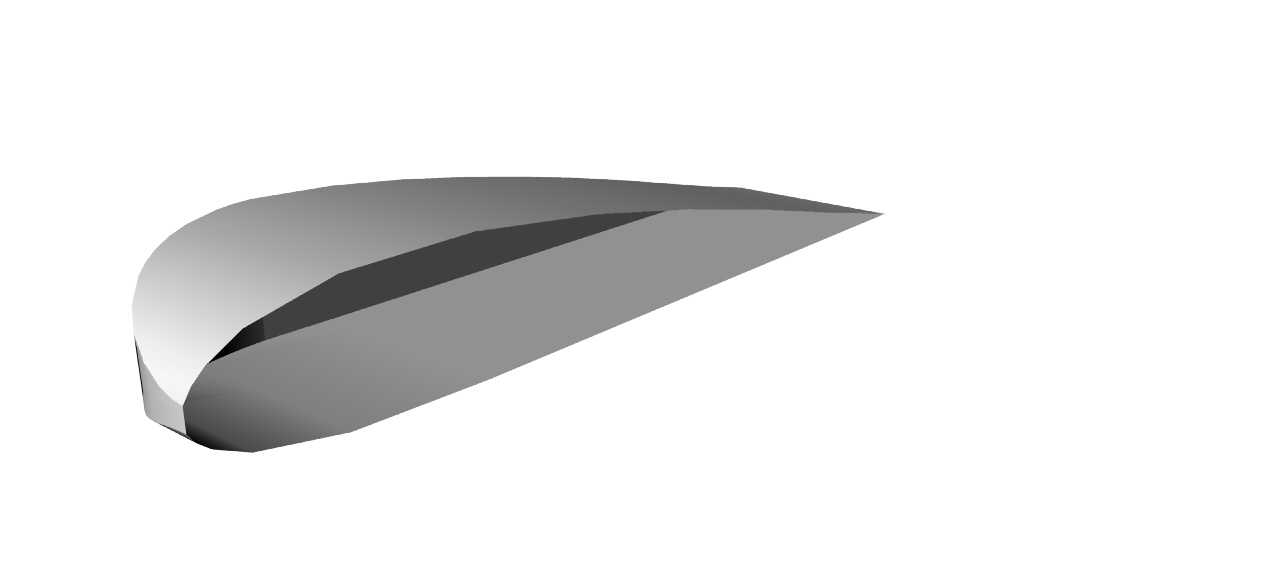
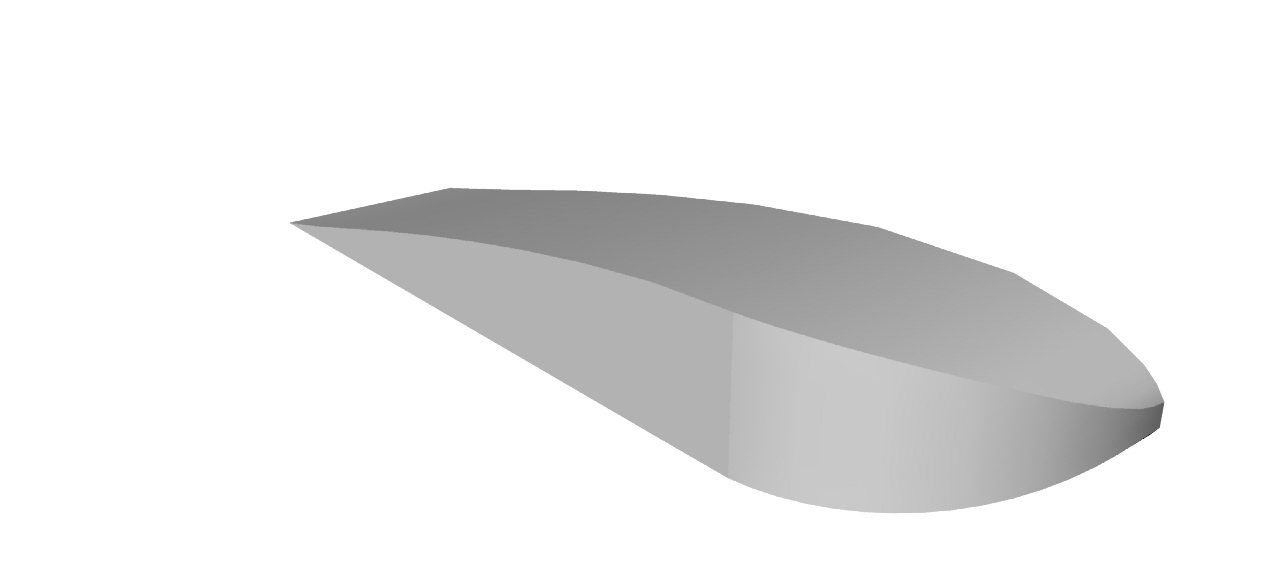
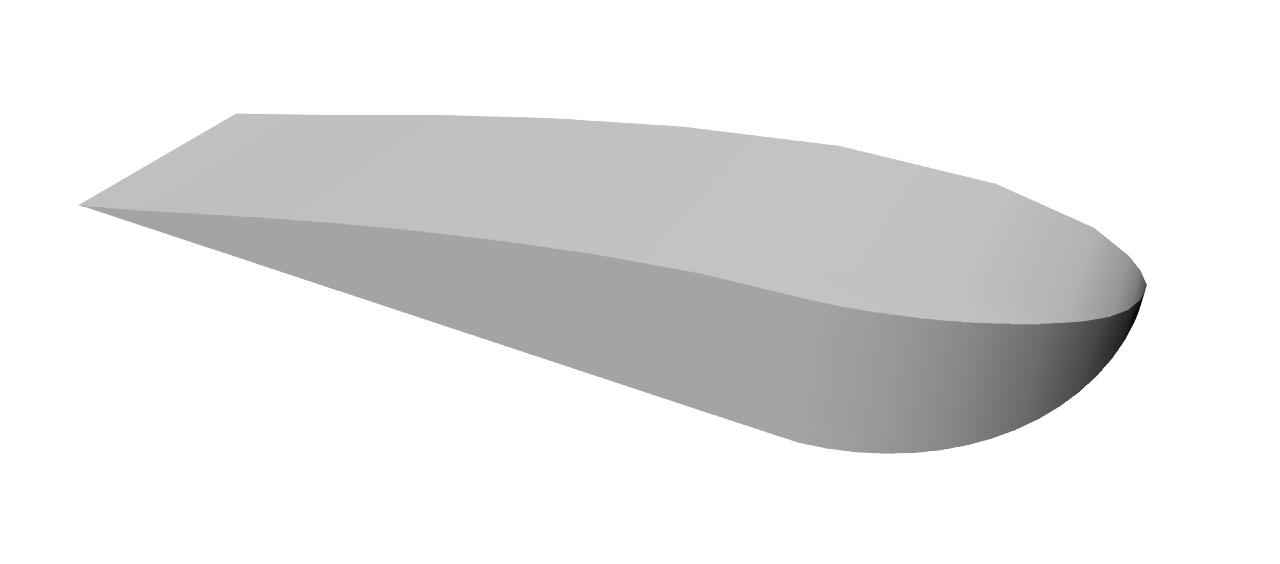
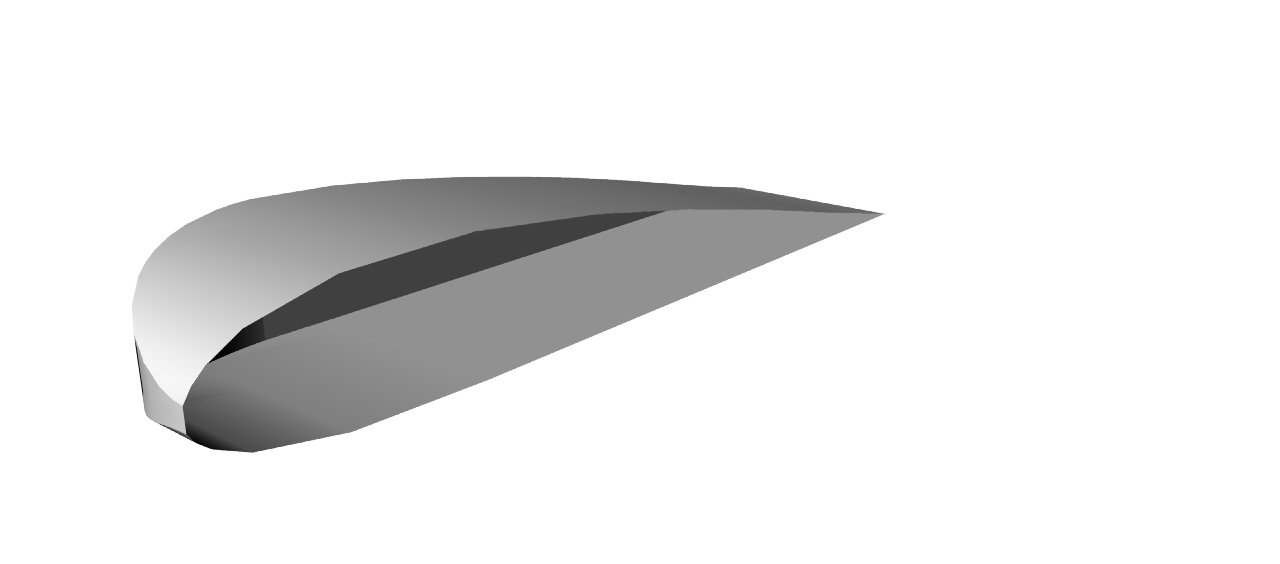
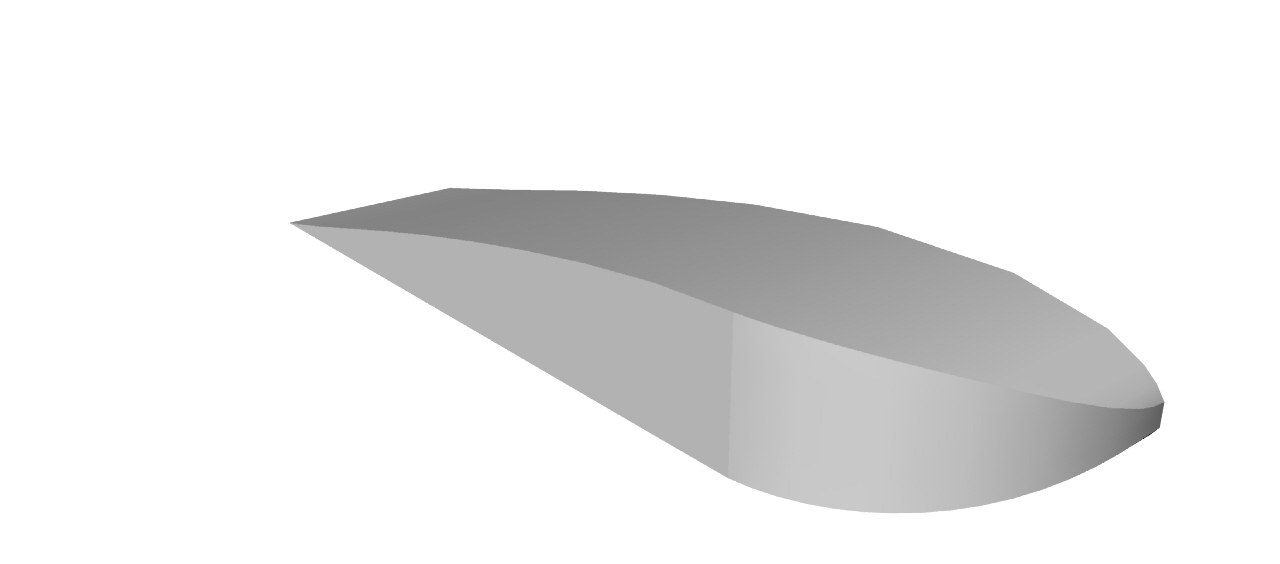
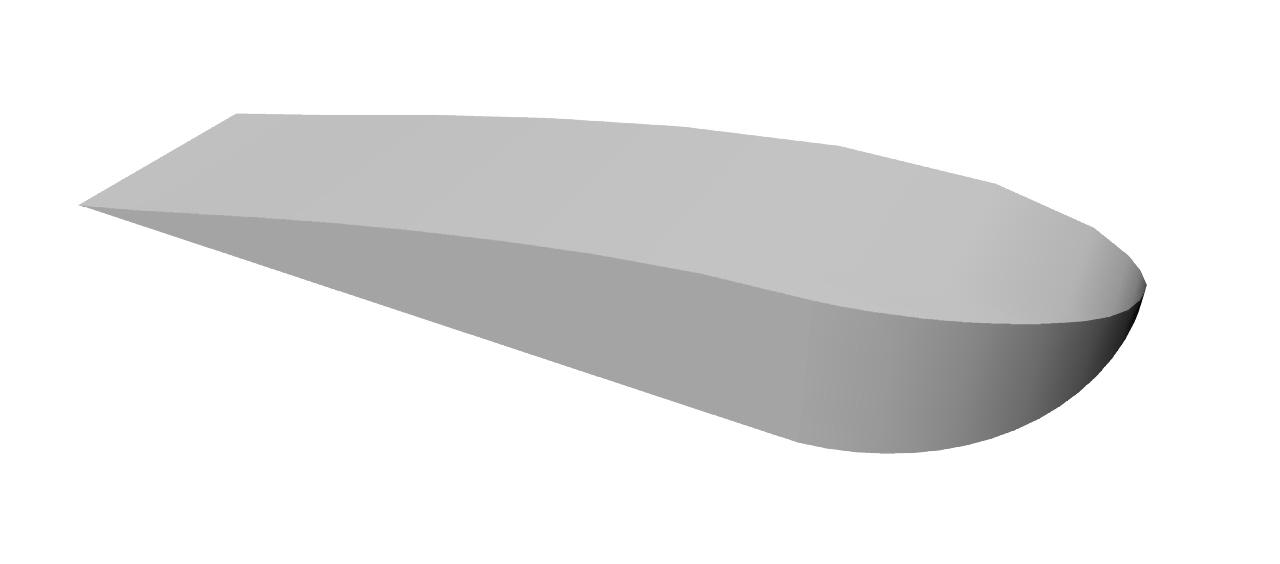
I did a rough scale 3D of the RV3 wing tip.
This is a crude approximation of the volume
of a tip tank using the stock wing tip dims.
3779 cubic inches.. one gallon is 231 cubic inches.
That is about seven gallons per tank max.
Probably closer to 5 gallons in the real world.
You could make them a bit wider by a couple of inches
and add a lot more. I can do a better 3D if you need
one.
Paul Lamar
The Rotary Engine NewsLetter. Powered by Linux.
ACRE NL web site.
http://www.rotaryeng.net
Youtube key word UTUBPLEASE
Copyright 1998-2008 All world wide rights reserved.