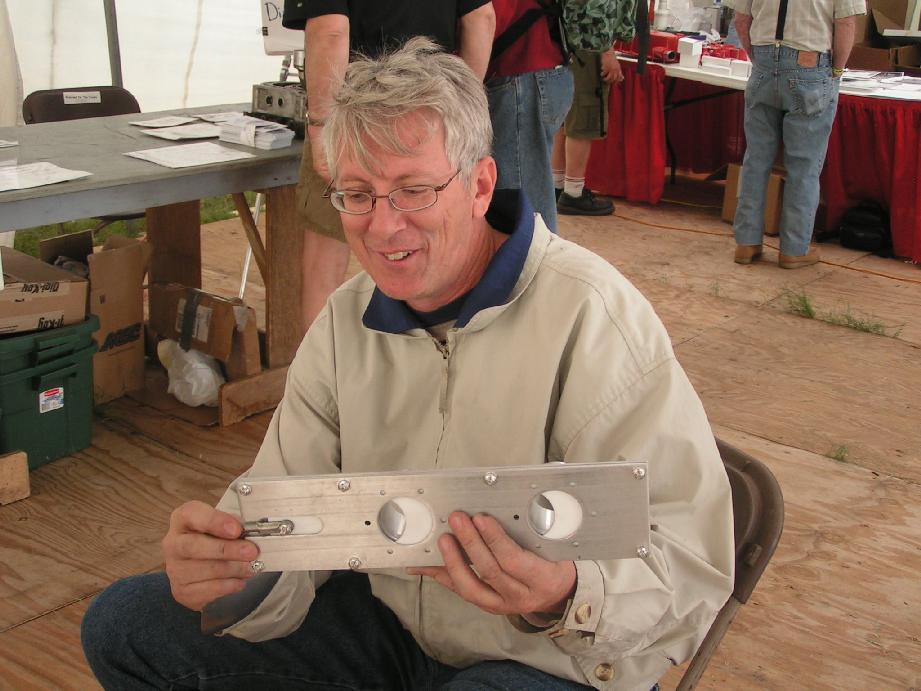
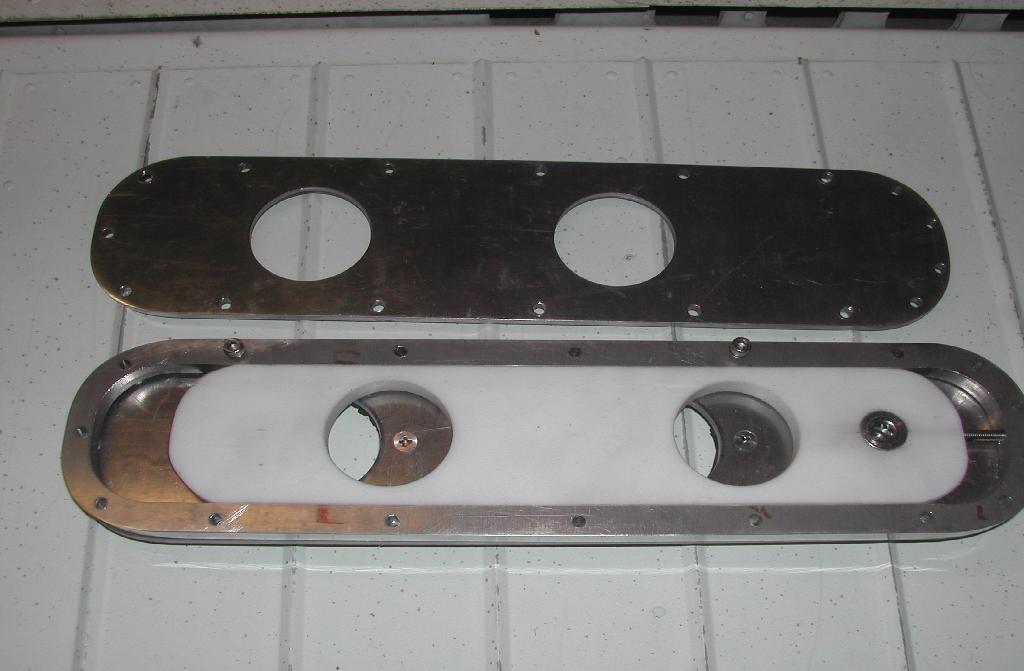
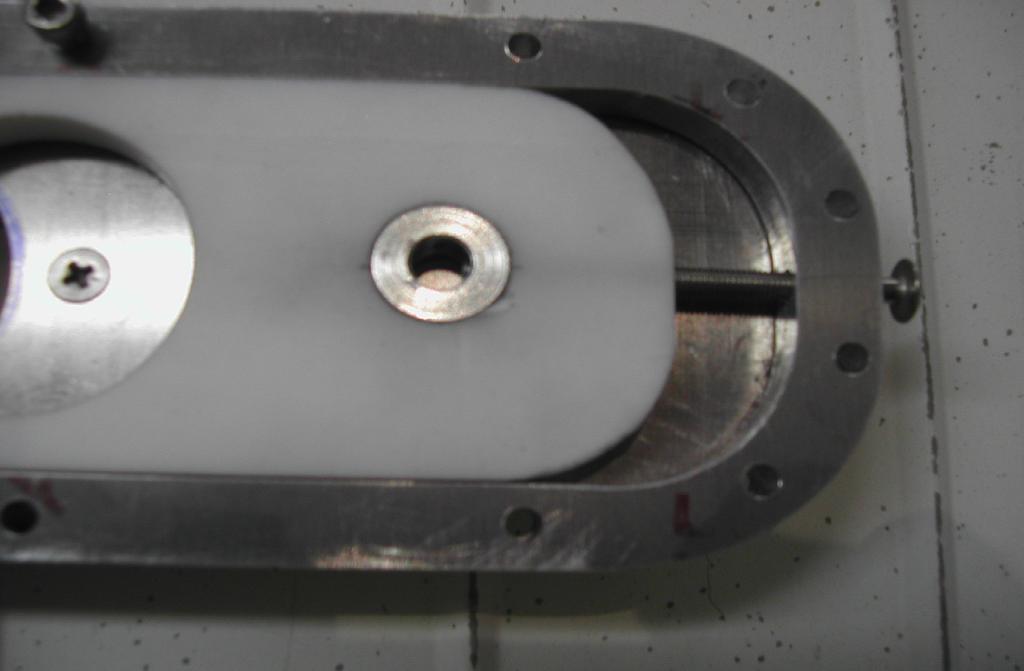
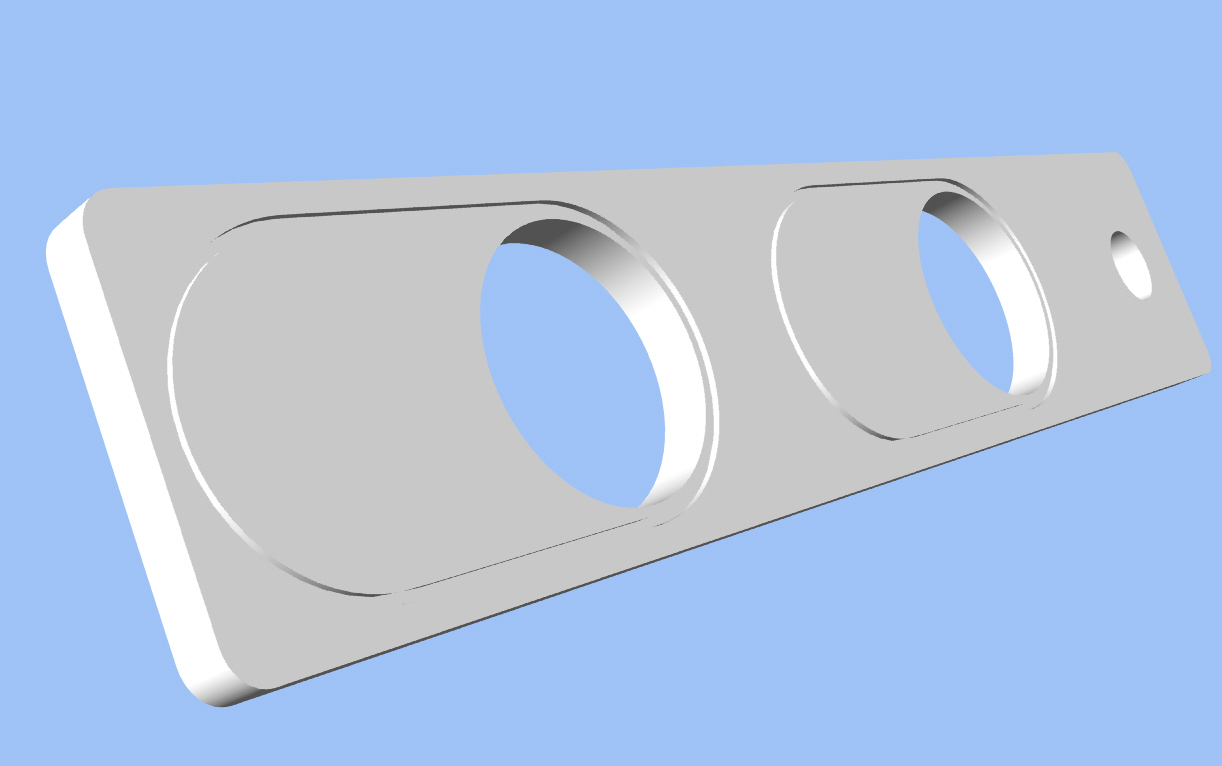
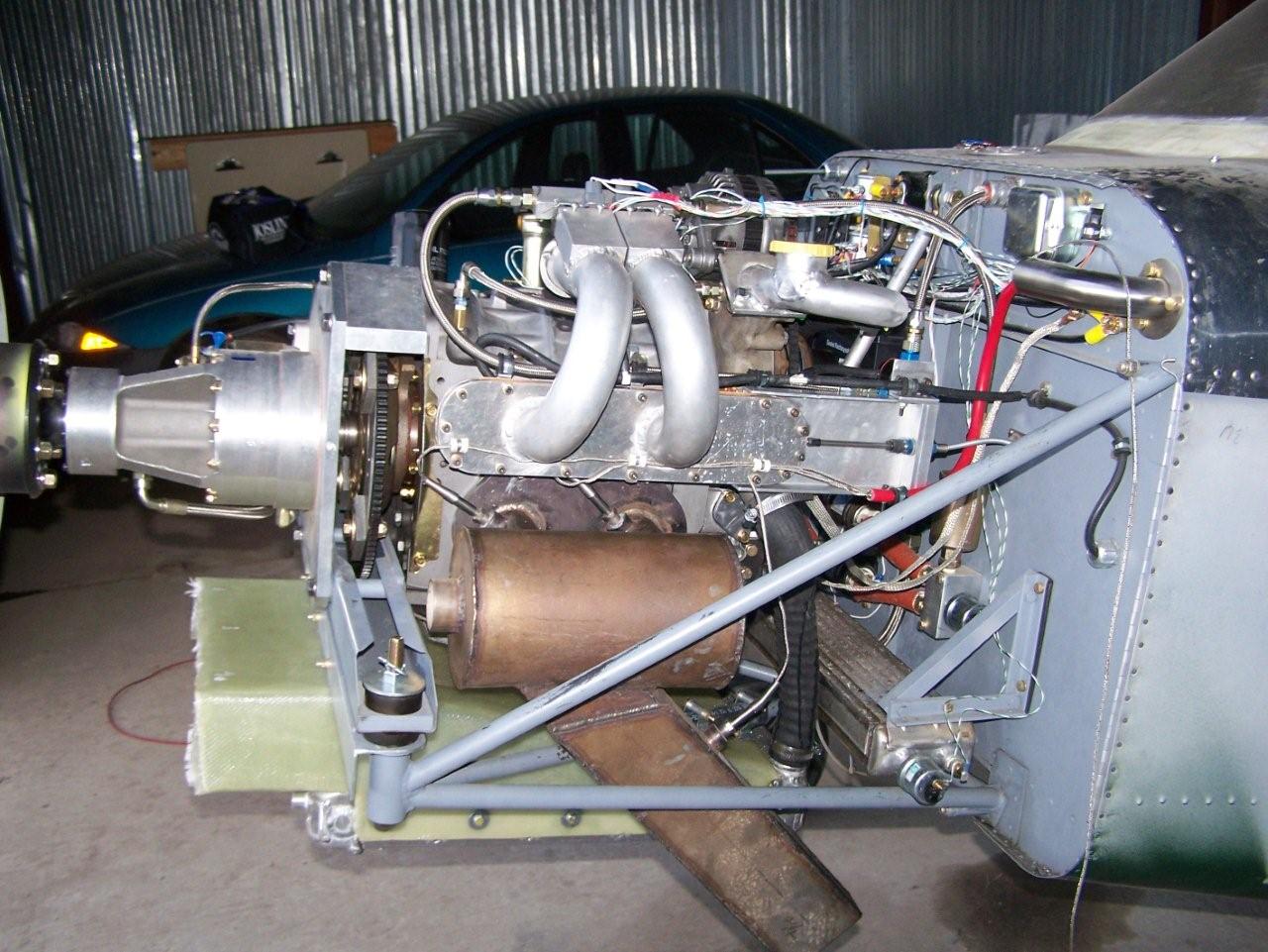
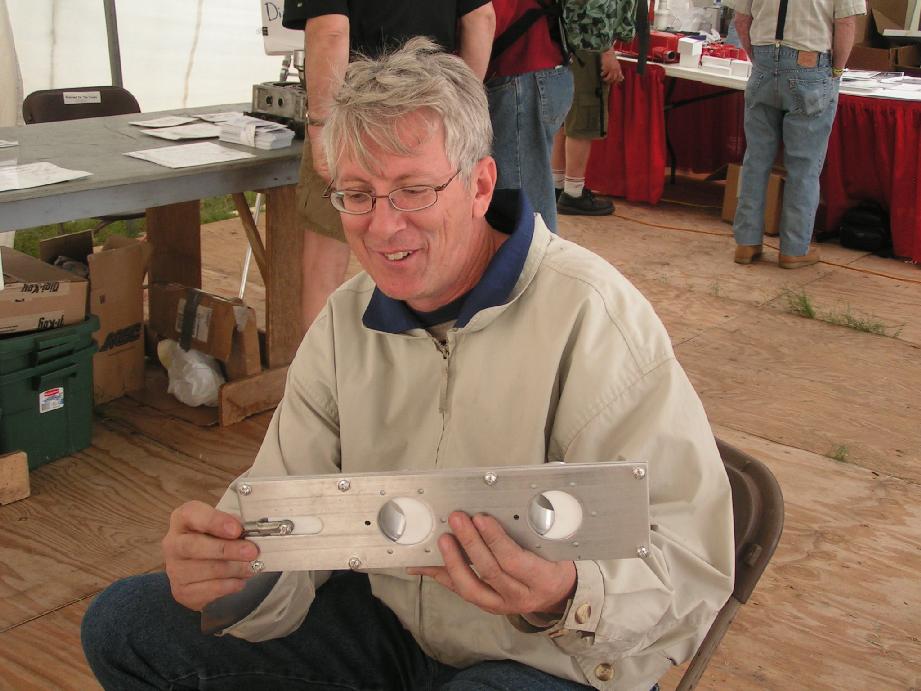
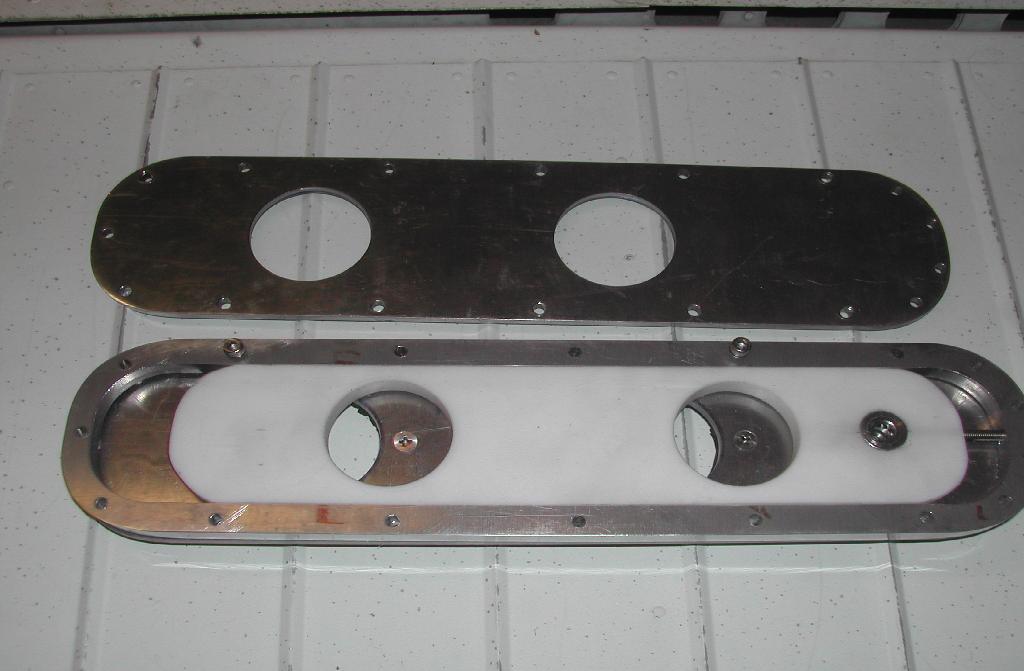
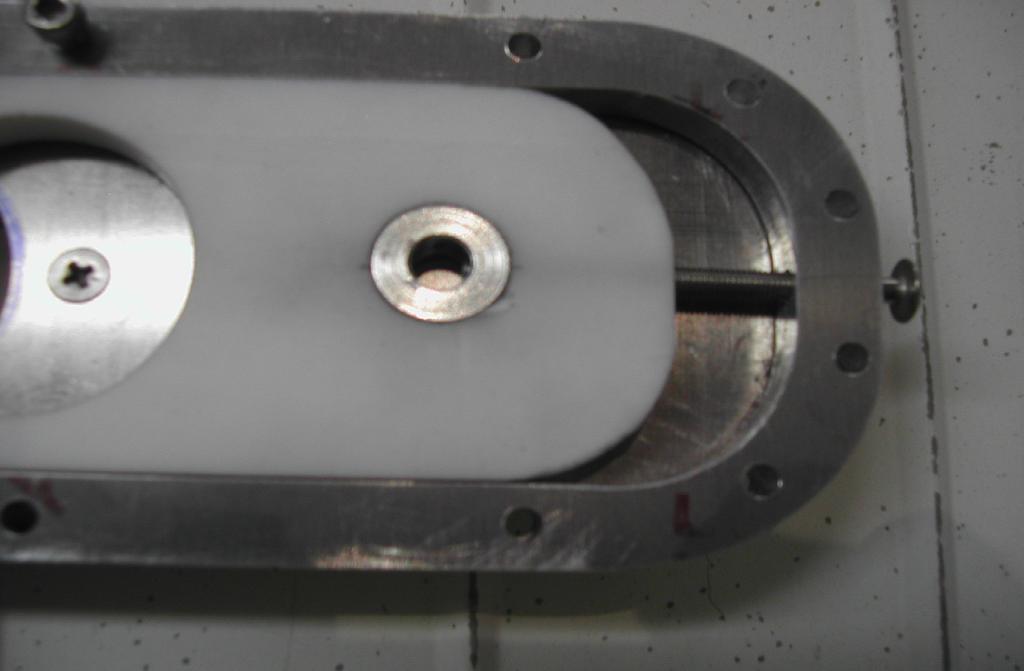
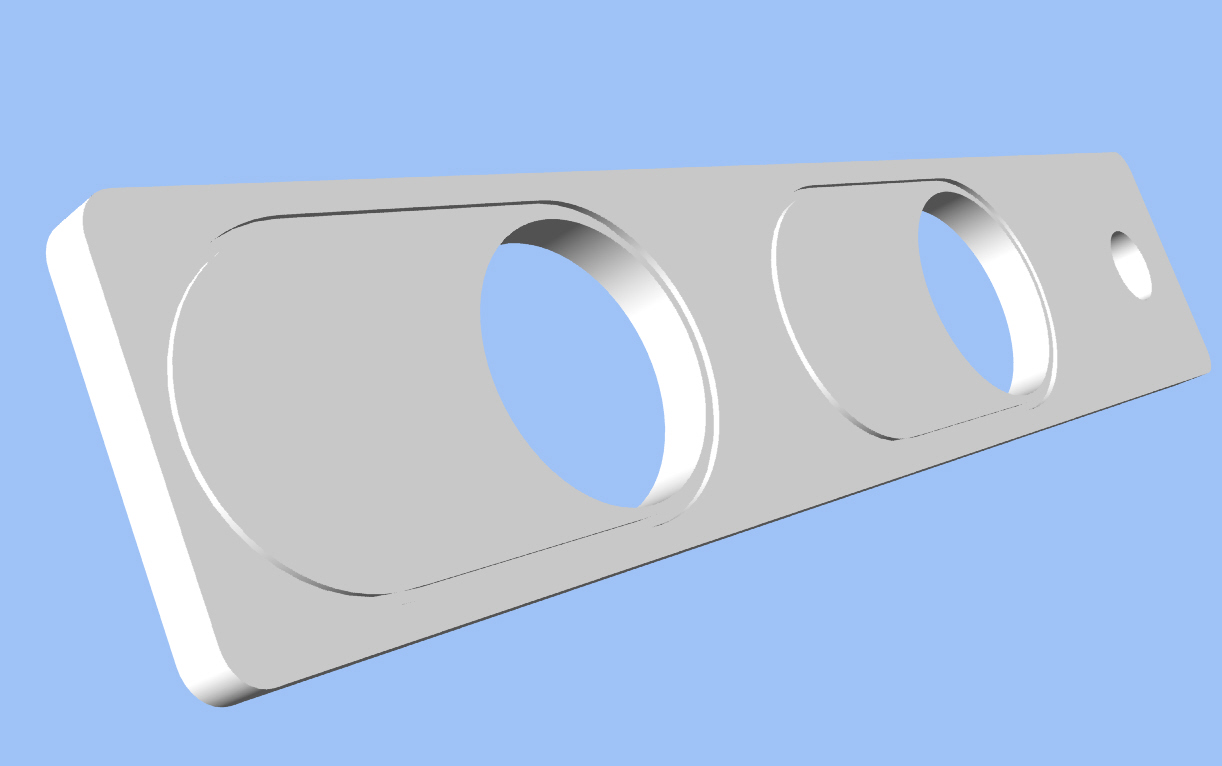
Larry has come up with a new way to
actuate Teflon slide throttles for P-port engines.
Slide throttles cut the internal aerodynamic drag
of intake manifolds to a minimum... minimizing the fuel
burn and maximizing the horse power. Butterfly throttles
plates have undesirable aerodynamic drag.
This design cuts down the overall length of the slide at some
additional cost. Also the throttle cable travel and force can
be changed by changing the length of the lever.
Looks cool and incorporates the new skinny injectors
holders such as the RX8 (Denso) and Siemens, pico or
Bosch (Ford).
-------------------------------------------------------
Here is some interesting background info on Teflon.
http://whitetrout.net/Chuck/Teflon/teflon.htm
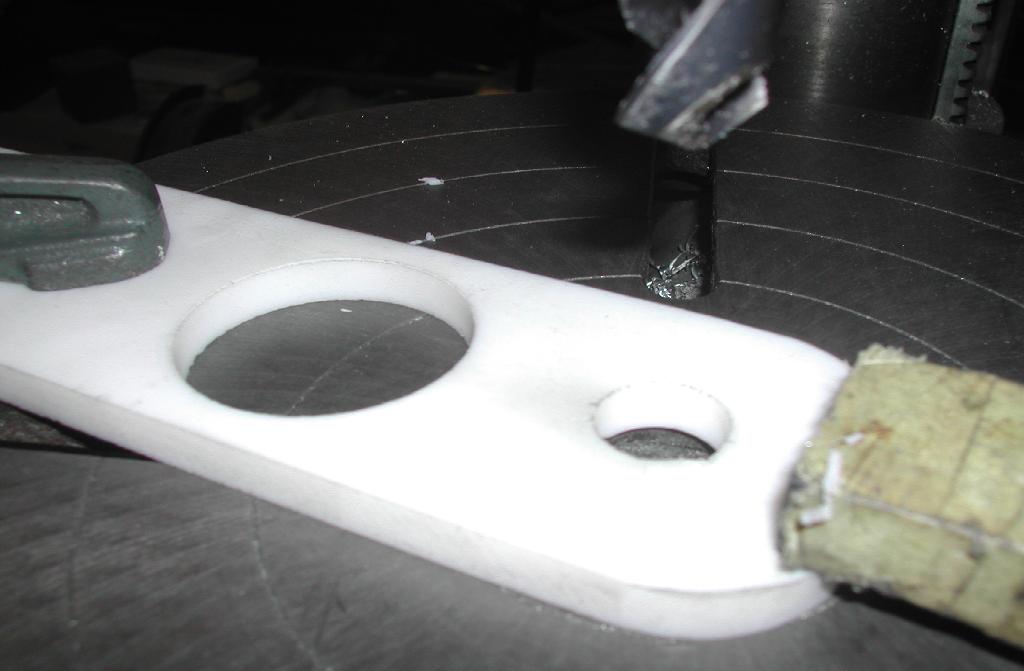
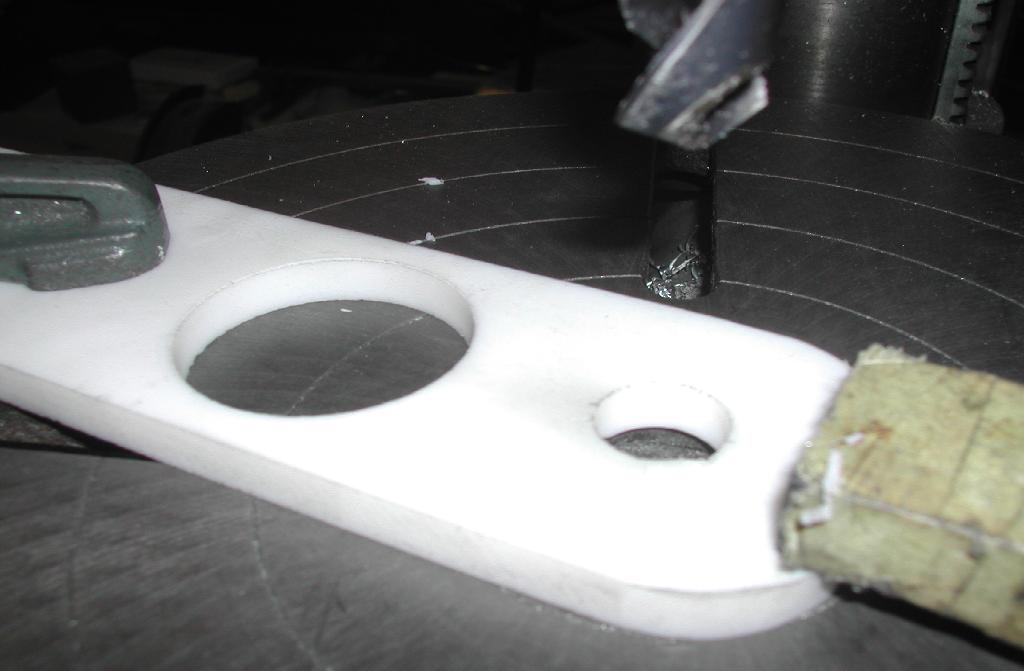
One of the most expensive parts of this slide throttle
is the solid Teflon slide itself. I had an idea of looking into
what it would take to coat an aluminum slide. A Teflon
coated aluminum slide could be thinner saving some weight
and cost. Just like a Teflon coated frying pan but with
Teflon on both sides and the edges. Mikuni slide throttle
carbs use Teflon coated slides.
Perhaps a Teflon coated housings for an even lower coefficient
of friction. Teflon on Teflon.
One needs a low coefficient of friction in this
application as when you close the throttle and the engine
is driven by the prop the manifold pressure can be pumped down
to minus 15 psi. With about 13 square inches of total area on the slide
the clamping force could be as much as 13 x 15 or 195 pounds jamming
the slide closed. Here is where Teflon's low coefficient of friction
(.06) comes into play. 0.06 times 195 pounds is 11 pounds. That means
the force on the throttle cable under prop wind milling conditions would
be a max of only 11 pounds. I suspect Teflon on Teflon would
be lower still.
This is easy to check. Buy a frying pan, saw it up and put the Teflon
sides back to back. Apply a known load and see how much force it takes
to move one part laterally relative to another.
Any volunteers to do this project?
Coating metal with Teflon appears to be easier than it looks.
http://www2.dupont.com/Teflon_Industrial/en_US/products/product_by_name/teflon_ptfe/aqueous.html
Paul Lamar
-------------------------------------
Paul,
There is a technology that would be better than Teflon, "Near Frictionless
Carbon" that has a coefficient of friction of ~0.004 as opposed to Teflon's
0.04. I have enclosed a PDF of a writeup on it, I know that two companies
have licensed the technology, but I don't know their status on making parts,
whether they want large manufacturing base for parts, or can make evaluation
samples. The contacts for the companies are shown below.
Mark Dorbeck
Galleon International Corp
4204 Pleasant Valley Rd
Brighton, MI 48114
mdorbeck@galleonintl.com
Gary Lake, President
CemeCon USA,
500 IST Center,
Suite 1
Horseheads, NY 14845.
Gary.Lake@CemeCon.com
Bill Schertz
KIS Cruiser #4045
N343BS
Thanks Bill.
That is REALLY interesting. One tenth of Teflon!!!
The pdf was 1998. I wonder why we have not heard more
about it. DLC is widely used in Formula 1 and other race
engines. In fact it is used in the Mazda RX8 engine.
I'll copy them this email.
Paul Lamar
Paul,
Look up teflon bar @ McMaster Carr.
http://www.mcmaster.com/#8735k28/=10imy3
A 1/4" x 4" x 12" bar is $38.23. They will also cut to length. Other sizes also available.
I see this as a relatively easy way vs making an alum part and then coating.
An alternative is teflon impregnated fiberglass tape to bond to your alum slide
(silicone adhesive already applied).
http://www.mcmaster.com/#76495a29/=10iqoy
Dan F
It certainly is an easy way and that is what we are doing now.
We need 3/8" thick for strength reasons and that is quite a bit
more expensive.
Paul Lamar
--
The Rotary Engine NewsLetter. Powered by Linux.
ACRE NL web site.
http://www.rotaryeng.net
Youtube key word UTUBPLEASE
Copyright 1998-2008 All world wide rights reserved.