This wireless torque sensor technology could be applied to a short
small diameter shaft extending out of the intake side of a turbo charger.
The end of the shaft would have a small adjustable pitch propeller capable
of 100,000 RPM to act as an adjustable load. The torque sensor is wireless
so nothing else is necessary. No need to make a reduction gear box yet.
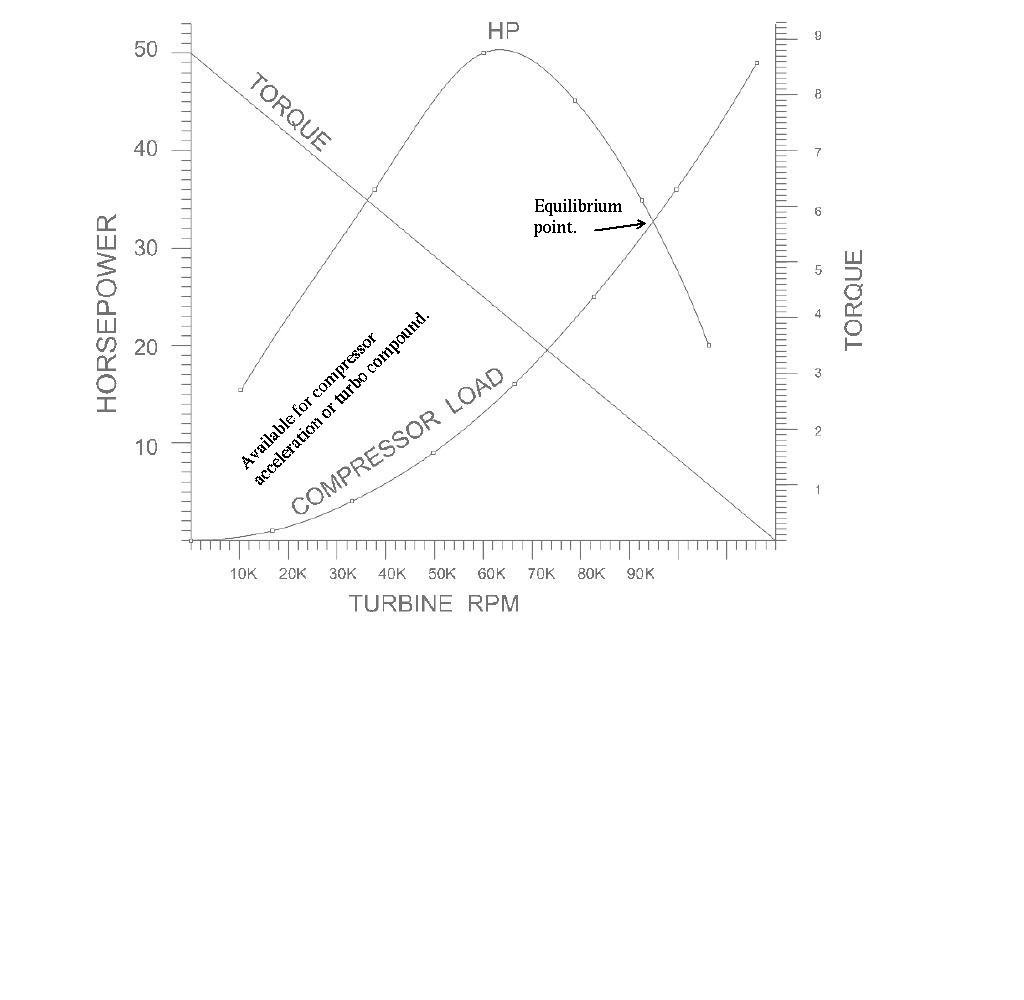
This first step is to demonstrate the amount of excess HP
from the turbo charger turbine. Any automotive turbo charger
will work and it is then possible to evaluate different turbine
configurations for aircraft use optimization purposes.
If the torque on the shaft is two foot pounds at 100,000 RPM the HP is
2 X 100,000/5252 or 38 HP. Feeding the turbine power back into the output
shaft for a 200 HP base engine the power would jump to 238 HP with the
same fuel burn. The rotary engine BSFC would then be .46 times
200/238 or .386 which is a very significant reduction in fuel burn
only possible in true diesel engines.
----------------------------------------------------
I was driving to the airport tonight to pick up Robin
and had a better idea on how to measure the HP output of
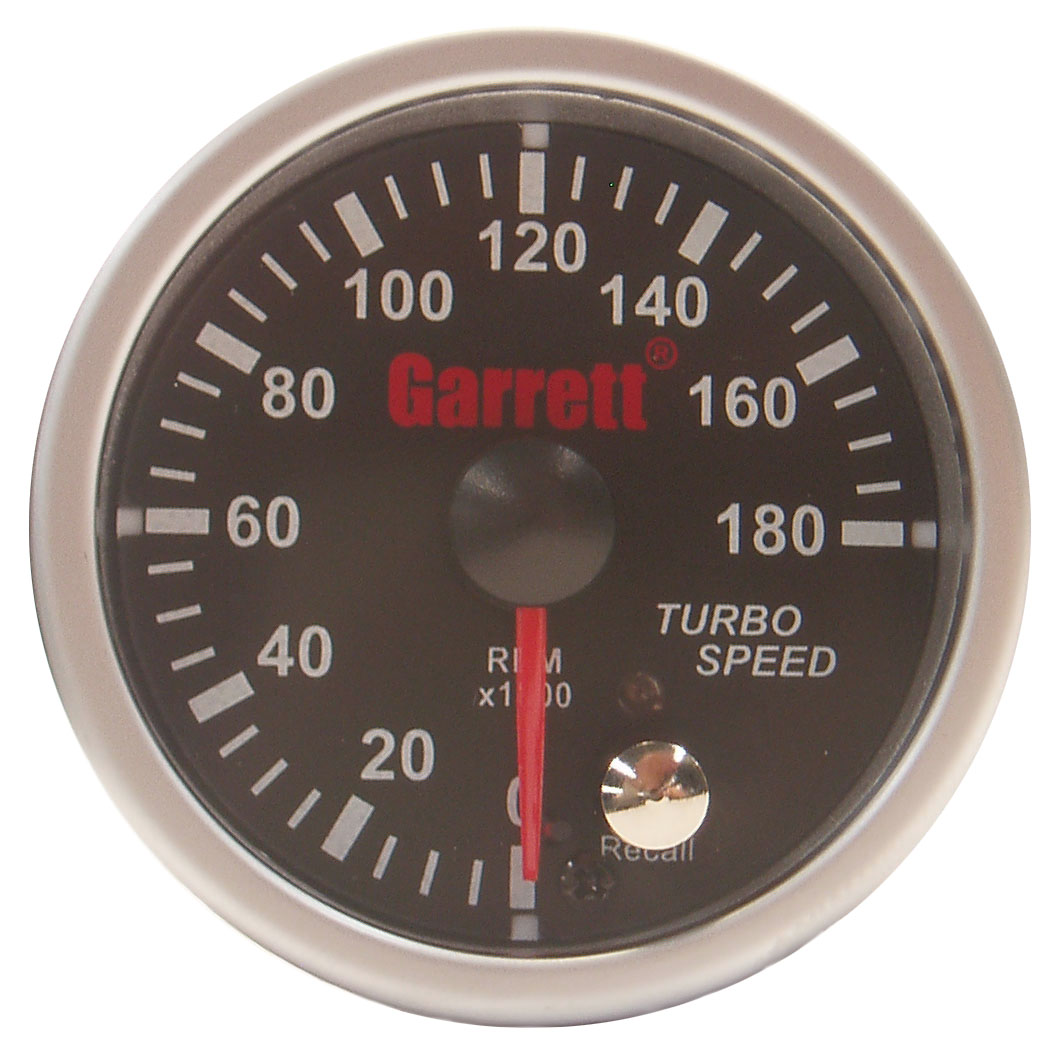
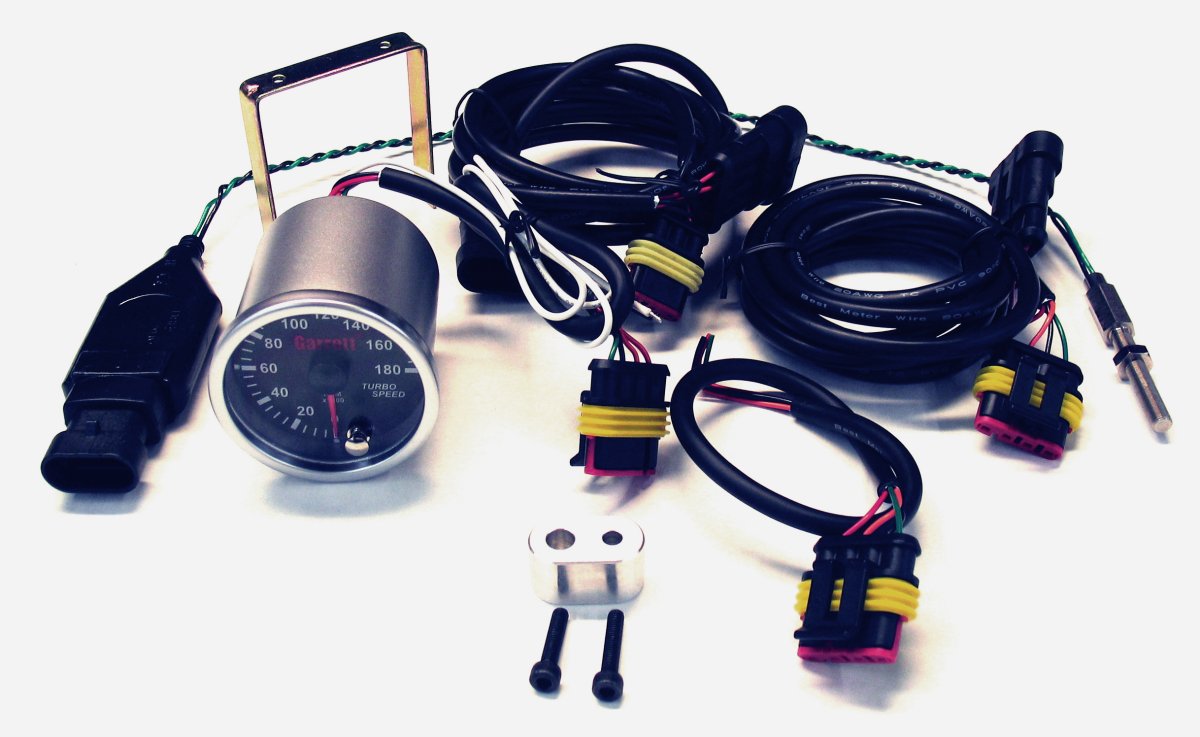
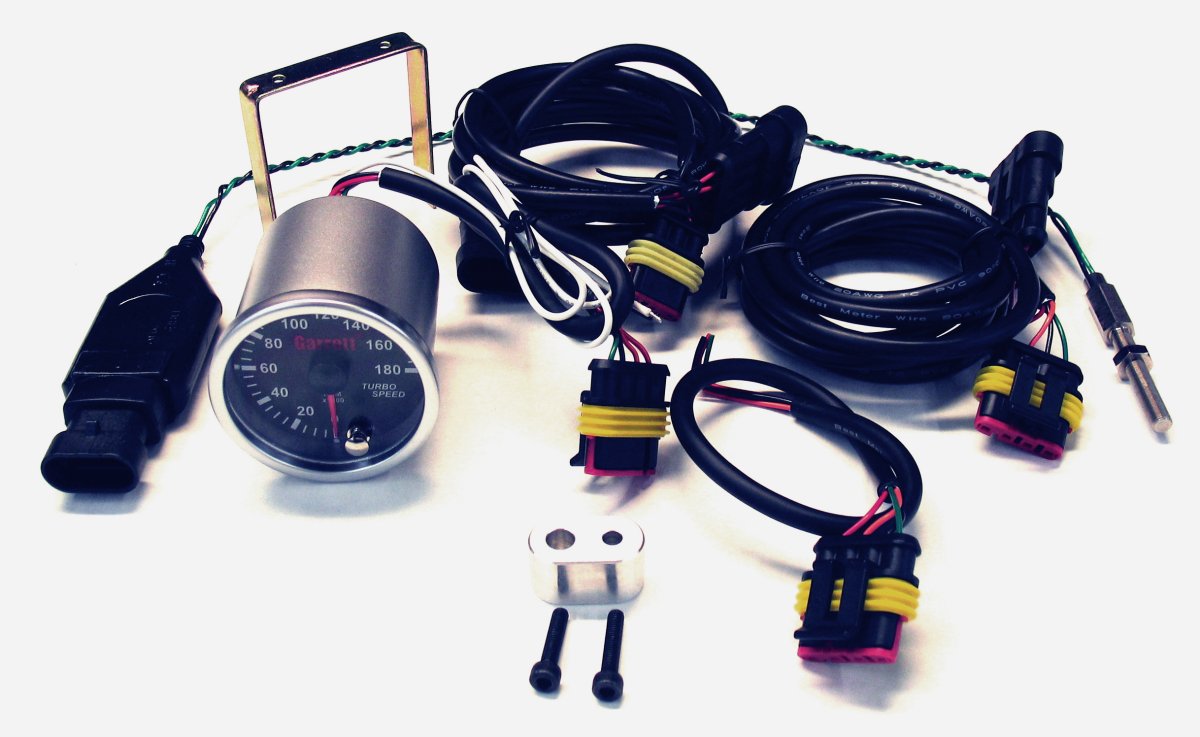
a turbo charger turbine. You will need a turbocharger tach anyway
so get the Garrett turbo charger tach kit. You will then need an oscilloscope
to measure the twist in the steel shaft coming out of the front of
the turbo charger going to the load. My guess is the shaft diameter
could be as low as 3 mm. The optimum diameter can be calculated.
If you know when the turbo tach is sensing
a compressor blade and when the prop load blade passes a point than
we can measure the shaft twist directly. You calibrate the system
with a small torque wrench that reads out in inch pounds as you twist
the shaft statically.
For an example; the turbo
is reving at 100,000 RPM or 1,666 revs per second it takes
.0006 seconds or 600 micro seconds to make one rev. The prop blade
can sync the scope with a photo cell or hall effect sensor and the time
it takes in microseconds to see the next compressor blade is the
twist or torque in the shaft.
My scope works down to .1 usec (microsecond) per division.
So one can resolve time down to .01 microsecond or one tenth
of a division. A TO4 turbo charger has 7 compressor blades so that is about
one blade per 86 micro seconds. Good enough. Twice as good at 50,000 RPM.
In effect this is a low cost turbo charger turbine dyno.
Model airplane propellers are ideal cheap loads as when the tips
go supersonic the turbo charger turbine runs into a torque brick wall.
Change the model prop diameter to change the RPM where this happens.
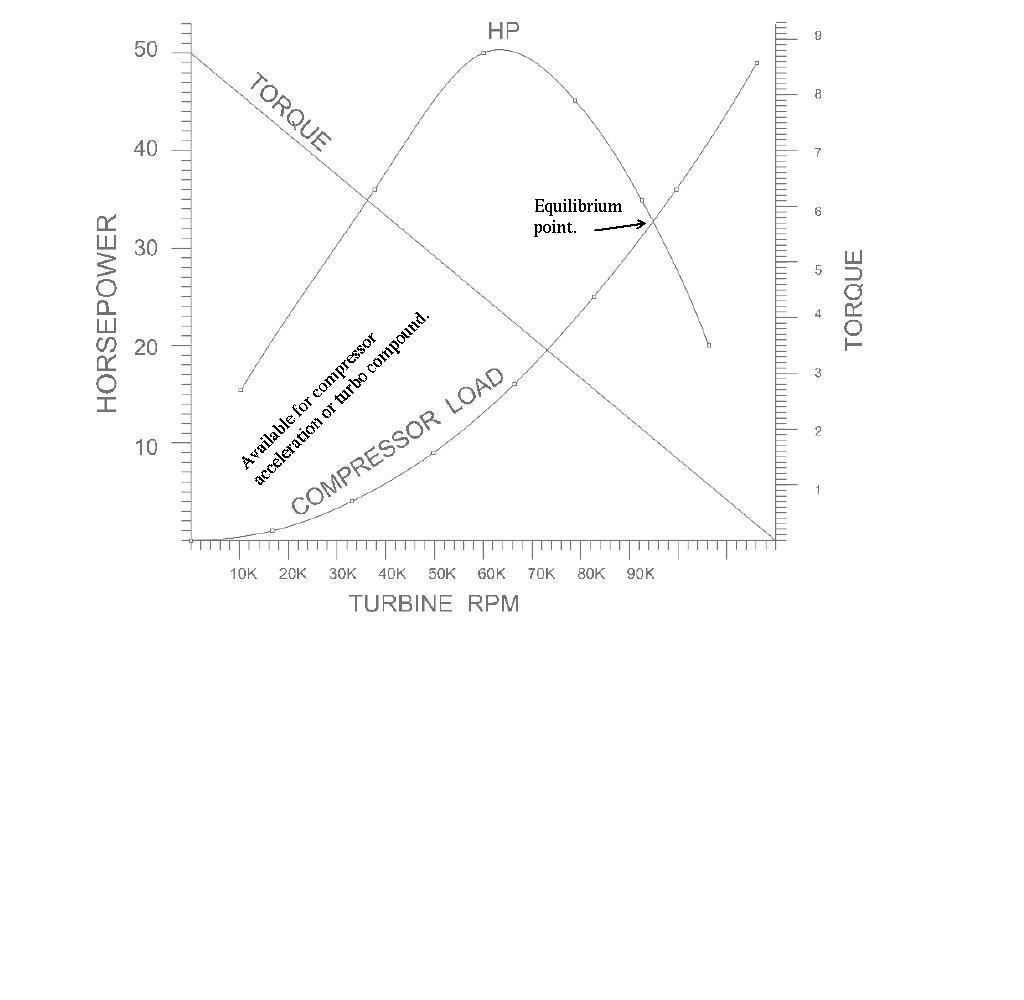
The turbine should put out max HP somewhere around 50,000 RPM.
Use ear protection as this will be noisy! Just like the rotary
exhaust noise is the sound of waste HP!
Paul Lamar
--
The Rotary Engine NewsLetter. Powered by Linux.
ACRE NL web site.
http://www.rotaryeng.net
Youtube key word UTUBPLEASE
Copyright 1998-2008 All world wide rights reserved.