Hi Paul-
I took some time to massage the data from the final run. I added a
column
averaging the two rotor pressures, I added a column which identifies the
time of the most recent CAS pulse, and I computed last known RPM.
Mark
Mark sent the whole 9.2 megabyte spread sheet so I cut just the relevant
stuff and plotted it. 9.2 megs is too big to publish.
The difference in the amplitude of the front and rear rotor waves is
somewhat of
a mystery at the moment. It could be the way the pressure tap hole was
machined
in the runner tube. They were hand drilled. If it is not perpendicular
you
could get some strange effects.
This RPM is roughly where the tubes were tuned for so you can see the
pressure
waves peaks happen around bottom dead center and front (car blue) and
rear (red)
rotors are roughly in phase and they add. Mark averaged them (yellow
line).
The green line is the CAS signal.
Mark, please redo do it and just add the rotor pressures together.
That will give us a better idea of how much total air the engine is
getting.
Do not divide by two.
The result should be well over 1.5 volts and well over atmospheric
pressure.
Atmospheric pressure is 1.8 volts at sea level and Mark's air port is
6800 feet. At 6600 RPM the prop tips were near supersonic so that
was the max static RPM of this engine at what ever power it could
make at 6600 RPM and 6800 feet. Once the airplane picks up speed the
engine RPM will increase and so too will the engine HP.
BTW we are at the response limit of the pressure sensors. These are
the same
type Tracy is using. The data acq could sample data tens times as fast
but for the fact the pressure sensors are not up to it.
Right now the engine is under propped. Mark will rerun some of the data
when he gets the right prop on there. Never the less we had to
weigh the tail down with a steel beam to keep the airplane from
nosing over.
Paul Lamar
Good stuff.
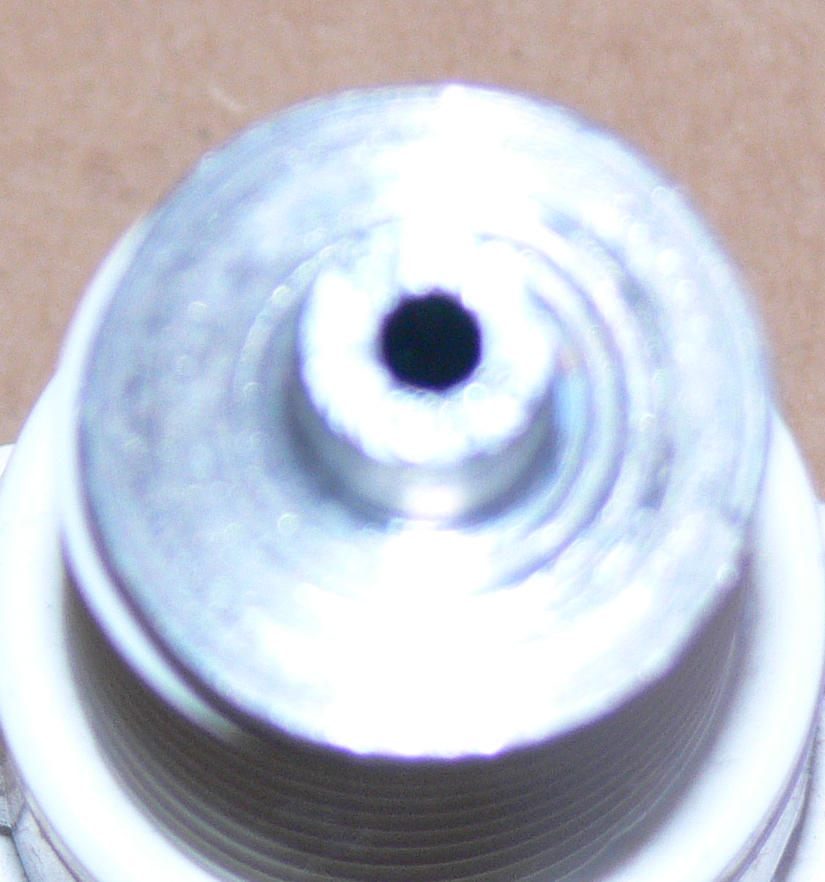
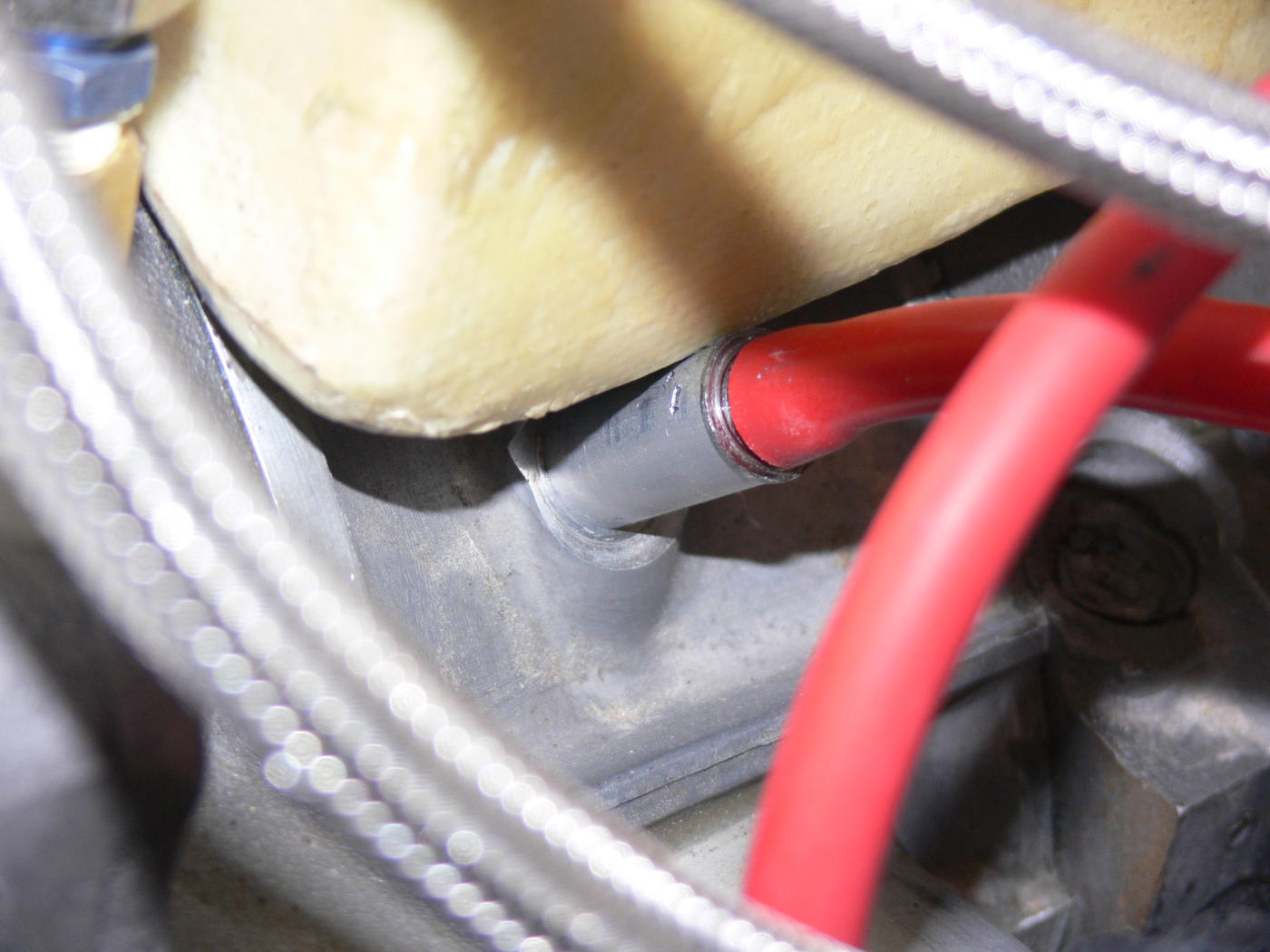
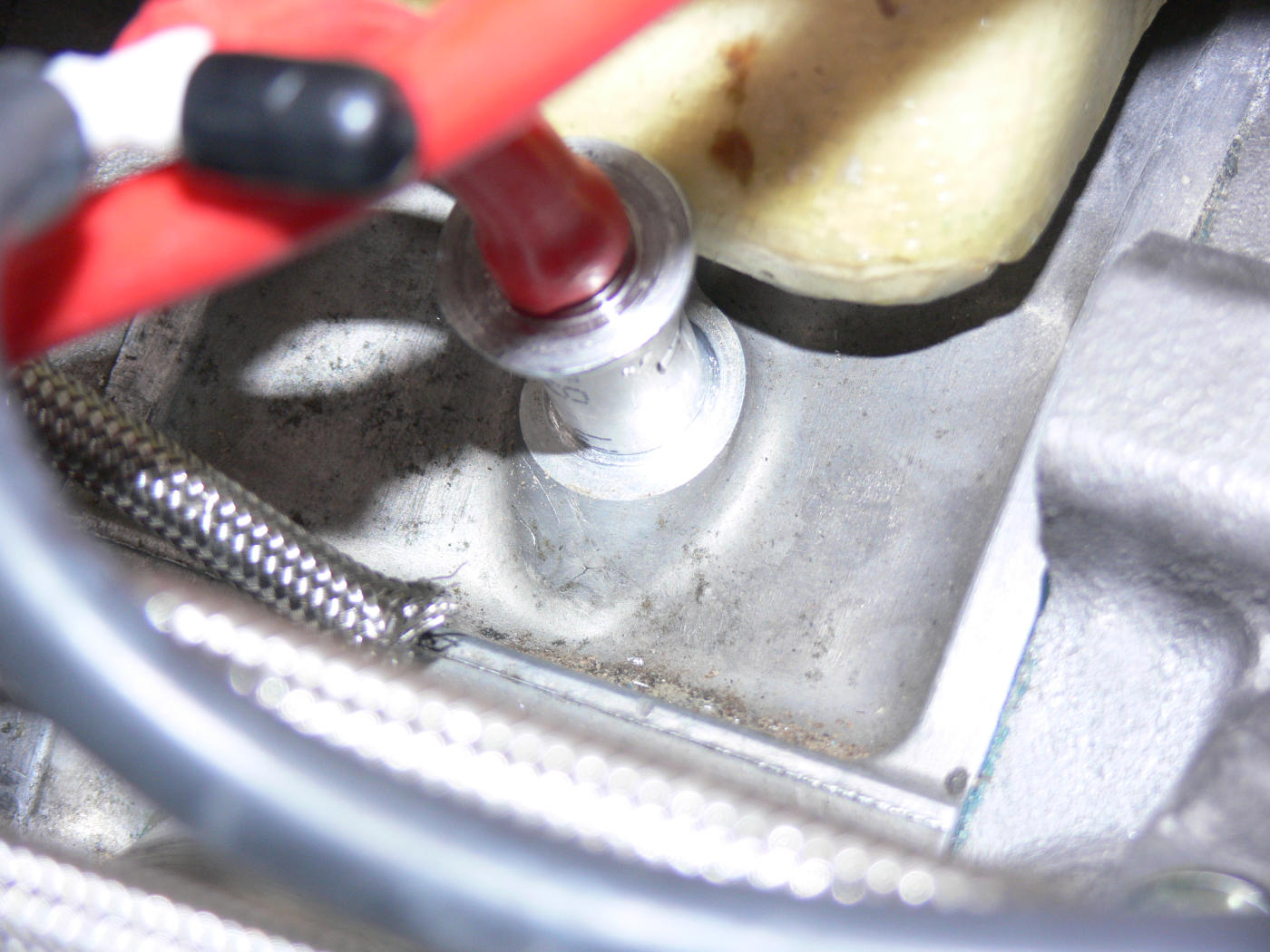
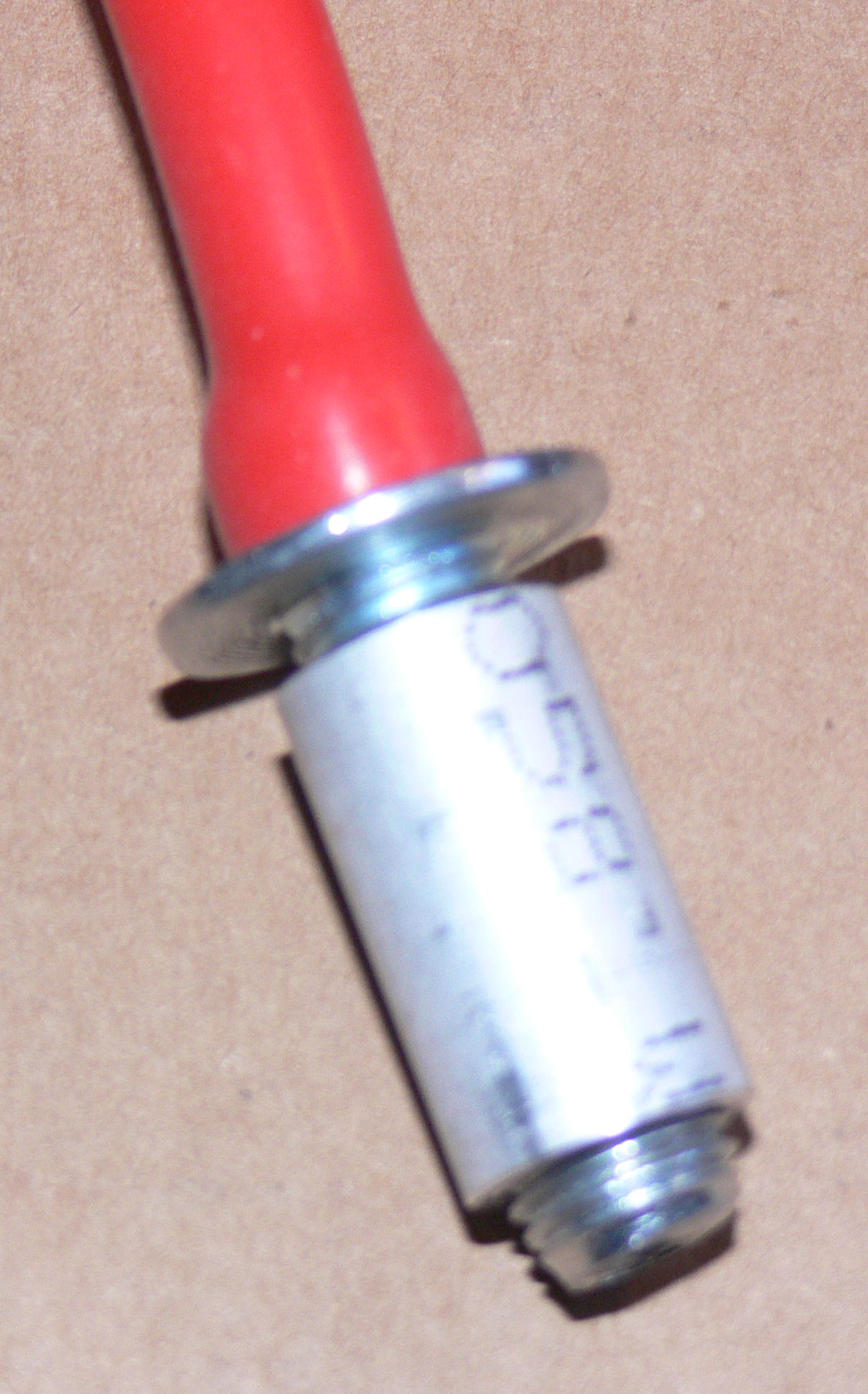
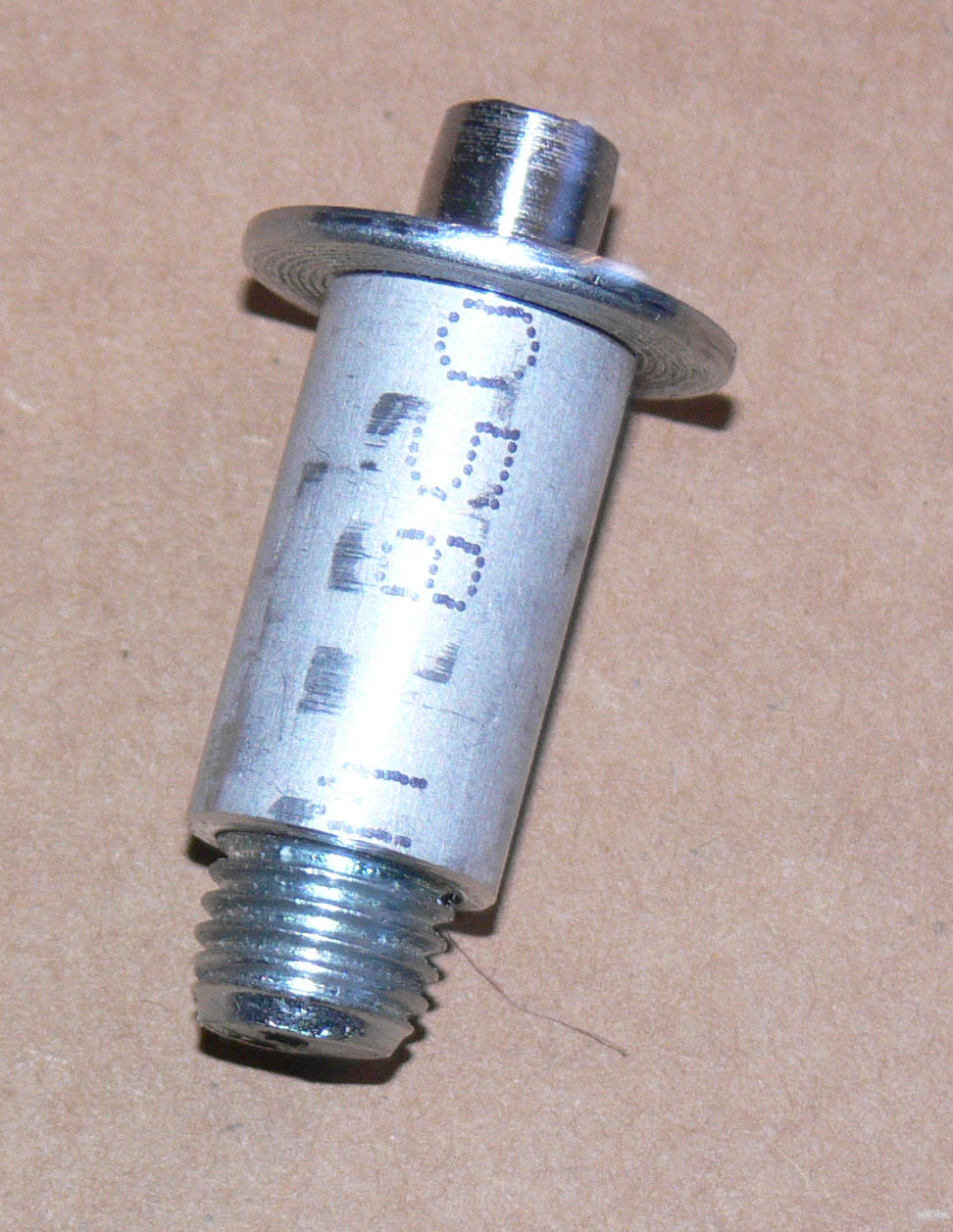
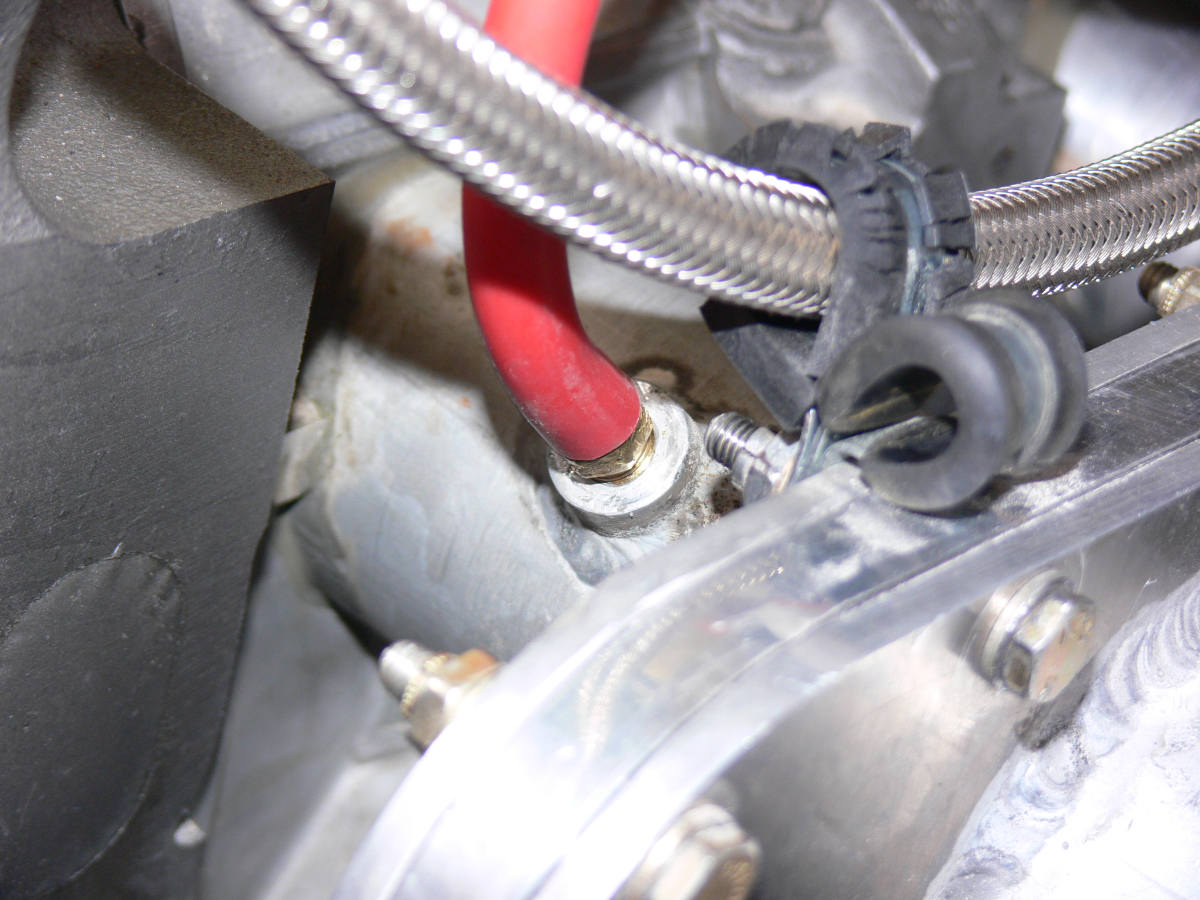
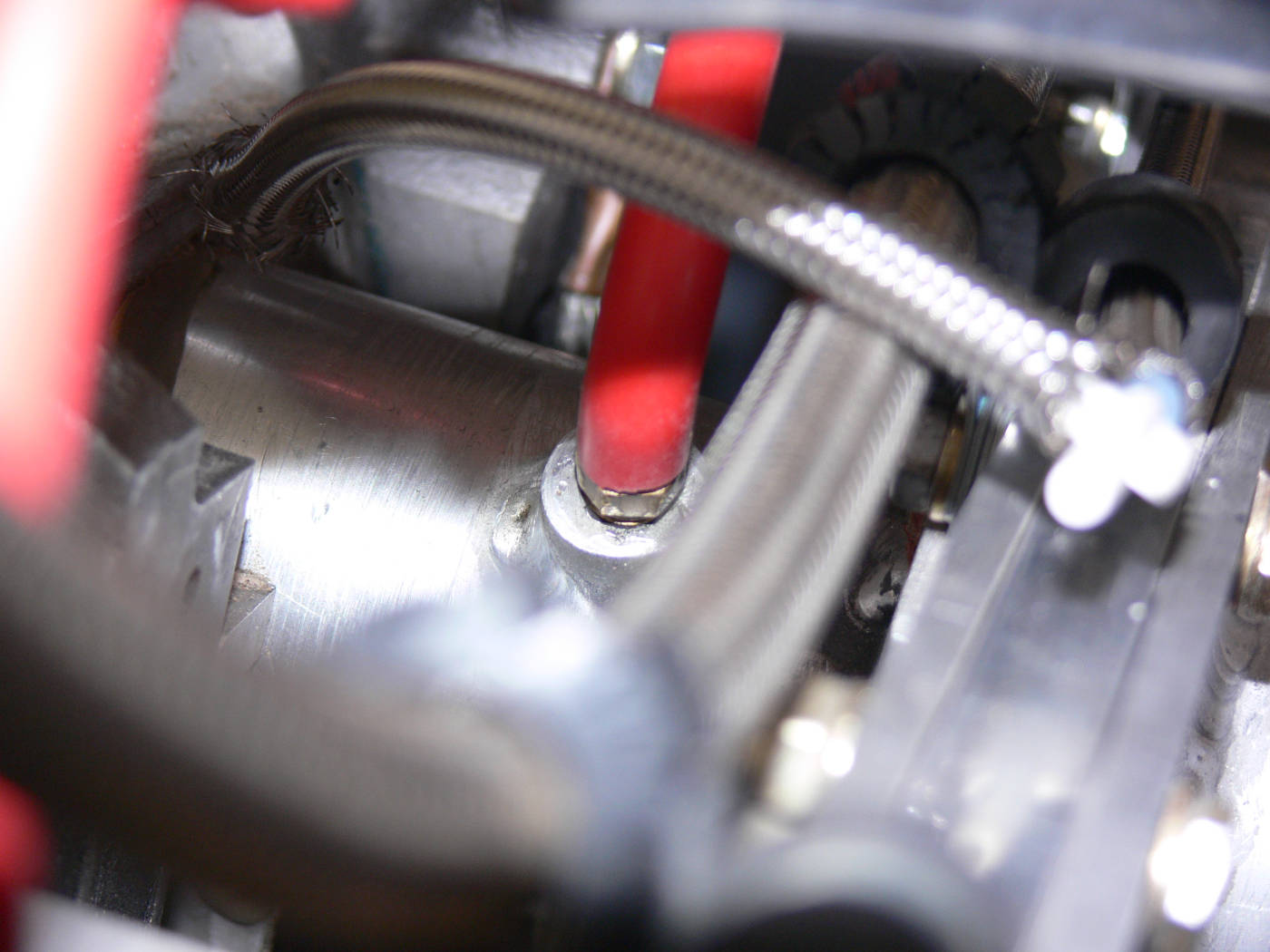
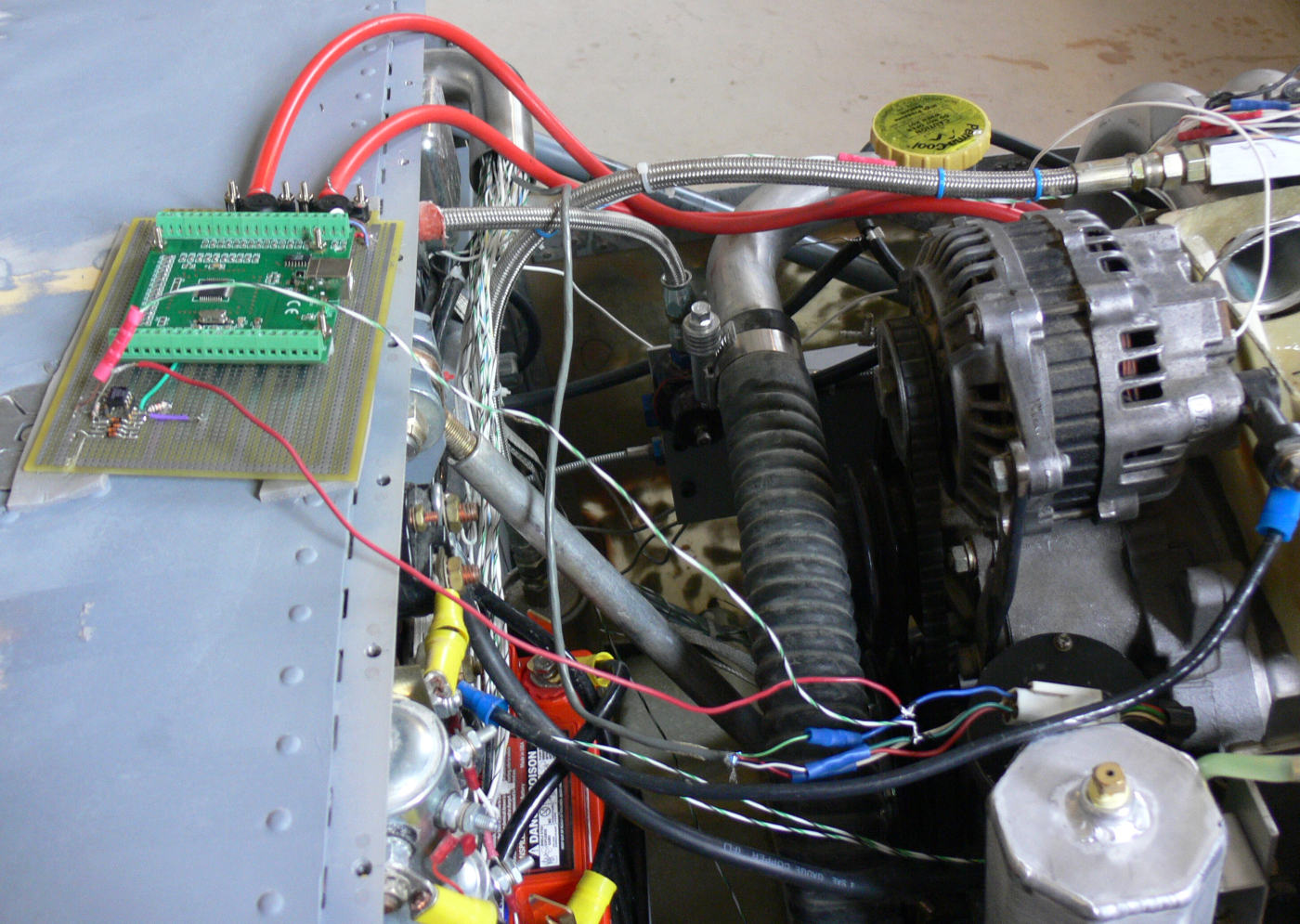
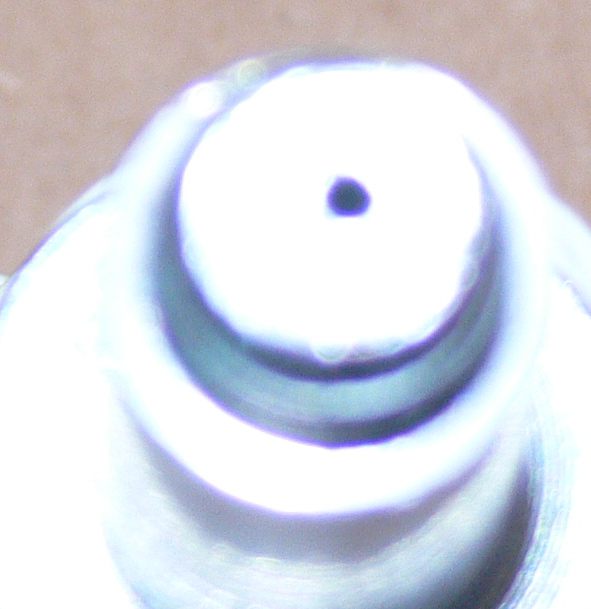
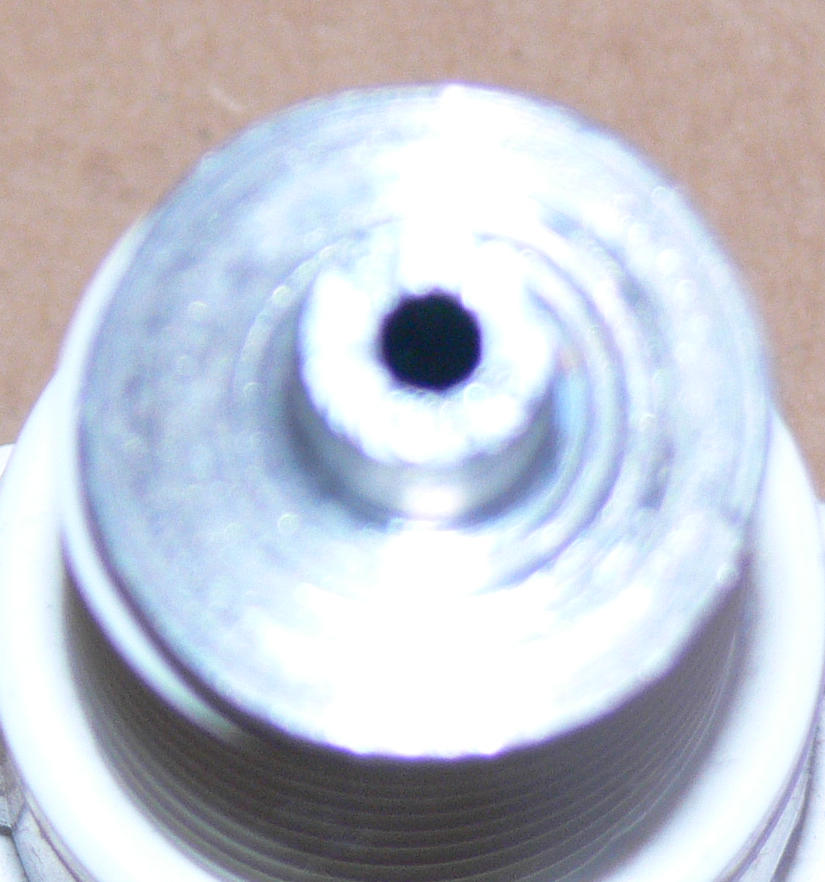
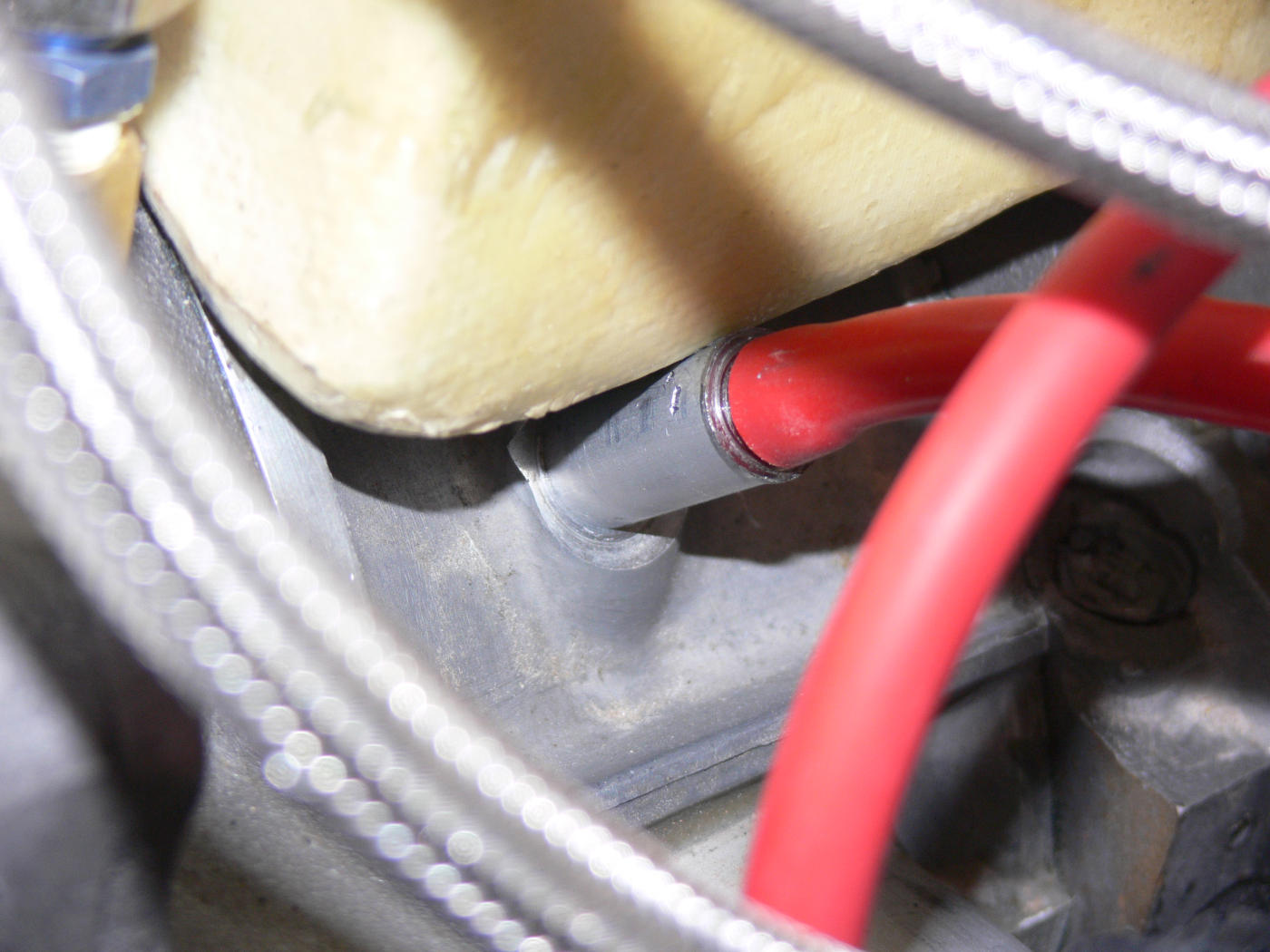
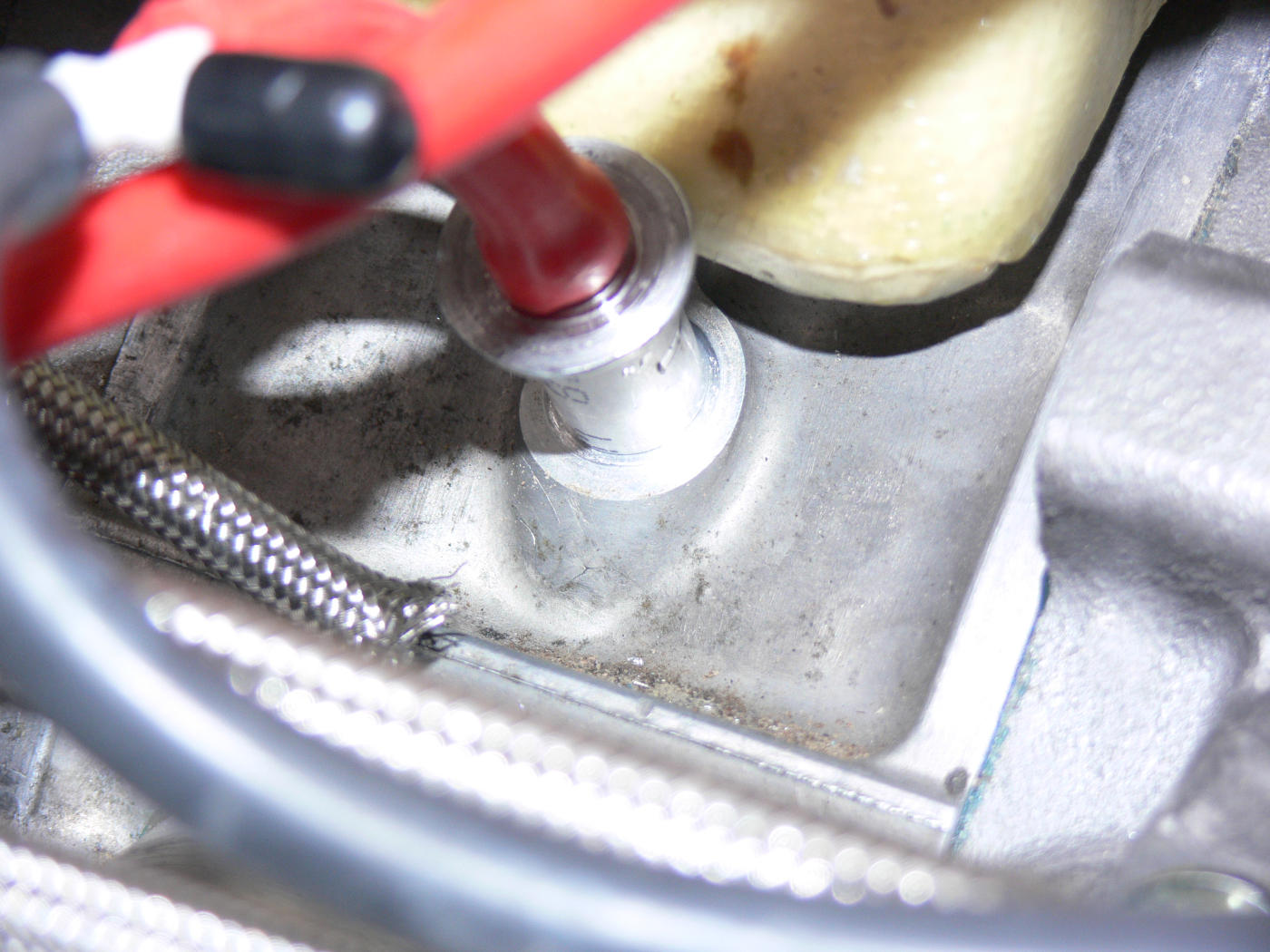
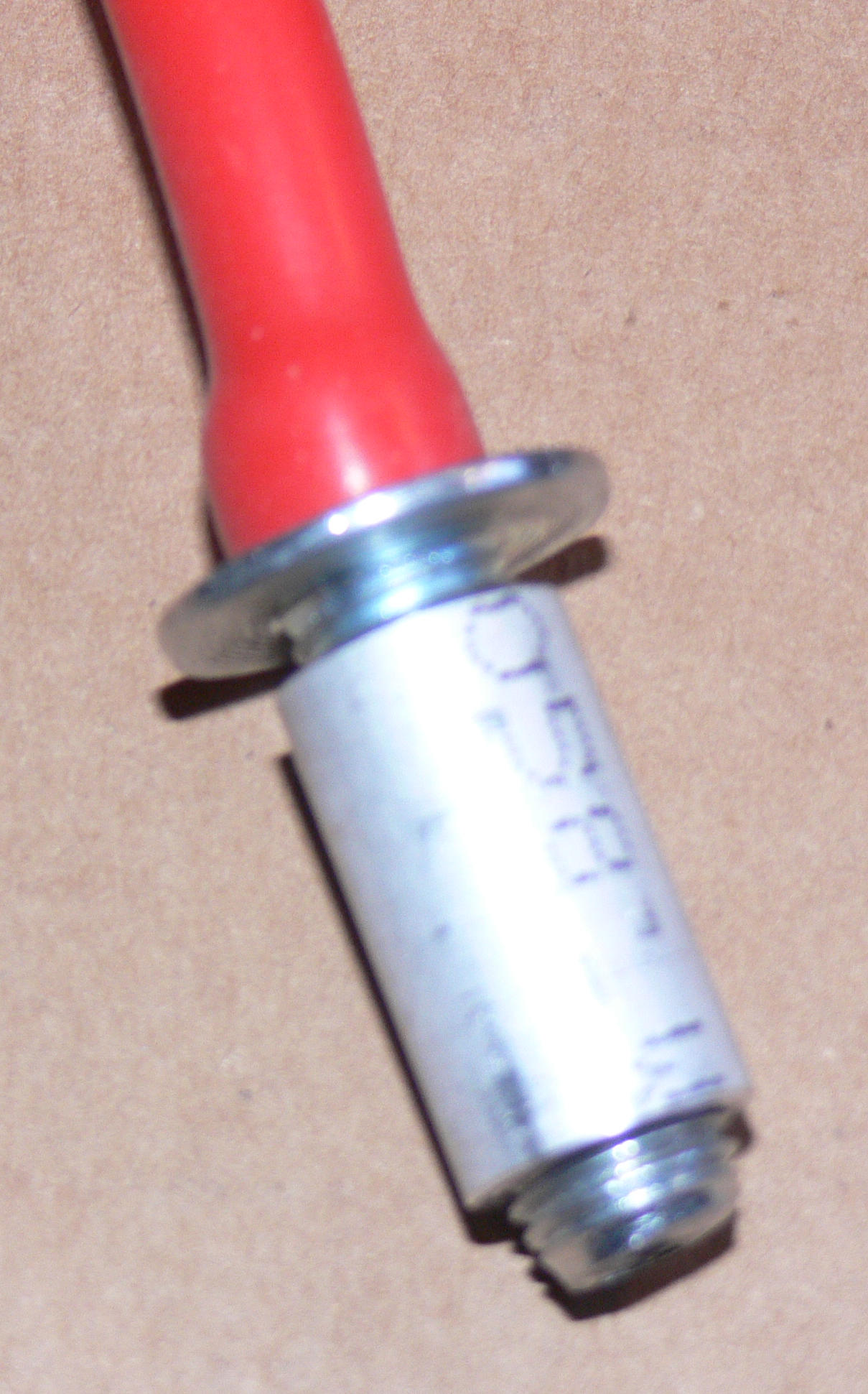
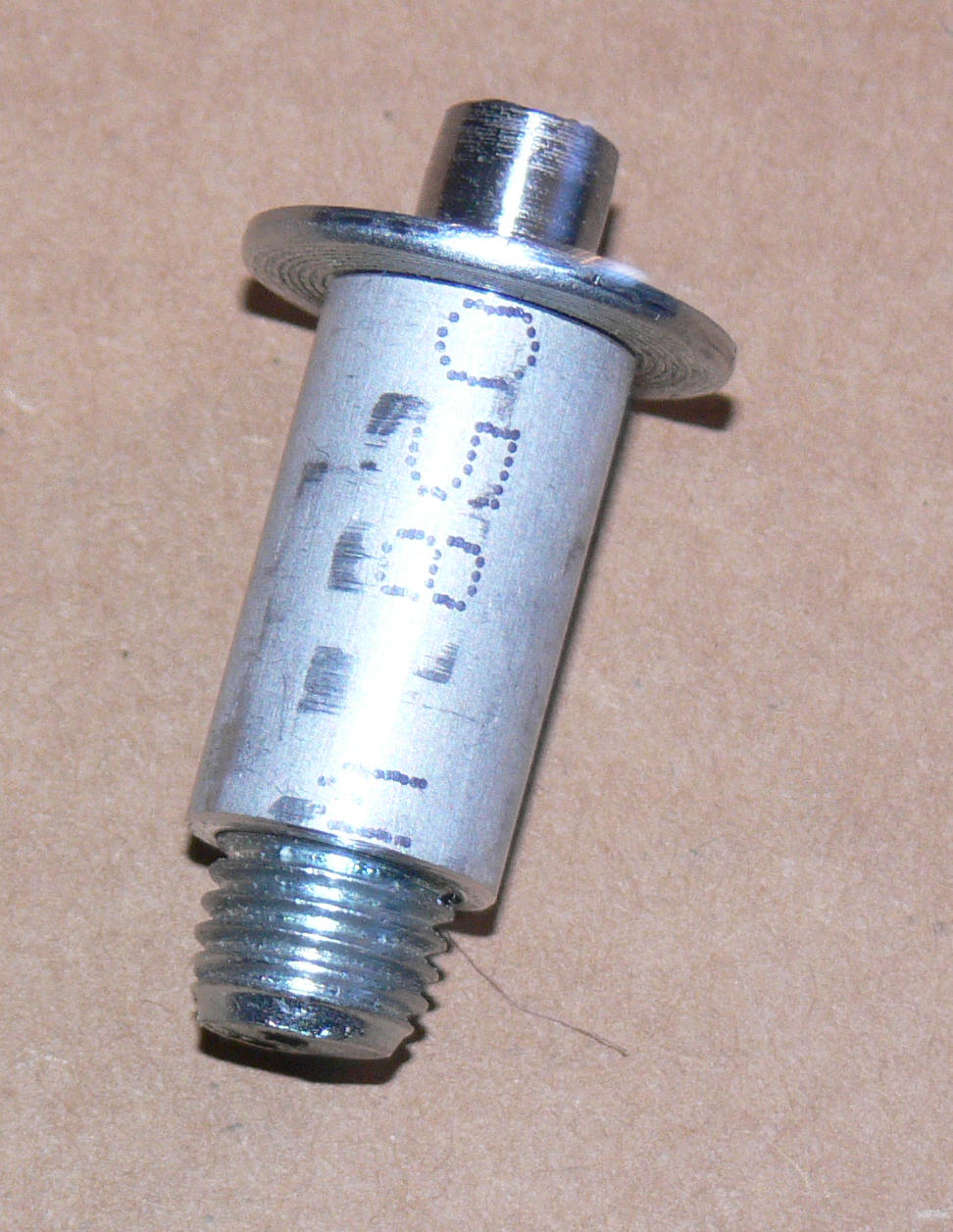
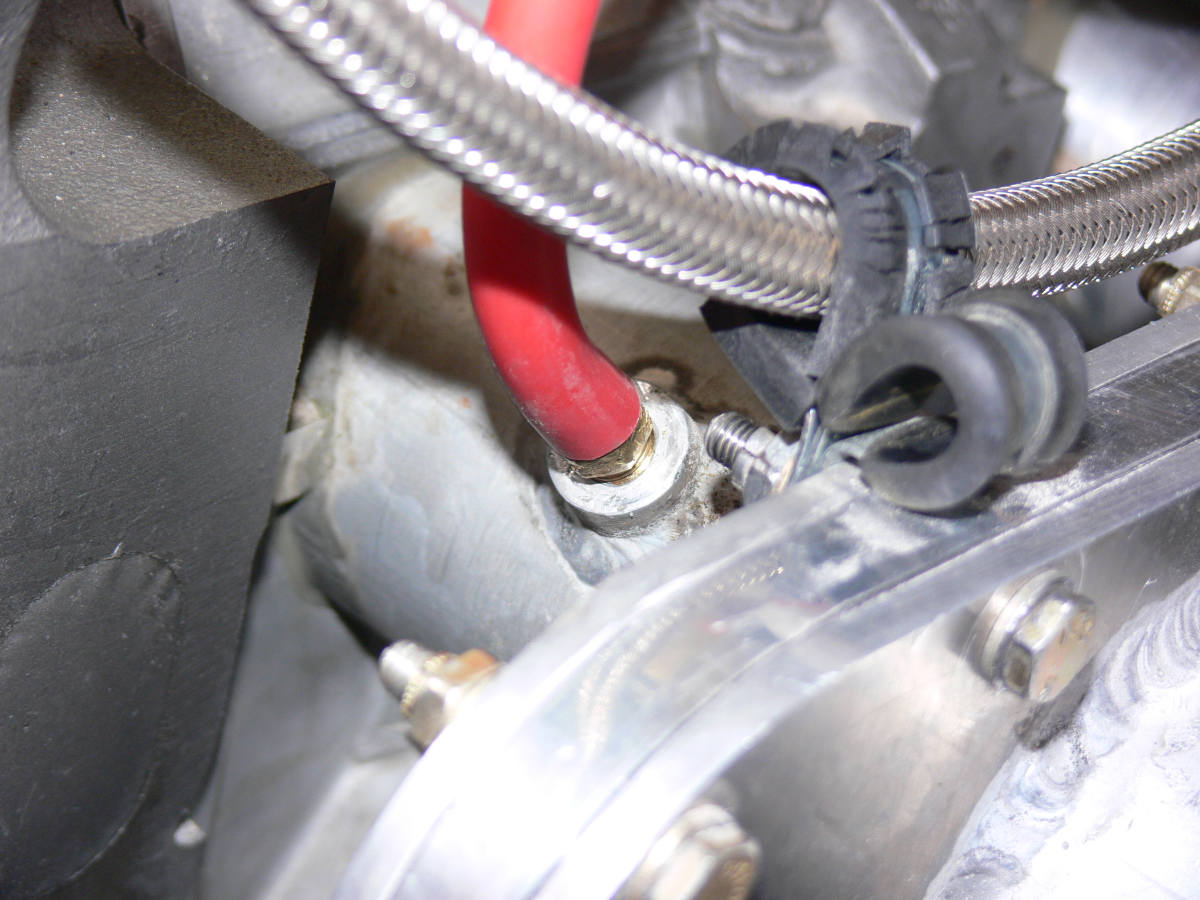
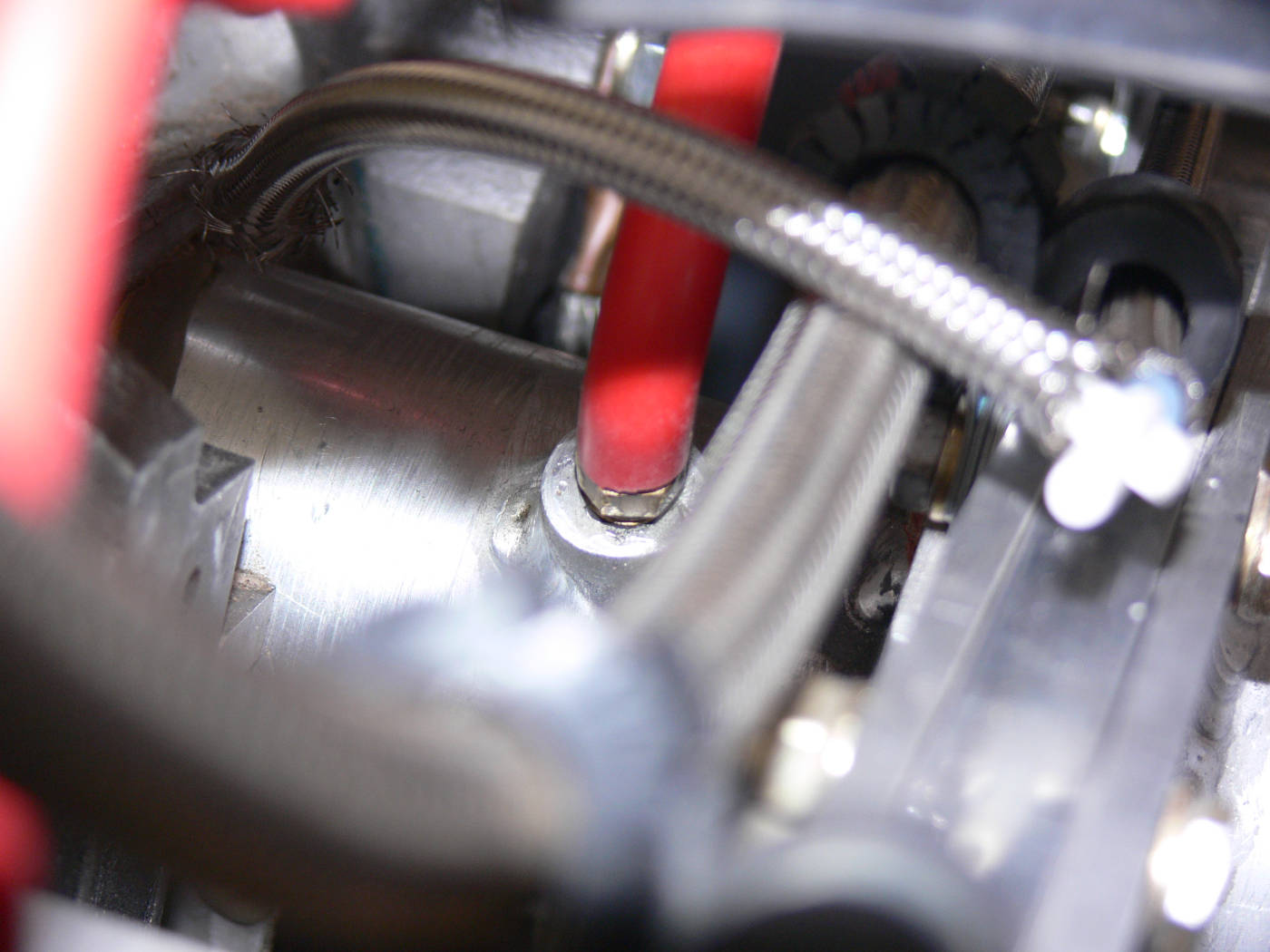
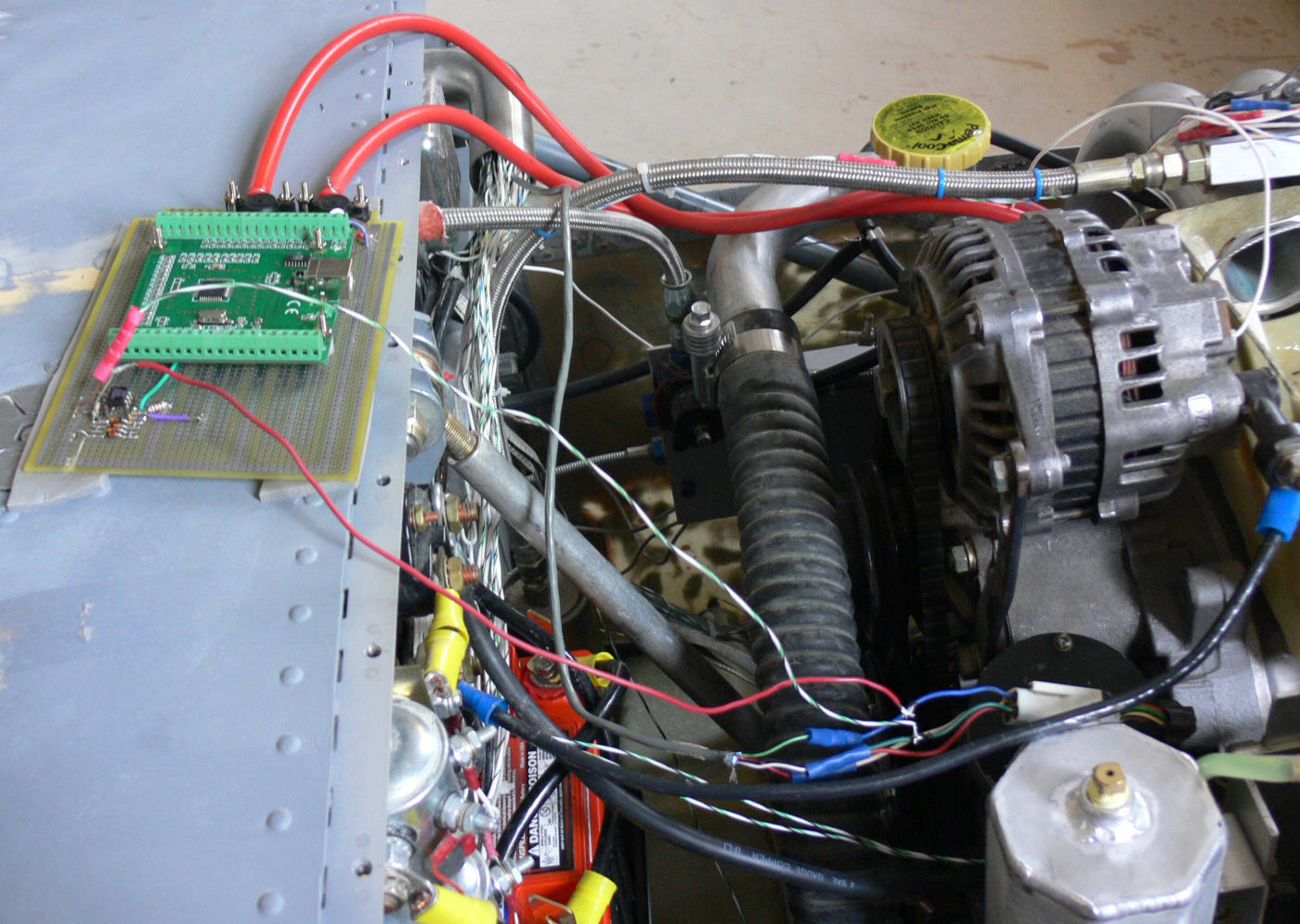
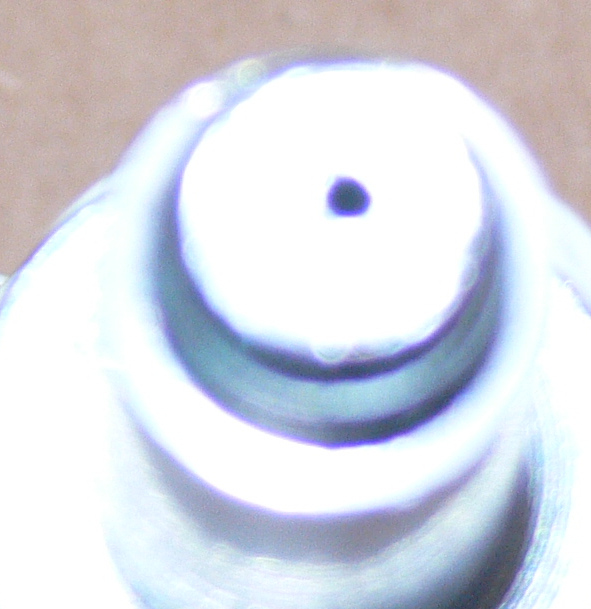
Where were the pressure taps installed? any pics?
Did you try cross connecting the tap to pressure sensor connections to
try to 'normalize' the data.
It might help explain any differences in the taps or pressure sensors.
Cheers
Cary
Here are some pictures.
Paul Lamar
--
The Rotary Engine NewsLetter. Powered by Linux.
ACRE NL web site.
http://www.rotaryeng.net
Youtube key word UTUBPLEASE
Copyright 1998-2008 All world wide rights reserved.