We have the dyno results of the new Power Sport engine verses
a 51 MM Weber carb Steve. The new Power Sport published
dyno sheets on the throttle-in-the-port version. Here it is.
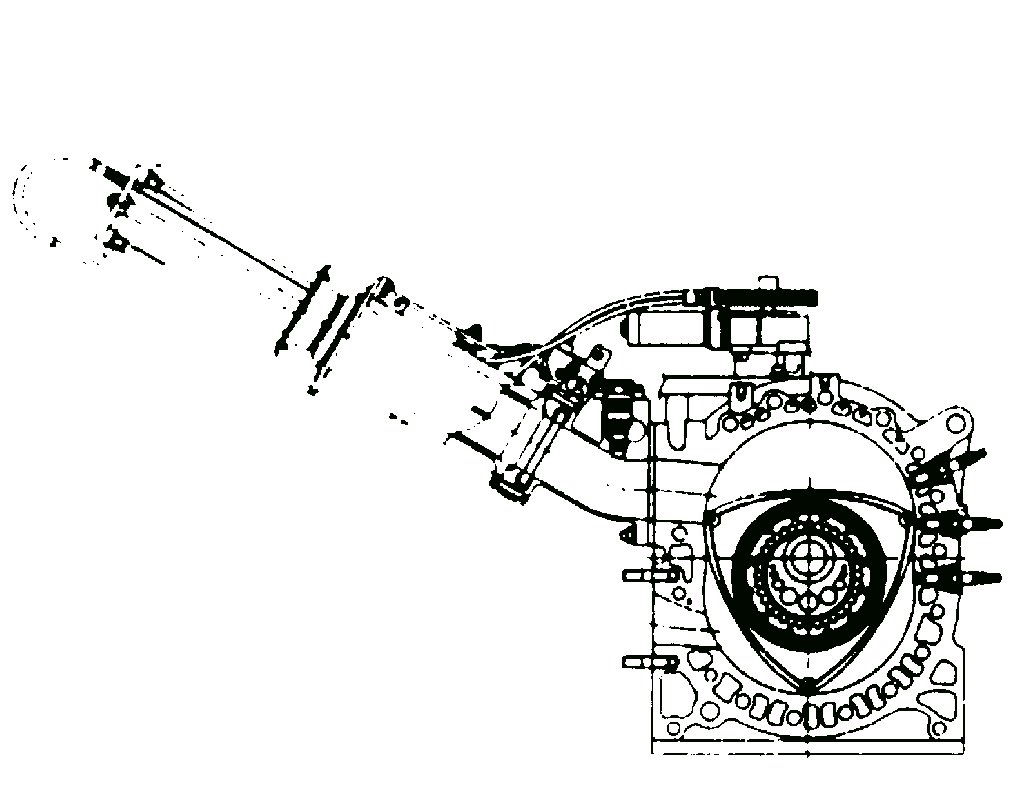
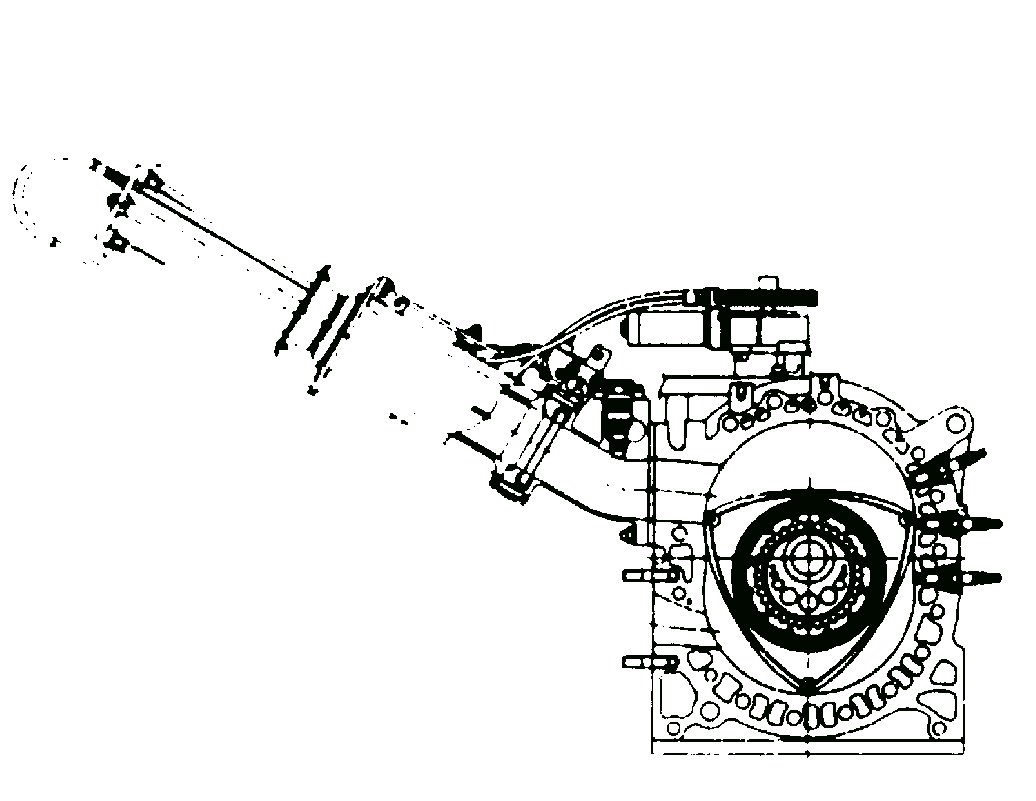
The main difference is the the diameter and length of the runners.
The Weber runner length was 24.5 inches and the ID of the runner was 1
7/8th.
Do you recall what sized runners you used? The length of the runners?
We have data that suggest the diameter of the tubing also enters into the
RPM where the peak torque occurs. One would think it is only a length
phenomena. Of course the larger the tubing the less the internal
aerodynamic drag.
The RX8 p-port idled pretty good with the Weber as there is the same lack
of valve overlap as the 13B side port engine. Standoff was high. We don't
have real accurate HP data on the RX8 Weber but subjectively it was higher
than the 13B Weber version at the same 7500 RPM. I suspect two things.
One; the compression ratio was higher and two; there is much less port
overlap on the RX8 version. My guess is the RX8 Weber version is
around 260 HP. We did see 264 HP but the data was suspect.
Therefore the Holley 2 barrel will work best with an RX8 p-port engine.
Sort of old meets new :)
Paul Lamar
Paul--Absolutely regarding your note about possible intake runner
i.d.effecting rpm where peak torque occurs. We found that was precisely
the case.
You asked r.e.intake tube diameter and length relationship. As a general
rule with a given duration, displacement and flow we found--
1. diameter of runners determine rpm of max torque and
2. length of runners determine torque/hp curve; shifting torque within rpm
Of course it all gets juggled up depending on rpm/power goals. In tests we
found it was easy per se to make power with rotary engines. But our goal
was to use ram tuning and moderate rpm to match or exceed a Lycoming fuel
burn at cruise speeds in side-by-side flight tests with the same type of
aircraft of equal rated power. It was a lot harder than making a lot of
power with big, shorter runners and a lot of rpm.
Here was our progression--dyno tests used down to 1 3/8" i.d. and lengths
from 16" to 32" using with carbs and fuel injection. Tested first with the
all-aluminum dual side port engine, then peripheral port engines
exclusively. The aluminum side port engine made over 200 hp but required
excessive rpm to do it (7,000). At that point we built the othe dyno so we
could do tests with reduction gear and test club installed. By the time we
put rotary back on dyno we had changed stuff, so don't know power loss
through reduction gears.
Flight tests of periperal port engines began with 1.5" id runners,
progressing later to 1 9/16" i.d., then 1 11/16" id as rpm of max torque
was gradually shifted upward from 4,500 rpm to 5900 rpm. The latter two
diameter configurations used 22-23" long runners, measuring the overall
runner length from the individual tube bell mouth in the plenum and ending
at the temination of the peripheral port insert in the rotor housing. Our
notes from the factory guys r.e. their four rotor at the time with variable
length runners was 21" at longest length; 15" at shortest length with 2" dia
runners and 9,000 rpm. Our practical limit to induction runner length was
the space available due to tightly cowled engines. The 4" dia. plenum
nestled between the top/side of the engine and the cowl. In some cases we
wanted to go longer but were simply out of room.
We changed many things from engine to engine so meaningful correlation of
our data is a problem. These changes included p-port timing, size and
shape, and other factors as well. So there are apples and oranges in the
data.
As we accumulated flight test hours, we incrementally increased peak torque
rpm as systems were refined. Runner diameter/length adjusted accordingly.
To show how gradual this was, from 1988 to 1997 peak rpm was increased from
5,000 to 5900 rpm. Some of the changes, while appearing small, were
surprising when you looked at the numbers. For example, when we shifted the
engine up from slightly over 5500 rpm to 5900 rpm, we increased the runner
and port insert i.d. of the engine from 1 9/16" to 1 11/16" but it was a
whopping 19 per cent increase in area (totals included area of throttle
shaft).
Again, our goal was obtaining highest engine torque at (slowest possible)
targeted rpm consistant with those goals of cruising our rotary RV-4 at the
same airspeed as the Lycoming powered airplane; landing and filling tanks
with us burning the same or less fuel. We eventually were able to do it
with the small dia runners, direct mechanical injection nozzles in the rotor
housings and running very lean at slowest possibly rpm at the same airspeed
as the Lycoming 160 and 180 hp RV-4s. We used a very large slow turning
prop (started with a 84" dia X 96" pitch, reducing dia and increasing pitch
as peak rpm increased) and used fewer horspower than the Lycoming aircraft
at that airspeed. Could not have done it without refining the ram tuning.
When the aircraft was lost we had not yet repeated the side-by-side test of
the Mazda conversion engine with the larger 1 11/16" dia. runners with
injection nozzles moved to port entrance. But it appeared we would not be
able to match the mission fuel burn of the smaller dia. intake runner engine
and direct injection in that configuration. If so, it appears it would be
consistant with fact that all other things equal, more rpm and more power
takes more fuel. Your RX-8 work interesting. Your Mazdatrix dyno test
changing runner length from 19 to 22 shows shift to lower rpm with a shift
from 7200 and 194lbs with 19" and a peak 187 lbs @ 6200 with 22" runners.
So would be interesting to see how it will compare with smaller diameter
higher velocity runners with same 22" runner and another set possibly longer
at that smaller dia. to see what kind of fuel numbers you get there and how
Holley/RX-8 setup takes leaning. Reduced overlap with RX8 exhaust port
configuration help idle considerably with carb/throttle plates that far away
from port? Would guess it would be high idle speed with regular peripheral
exhaust ports. Do you plan to dyno that same engine with your new EFI?
Steve Beckham
I was and I should but it is $650 a day. I'll probably fix up the prop dyno
I already have. I don't expect a whole heck of a lot of power over the Weber
carb. I mainly want to run it under prop load to check out the 555 system.
I don't need it on a dyno to do that. I will buy one of those wide band mixture
monitors. Knowing the mixture and the fuel burn one can calculate the HP
rather closely. Tracy discovered that if you lean it until the power starts
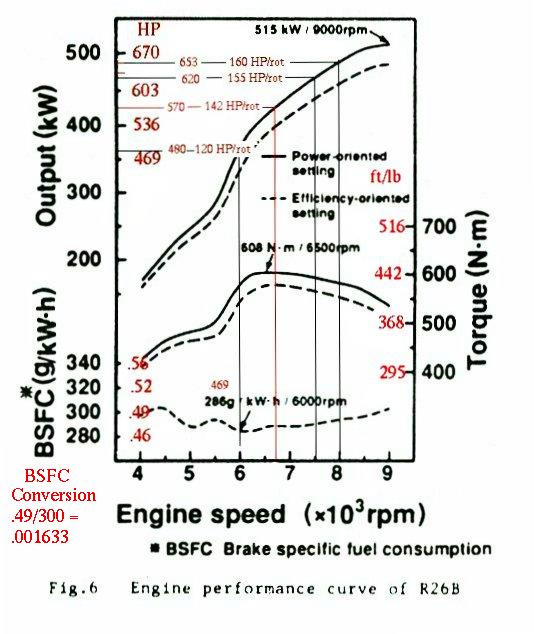
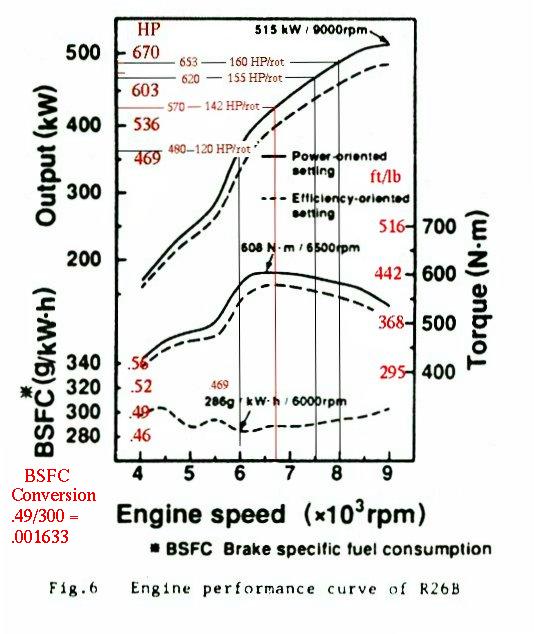
dropping (200 F lean of peak) off the BSFC is the lowest and about the
same as a Lycoming.
BTW note the Lemans engine had the lowest fuel burn of any Mazda rotary
or any other kind of rotary for that matter so far and that is why we copied
that runner length and diameter. Mazda spent big bucks developing that
intake system.
Paul Lamar
--
The Rotary Engine NewsLetter. Powered by Linux.
ACRE NL web site.
http://www.rotaryeng.net
Youtube key word UTUBPLEASE
Copyright 1998-2008 All world wide rights reserved.