Dear Mr Lamar,
I have just read your article in Aug edition of Kitplanes. Fascinating!
Could you answer some questions that came up for me if you can:
You have waxed almost poetic about the Wankel rotary engine, turbo charging
and turbo-compounding it. Would turbo-compounding also apply equally
to a two-stroke piston port
- There is growing interest in diesel GA engines lately. Diesel applies
well to two-strokes; can it also be applied to the Wankel efficiently
an effectively.
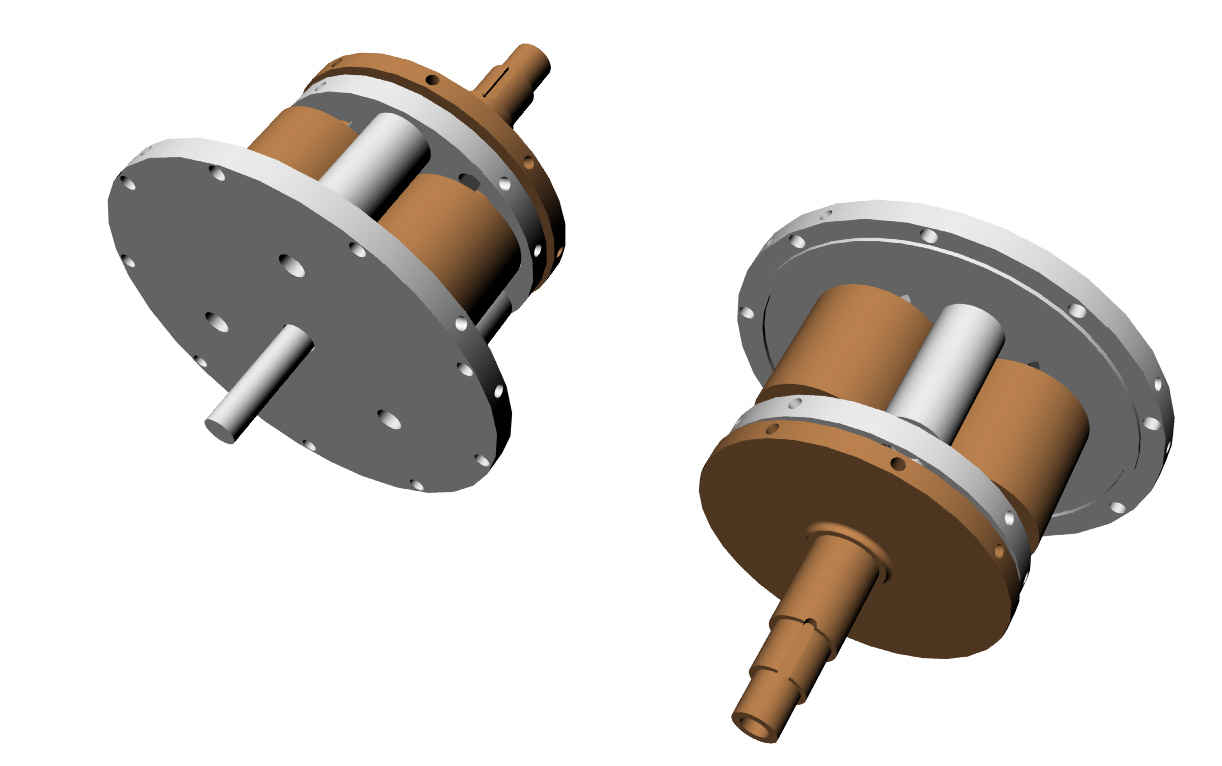
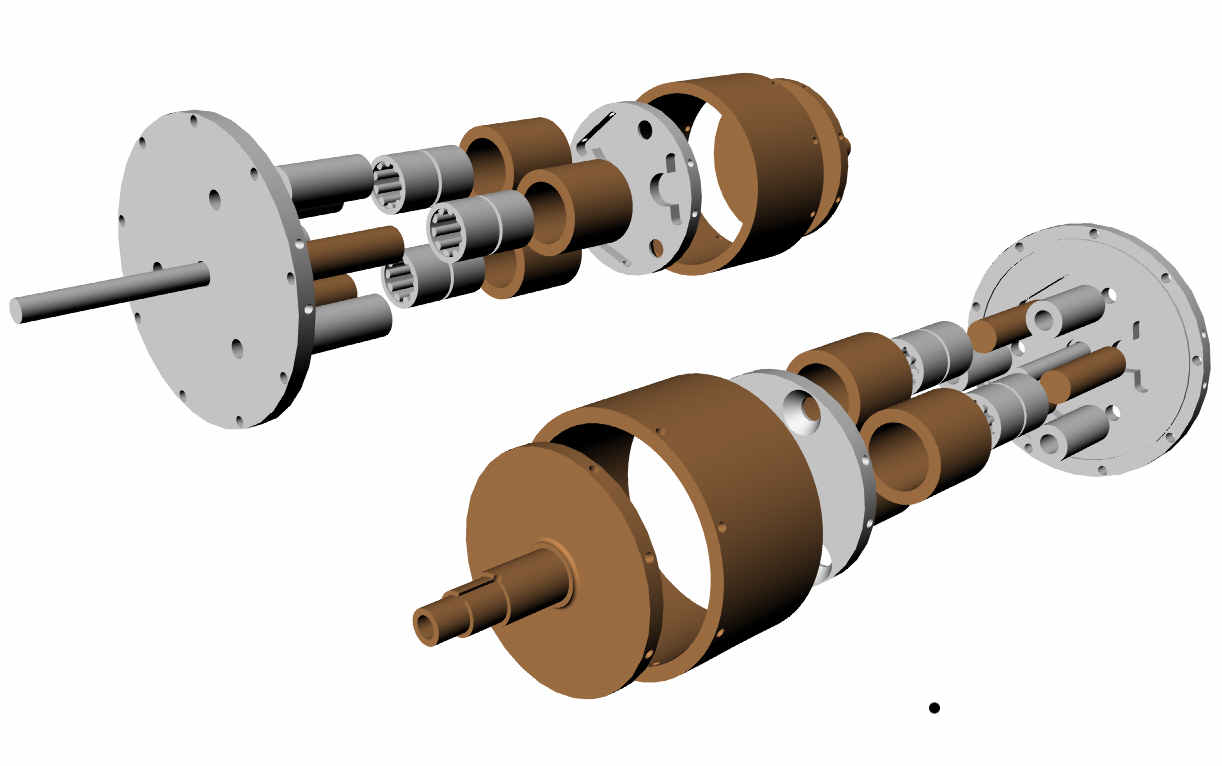
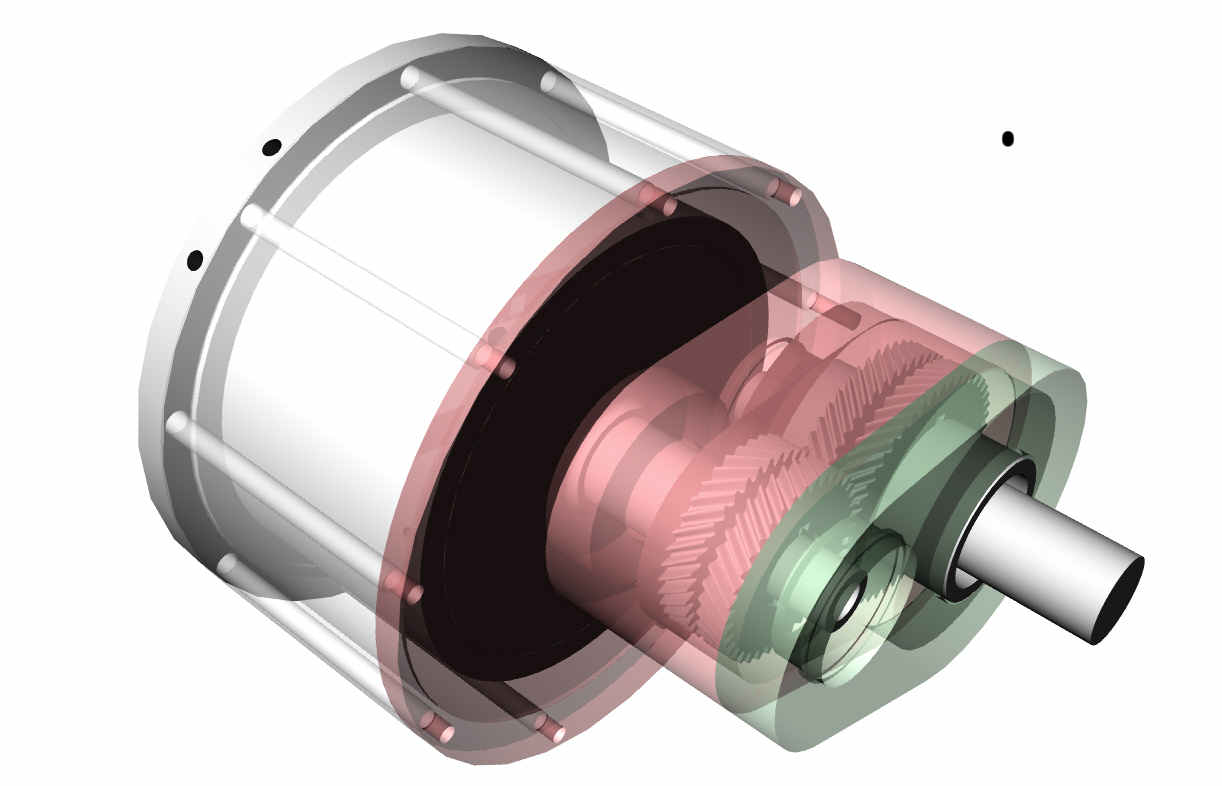
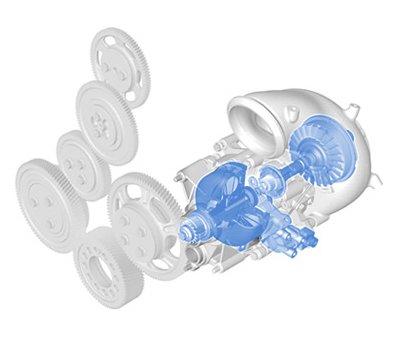
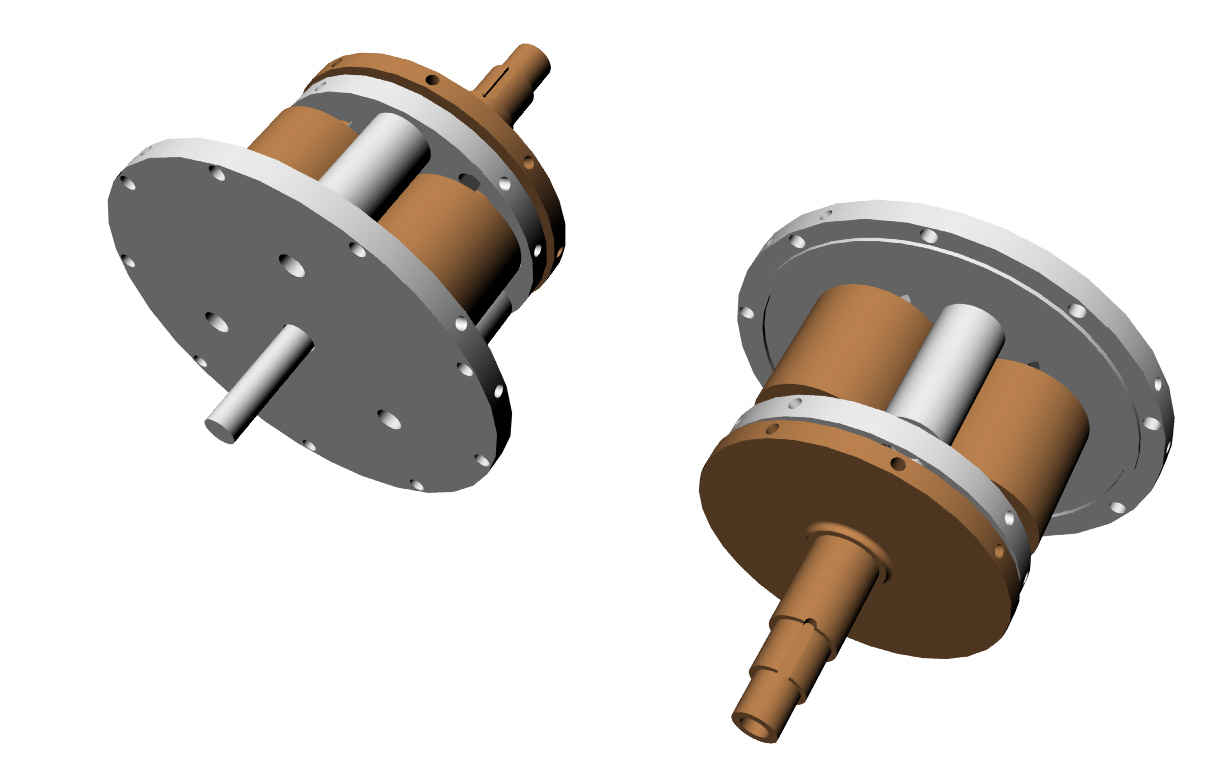
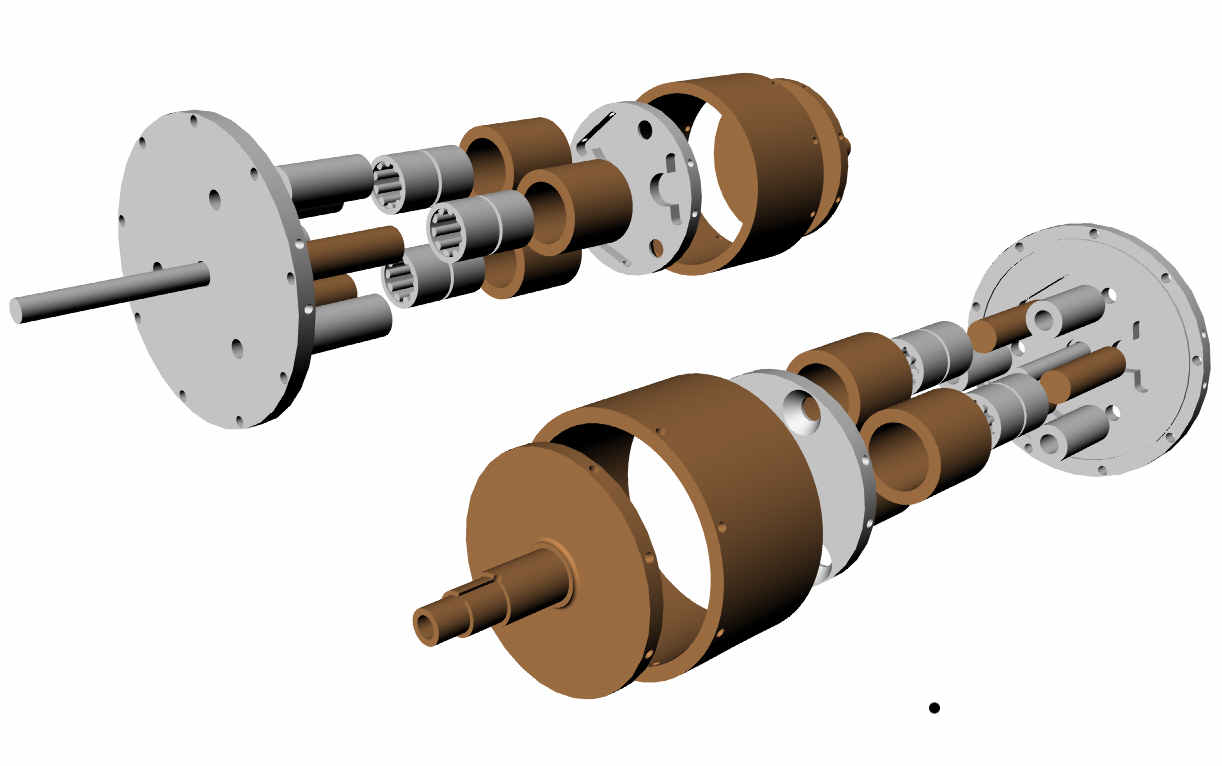
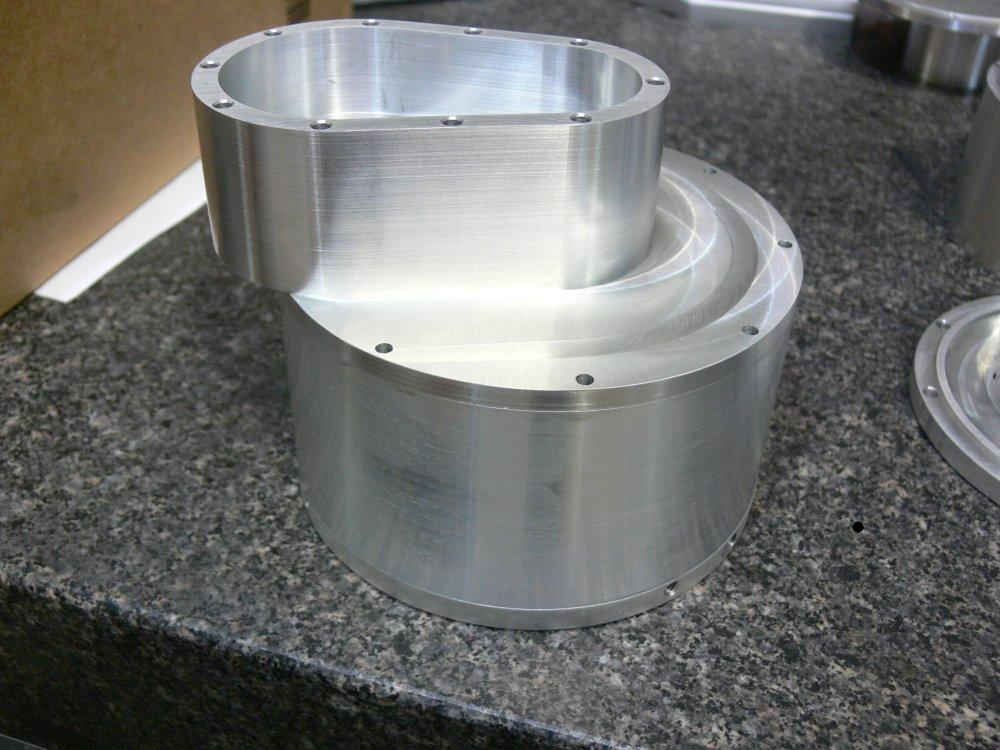
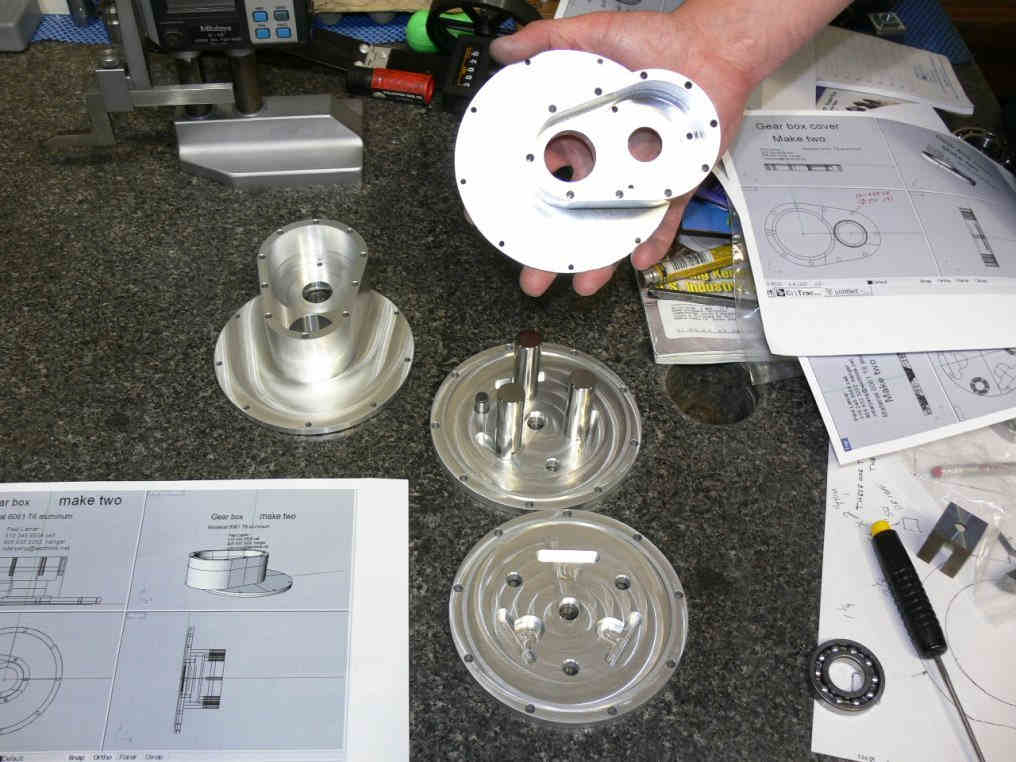
- What you labeled as a "traction drive" and "gear box" for your
illustration of the rotary engine interest me. Are they and
alternative to the fluid coupling of the larger turbo-compounded engine.
As a very armature engine designer, I have designed a 4 cyl,8
piston opposed piston diesel engine for general aircraft with
my idea of turbo-compounding. Do you think a diesel Wankel
would be a better concept You seem to favor it. I would
love to hear your opinions.
Gregory Waller
I would not say equally to a piston ported two stroke
as the Wankel is a four stroke engine and not as subject
to incomplete scavenging of exhaust gases.
Wankels don't lend themselves to diesel compression ratios
due to geometry limitations.
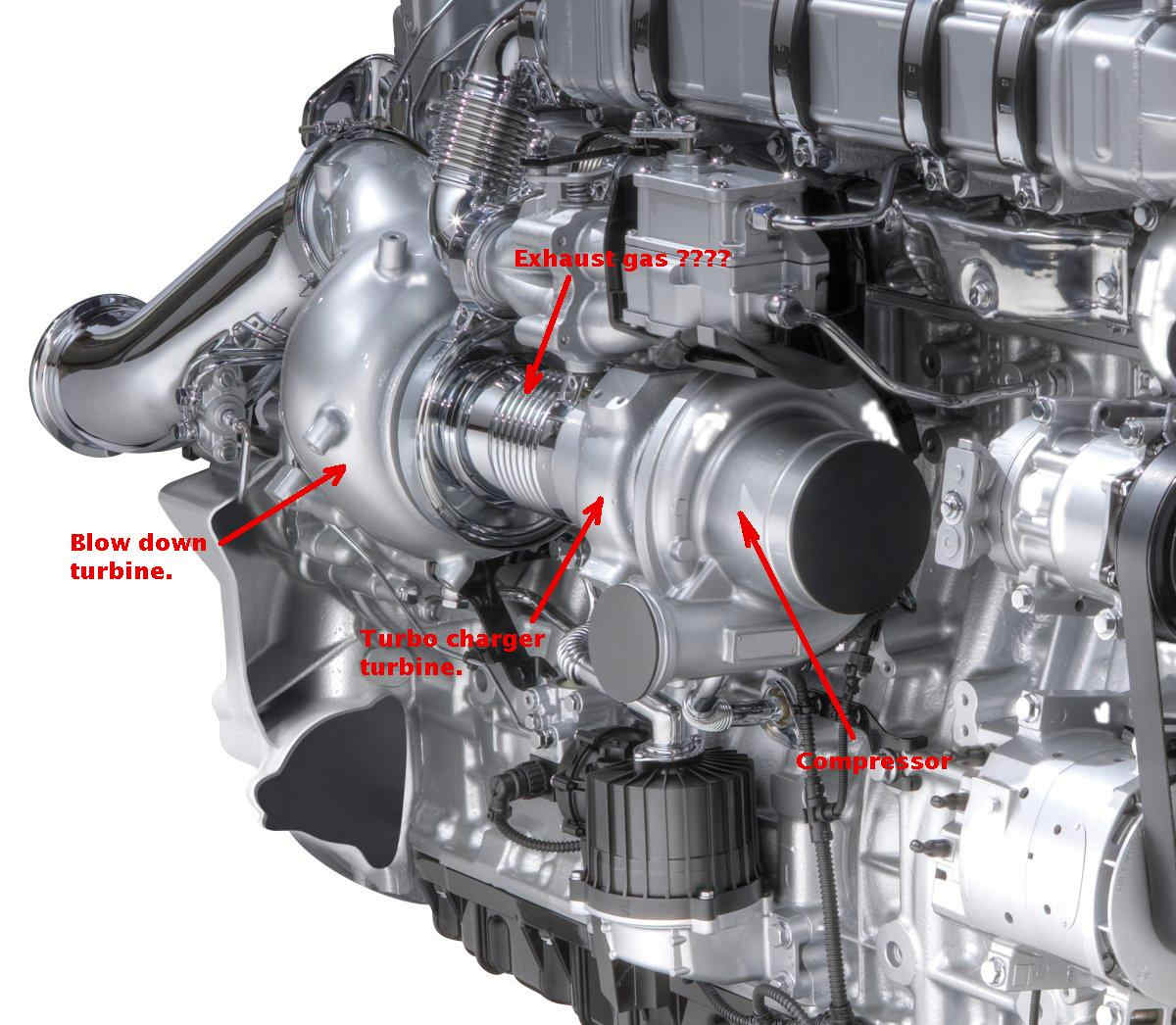
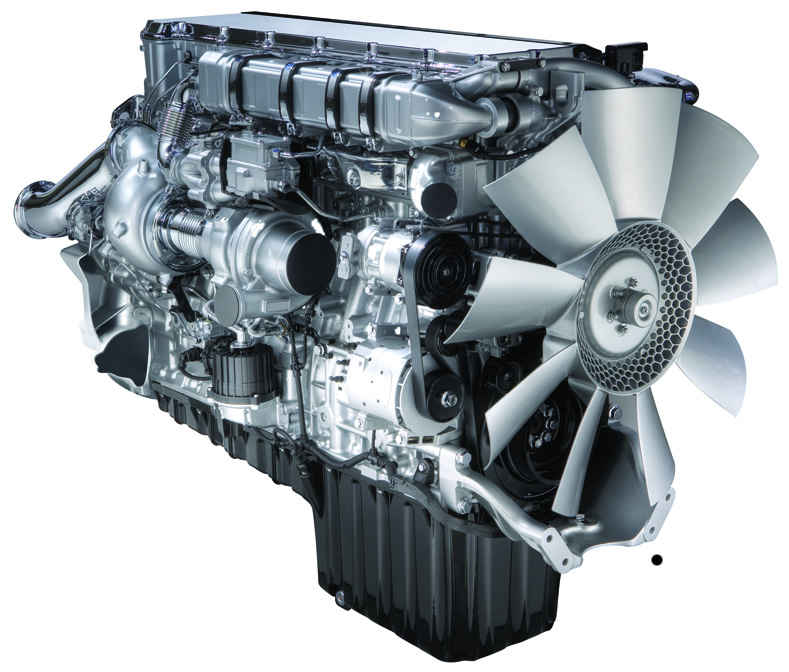
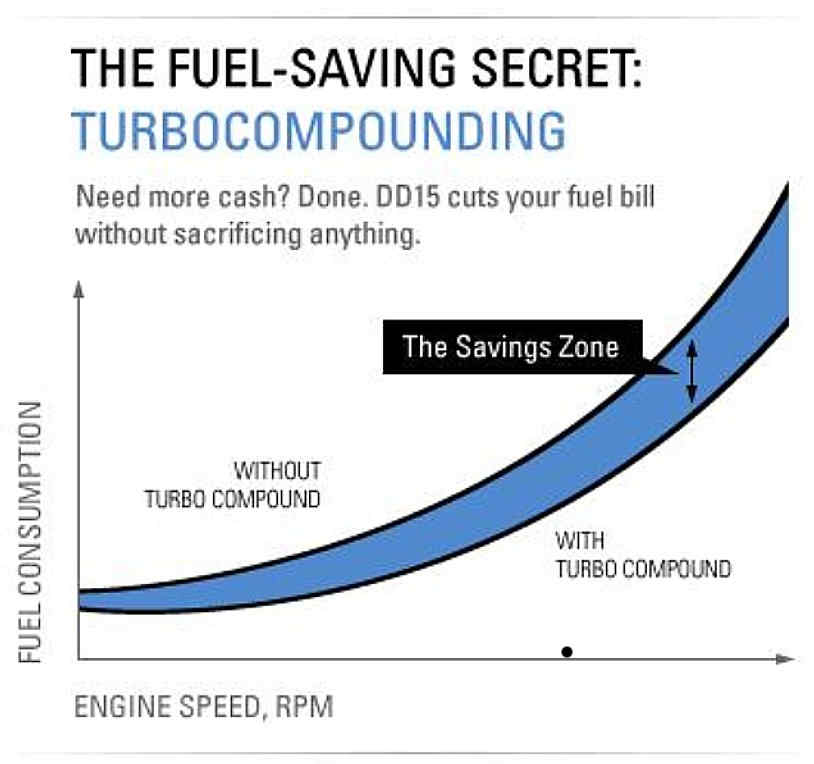
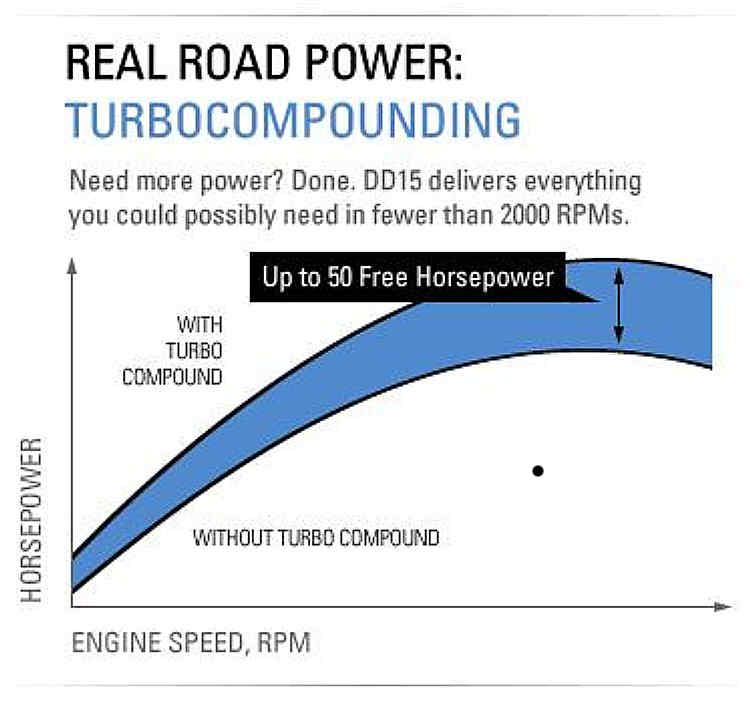
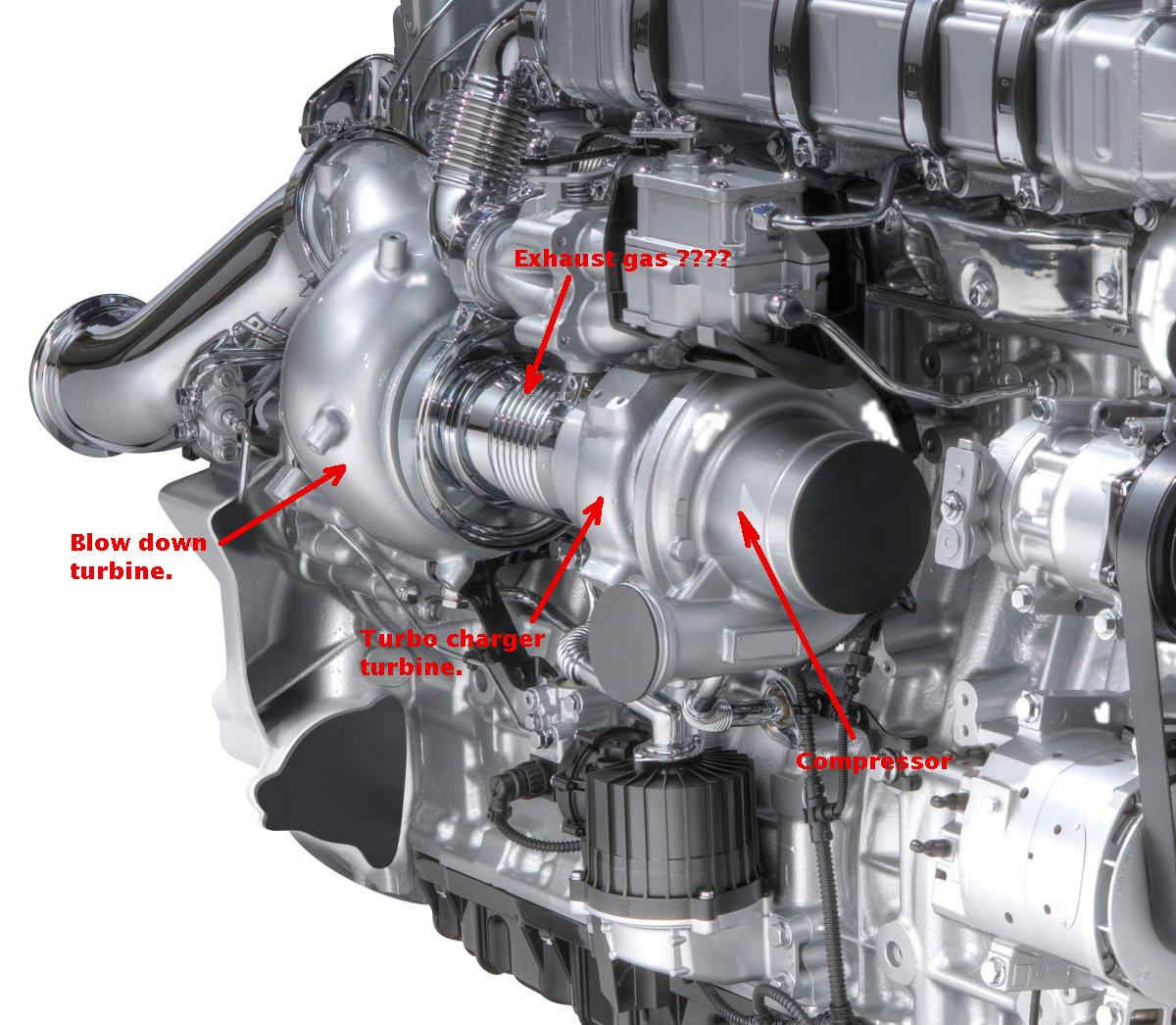
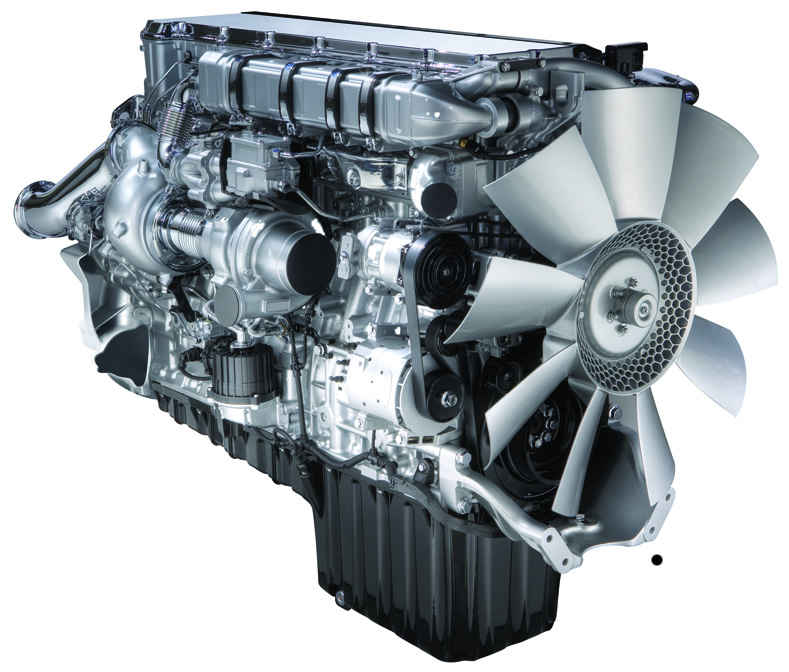
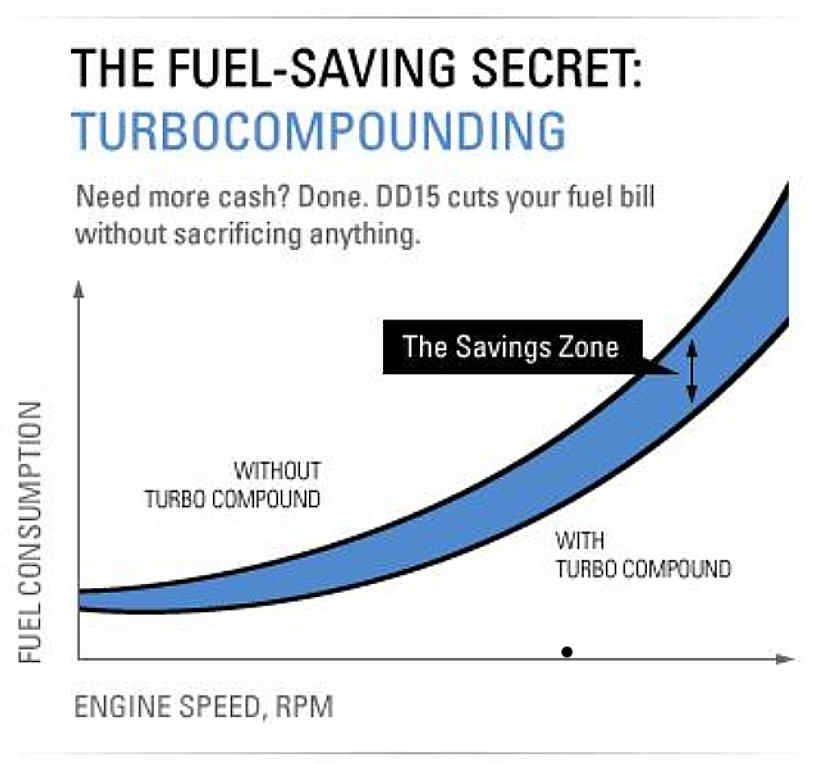
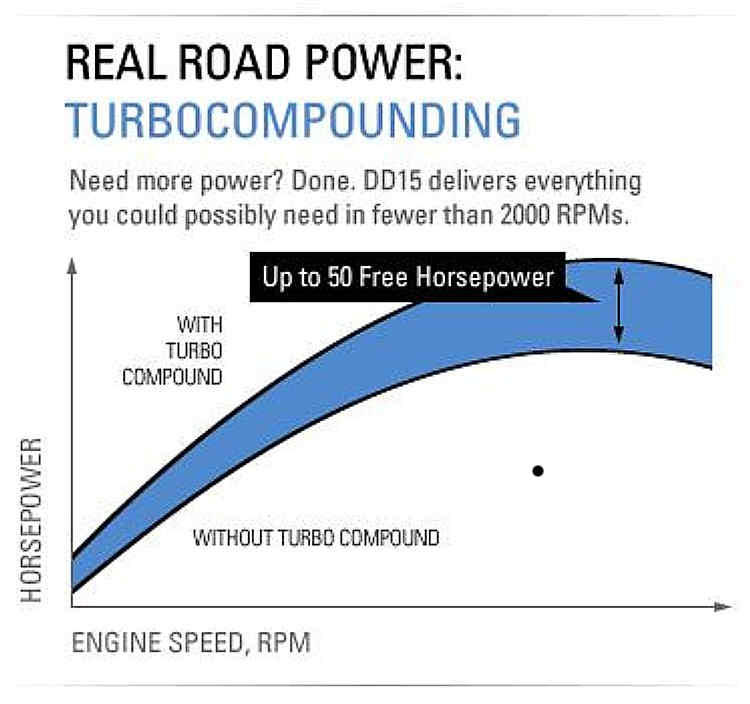
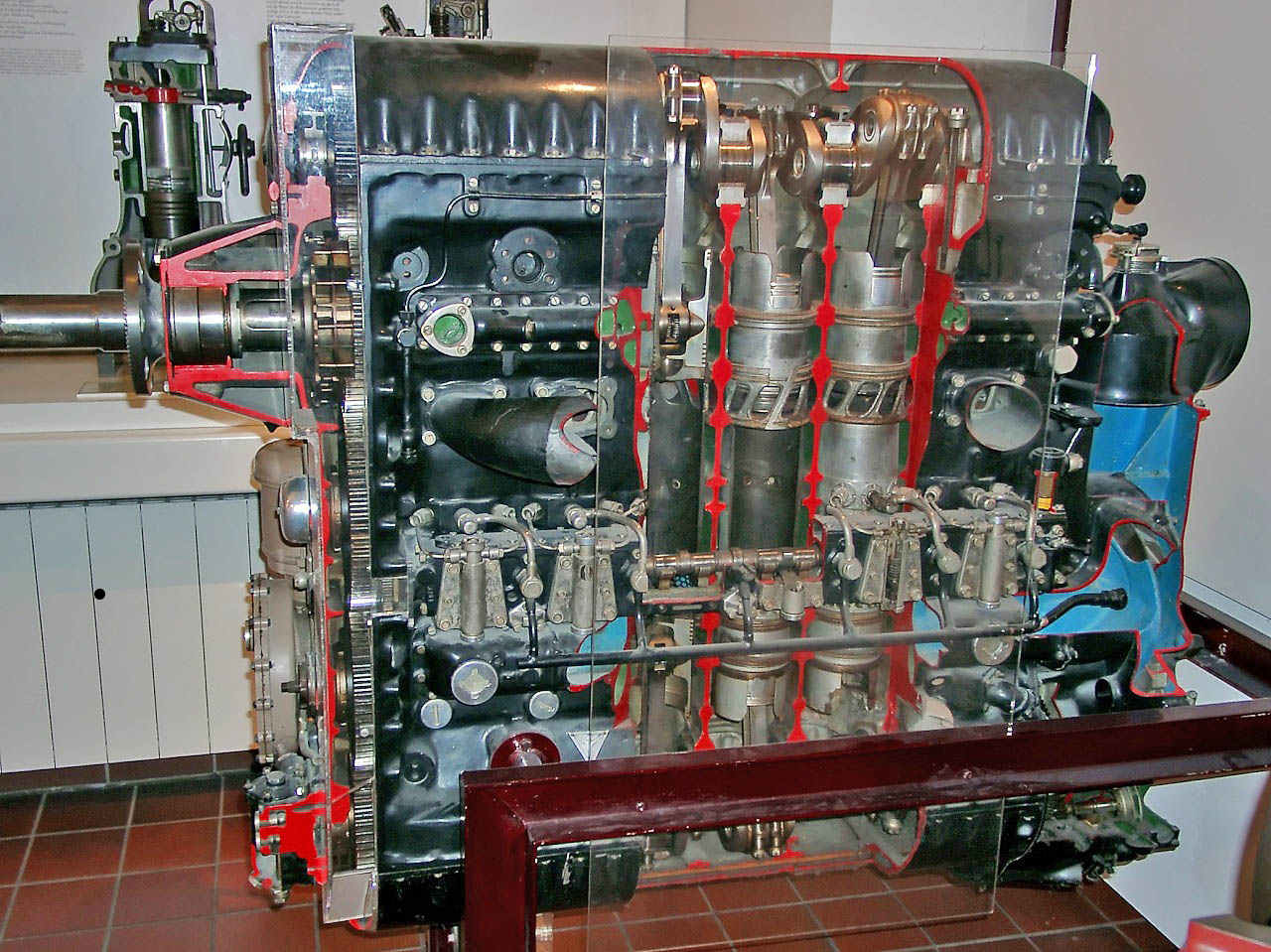
There is a highly successful diesel turbo compound
but it too is not a two stroke engine. The Detroit diesel
DD15
http://www.youtube.com/watch v=luoUHrX6DeQ Two
stroke diesel engines have disappeared in trucking use.
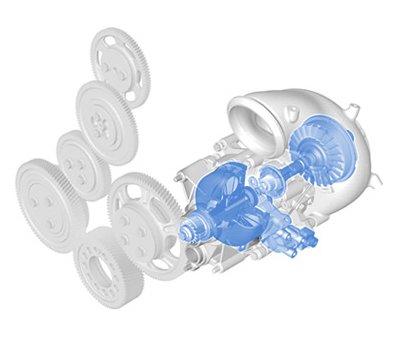
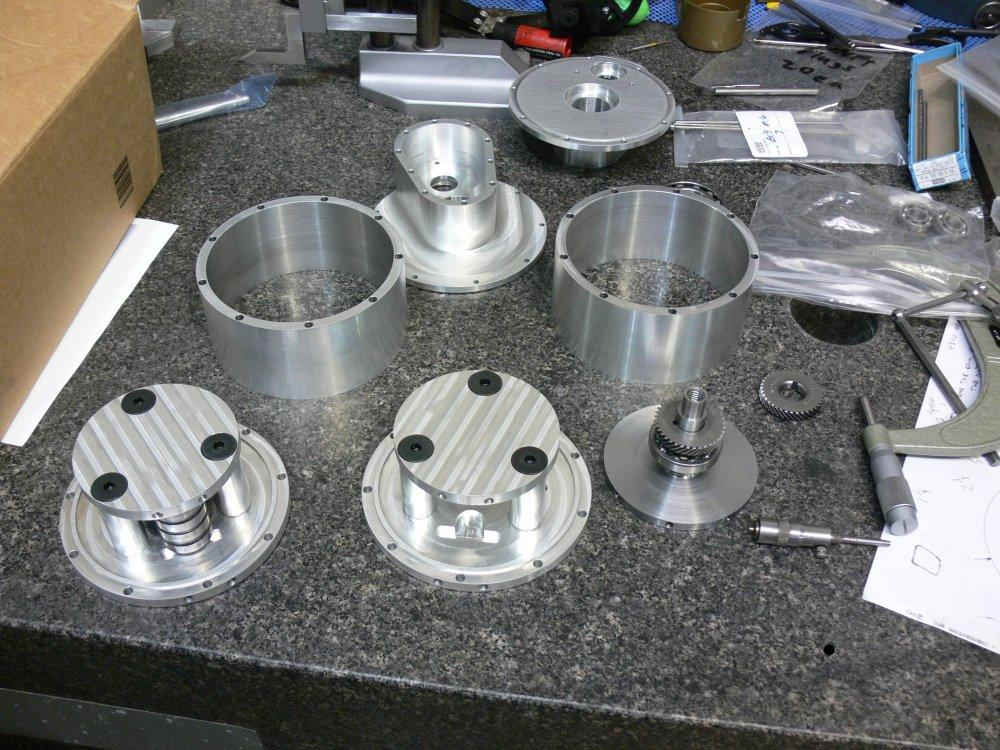
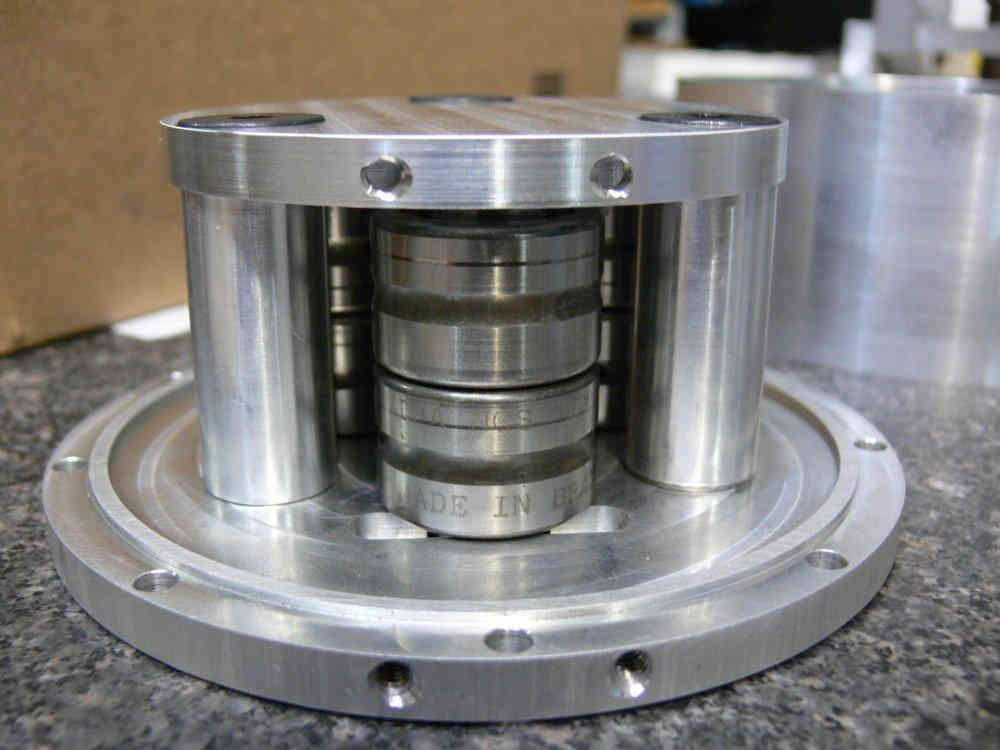
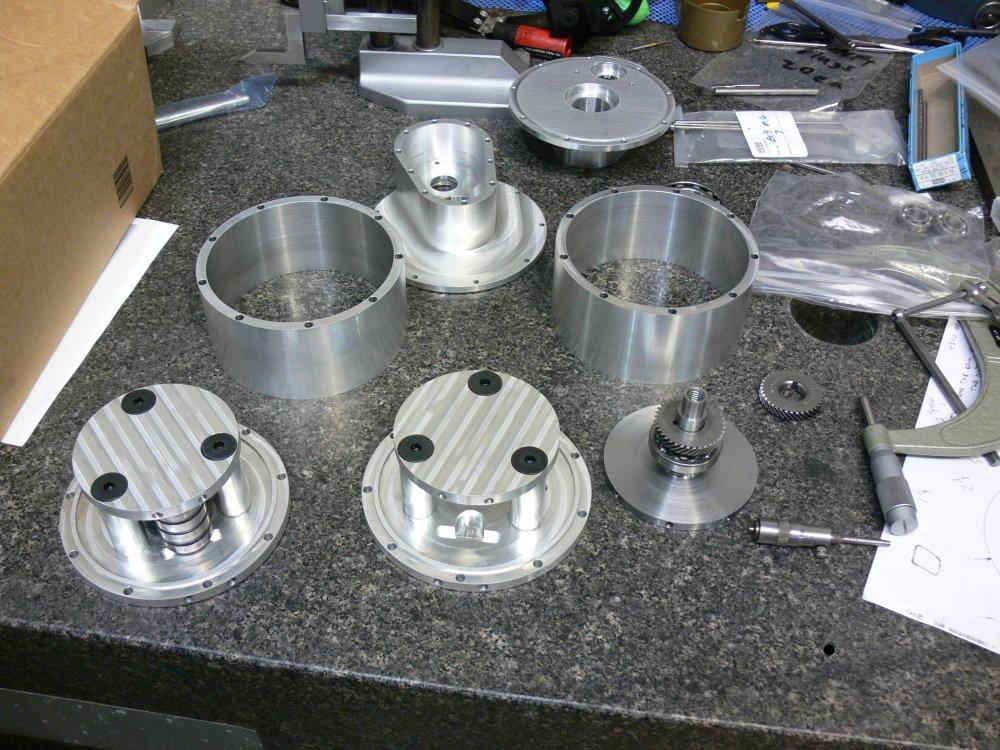
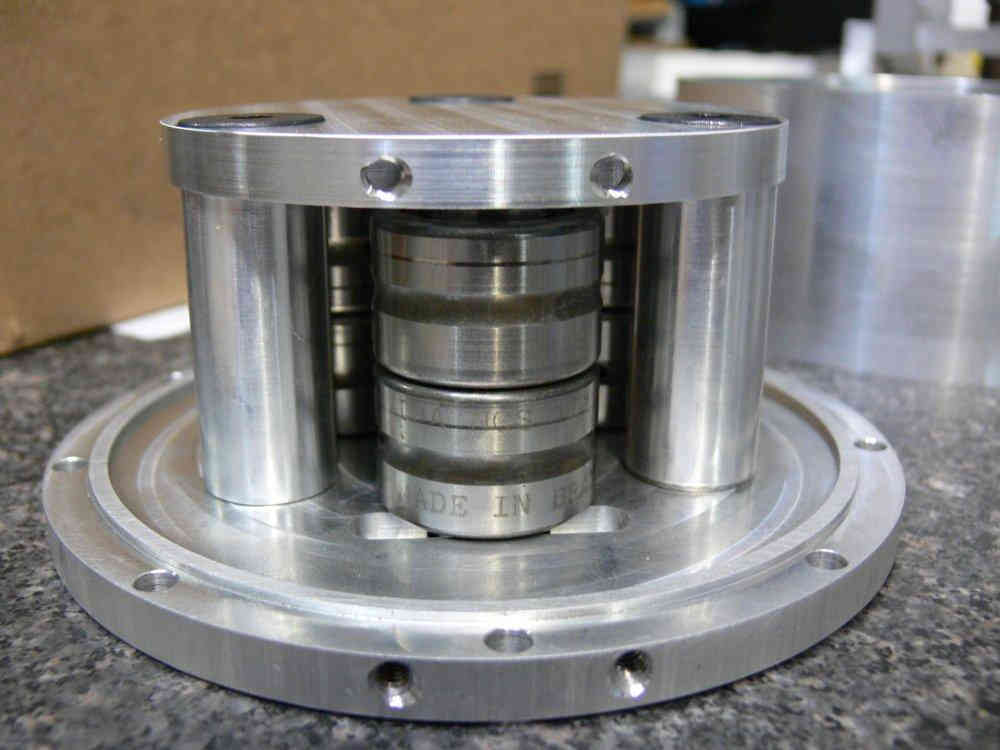
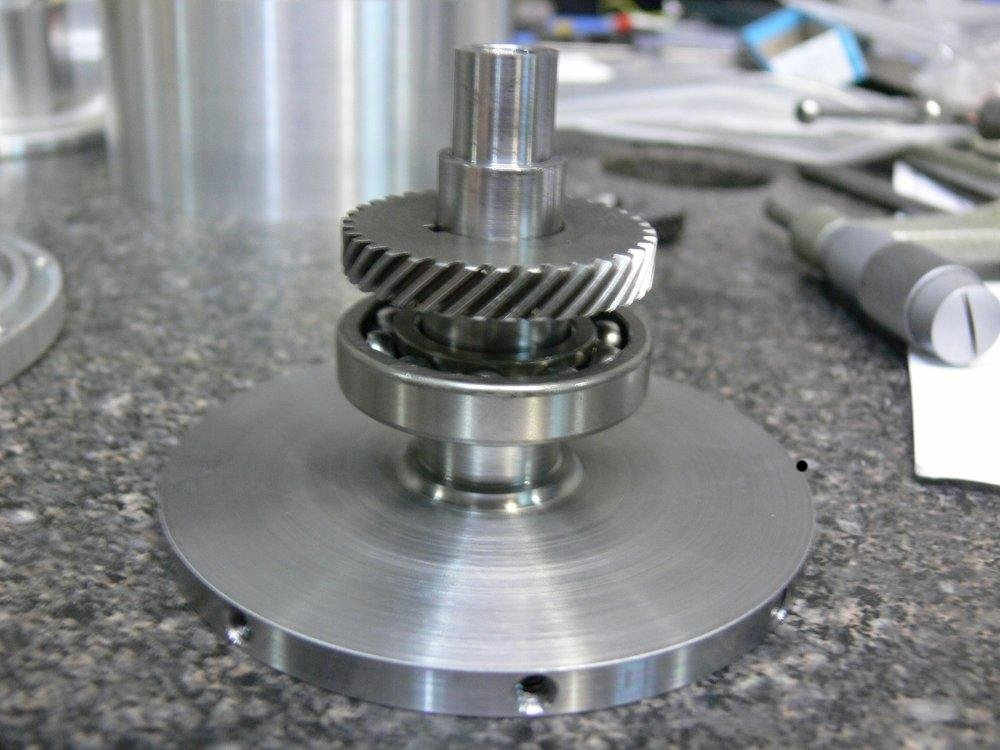
The traction drive is a device that lends itself well to high RPM gear
reduction. It is now widely used in automatic transmissions.
The torque pulse isolation comes from the multi V belt
slippage in my design.
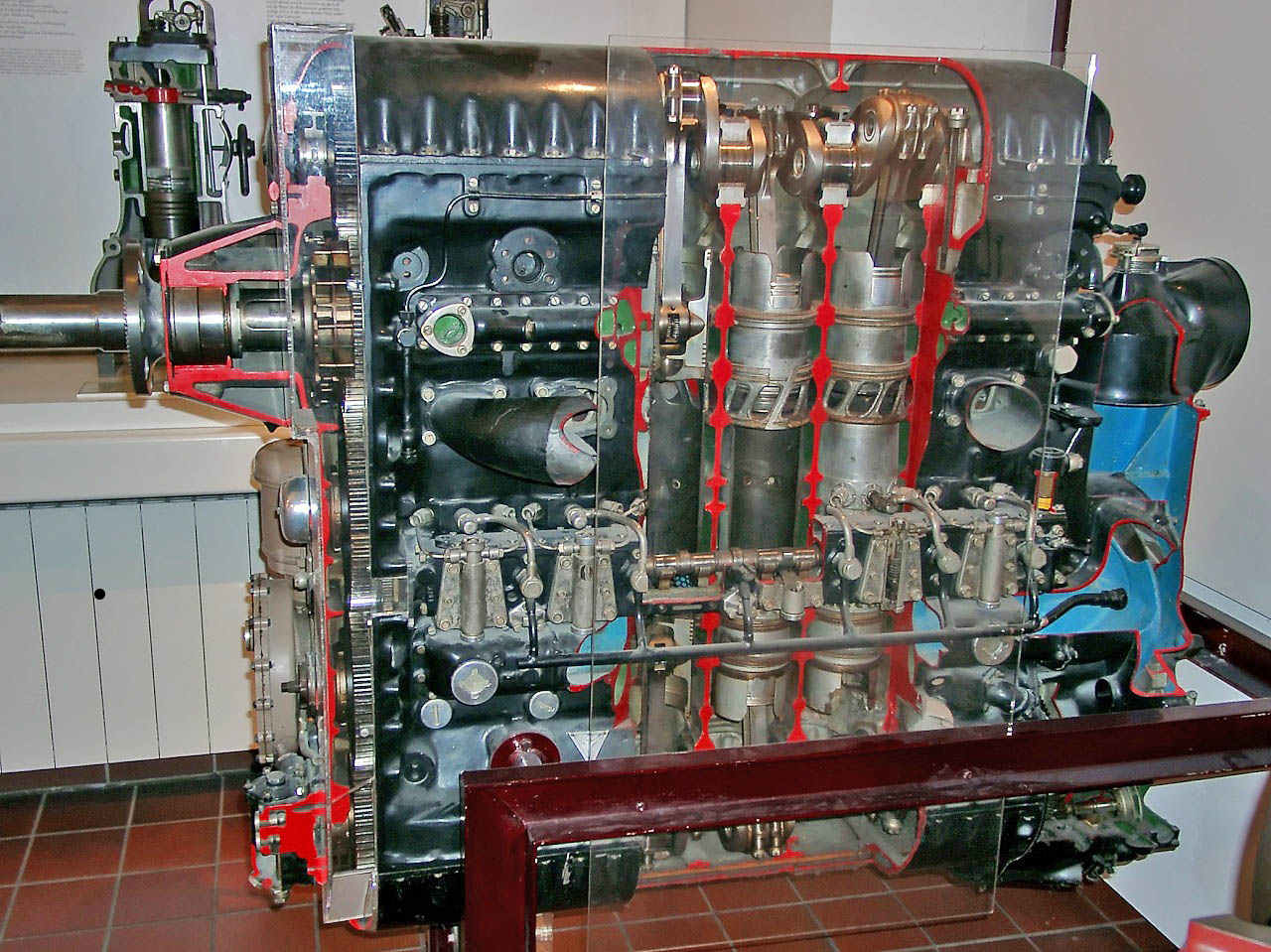
The opposed piston diesel aircraft engine was used in the 1930's by
Germany and was made by Junkers. Packard and others built radial diesel
aircraft engines in the early 1930's. Also General Atomics built a small
opposed piston diesel aircraft engine intended for a UAV about ten
years ago and had it on display at OSH. Recently Thielert tried
and failed. Now Austro engines is trying again. Hope springs eternal :)
The extra weight of the diesel aircraft engine was/is it's downfall.
There is no getting around the high structural loads imposed by
the 20:1 compression ratios.
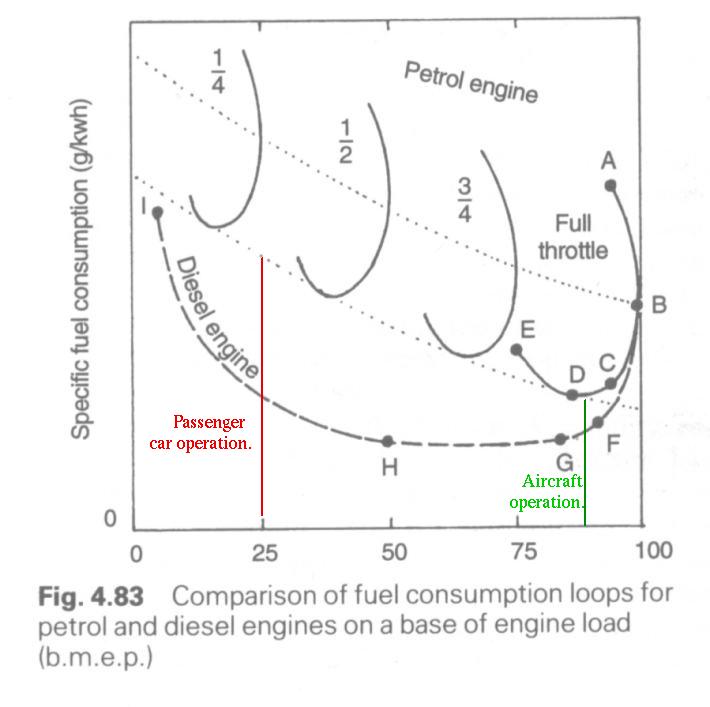
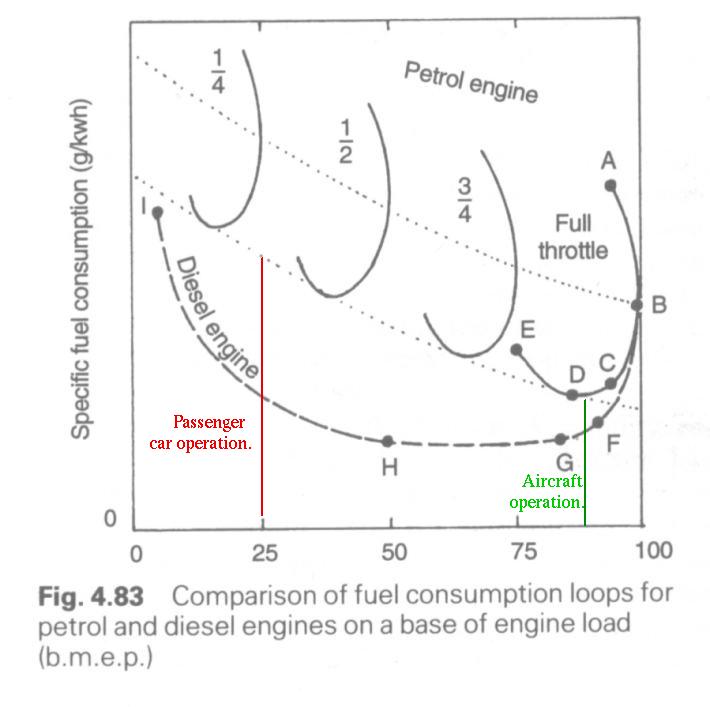
Also the diesel cycle looses a lot of the fuel burn advantage when the
continuous power output required approaches 100%. Typical of aircraft use.
Paul Lamar
--
The Rotary Engine NewsLetter. Powered by Linux.
ACRE NL web site.
http://www.rotaryeng.net
Youtube key word UTUBPLEASE
Copyright 1998-2009 All world wide rights reserved.