Paul,
I just finished your excellent Kitplanes article on turbo-compound
engines, which capture the fuel energy lost in the exhaust by using
it to spin turbines connected to the driveshaft through a torque
converter. You then proceed to laud the Wankel for its lightness
and high power to weight ratio (though the fuel efficient Renesis
weighs a whopping 344 lbs). Finally you propose compounding the
Wankel. [Are you doing this for your Wankel and which engine are you
using?]
This brings up some thoughts. Wankels are not particularly fuel
efficient, due to the surface area to volume ratio of the combustion
chamber and also leave 20% of their fuel unburned. Besides the
pollution (an increasingly important point in our green era, despite
the insignificant amount caused by General Aviation), this results in
having to carry more fuel, thus offsetting the advantage of the light
engine. Also Wankel seals are notoriously short lived; how does this
affect the TBO?
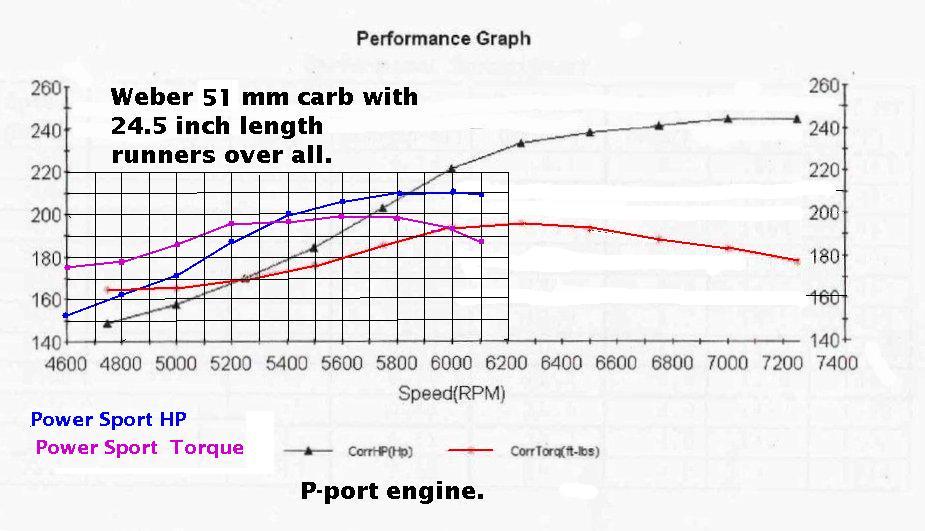
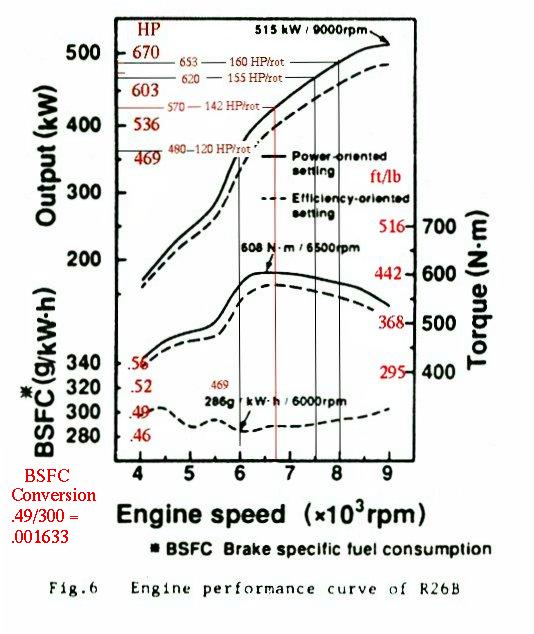
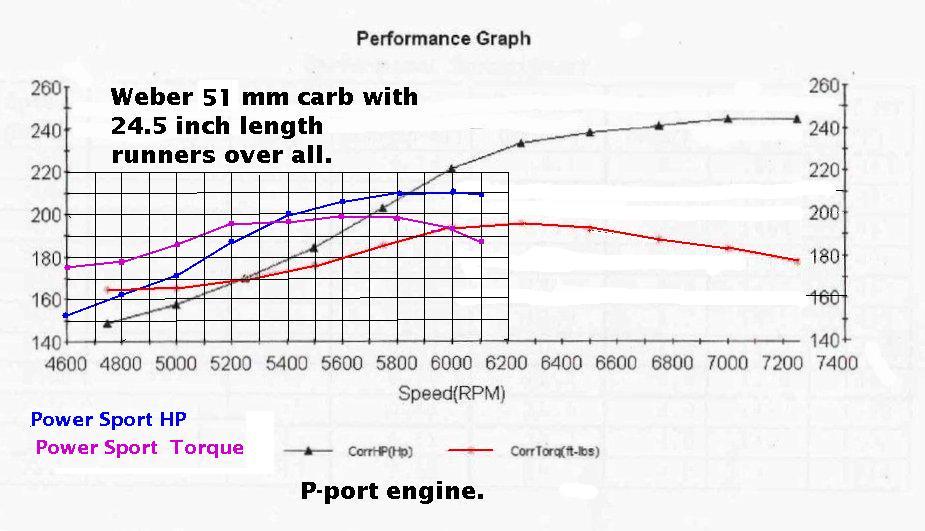
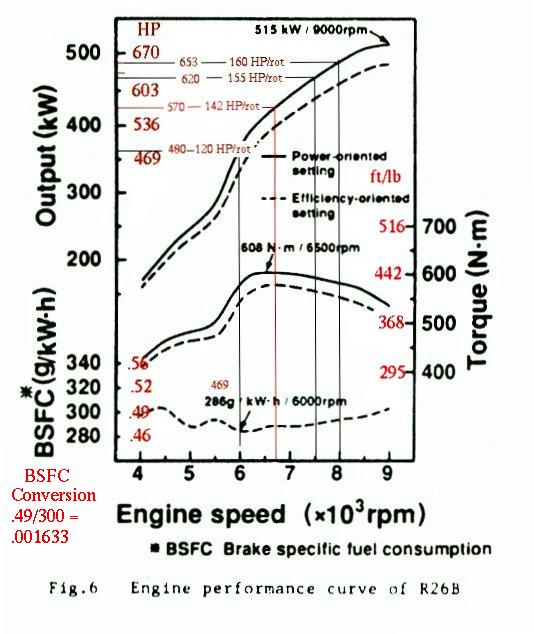
I am unable to find any graphs depicting the Wankel power band; do
you have any idea what it looks like? I know that typical 4 cycle
piston engines begin to reach peak in their power band about 2500 rpm
(which is nicely in the range of propeller speeds). Do Wankels need
PSRUs, which only adds to their weight?
In my research I came across a different type of rotary engine called
the Liquid Piston. I read the following 2005 paper, which I found
interesting and briefly investigated the company trying to develop it
obviously its not being produced yet. Im curious about your
thoughts regarding this engine.
http://web.mit.edu/shkolnik/www/asmepaper/LP_ICEF.pdf
http://www.liquidpiston.com/Technology.asp
Lastly Ive been thinking about a series hybrid configuration. As
the engine would be only driving a generator, it would be operated
solely at its rpm peak efficiency thus improving milage. [The
prop is powered by an electric motor with Lion batteries modulating
the power demands & production. This also provides the opportunity
to locate the engine wherever the airplane design warrants] . As you
know far more than I about engines, I solicit your opinion as to what
type of engine you would chose to power a generator?
Thanks for your time,
Barry Gloger
You have a litany of bad information there Barry :)
AC engine TBO looks to be 3000 hours but nobody has worn one out
in an aircraft yet. I have owned six rotary powered cars
starting in 1973 and several had over 300,000 miles. I currently
own an RX8.
Mazda Wankels are within 5% of aircraft engine as far as BSFC is concerned.
In fact you get a 25% cost advantage as they will run auto fuel instead
of costly 100LL. They win endurance races with regularity so the fuel burn
is not that far off the piston engine. Otherwise they would spend
too much time refueling in pit stops. Mazda won the 24 hour Lemans
outright in 1991. In 2007 an RX8 won the Daytona 24 hour GT race.
Yes the around town mileage is not that good compared to a piston
engine and Mazda is now focused on that aspect of the engine.
Where did you get the 344 # number? The bare 240 HP RX8 engine, less all
accessories, is 190 pounds. About 109 pounds with aluminum end
housings. I can't imagine the RX8 accessories weighing 154 pounds.
Many have been installed in aircraft with a fire wall forward
weight of about 310 pound including a 45 pound gear box and a prop.
In fact most people put the battery in the cowl.
As far as new type "rotary" engines are concerned I refer people to
Kenichi Yamoto's dissertation on the subject.
http://www.rotaryeng.net/What-is-a-rotary-engine4.html
I see no mechanism for cooling or sealing. The devil is in the
details.
You want the highest power to weight ratio engine with reasonable fuel burn
so a Wankel is an obvious choice. The overall efficiency will be suspect however.
I am sure you are aware of the the eff. chain effect. Eff.1 X Eff.2 X Eff.3 X etc.
adds up to a rather low overall number.
Paul Lamar
--
The Rotary Engine NewsLetter. Powered by Linux.
ACRE NL web site.
http://www.rotaryeng.net
Youtube key word UTUBPLEASE
Copyright 1998-2009 All world wide rights reserved.