Good work on using the water manometer to trouble shoot the problem.
You could also try some louvers directly above the back side of the
rads as that is a lower pressure area. Further aft, just in front of the
windshield, it becomes a high pressure area. Peter Garrison, heavy into
CFD, choose that area for his cowl flaps.
BTW there is an off the shelf low cost (less than $15) product that
is near perfect for this application. It is called a wall vent
with built in damper for central heating system.
Home Depot. Cowl flaps built in. Available in light weight plastic or steel.
They come in many different sizes and styles. Look for the one way versions.
Here is a company with a zillion different products.
http://www.atlantasupply.com/wall-register-vents.htm
Paul Lamar
P,
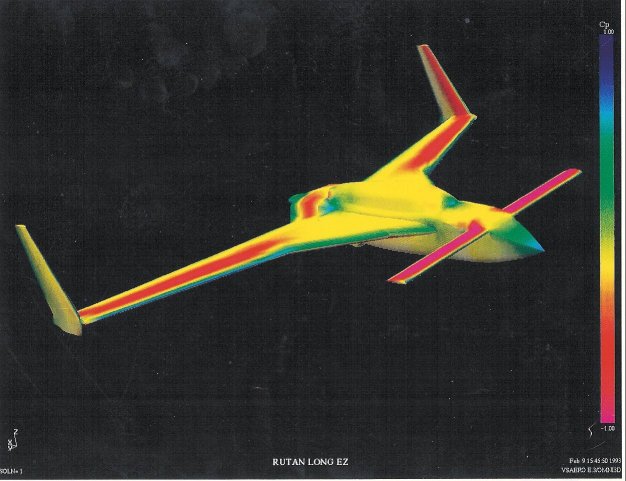
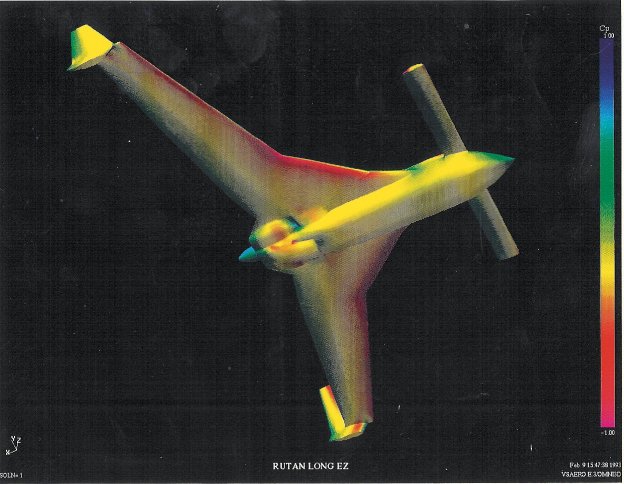
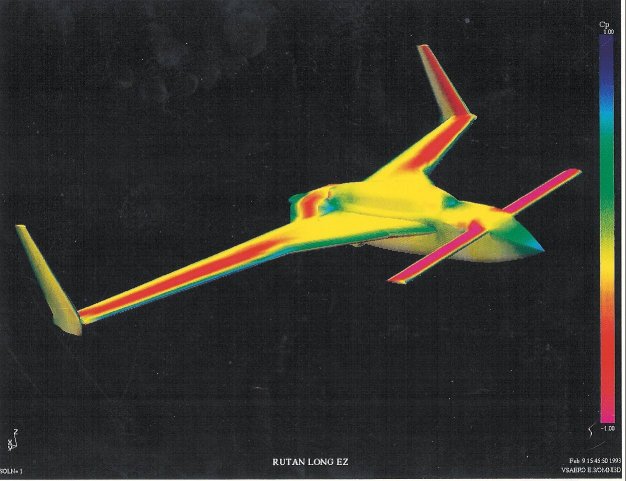
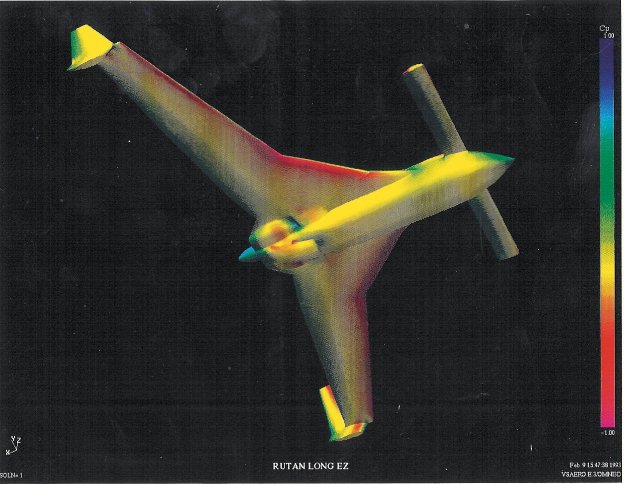
Great pressure analysis here... These things are excellent visual
tools...
In looking at it, the ideal placement for heat exchangers would be
"cheek-mounted" as has already been proven and overstated; however,
the best placement for the "exit" air looks to be just aft of the
"cheeks" in the low-pressure area on either side...!
This is a far different idea than has previously been presented,
where the exit-air location has traditionally been ventrally placed,
just forward of the firewall -- in a relatively high-pressure area,
I might add.
Airflow: IN, through openings either side of the nose; and OUT,
through the "cheeks" in the low-pressure area, port and starboard...
I'm thinking either fixed or controllable cowl flaps here...
A pusher-configuration would require a different pressure analysis.
Your thoughts...?
Jack Beale
Hi Paul
[CFD]Pressure analysis is brilliant. Trouble is finding them. Here's some for
longeze, I came across when I was looking for CFD for a Quickie Q2/Q200
(anyone got them?) Perhaps there should be a library for them?
IMHO the best scheme is inlet below prop outlet on top of cowl as on
Defiant, which I've flown and was pretty much self regulating in that high
flow at high angle off attack in a climb, low flow in level flight and very
low in descent, just what's needed. Don't know why it's not used more.
(Probably construction/availability of ready made cowls etc.)
Anyway; on the Kiss with rads in the cheeks, I think I would put the outlets
where it's easiest to construct a diffuser.
Loved the wall vent idea.
Clive C
--
The Rotary Engine NewsLetter. Powered by Linux.
ACRE NL web site.
http://www.rotaryeng.net
Youtube key word UTUBPLEASE
Copyright 1998-2009 All world wide rights reserved.