Paul, try three. the export tab in autocad is where to save to many file
types. I chose autocad14(dfx.) I clicked the file and it auto opened in
true-view2009 which must be installed on this computer. I tried rhino
version 1. The file symbol in upper left corner then select file type to
autocad14dxf from the list and it opened. the view " top" seems to be the
plan view and since this is a twoD working drawing that seems right. text
doesn't translate in other views. I didn't set the circle performance
numbers from the default and it is readable, just not as smooth on the
lines.What is left is the various cross sections up through the core
engine
in true scale. I will be extruding, revolving etc these into 3D solids
and
joining/filliting the solids for the solid model shortly.As usual no
rights
reserved, anything helpful to anyone is available. this drawing has
most of
the mazda engine parts to scale as well as RWS RD-1B mounting plate with
the coordinates in decimal degrees translated from polar coordinates from
the newsletter last month.The stock side housings were deleted off this
drawing and the rotor was never drawn. Also the e-shaft between the
eccentrics is approximate not to scale.The tension bolt locations were
measured by dial caliper and the expected tolerence is on here somewhere.
Enjoy oshkosh, I have family visiting and can't get there.
george grimes
The dxf file did not load. It appears it was not a vector dwg.
The error message was un supported data type raster image.
I am afraid the 3D world has moved away from autocad.
Paul Lamar
Paul...
This probably isn't any help as you've already identified it as a raster
file, but I was able to open it in Irfanview. Irfanview will attemp
several different formats if it doesn't recognize the extension.
The image appears to be a very low resolution shot of an upside down
program...with the drawing, whatever it is, scattered around. It
appears to be a bmp or some such, as Irfanview had no trouble
translating it.
It may be helpful if it can be used to show George what he's sending...
Harley
Paul the drawings are twoD at this point because I need to relate all the
cooling passages, oil circuit , bolt locations and mazda parts into as
compact a size as I can get, and keep relocating and removing metal here and
there to get the weight out of it without violating the integrity of the
separation of oil and water defined by possible o-ring locations.
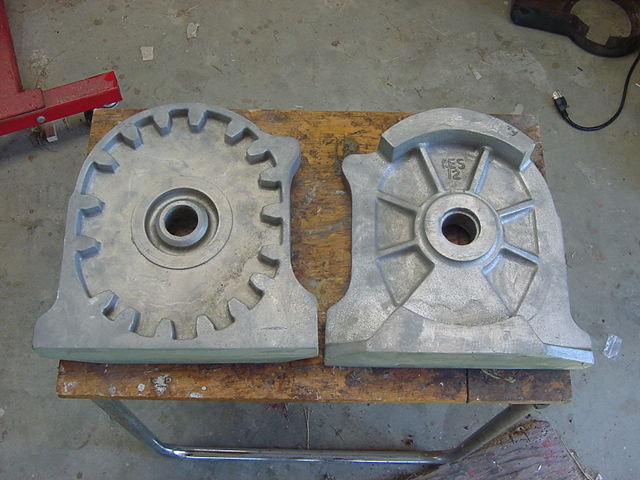
Simultaneously the draft of the patterns both inside and outside from top
and bottom must allow the pattern to be pulled from the molding sand and
avoid transitions in section modulus which could weeken the casting as it
solidifys or produce hot tears during the metal solidification. For me it is
easier to look through all the layered sections in a stack leaving out
layers not in the area being worked on and when the puzzel is worked out
then just extrude the layers with the pattern draft and join the parts into
the solid.
The pattern solid can then have the machined surfaces removed
with the slice command and bolt holes added to the remaining solid which
will be the actual part. Then the g-code translater can machine the finished
parts. I get to the stage of a rendered solid but rarely in the design
stage. I have tried working with the 4 panes in 3D but entering 3 cartesian
coordinates and editing points from the 3 windows with filters is much
slower and to me confusing.
Many times I don't have the third coordinate
because there is not a finished part to measure or digitize. When I get to
the rendered views like your sample I will send them along. I expect to be
finished with the core engine in twelve weeks and started on the patterns on
my cnc router. making patterns is quick, figuring out how to run the router
is unexplored territory. Anyway, glad we got something to
transfer,
george-grimes
You need to try Rhino George. It does everything you want it to
do.
http://www.rhino3d.com/ The user interface is very much like ACAD.
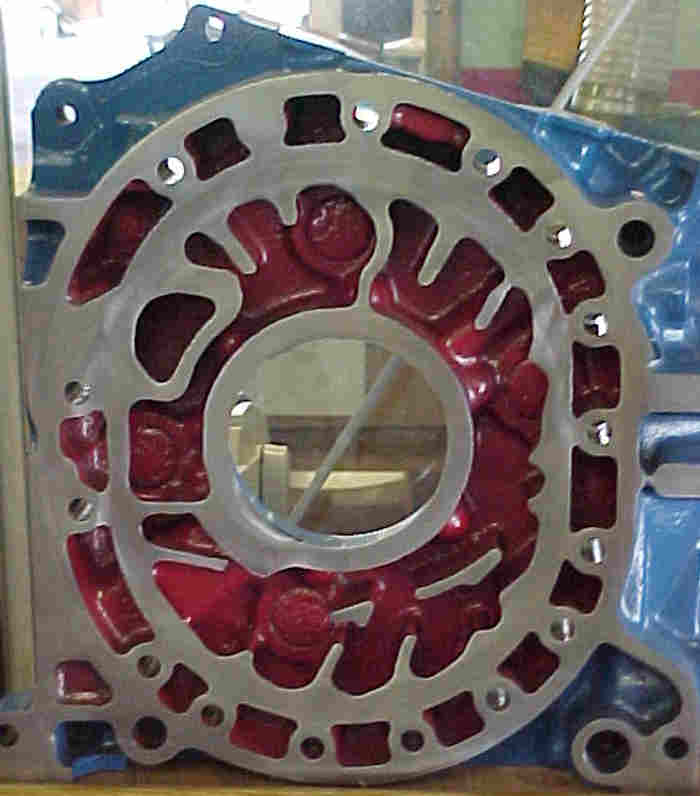
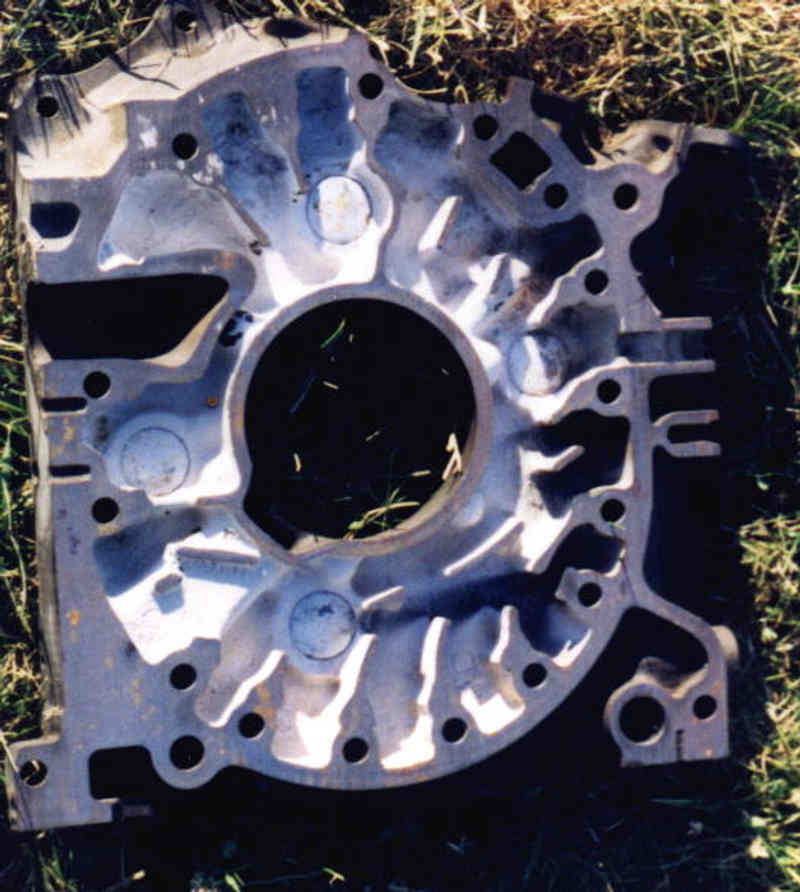
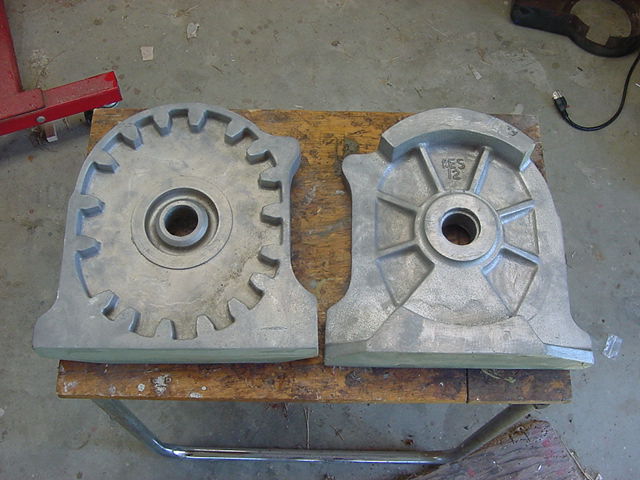
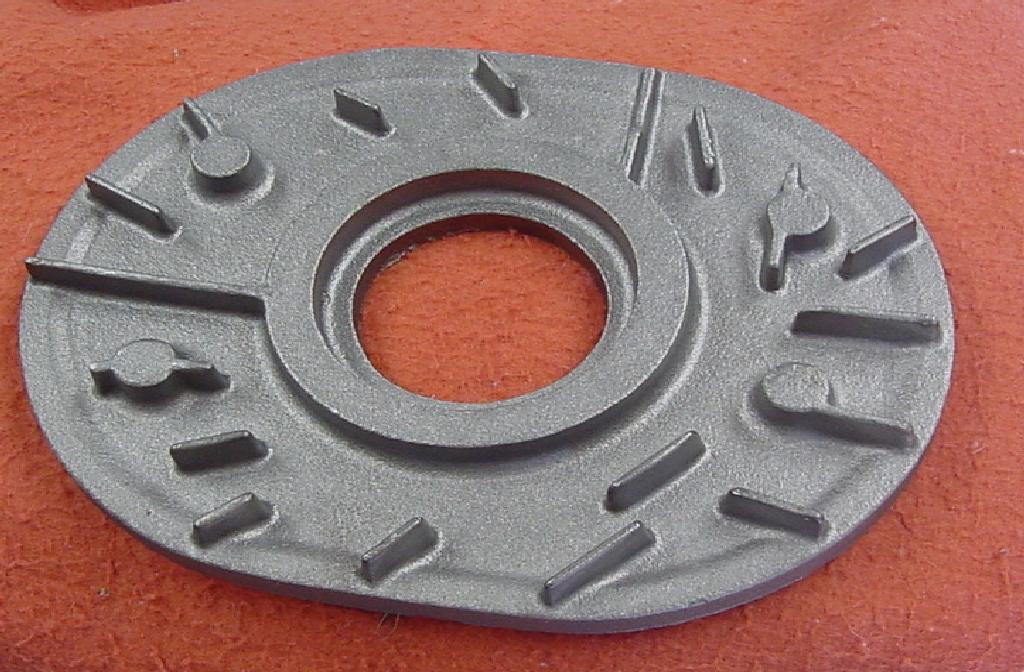
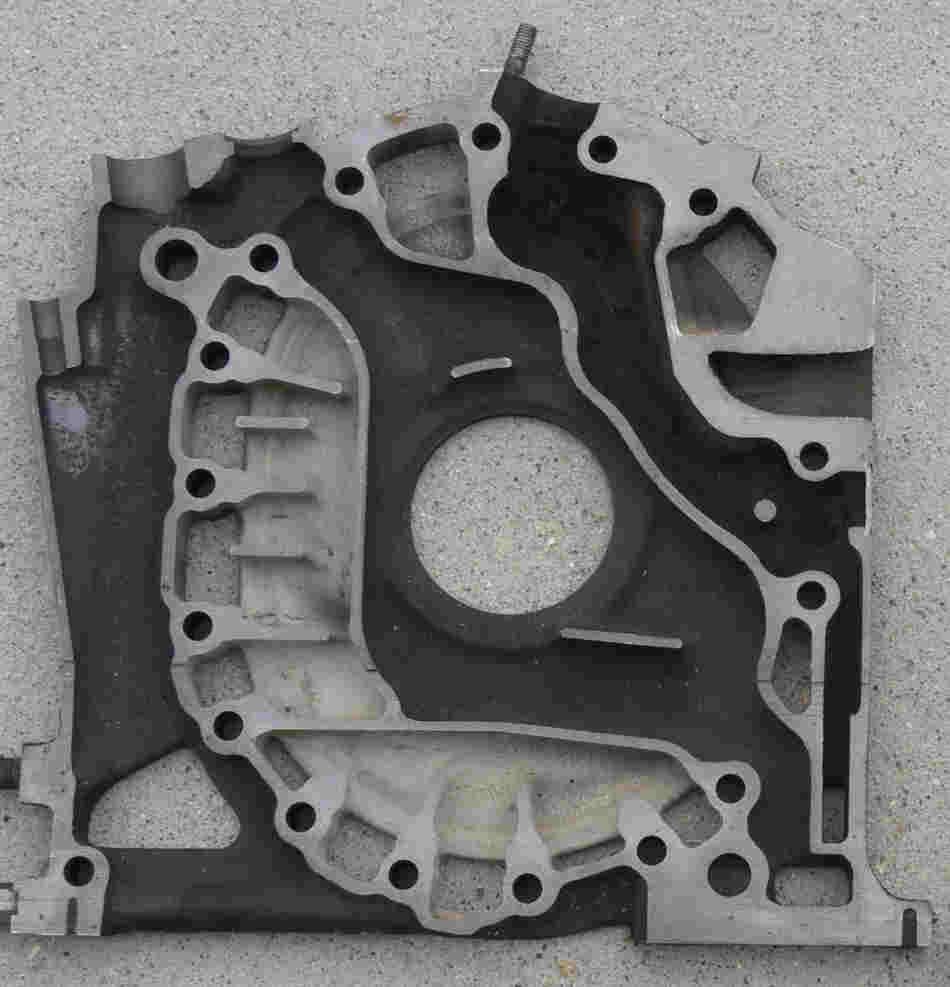
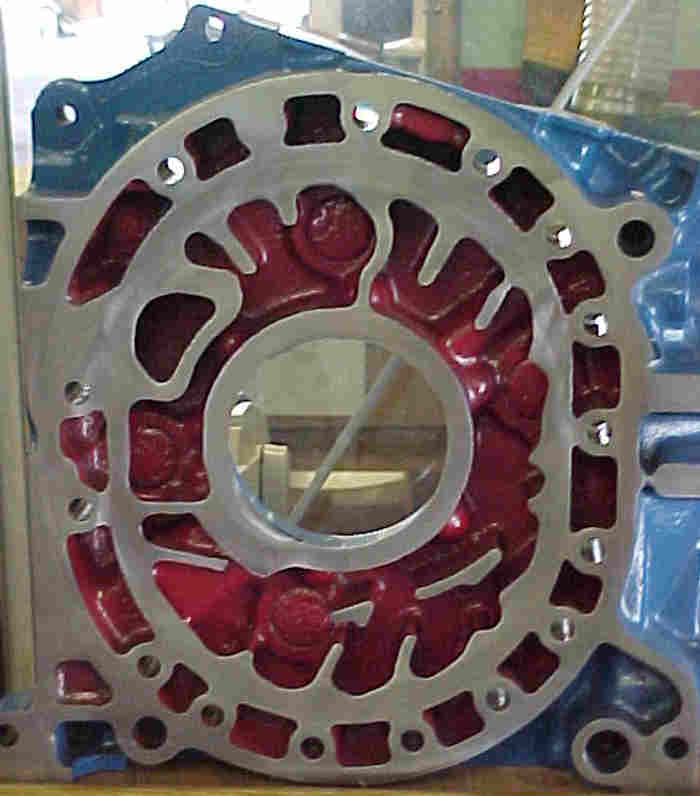
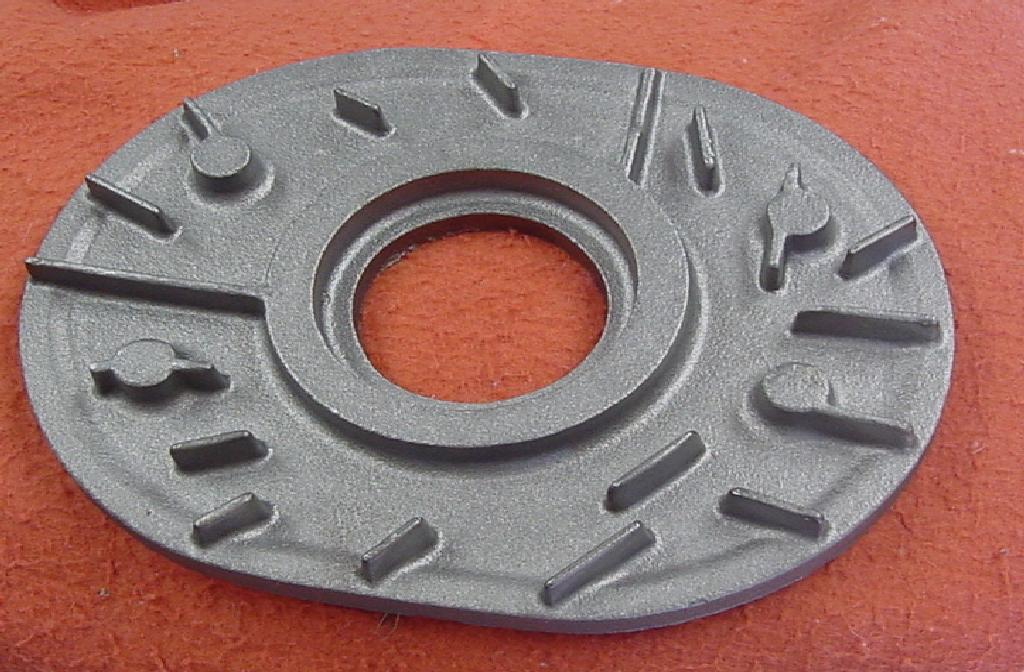
Here is an end housing I did in Rhino.
---------------------------------------------------------------------
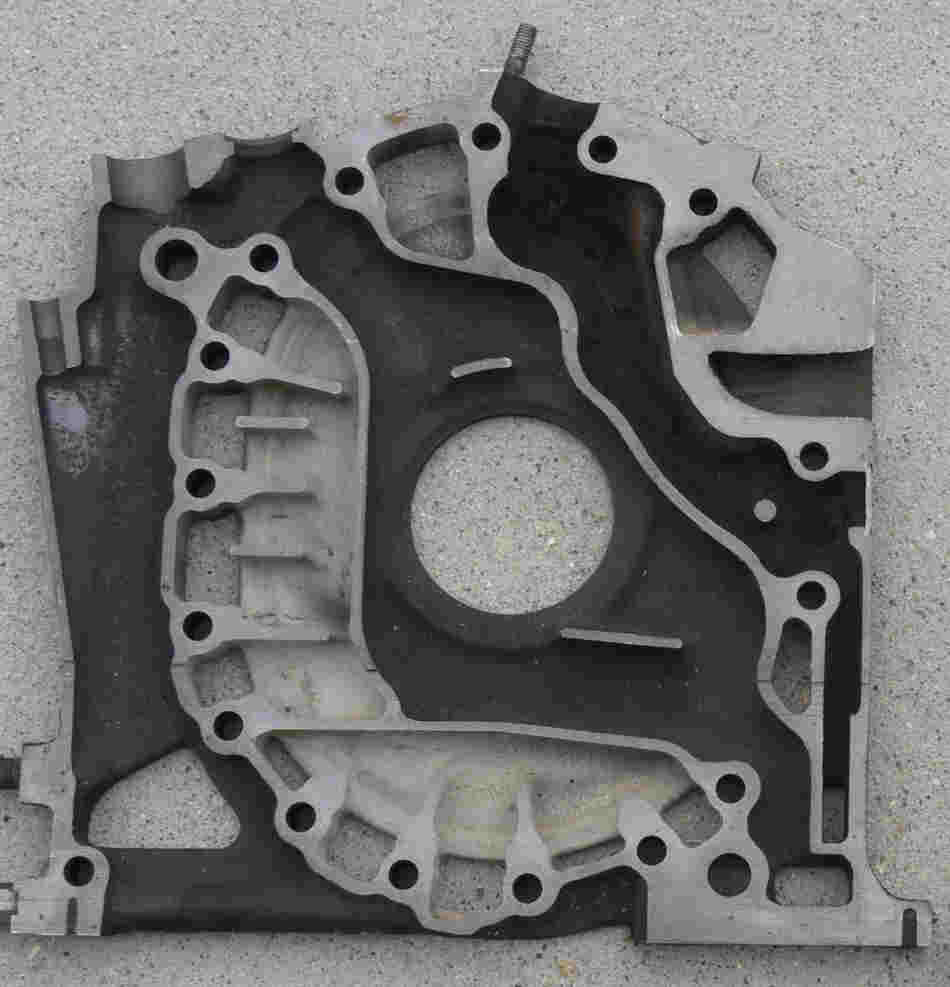
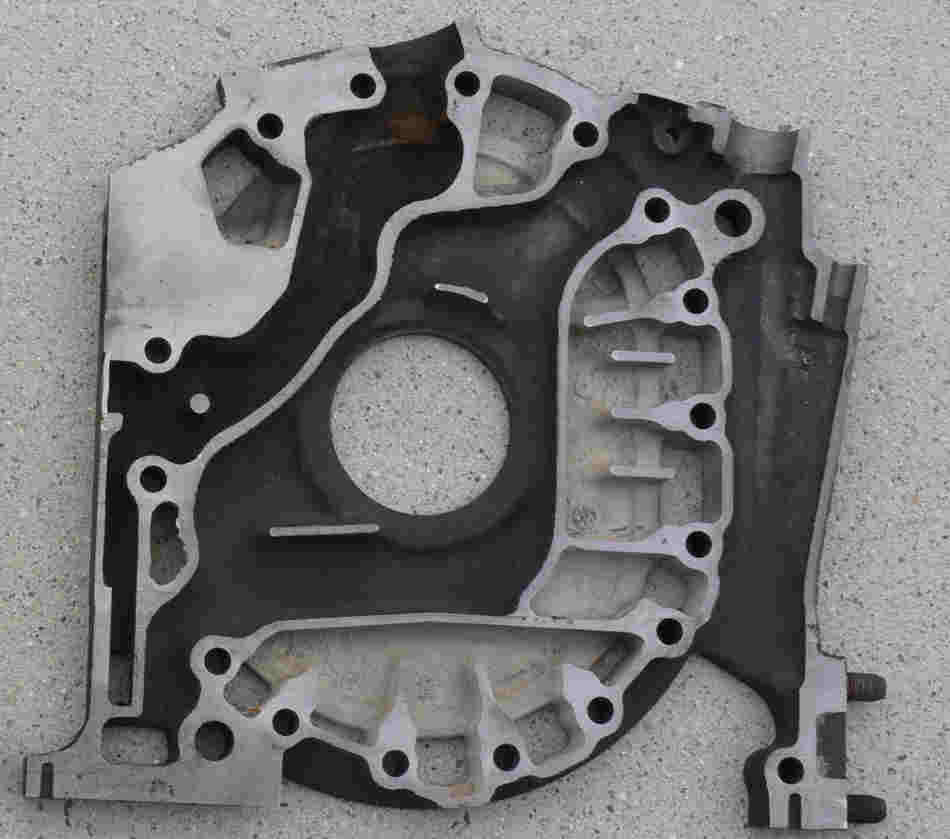
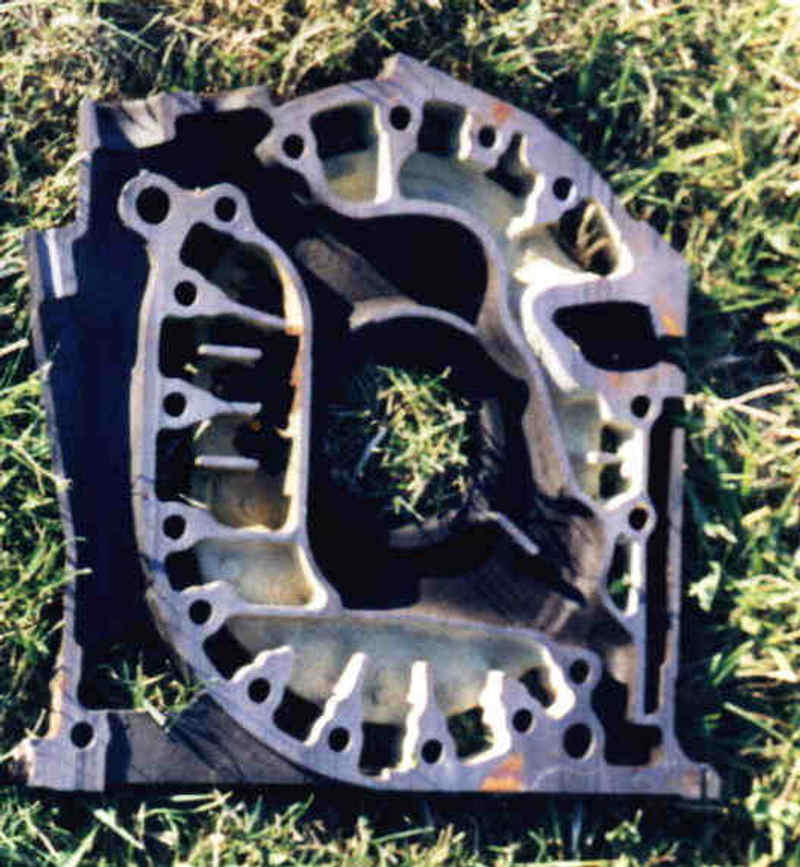
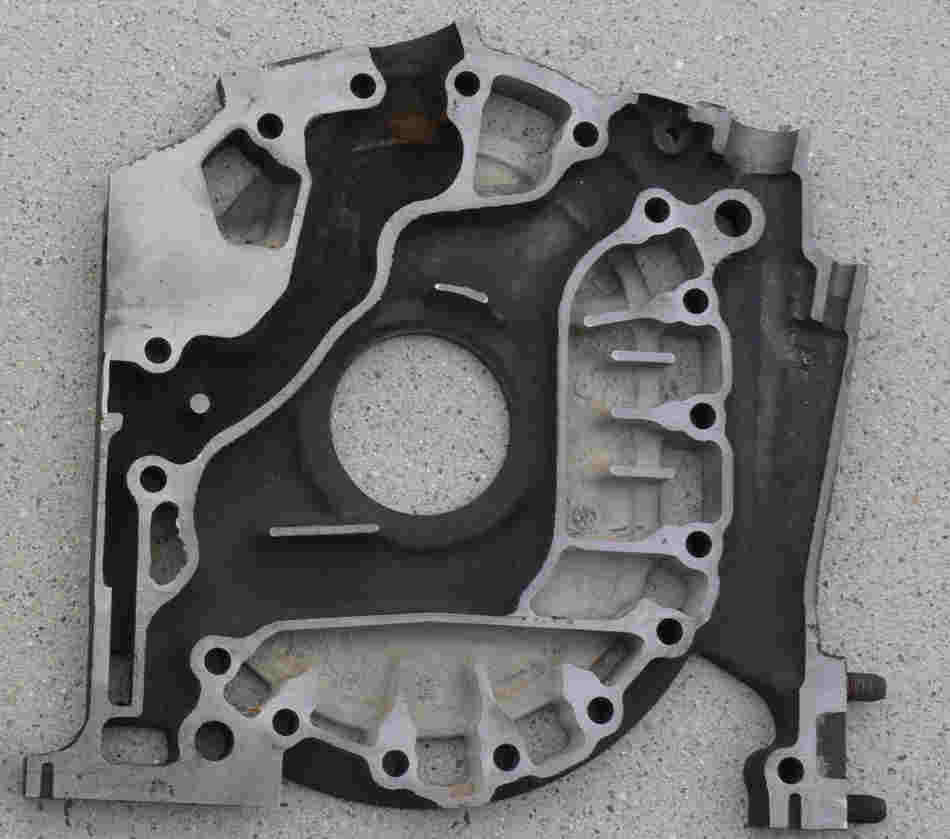
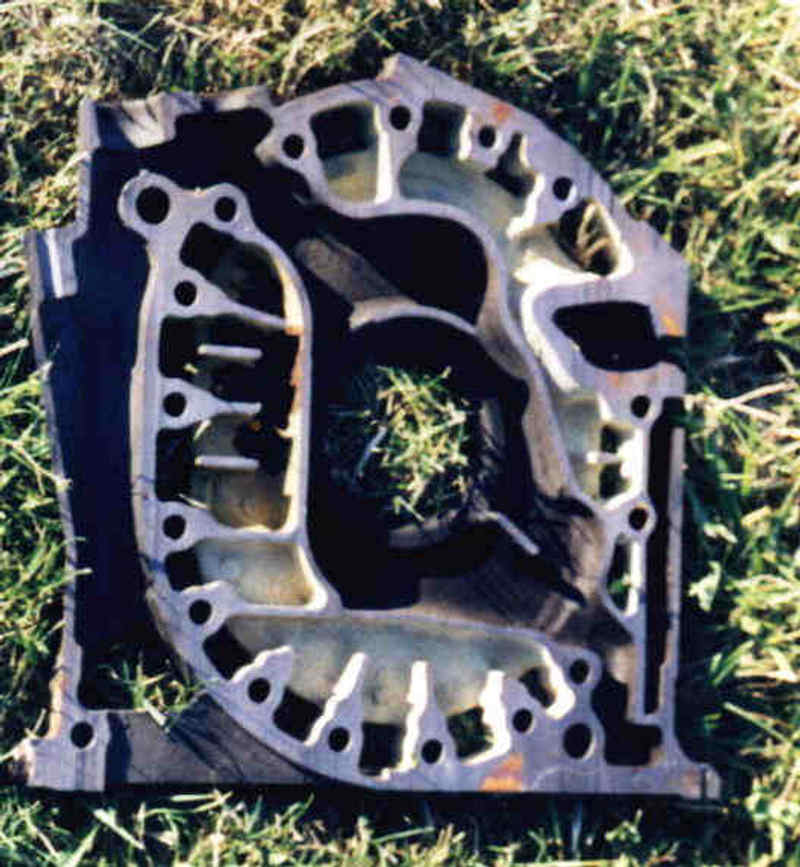
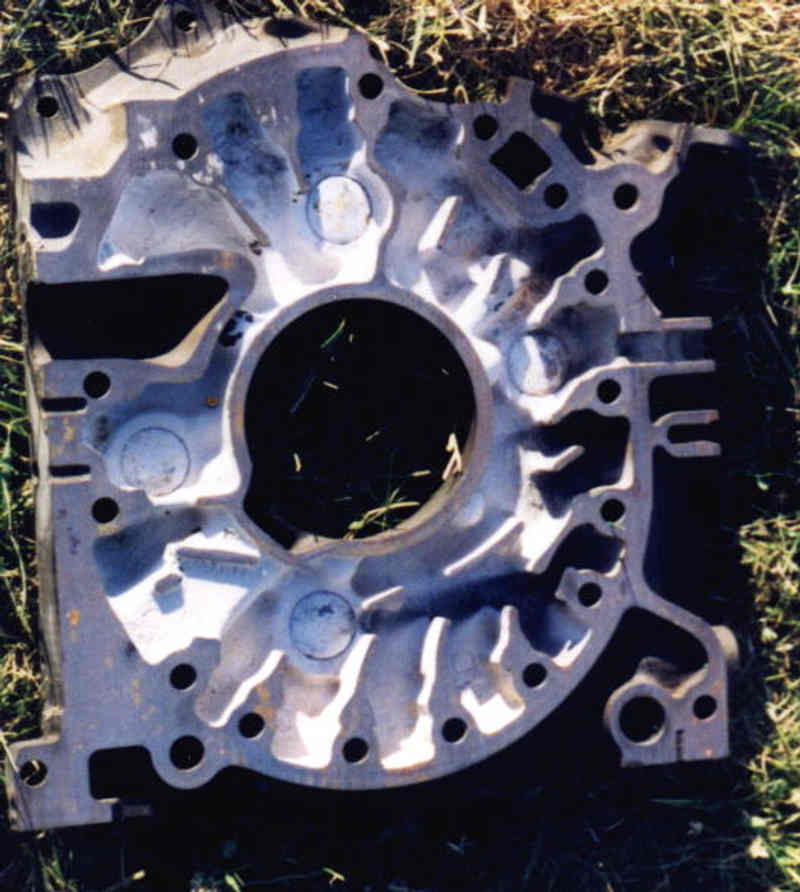
Here are some jpgs I think you will find useful.
Paul Lamar
--
The Rotary Engine NewsLetter. Powered by Linux.
ACRE NL web site.
http://www.rotaryeng.net
Youtube key word UTUBPLEASE
Copyright 1998-2009 All world wide rights reserved.