Hi Paul,
I read your article in the August edition of Kitplanes with great interest
and share your frustration that there is not more innovation in aviation
power-plant development worldwide. Obviously the price of avgas/oil is not
enough to overcome the barrier that engine certification provides to
suppress innovation.
One of the things I read that resonated with me was what you said in your
article about poppet valves acting to slow down the exhaust gas flow with a
corresponding reduction in the kinetic energy available for use in turbo
compounding/turbocharging etc. hence the advantage of a rotary with exhaust
ports instead of poppet valves. It occurs to me that a 2 stroke diesel would
have a similar advantage over a 4 stroke [with poppet valves] as a rotary in
that the exhaust gas kinetic energy available for turbo-compounding would be
greater because of the velocity of the gas would not be constricted by the
poppet valves.
I love the idea of a 2 stroke diesel for aviation, I think there is so much
to like about it and wish someone could get it up and running as a
commercial venture. Challenging yes, but surely with some engineering nous
you could develop a compelling package. Super efficient, compact, light
weight, reduced number of moving parts and throw turbo compounding in to the
mix, wow, what a package.
Around the same time as I read your article the Hirth UAV 2-stroke engine
which uses Orbital's air-assisted direct injection system which not only
gives great flexibility in terms of fuel type [if you want] but all the
advantages of 2-stroke engines without the high fuel usage and the need for
supercharging/scavenge. My assumption is that one of these engines with a
turbocharger coupled to the final drive would offer similar advantages as
you discuss in your article as a rotary with the high velocity exhaust
gases.
I actually contacted Hirth/Orbital about their plans for certification of
their multi fuel 2-stroke. Unfortunately their partner Continental the auto
component manufacturer [not the aircraft engine company] with whom they
developed the fuel injection system is not interested in the high insurance
costs associated with product liability if they were to certify their
engines for manned flight.
What a pity, it seems like yet again a great opportunity lost to provide
something new and improved in the aircraft power scene. I would love to get
involved in a project like this to produce an engine like this.
Where do I start, do you have any ideas????
Regards
Glenn
Glenn Henry
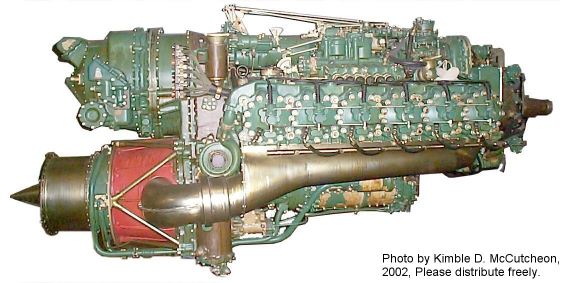
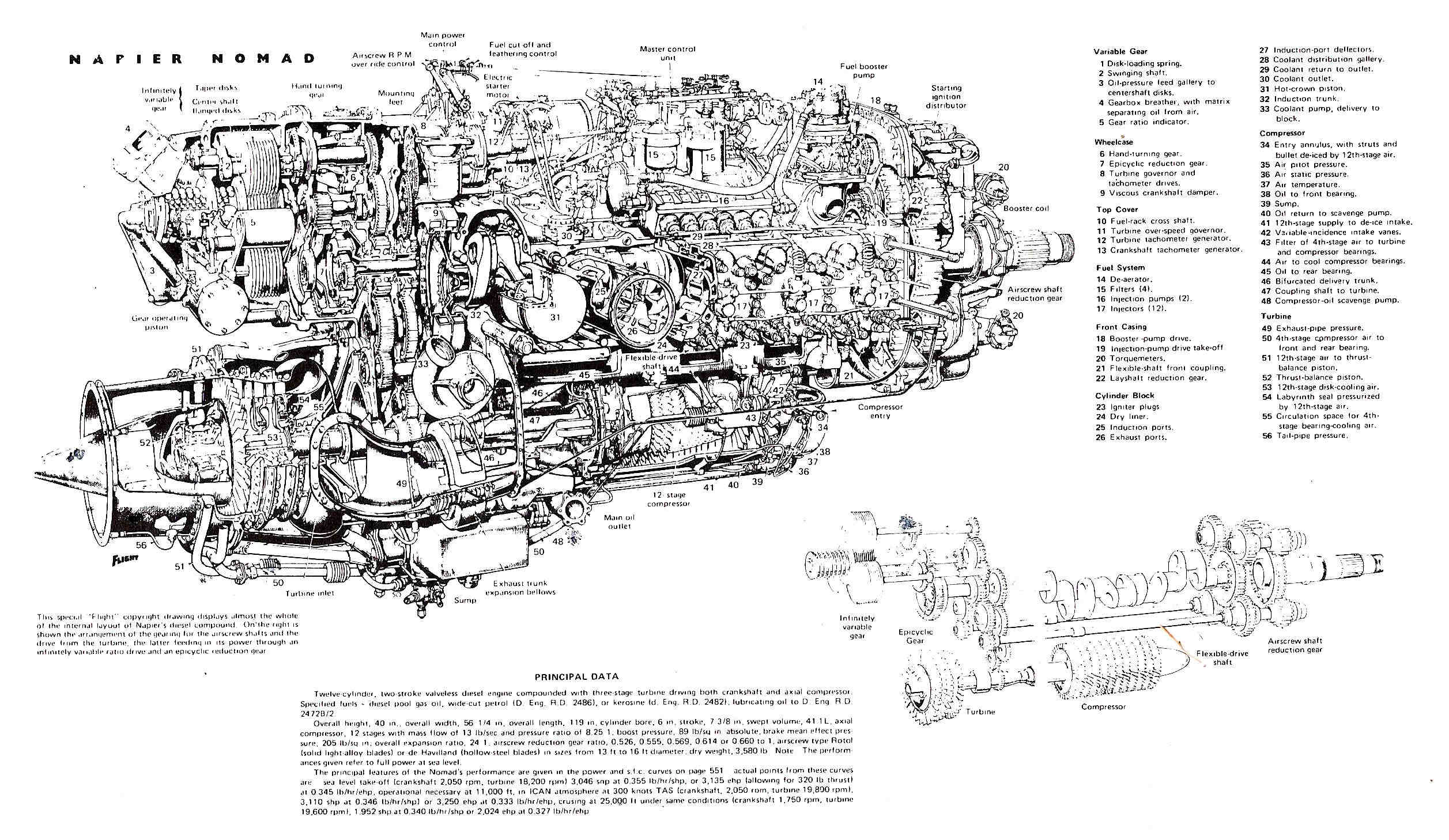
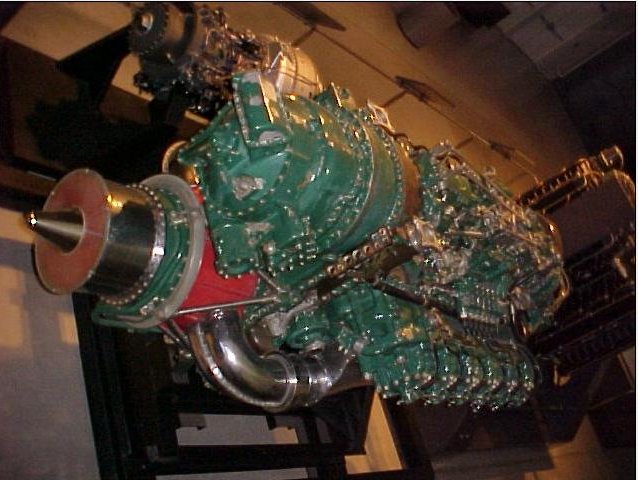
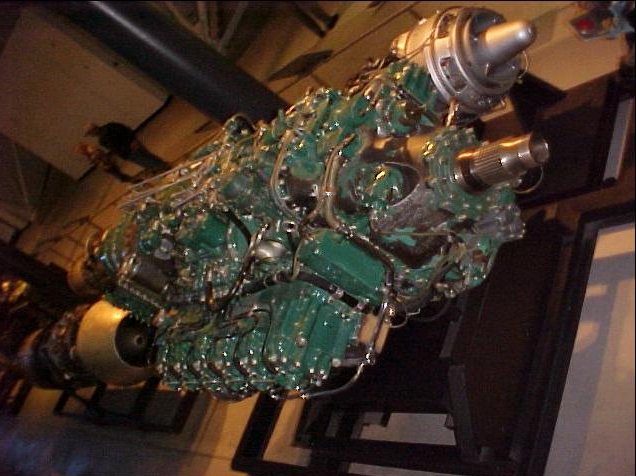
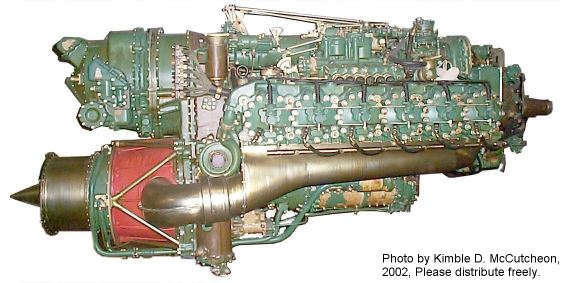
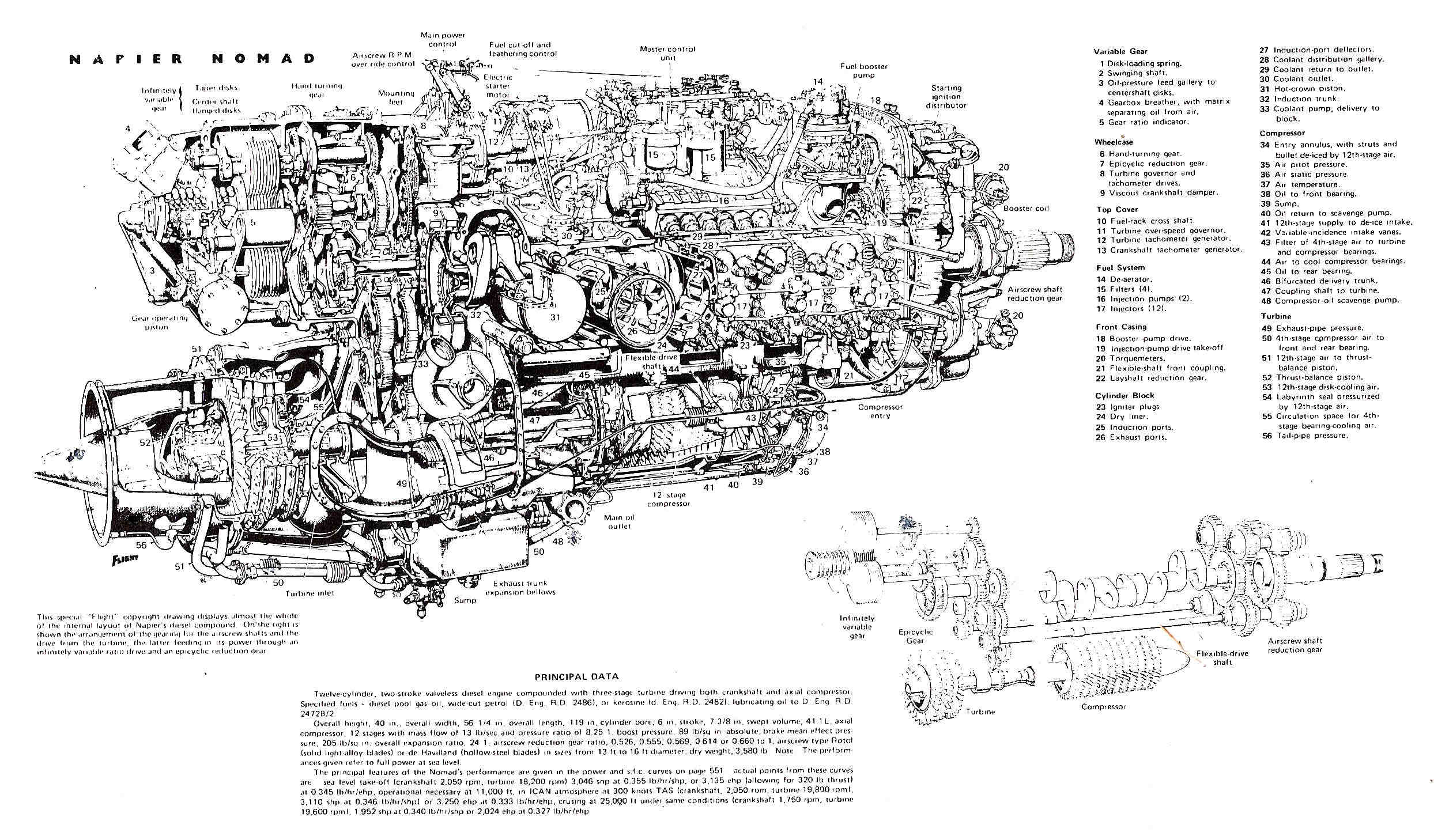
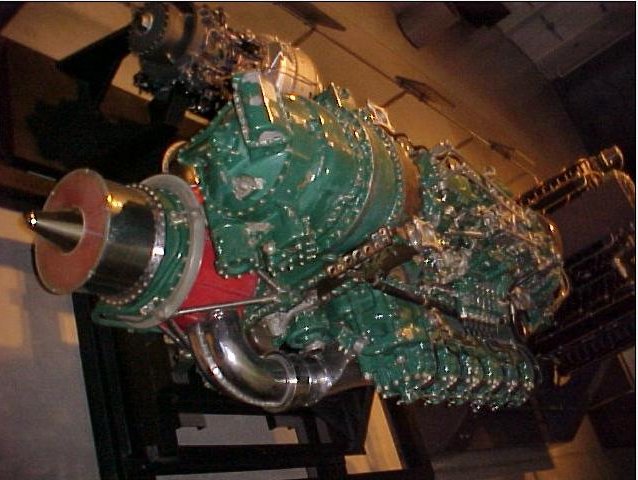
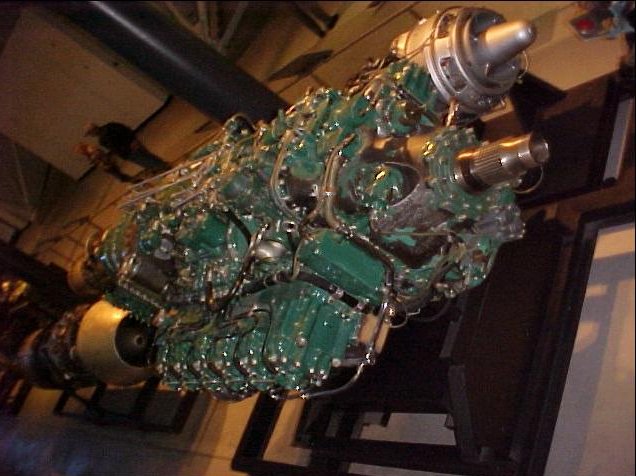
The Napier Nomad was a two stroke diesel with sleeve valves.
One of the most efficient turbo compound engines ever built.
Unfortunately the 18:1 or 20:1 compression ratios required
by diesels adds a lot of weight and has been the downfall
of more than one diesel aircraft engine.
Paul Lamar
--
The Rotary Engine NewsLetter. Powered by Linux.
ACRE NL web site.
http://www.rotaryeng.net
Youtube key word UTUBPLEASE
Copyright 1998-2009 All world wide rights reserved.