Paul,
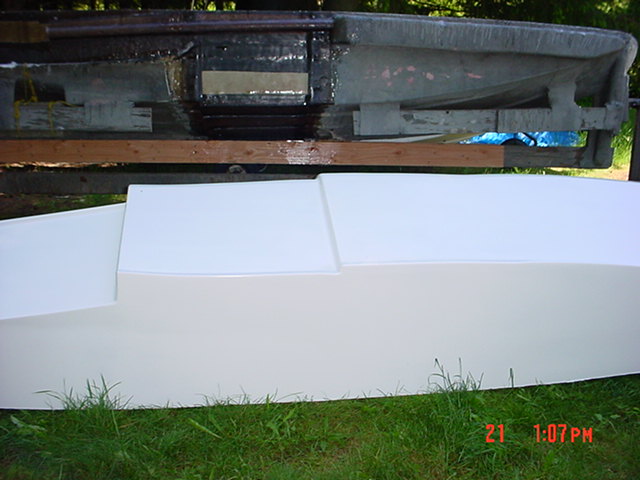
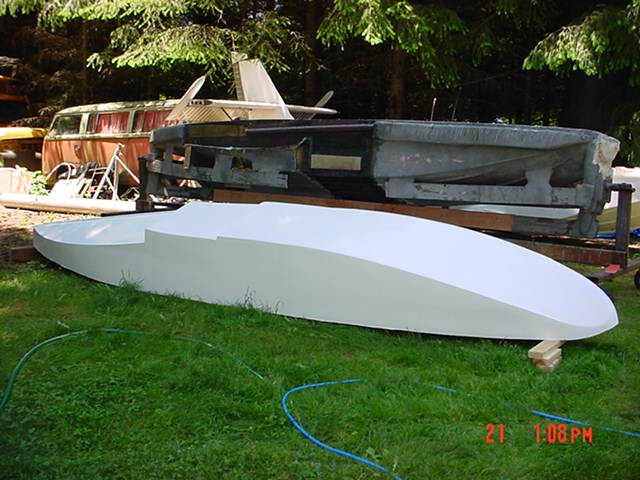
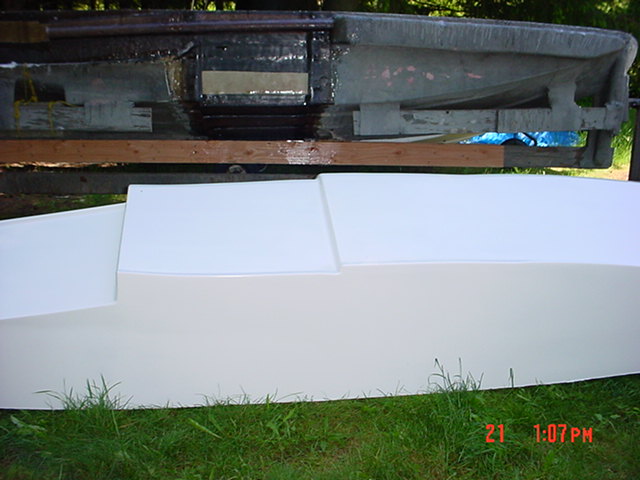
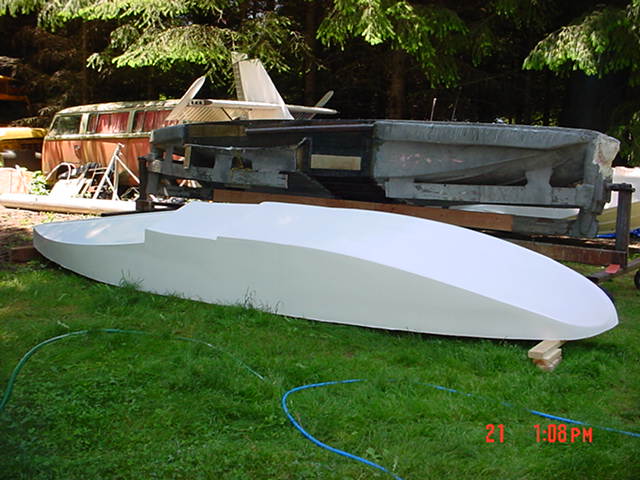
Air bubbles under the hull? Wouldn"t that cause more
turbulance unless vented in a low pressure location?
This is an idea that I had thought of for a boat.
(patent applied for as you occasionally say!!) :D
Dan F
It has been proven to work. Air has less friction than water.
Paul Lamar
This was the original idea that lead to the hovercraft.
Peter Whitehead.
I loved a ride in the channel hover craft.
I recently rode a smaller one back and fourth from Portsmouth
(South Sea Hoverport) to the Isle of Wight.
Paul Lamar
It was also the focus of a bunch of tests done by the navy on high speed
torpedo's..
I think they had a fish that normally did ~30knt up to over 100 using some
form of a
gas release deal on the nose of it.. [not sure of the finer details, and
it's possibly an
old wives tale.. I've never looking into it too deeply..]
Fwiw
Jarrett
Also the screen of bubbles reduces the sonic signature of surface vessels,
from both active and passive detection.
Flank III was a classified speed, but we actually had a rooster tail, and
could outrun torpedos. Musta been the bubbles. ;-D
Westpac '81,'82, USS Cushing DD-985.
C. Smith
Paul,
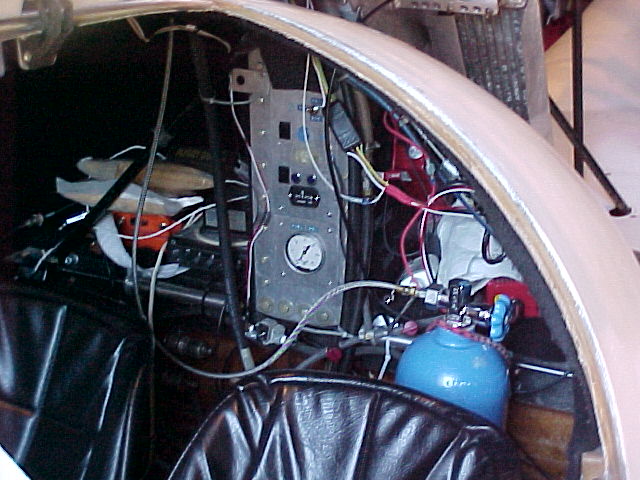
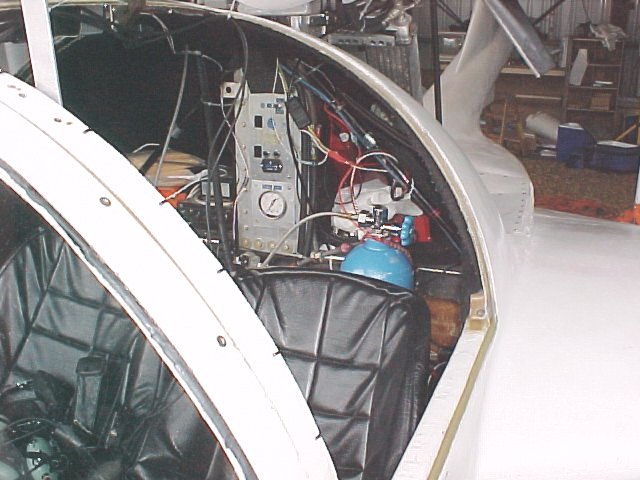
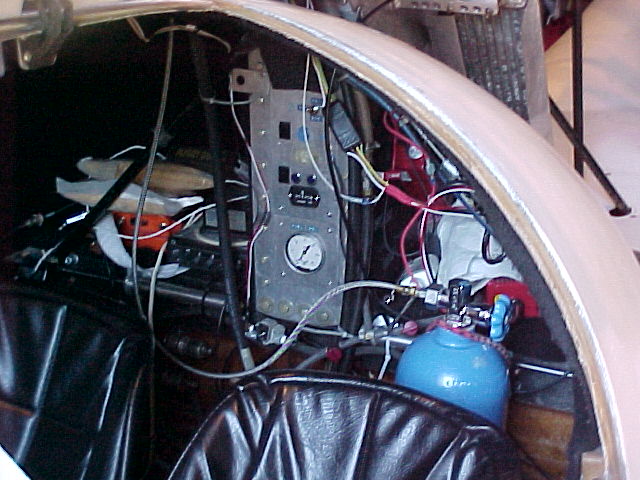
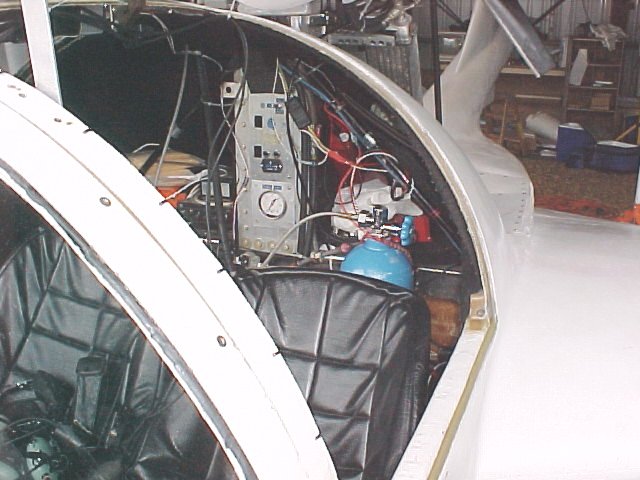
Yes this would be a good idea for amphibians. Even the dead weight of a
scuba tank would be worth the extra 50 hp you need to break suction.
Question is where on the hull do you put the nozzles. Near the bow on
the Vee cuff?
Doug in Japan.
I don't know Doug. Getting on the step seems to be the big problem.
If you taxi just shy of getting on the step and take
a movie you might be able to make a better guess.
Ken Welter used Nitrous Oxide for years and then he redesigned
the hull with two steps which helped greatly as I recall.
His advice should be very valuable.
Perhaps a valve with three compressor outlets. One for displacement mode, one
for step mode and one for altitude mode.
Paul Lamar
--
The Rotary Engine NewsLetter. Powered by Linux.
ACRE NL web site.
http://www.rotaryeng.net
Youtube key word UTUBPLEASE
Copyright 1998-2009 All world wide rights reserved.