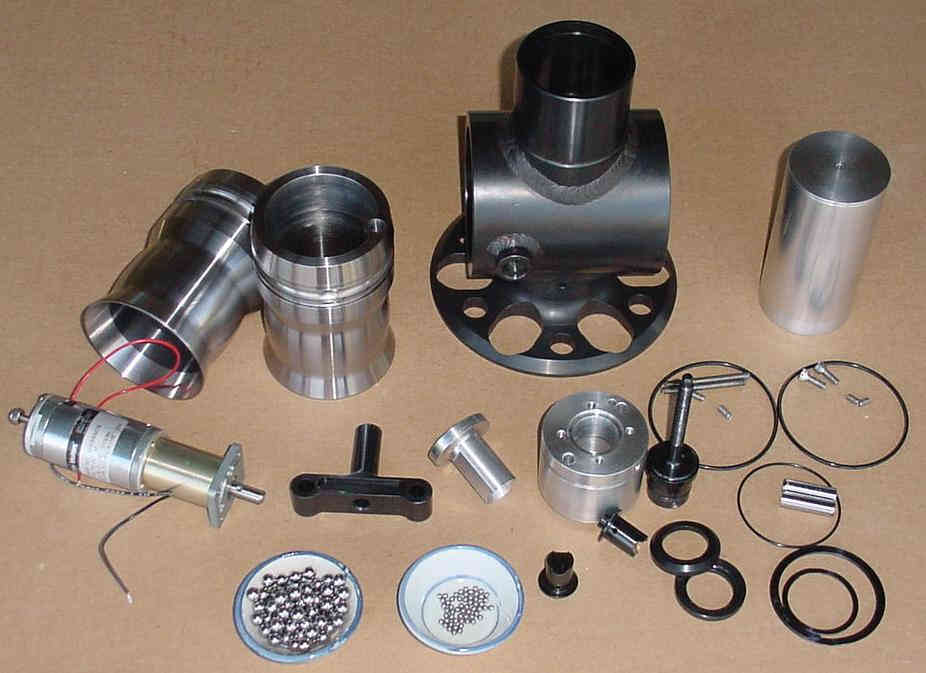
Ok Paul see attachement
It will be similar to this photo with straight main spar
Jean
That is much better Jean.
Paul Lamar
Jean, The pcture was most helpful, and I just thought I might also ad some
random thoughts. Reguarding the automotive differenial an important thing to
remember is that in a car there is a tranmission ahead of it with something
like a 3.85 to 1 ratio and maybe a 2.85 ratio second gear multiplying
torque, the differential has to be larger due to the resulting increase in
torque.Also torque is related to horsepower such that the higher the RPM
the lower the torque for a given horsepower transmitted. The engine makes
the torque, we calculate horsepower moe like a conversion factor
horsepower =torque X RPM/ 5252 That is why torque equals horsepower at
5252 RPM
By transmitting your torque at 6000 rpm you are dealing with
less than 275 pound feet of torque. My Nissan titan pickup is like 1100
pound feet into the differental and sized accoringly. As Paul indicated
weight in your sketch is a concern. I would be looking at shaft drive
motorcycle rear gearing such as BMW 1100cc or Honda gold wing or valkyrie.
These are a performance part built as light as possible for performance and
ow unsprung weight, and run without a cooling system. Also the driveshafts
are light and may be carbon fibre tubing as is used on som new cars. The
lower unit of a 250 horsepower mercury or evenrude outboard and sold
separately on 300 hp and 400 hp hydroplane powerheads have little or no gear
reduction and handle 400 pound feet.
The problem is that they rely on water
imersion for cooling and with tracy's 2.85 psru the torque capacity would be
exceeded. Motorcycle stuff loks like manna from heaven for your application.
I don't know a model but a type with a single sided swing arm would likely
have larger bearings and be easier to mount. You will still need a hollow
prop shaft with thrust bearings for the thrust load which coul be whateve
you intend to use on the auto diferntial since the halfshaft couplers didn.t
support a thrust load.
The corvette I had did take thrust loads since the
half shafts were the lower control arm.Please keep the newsletter posted on
what you design. Any ideas you come up with may help other rotary people.
Did you do that twin engine velocity model in the picture?
george grimes
You are quite knowledgeable on this subject George so perhaps you
would be interested in these PSRU designs.
Paul Lamar
Hi George
I still stick to my idea for now and try to get as much as help to design
this 90 degre reducing drive fot the twin engine canard project.
I am the one who start the velocityxlrg project and built the plug by widing
the small velocity model by 6 " and streich the fuselage by 10" for cg
purpose.
I have this idea to built a twin since i start building canard in 1994 and
builded 7 since.
The mockup as been built by Velocity at the factory but my project is little
different but similar with some modifications and design.
The highest reason of installing the 2 motors in fuselage is for fire hazard
from fuel from tank who will be located in the strakes also i want prop
turning the opposite way and better cg.
As per weight involved i dont think it will be much then Tracy reduction
system may be 10 to 15lbs each.
If you do have any idea on the differential design and the choise of any one
you might think i will appreciate or anyone have suggestions.
I like Paul Lamar design on the PSRU shaft and it can be easy addaptable
with differential gears components.
I would like to make one and tested on static stand prior to install on
plane.
I intend to use the Velocity xl wings and canard but i will design a
straight main spar and reduce the sweep, the fuselage will be different
design and longer and wider to suit the clearance i will need for those 2
engines back to back
at fire wall and enough for 3 peoples sitted at back seat near cg
I will built the fuselage over the foam plug without building a mold at the
first time and it will be easy to make a mold after the plane is built and
tested
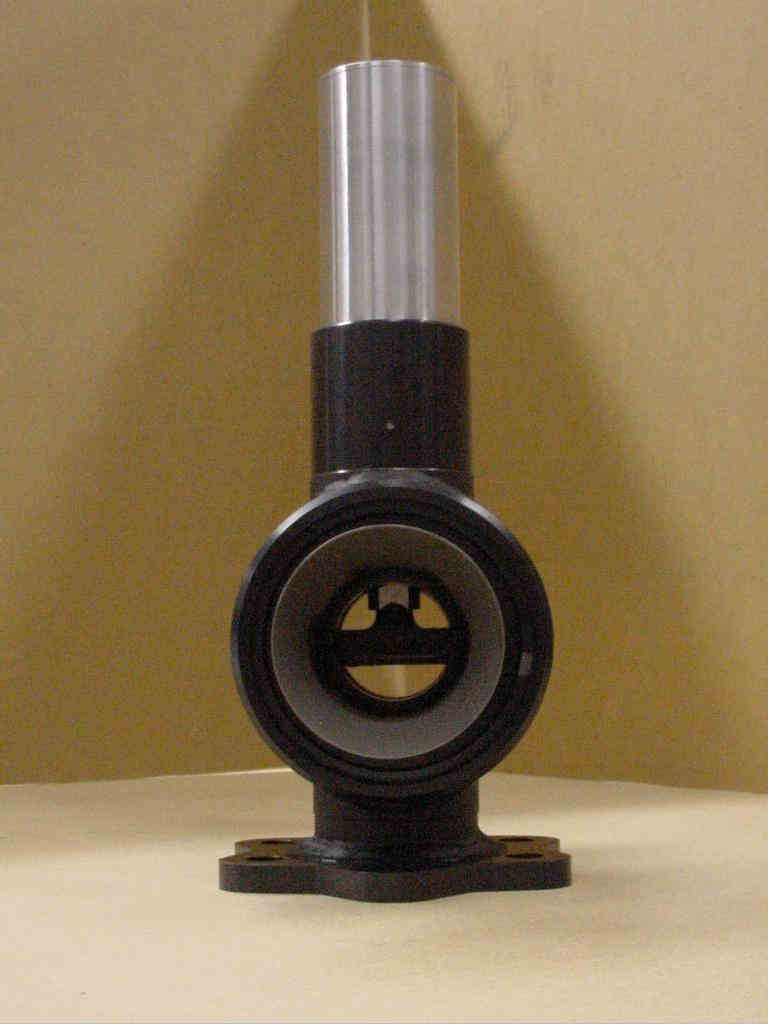
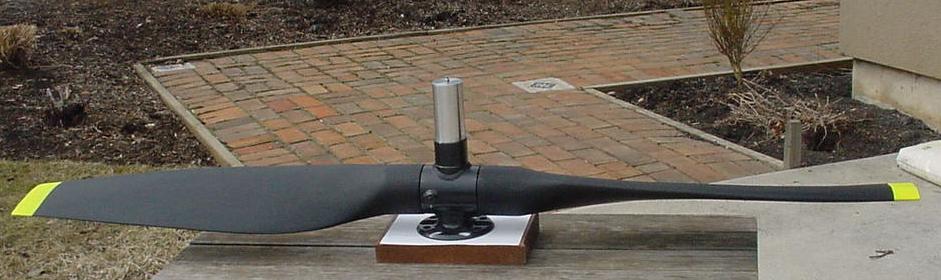
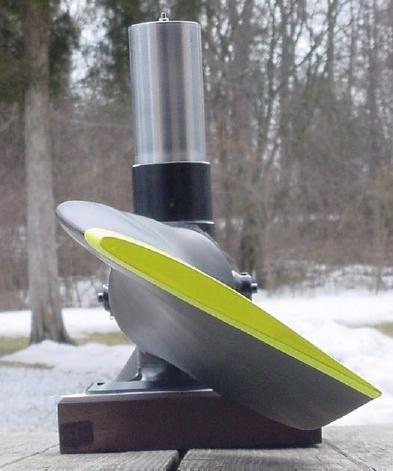
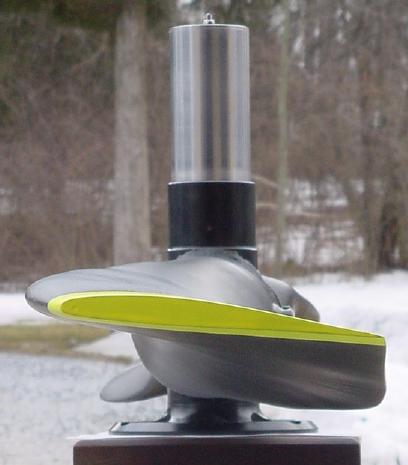
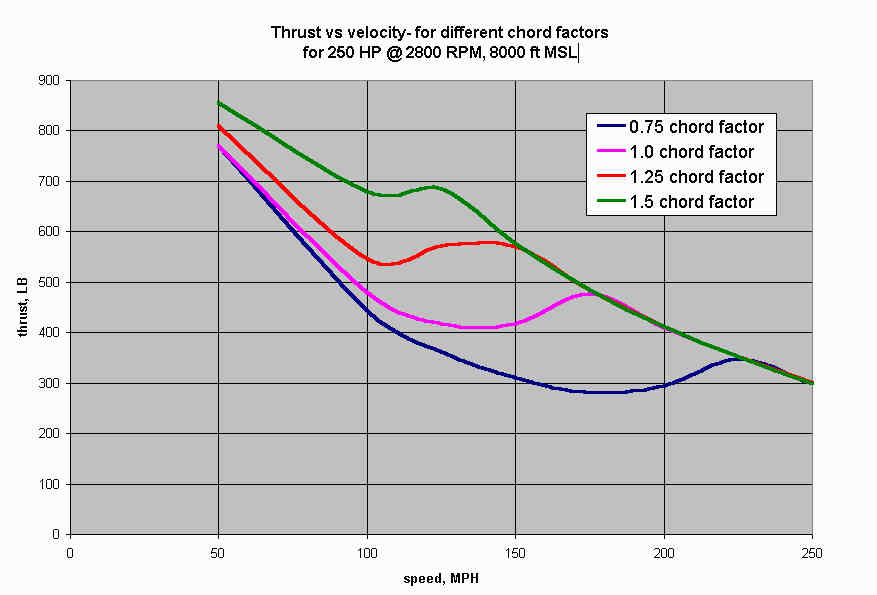
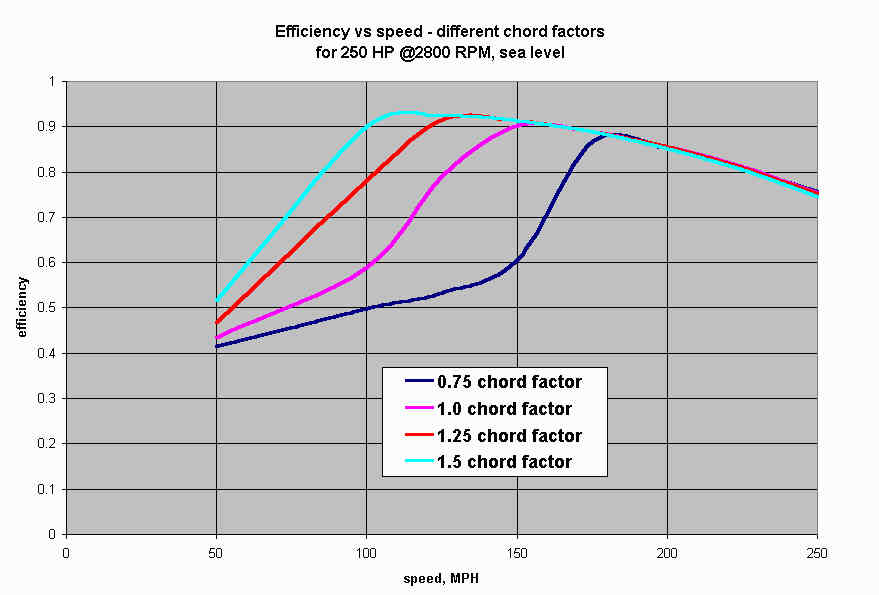
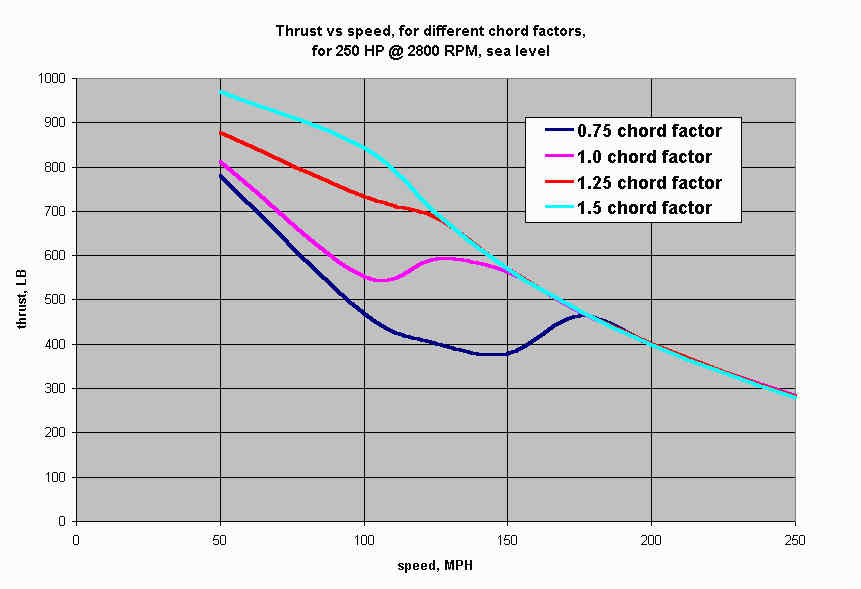
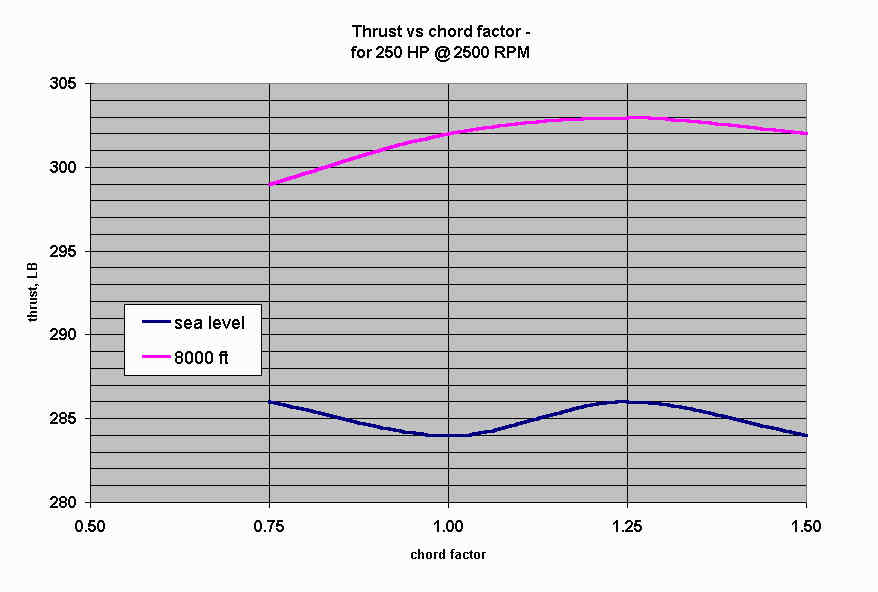
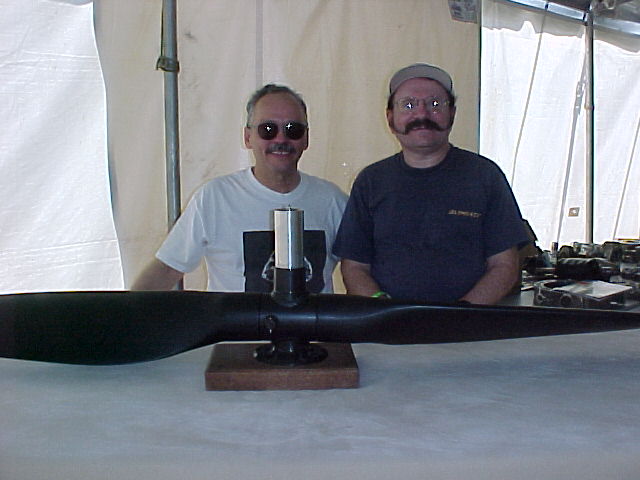
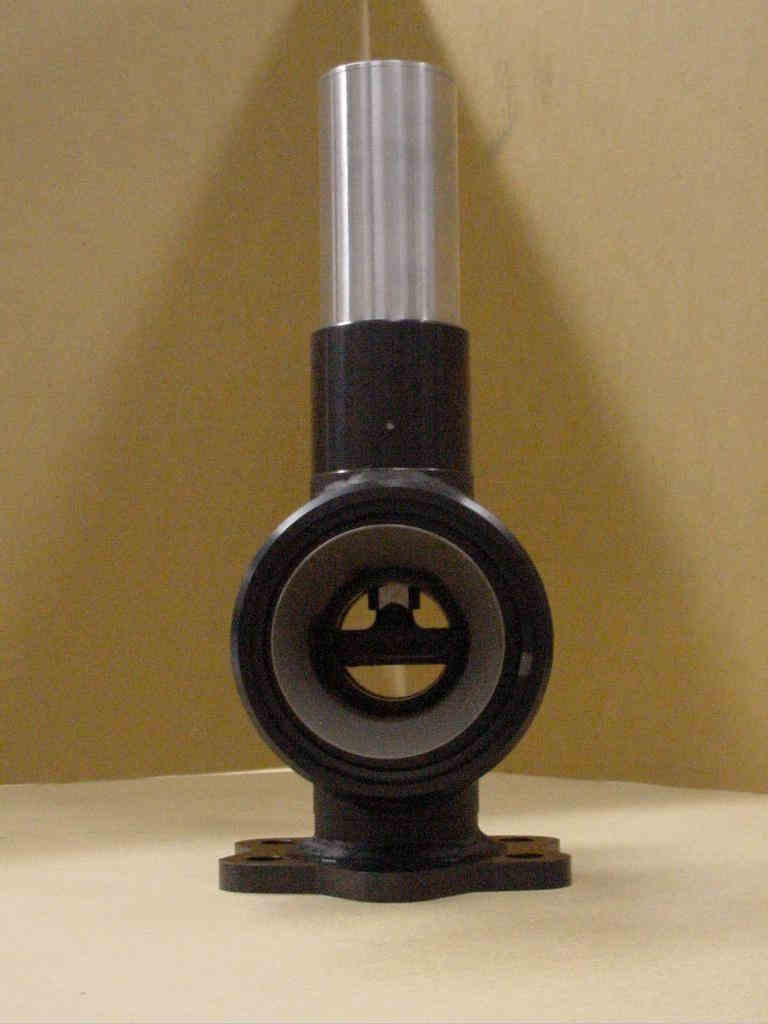
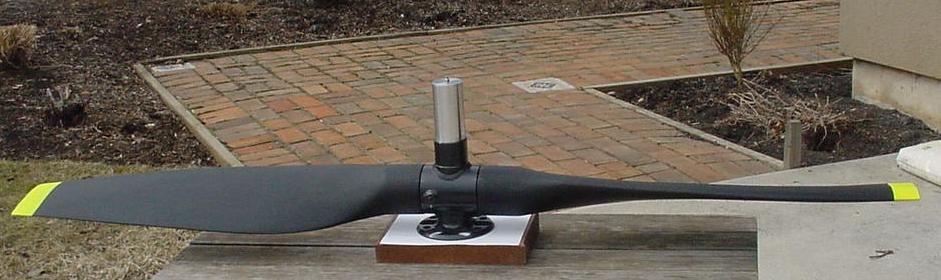
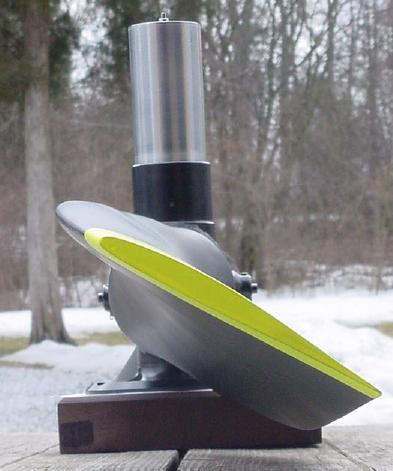
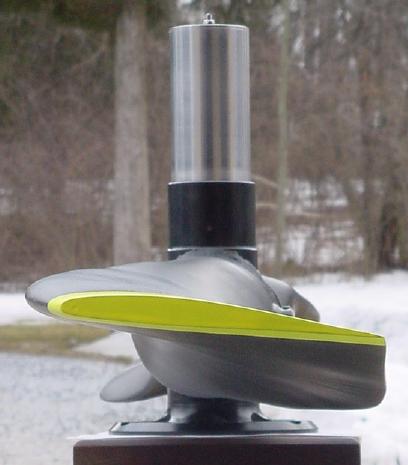
Paul do you have any prop design with blade with pivot shank when engine fail the
blade are losing their centrifigal force and with the air force toward
blades will close backward and kill the prop drag.
Jean Prudhomme
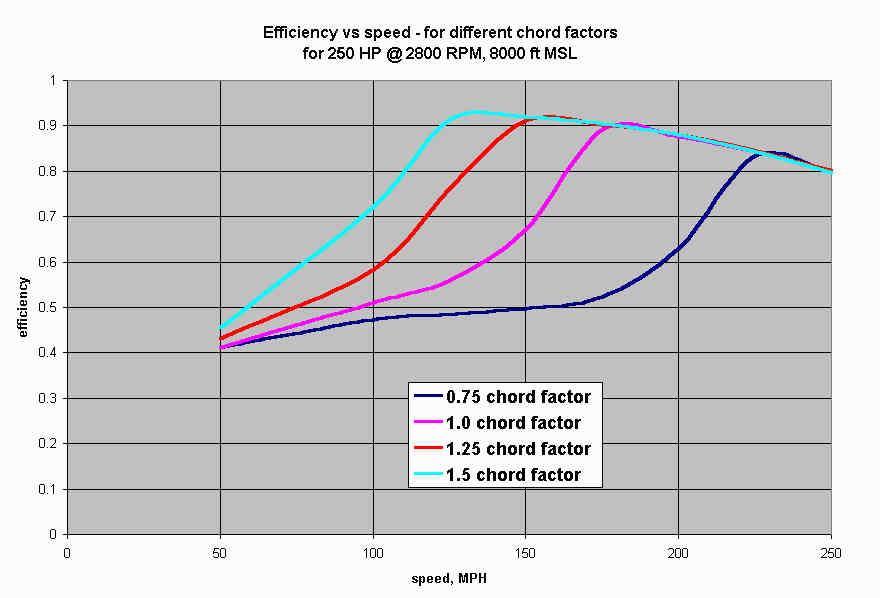
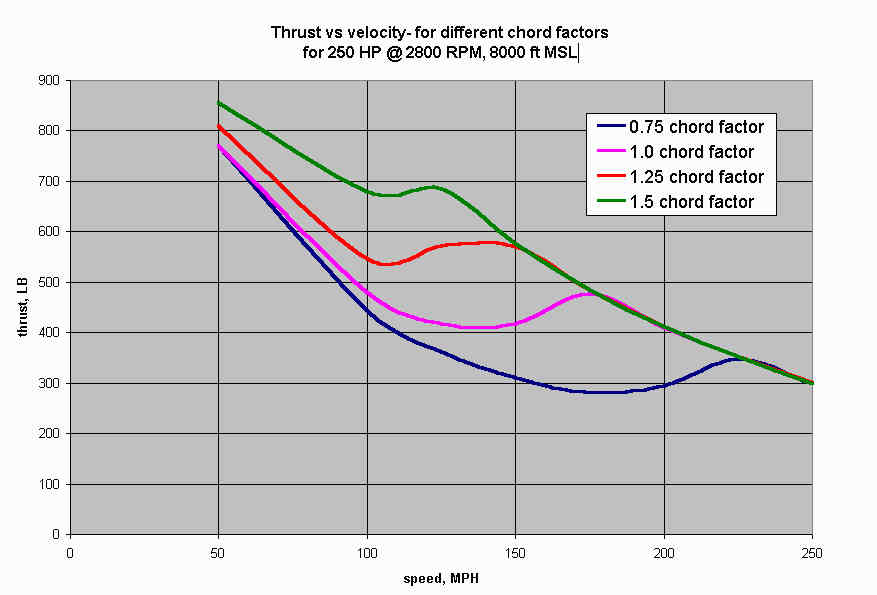
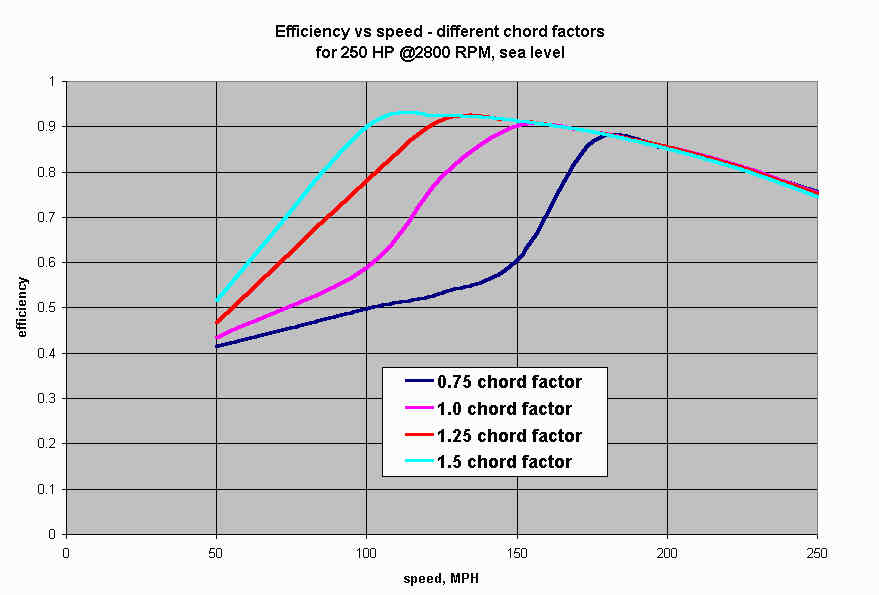
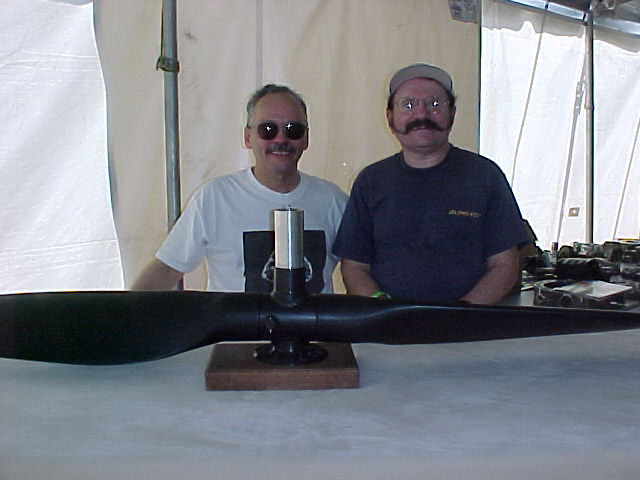
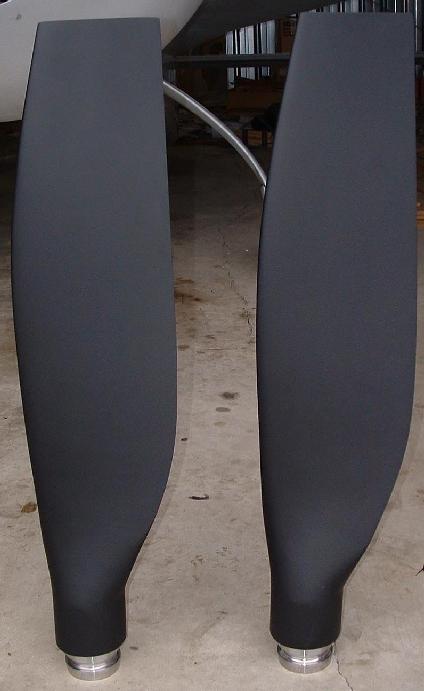
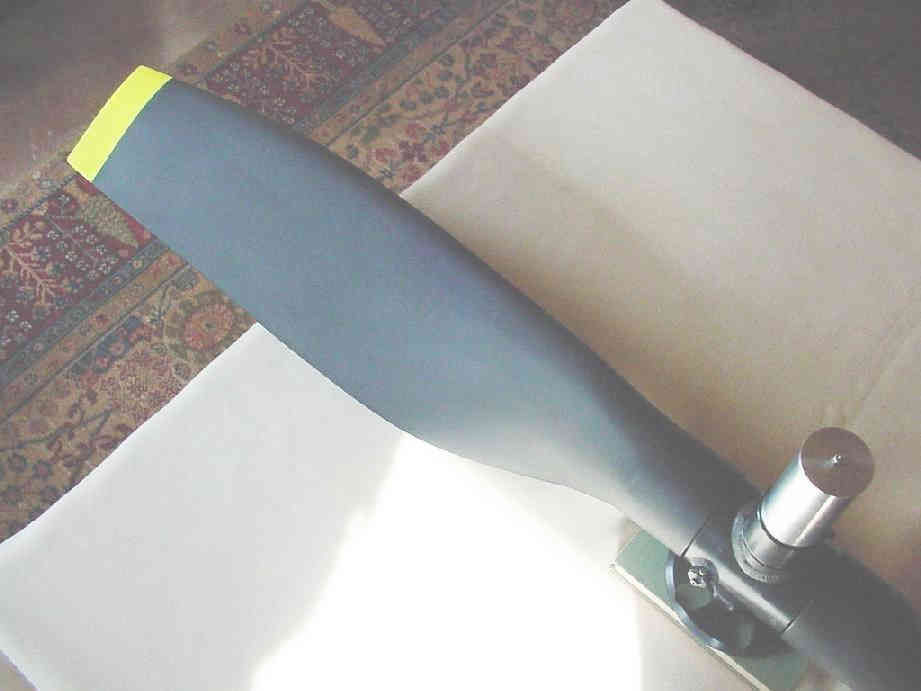
I think you want a prop that feathers.
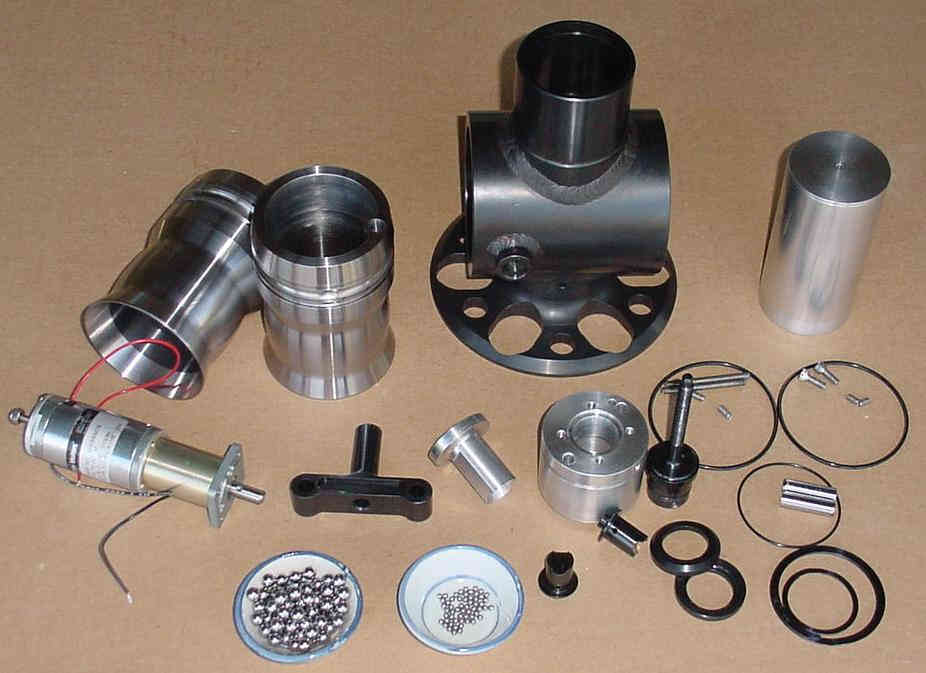
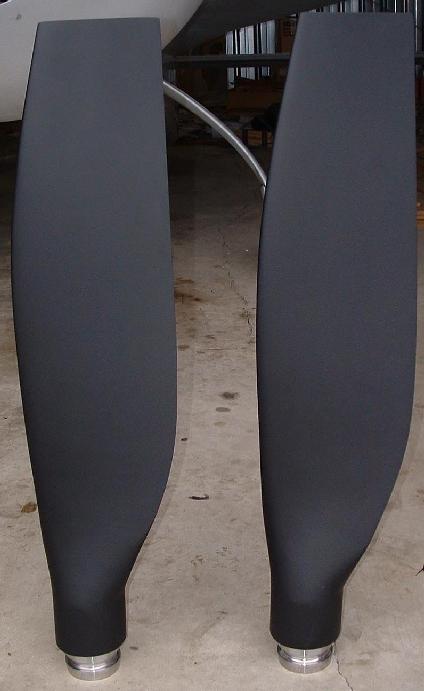
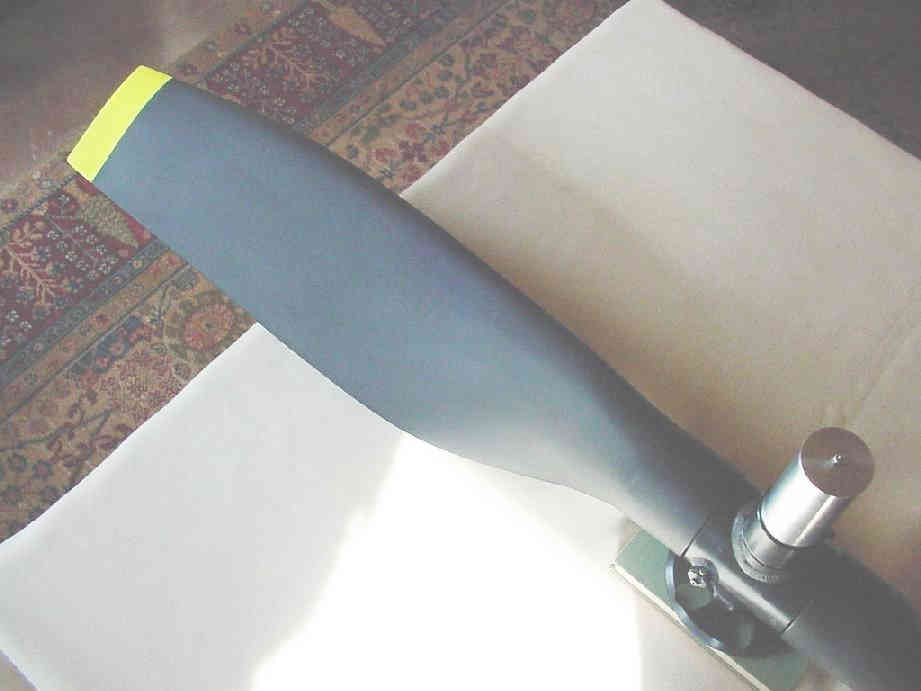
We had an electric design a long time ago but it never made it into production.
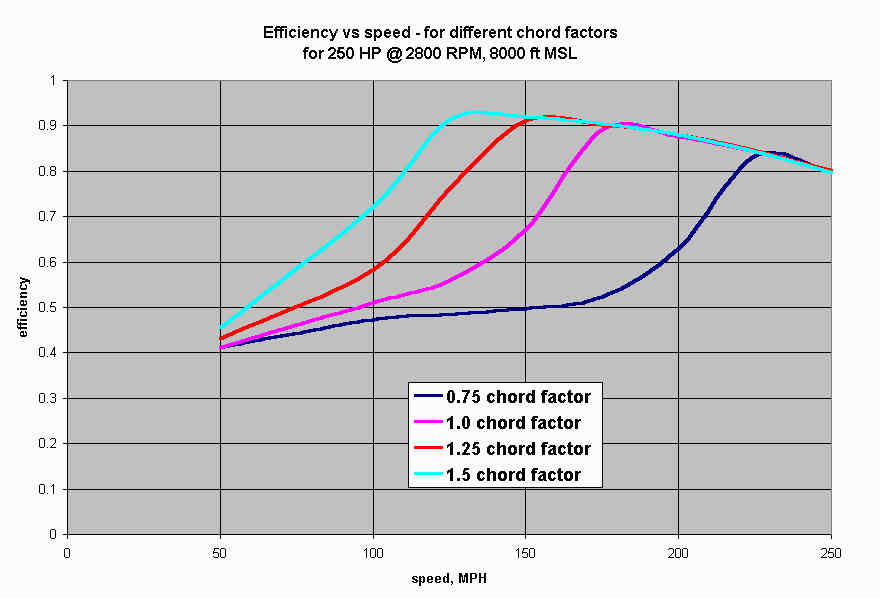
Perry Mick built the carbon fiber blades and it was designed for 250 HP.
The best bet right at the moment is an electric in flight adjustable
prop like an MT or Hoffman. They are not as efficient and cost more than
a metal constant speed prop but metal constant speed props require gear
boxes that are designed for them. It would help greatly If Mistral
would sell their constant speed prop capable gear boxes.
Paul Lamar
The Rotary Engine NewsLetter. Powered by Linux.
ACRE NL web site.
http://www.rotaryeng.net
Youtube key word UTUBPLEASE
Copyright 1998-2009 All world wide rights reserved.