Paul
Let me introduce myself.. My name is Jeff Doddridge and live down here
Southern (financially collapsing) California. Escondido to be specific..
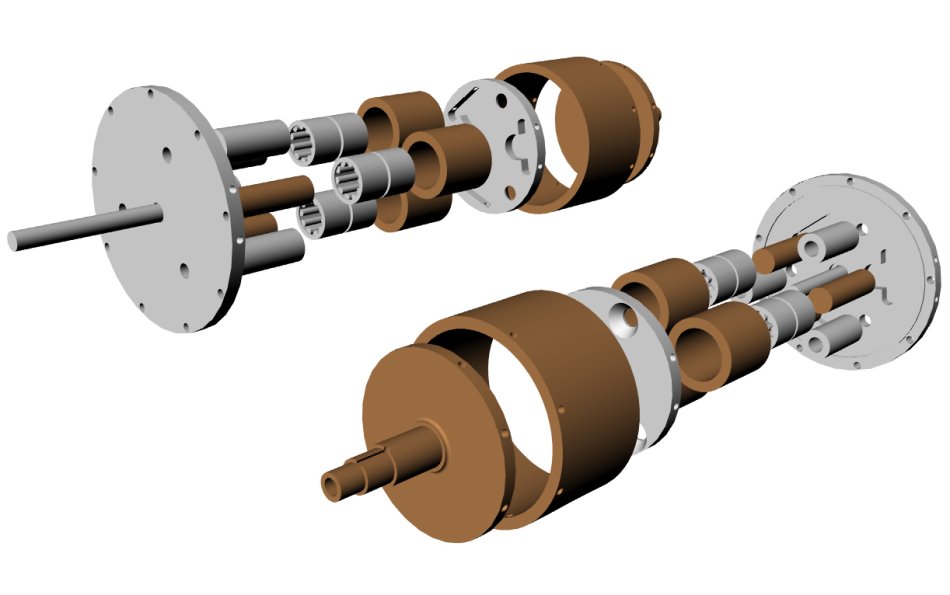
I have started an engine project building from a clean slate the Mazda
13b including the rotors..The only thing left from Mazda is the rotor
housings and the stationary gears and rotor gears,maybe some bearings.
I have a CNC machine shop and can build just about anything I can think
of. I also have the appropriate software for modeling and assembly
design. I make all sorts of parts for many companies in the
Biotechnology, weapons, and aircraft world.....
I now have Cirrus VK30 project I have been building for several years
and originally purchased a Zehbach 650ci dual turbo inverted duel EFI
engine with planetary reduction . This was installed and all components
for the installation were designed and machine by me....Mr Zerhbach
spent some time with the feds and the support for the very complicated
and heavy engine stopped. I have always been interested in the rotary
going back to The BEC rotary designed and build by a guy named Maurice
Brockington(he live here locally). He is over 80 now but put this engine
together in the early 90's with the assistance of Engine Beat and Jim
Mebber. It ran and produced 200 hp non turbo on their dyno. It was a
very clean and aircraft looking with a frontal diam of only 18" the full
length of the engine. It never got off the ground although he had many
opportunities to get this to market but failed to do so because of
control and ownership issues the greedy capitalist that wanted to fund
this. I think he had patents on some specific attributes of the engine,
however not sure and it's been way to long to matter now. The prototype
engine sits mothballed in his hanger.....
I approached Mr. Brockington about my concept and he is very interested
and excited about my design concepts. I also talked To Jim Mebber at
Racing Beat and he was very cool to anything that did not come off the
self. However he is considered the master and expert on this engine for
many different applications, he should be listened to, no dought. He
did not reject it's design altogether but had a hard time understanding
why you would alter a reliable and well designed engine....I had answers
for that but he kept shaking his head....
My concept simply comes from the need to build the engine as an aircraft
engine specific, light, small, powerful. Looking at all the components
with the idea of optimizing and integrating these components modularly
for easy manufacturing and cost control.....200hp plus to fit
something like a RV.
I have been working on this for some time and now am starting to make
parts. I would like to share some of this with you knowing that you are
a real rotary enthusiast and disseminate bunches of knowledge for the
like minded.
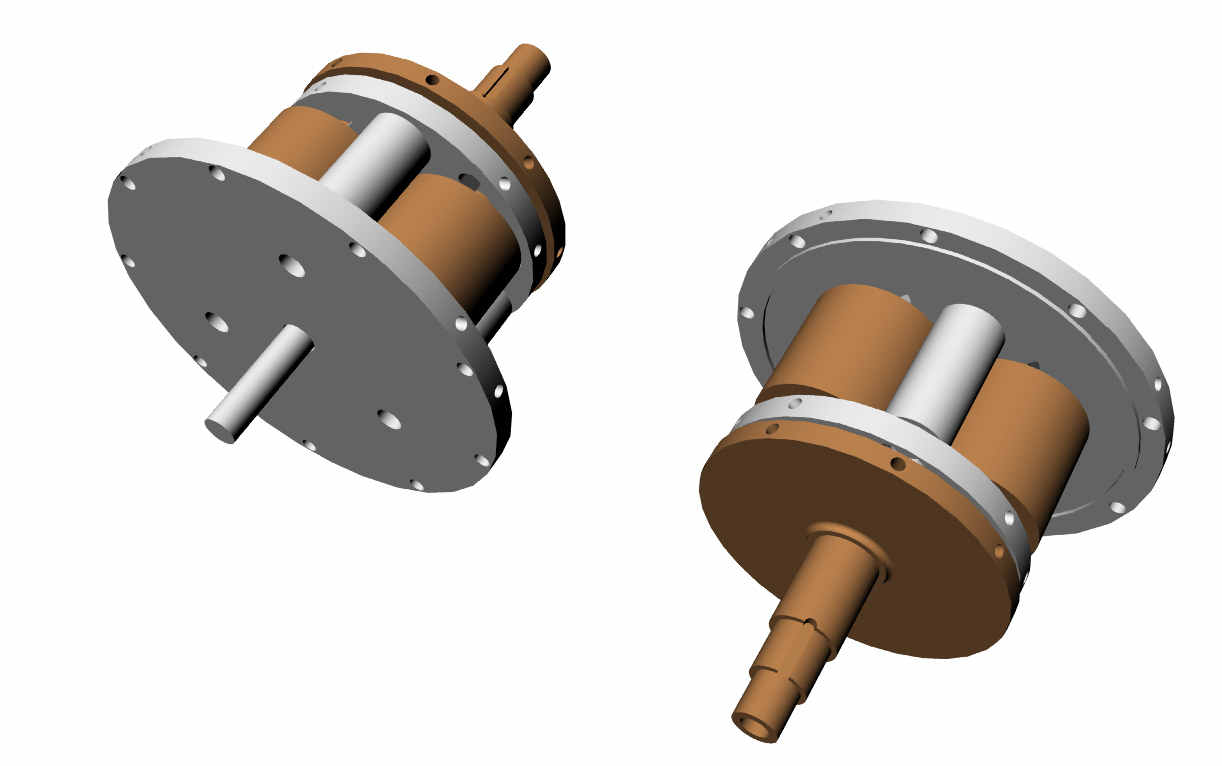
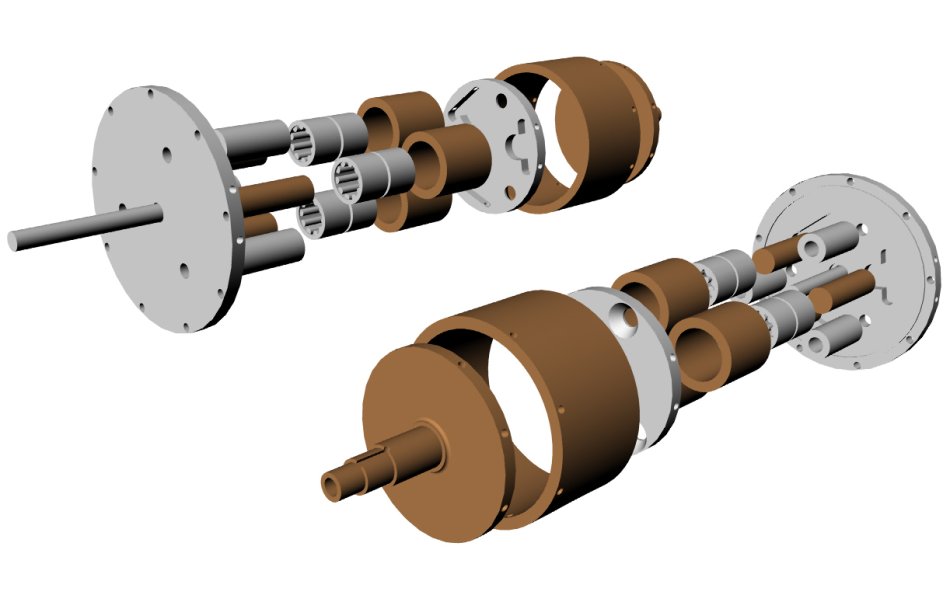
If you would like to see some of the work I have done to this point I
would be happy to show you this with the idea of steering me away from
what would be engineering flaws that could cause expense and delay. I am
not an engineer and make no claim to that. Like many in this endeavor,
not to call this a dream but certainly is lofty......there is a lot of
explaining here and I thought I would leave it for another E-mail if you
wish to continue.
thanks
jeff
David Leonard lives in Ocean Side and keeps his turbo Mazda RV6 at the
Palomar
airport. You may talk him into giving you a ride.
It is Jim Mederer and not Jim Mebber. I agree with Jim. You would be
reinventing the wheel. Mazda has sold 2.4 million and they are still
learning.
A Mazda 3 rotor would be ideal for your airplane.
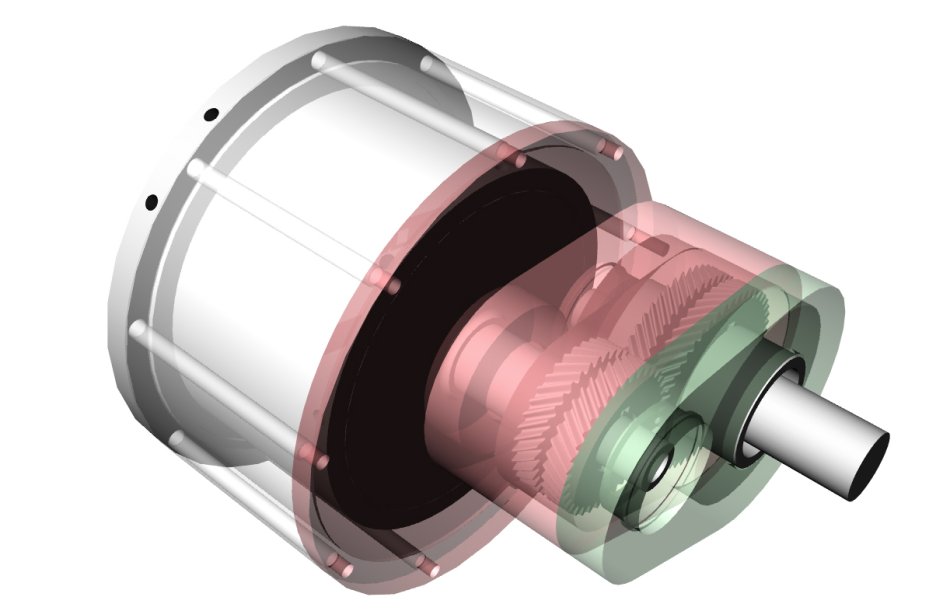
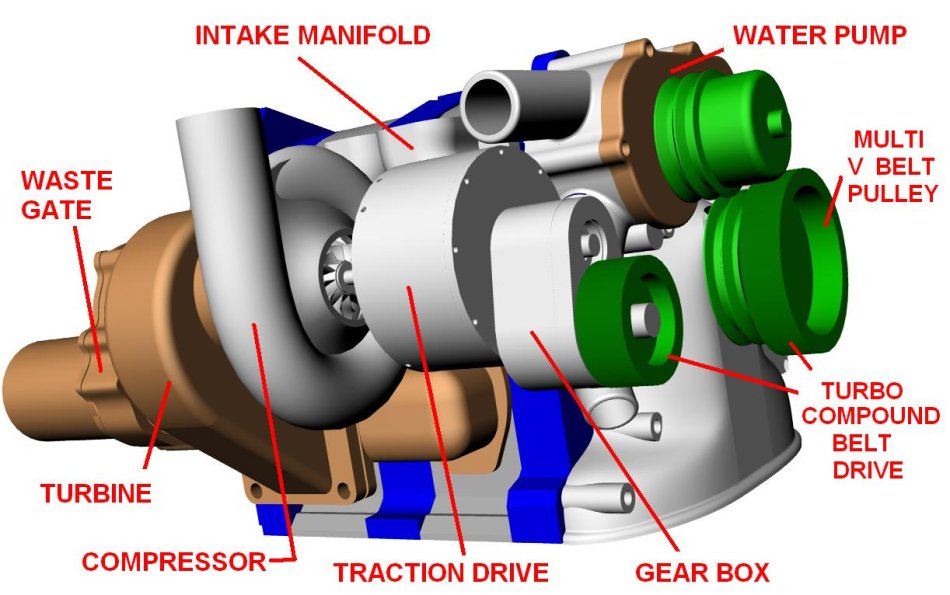
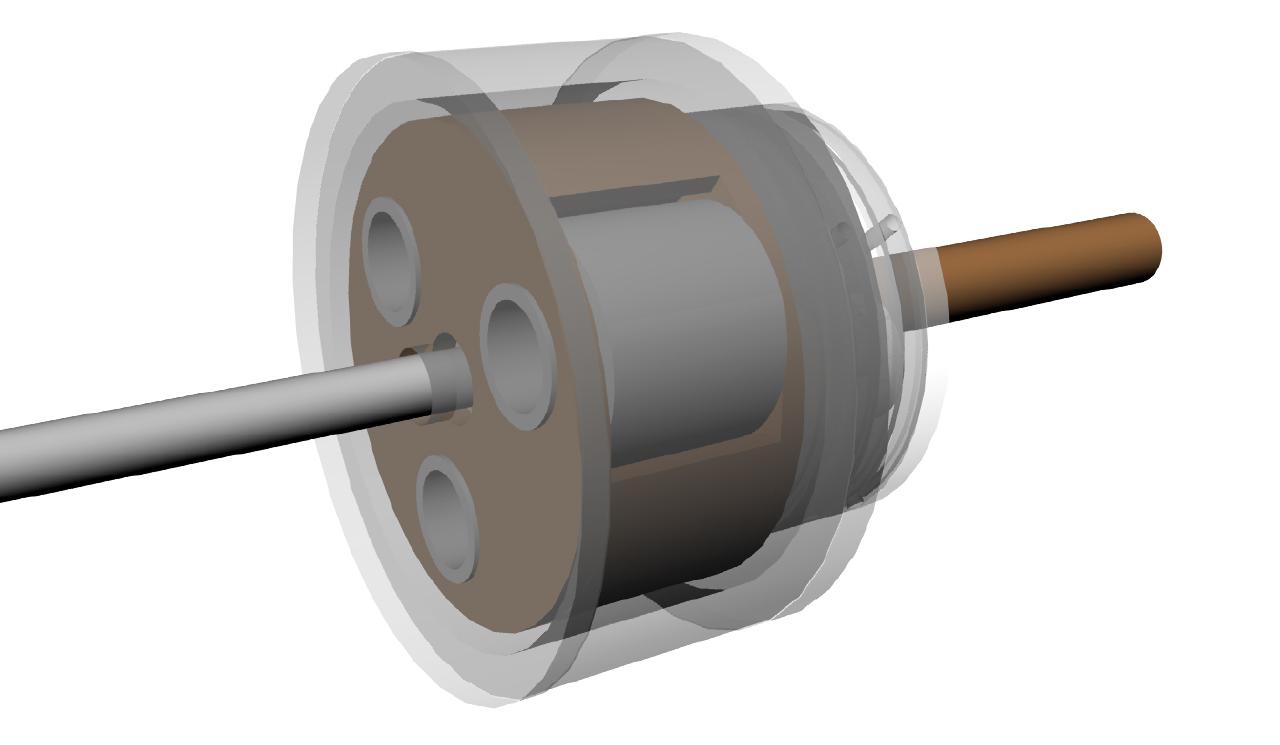
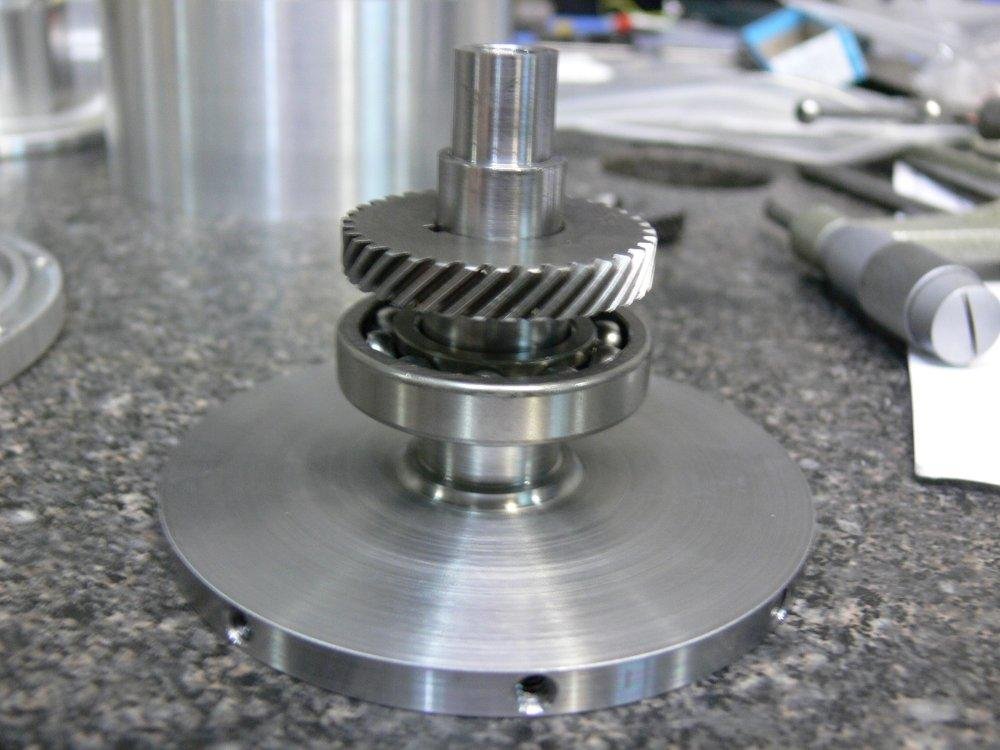
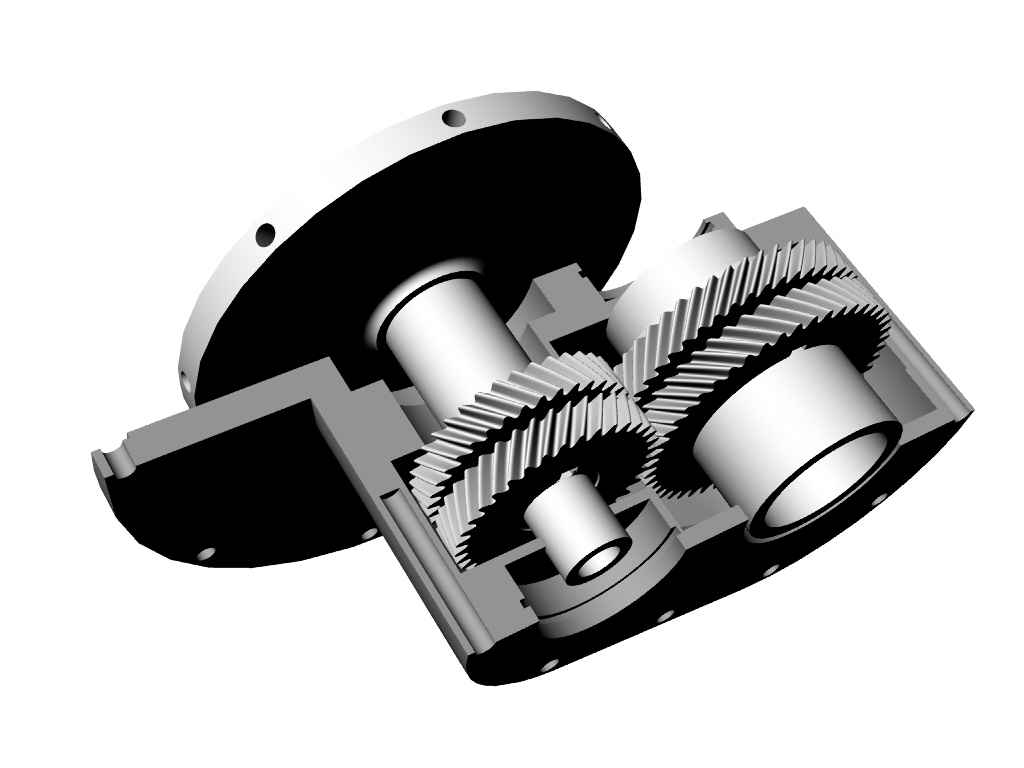
If you want a challenging project build us a turbo compound gear box
for a rotary.
That will drop the fuel consumption of any engine %20. I wrote an article
for Augast Kitplanes about it. If you can't find a copy let me know.
Also check out UTUBPLEASE on youtube for turbo compound.
I subcontract parts for intake manifold now and then to NC shops so I
will add you
to my list for quotes.
Paul Lamar
_________________________________________
Jim,
Many have tried, and to date none have been successful. (DARN)...
I am also wanting to build a light rotary for an LSA plane. If the
only part that you intend to use from Mazda is the rotor housing and
misc parts, what do you have planned for the rest of the engine???
I was intending to start with the 109 lb short block that Paul had
shown previously. Mazdatrix built this engine for a (eventually
military) customer with alum end housings, Renesis e-shaft,
stock '89 - '92 non turbo rotors,and Renesis front housing and
light weight water pump. ( did the photo that Paul showed have
the front cover?? , which would include the front counterweight??)!!
The alum end housings save ??? lbs (about 50 lbs Paul??) The
Renesis e-shaft is 6 lb lighter (source Street Rotary - Mark
Warner) .Possible additional weight savings using commercially
available parts include: milling the '89 - '92 rotors
from 9.6 to 8.7 lb ((Renesis 9.3 to 9.0) - Mark W)), and
perhaps using ceramic apex seals for another few ounces.
Add reductions for the counterweights, and everything else
we can think of... so what do we have for a finished long
block weight??
Possible additional weight reductions include a hydro
formed e-shaft ,many $$$, some titanium bolts, more $$$, -
how about replacing the tension bolts with rolled thread
tubing?? - (MORE $$$!!!). Your ideas???...
Paul already has the mechanical intake system parts in hand.
(lightest weight)... The electronics for intake and ignition
are in progress. Now we are discussing PSRU parts, mostly for
George Grimmes [??? Jean Prudhomme ?] twin pusher project.
Paul has posted ideas for
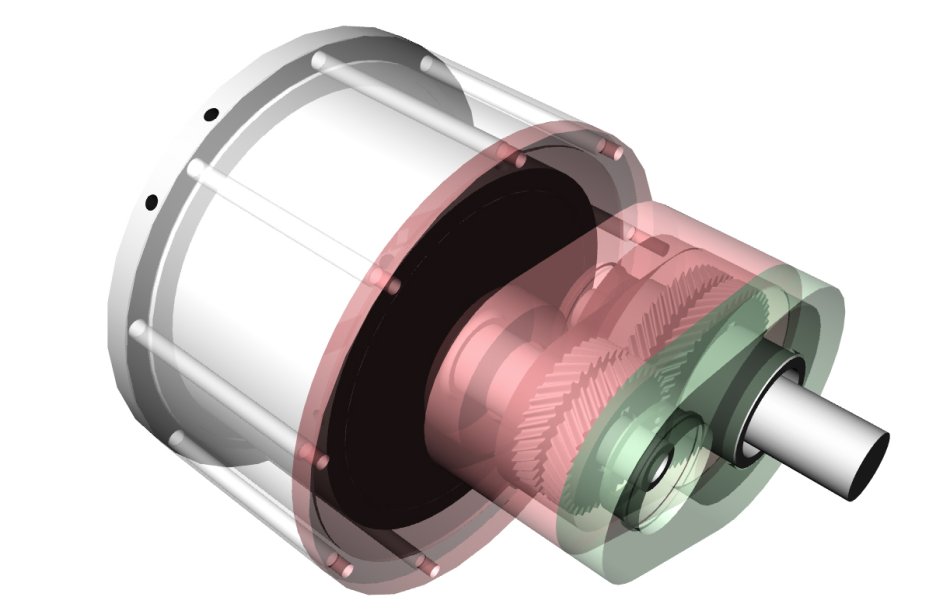
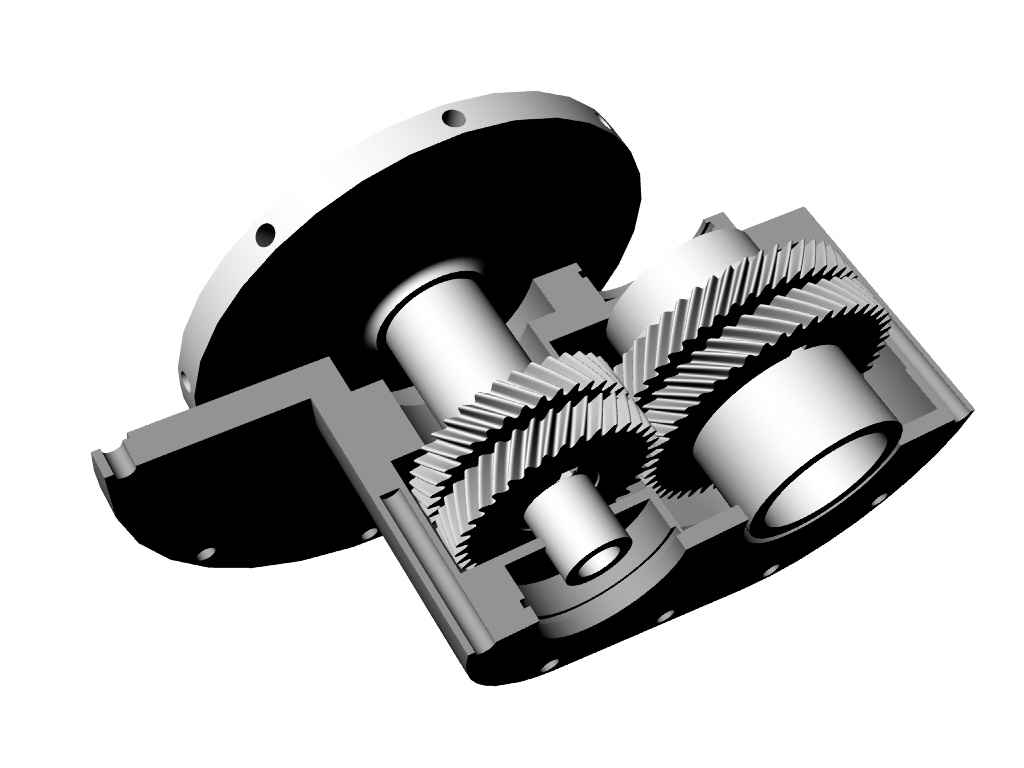
a lighter in-line PSRU. I discussed a lighter weight PSRU with
Tracy Crook some years ago and he thought 30 lbs was achievable
for LSA hp range. If we really engineer a PSRU for lightest
weight I would expect 22 - 24 lbs.
Ideas??
Dan F
Also Jim. I forgot to mention. We have a 3 rotor powered Velocity
hangared at Ramona owned by Al Gietzen.
Paul Lamar
Dan
I think you mean Jeff...I know Al, tried to rent my hanger awhile
back....He has a beautiful plane that flies well and is a very good
installation.
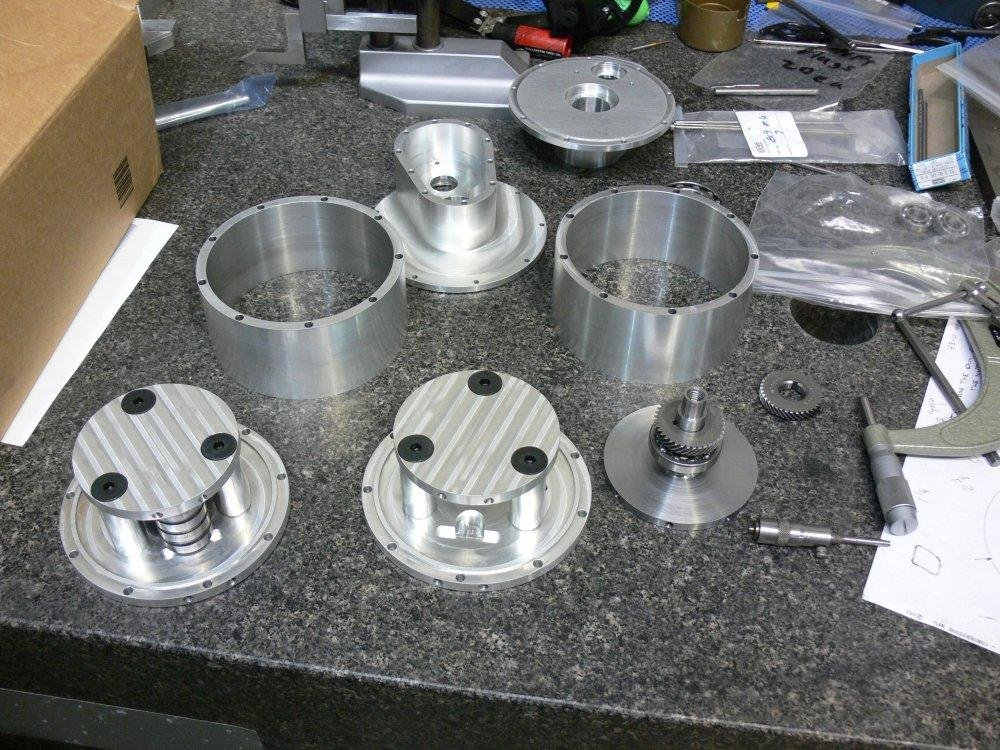
I am currently in the process of casting some aluminum housings from a
back east source to be flame sprayed like the Racing Beat copies of the
original. The intermediate housing carries a mid bearing support
(12 lbs)and the E shaft is modified to work with this. I have Vulcan
Forge working on some forged aluminum rotors (I used to own a forging
house) with tool steel tip seal inserts. Rotors a little over 5 lbs.
each. The counter weights can be less too. All the housings are
designed by me and the appropriate water jacketing and internal support
features address the loads encountered. All unnecessary bosses and
features are machined off for additional savings. A dry sump system
allows for the removal of the oil pan casted mount as well. There is a
lot going on here and I have no way to put all this into an E-mail.
Just to say, this is my idea, my time, my $$$ and if it does not work
than nobody gets hurt but me. I have always encountered a headwind with
most things I do and I am sure this will be no different. Mazda has
made a great aircraft engine that they needed to make into a car engine
with all it's complexity. I just want to bring back to it's real
job..aircraft only!!!
Oh. you asked about the total wight, looks like well under 100 lbs.
2 rotor.
Mistral is asking about $50,000 for a non certified engine that carries
about 75% off the shelf Mazda parts. WOW! Some body has got to do
better.......I have many ideas and can make them happen.
thanks for asking
jeff
Yes Jeff not Jim. Sorry.
The Mistral engine is not made from Mazda parts. It cannot be certified with Mazda
parts. Yes they are copies of Mazda parts but they must be made by Mistral
with a paper trail to satisfy the FAA. That is not to say some of the engines
Mistral displays from time to time are not made with at least some Mazda parts.
There is very little incentive for an all aluminum engine. Most rotary powered
aircraft are kit planes designed with aircraft engines in mind. The current
iron Mazda is just about the same weight as an IO-360 so there is no incentive
to reduce the weight as that would lead to aft CG problems. The world is not
beating a path to Racing Beat's door for aluminum end housings for their
Mazda rotary engines.
Based on running this newsletter for the last eleven years cost is the primary
driver in the adoption of the Mazda rotary. An all aluminum
engine would defeat that goal.
What is really needed is a reduction in fuel burn.
If a 20% reduction in fuel burn could be achieved than people would be more likely
to spend $25,000 on a rotary engine to replace their aircraft engines. This is most
easily achieved by turbo compounding. To turbo compound all you need is a modified
turbo charger and a gear box to feed power back into the front of the e-shaft.
Paul Lamar
--
The Rotary Engine NewsLetter. Powered by Linux.
ACRE NL web site.
http://www.rotaryeng.net
Youtube key word UTUBPLEASE
Copyright 1998-2009 All world wide rights reserved.