Im writing to you from Australia and am after some
advice/ideas/enlightenment.
I am not yet a pilot; however I hope to soon have a licence. I
also hope to, in the nearer rather than further future, build a
kit aircraft and I wish to power it with a rotary engine. To
that end, I have been researching as much as I can on the
internet.
I am a subscriber to your newsletter, I have Traceys manual on
rotary conversion and have gathered heaps of great info on
rotary engines.
My dilemma is:
* Everything anyone writes about seems to be in the
200Hp-300+Hp, and usually based around the 13B, or larger-
(3,4,6 rotors. Good Grief! Now maybe if I could just find and
afford a Helio Courier that needed an engine and a good home)
* The aircraft I want is a STOL Hornet built by
Australian Aircraft Kits
www.aircraftkits.com.au and is rated
for 120Hp. It is a 2 + cargo, or a 2 + 2. I have been in
contact with the company and they seemed happy to accept a
rotary in the 120Hp-140Hp range and said they would need to
provide wing extensions to counter the weight of the rotary.
I have purchased a stock 12A (which I understand falls into the
120-140Hp bracket) from a wrecking yard that seems to be in good
condition. If it measures up, then Im happy to put a master kit
through it and build it up as a power plant.
I know I will loose out on the power to weight ratio that
rotaries are famous for, but so be it. If I could afford a set
of Racing Beat alloy plates Id be ahead of the game.
In your opinion,
* is it worth my while to continue down this road and
build up this 12A, given the (relatively) low Hp required? Or
are there better options you are aware of? Rotamax????
* If I do continue, am I better off looking to EFI of
carburetted?
* What PSRU would you recommend?
I am not an engineer, electrician, or have any sort of trade
background. I am pretty handy with most forms of metal
fabrication and welding though and can usually get around a set
of plans or diagrams without too much drama.
Any help you can provide will be greatly appreciated.
Yours in anticipation,
Stewart Woerle.
Stewart Woerle
Nathan River Ranger Station
Limmen National Park
PMB 133
Katherine NT 0852
When aircraft builders are thinking of limiting the HP what they are assuming
is you are going to use an aircraft engine. Well what they are really thinking
about is increased weight with more HP always results in more weight in a air
cooled aircraft engine. More HP will not intrinsically hurt an aircraft
in any way if you don't use it. True it can be hard to control at sea level
during take off due to torque effects but you don't have to open the throttle
all they way if you don't want to. Where more HP pays off is at high altitude
where the drag is down and the additionally HP allows you to cruise faster.
I have flown all over your fine, beautiful and large country in
a C172 and what you really need is a faster airplane :) Another advantage is
you cannot have too much HP in a STOL. To get off in a short field what
you need is rapid acceleration to flying speed. Read a large diameter prop
with lots of HP to turn it. In that case what ever engine you choose,
12A or 13B, use a p-port as it is a cheap additional 50 HP with no increase
in weight or fuel burn if you don't use it a cruise. In fact the weight of
the p-port intake manifold is less than the weight of a side port manifold.
Now that we have that discussed lets talk about engine weight. The 12A is no lighter
than a 13B mostly due to the cast iron water pump. One advantage it has is cost.
Here in the states they are in many cases free.
Now I am a little worried about your choice of aircraft company as adding
extensions to the wings is not a smart thing to do. You risk wing failure
in turbulences and in normal maneuvers. The current wing is structurally designed
(or it should be) for the amount of surface area it has and the gross weight of
the airplane.
Now a low cost for the kit may be your main concern but the time it takes
to build an aircraft is not necessarily related to the size. I would
pick a low cost fast build STOL kit aircraft that was designed for the weight
of the 13B or 12A engine. A Zenair 800 is a low cost STOL aircraft
that will accommodate the weight of a 13B. You might find an Australian
version that will do the same thing.
Rotamax is out of business.
A 500 CFM 2 barrel Holley carb with leaning kit is the lowest cost way to go.
Tracy's PSRU works fine.
Paul Lamar
-
Thanks very much Paul,
I'll take that onboard and continue with the research. Had
already considered the 801, so may need to revisit that idea.
On another matter, could you please unsubscribe me from this
address and rather send to;
stewartjohann@hotmail.com
thanks again,
Stewart
I think the 801 with a 250 HP rotary would make a great out back airplane.
You never know when you might need to land in a small spot.
The lower the stall speed the less energy in the crash.
The formula for the crash energy is M X V squared. That is why the
FAA in the states mandate a 61 kt stall speed for single engine
aircraft. 50 times 50 is 2500...... 60 times 60 is 3600. A 50% more violent
crash.
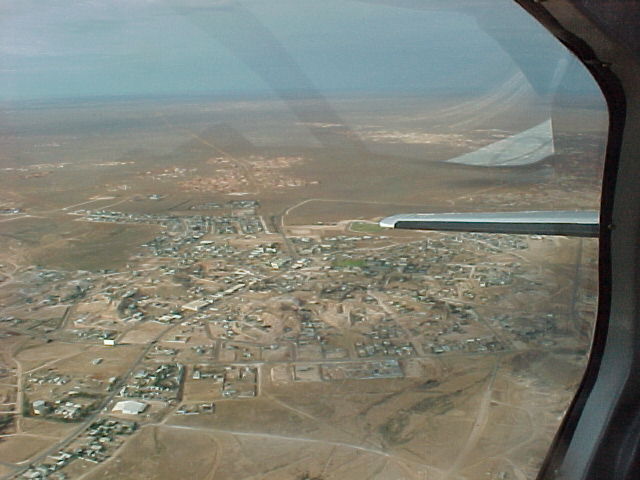
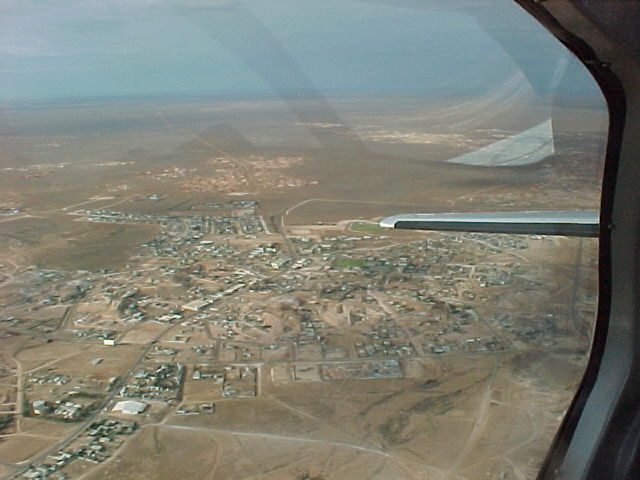
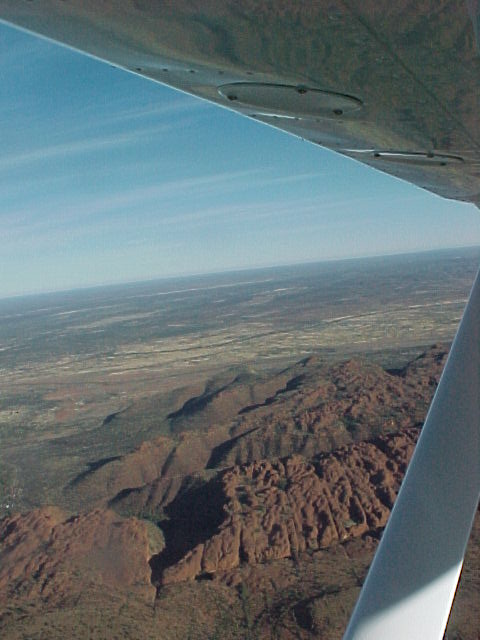
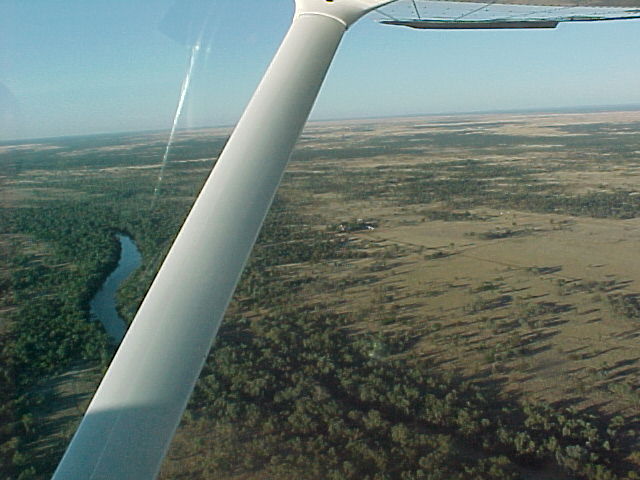
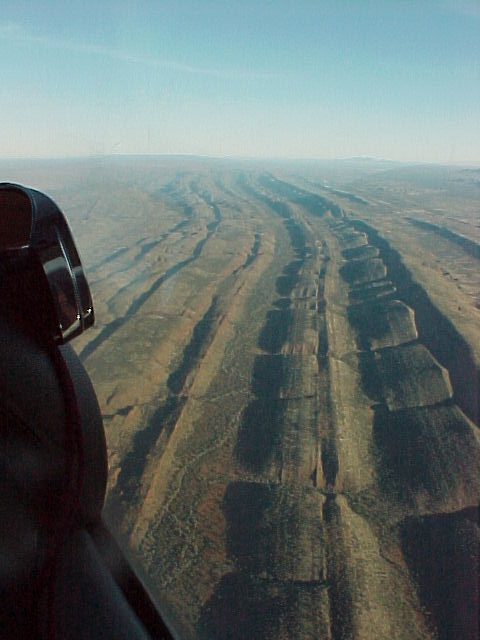
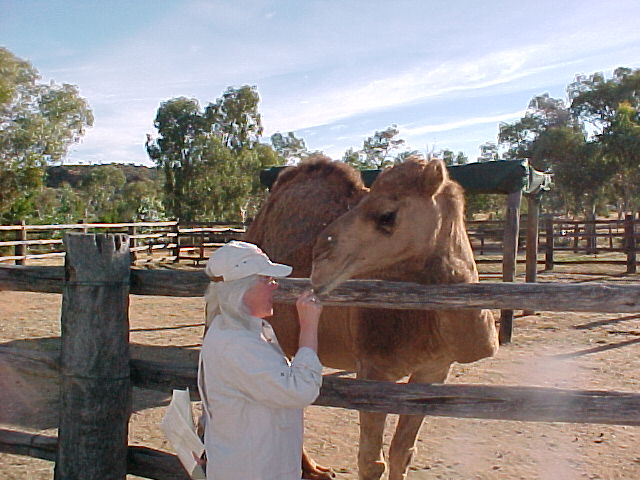
Here are some pictures I took from the C172.
Paul Lamar
--
The Rotary Engine NewsLetter. Powered by Linux.
ACRE NL web site.
http://www.rotaryeng.net
Youtube key word UTUBPLEASE
Copyright 1998-2009 All world wide rights reserved.