I won the SAE's e-book download netbook giveaway contest, they sent me a
brand new HP Mini-110. It has everything, came loaded with windows 7
starter.
Seemed like a good candidate for a Linux trial.
I downloaded the latest Ubuntu 9.10 netboot remix, burned iso cds. Tried
to
make USB live image with USB creator, in both windows and booting from the
live CD (standard edition) on my tower, but couldn't seem to get it to
work.
Unetbootin from sourceforge was able to create a bootable thumb drive,
then
I
created a bootable 4GB SD. They both boot just fine, but have yet to
figure
out how to get the WiFi connection up and running. Webcam works fine in
ubuntu.
Everything seems straight forward, tho. I have to say maybe a bit boring
with
the NBRM gui.
I also stumbled on
http://moblin.org/ this looks like a much better gui,
although it looks as though they are still developing. They have gotten
Intel
on board, supporting their Atom processor, so I expect a bright future.
Also
have created a developer network similar to Apple's iPhone for application
development and distribution.
I'll try to make a bootable Moblin SD after work today.
As a side note, I just upgraded both my tower system and laptop from vista
to
windows 7, only problem noticed so far is my epson cx3200 needs another
driver, will have to sort that out with epson tech support.
It appears as though all installed programs came through except for
iTunes,
the upgrade advisor informed me prior to upgrade this would need to be
reinstalled. That has been the smoothest windows system upgrade I can
recall.
System resource usage is way down, my tower now only uses 30% of installed
memory at the end of system loading, instead of the 45% it needed in
Vista.
Everything is faster, rather pleased with the result.
C. Smith
---------------------------------------------------------------------------
Here are some ideas for your new toy.
See if it will go into command mode or DOS mode. Don't laugh. Dos has some
real time advantages. XP will go into DOS mode. If it goes into DOS mode
it
may be possible to do all sorts of real time hardware stuff like fuel
injection systems. Windows and Linux are multitasking which make them near
useless for real time hardware stuff. Too much background house keeping
going on.
If it will run DOS it will probably run Quick Basic Compiler that can
access
the USB ports directly as serial ports in real time. I run QB in XP all
the
time. Quick Basic has real time commands for directly controlling hard
ware
including serial ports. It is small enough that I can email it to you. It
is
very easy to learn. Many of us older computer users already know how to
program in QB. I have tons of source code including a moving map program
that takes in data from a GPS. UPS GPS receivers are available. One can
buy a USB to parallel adapter kit that will out put 8 bits at a time with
hand shaking. Each bit could control an injector. The key is what is
avaible
in USB as most note books or net books no longer have parallel printer
ports.
The other possibility is boot up DOS directly from a 3.5 inch floppy disk.
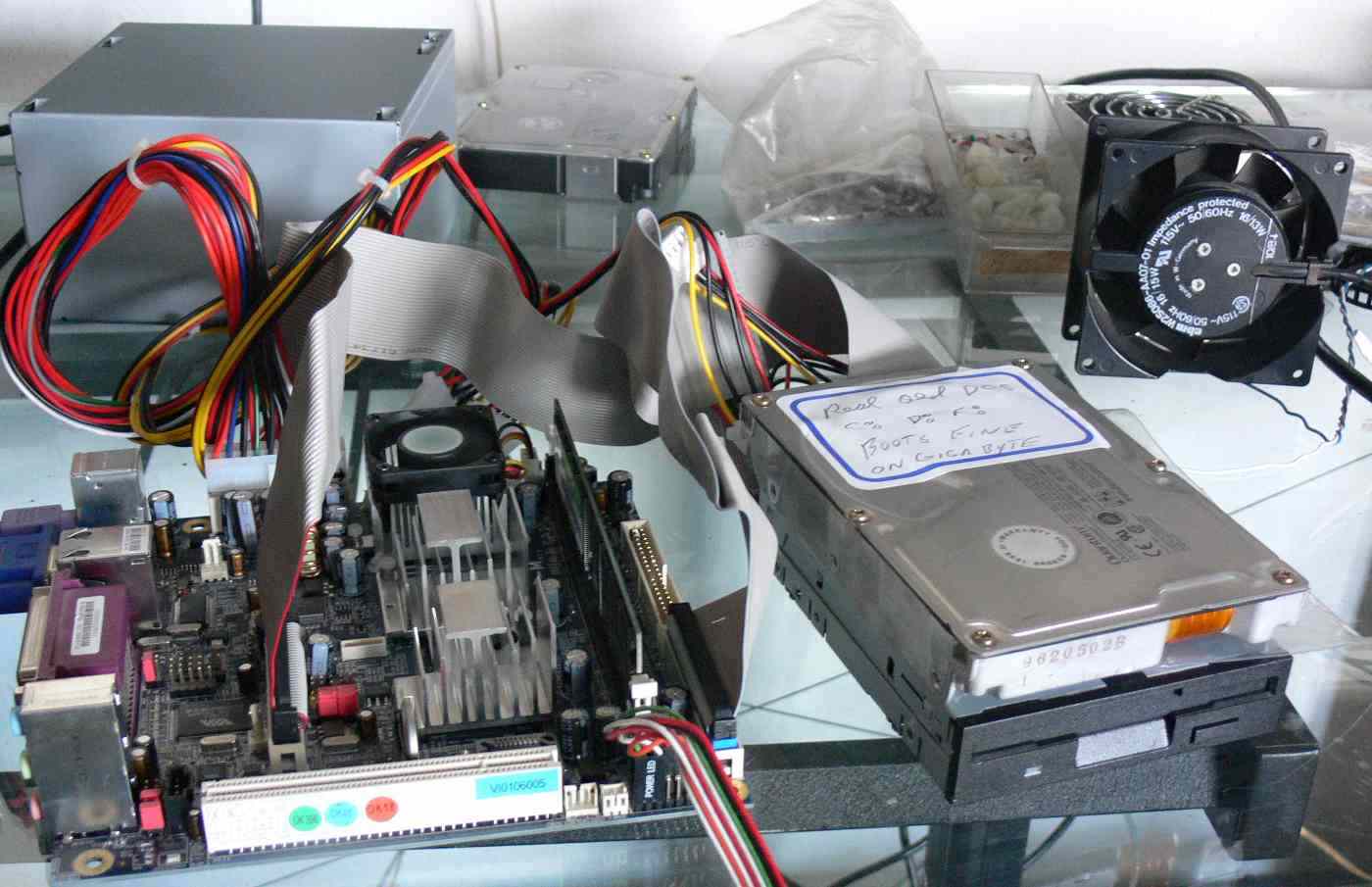
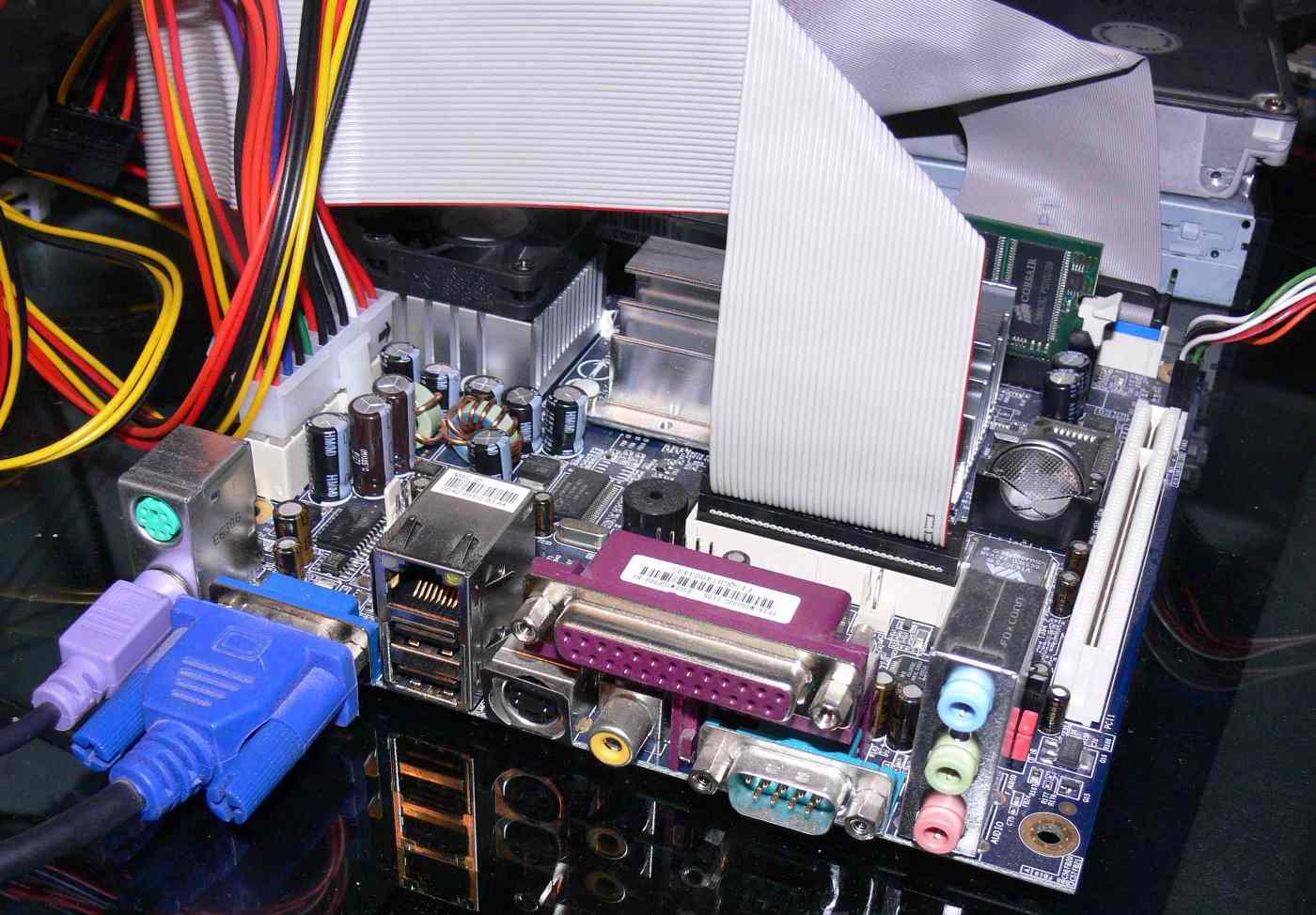
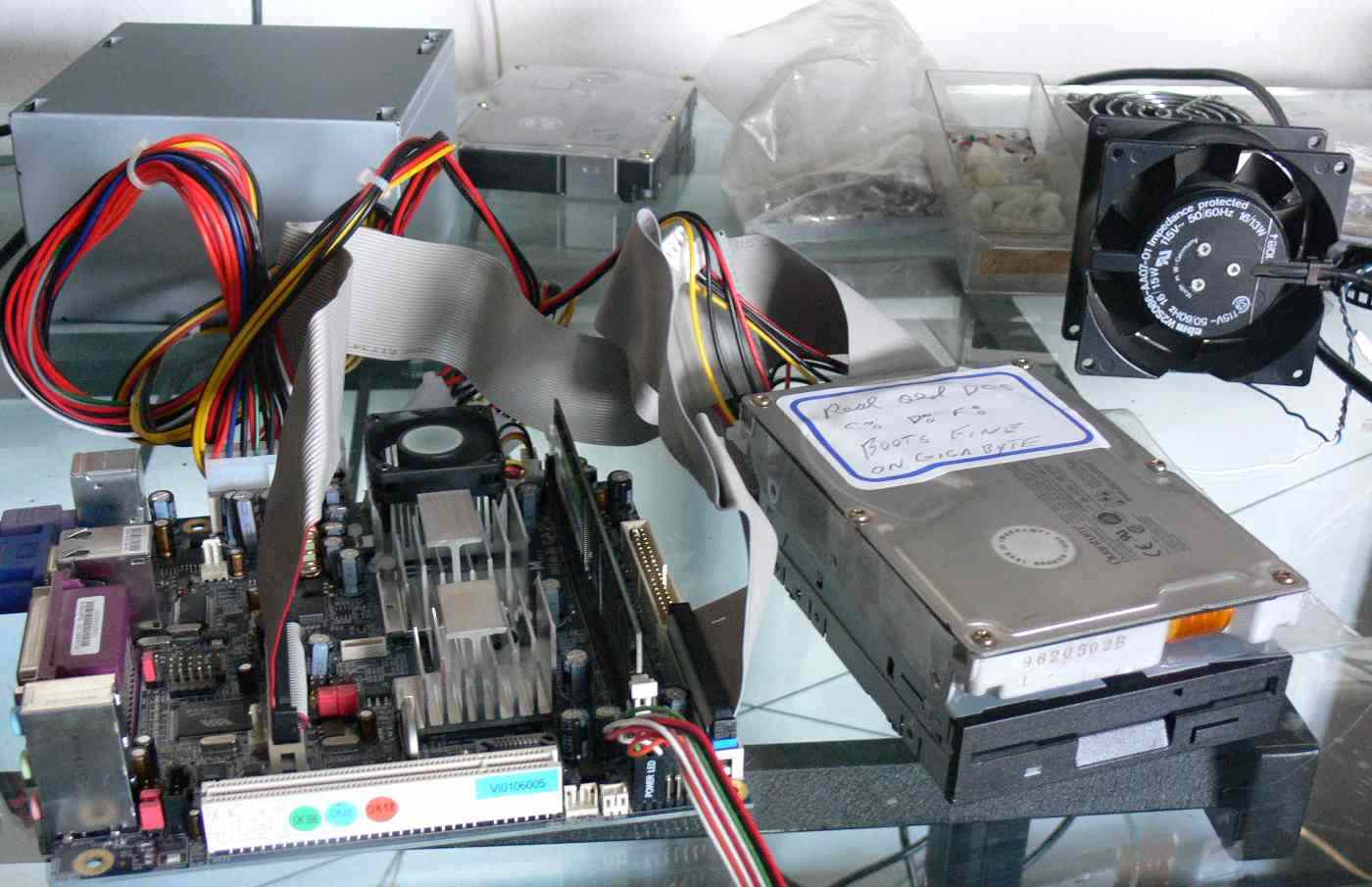
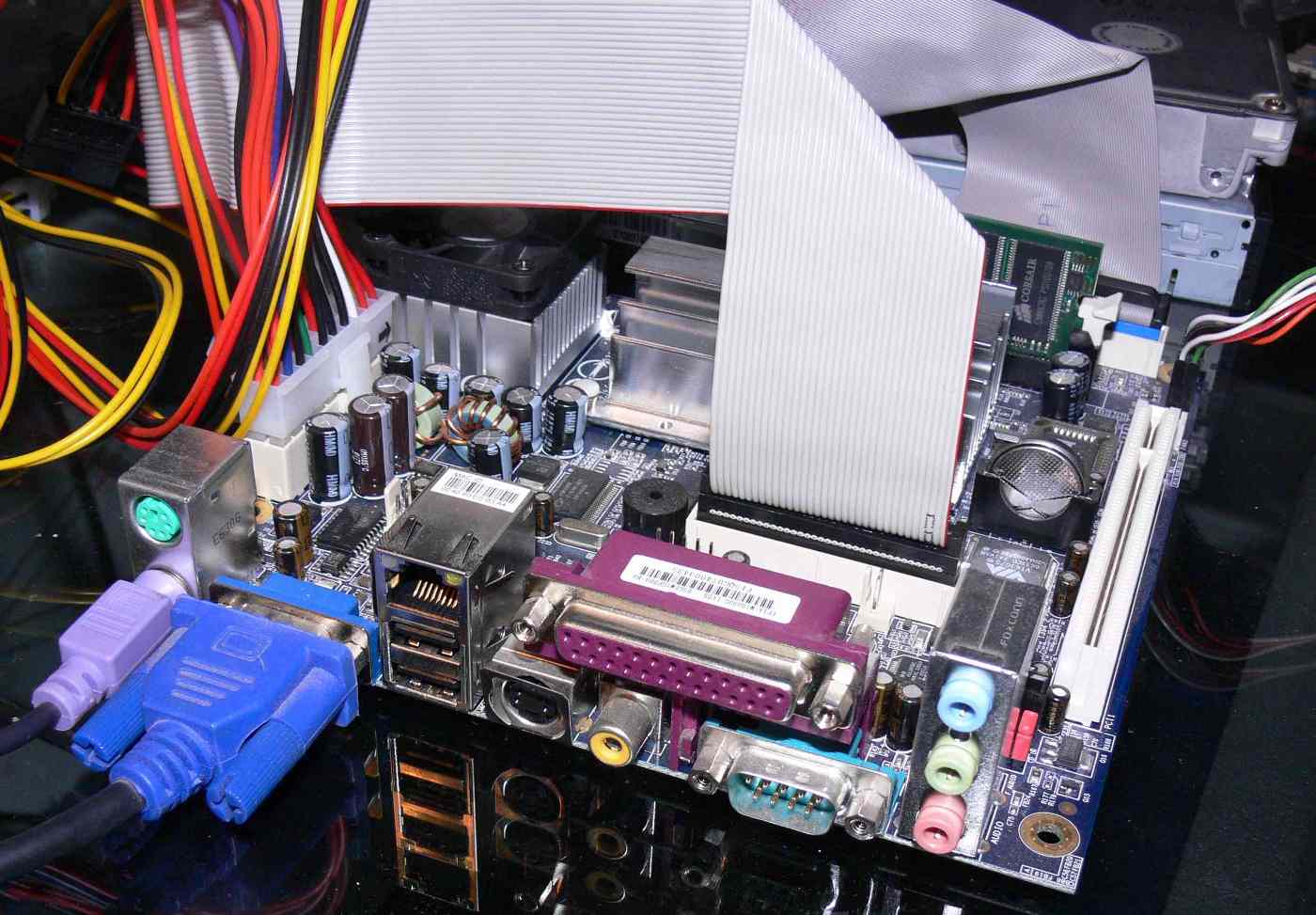
I have a VIA EPIA PC mother board at the hanger that cost less than $90
with
the processor on board with floppy connector. It has a PCI connector so a
4
parallel port card can be bought at low cost and plugged in. The
combination
is way more powerful than you need but the price is far far cheaper than
some embedded systems that are designed for hard ware control. A fuel
injection program can be written in minutes. The only thing missing is an
A
to D.
Of course any old mother board will work too.
http://www.via.com.tw/en/initiatives/empowered/pc3500_mainboard/index.jsp
I'll get it up and running tomorrow with DOS and QB.
Paul Lamar
Linux can be an excellent real time OS.. For the reasons you
mentioned (essentially, latency due to process scheduling), the way to
make Linux run RT is through the use of kernel modules. Kernel
modules are chunks of compiled object code that get linked into the
Linux kernel (the operating system) on the fly. They are typically
used to interact directly at a low level with hardware. They can be
made to not be switched out at all - taking complete operational
priority.
Unlike normal Linux code (compiled c - a browser, Python, Perl), if
you have a bug in a module it can crash the computer. Normal code can
have all sorts of bugs and not crash the system because the kernel
retains ultimate control over address space (segmentation) and
scheduling. Because modules become part of the OS, they don't get
task-switched out (unless the module allows it).
Kernel modules are how many peripherals are operated.. Like video
cards and hard drives. A kernel module could be written to run fuel
injection..
http://www.isd.mel.nist.gov/projects/rtlinux/rtutorial-2.0/doc/basics.htm
Even so, I can't see the real benefit to Linux fuel injection.. As
has been mentioned, there are several standalone microprocessor engine
management software/hardware packages that seem excellent..
Speaking of which Paul, are you still interested in getting assembly
code support for the PWM and timer project? I may get some free time
soon..
Matt-
No I am going with the straight TLC 555 and a pressure sensor which has a
linear output instead of a MAF sensor which is not linear.
Along the way I'll test the PWM fuel pump only option on the bench.
If you want to do it feel free as it would be an enhancement to the TLC 555
system. Then people would have the option of a MAF sensor.
BTW Craig did you get the zip file? I had a lot of bounces on that.
Paul Lamar
Yes, package received. Thanks a bunch. This should be quite educational.
When you talk about the bounces, there is an automatic security block on
Ford corporate servers that trashes all messages with .zip files
Probably something similar happened with your post to other members. This
address is my personal box, so it comes right through.
C. Smith
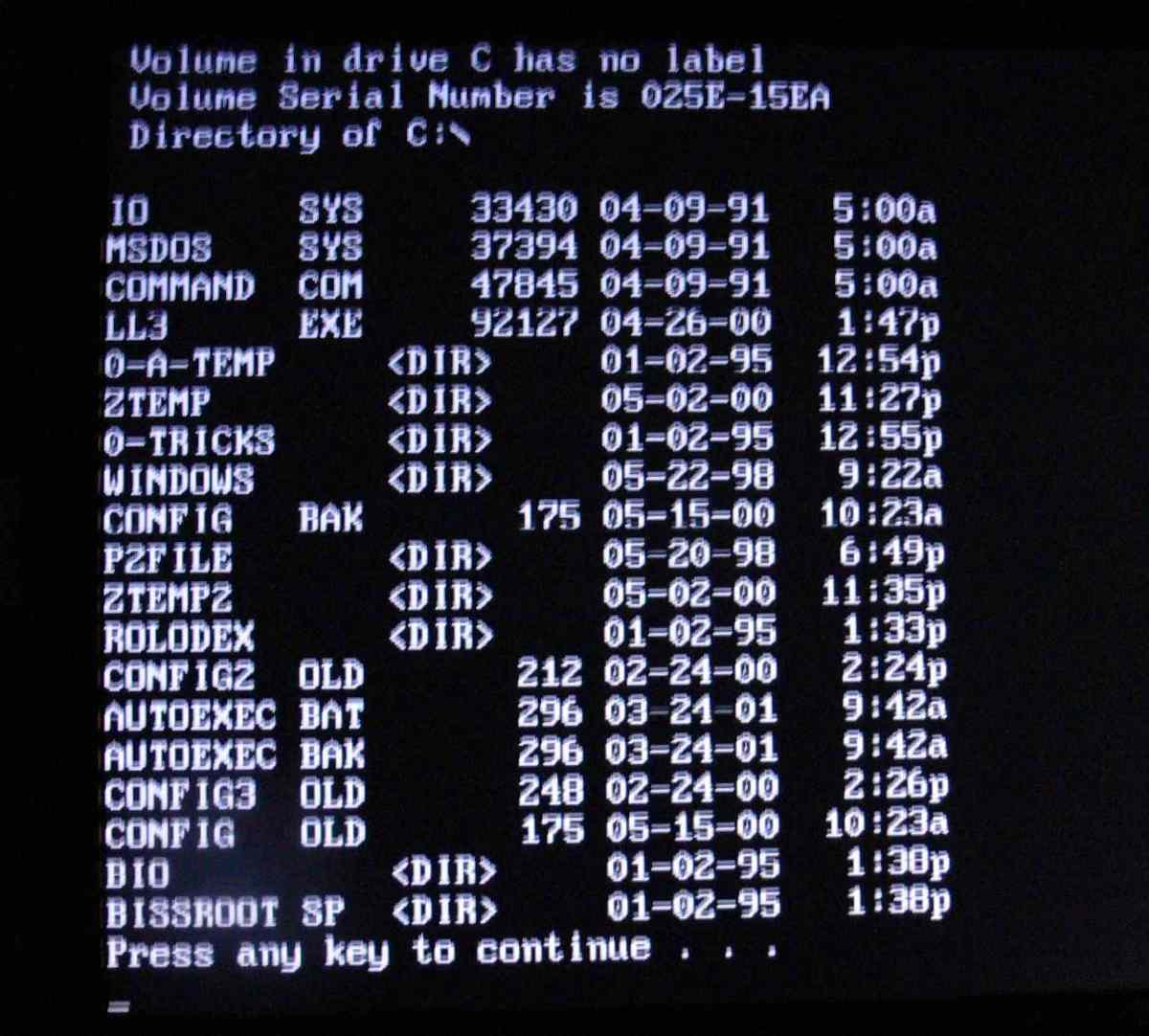
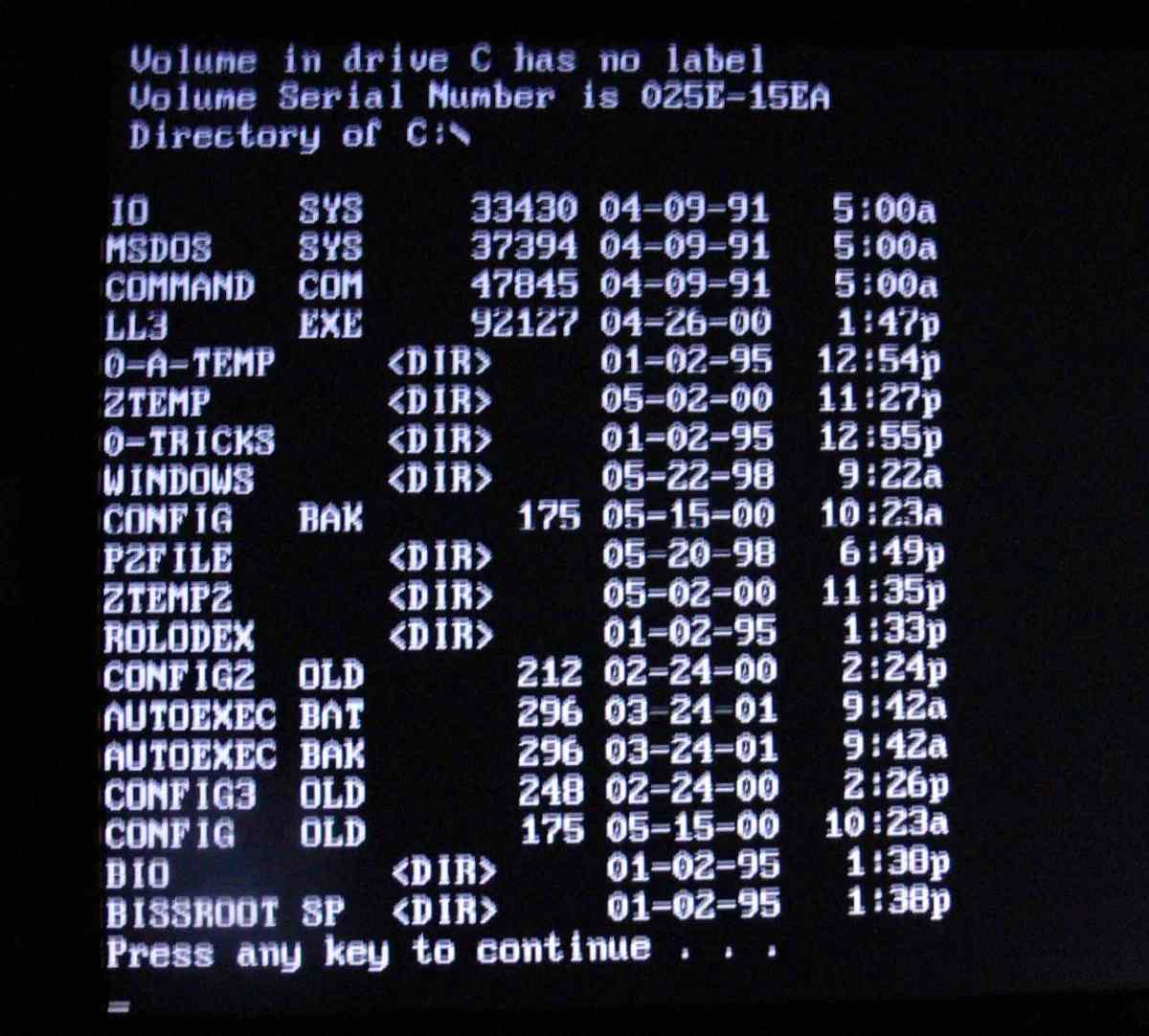
I just checked to see if that little PC mother board boots DOS.
Works great. Super super fast. QB code and DOS is tiny compared to the bloat
ware of today.
All sort of neat things can be written such as a data acq system to monitor
the fuel injectors and CAS in real time. It is like a multi-channel storage
oscilloscope for 1/100ths of the cost.
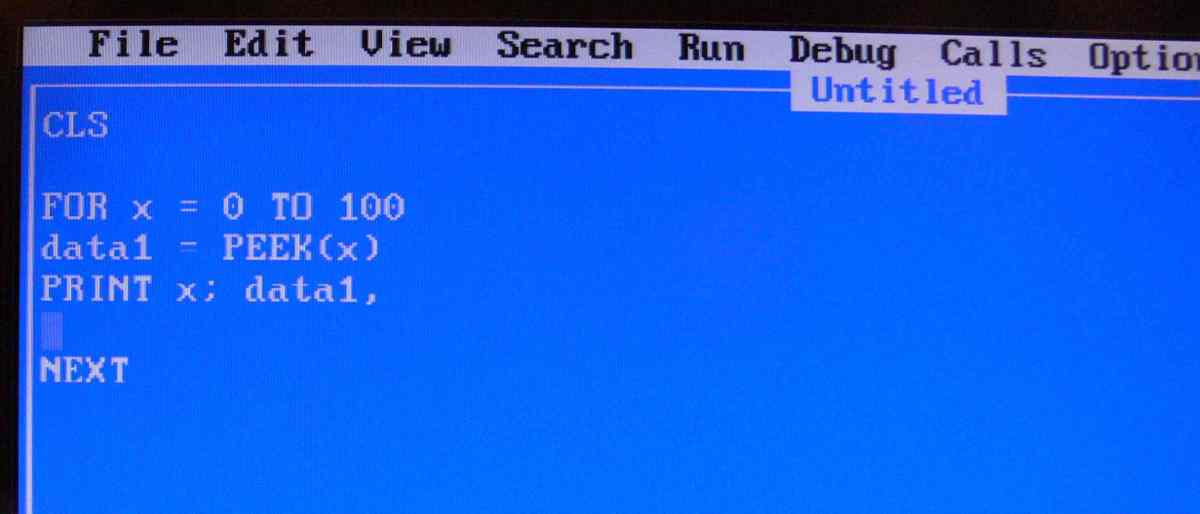
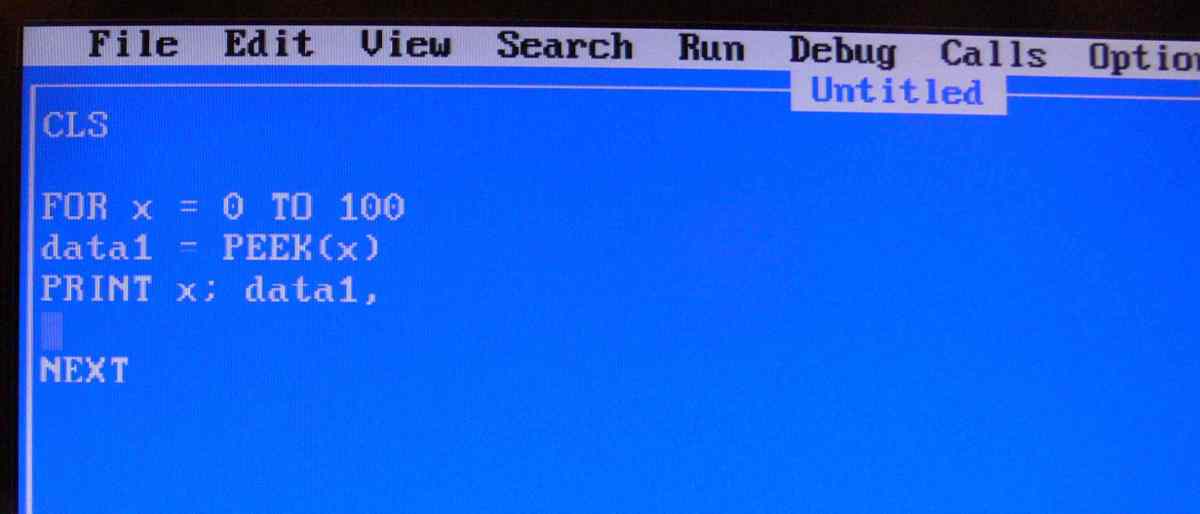
This little program reads the first 100 memory locations in the computer and
prints them on the screen. Peeks and Pokes are disabled in Windows. You got
to be careful with pokes as you can disable the OS in a micro second.
I'll write a EFI system this afternoon.
Paul Lamar
--
The Rotary Engine NewsLetter. Powered by Linux.
ACRE NL web site.
http://www.rotaryeng.net
Youtube key word UTUBPLEASE
Copyright 1998-2009 All world wide rights reserved.