Thanks to an anonymous donor the prize is up to $1500 for any rotary
powered airplane to average over 220 MPH in the 500 mile OSH race.
Assuming you will need 220 HP and 120 pounds of fuel per hour at a
BSFC of.55 your tanks must be large enough to hold 275 pounds of
fuel or about 45 gallons. I say this to give you plenty of time to
plan ahead. The tank must be built in and cannot be a ferry type
temporary tank in the back seat. I think this is the year from
Dayton to OSH. From North Dakota to OSH is easier because of the
prevailing winds.
This P-port powered Velocity RG went 214 MPH in the 2007 race.
Paul Lamar
--
I think Tracy is going to get it in his 3 rotor RV-8...
Chris Cosman
-----------------------------------------------------------------
Well he has won it before.
From his web site.
http://www.rotaryaviation.com/RV8Project.htm
"The higher than expected oil and water temps are distracting me from data
gathering."
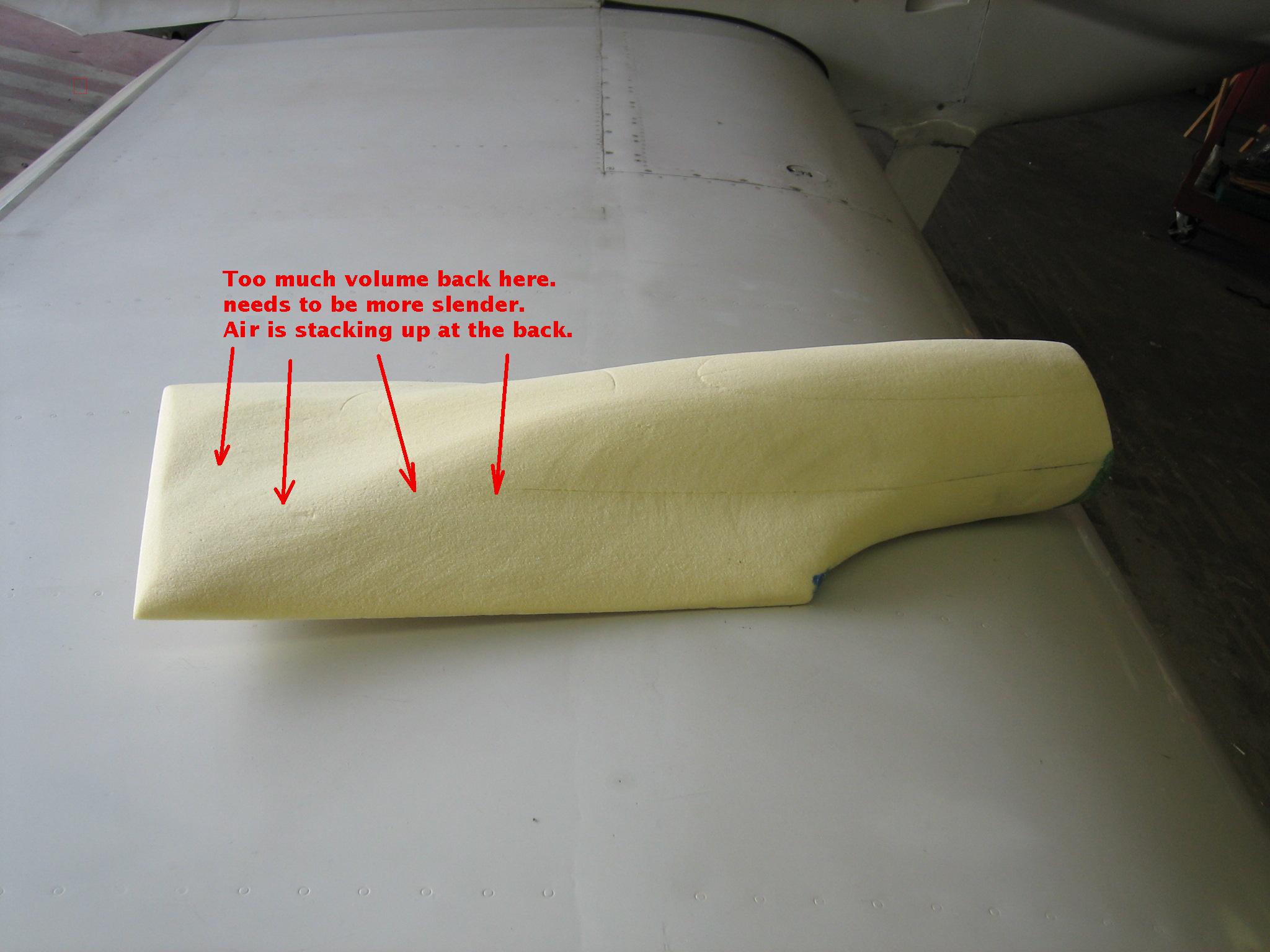
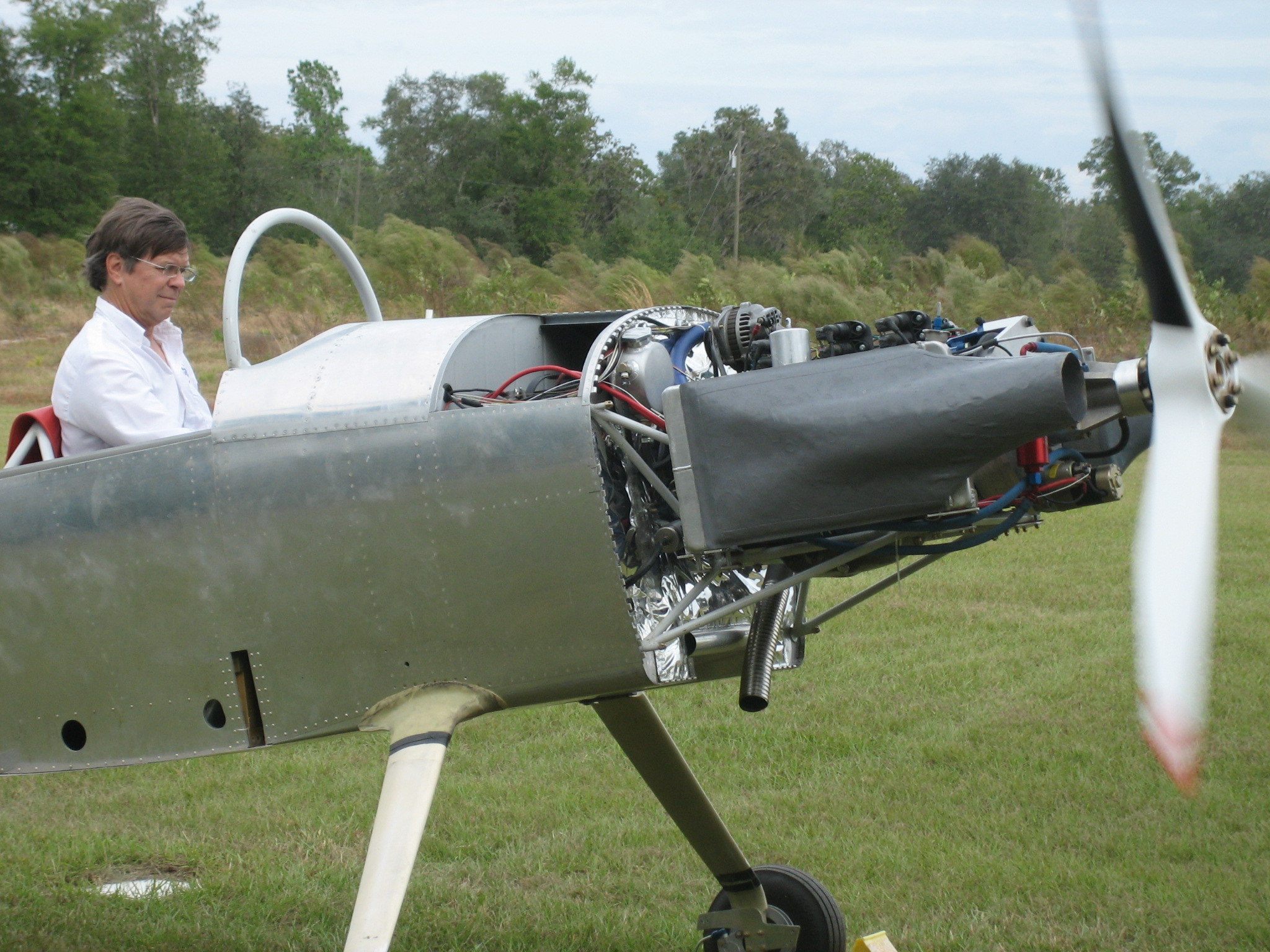
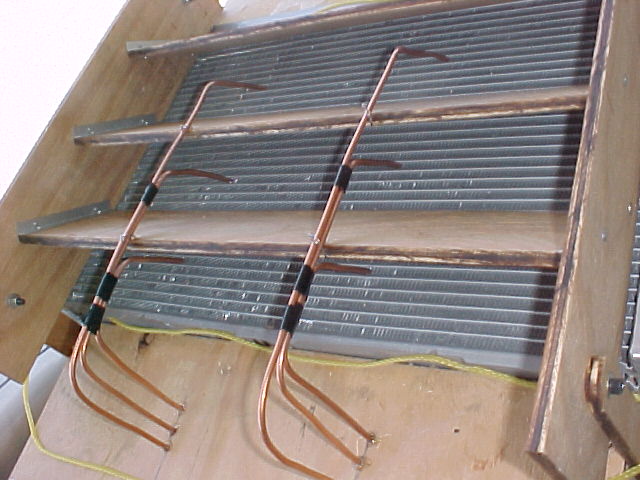
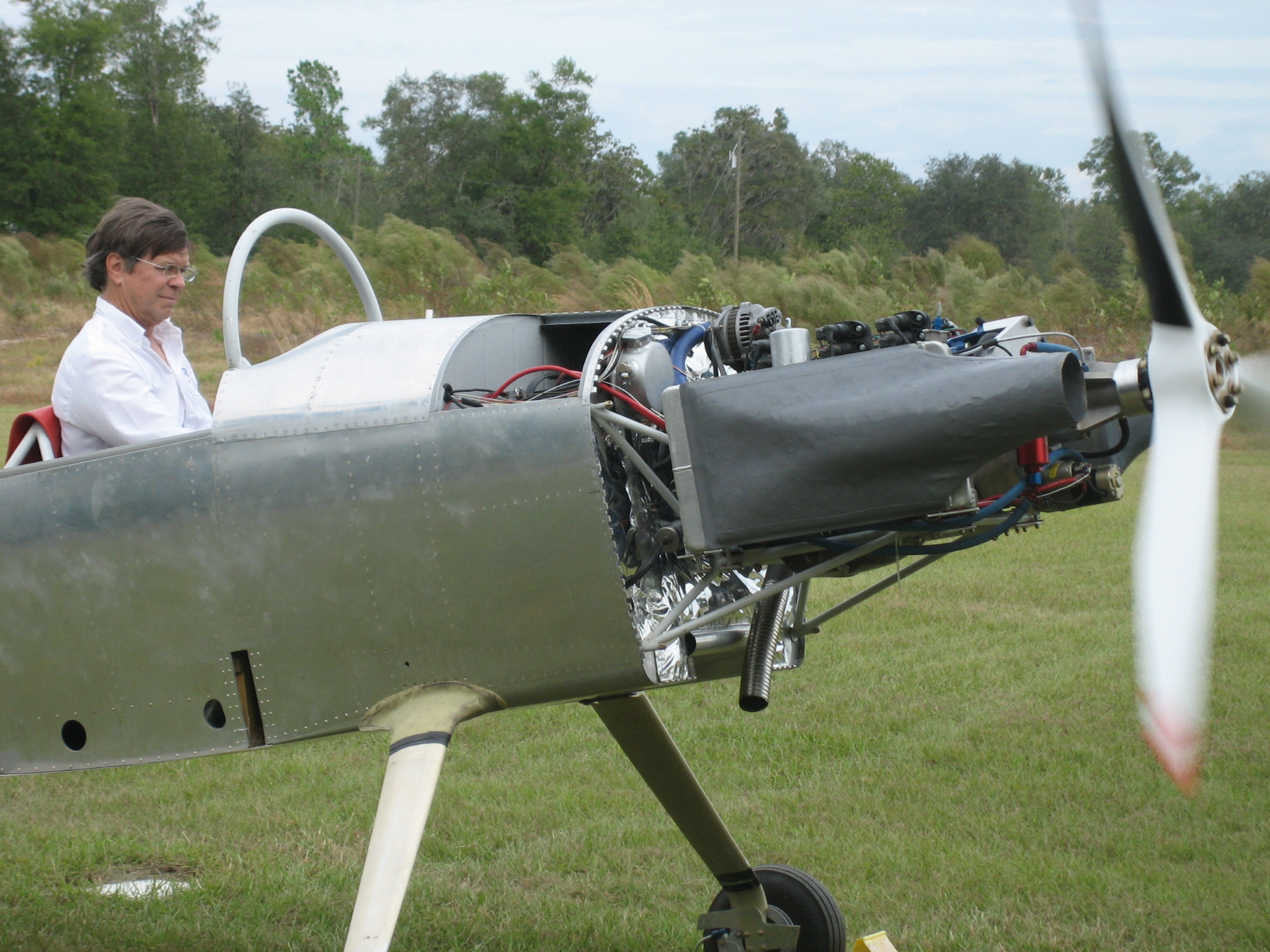
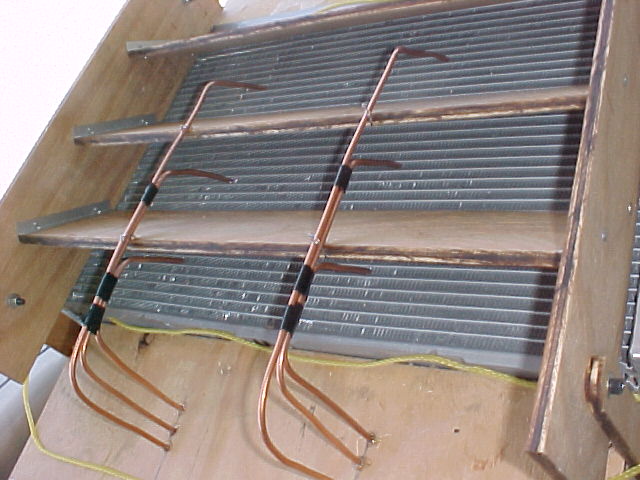
I can see part of the problem. Here are a couple of shots of his rad duct.
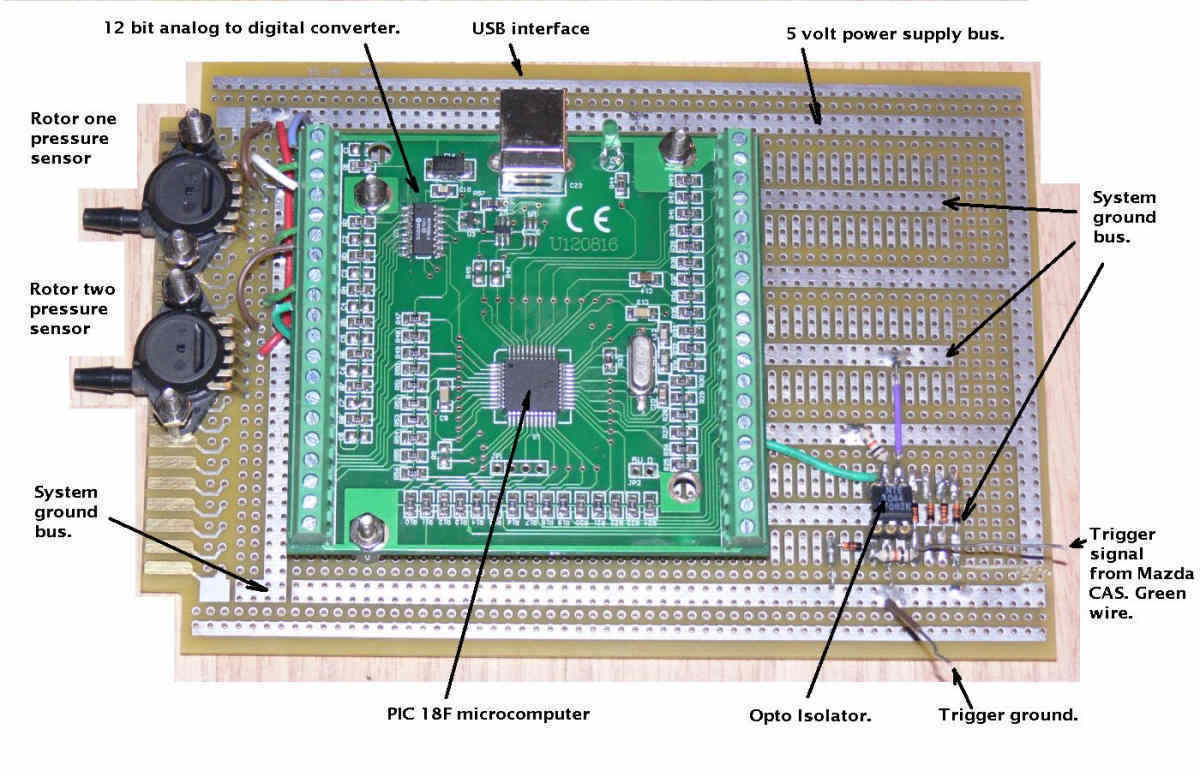
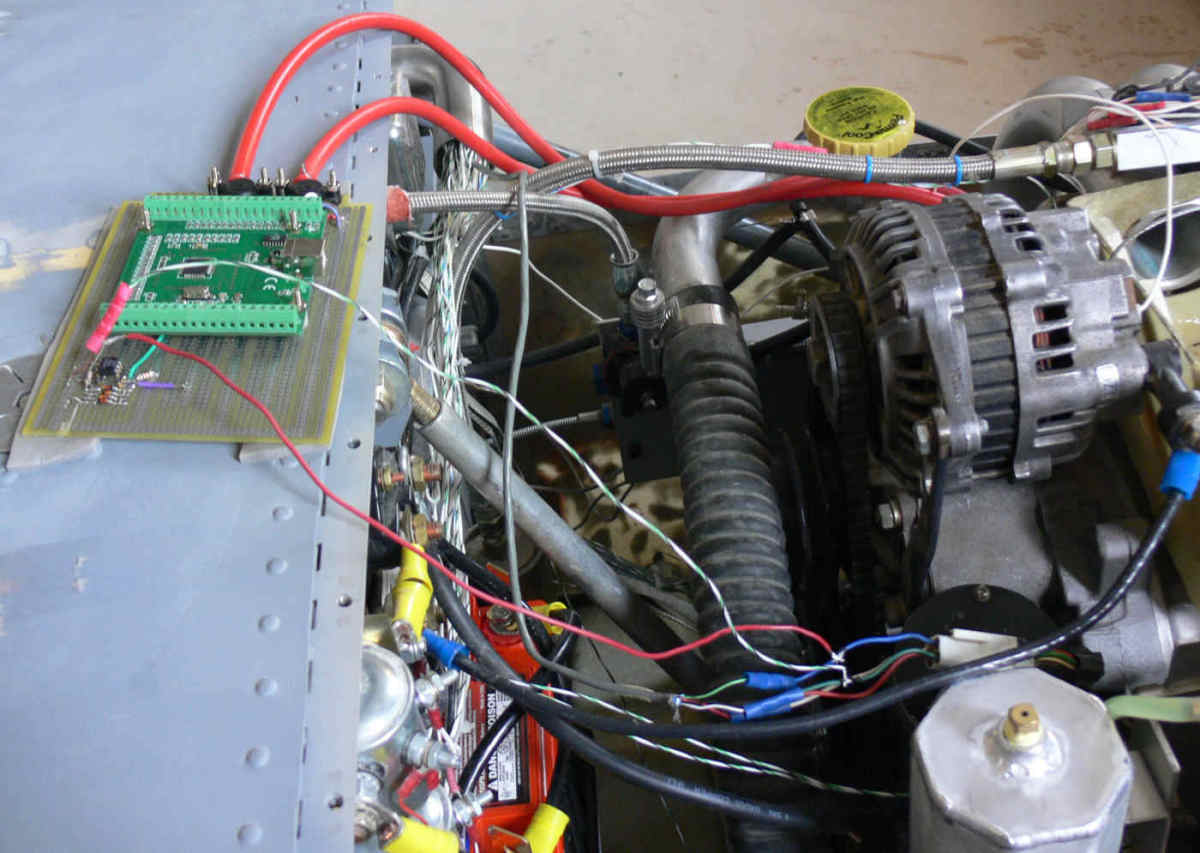
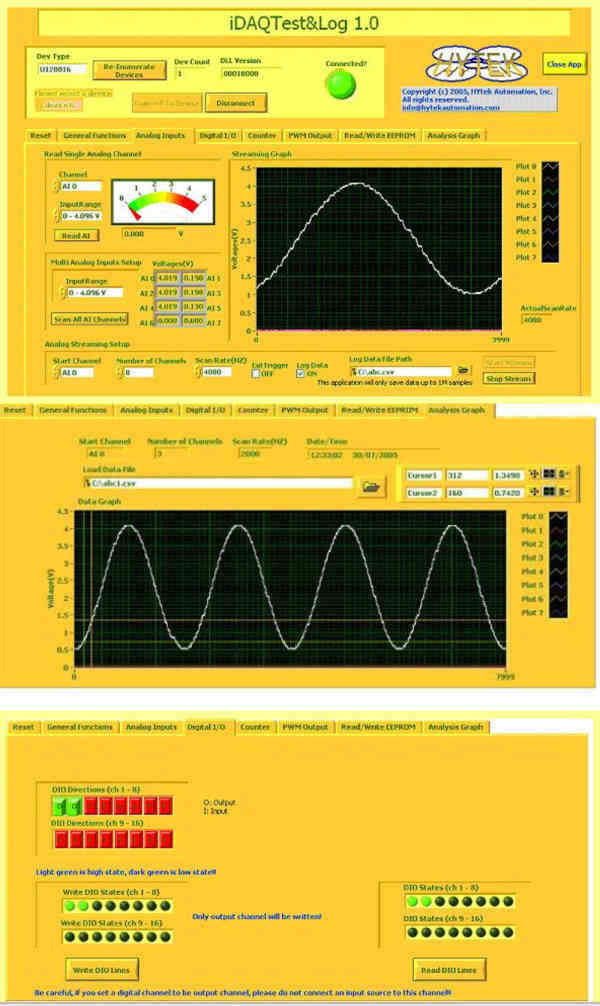
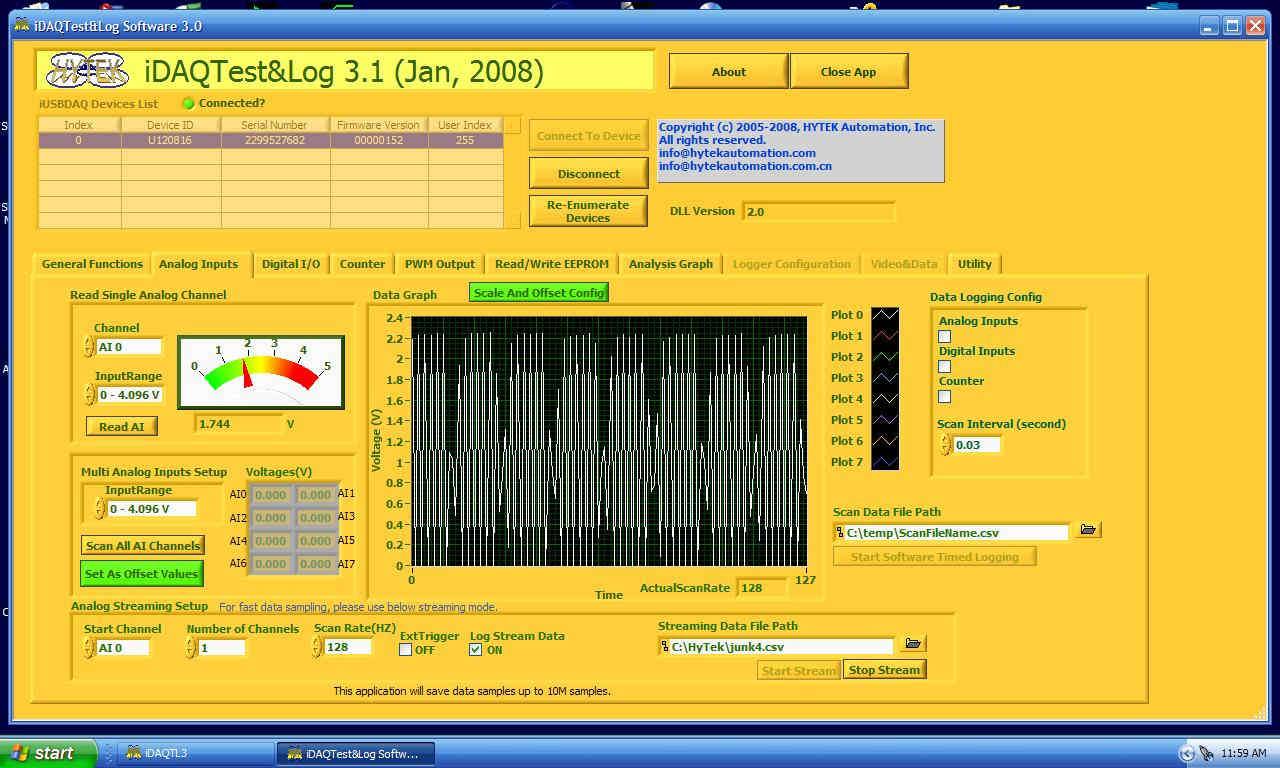
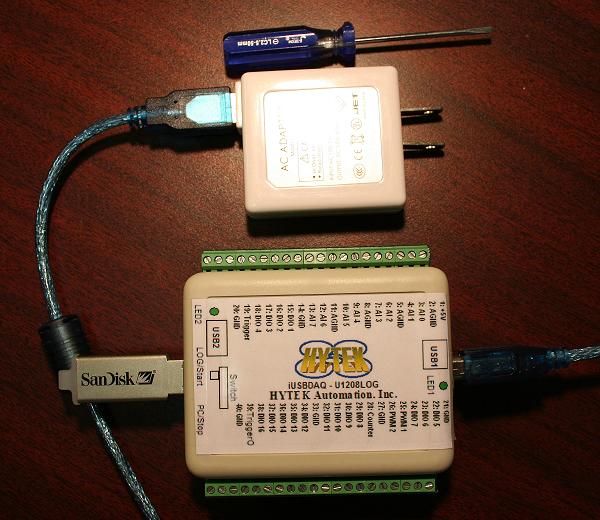
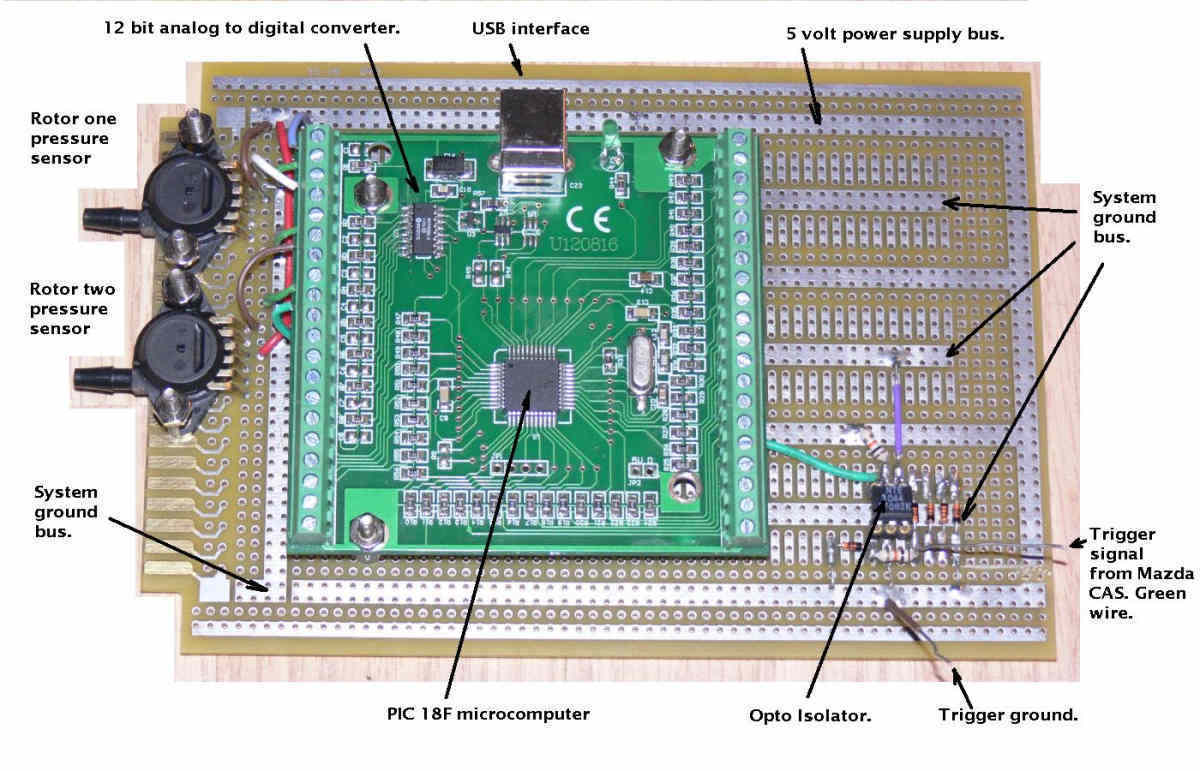
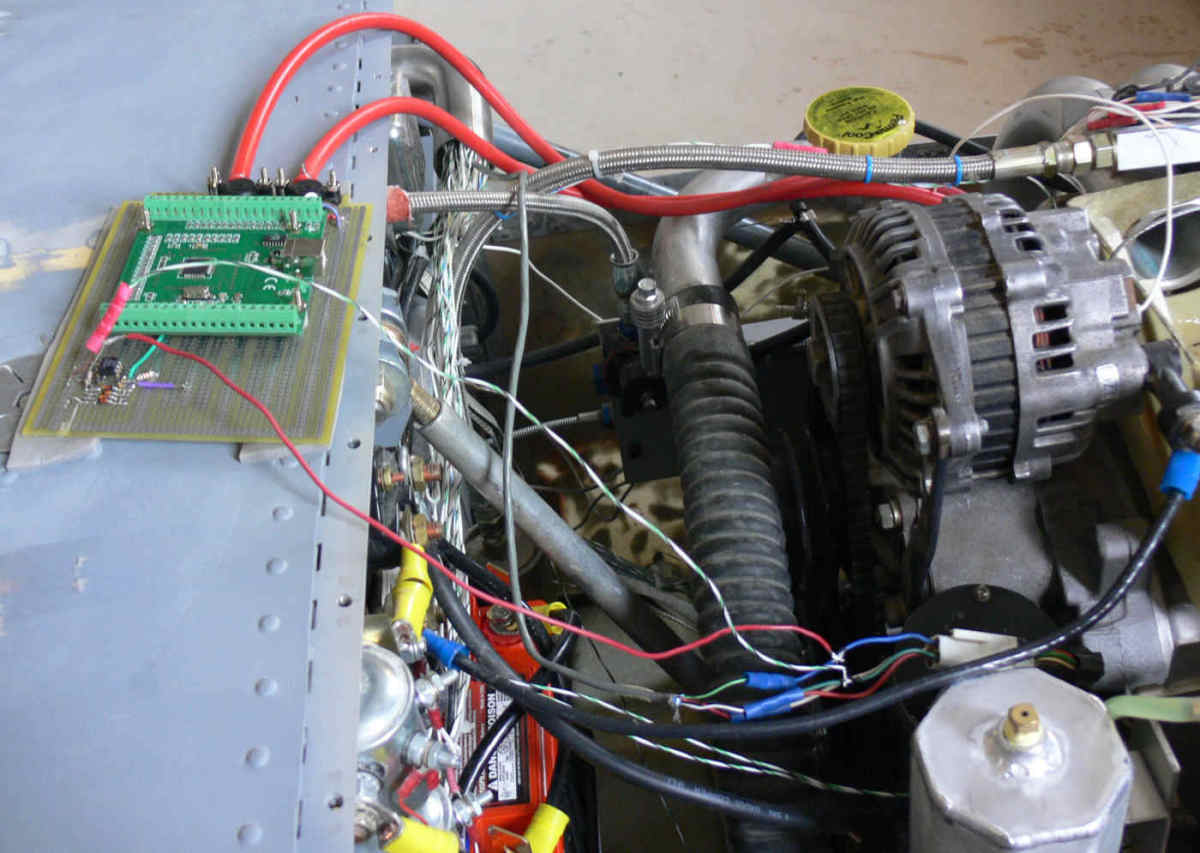
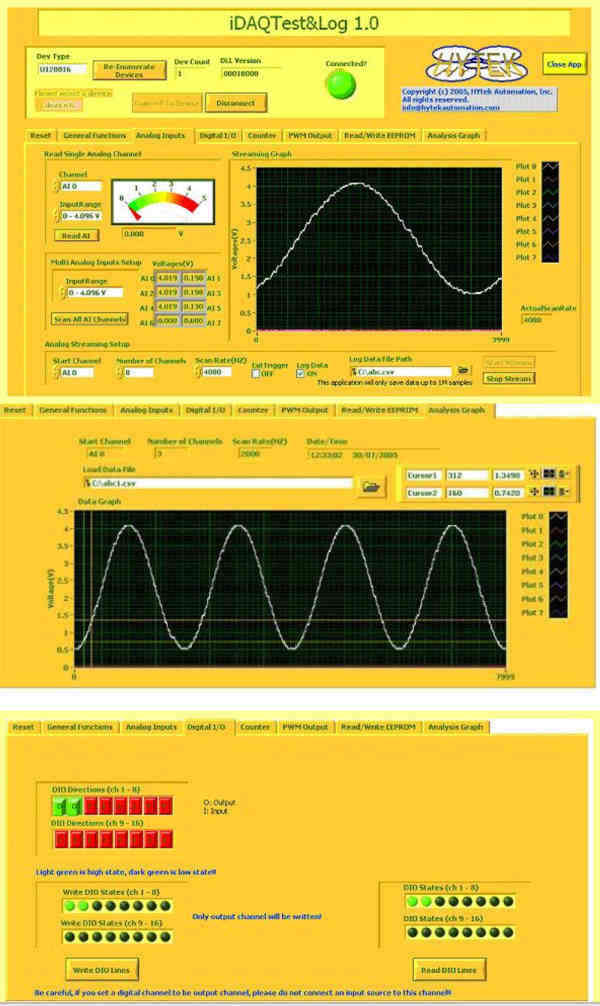
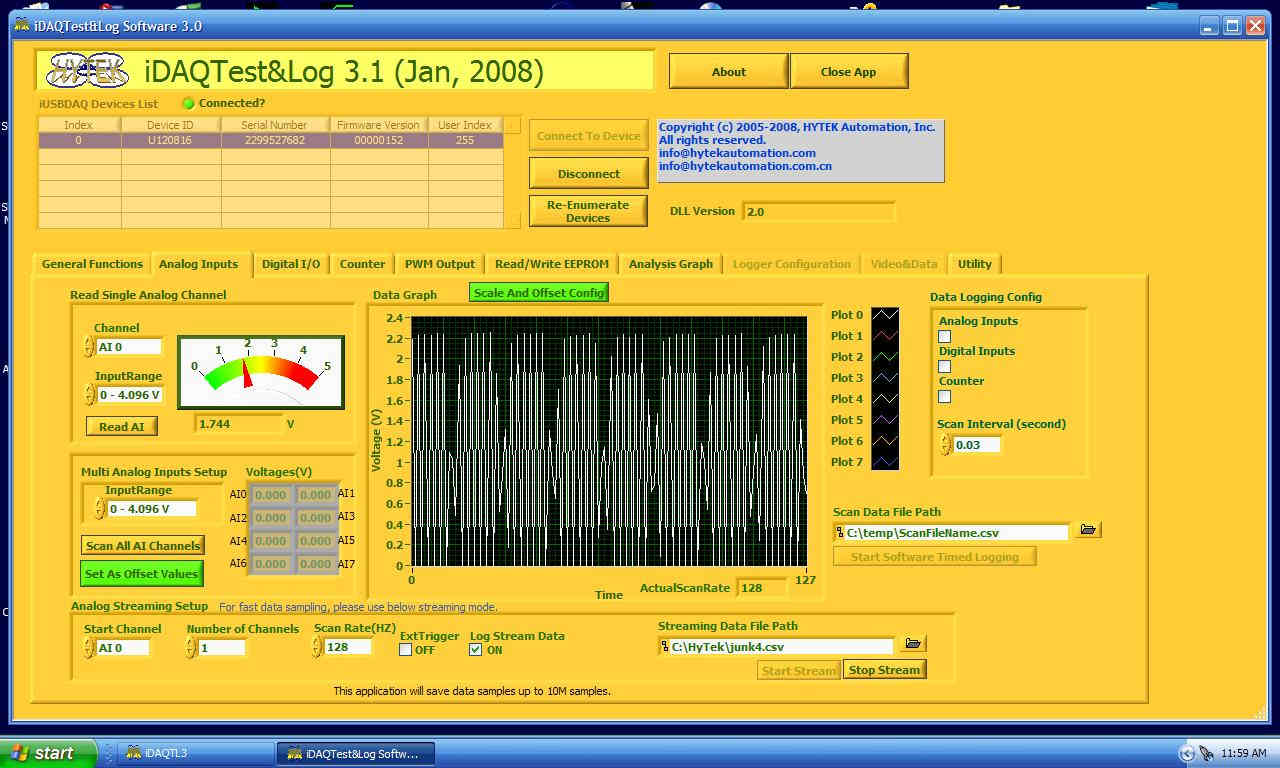
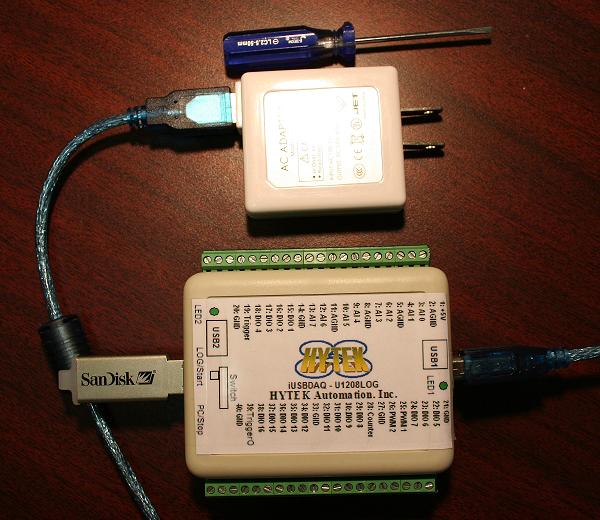
He needs to get eight FreeScale pressure sensors and use this data acq system to
do an air flow velocity survey through the rad core with eight pitot tubes.
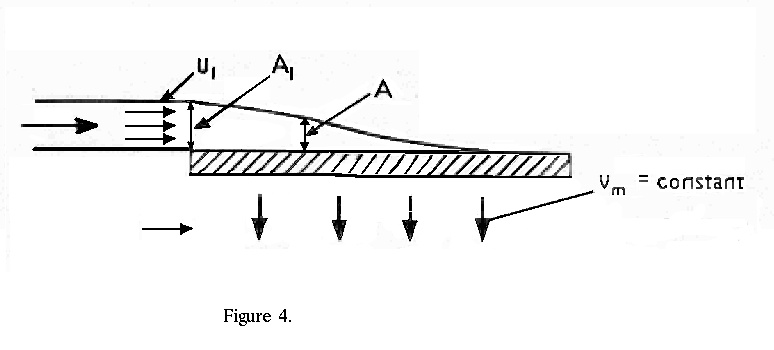
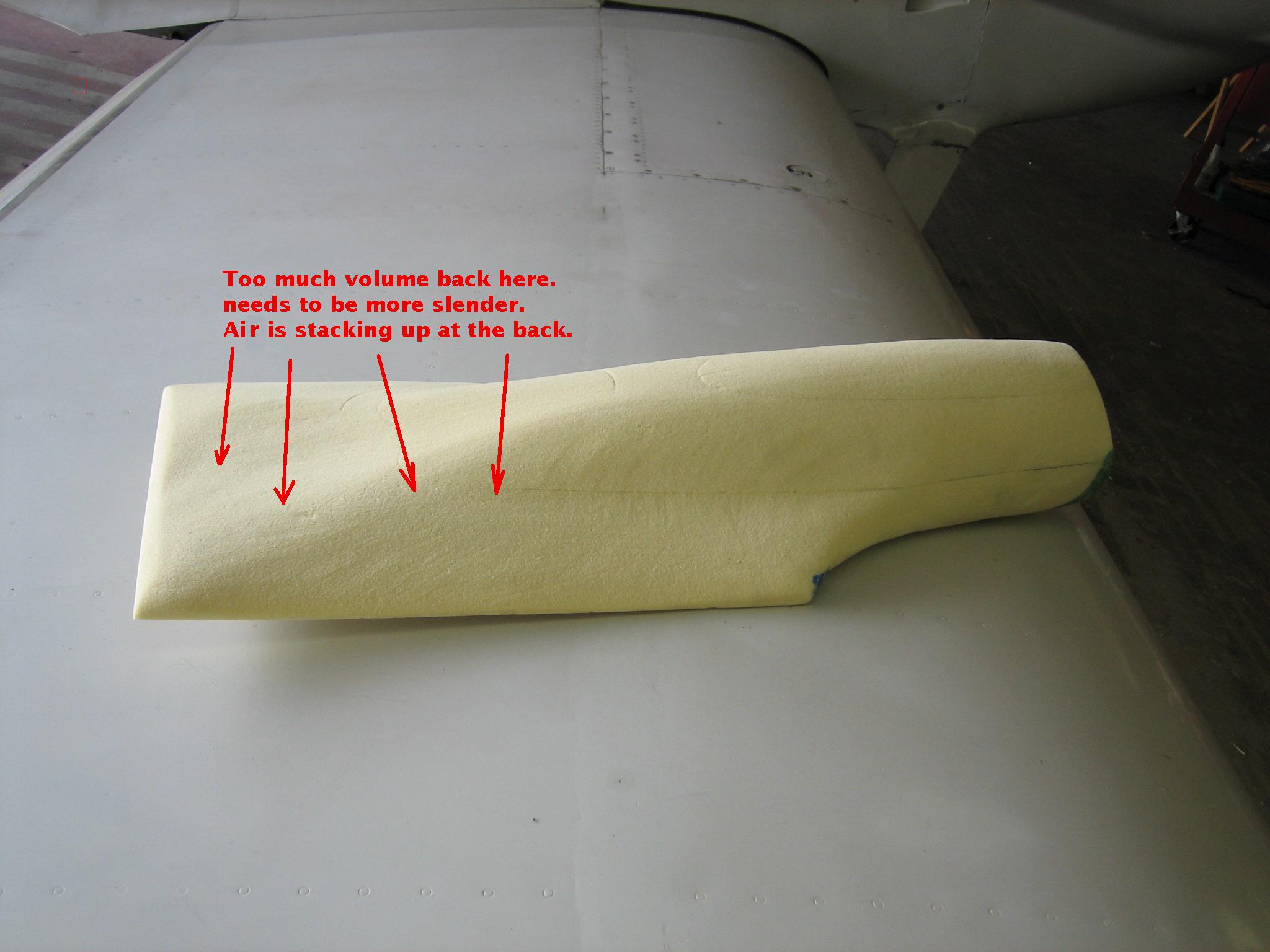
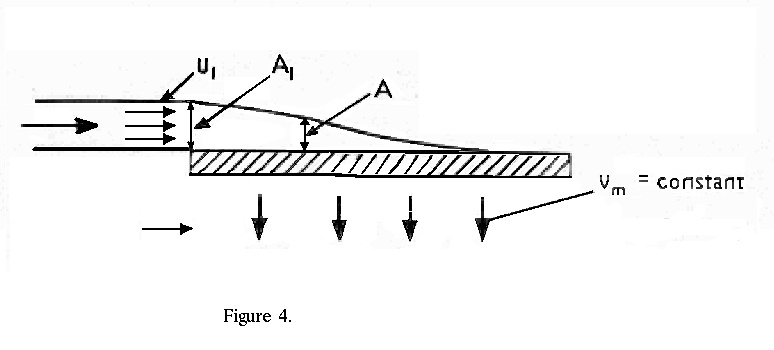
The proper curved shape for the duct is critical. The oil accumulator mounted
behind the water rad is not helping the water temp as it is radiating heat to
the back side of the water rad. Turning the whole water system around and
exiting the hot air to the outside of the cowl with louvers would be better.
In that case the duct wall would protect the water rad from radiant heat from
the hot engine. One can buy furnace insulation with a sticky foam backing with
shiny foil on the outside from Home Depot to paste on the outside of the duct.
The oil cooler ducting looks better but a cheap junk yard evap. core is not
optimized for oil cooler use. Probably the flow velocity is restricted. You need
high flow velocity to transfer heat from the oil to the metal. He needs to use a
real oil cooler core. Preferably one with internal turbulators.
The back side of the oil cooler may be seeing radiant heat from the exhaust
system. The exhaust system needs to be shielded with thin SS sheet. The ceramic
coating is not effective enough to do the job. Cooler water will help the oil.
However the whole system is not too bad as it was a 93 degree F day. Not a good
day to do a first flight to check cooling.
BTW IMHO he is risking his life with those 18" wing extension in turbulence.
I don't think the spar will take it. If there is fuel out there and it is the
last fuel used... that would help reduce the loads on the spar.
Paul Lamar
The Rotary Engine NewsLetter. Powered by Linux.
ACRE NL web site.
http://www.rotaryeng.net
Youtube key word UTUBPLEASE
Copyright 1998-2009 All world wide rights reserved.