One of the other things I need is a wide band mixture
monitor. Rather than have just a digital read out I would like to
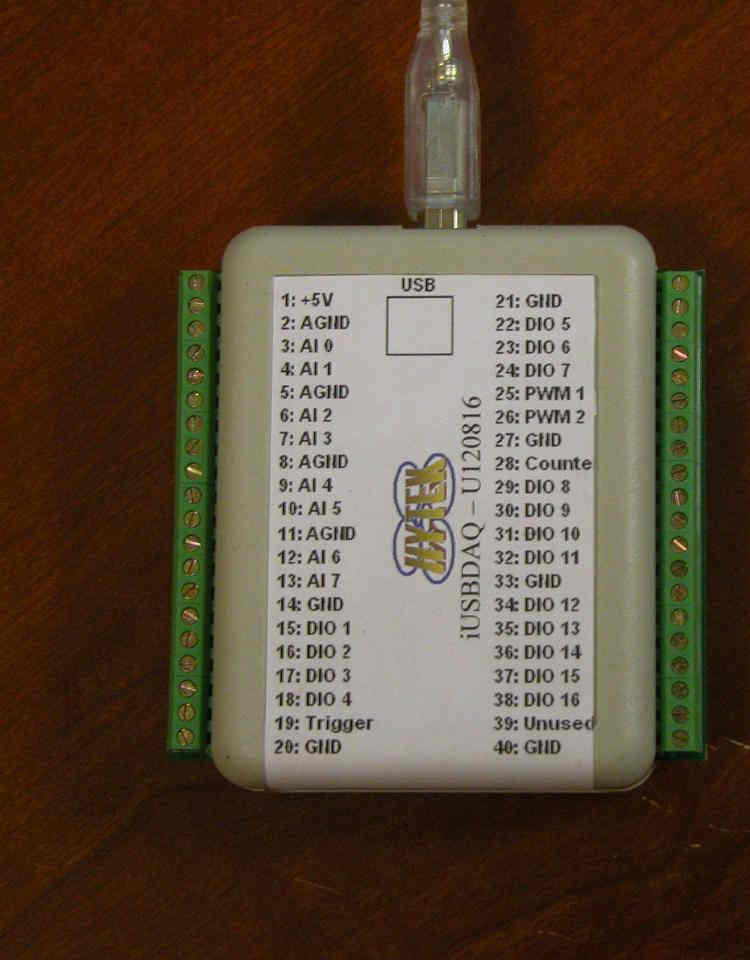
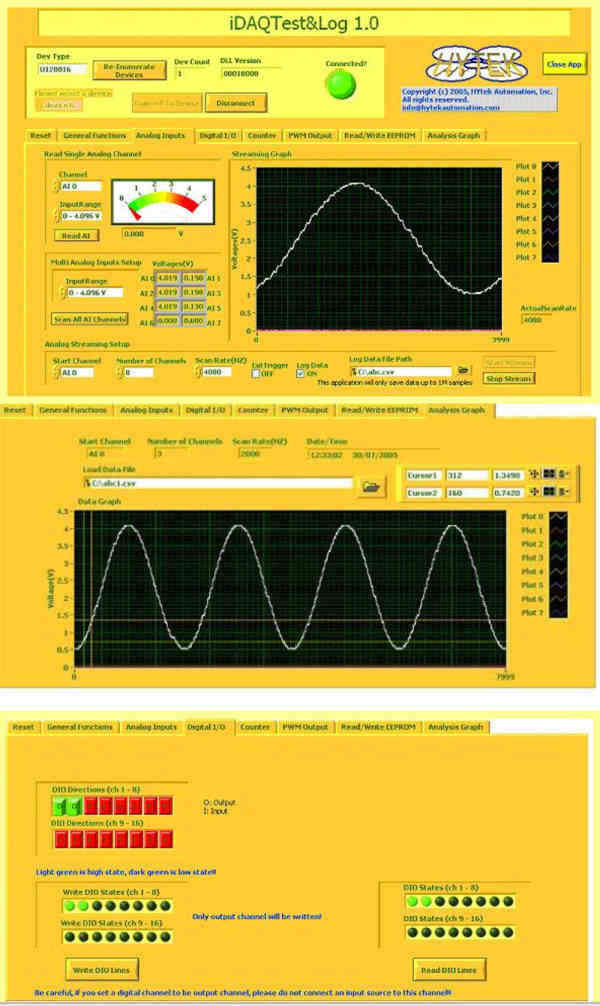
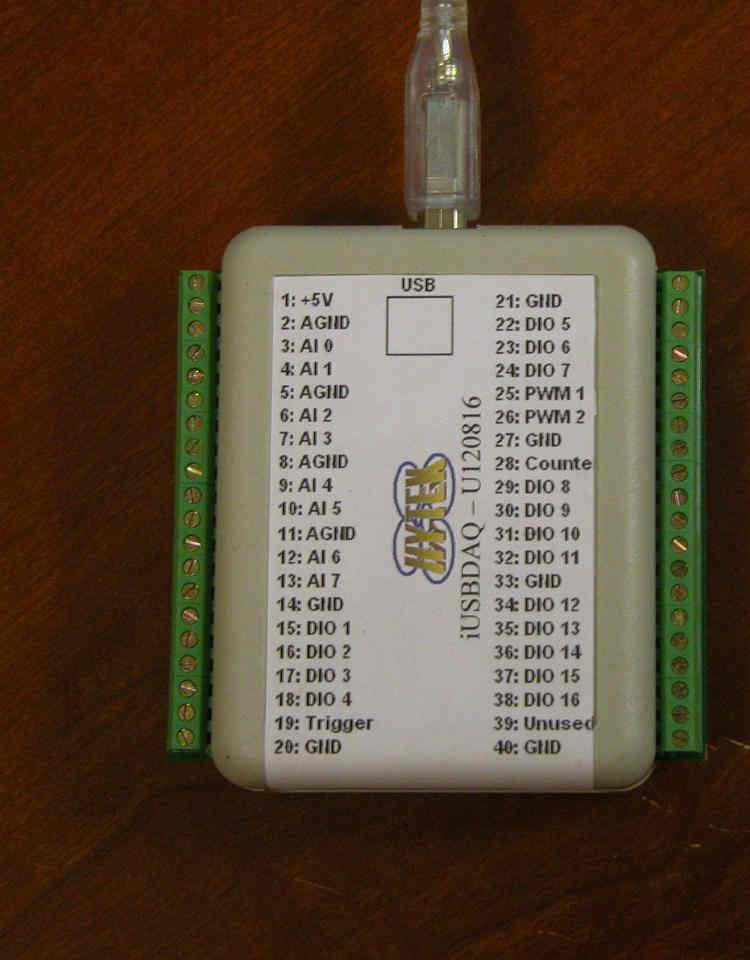
record the data on a Hytek Automation 12 bit 8 channel data acq USB
module which I have.
I intend to try out several different EFI systems and
eventually turbo compounding. This information is essential
for tuning the EFI systems.
I ran across this Australian company on the net.
Anybody have an experience with this company?
http://www.techedge.com.au/vehicle/wbo2/
http://www.techedge.com.au/vehicle/wbo2/wbntk.htm
What I like about this system is it's compatible with a
data acquisition
system.
Here is the wide band problem in a nut shell. The Bosch
wide band sensor puts a current out ranging from a
minus to a plus and I need a linear voltage out put in the
range of zero to 5 volts. This company sells the box that
does the conversion and a digital display. It is
generated by a 12 bit Digital to Analog Converter using a 65
word lookup table (with linear interpolation for improved
resolution).
Don't confuse this with some of the narrow band O2 sensor
systems.
Paul Lamar
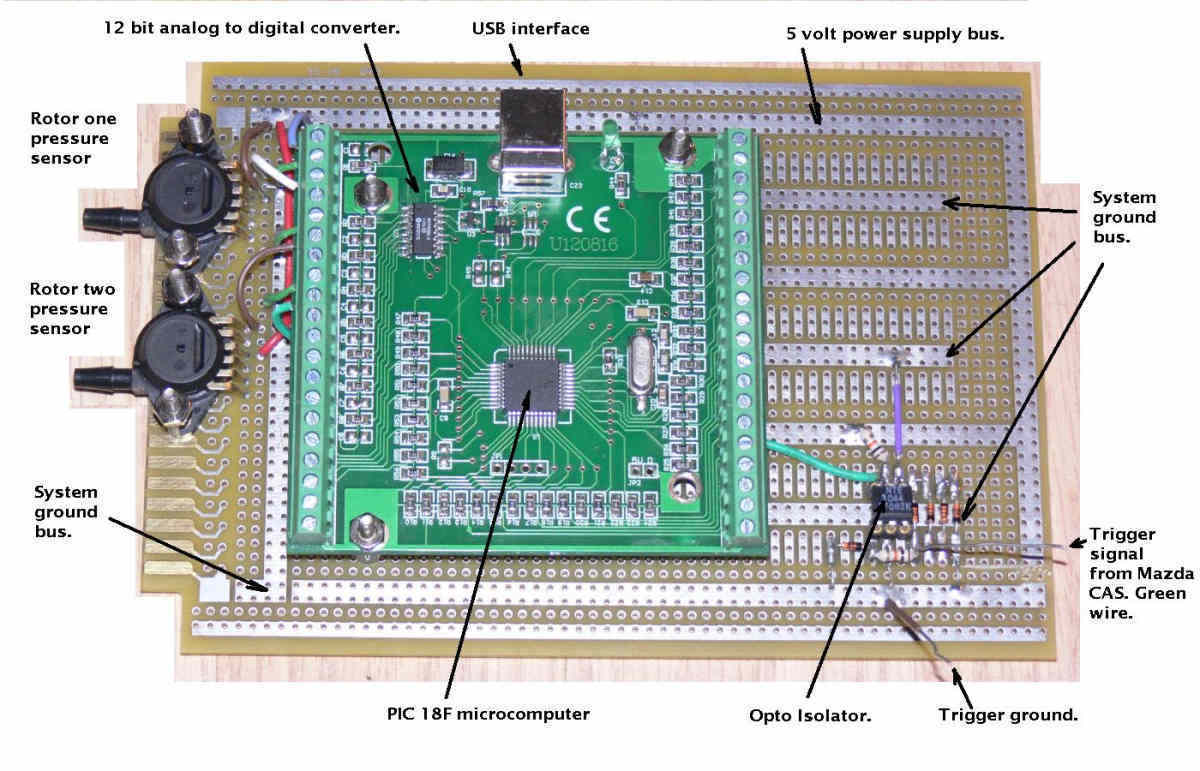
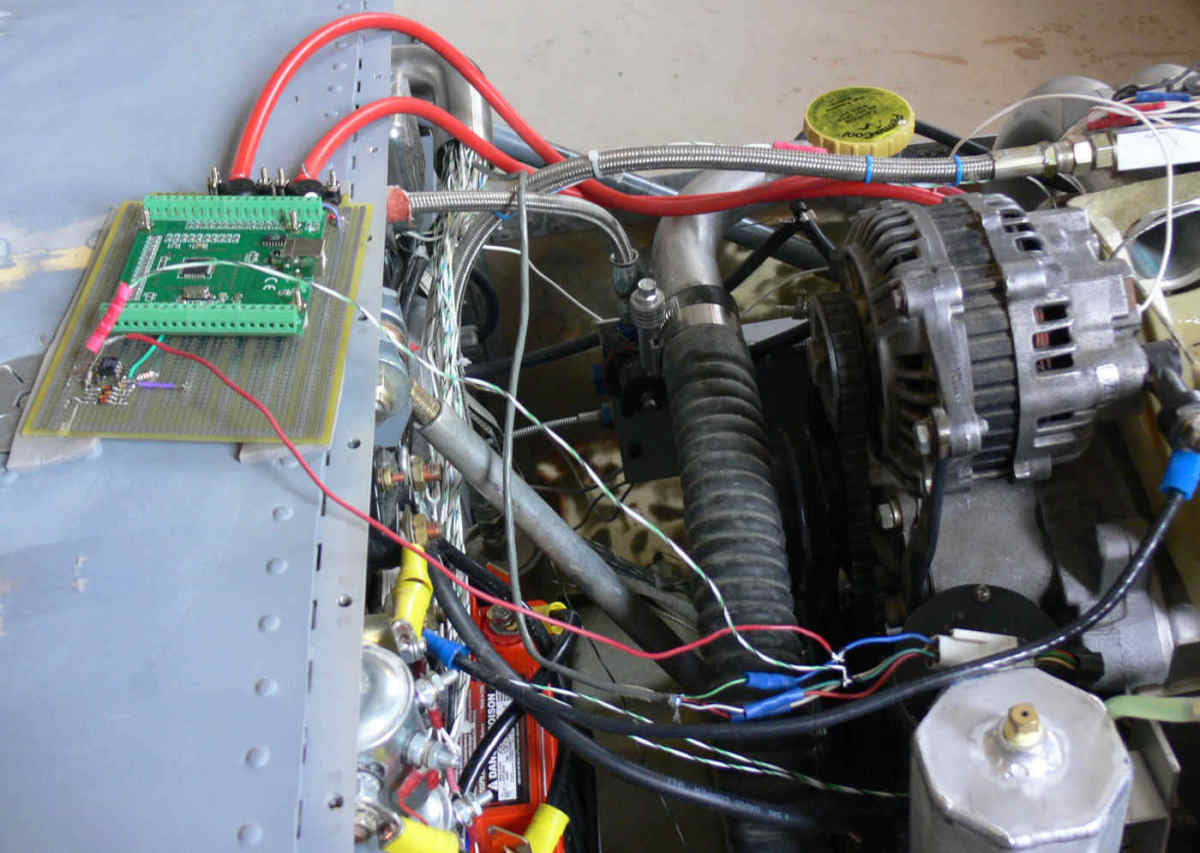
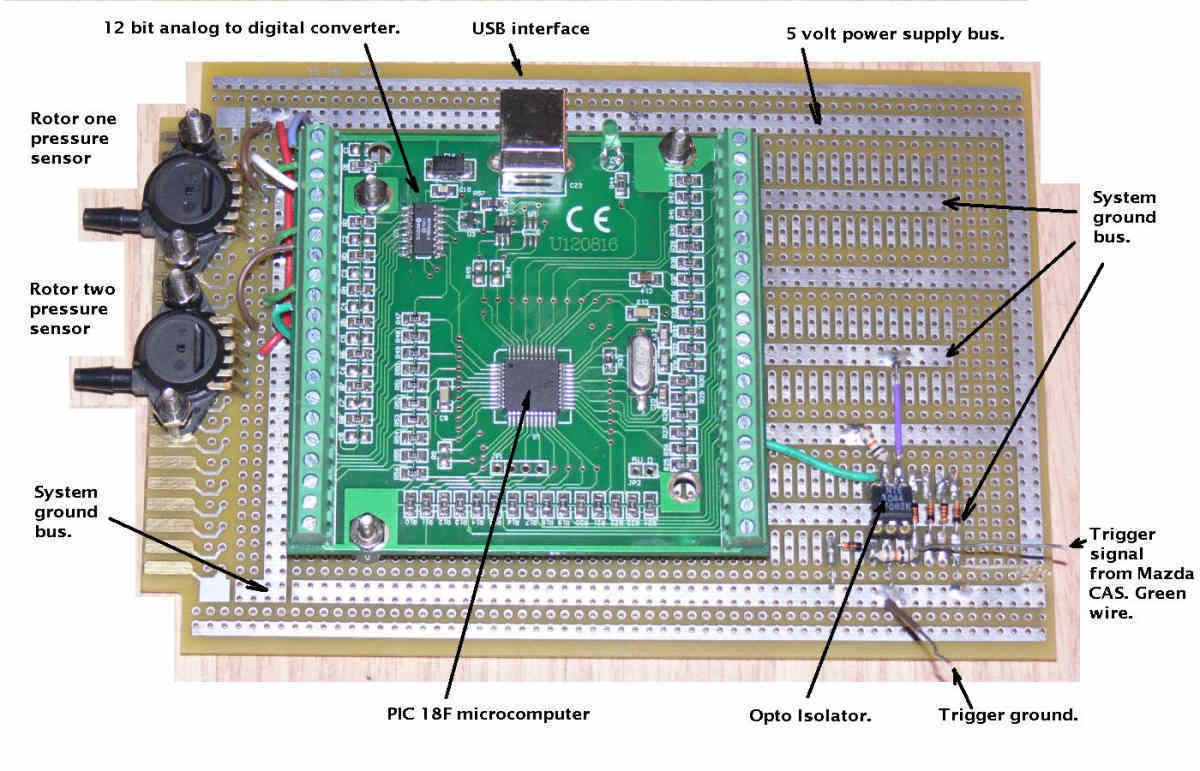
Robert LeClercq sent me a wide band mixture monitor for the dyno.
This is a complete computer with a lot of I/O.
Thanks Robert. Looks well made.
Paul Lamar
Hi Paul
Silicon Chip - see
http://www.siliconchip.com.au/cms/A_111598/article.html
has just published a wideband controller for the Bosch sensor.
I'll be building one up shortly. It has what your looking for I think, a
0-5v output (Wideband) as well as a simulated narrow band S curve output to
feed into an existing ECU input.
Cheers
Steve Izett
Perth WA
Hi Paul:
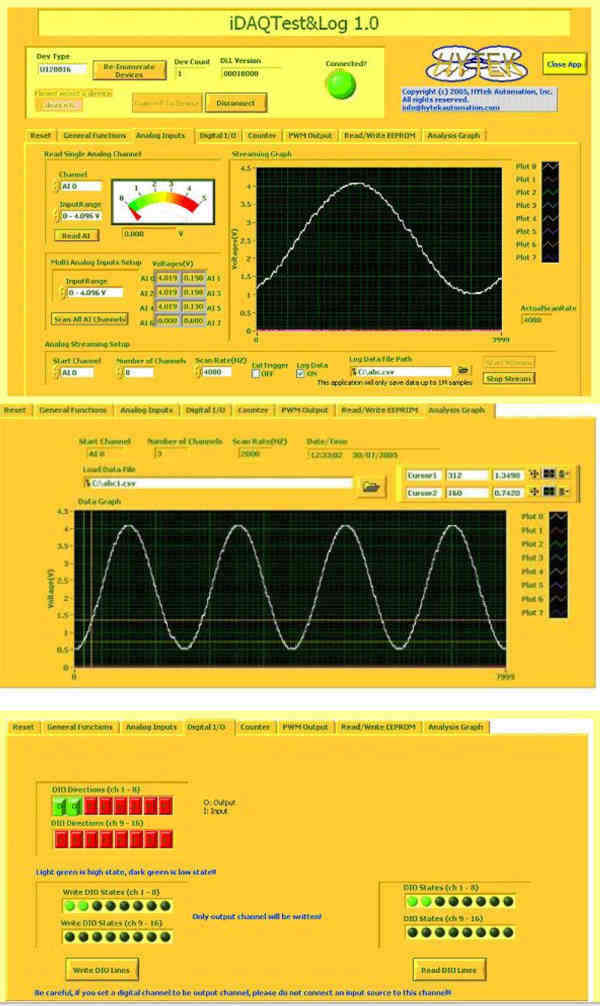
Caution about the Hytek Automation DAQ:
I was curious about the Hytek Automation DAQ so I looked at their web sight.
The first thing that I noticed was the terrible amount on noise present on
relatively high level signals as displayed on their example readout. Very
bad signal to noise right at the output to start off with.
I then checked out the Lab Jack U3 which uses a newer level of hardware
technology for only a few dollars more. I would definitely choose the Lab
Jack U3 over the Hytek product.
Comments:
The U3 has much more software support (both low level and high level) which
will save a lot of time in the final solution. It also is supported by an
ongoing user group..very important when you need extra help.
On only a brief look as I have not inspected either product. I have a few
comments about hardware. Most if not all of these inexpensive DAQ products
seem to be designed around an off the shelf chip or chip set. Thus, they
would appear to have similar performance. Also by and large, the advertised
system performance is that of the chip set NOT THE PRODUCT YOU ACTUALLY GET.
The devil in in the implementation details.
Most analog to digital converter systems available are designed by smart
digital engineers, who none the less, have insufficient understanding of
signal to noise ratio or how to get it. They just follow the terse cook book
applications informations from the chip set vendor. In most such
implementations I have examined these engineers usually get at least four
bits less resolution and accuracy than the chip set is capable of achieving.
Thus an advertised 12 bit system (4096 :1 resolution) usually turns out to
be around 8 bits ( 256:1). I will not bore you with the technical details,
but the problem gets down to isolating the sensitive low level analog input
signals from the much higher level (noise producing) digital output
interface. Most of this problem gets down to understanding the real issues.
The solution for the most part gets down to the appropriate design of the
copper printed circuit board with respect to component placement and trace
layout...being careful to properly isolate the analog signals from the
digital signals which must connect together at some point in the layout
without inducing digital hash into the sensitive analog circuits.
The photos advertised on the Hytek Automation web sight don't look like they
even achieved 8 bits of signal to noise ratio. My guess is that among other
mistakes they probably used only two layers of copper circuit board to save
some cost. If a four layer copper circuit board were used containing
appropriate solid copper ground plains, the engineer might luck out and get
most of the 12 bits of resolution (16+ bits is an other level of
complexity).
I saw a photo of the Lab Jack U3. It appears to be a four layer printed
circuit board. I am sure if I evaluated it, I would find some criticism of
it, but for around $100 you still get a lot of real world ?Hytek?
performance bang.
Best regards
James Freeman
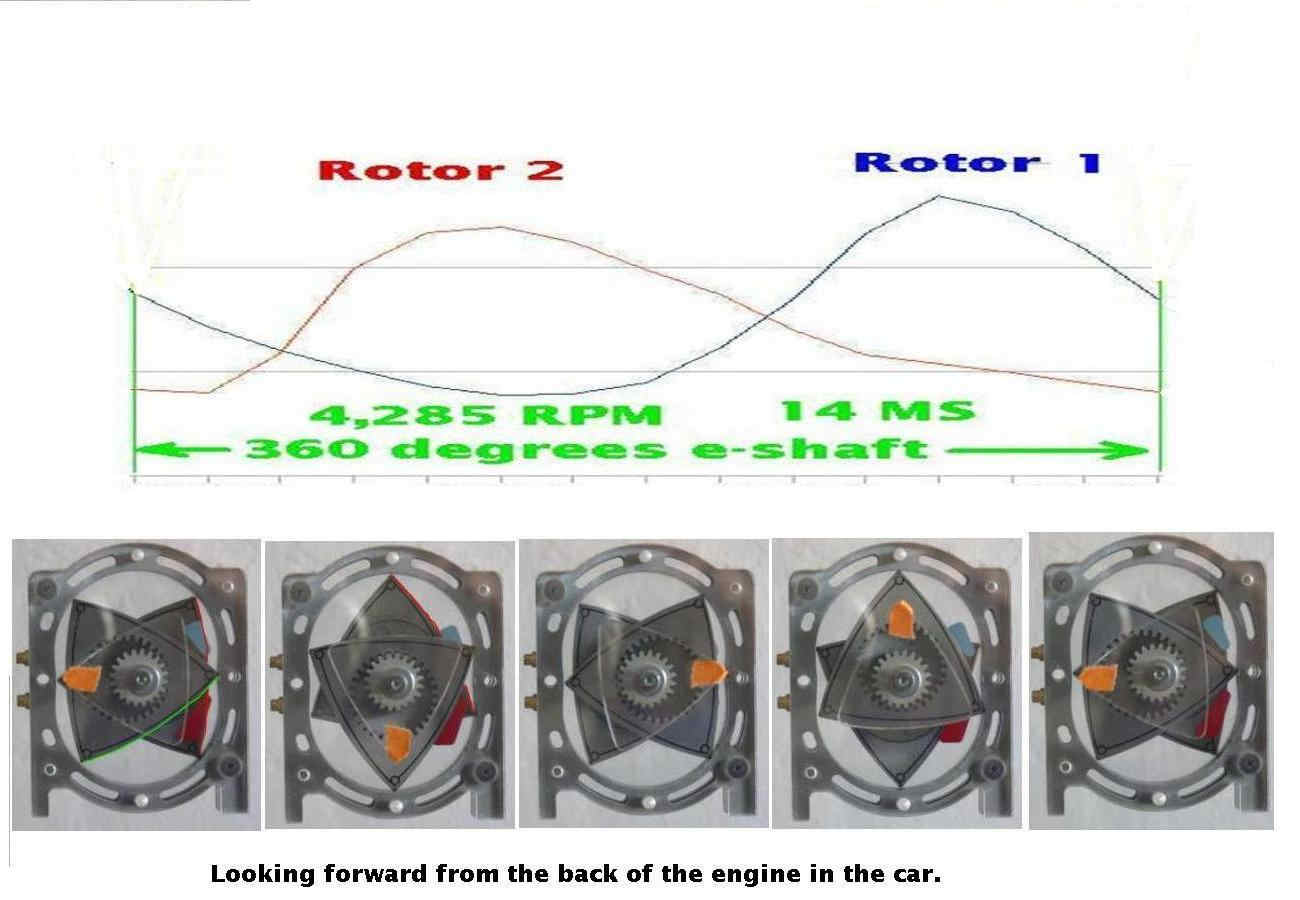
We did not notice that problem. However we deal mostly with zero to five volts.
The manifold pressure data shown is 1000 samples per second. It varies several psi.
Paul Lamar
--
The Rotary Engine NewsLetter. Powered by Linux.
ACRE NL web site.
http://www.rotaryeng.net
Youtube key word UTUBPLEASE
Copyright 1998-2009 All world wide rights reserved.