I went up to work on my plane and missed the dreamliner takeoff by 15
minutes. Damn!
I'm working on getting the fuel injection map tuned. The engine runs very
strong at some
manifold pressures, but then I advance the throttle, and it starts
surging. It could be
several things- too lean at the new setting, too rich, it could be that
the injectors are
staging, I could have the secondary injectors running too rich,( the
primarys are 28 lb,
the secondary are 40 lb injectors) or some combination thereof. I'm off to
work a bit more
on getting this thing tuned.
Brian Trubee
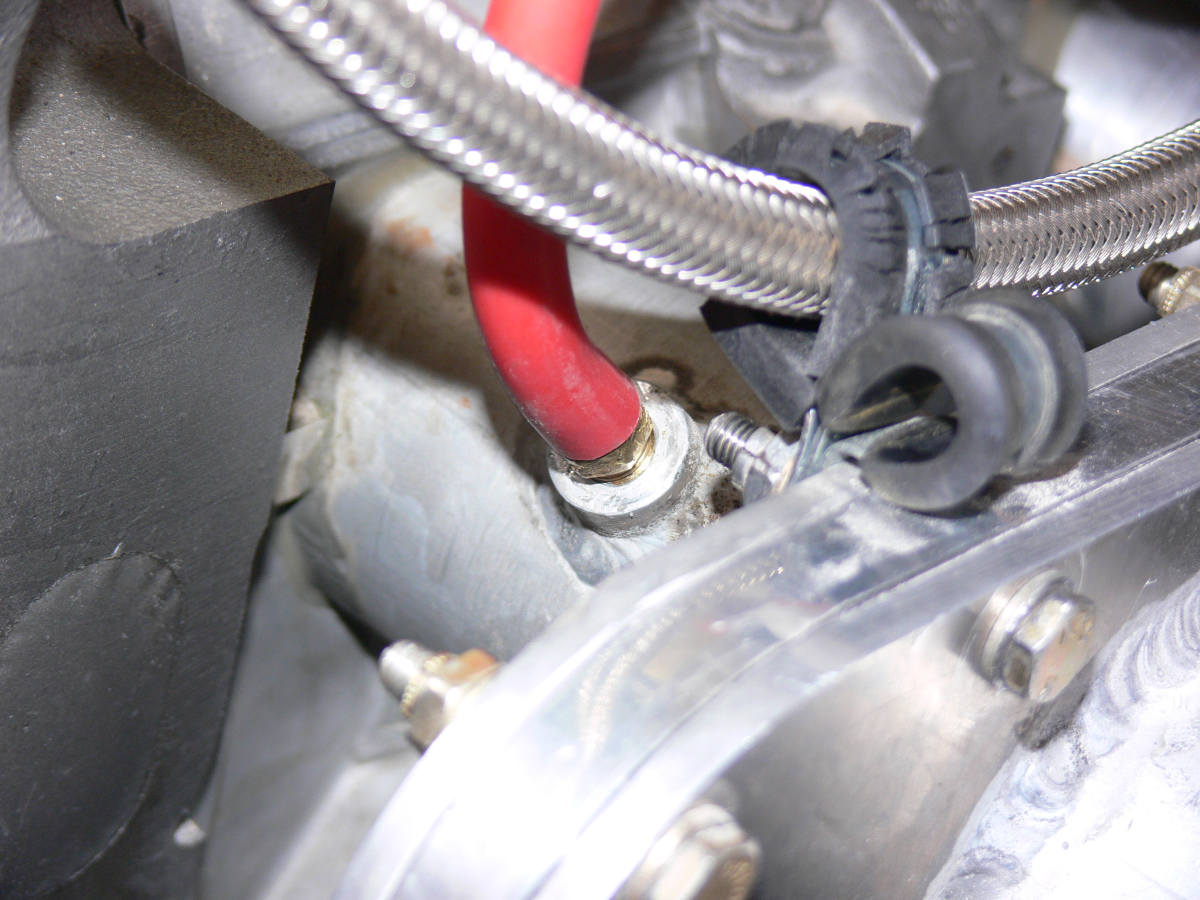
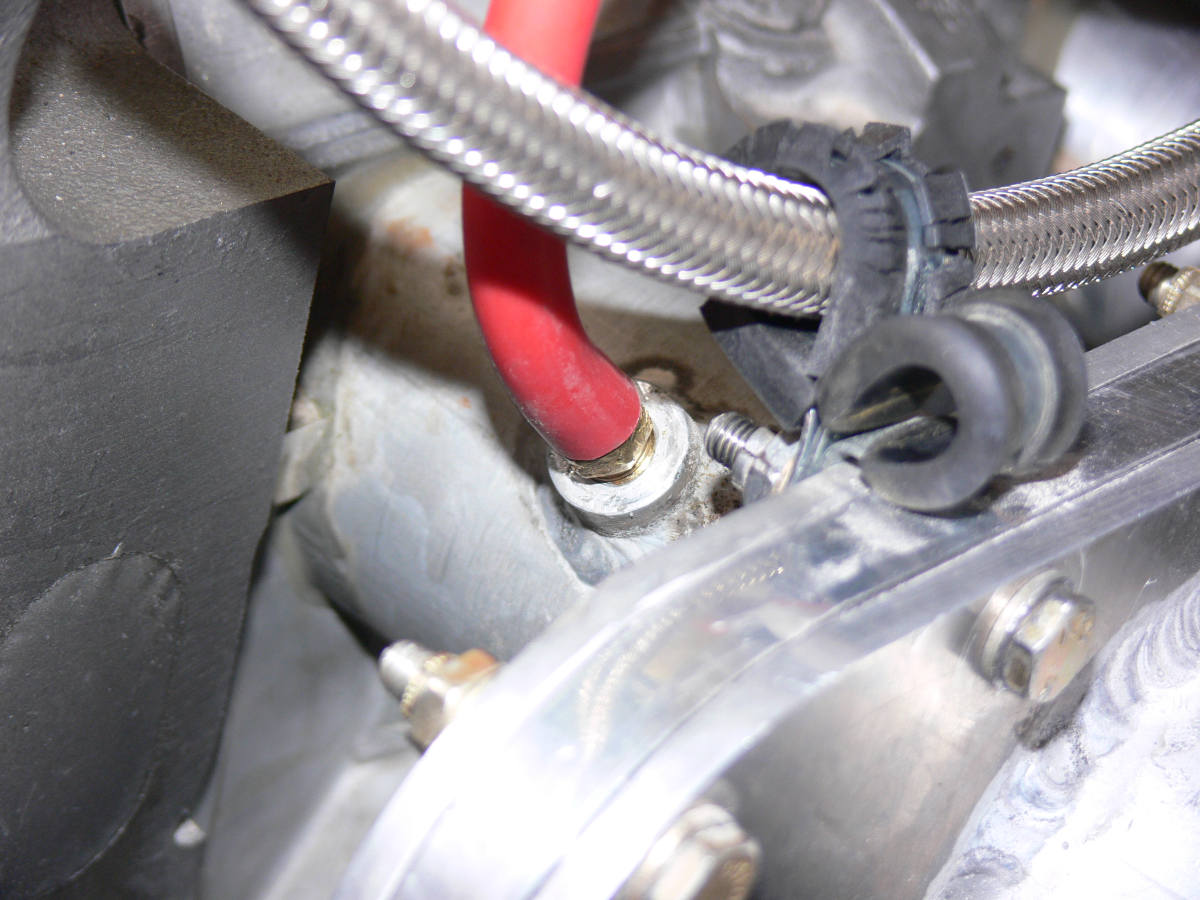
Try my manifold pressure taps that screw into the oil injector holes.
If your engine does not run better you can send the taps back for a
refund.
Paul Lamar
Brian,
Look at the MAP table values between the low RPM and High RMP tables. At
just above idle, I found that advancing the throttle slowly (slowly twisting
a vernier control), the engine would be smooth and accelerate slowly. If I
pushed the throttle forward manually, it would surge and then eventually
smooth out. What was happening is that at low manifold pressure, there is no
way to access the high RPM (low pressure) values to tune these entries. When
you suddenly advance the throttle, the manifold pressure changes quicker
than the RPM, putting you in a bin that may be richer or leaner than
desired.
By manually changing those values to be similar, the problem went away.
Bill Schertz
KIS Cruiser #4045
N343BS
Phase I testing
That makes sense but there is something else going on.
We don't know when or how often Tracy is reading the
manifold pressure but it only takes a few microseconds at most
to do so with a computer. Lets assume for the moment it takes
1000 micro seconds or 1 ms to do that. There is a reason for
this but I won't go into that yet.
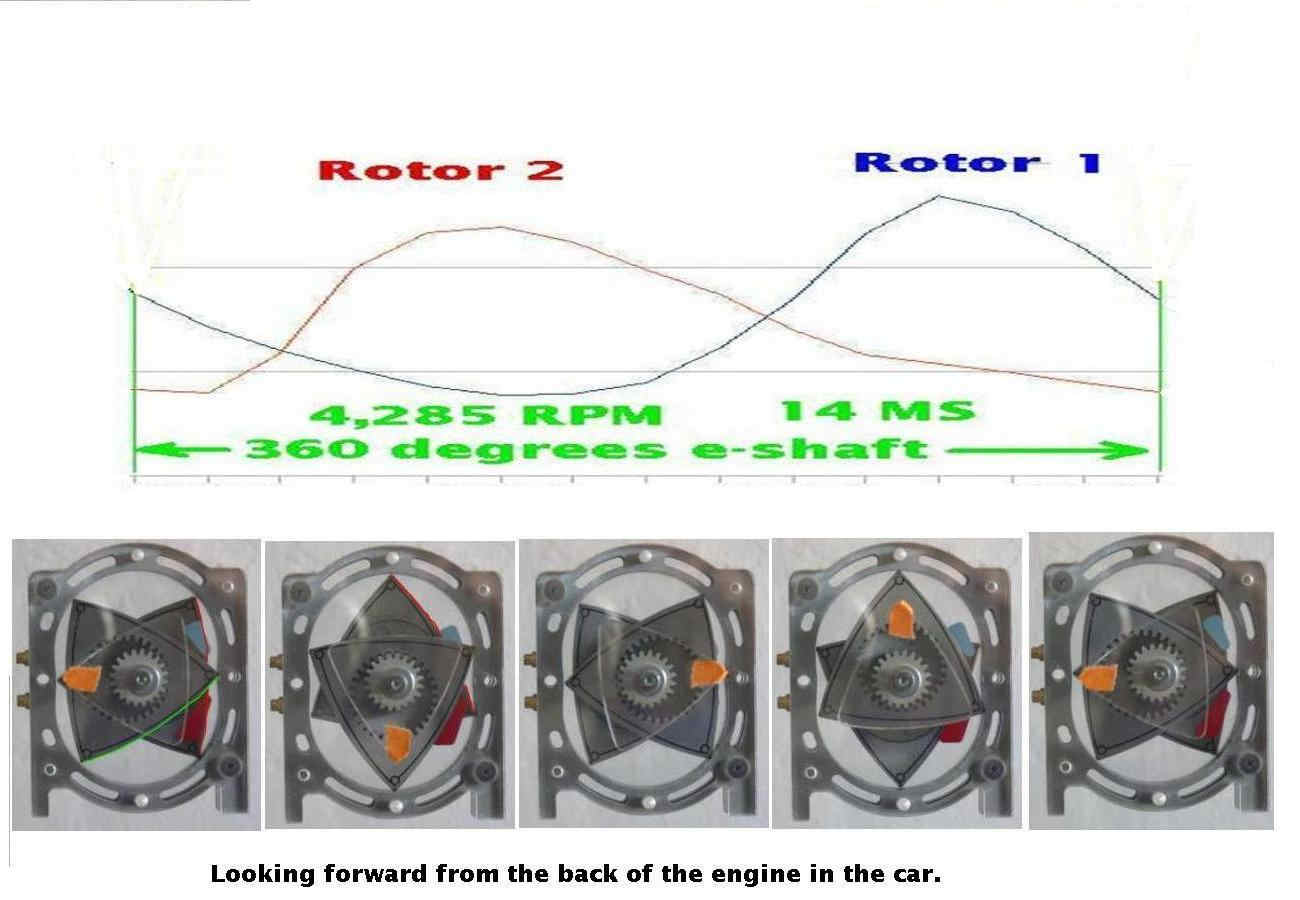
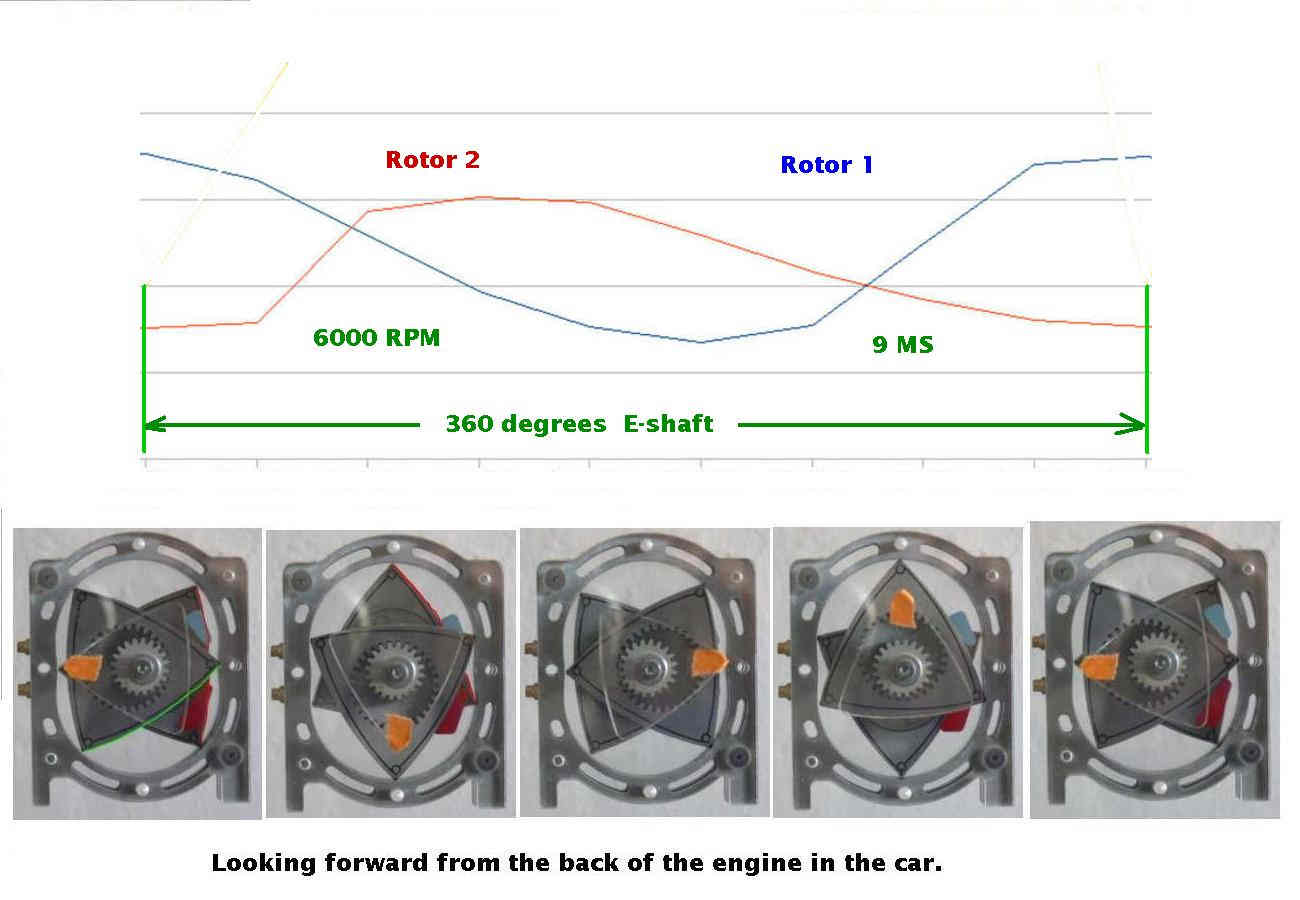
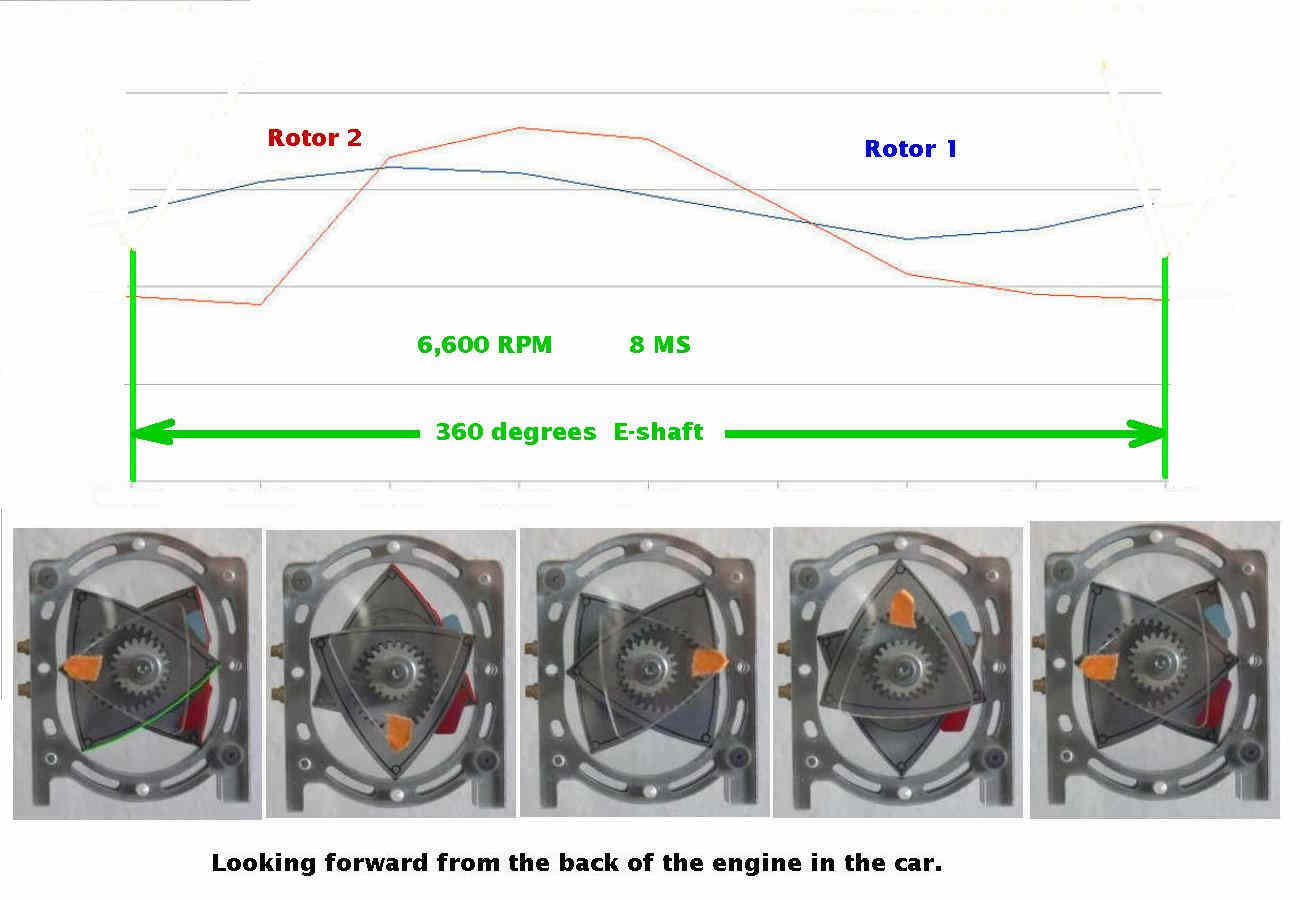
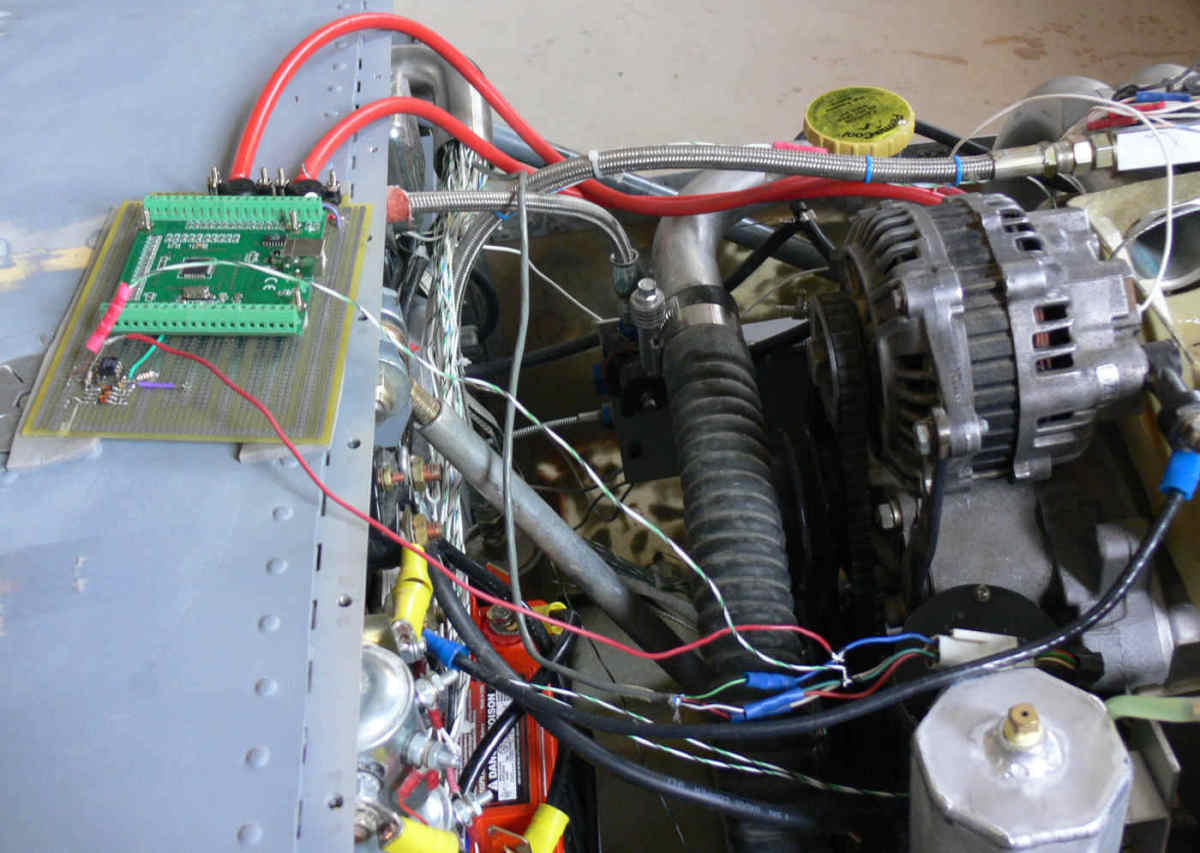
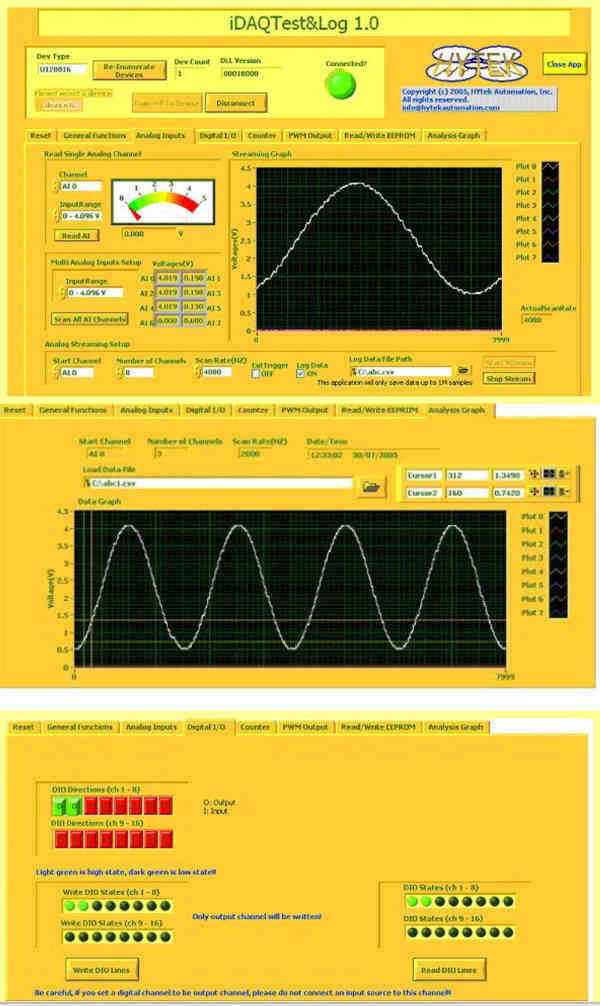
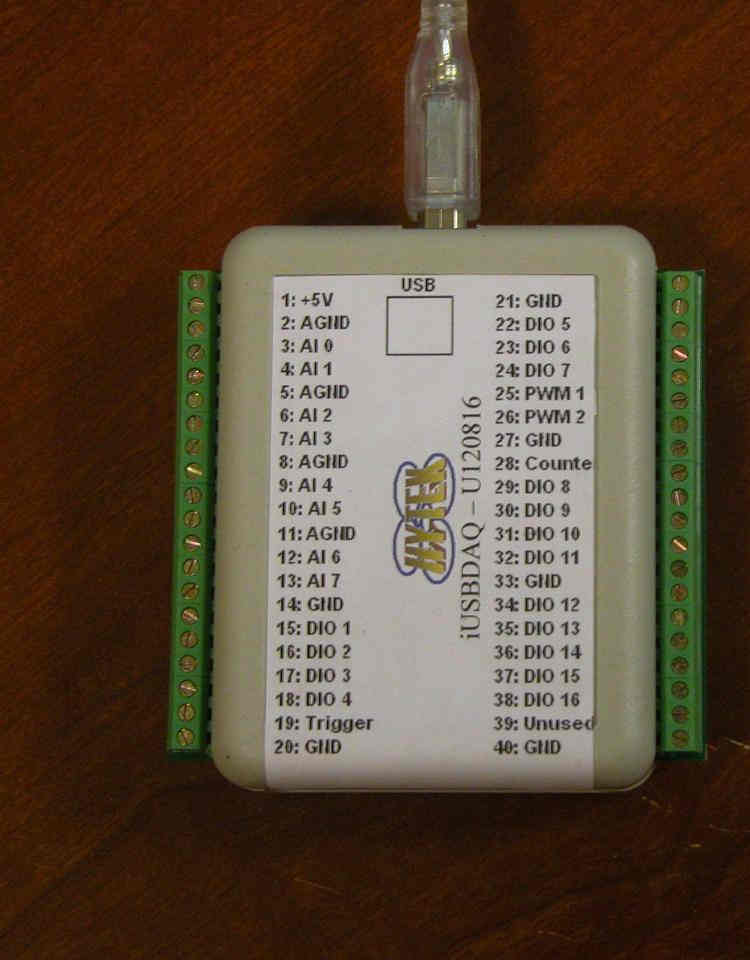
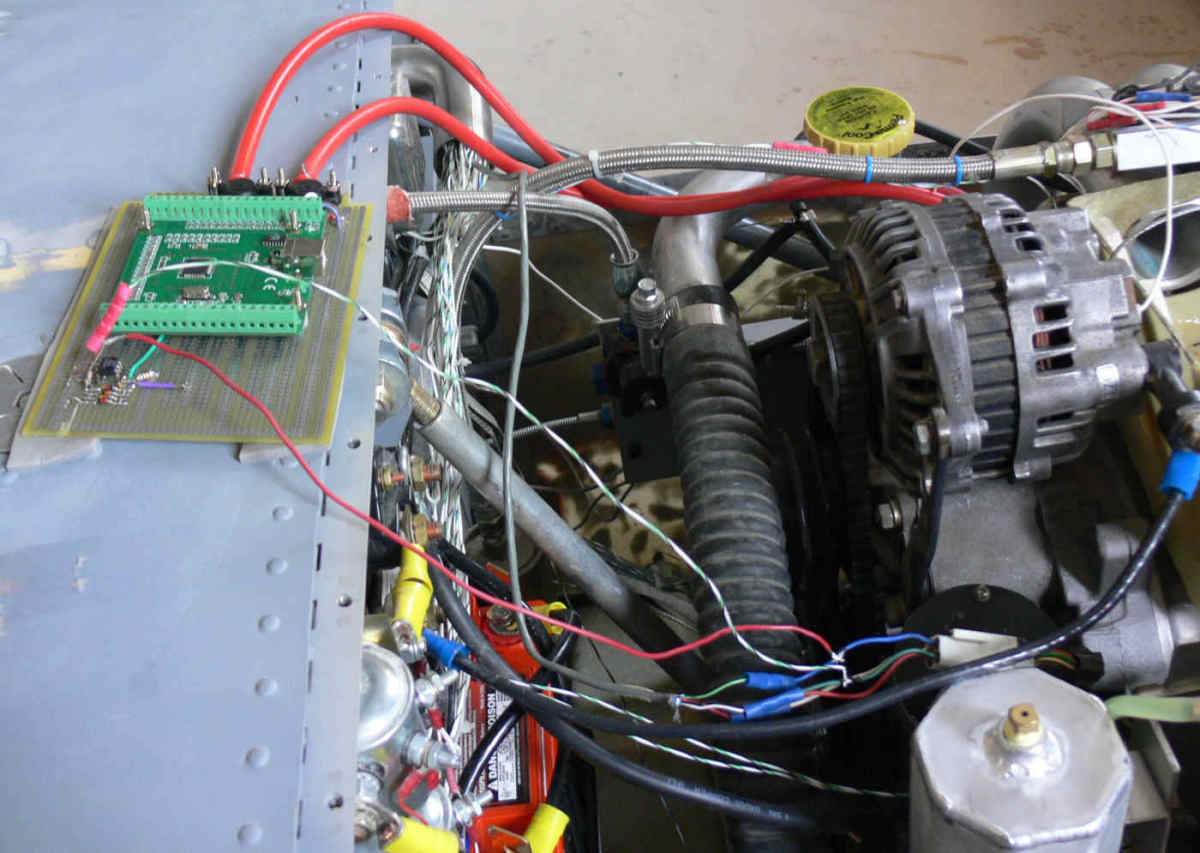
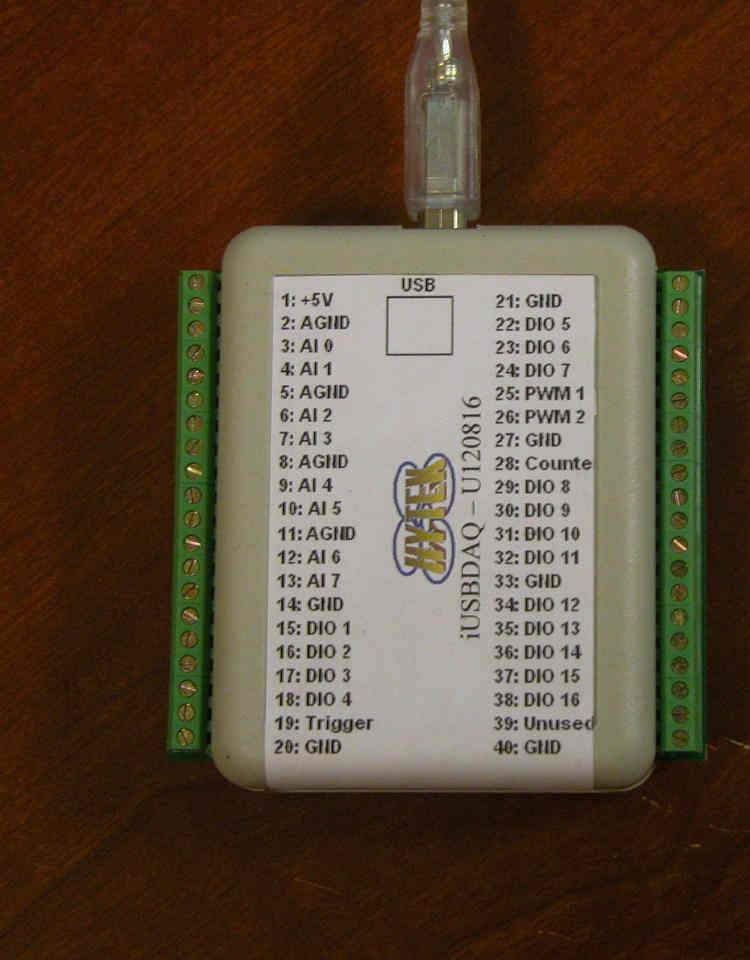
By using our HyTek data acq system and measuring the pressure in the
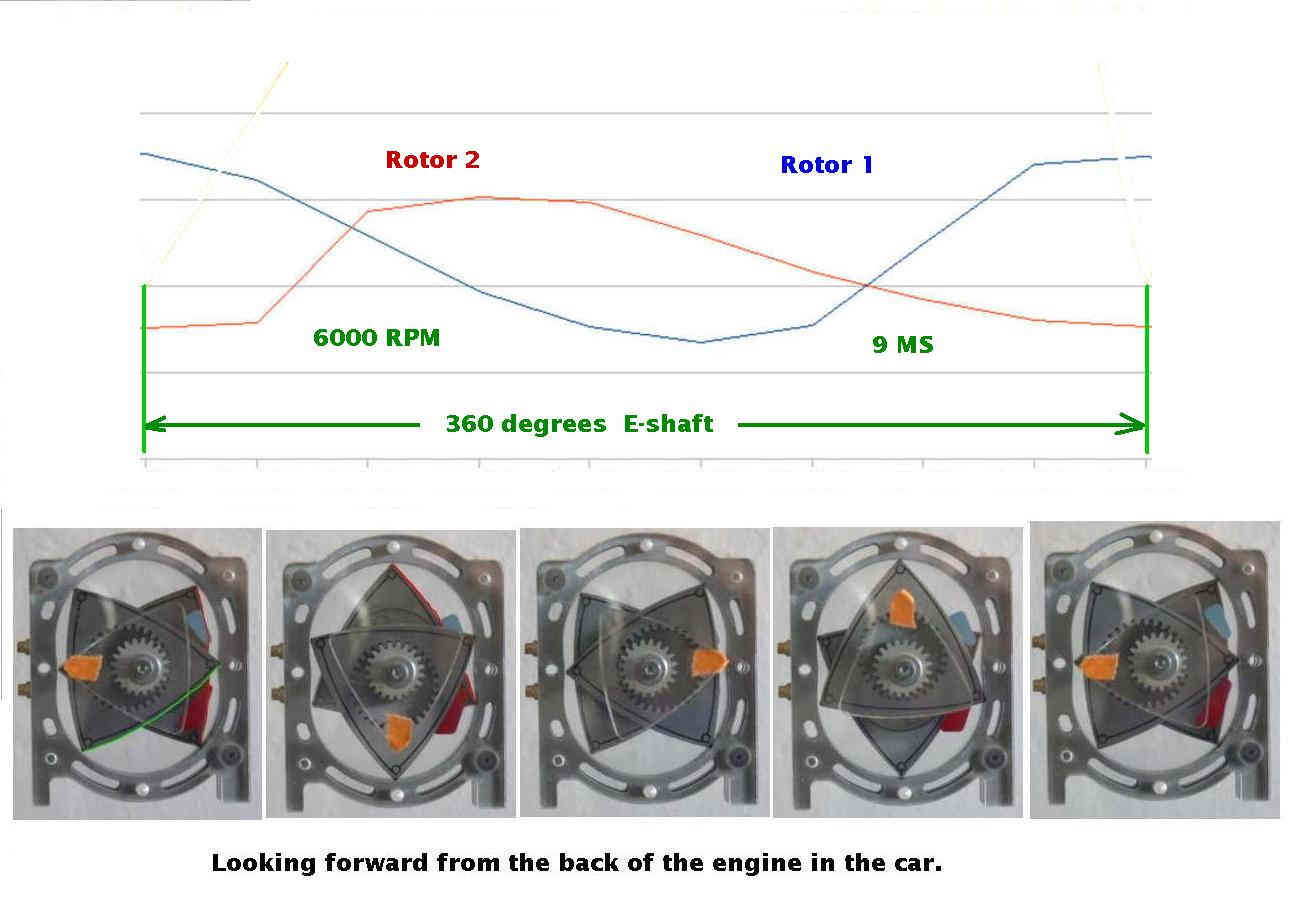
intake 1000 times a second or every 1 ms we found the pressure
changing rapidly depending on when in the intake cycle you
measure it. AKA e-shaft position.
This is with the engine running at a constant RPM.
At another RPM the pressure wave shape in the intake
manifold is entirely different. This would be true for
any intake manifold regardless of the design. P-port, side port, four
port, six port regardless. Air is bouncing around inside the intake
manifold and plenum in a highly un-predictable fashion.
Each rotary engine installed in an aircraft so far has a unique
design of intake manifold. Since there is also no standard way of
connecting the pressure tap to the manifold it could be located
anywhere south of the throttle. The bottom line is; the pressure
is constantly changing with RPM, e-shaft position and throttle
opening and position of the pressure tap. No two engine installations
are alike. IMHO this is the reason it is so hard to tune Tracy
EFI system.
Paul Lamar
--
The Rotary Engine NewsLetter. Powered by Linux.
ACRE NL web site.
http://www.rotaryeng.net
Youtube key word UTUBPLEASE
Copyright 1998-2009 All world wide rights reserved.