I looked up what the chevrolet vega block was made of a few
daya ago. They used A390 with 17% silicon and etched the cylinder
bores after honing to expose the silicon as the running surface. It
is classafied as a high strength alloy. An article on the WIKI site
was of the opinion that the early problems with the vega resulted
from an undersized cooling system and oil losses resulting in
overheating and engine damage. The block was apparently capable of
normal overhaul intervals. It seems to be the ideal material for a
one rotor end housing casting.I ran the same briggs and stratton
lawnmower for 22 years and 6 sets of wheels on the same engine, and
that was an aluminum bore. I retired it when it needed the second
set of rings and still have it in the shed.This engine was run about
3000RPM and being air cooled ran hotter than I need in a water
cooled rotary. It might be interesting to research what alloy nthis
engine used.
george grimes
If it were that easy I think Porsche and BMW would be using it
instead of Nicasil.
Paul Lamar
George,
It seems to me that the process for machining the Vega and the ZL-1 blocks
was to hone to size. Then they fit the hone with cloth wipers and used a
special compound to lift a bit of aluminium for the surface. This left the
silicone for the rings to ride on. The pistons were tin coated. All was
good
until the engine got hot for whatever reason (maintenance?. This then wiped
the tin off and transfered Al between the piston and cylinder walls. Game
over until overhaul. The solution then was to sleeve the block with iron
liners. This may work for aircraft as the rotors are iron. What is wrong
with the RB end housings other than they do not have the wide housing for a
3 or 4 rotor?
Dale Davies
Dale There is nothing wrong with the racing beat housings. I just don't
want the limited stock porting, the series cooling rather than parallel, the
stock waterpump location and limited number of fasteners in the aluminum
where Tracy's redrive and Jeff's motor plate bolt to the belhousing flange.
Also I need a bellhousing flange on the front of one engine to match up to
the back of the other engine to do a four or six rotor version. I also want
to plumb the oil out of the engine for a dry sump. If I were doing a two
rotor the RB housings with a P-port conversion would be fine.
As far as a three rotor is concerned this is the heaviest piece
of the engine and in my design easier to do than the standard two rotor
intermediate housing. The small flange sationary gear is still in
production, available from RB, mazdatrix etc. I investigaed doing a six
rotor as two three rotors at one point with the aluminum housings. I just
didn't like conncting the two three rotor eshafts which were 7 times as
expensive as new RX8 eshafts. This housing would be the most significant
weight savings on a rotary in terms of pounds per horsepower. Once the
geometry is in the database any housing from 1 to 6 rotors is fairly easy,
particularly going straight to CNC billet parts in such a small volume of
production. I have gone from having my computer stolen to a new one which
breaks down regularly. When it gets running again I will finish up a set of
drawings and the pattern, parts drawings and database will be available
free to download or on a CD at cost of blank CD and shipping.
The difficulty in aluminum housings is the running surface for the
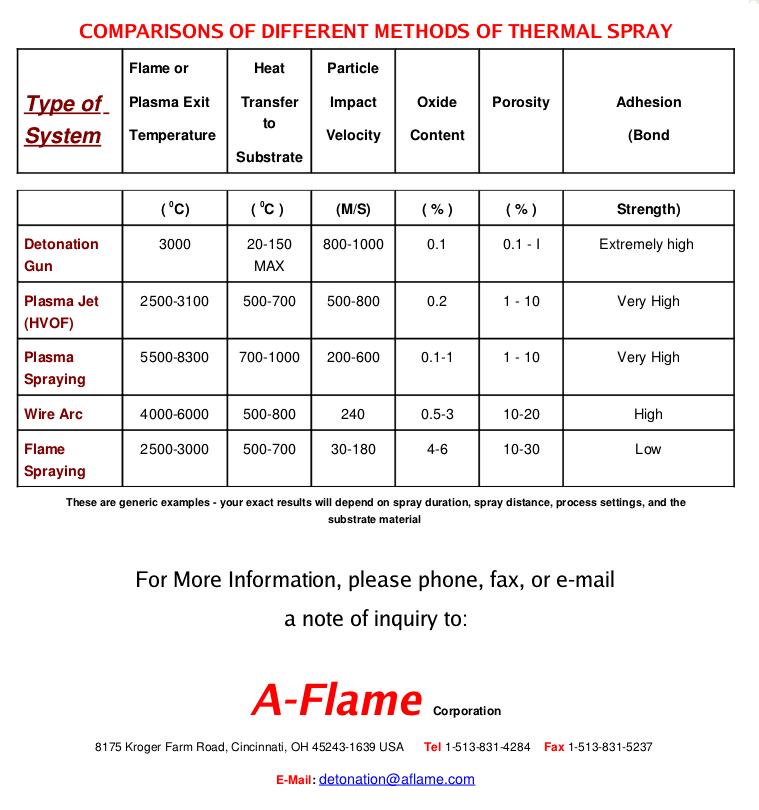
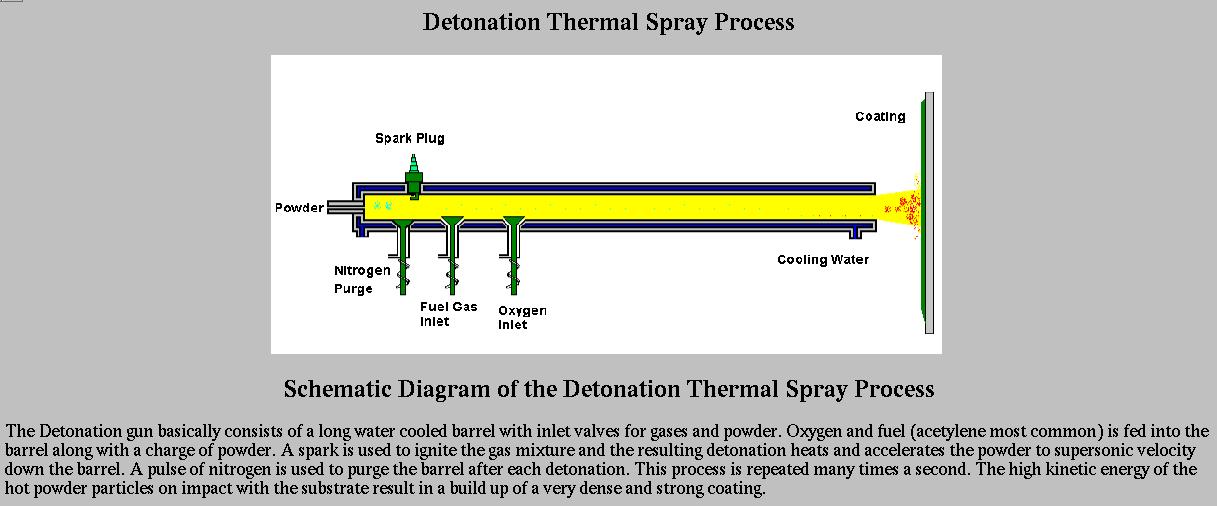
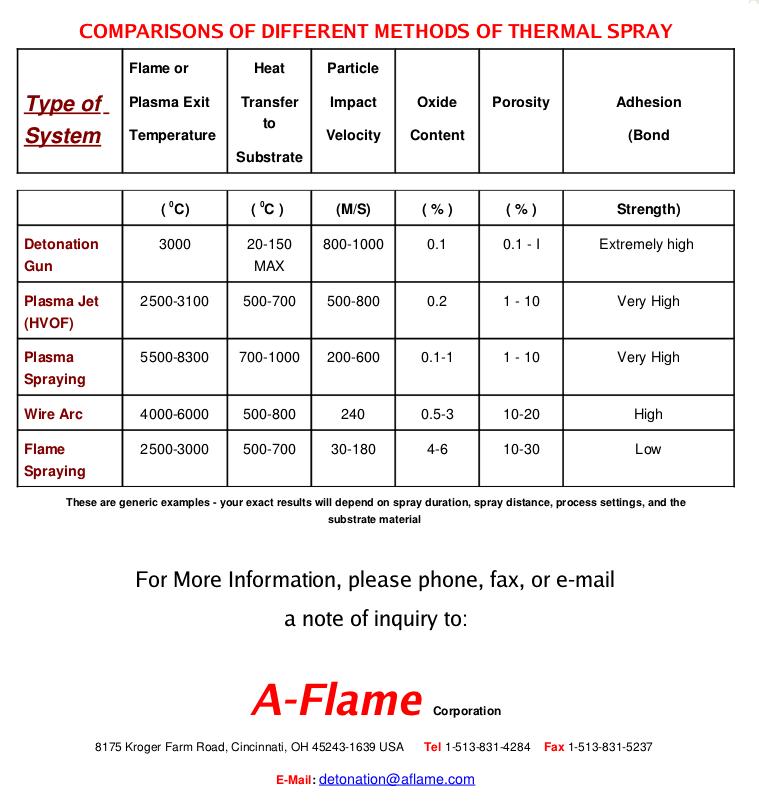
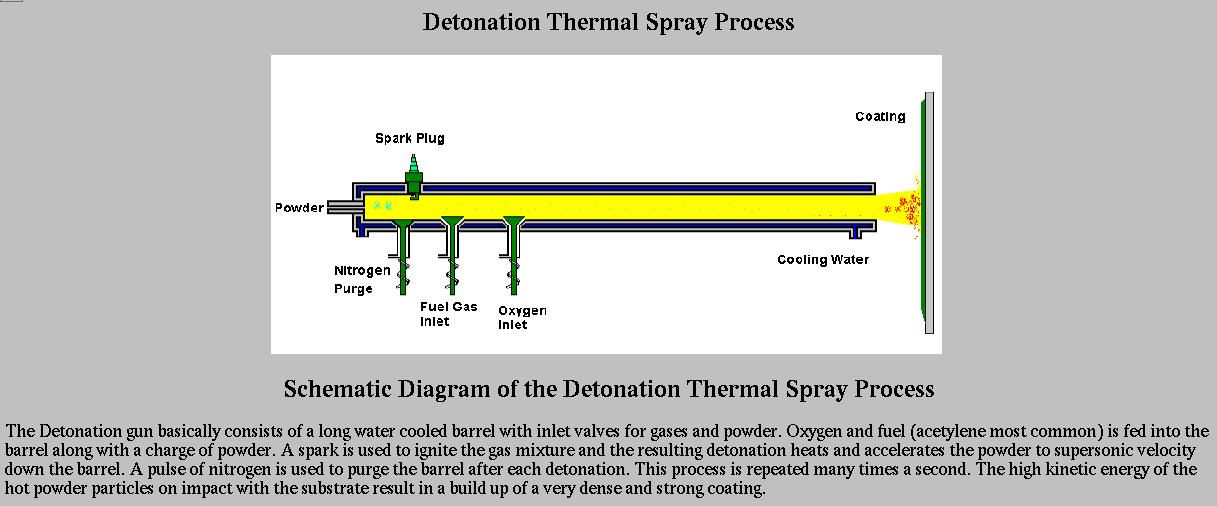
side seals. They can be detonation gun coated, chromed, ceramic coated or
nikasil coated, or the aluminum alloy can be selected with 12 to17% silicone
nodules in the alloy. CNC parts can be coated with the listed coatings on
billet parts, or parts can be cast in sand or die cast with a silicon
alloy. The choice is influenced by the expansion stroke of the rotor which
is continually exposed to hot gasses without the three non firing strokes of
a piston 4 cycle engine. The lack of lubrication after the oil has burnt
adds furthur wear considerations. Any parts in either cast iron or
aluminum will require lapping the sufaces completely flat and for a smooth
finish. This is done before the coatings which range from .0015 to .003
thick.
There doen't seem to be much information available about high time
aluminum rotary end housings running at continuous high power levels.There
are few non certified aircraft of any engine type with high time accumulated
most likely to their recreational usage.Rotary engines are being adoped in
ever increasing numbers in new construction and with the introduction of
the motor mount PSRU plate from Jeff and the flight proven PSRU and
electronic engine control from Tracy Crook and the intake system from Paul
Lamar the numbers can only increase. Lightweight end housings are just a
next logical step as is a kit with all the radiators oil coolers jic
fittings and a motor mount for a few common airframes such as the RV and
CH airframes.
george grimes
Mazda has a lot of good experience with the detonation gun coatings
on the Le Mans engine.
http://www.rotaryeng.net/Mazda_R26B_US.pdf
Alturdyne in San Diego has some experience with Mazda engines driving
generators and in thier opinion det. gun is the only way to go.
If what you have now does not work out one can fall back
to det. gun.
Paul Lamar
--
The Rotary Engine NewsLetter. Powered by Linux.
ACRE NL web site.
http://www.rotaryeng.net
Youtube key word UTUBPLEASE
Copyright 1998-2009 All world wide rights reserved.