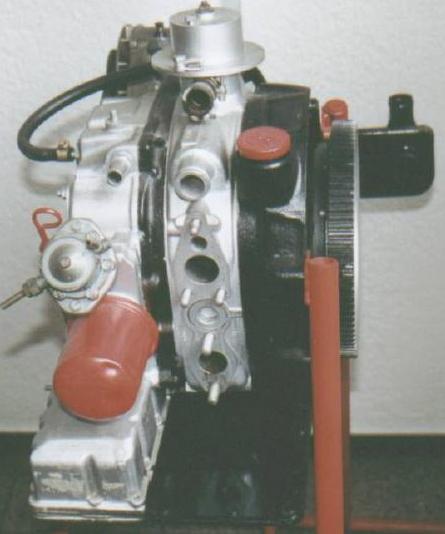
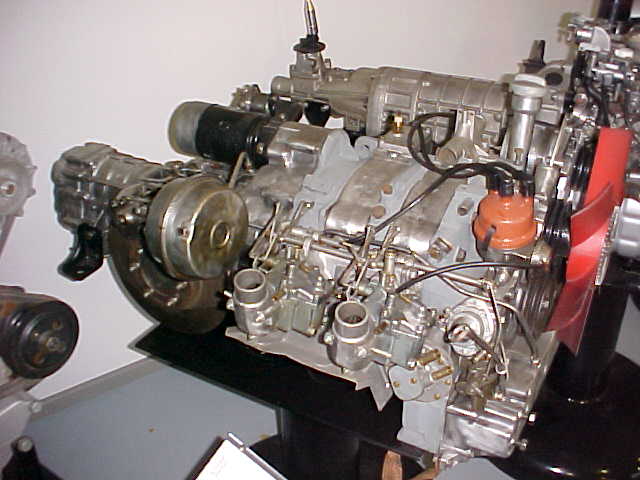
No way would that muffler you are building fit in my cowl. Nor would the
slide throttle PP engine from your video. One of the things that sold me on
going the rotary route in the first place was the compact size. I'd love to
duplicate the 4 port intake on the BEC engine (minus the Airflow Perf
injection - I'd stick with electronic injection). A PP design that hugged
the engine like the BEC intake would be best of both worlds.
Mike Wills
I tried it on tubing and it worked but you have a good point there.
I stand corrected on surfaces. Of course the glue will melt.
Looks like one would need a layer of fiberfrax with a .010" thin
sheet of SS mechanically fastened to the
fiberglass with SS screws or monel pop rivets.
Another alternative is put some $10 Home Depot steel wall heating
register near the exhaust pipes. That will let out some of the heat.
Here is a typical register. You can throw away what you don't need.
If it melts the paint you could get it chrome plated.
McMaster Carr has micro perforated 316 SS sheet 35 gage
which is .0075" thick with a bunch of tiny .009" dia.
holes that will let out the heat. Rather expensive
at $170 for 22 by 24 inch sheet. However this is
an elegant solution to a skinny cowl :)
They also have 304 SS .024" thick with .062" dia. holes for
about $68 for a 36" by 40" sheet. 39% open area.
This appears to be the best bet.
If you make a custom slide it will fit. The trick
is to weld the runners directly to the outer cover.
Like we did on Mark Supinski Mustang.
Here are some 3Ds.
That muffler won't fit but a 4.5 inch diameter tang muffer
might.
--------------------------------------------------
Here is a second way Mike.
Can anybody come up with a third way with equal length
22" runners? Must be a 3D rendering :)
Paul Lamar
Paul,
Out of curiosity, how wide is Mike's cowl?
Mark S.
Austin
About 24 inches. I don't think Van is still selling the RV4. I could be
wrong. There are a lot of complaints about the cockpit being too narrow.
The RV8 is the preferred replacement for a tandem air plane and
the cockpit and the firewall are much wider.
The RV4 with a narrow cowl is a challenging packaging problem
and both Mike Wills and Brian Trubee did a good job.
Paul Lamar
The RV-4 is still listed:
http://www.vansaircraft.com/public/kitprice.htm
My RV-4 flying friend claims the RV-4 is preferable in certain ways
even though (because?) the fuse is narrower. He likes the way his
flies better and likes the landing gear better as well.
The RV-4 is still the basis for the Harmon Rocket. You order much of
the RV-4 from Van's, minus the stuff that Harmon sells to "Rocketize"
the airframe.. "When you purchase a modification kit to build a
Rocket II from John Harmon the kit is an extension of the RV-4 kit
which is purchased from Van's. Please review the PARTS/MATERIAL page
for details of what to order. "
http://www.harmonrocket.com/
Along those lines, I think it would be interesting for someone to
Rocketize the airframe of an RV-4 and instead of putting an IO-540 on
it, use a 20B..
Matt-
Paul,
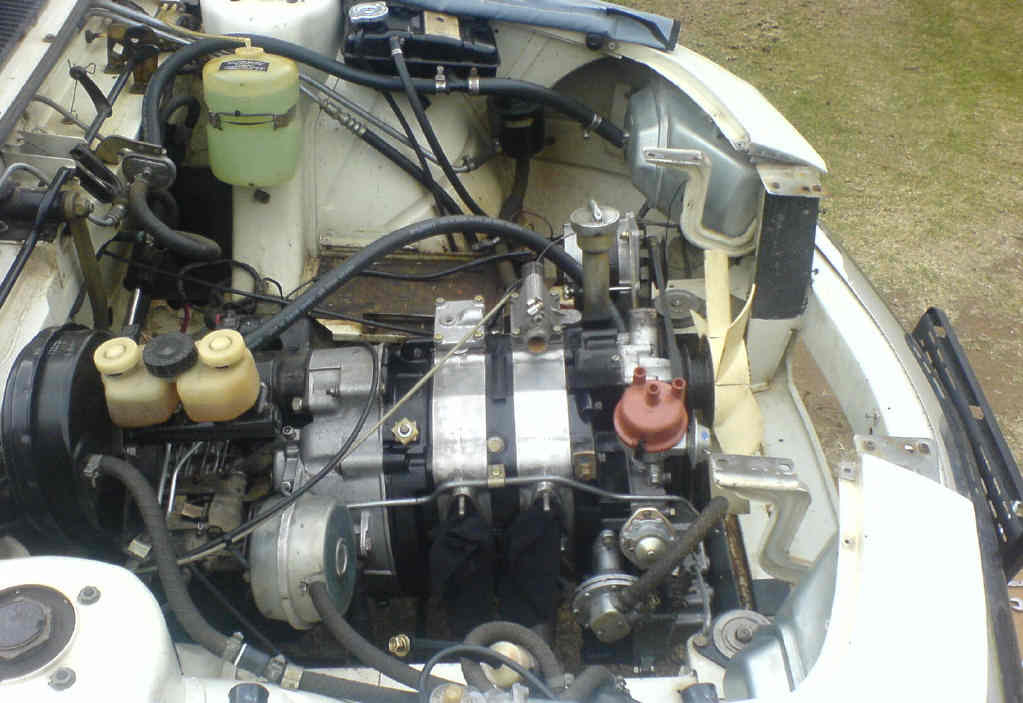
Man those are some old pictures of my FWF! I remember naively thinking that
exhaust would actually work! My cowl has grown quite a number of warts,
patches, etc.... in order to fit all of the stuff required to actually make
it work. I'm thinking about making a new wart free cowl before paint.
As you've modeled it, the over the top manifold would not fit. Either
you've underestimated the physical size of the engine (and I doubt that's
the case) or you've over estimated how much room is in the cowl. Look at the
picture you posted of Brian Trubee's installation. Note how the 180 bends
that were used for the intake manifold are cut/welded at the flange - there
is no straight section of pipe preceeding the bend. This is how close the
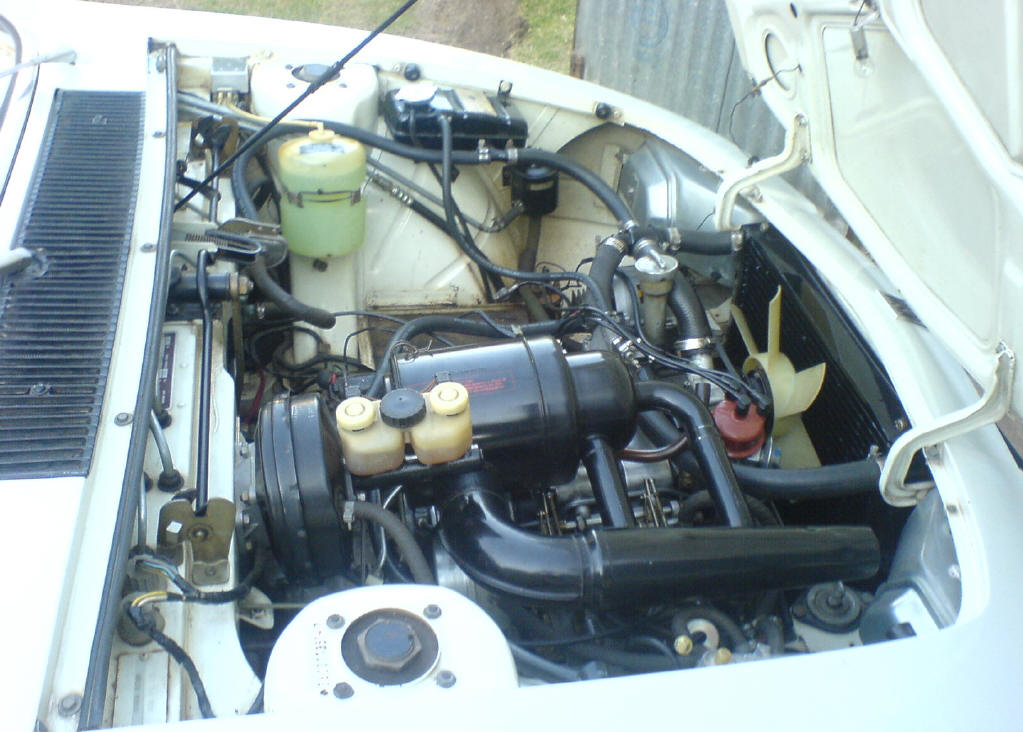
intake would need to tuck in to clear my cowl. The BEC engine intake also
does this which is why I like it so much. I remember Maurice telling me he
was able to slip an 18" diameter tube over the engine with all accessories
installed!
I should have popped the upper cowl off at Borrego. Attached are a couple
of more recent pictures, cowled and uncowled. You can see the warts on the
left side to clear the exhaust.
As for the rotary powered Harmon Rocket..... If you could install a 250HP
all aluminum rotary in an RV-4 airframe I think you'd toast most Rockets.
Even with the iron housings, if I could purge some weight (and I think I
could lose 30 pounds pretty easily) the airplane would easily be 200 pounds
lighter than a typical Rocket. The thought of that is what motivated my
commenting on the PP engine in the first place.
Vans still sells the RV-4. The lighter the airplane the better the handling
and the -4 is 100 pounds lighter than the typical RV-8. My -4 is a pig at
just over 1000 pounds but it handles noticeably better than the Lyc powered
RV-6A I owned and flew for 5 years. The big problem with the -4 that the -8
solves is CG. The -4 only has baggage space behind the passenger, the -8
adds a second baggage space right behind the firewall. The -8 is a better
going places airplane, the -4 a better sport plane.
Mike Wills
I may have the thrust line too high. I will redo the 3D if you tell me
the over all height of the firewall and the distance of the thrust line
down from the top of the cowl. Is there any down thrust angle.?
What diameter is the spinner?
Tilting the tubes back can bring them down to 2 inches above the engine
over the rear rotor housing.
I do not see your alternator. Where is it?
I can fly down to San Diego International on UAL Express
VIA LAX and come over to your hanger. What is a good day for you.
I think your airplane would be great with 250 HP P-port :)
I raised the thrust line to 10 inches below the top of the
firewall and reduced the spinner size to 14 inches in diameter.
Here is what that looks like.
I have one more trick that is guaranteed to work.
----------------------------------------------
This is guaranteed to work no matter how low the
top of the cowl.
----------------------------------------------------
Mike, I knew what threw me off. Brian Trubee raised the height
of his RV4 firewall. Gave him a lot more room on the top of
the engine. I forgot about that and I used his numbers.
You should get him to make you one of his really fine
all aluminum cowls made with his Harbor Freight English Wheel.
Paul Lamar
Paul,
The interference isnt over the top. From the cockpit its at about the 10:00
o'clock position. To clear my cowl line the intake needs to pull in a lot
closer in this area.
Yeah, the 250HP all aluminum PP engine with 2.85:1 gearbox and electric prop
would be the hot ticket for my airplane. But at the moment I'm not
interested in anymore experimentation (and I cant afford it) so I think I'll
just fly what I have for the moment. The airplane flies great, exceeds my
old RV's performance, and probably has a lot more performance available with
some tweaks. If I can just get to the point where I completely trust it...
The alternator is mounted backwards behind the oil filter assembly. At one
point (versions two and three of my oil cooler installation) I thought the
oil cooler was going to reside where the stock alternator sat so I relocated
it. That was the reason for the huge NACA inlet in the top of the cowl in
those old pictures you posted. I tried a bunch of different oil cooler
installations before I finally gave up and hung it below the cowl where it
is now.
Brian's metal cowl looks awesome. Wish I had the skill.... He sent me
pictures of that cowl at least 7 years ago. He may be competing with me for
longest build time. Glad to see he's still working on it. Hey Brian, post
some pictures with the cowl installed!
I'm hangared at the west end of Brown Field. I'm there most weekends working
on either the RV or the glider (soaring season is rapidly approaching). But
don't make a special trip down this way. These Phase 1 hours will be flown
off someday and I can connect with you in your neck of the woods. Camarillo
still has a pretty good restaurant on the field.
Mike
I can get it in there if you send me a sketch of the fire wall.
I had some more ideas after this one. These don't get anywhere
near the 10:00 O-clock position. I just consider it a design
challenge no need for you to implement it.
All I need is the distance from the top of the firewall to the
thrust line. I know the firewall is about 24 inches wide so
the vertical distance from the top motor mount hard points to the
the top of the firewall will define the curve on the top of the
firewall.
If you take a picture from the side of the airplane
about chest level directly perpendicular and 20 feet
away I can scale off that.
Santa Paula is the best. We have a Logsden resturant
on the field. Camarillo is fine but you would
not see my rotary collection :)
Paul Lamar
Paul,
Yeah that would clear the 10:00. Wouldn't clear a LOT of other stuff though.
Over the top is best for me - just has to fit closer. Even if it costs a
little performance. All a pipe dream anyway. Hopefully my next engine is
several years in my future.
Unlike Brian Trubee, my firewall is stock RV. But I don't have the plans
here - they are at the hangar. My prop flange is about 3" forward compared
to a Lyc and I lowered the thrust line about an inch. I also used the 16"
Mustang spinner, all to get more clearance over the top of the engine.
What happens if the slide throttle is located further from the ports (like
up on top of the engine)? I know Everett Hatch said they had issues and
that's why the Powersport engine was throttled right at the port, but he
never went into any detail.
I'll let you know when the Phase 1 is over and I can make it up there.
Mike Wills
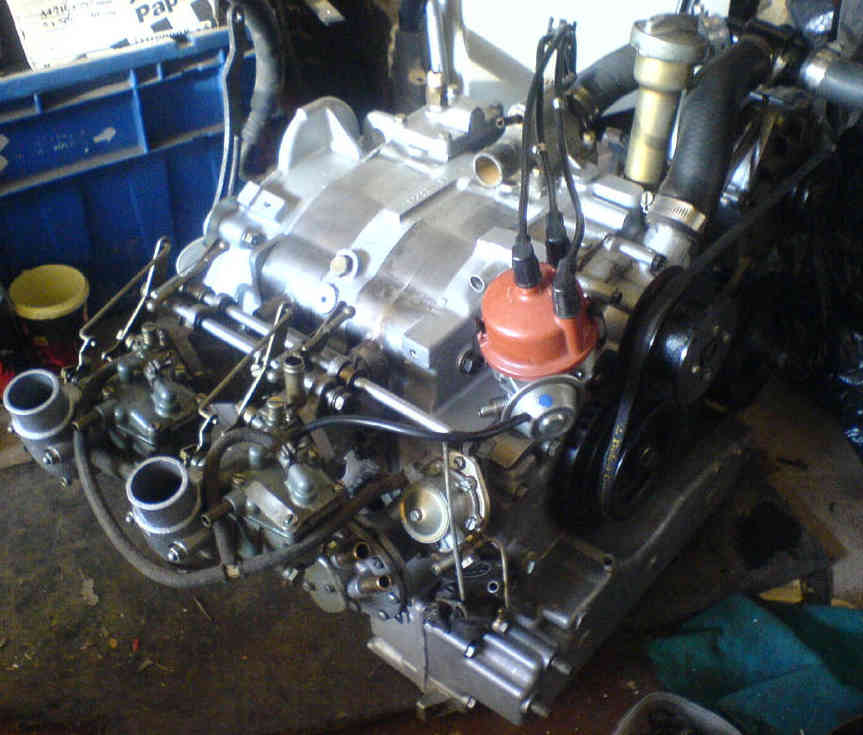
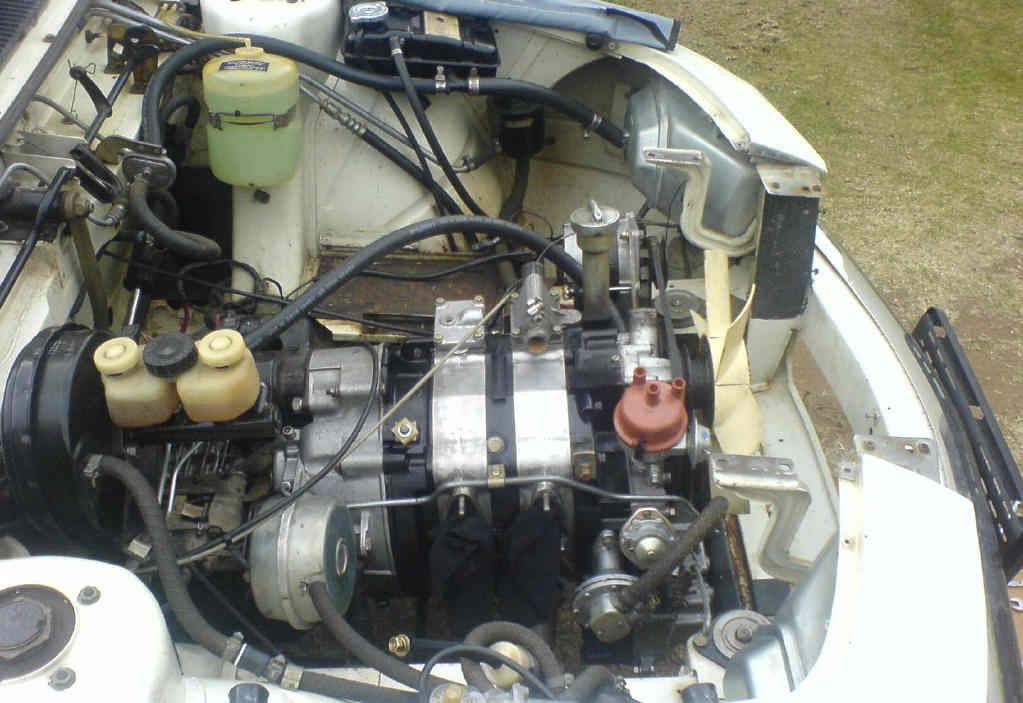
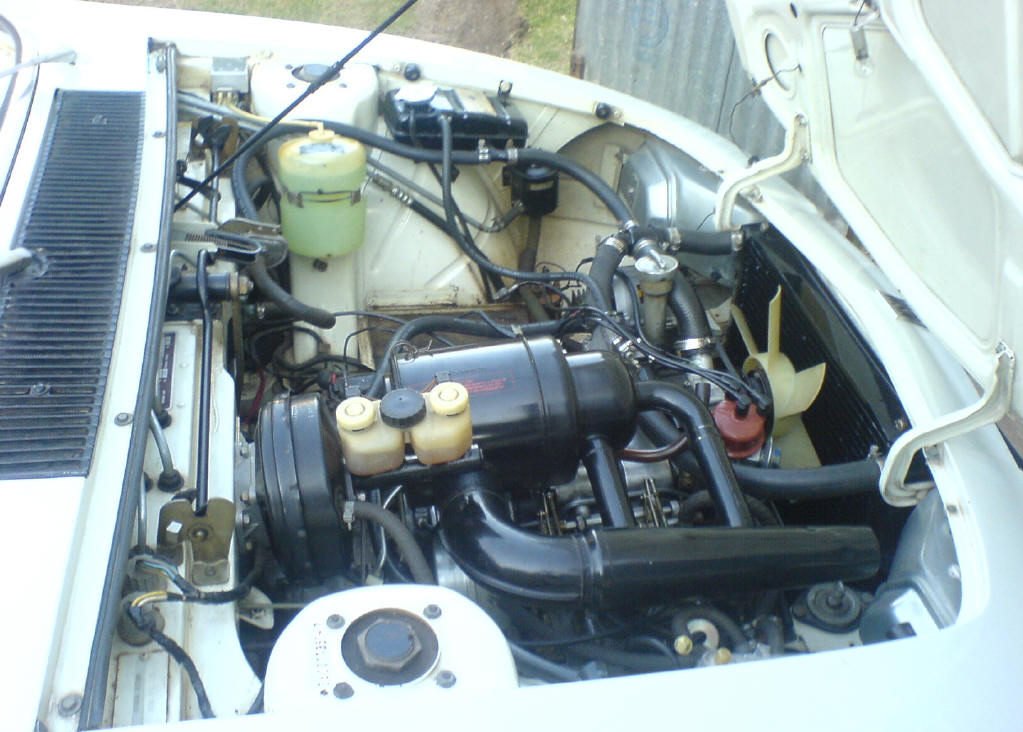
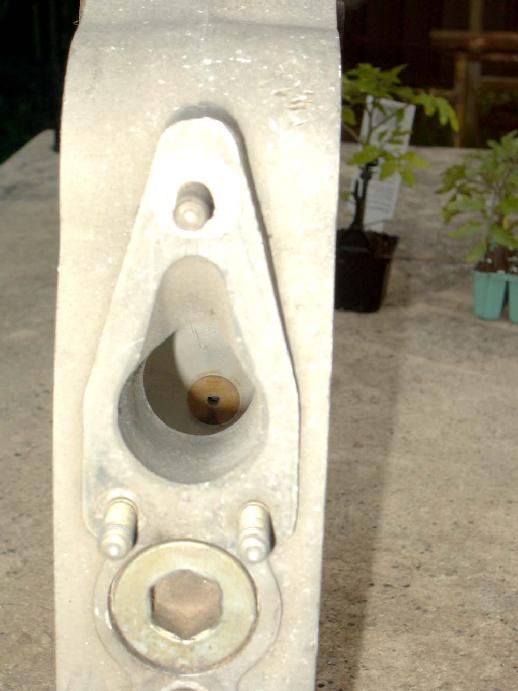
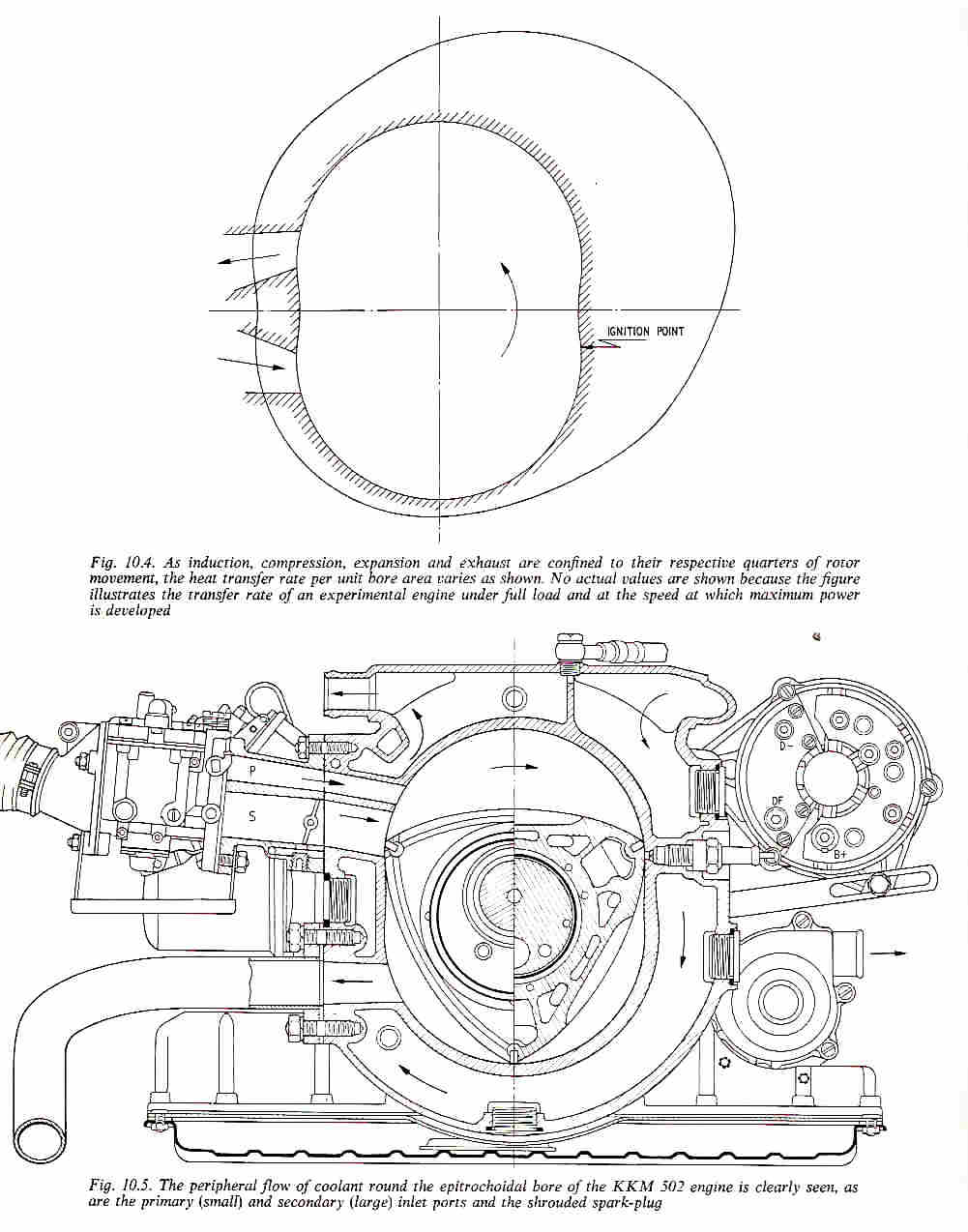
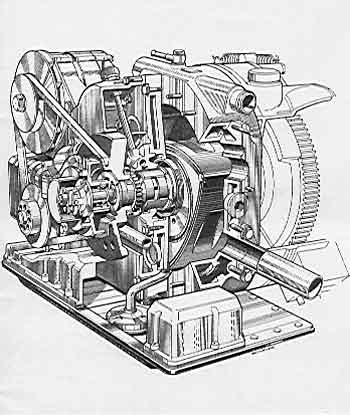
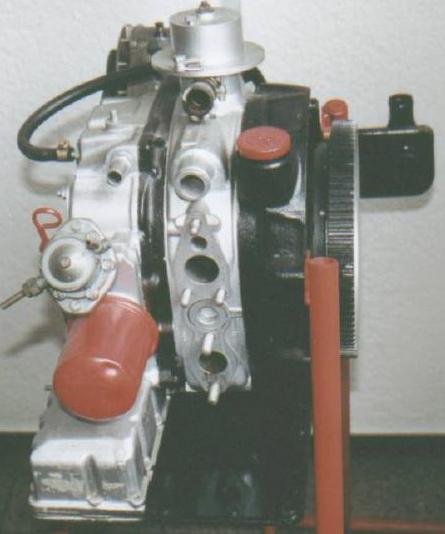
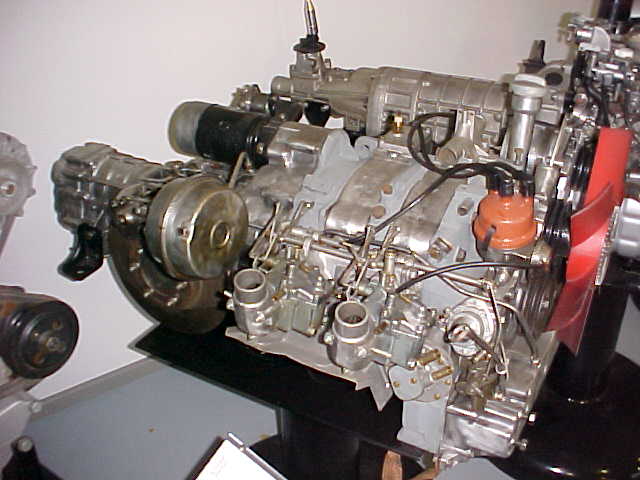
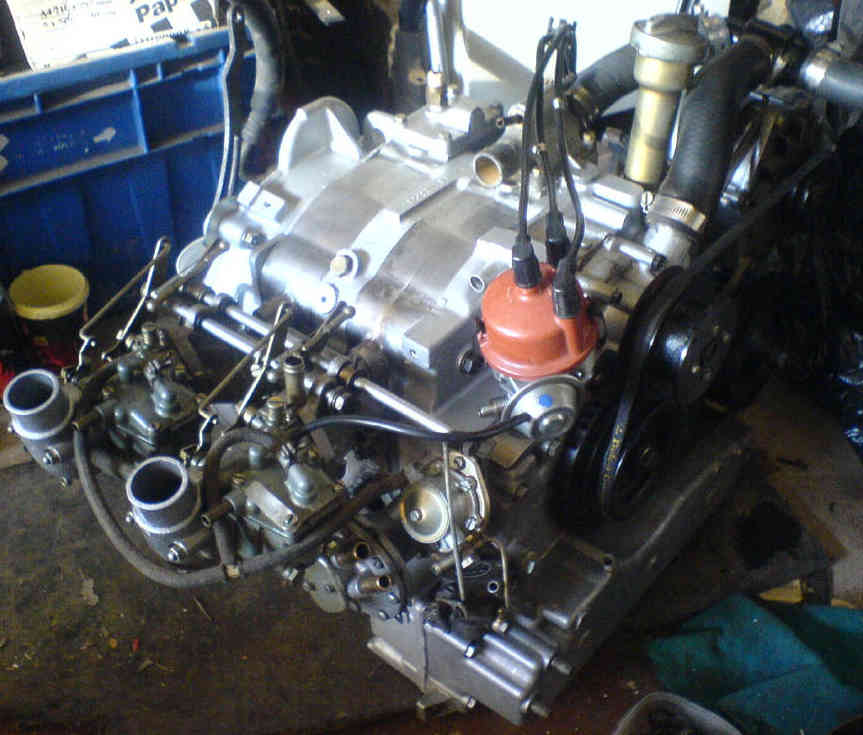
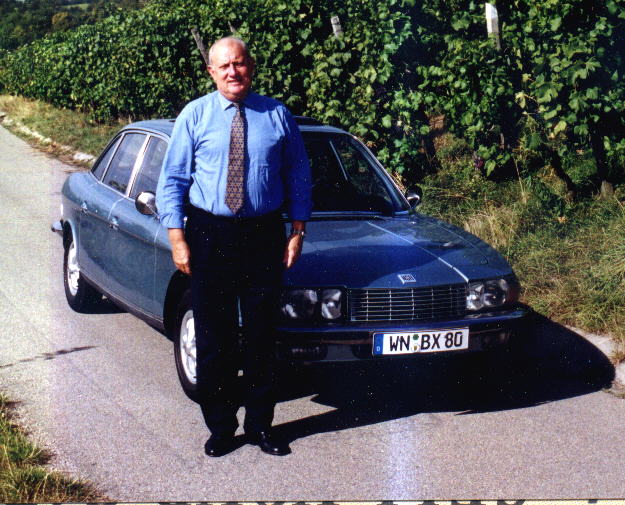
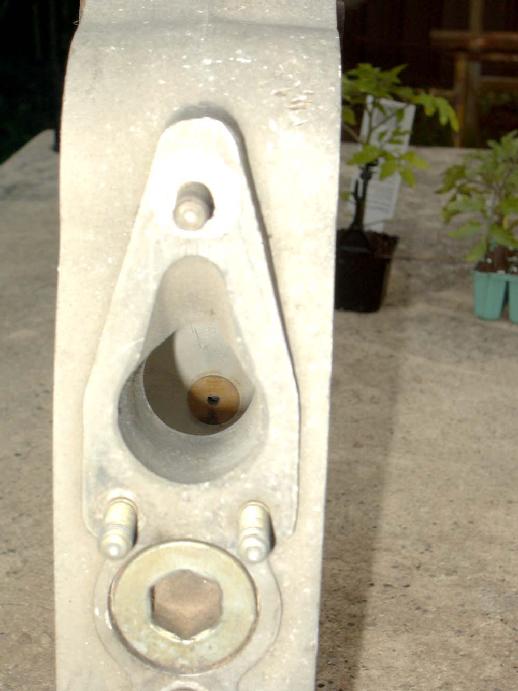
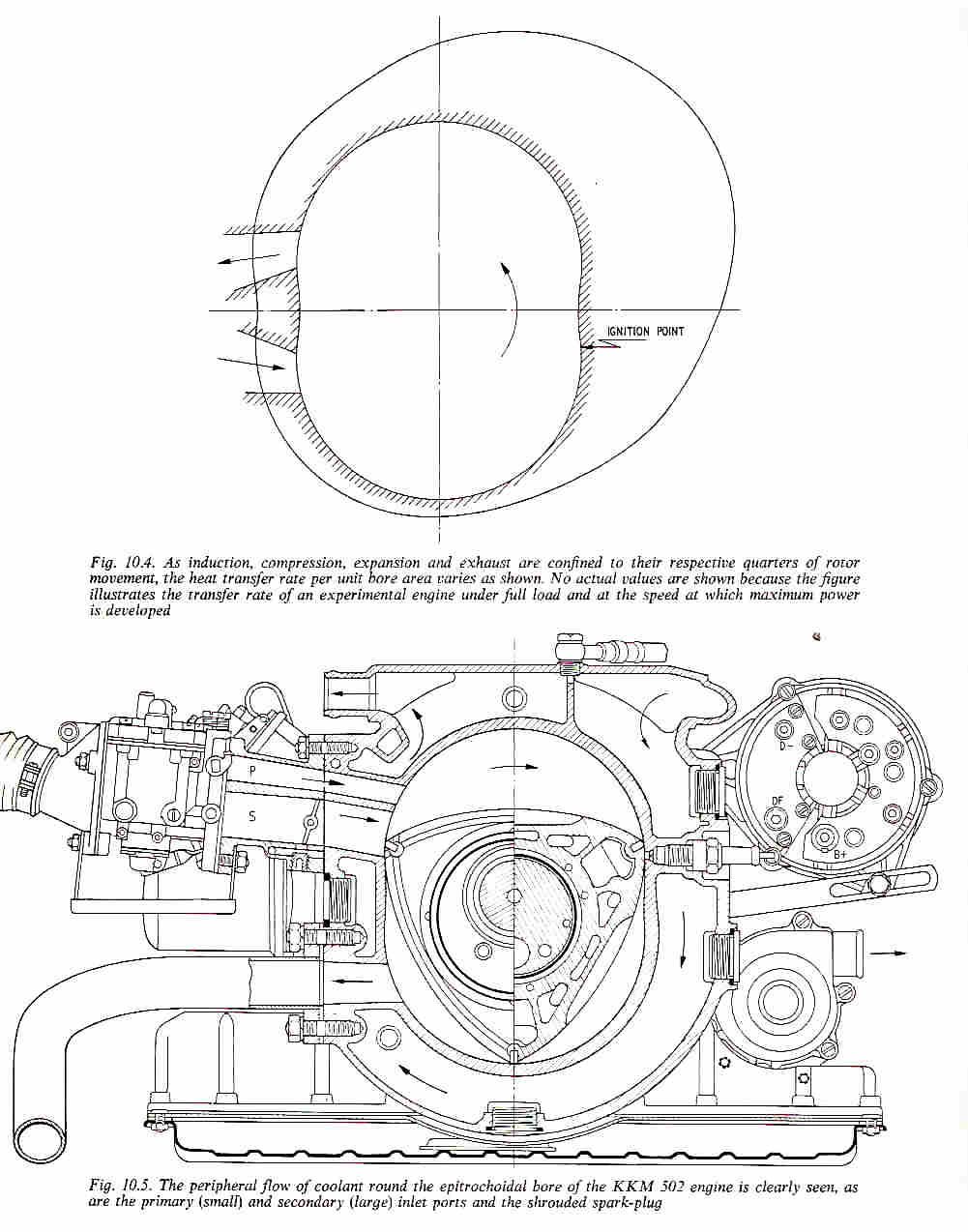
Due to valve over lap a long p-port intake tube stores
exhaust contaminated gases causing misfiring which
results in a bad idle. I drove a P-port RO80
in Germany and I was amazed at how well it idled and
pulled away at low RPM. The carbs and throttles were right
up against the rotor housing yet it had real long intake
runners. It also had dual p-ports. One small one at the
top and a larger one lower down.
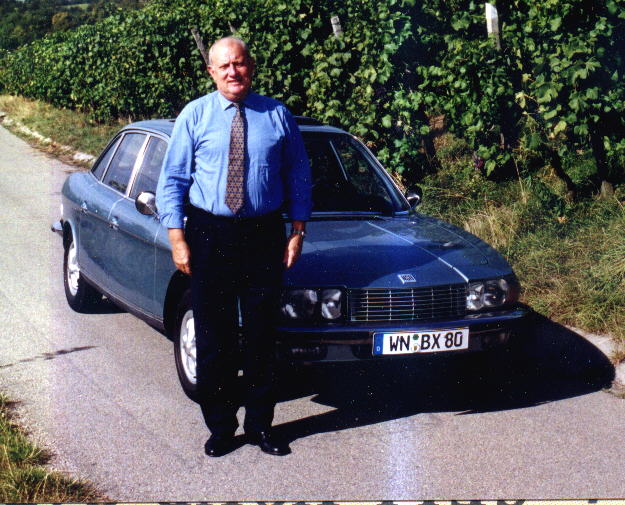
The guy standing next to the car is Juergen Bax
owner of the car and CEO of Wankel Gmbh at the time.
I got this video in Germany and Rolf translated it.
My son narrated it.
http://www.youtube.com/watch?v=yvri-fUNRyk
Paul Lamar
--
The Rotary Engine NewsLetter. Powered by Linux.
ACRE NL web site.
http://www.rotaryeng.net
Youtube key word PaulLamar2
Copyright 1998-2009 All world wide rights reserved.