-
Paul,
I don't disagree with much of your arguments with EPA, but the fact is that
modern cars are extremely clean, producing less than one percent of the
three major pollutants that cars of the Sixties did.
But back to DFI, the compression ratio increase with DFI is real. The RX-8
might have a 10.0 to one ratio, but the BMW 335i has 10.5 and it's
turbocharged.
Here's a brief list of the compression increases achieved when engines
switches to DFI:
Audi DOHC V-8 11.0 to 12.5
GM 2.4L DOHC 4 10.4 to 11.4
GM 3.6L DOHC V6 10.2 to 11.3
Mercedes 3.5L DOHC V6 10.7 to 12.2
Porsche Cayenne 4.5L V-8 11.5 to 12.5
These increases are real and while they won't achieve huge bumps in
efficiency, they will deliver 3-4 percent.
Every little bit helps.
Csaba
Yes I would argue cleaner than necessary. They could back off
on the Nox restrictions , lean the engine and improve the BSFC.
As far as compression ratio is concerned the piston engine has
an advantage. As far as turbo compound is concerned the rotary
has the advantage as the kinetic energy in the exhaust, due to the
lack of exhaust valves, is twice as high. Twice the energy for the
power recovery turbine. Higher CR 1% to 3% improvement.
Turbo compound engine... 15% to 20% reduction in fuel burn.
Now that IS earth shaking Csaba :)
Here is a Kit Plane article on the subject you may not have
seen or read. I am working on another article for EAA Sport
Aviation mag.
Here is a video of the presentation I gave on the subject
at the World MotorSports symposium.
http://www.rotaryeng.net/Oxford-640-4802.wmv
You may recognize some of these people as most
are engineering directors for many Formula 1,
Nascar and European endurance racing teams.
I may give another presentation on the subject
at Aero in Friedrichshaven in April.
Here is a list of my youtube videos on the subject.
http://www.youtube.com/watch?v=KcqP3U1tAPc
http://www.youtube.com/watch?v=6Po5jsrYMK4
http://www.youtube.com/watch?v=bkWbsO0C8x8
Paul Lamar
--
The Rotary Engine NewsLetter. Powered by Linux.
ACRE NL web site.
http://www.rotaryeng.net
Youtube key word PaulLamar2
Copyright 1998-2009 All world wide rights reserved.
Paul,
I have no argument with your advocacy of turbocompound engines. They are
thermodynamically very attractive and I wish you success in producing a
version based on a Mazda rotary.
I just wanted to make the point the direct injection does have a clear
benefit in modern piston engines, which is why the technology is
proliferating rapidly.
That said, your article on turbocompounding was very interesting. While I
was aware of the Wright R3350, I didn't know that the Allison V-1710 also
had a turbocompounded version.
Your article seems fuzzy on the point of whether the P-38 and the B-29
actually used the turbo-compound versions of their base engines. I believe
that they did not. Even when the B-29 was upgraded and became the B-50, it
didn't use turbocompounding. Instead it got a larger, conventional engine,
the Pratt and Whitney R4360. Also, the Bearcat was powered by the Pratt &
Whitney R2800 not the R3350.
What was the third Turbocompound piston engine?
Csaba
The P-38 and the B-29 did not use turbo compound. Rare Bear
is powered by a non turbo compound version of the R3350.
The AWAC miltary version of the Connie did as well as the
P2V, C119 and some Martin flying boats. Not the Mars.
P&W did some R&D on R4360 turbo compound but it never went
into production. It was considered for the B36.
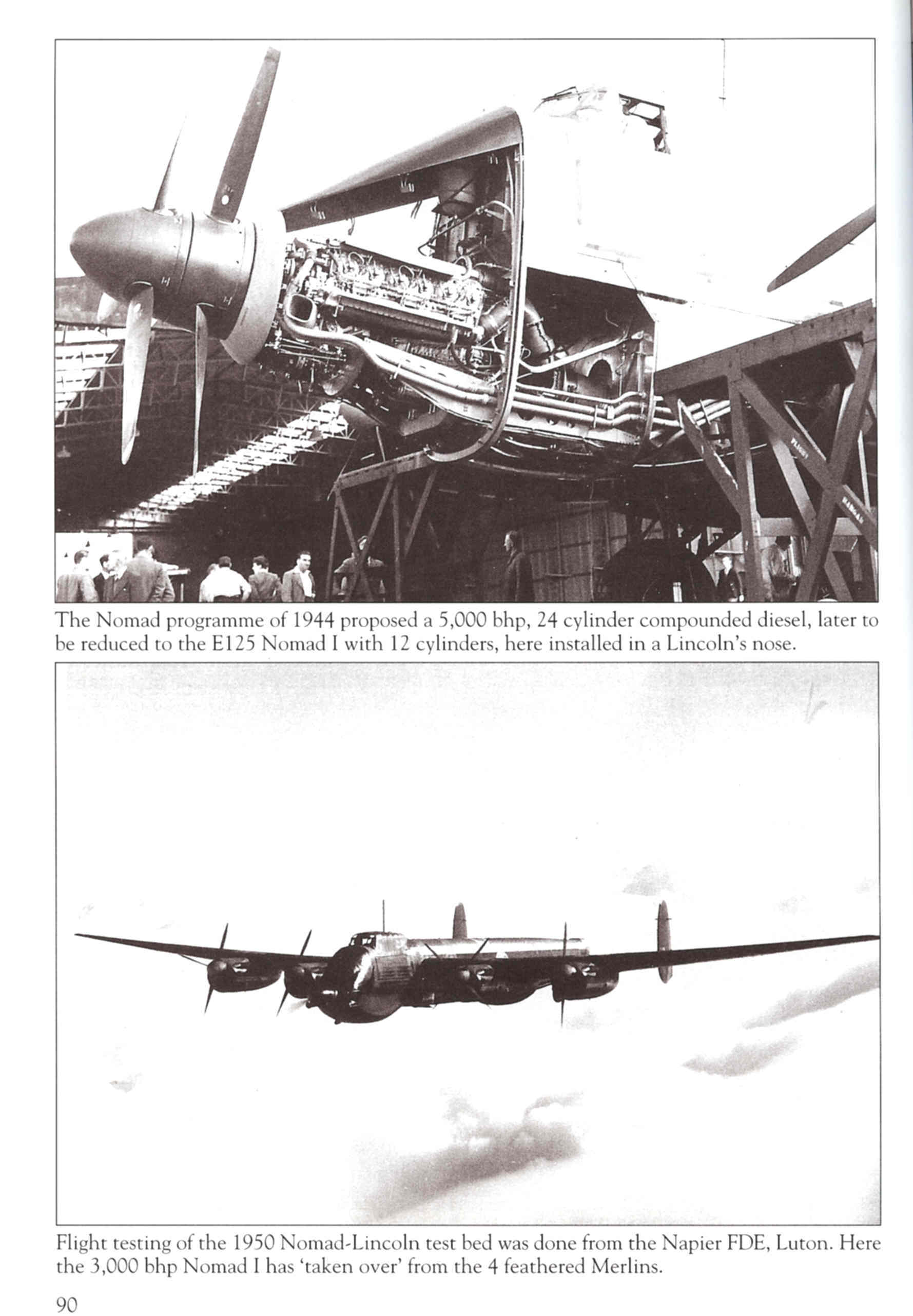
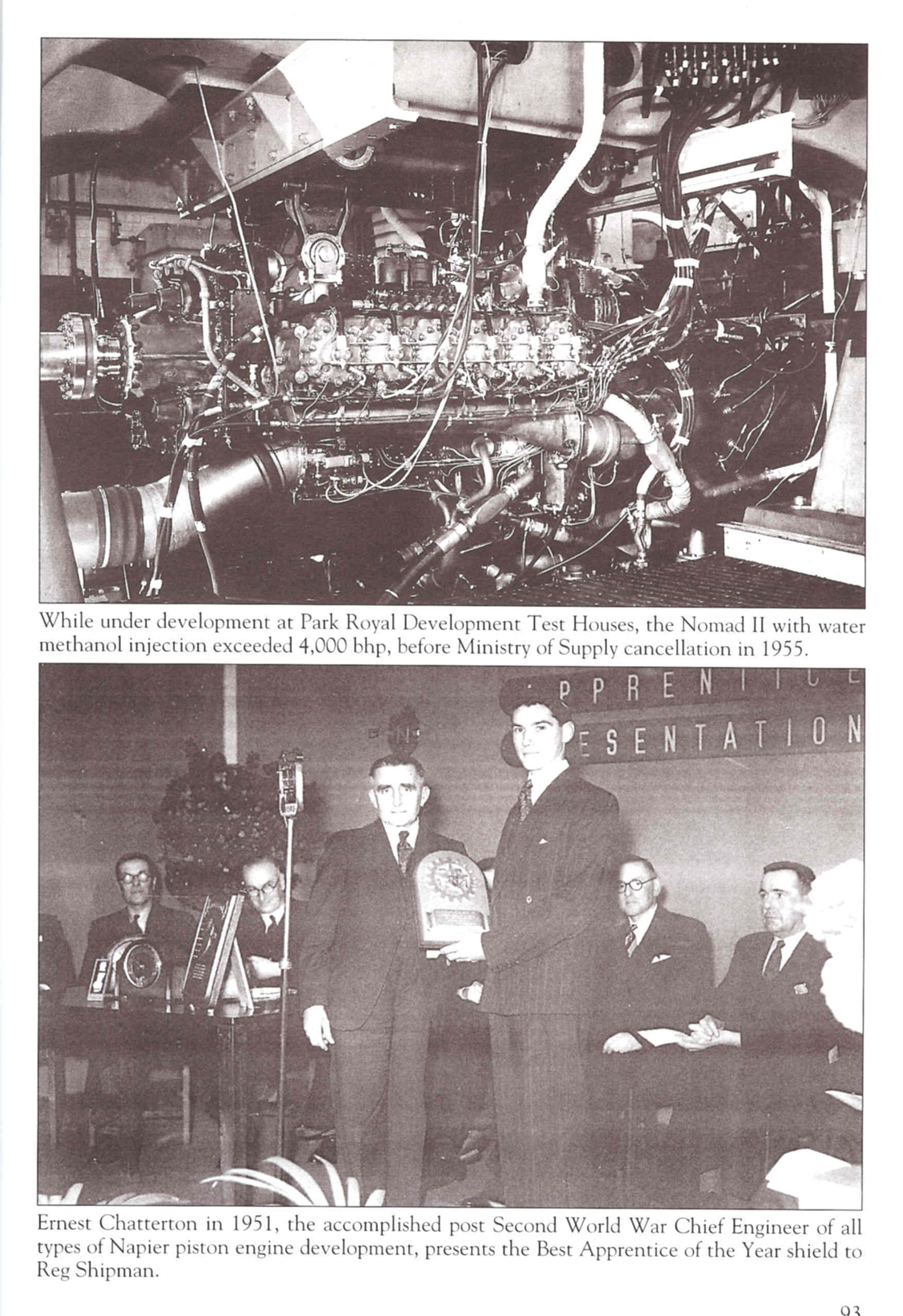
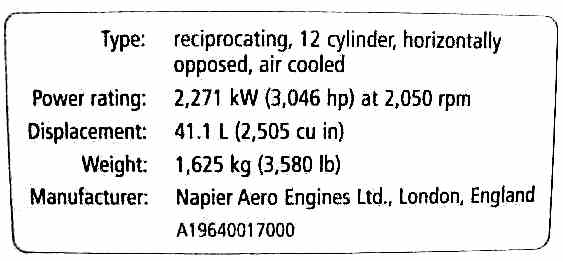
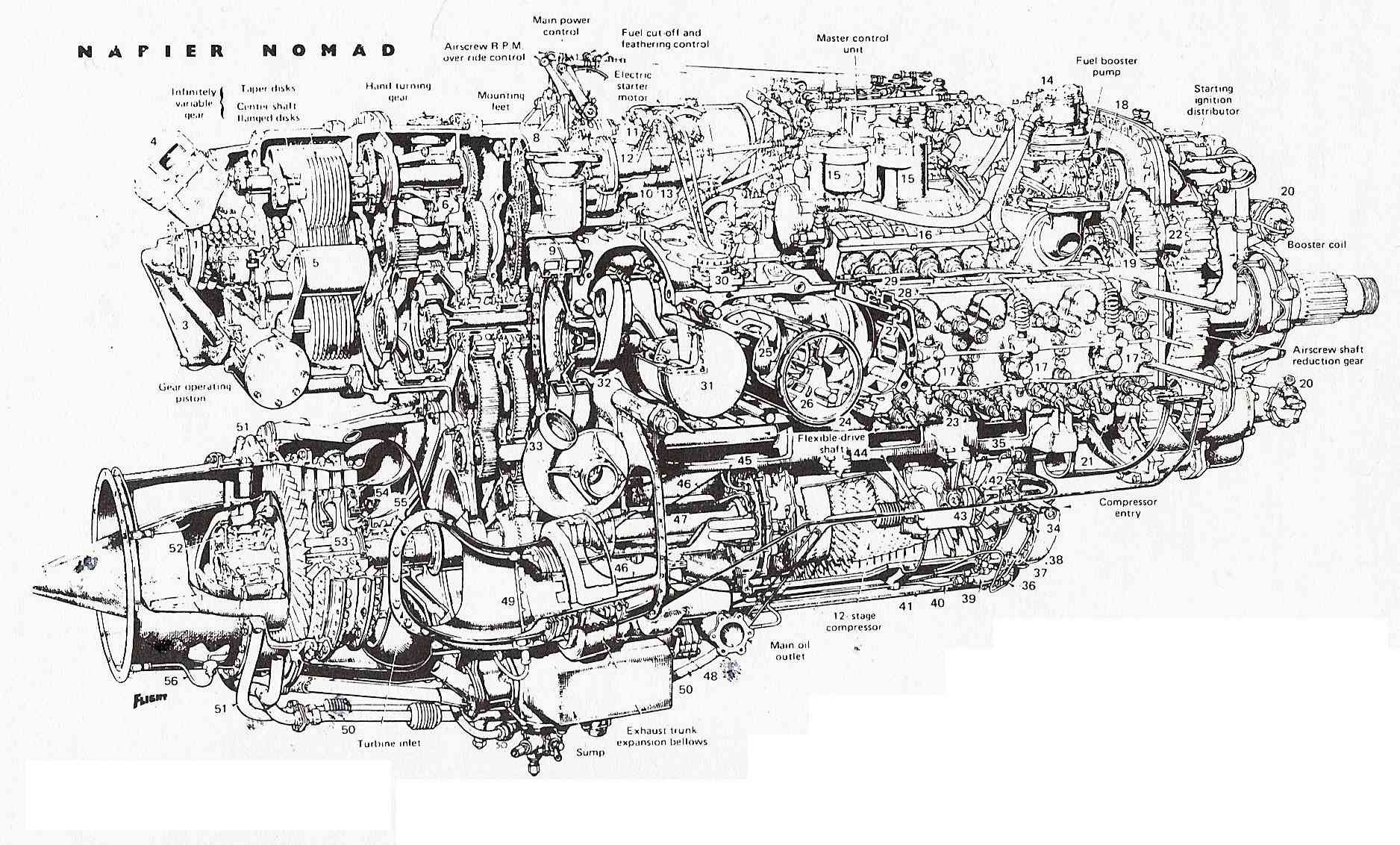
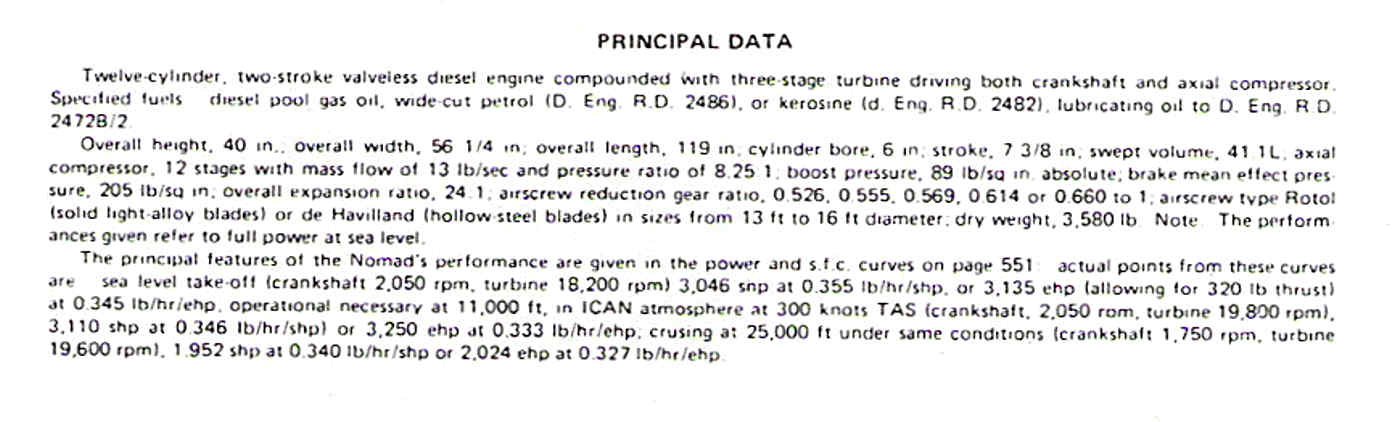
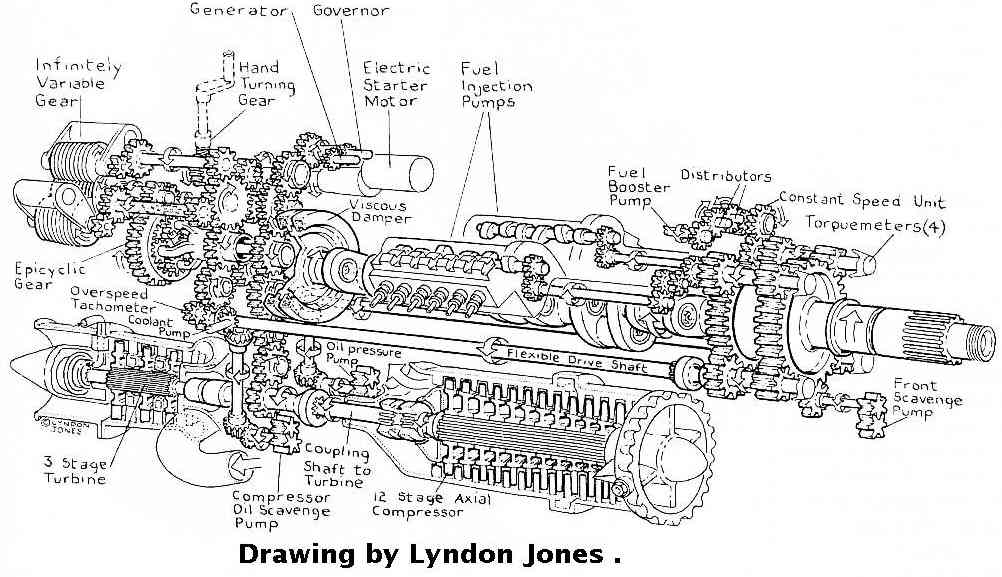
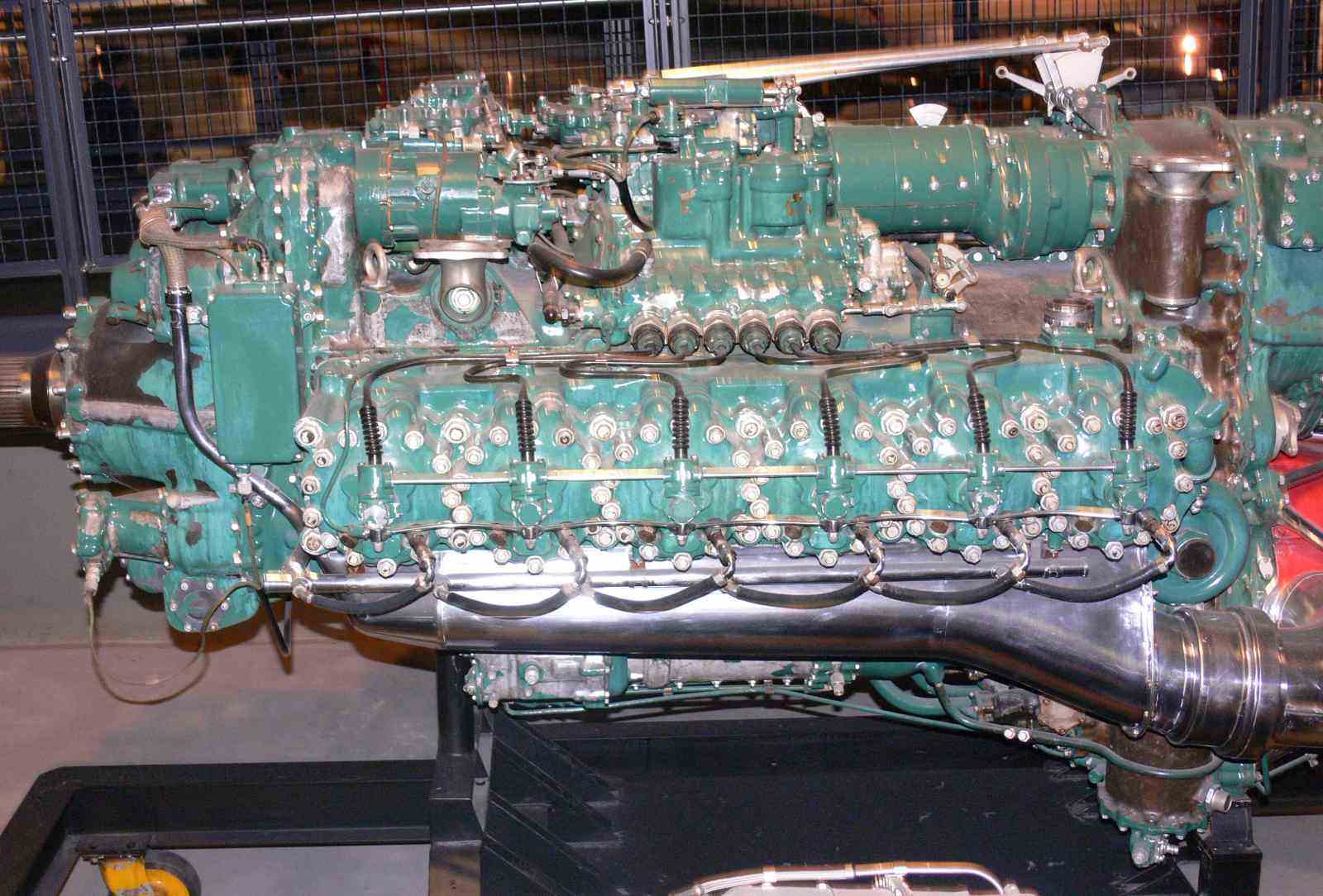
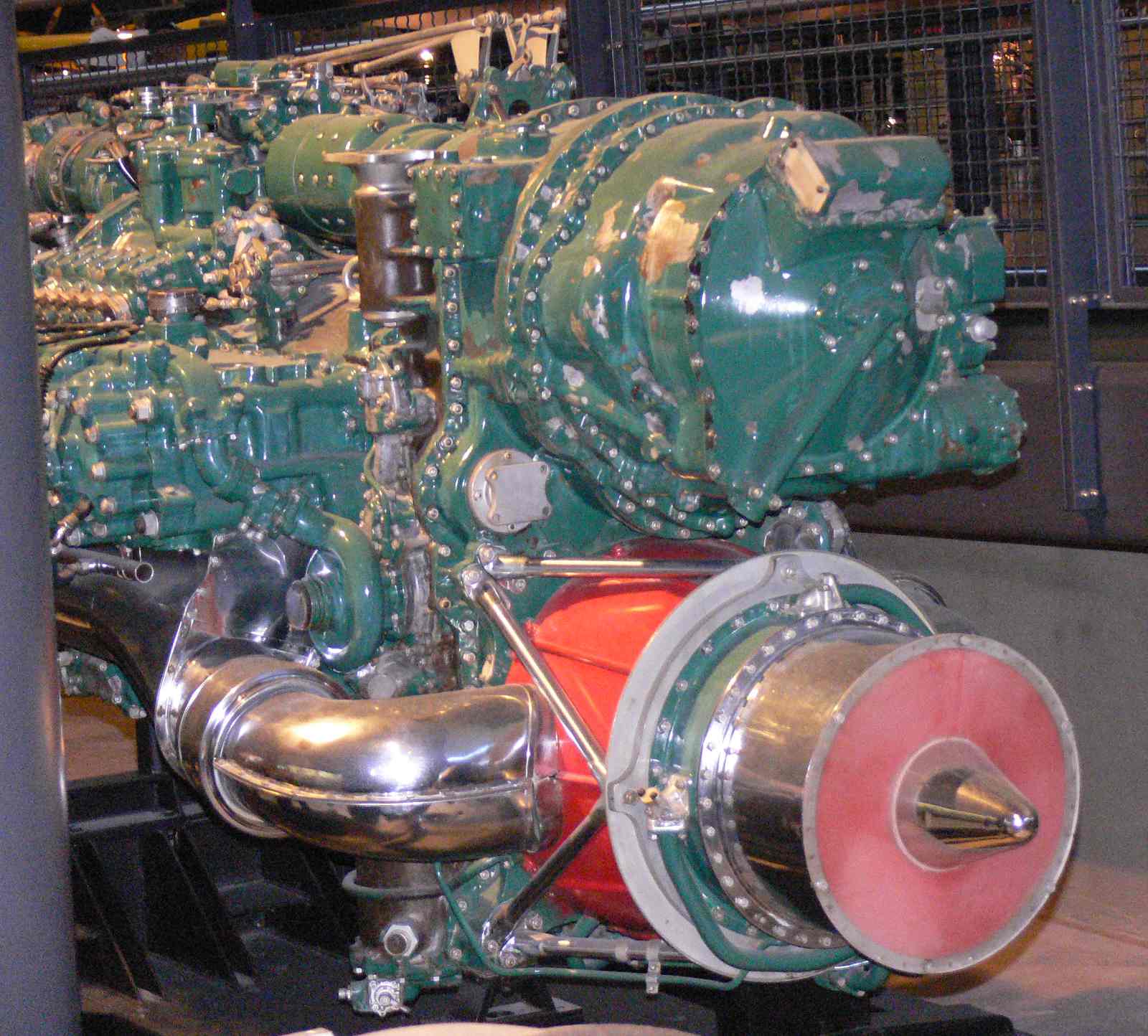
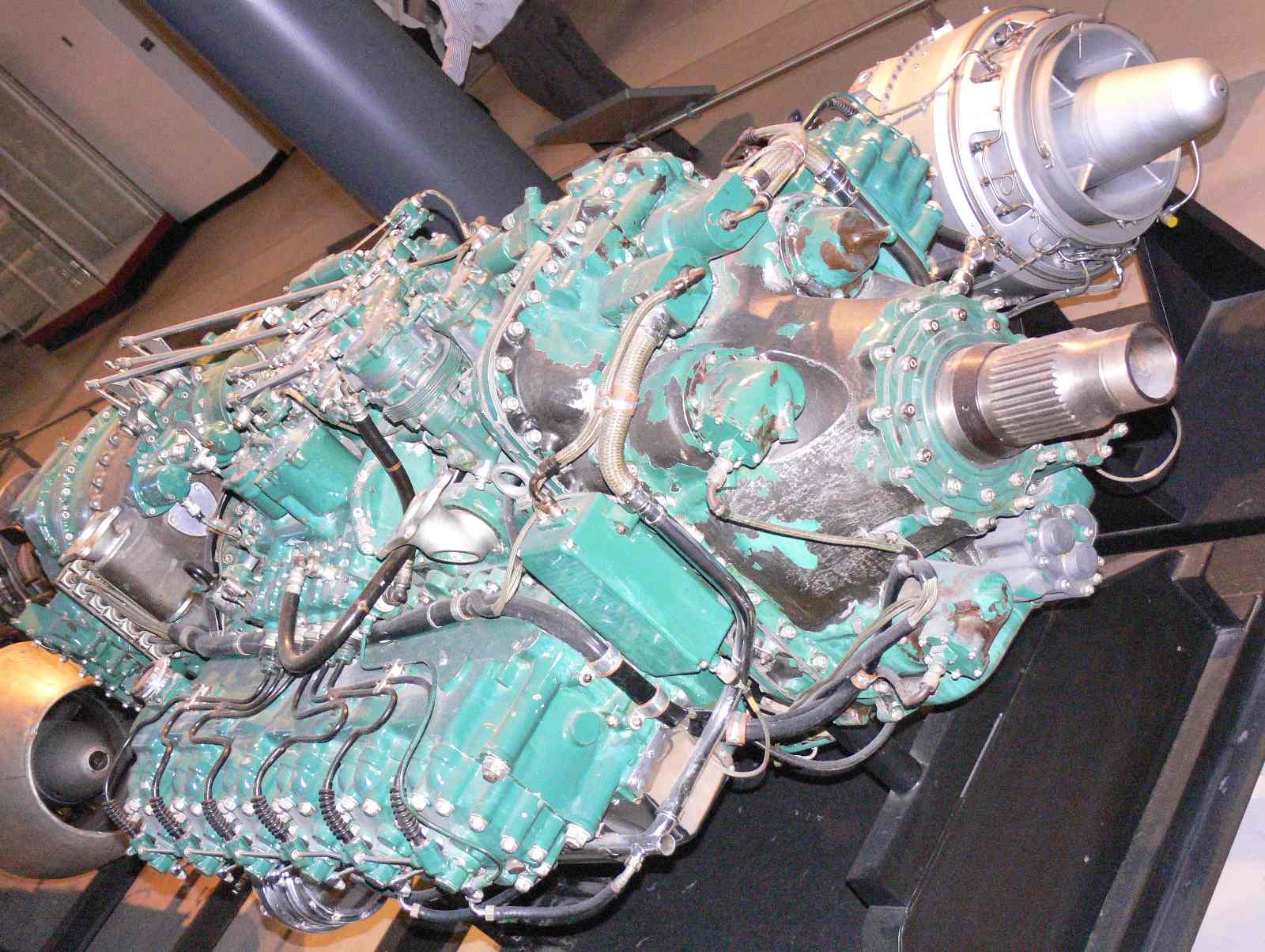
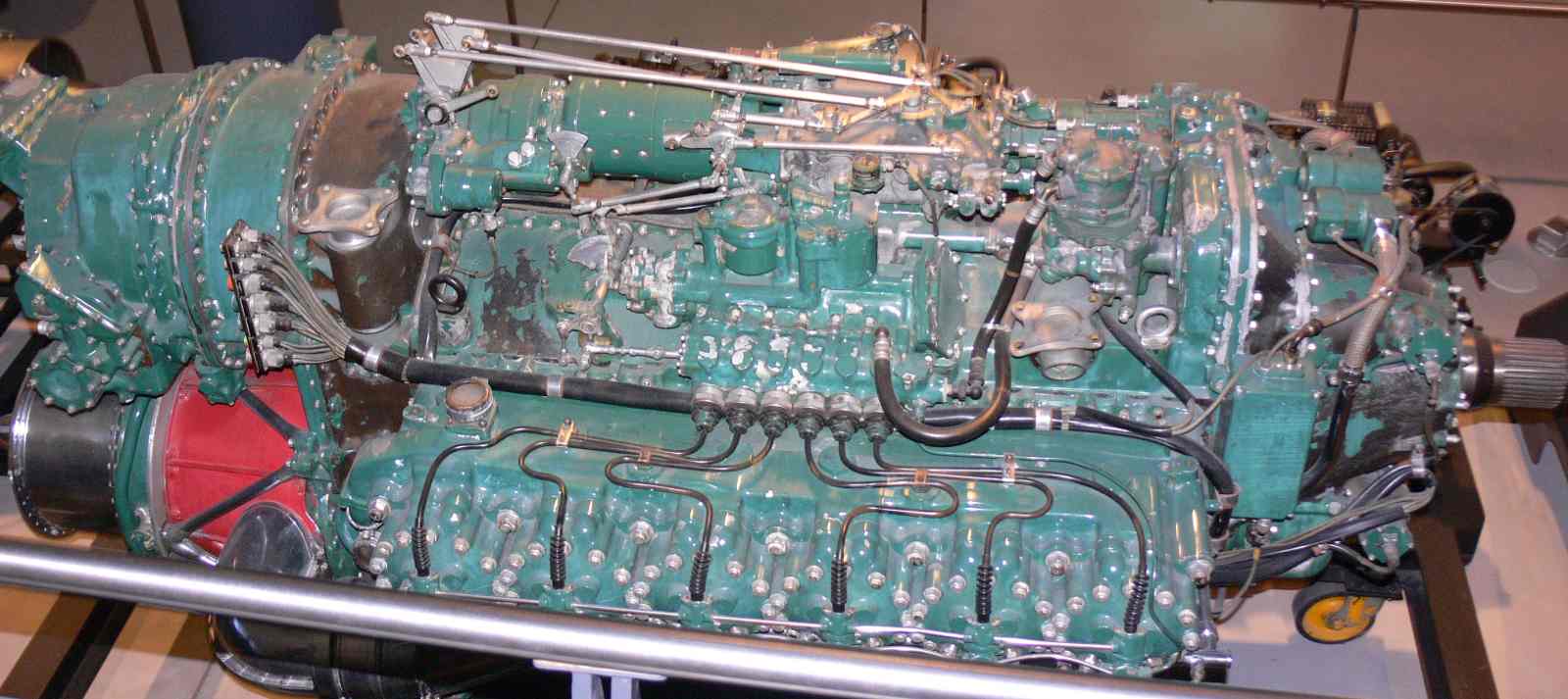
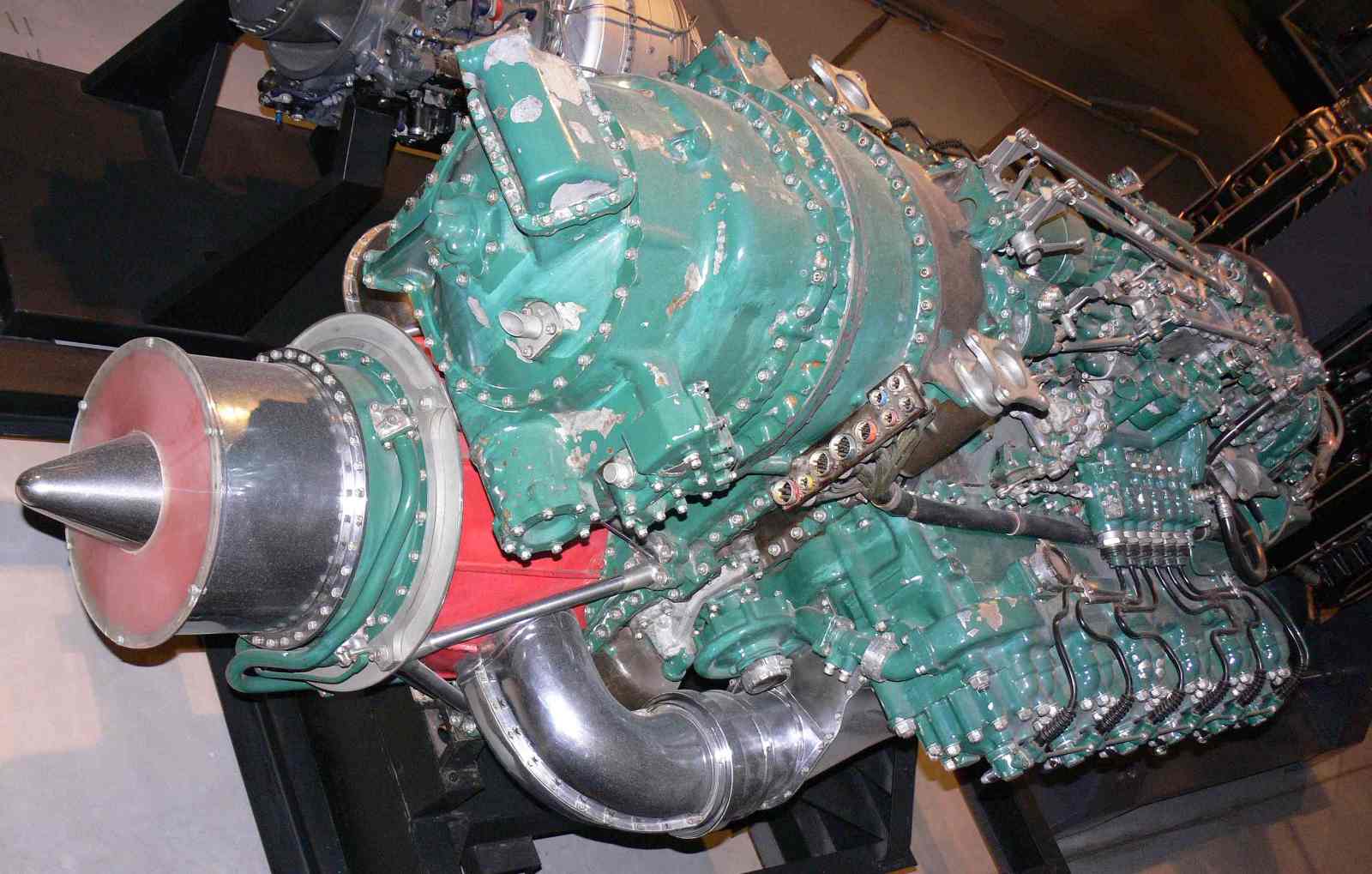
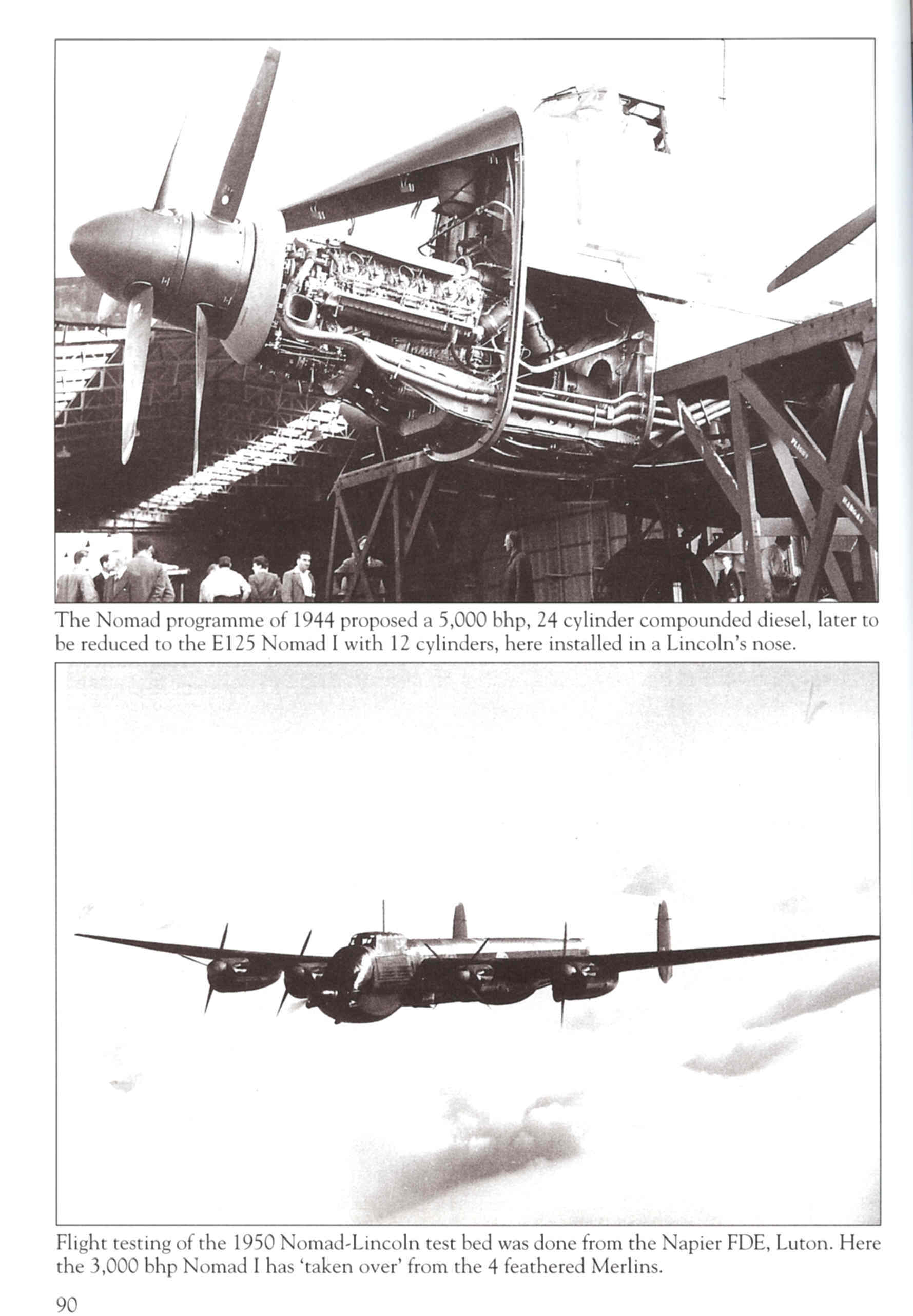
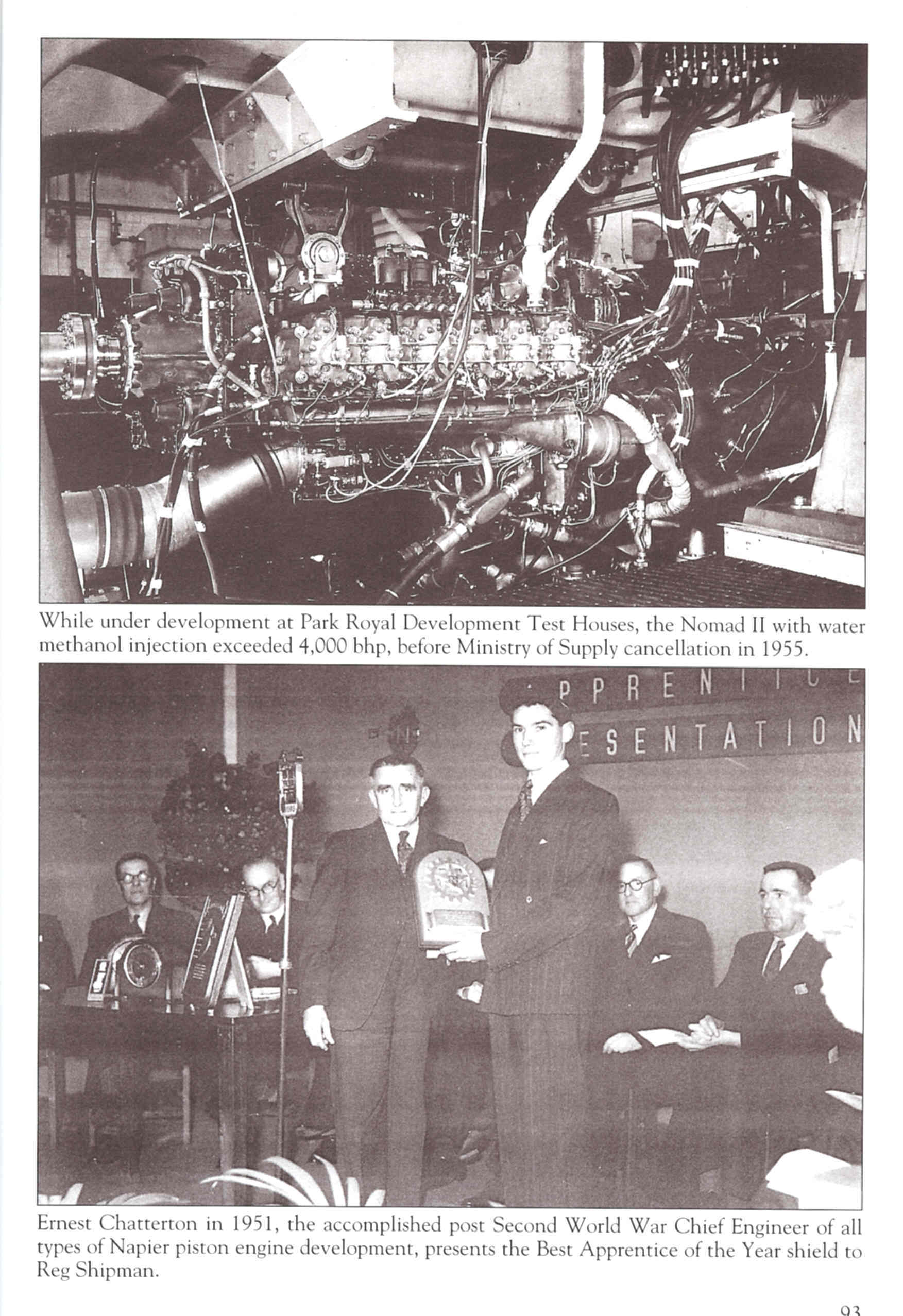
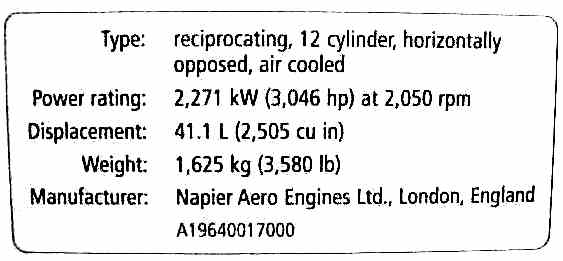
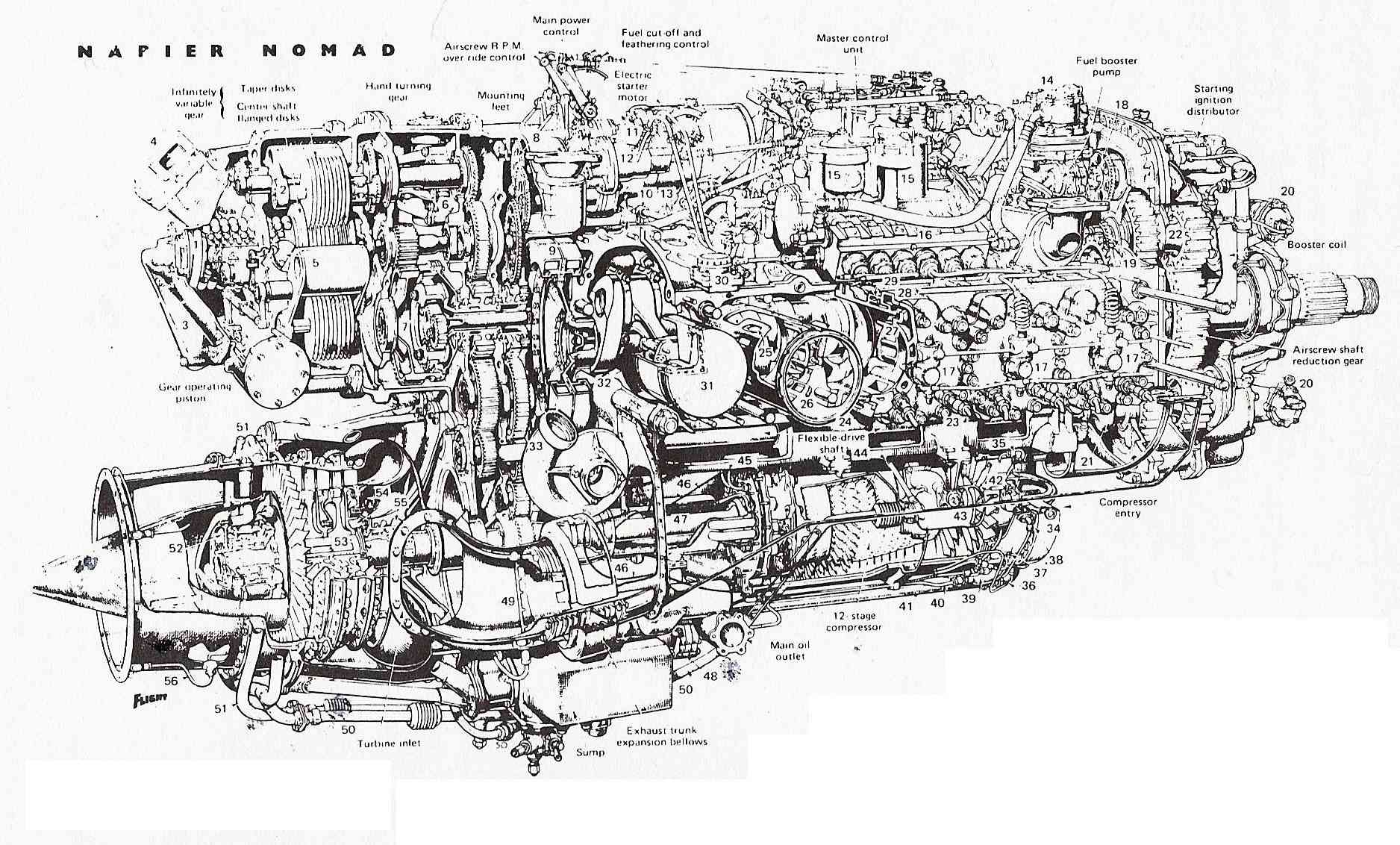
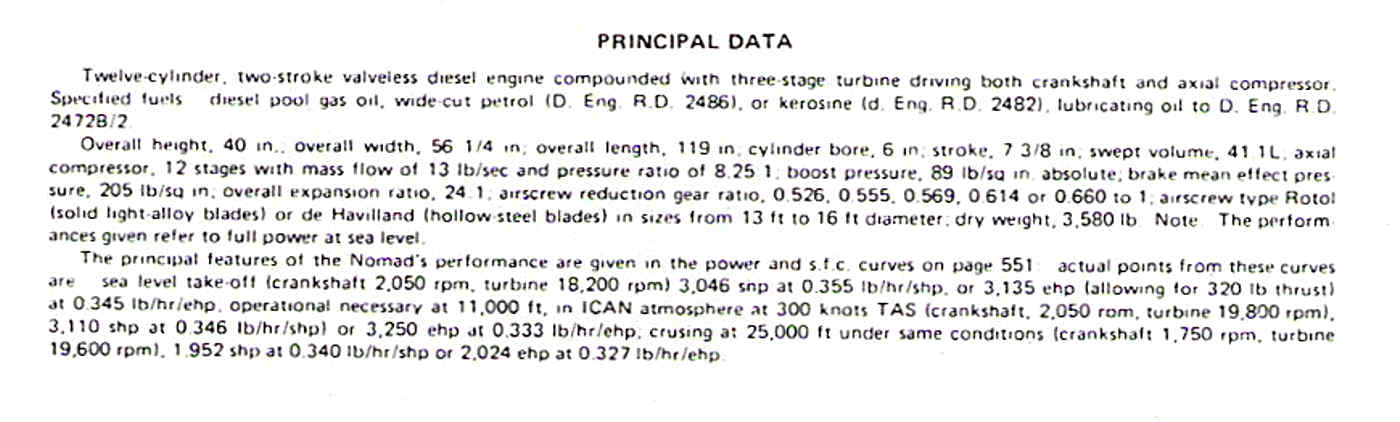
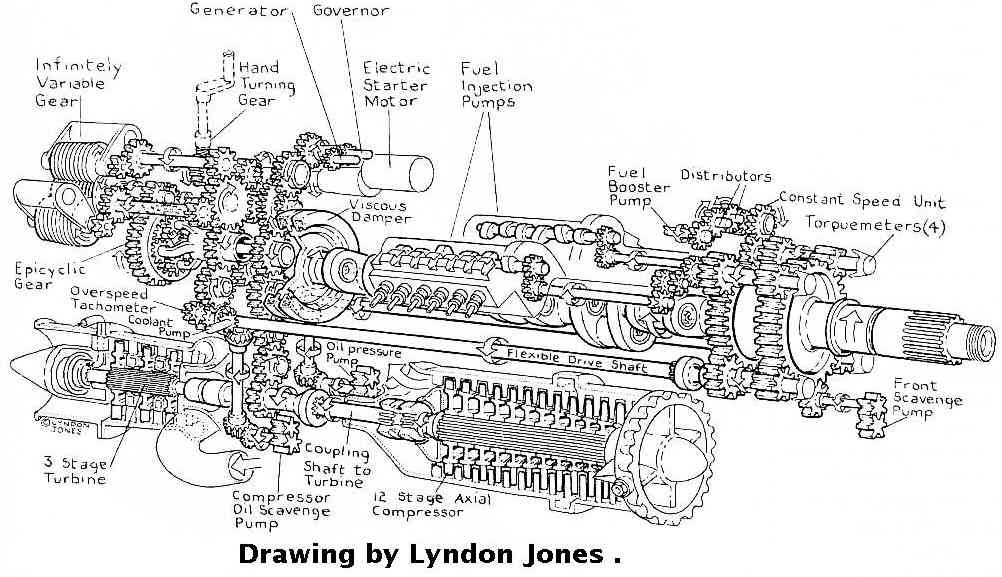
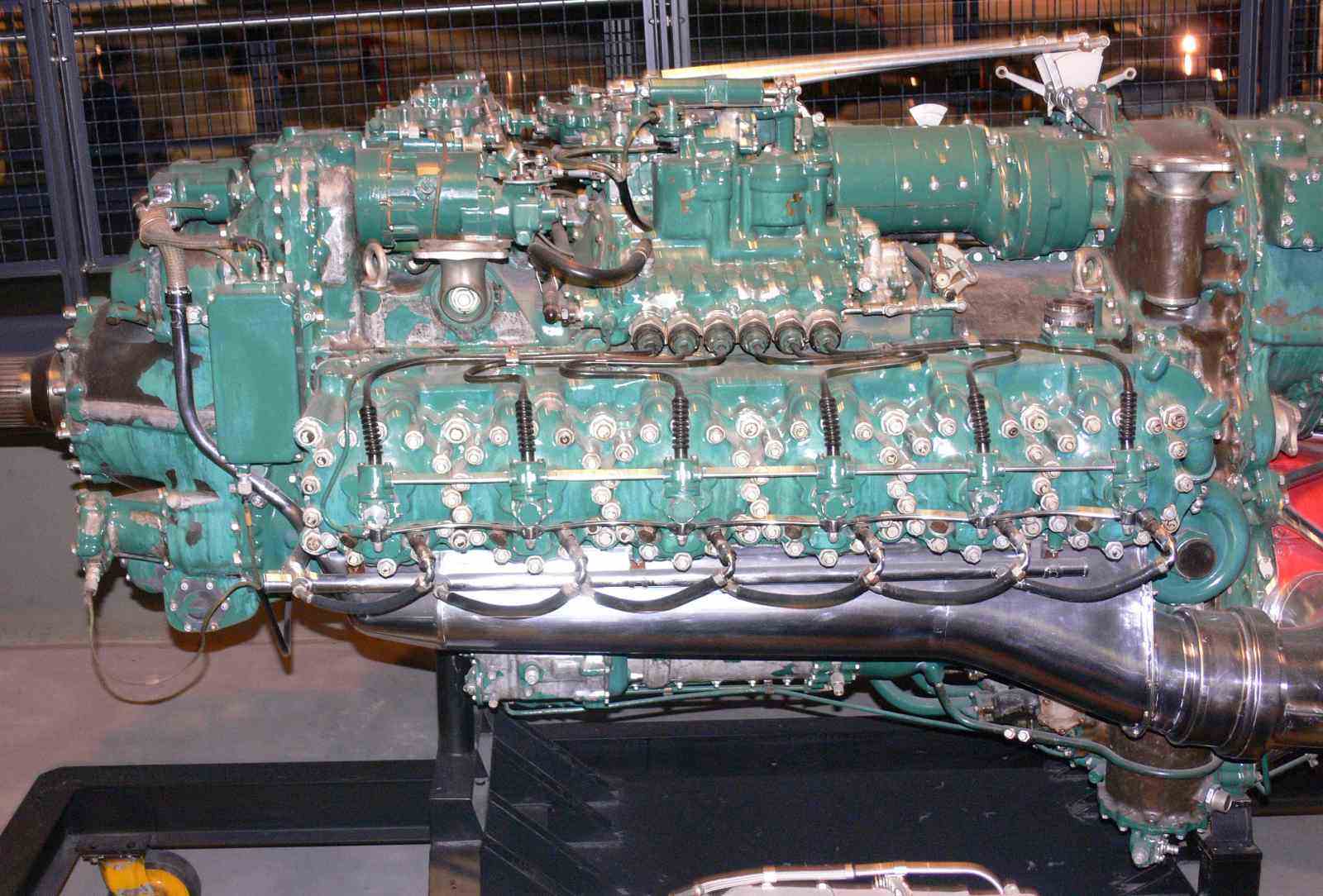
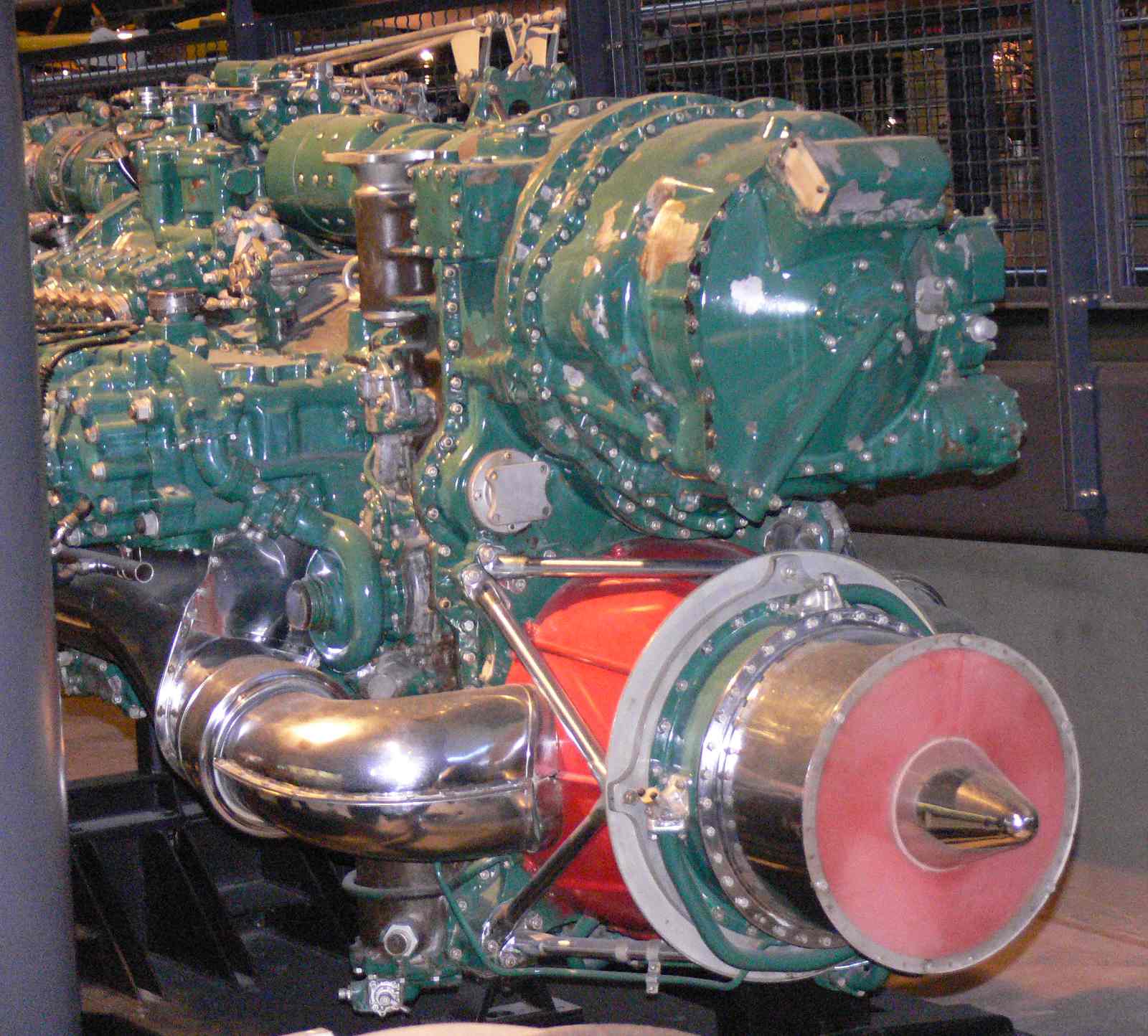
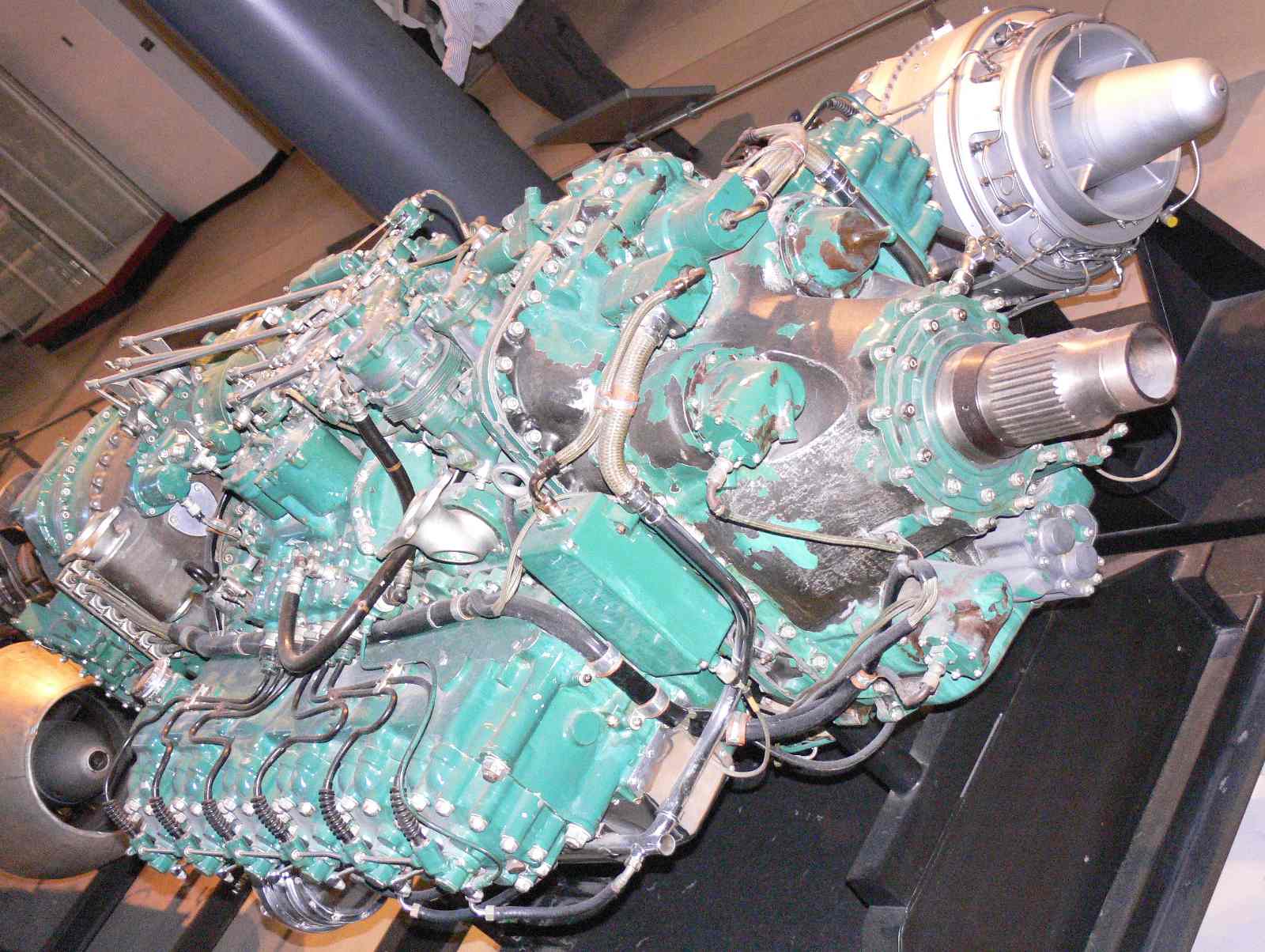
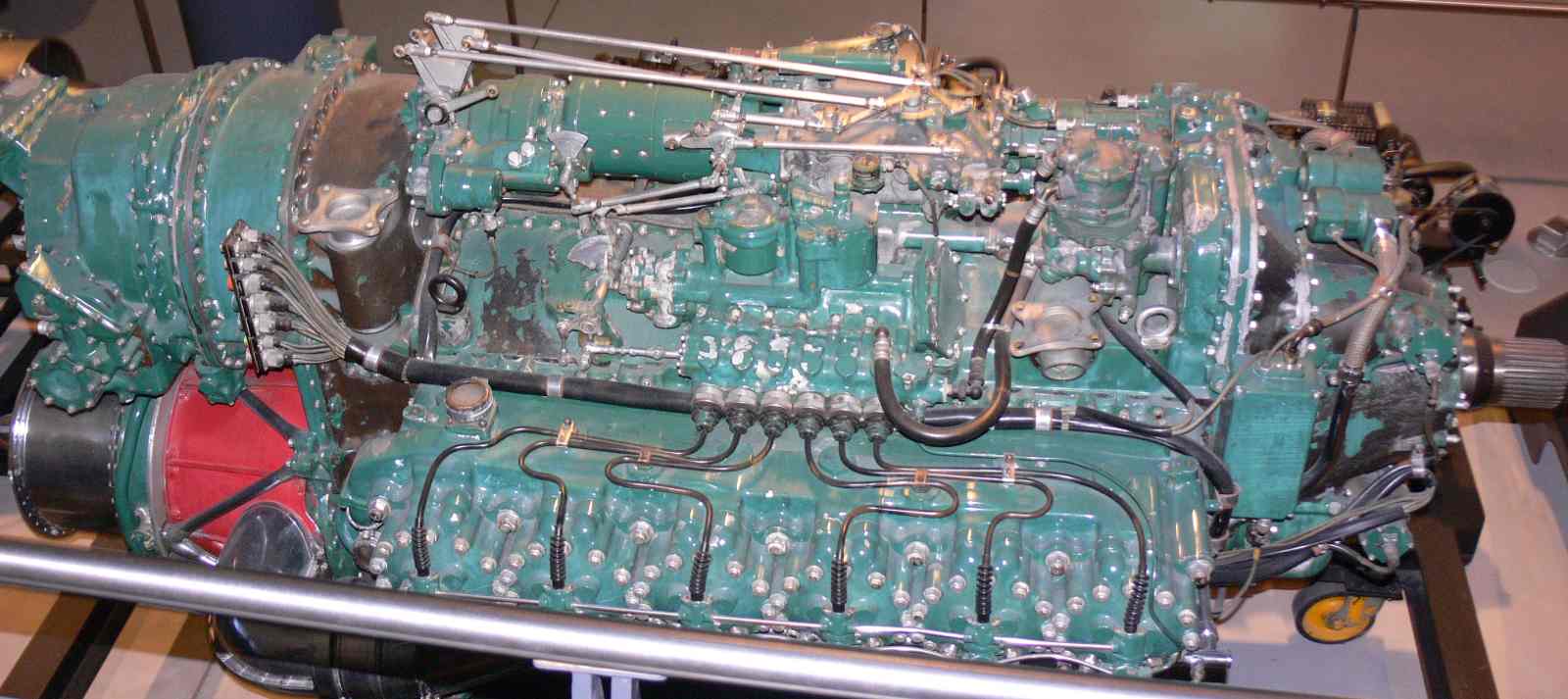
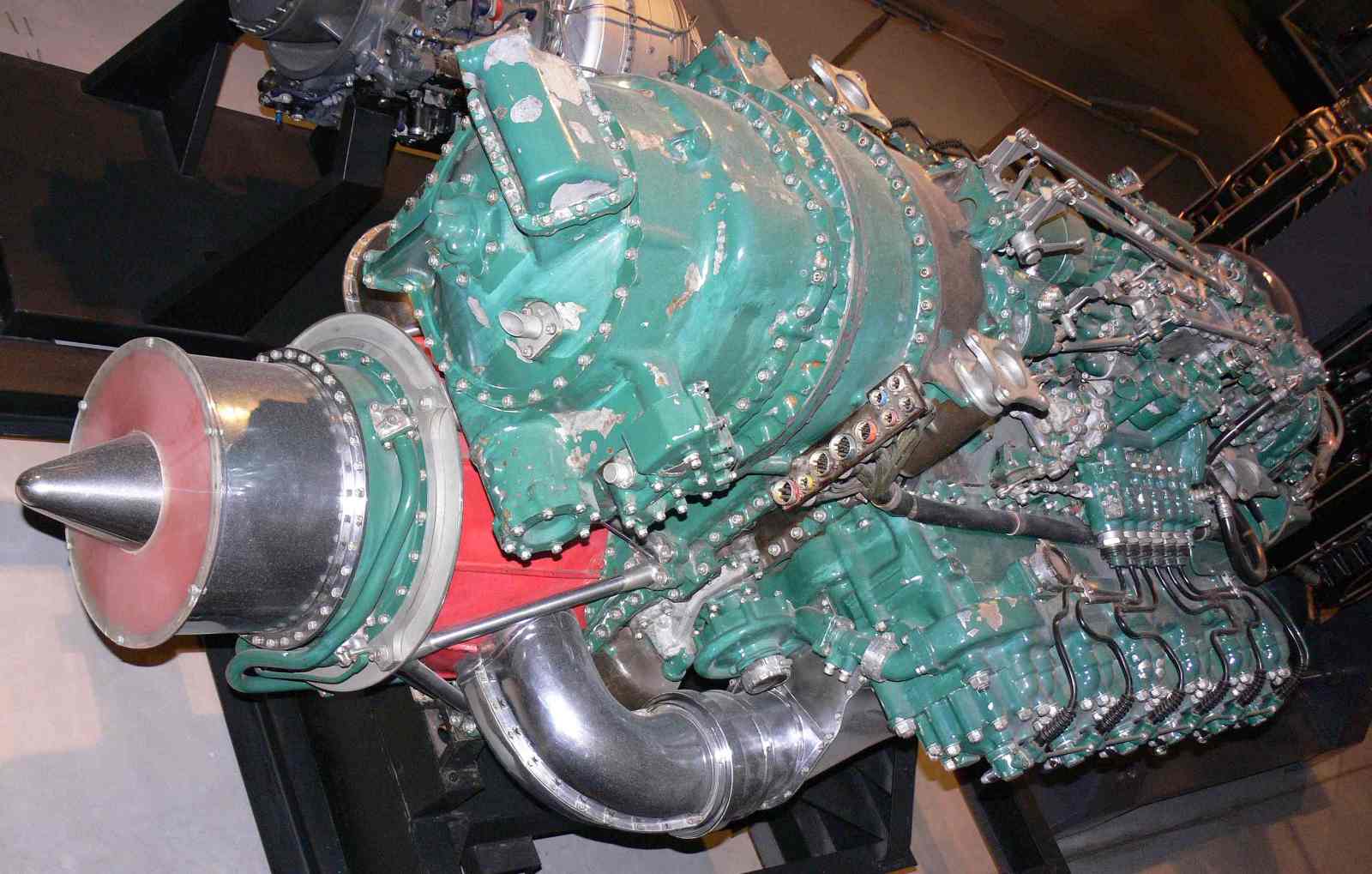
The third turbo compound engine of some significance
was the Napier Nomad. I think there is one in the
Ottawa museum as well as the Hazy. Here is some stuff on it.
Like the rotary it was piston ported so it had the
world record for the lowest BSFC so far.
I cannot over emphasize the importance of the lack
of exhaust valves when it comes to turbo compound.
CW spent most of the R&D money trying to get the
exhaust valves to live.
BTW look into the Detroit Diesel DD15 TC. Power went
from 400 HP without to 450 HP with. The latest version
DD16 is now claiming 600 HP and I think there was no
increase in displacement. The same thing happened to
the R3350 TC. As R&D time went on the detail structural
development improved so too the power. Final versions
were pushing 4000 HP. There appeared to be no end in
sight. I need to find some more specs on the DD16.
As we all know the Mazda rotary is an extremely
robust engine with as much as 450 HP per rotor being
possible. If someone succeeds in making a durable light
weight rotor this number could double along with
maximum RPM.
Paul Lamar
--
The Rotary Engine NewsLetter. Powered by Linux.
ACRE NL web site.
http://www.rotaryeng.net
Youtube key word PaulLamar2
Copyright 1998-2009 All world wide rights reserved.