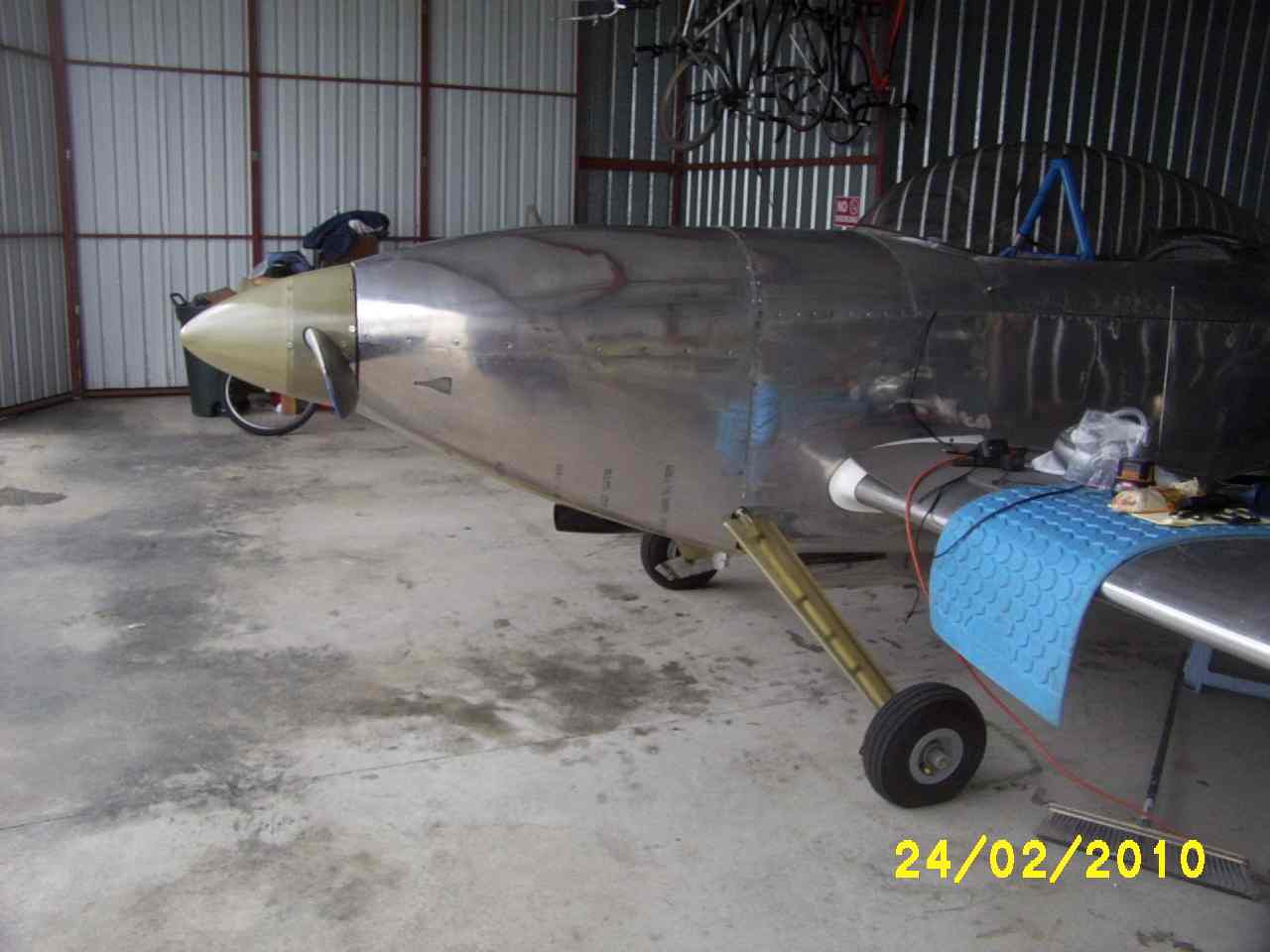
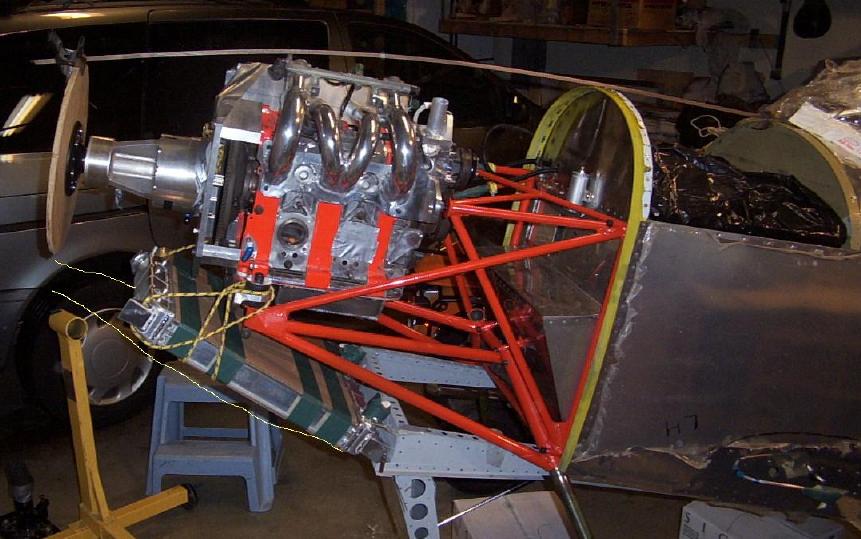
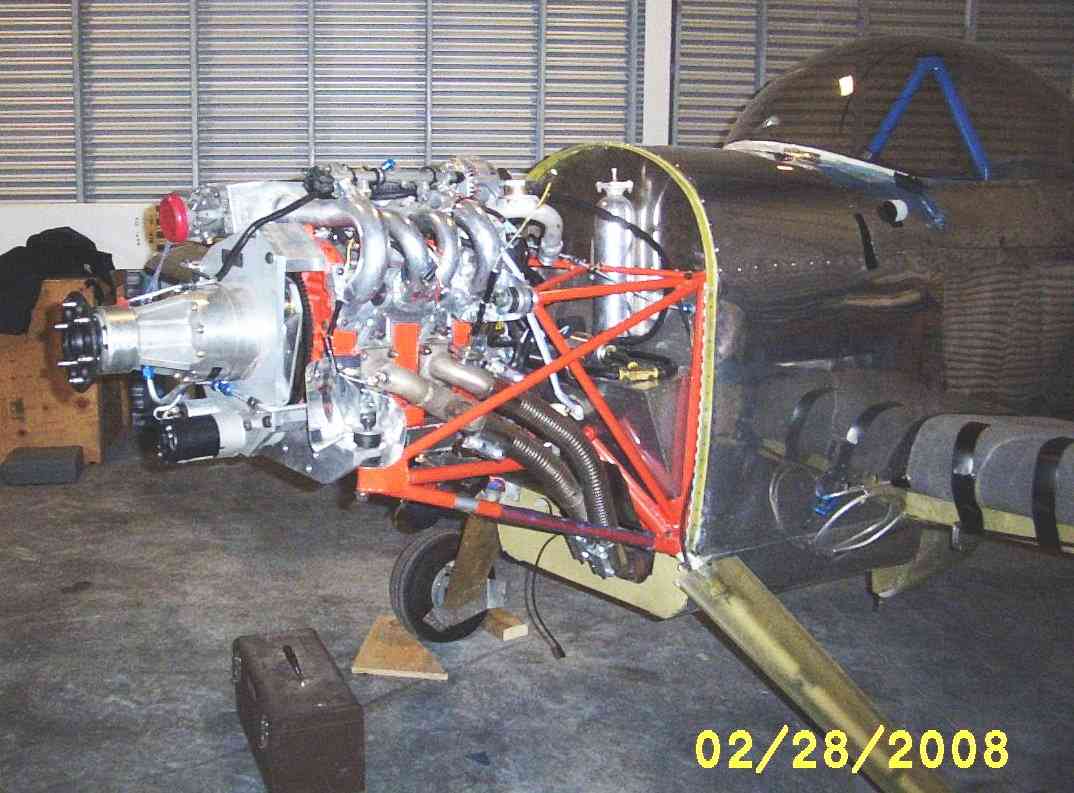
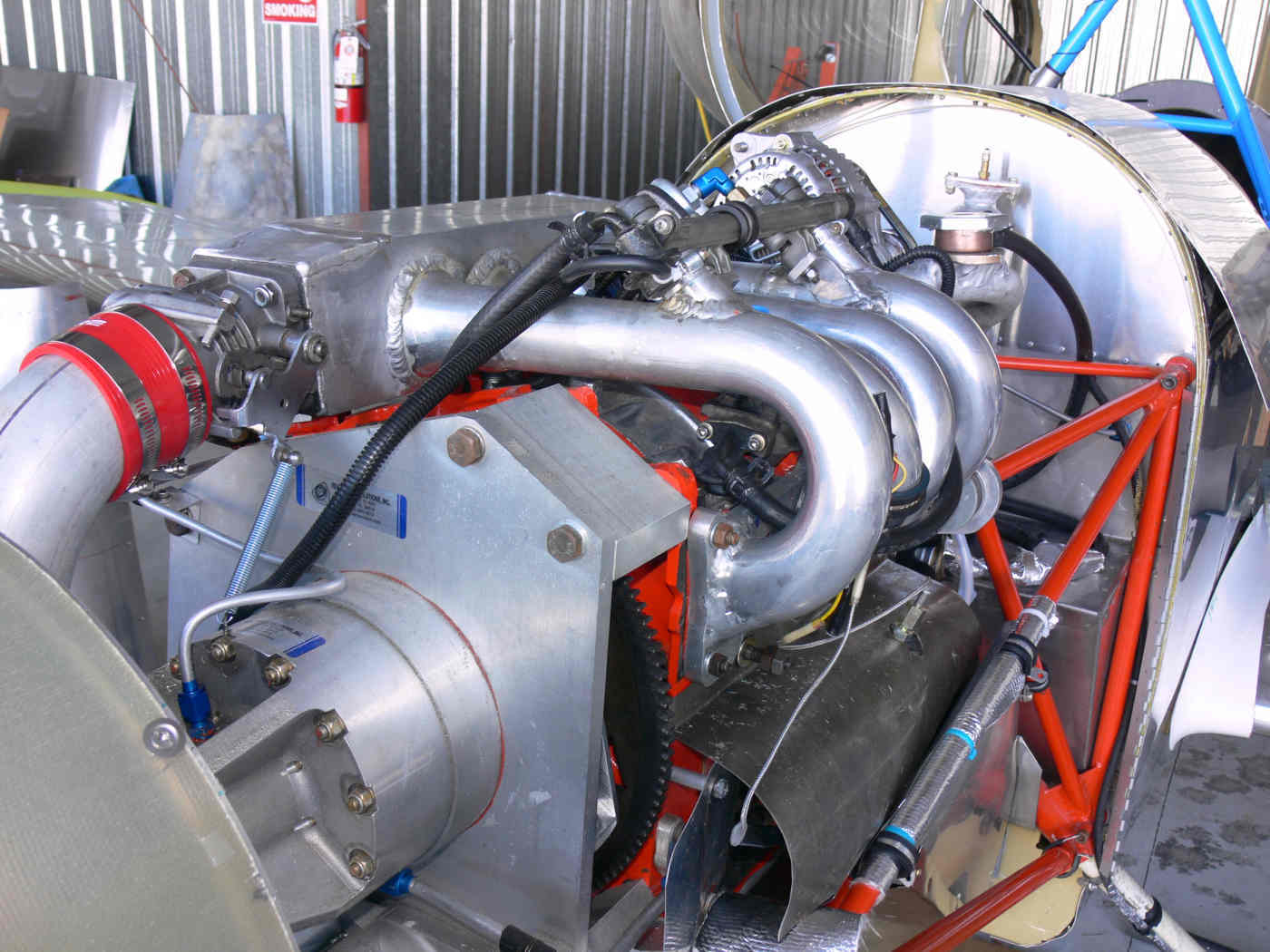
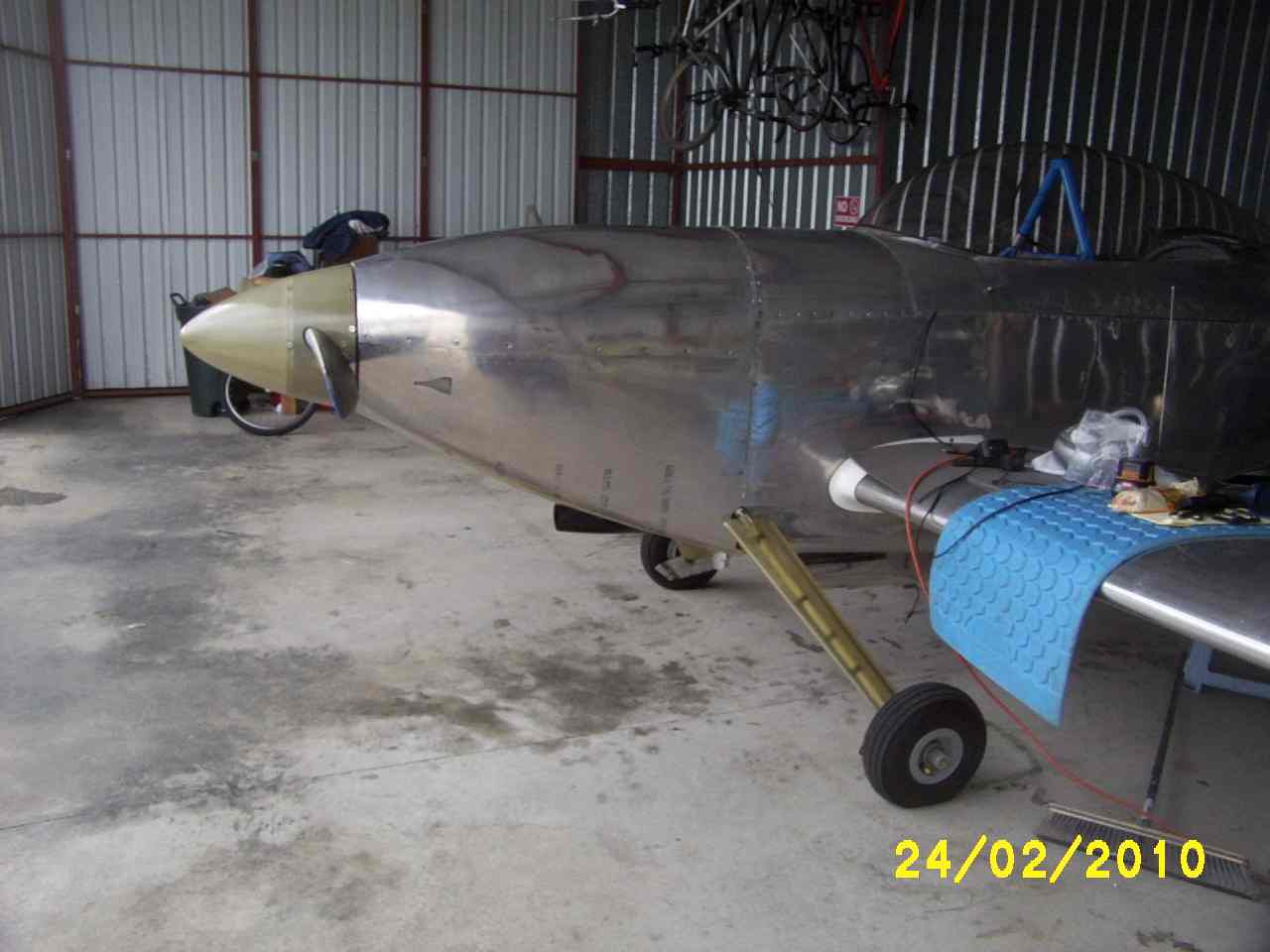
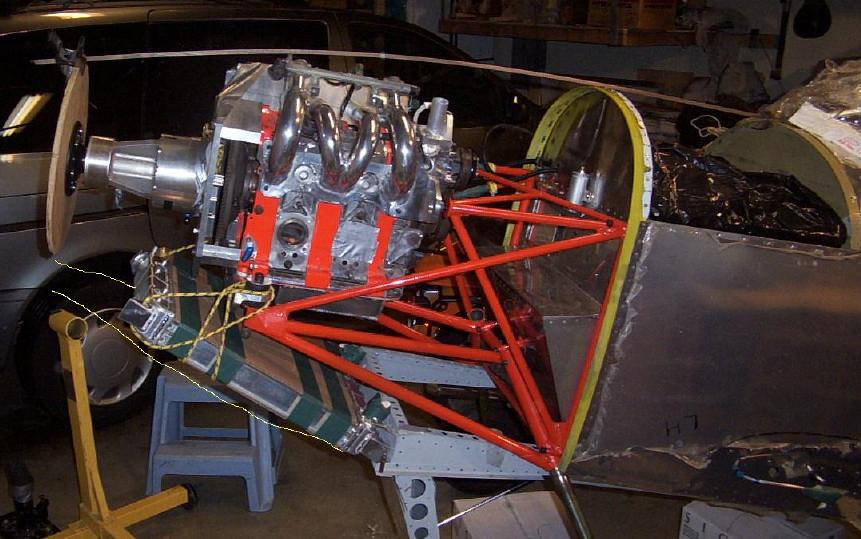
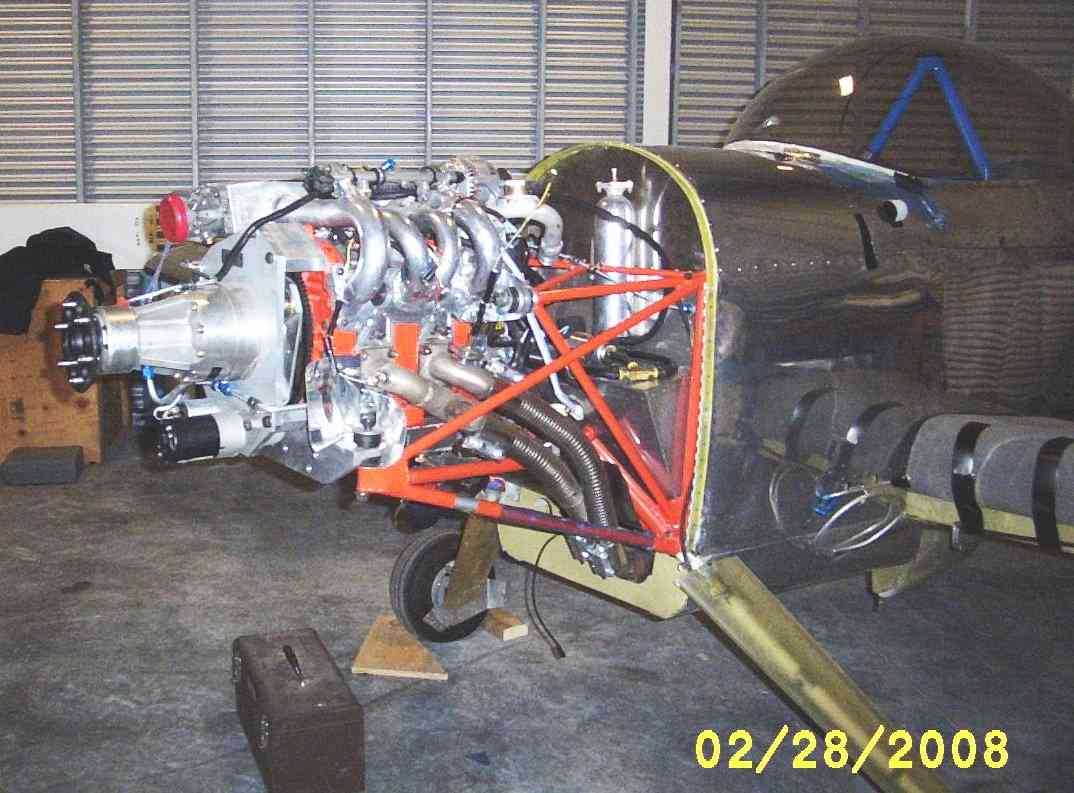
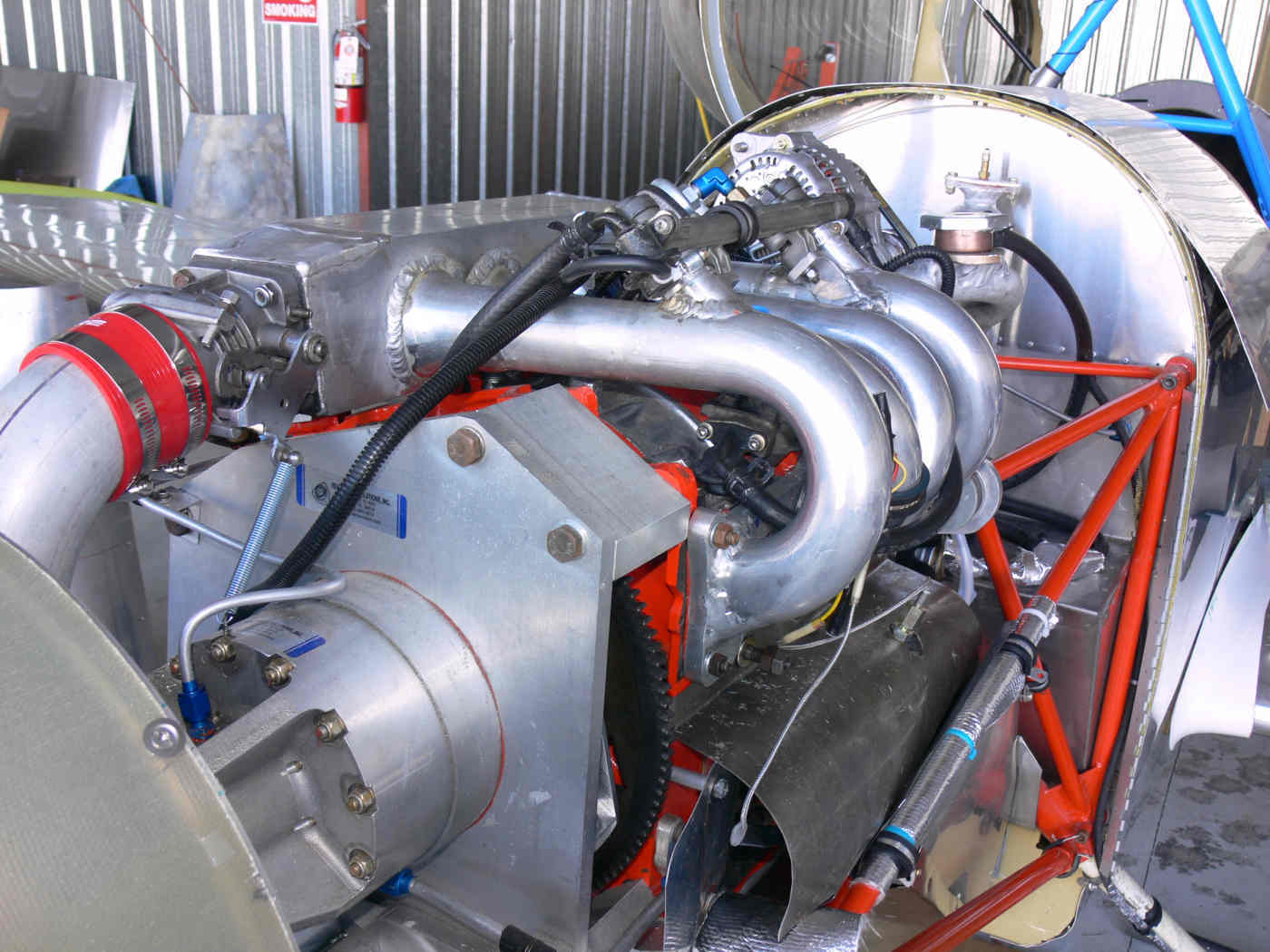
Today was the day of judgement, the measure of my building
prowness- no, not the first flight, but the weight and
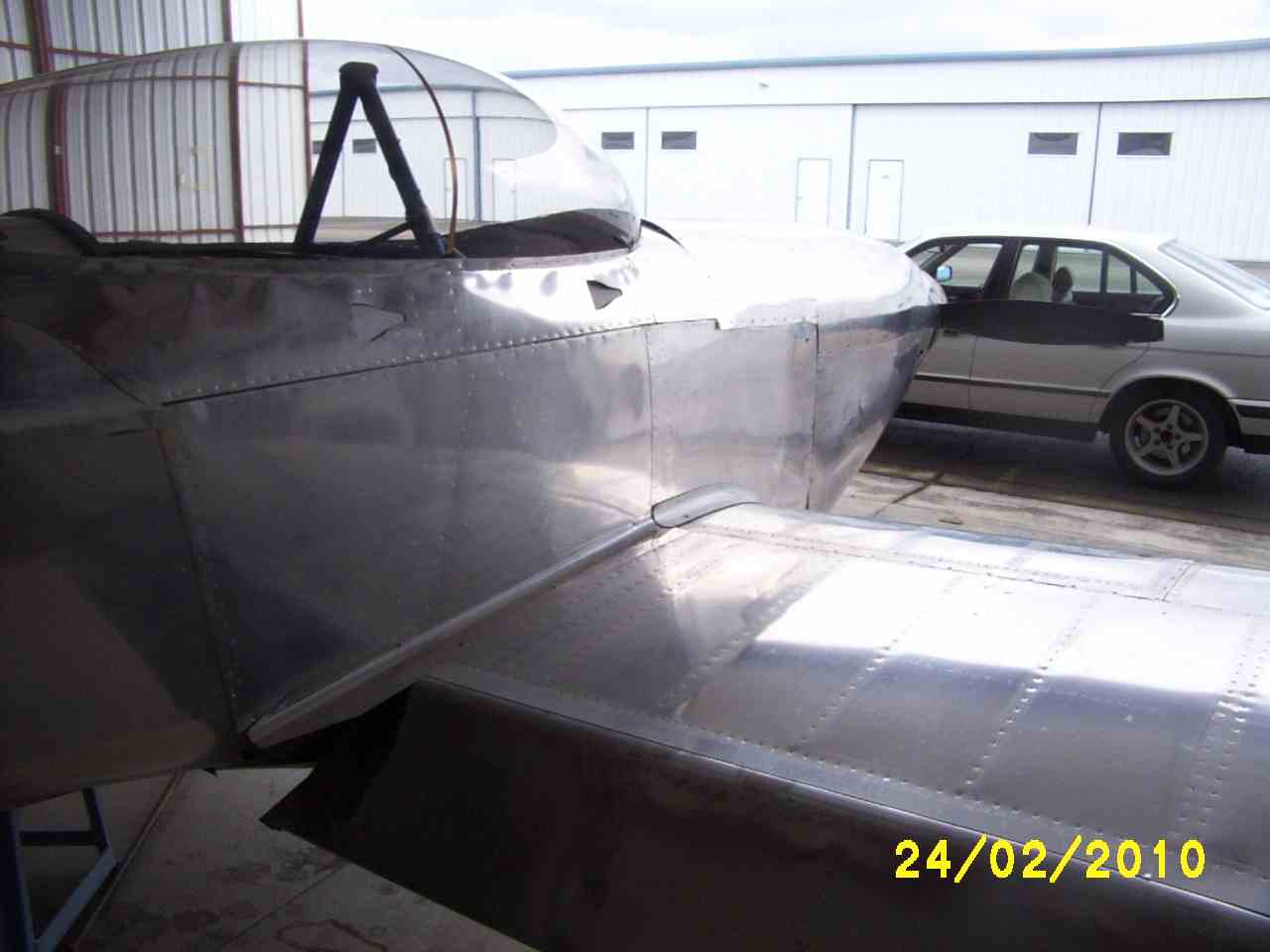
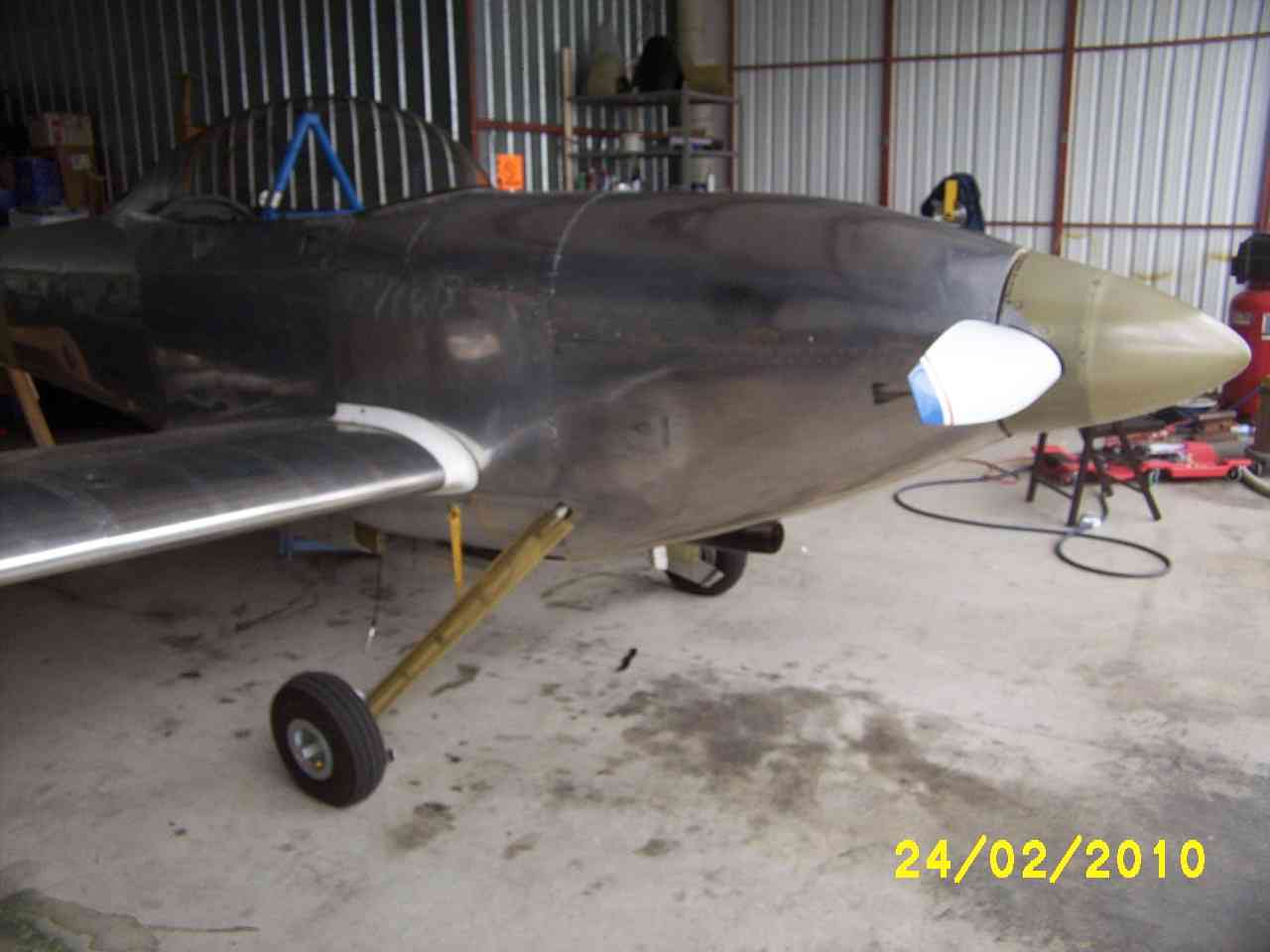
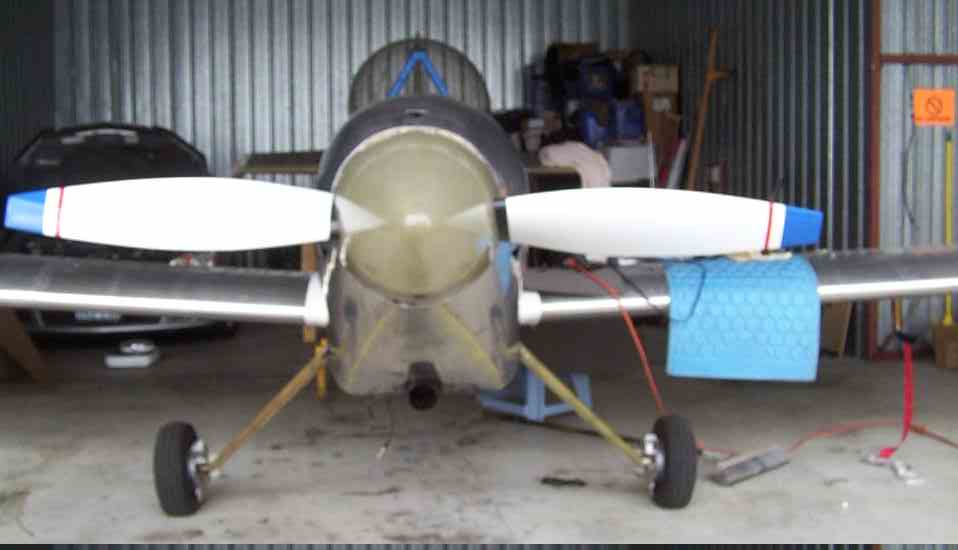
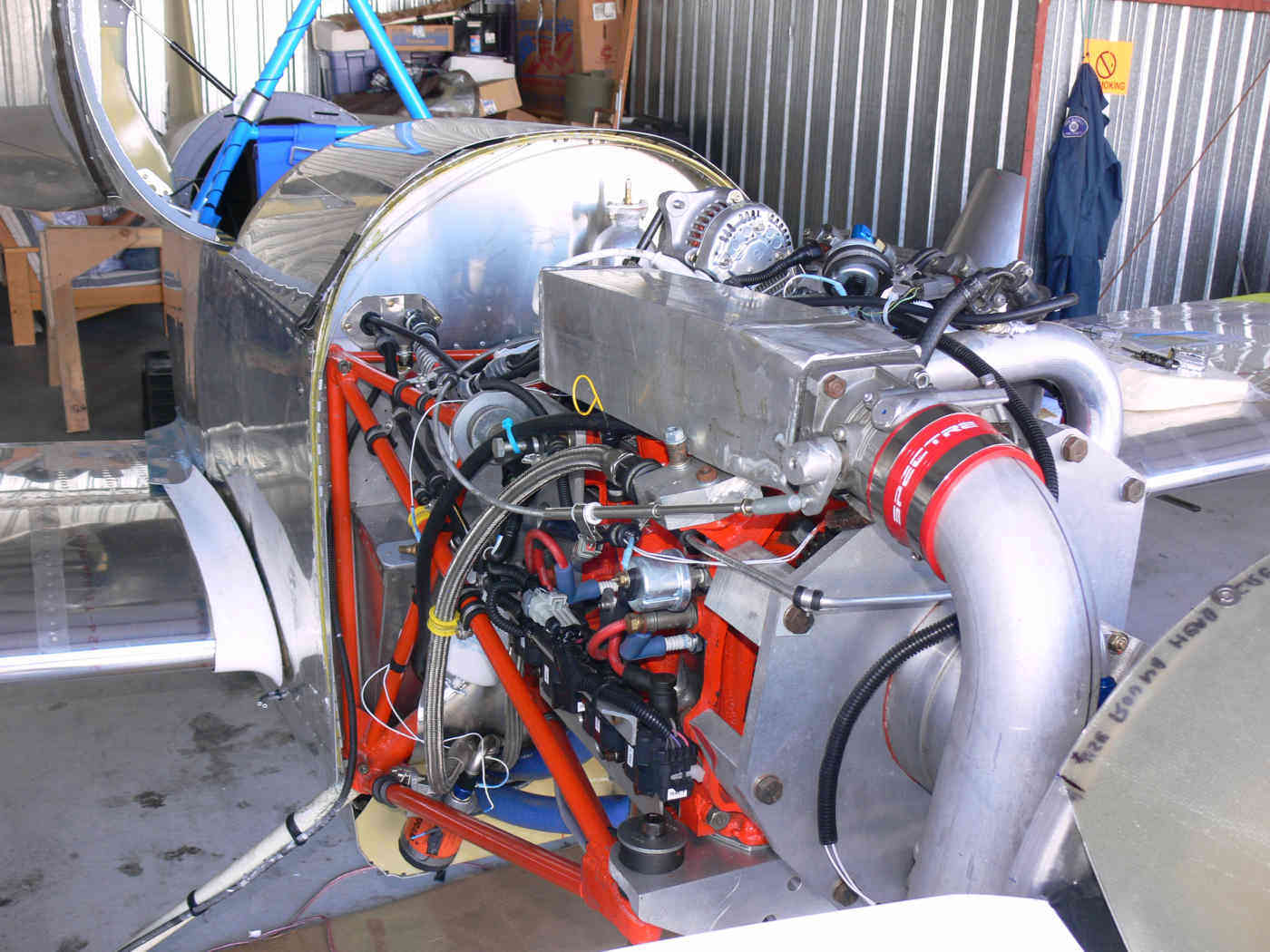
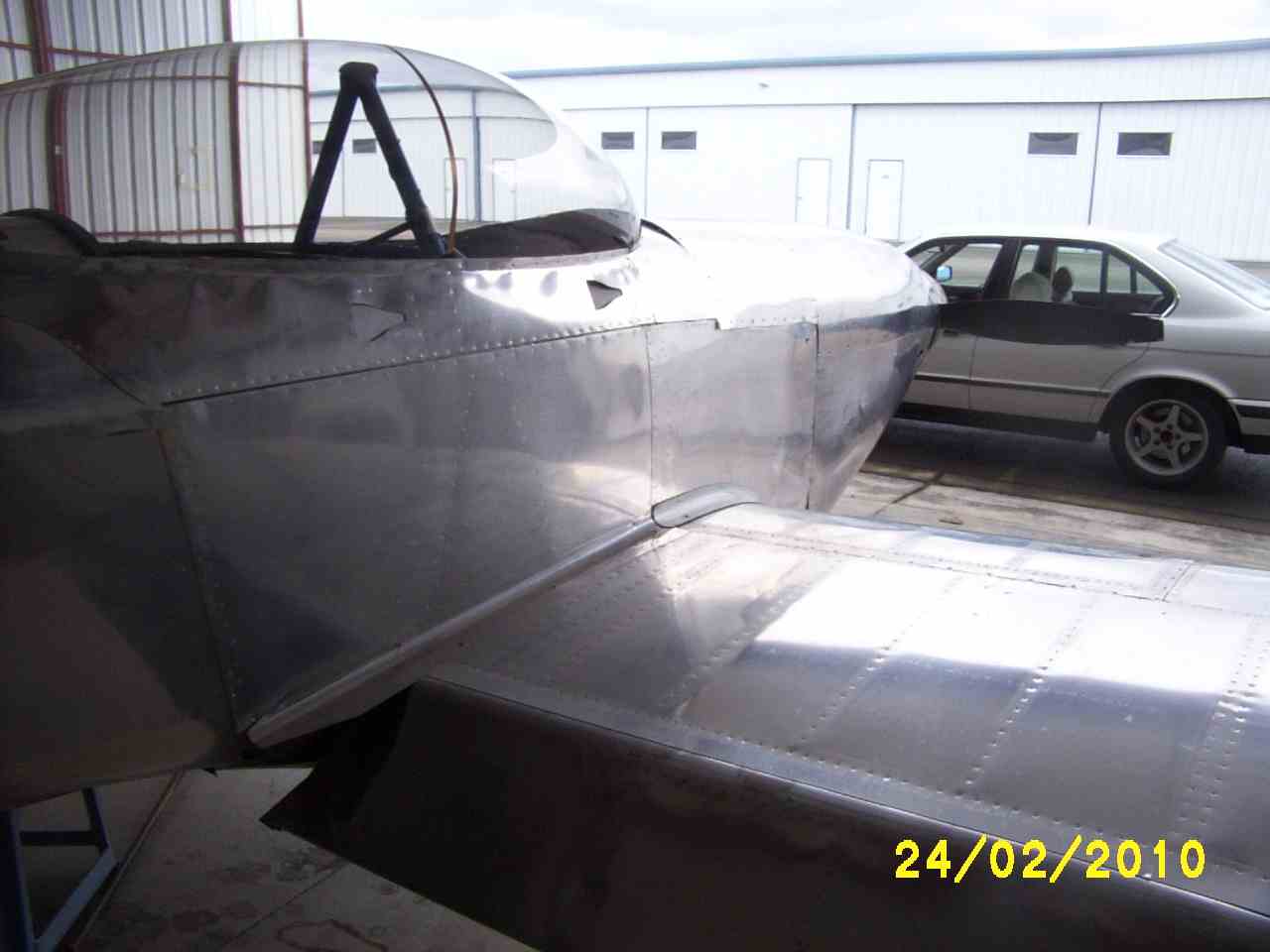
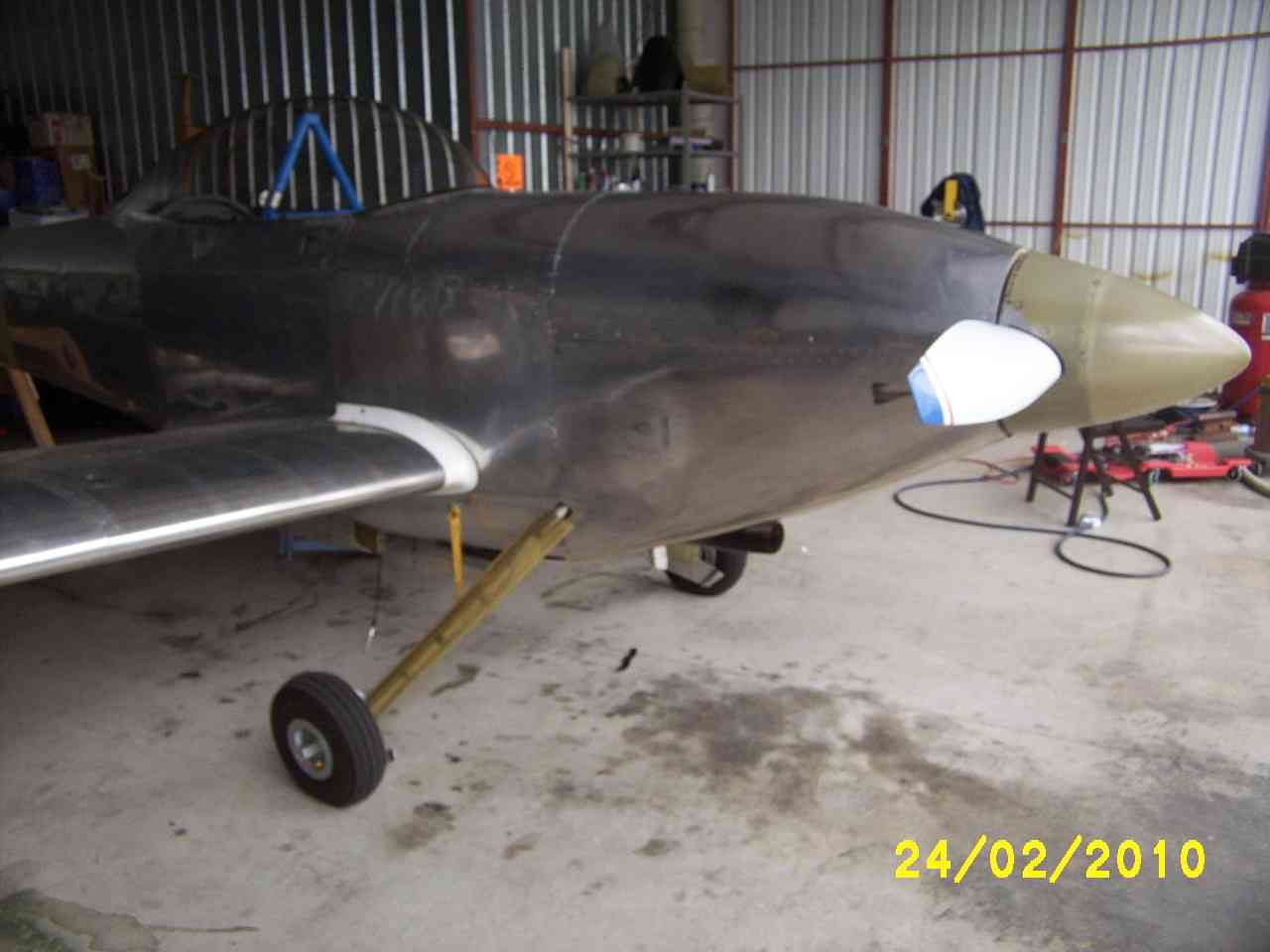
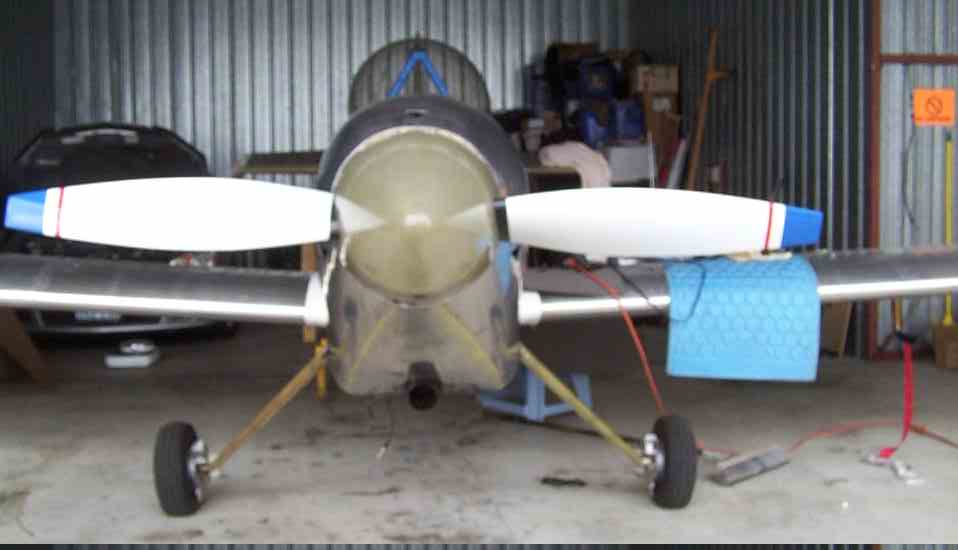
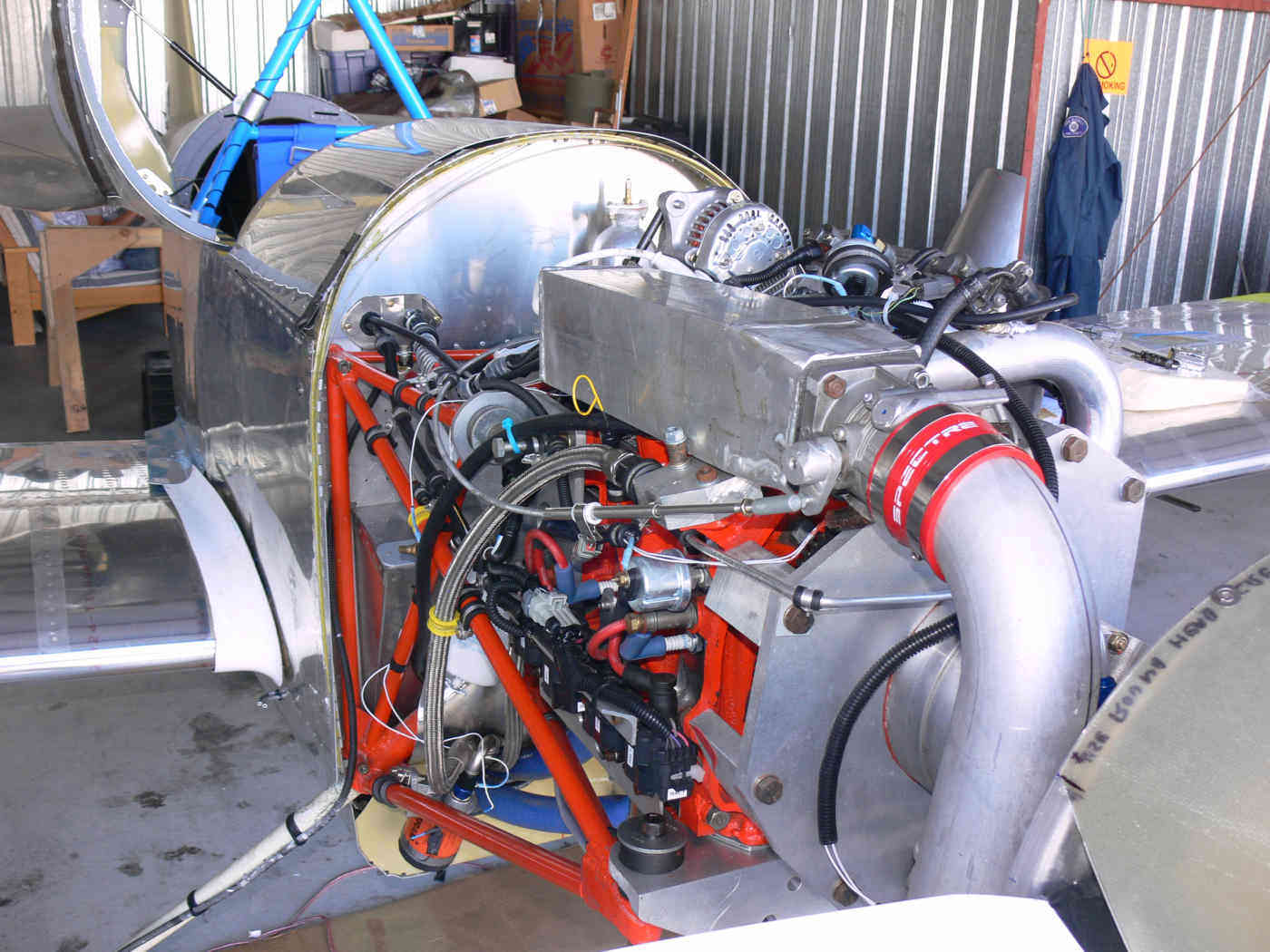
balance. My plane weighs 1091 lbs, weighed as it should
be- no usable fuel, full oil and coolant. I for one would
go with the aluminum housings if they cost me up to $1500
more than the cast iron ones. If they saved 70 lbs total,
that would be around $21 for each pound saved, to get my
plane down to a more svelte 1021 lbs. I'm sure I could
probably get another 15 lbs off if I did some weight
reduction on my Shertz beam front mount, along with other
things. I also went a bit heavy on my engine mount- 1"
dia x .049 thick tubes on some of the mount. I at least
have confidence that my mount should hold up. The CGs all
work out OK- design range is between 6 8.7 -77.7 inches
aft of datum. Here is how it works out:
Vans states that most RV-4s come in around 950 lbs. Gross recommended is
1500 lbs.
Mine:
Empty 66.2, wt.1021 lbs with 180 lb pilot, but no
fuel-68.51, just a bit out of CG by .2 inches, total wt.
1271 with 180 lb pilot and full fuel 68.8, total wt. 1465-
with 35 lbs baggage- cg-70.38 total 1500
If I want to take a passenger with full fuel and baggage,
they'd better not weigh a thing, or I'll be flying over
gross recommended weight.
Brian Trubee
Jeff's motor plate will help as it in effect eliminates the 9 pound weight
of
the Scheretz beam. It weighs about the same as Tracy's plate but
the motor mounts are built in. Not helpful for Brian as he is too far
gone for a new motor mount.
One inch .049" tubing weighs about .0462 pounds per inch. Four pieces
30 inches long therefore weighs 5.5 pounds. 3/4 OD .049 4130 tubing
weighs .0346 pounds per inch so if you replaced just the top two tubes
with 3/4 you would save 2 pounds. Careful design is important with
no tubes in bending.
I think 10 pounds can be gotten out of Tracy's gear box with out too much
trouble. See the attached PSRU parts weights.
Aluminum end housings are $1500 each. I am not sure about the TBO however.
If you are 100 pounds over gross your climb rate assuming the
same power will be down 1500/1600 or .9375%. Top speed will hardly
be affected. If the climb rate is given as 1500 FPM with a 150 HP
O-360 than a P-port rotary would be about 2500 FPM. I suspect a
few pounds would be saved in the intake manifold with a p-port
slide throttle setup.
--------------------------------------------------
Correction on the tube savings. 30 inch 1 inch OD tubes
weigh 1.375 pounds each for a total of 5.5 pounds.
So you would only save about a pound and not two pounds.
If a tube is in tension or real short use 3/4.
Also 2500 FPM P-port estimate is a bit high. More like 2000 FPM.
Paul Lamar
I was reading a reply to my posting "weighty matters" and saw that I had mis stated the
weight of the airplane. It is not 1021 lbs, its 1091 lbs, EMPTY. That's 140 lbs over what
they generally come in at. Not something that would sell a rotary engine conversion.
Obviousy, this is much more than I wanted to end up with, but I'll fly it and then start a
Jenny Craig program for this airplane.
Brian Trubee
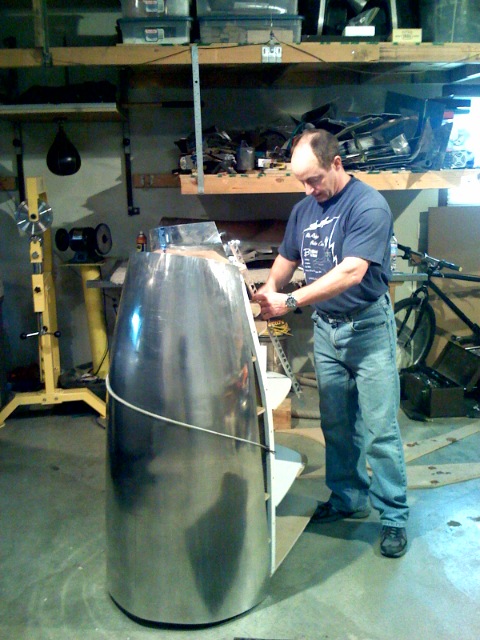
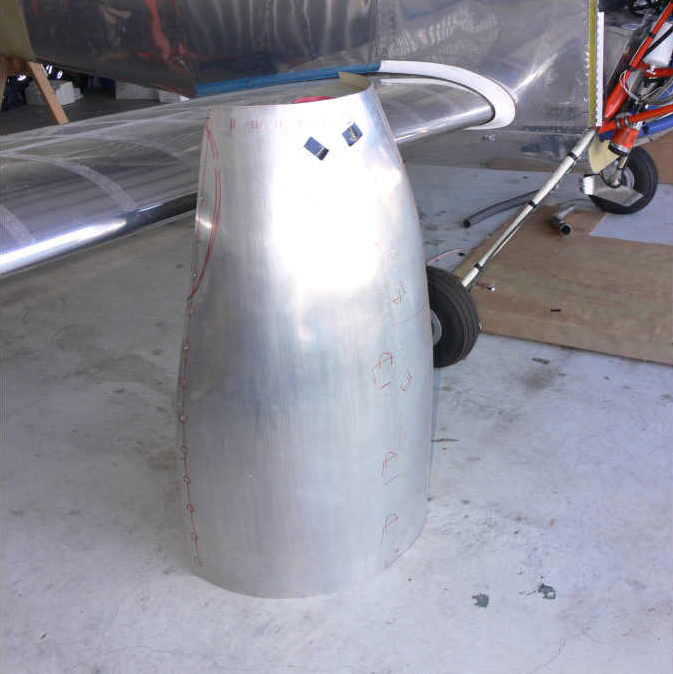
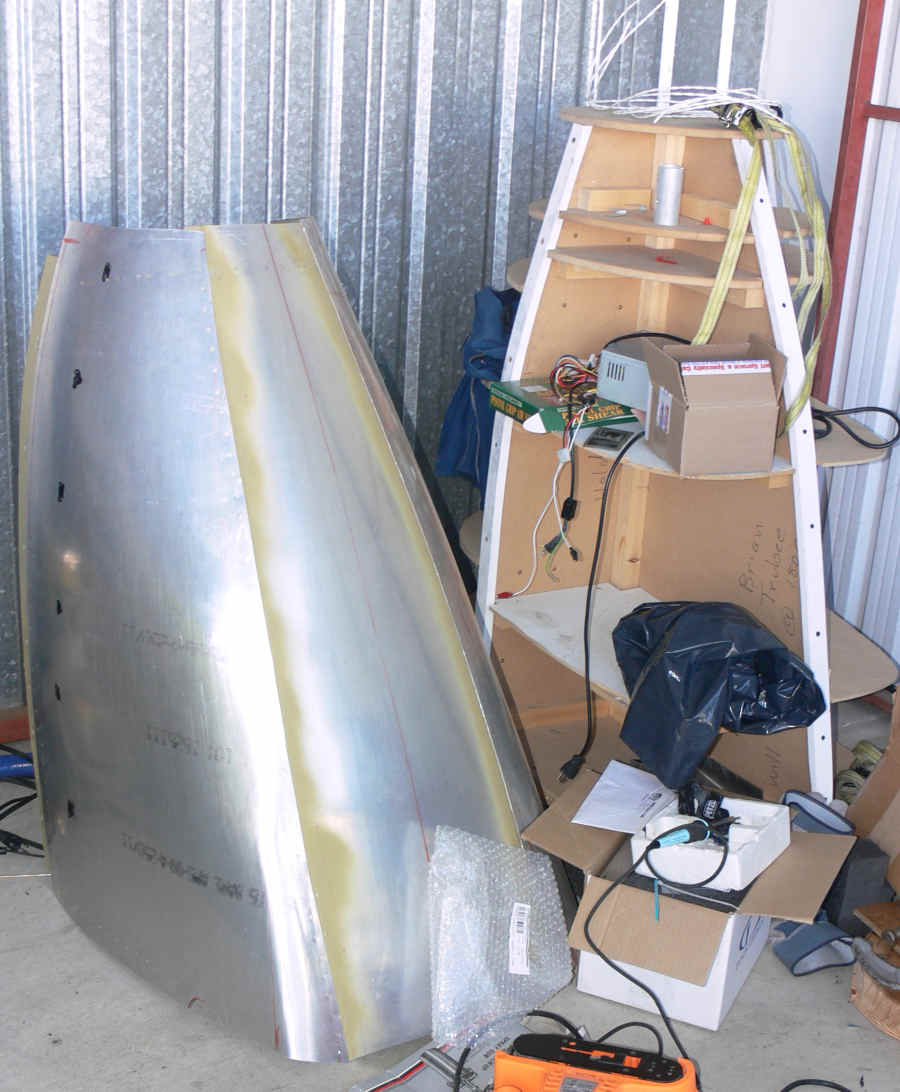
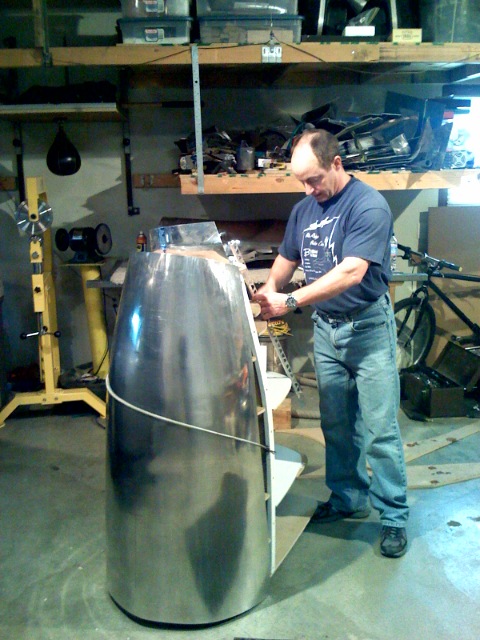
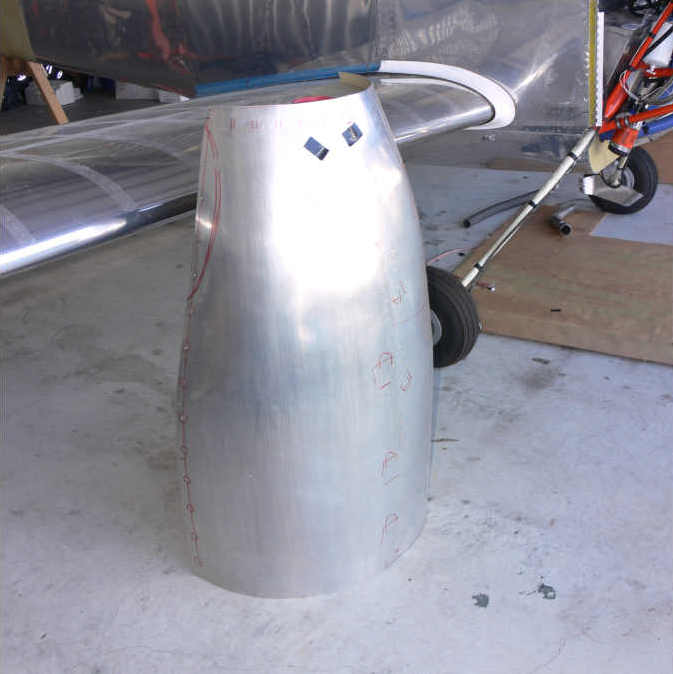
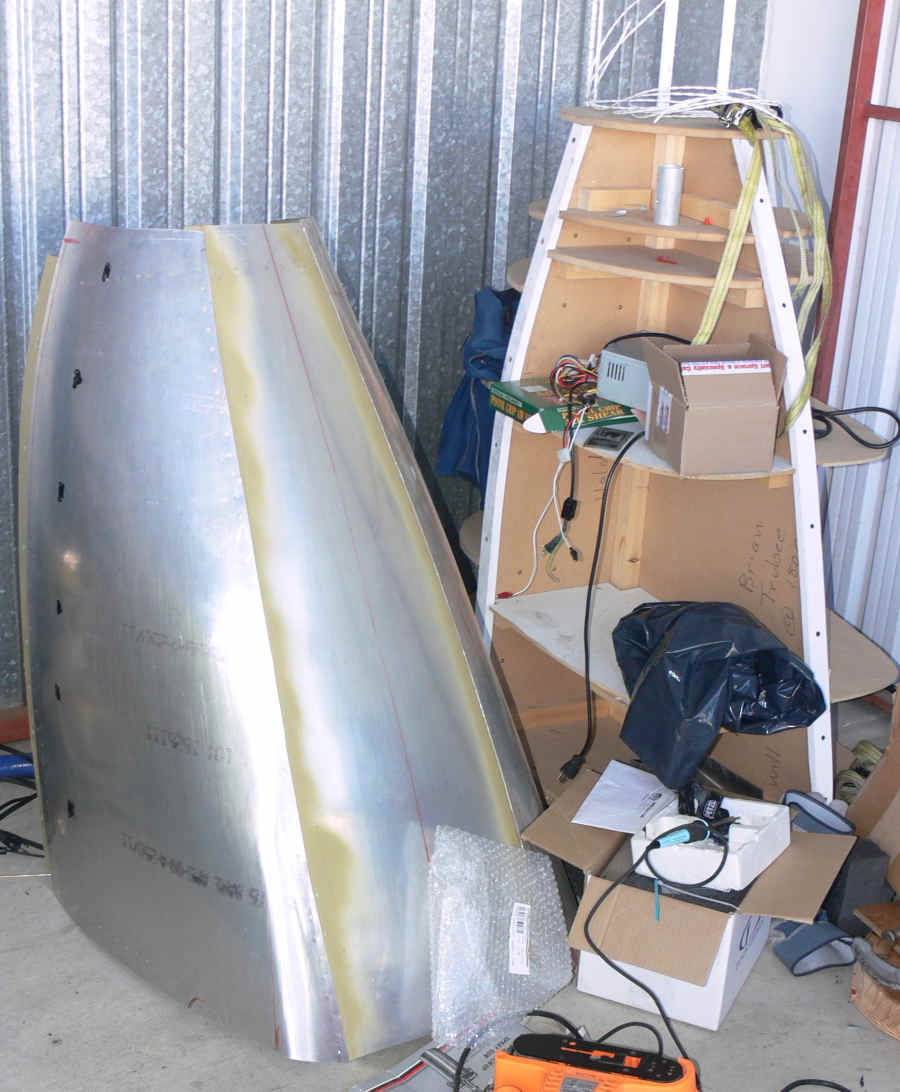
Brian, What does the aluminum cowl weigh and how does that compare to the
stock cowl? How thick is it?
Mike Wills, What does your RV4 weigh?
Paul Lamar
--
The Rotary Engine NewsLetter. Powered by Linux.
ACRE NL web site.
http://www.rotaryeng.net
Youtube key word PaulLamar2
Copyright 1998-2009 All world wide rights reserved.