http://www.haltech.com/
Source: 8.6 to 16.5 Volts DC
Consumption: 530mA @ 12Volts DC
Physical Dimensions:
ECU Dimensions Length: 154mm (174mm 6.85" with MAP nipple)
Width: 158mm 6.22" Height: 42mm 1.65" Weight: 680g 1.5 pound.
Price: $1,587.00
Includes Free Ground Shipping!
Bruce
Yes I have heard of them as well as a half dozen others.
They don't give you what you want to know on the instrument
panel. They are also way more money than the PC solution.
The PC can store 64 Gig on just one USB stick. Not just 500K.
It can also log data every second.
Closed loop O2 control does not work with 100LL aviation
fuel. The lead contaminates the O2 sensor.
The fact of the matter is the modern $80 PC Intel Atom mother board is
ten times as powerful as the processor your likely to find in these
automotive ECU's. When you add the $90 Hytek you have a total of 3
processors all working together.
----------------------------------------------------------------
Here is the specs for the 2 rotor version.
Paul Lamar
Hi Paul!
Thanks for your hard work in this forum.
You are heading the right direction with the PC solution.
I was once close friends with Jim Munn, the owner of MOTEC USA in
Huntington Beach CA. He provided the ECU to Mazda for the Le Mans
winning 4 rotor car back in the early ninetys. (For marketing
reasons, the manufacturers did not allow MOTEC to put their name on
the race cars).
I am writing to address all those who keep bringing up these race
car ecu units unnecessarily. Aircraft simply do not need what the
MOTEC, or any of the other highly capable units for race/street
performance cars can do. Even the lowly home built Mega Squirt is
more than is needed. (I own two of those)
Think about this folks, what Paul is doing with the PC solution is
far superior to any of the automotive units. He will potentially be
providing users with capability to interface all of the functions of
the aircraft, directly on the instrument panel, not just the engine,
or monitoring flap angle, airspeed, etc. But we would be able to use
it to control everything, even flying the plane remotely, or with
auto pilot operated from the PC board; just on one of these small
fast PC board setups.
Imagine getting into your craft, turning on the ignition, and
looking at a 15" computer monitor that you built into your dash, and
seeing hundreds of data streams on display, access to pinhole mini
cameras mounted in you cowling, or anywhere else!
This is transformative, it is revolutionary to the experimental
home built industry. I truly hope some of you programmers join in
with Paul to make it a reality.
Ed Carver
Racing Beat sells and supports the Motec unit and it is a very good
unit. Price however is about $1,800.
Thanks Ed for your understanding on this issue. I might also point out
that there are some very sophisticated moving map programs out there
that will run on the same type of PC mother board and hardware. Some
show the terrain you are flying over in 3d with all obstructions
shown so this is a monumental advantage in low visibility conditions.
http://www.navzilla.com/
I wrote my first articles for Kitplanes on this subject back in 1988
1989.
The Home Built Glass Cockpit by Paul Lamar
Kitplanes
June 1988 page 69
The future can be here now: electronic
instrument displays in your homebuilt.
Glass Cockpit: Part II by Paul Lamar
Kitplanes
January 1989 page 66
Automatic position reporting could be helpful
when pilot's hands and mind are full.
Paul Lamar
HEY PAUL!!!!!!
I just felt saying THANKS A LOT FOR LETTING THE REST OF
TAG ALONG FOR A GREAT RIDE!!!!!! [YOU'RE THE MAN!]
Gene Kahn
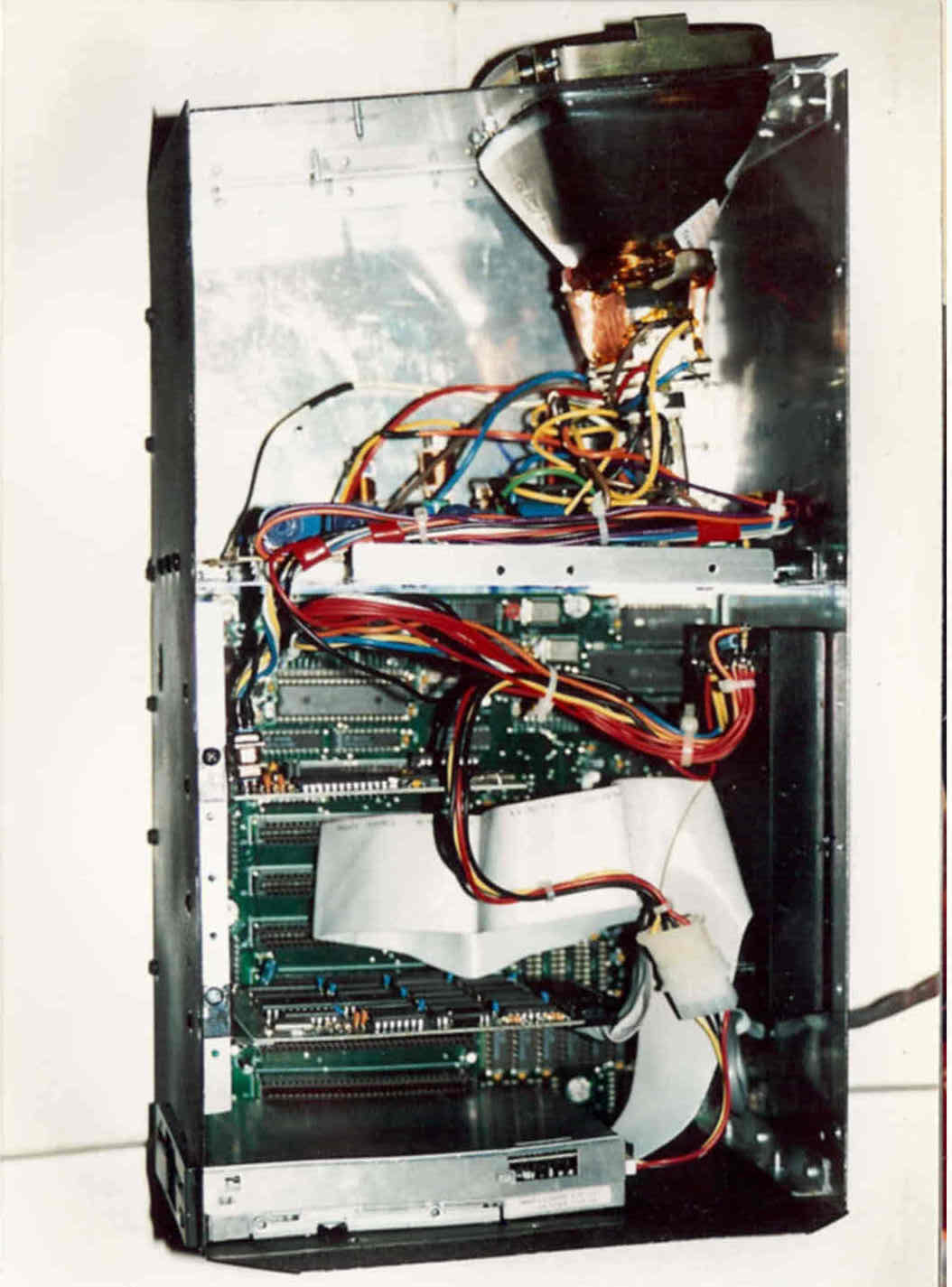
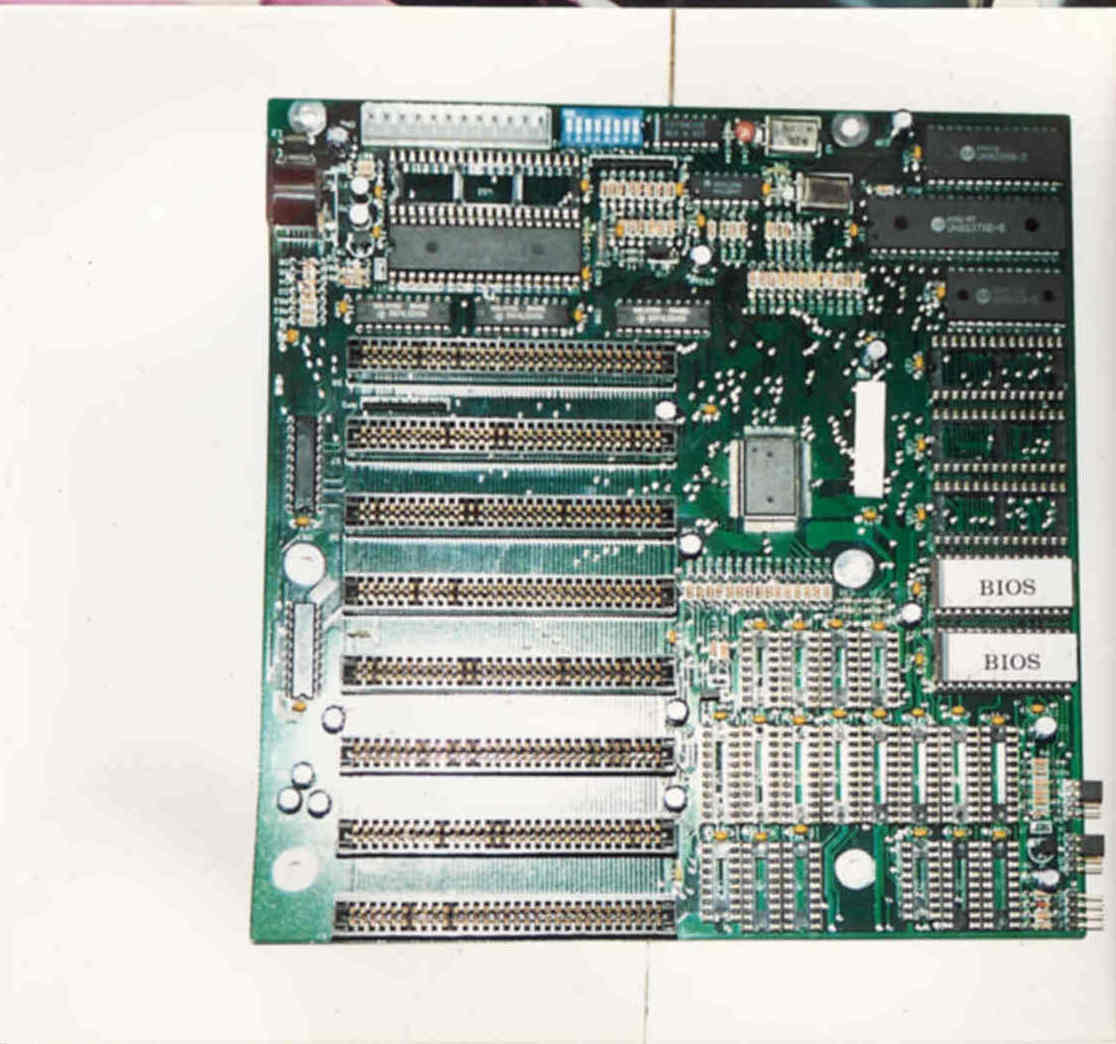
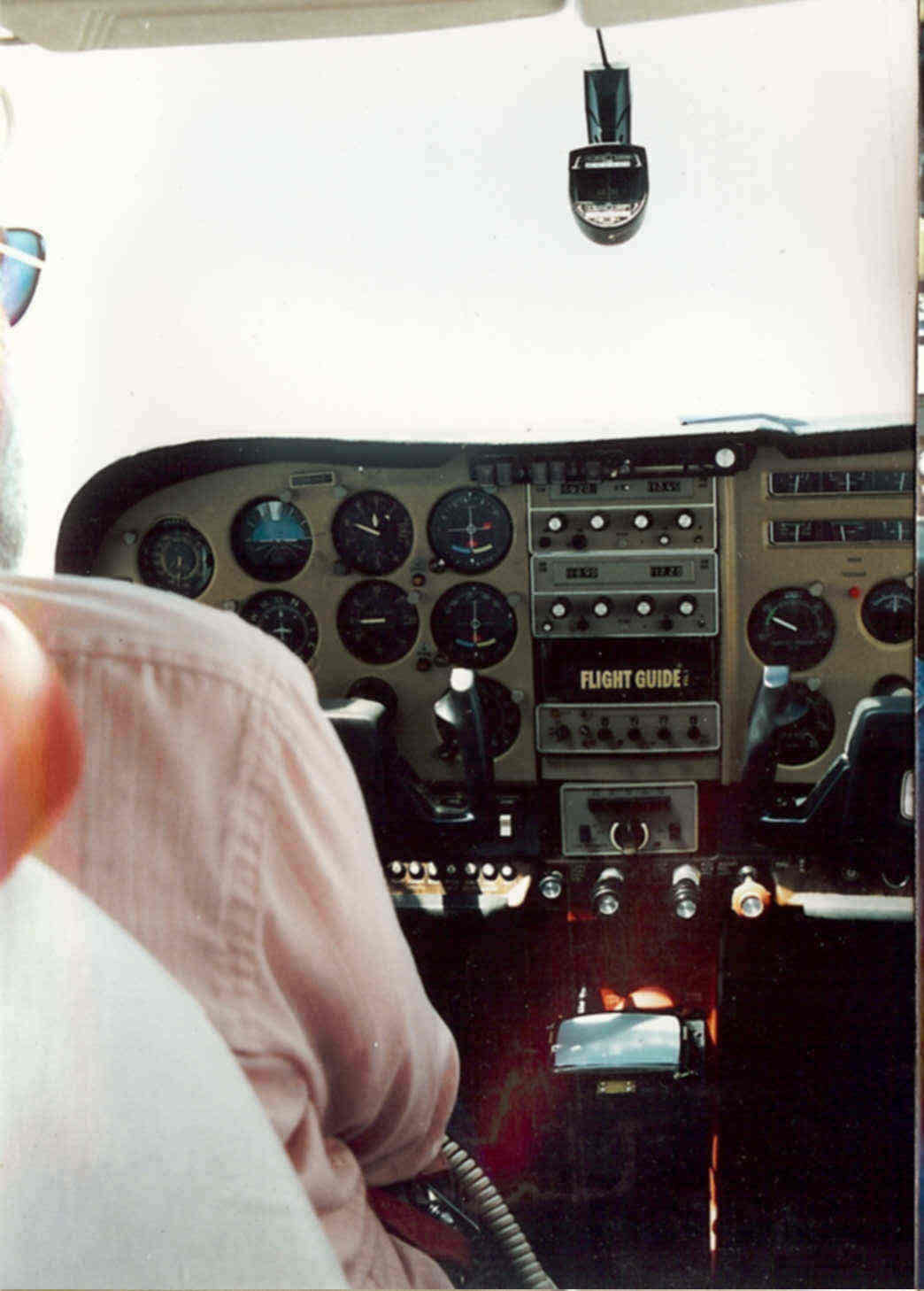
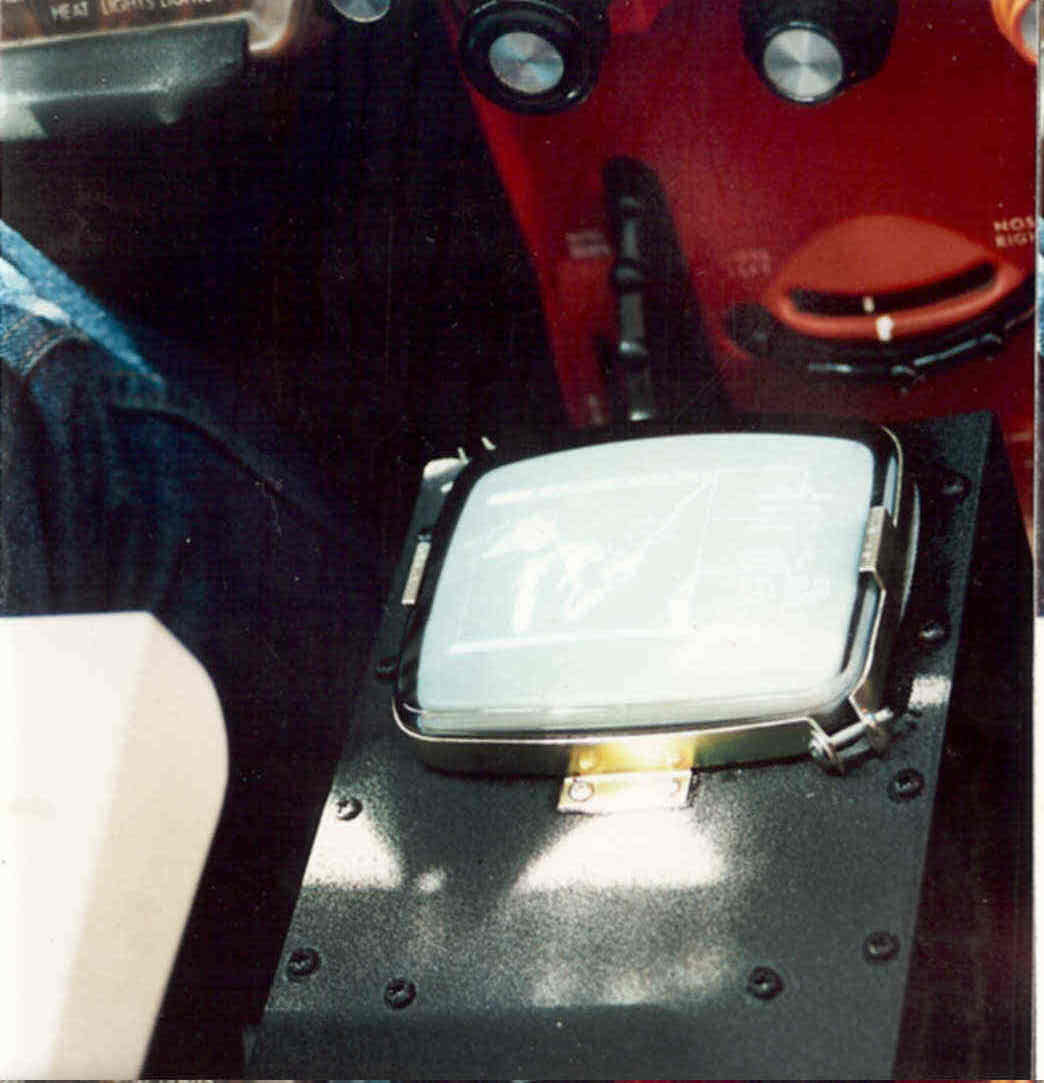
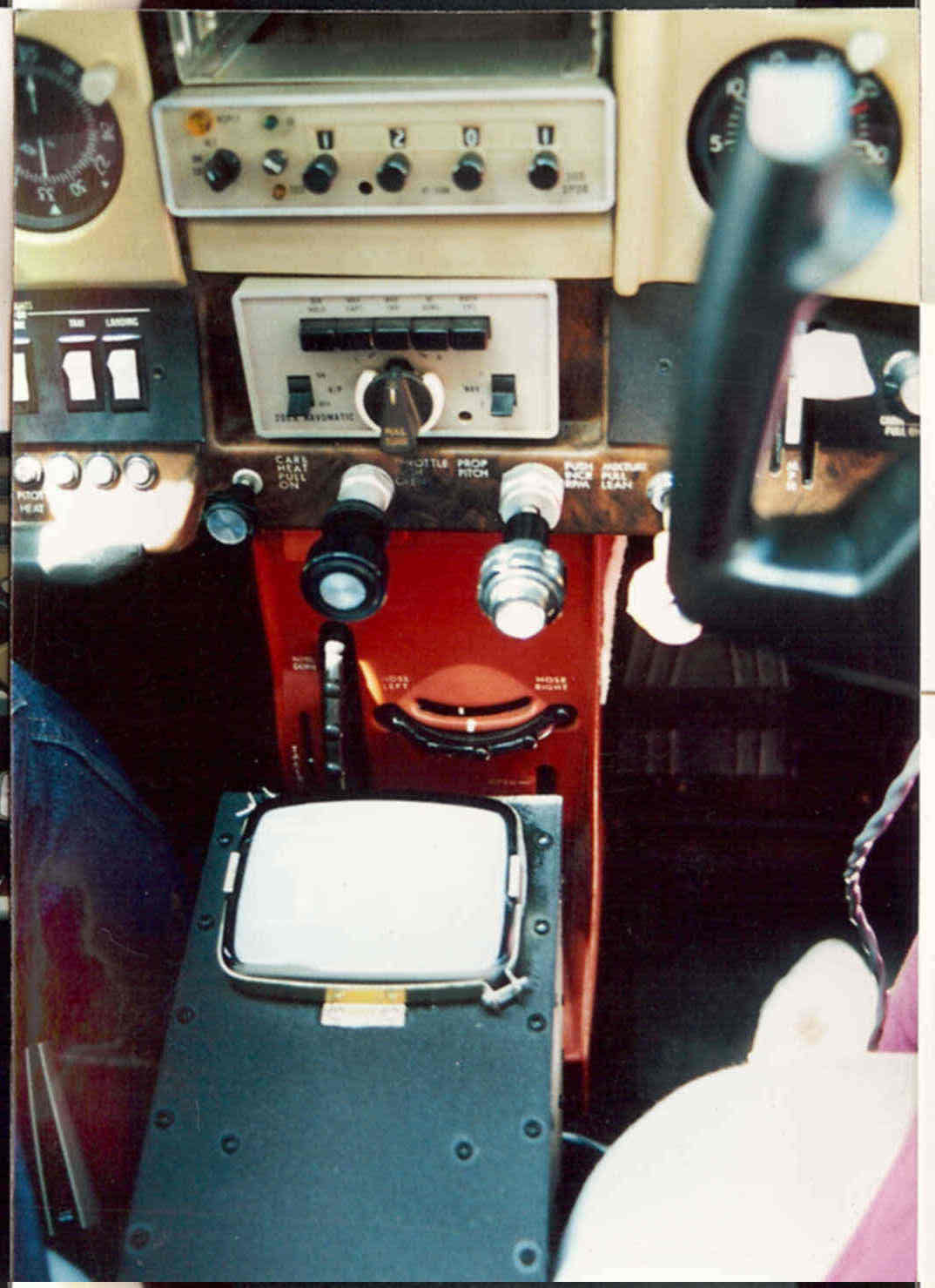
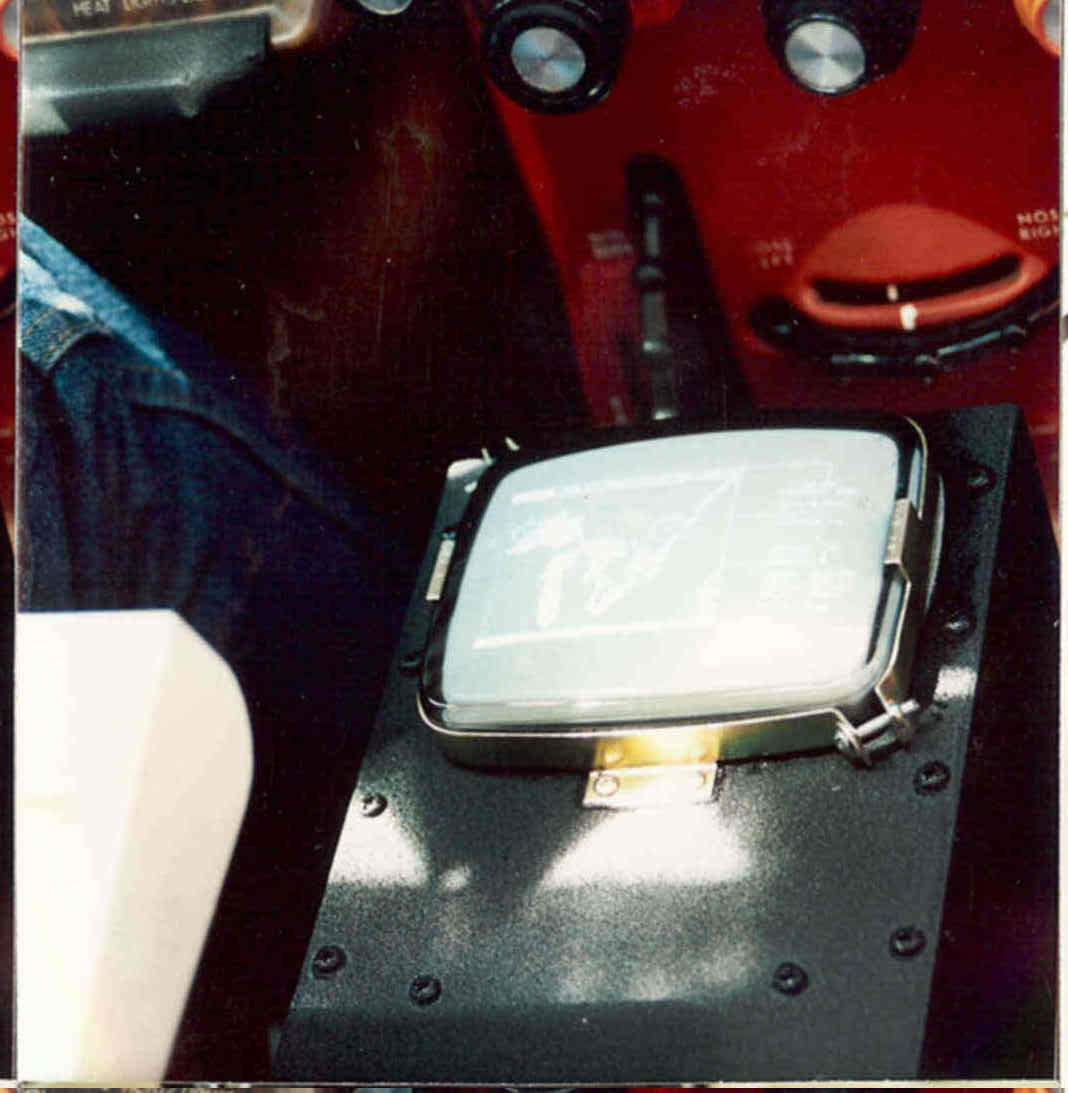
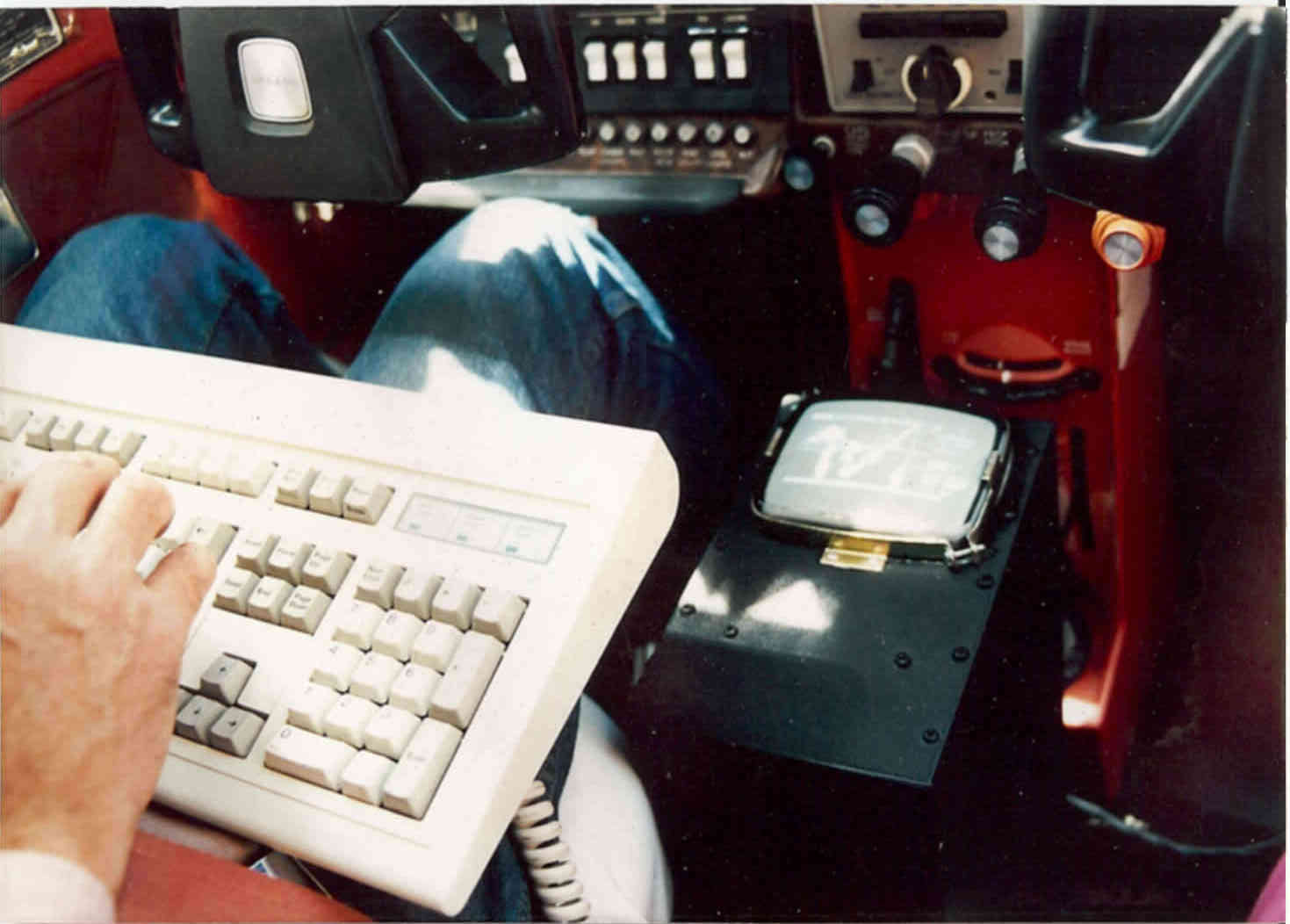
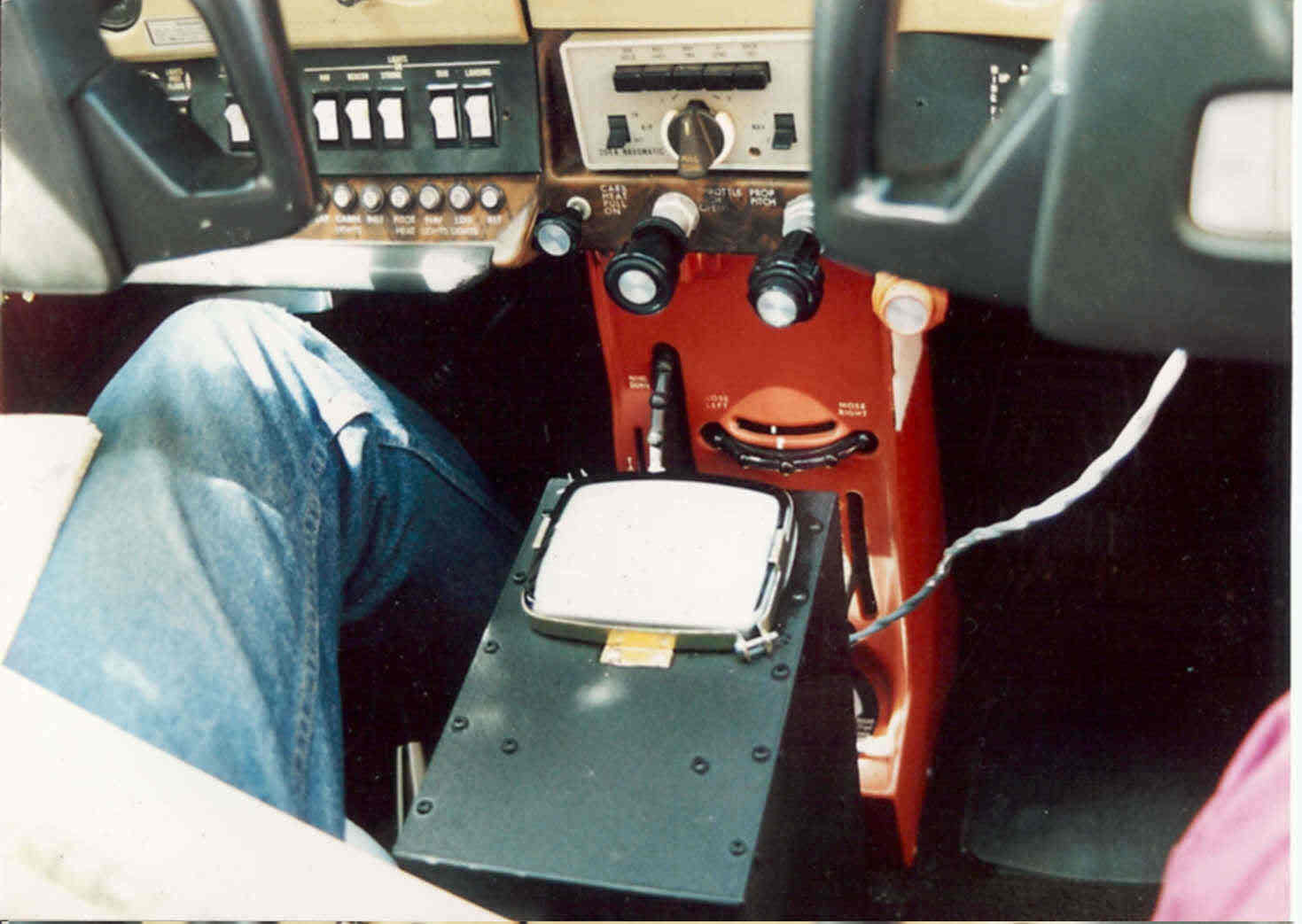
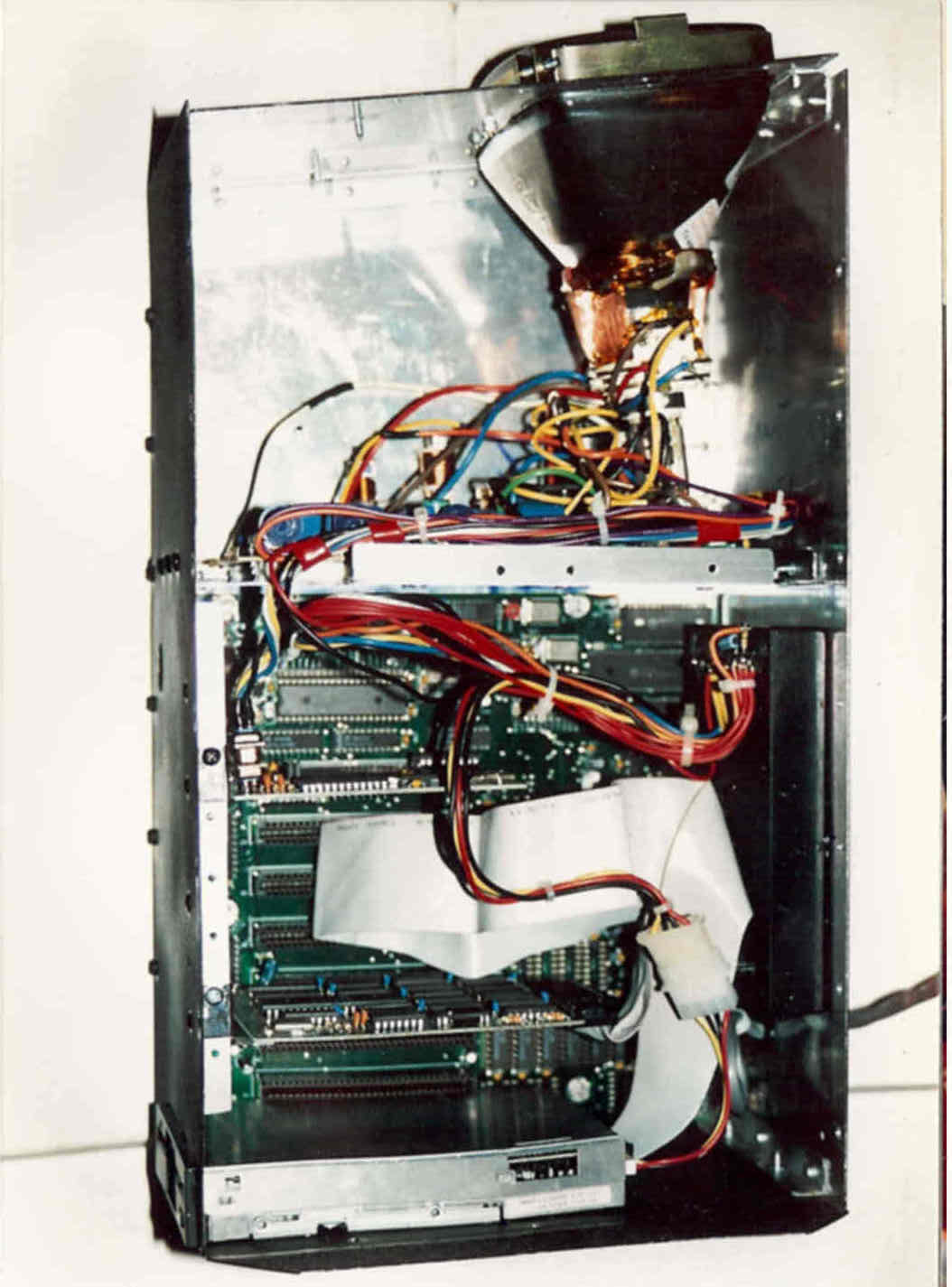
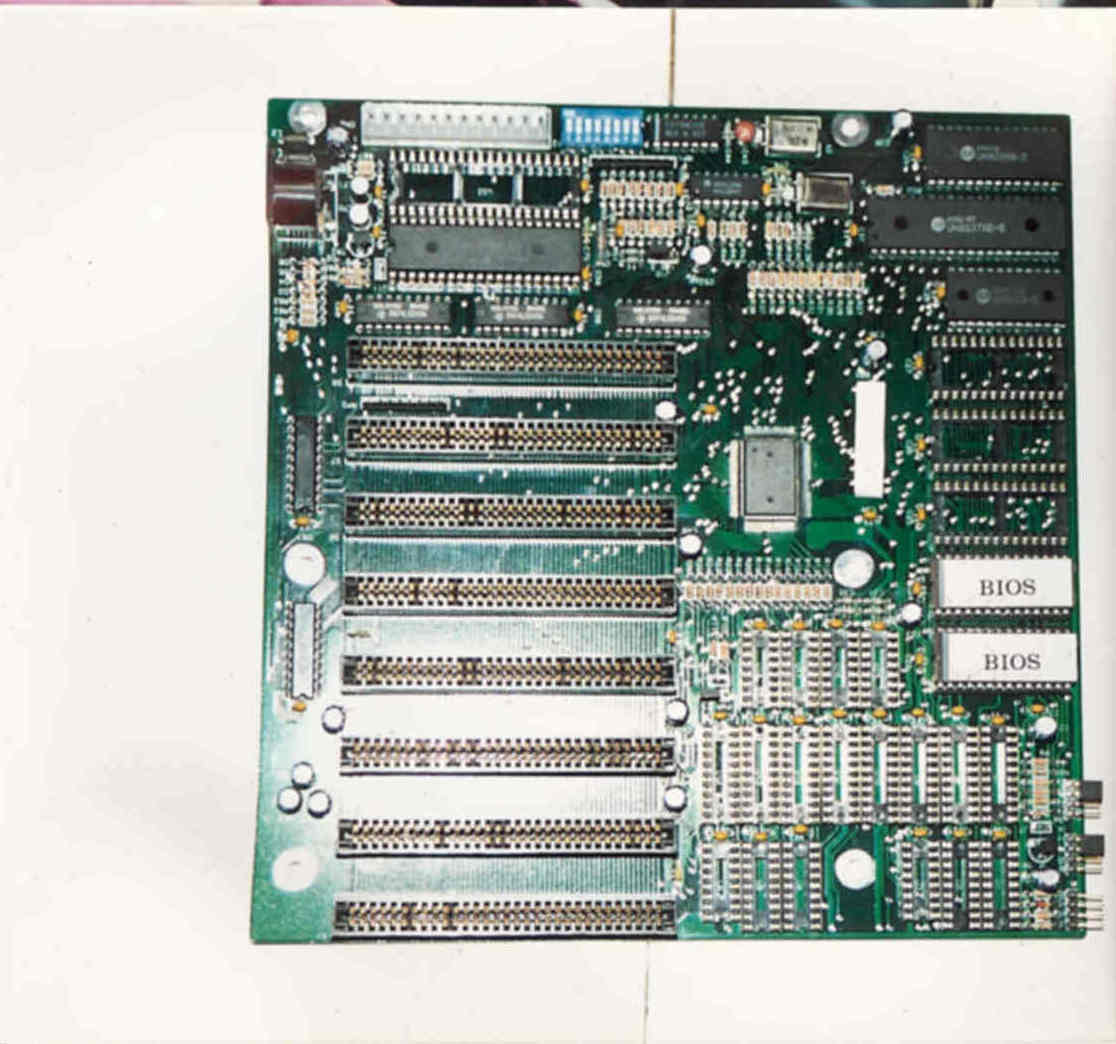
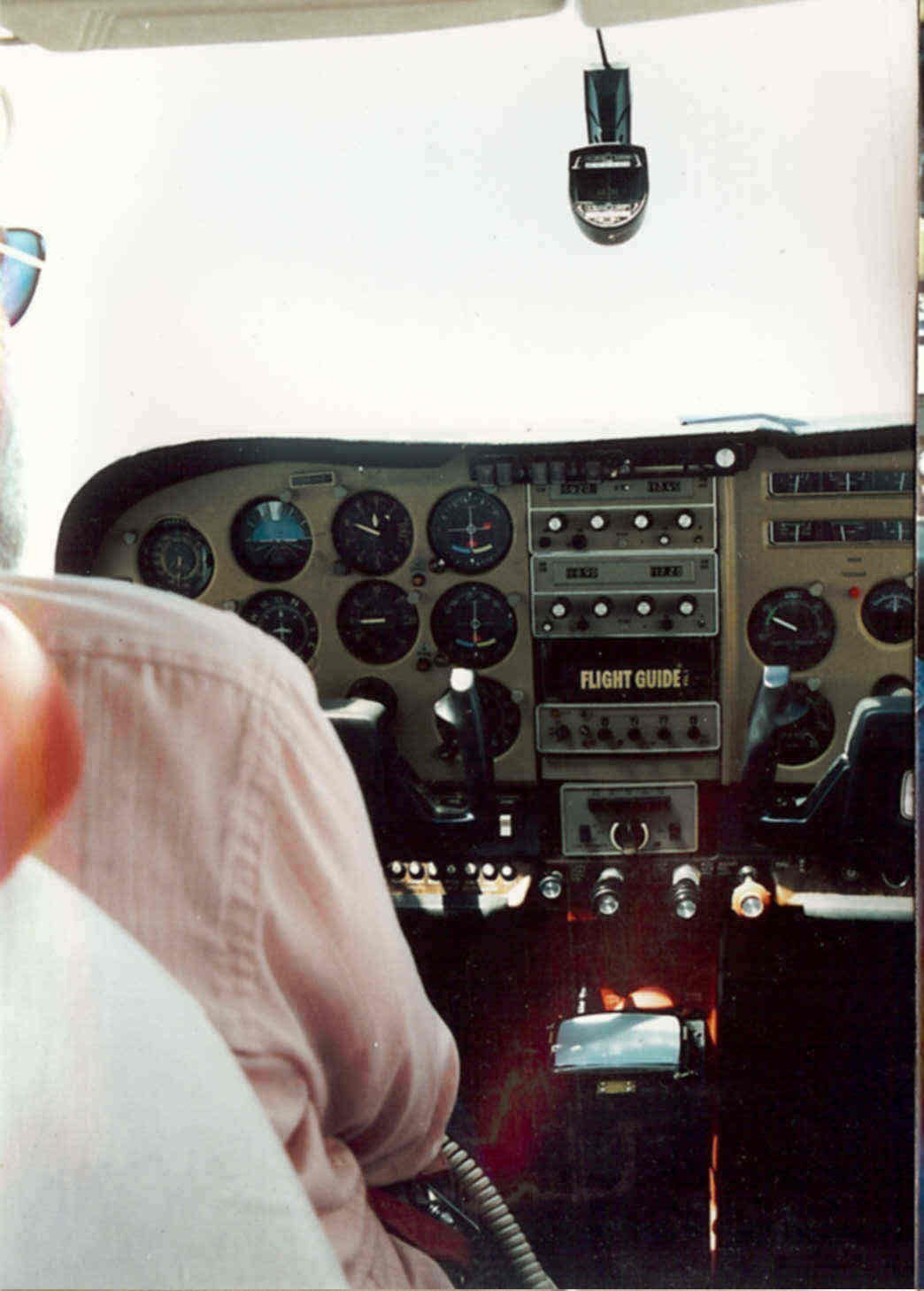
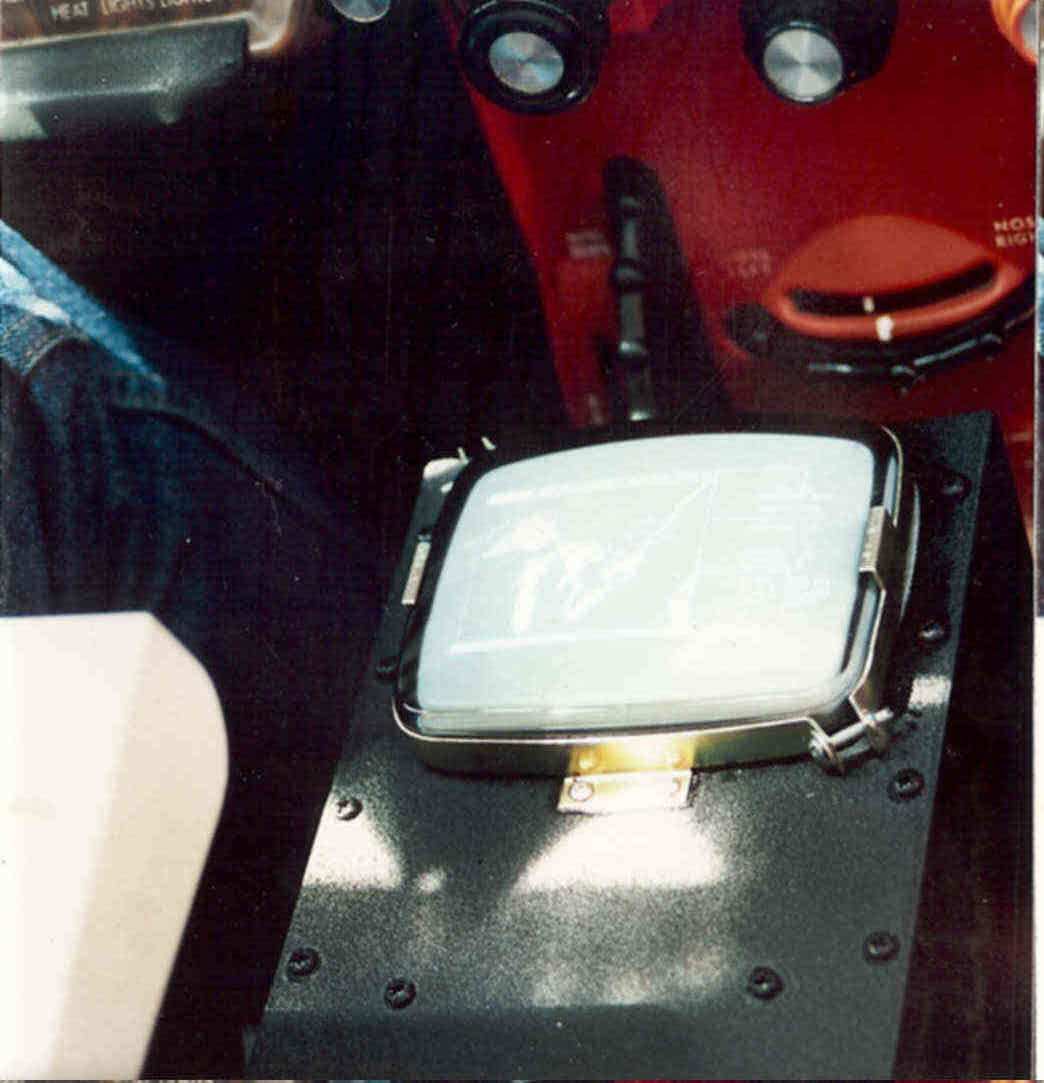
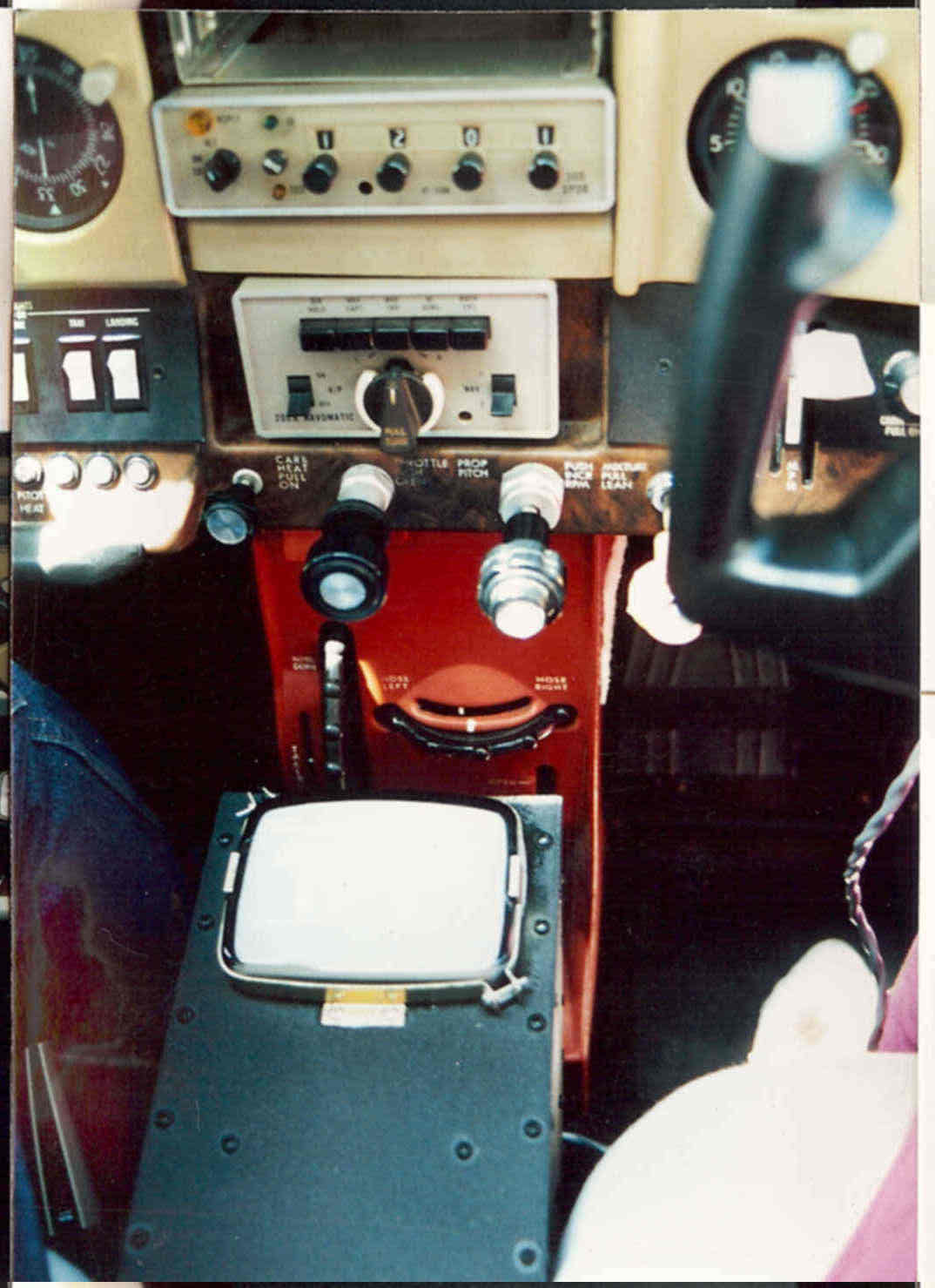
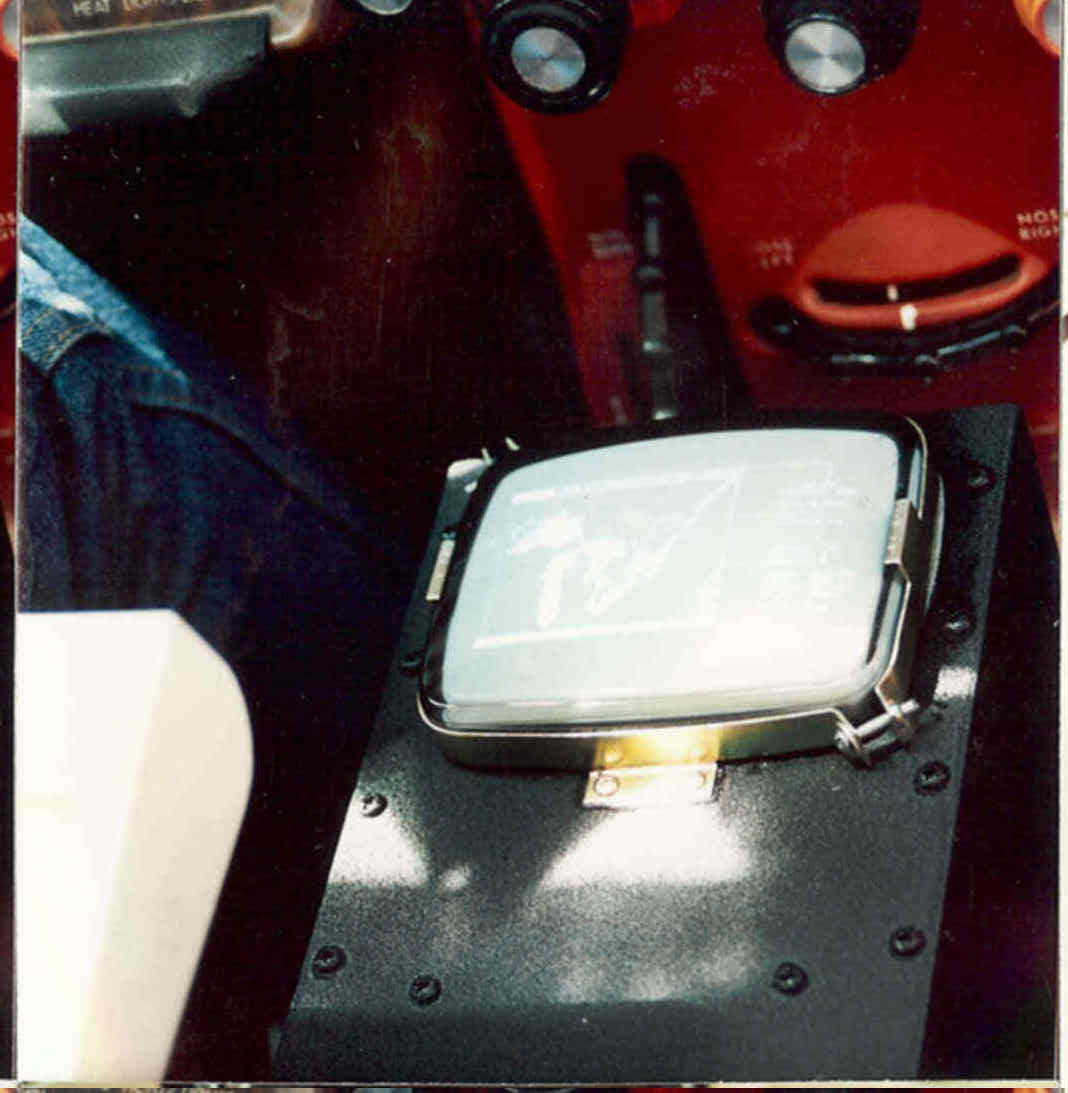
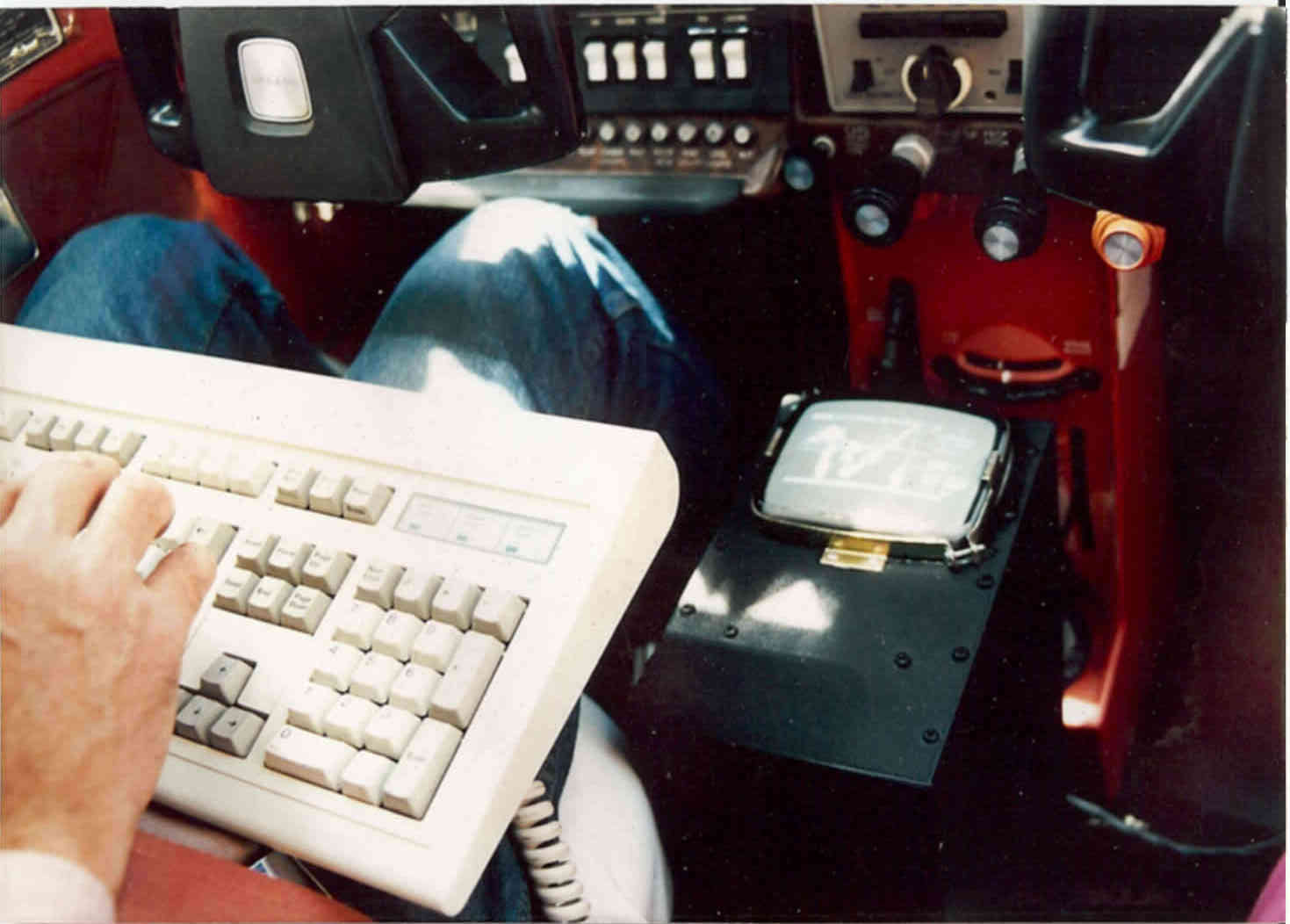
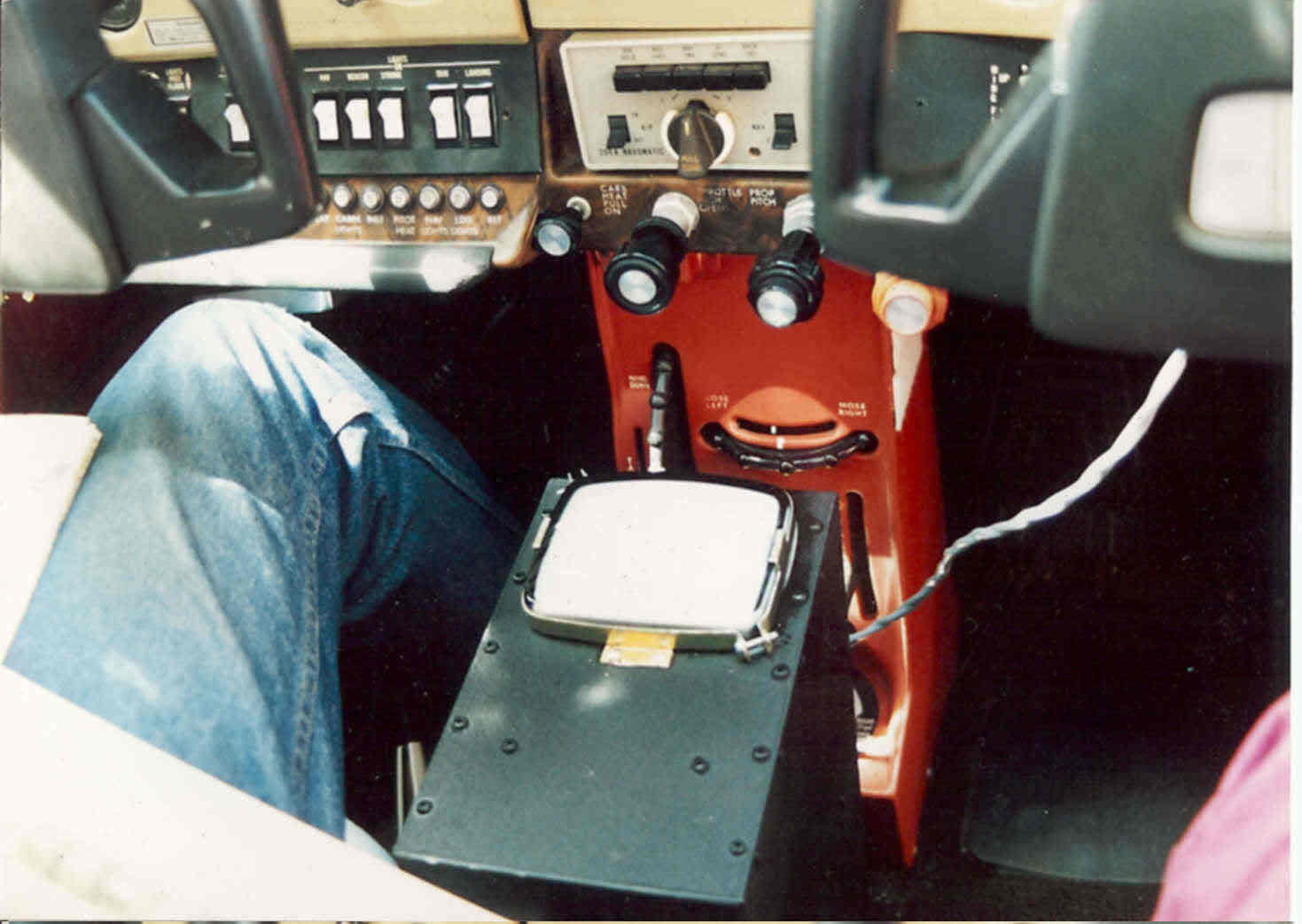
Here are some pictures of my late 1980's glass cockpit in the C182
with a 8088 mother board. Updated the map every second written
in QB under DOS no less. I would use QB again and DOS if it
supported USB but it won't so Linux and C it is.
--------------------------------------------------
Here is the chassis picture. We got the FAA airport data base
off a 9 track tape. Ross Perot's old outfit called Electronic
Data Systems or EDS for short. EDS had a $100,000
a year contract with the FAA to maintain it on a IBM mainframe.
I called the FAA and offered to maintain it for free on a PC.
No takers :)
It had a lot of blank spaces so I zipped it and got
it down to fit on a 1.3 meg floppy. That is why the
floppy drive is in the chassis. Now a days a USB stick
will hold 64,000 times what a floppy can hold and is
a lot morer rugged and draws way less power.
The other pain in the
butt was the power supply. Now a days you can get PC
power supplies that will run off 12 Volts.
Paul Lamar
--
The Rotary Engine NewsLetter. Powered by Linux.
ACRE NL web site.
http://www.rotaryeng.net
Youtube key word PaulLamar2
Copyright 1998-2009 All world wide rights reserved.