------
snip
The cowl weight is 28 Lbs., if I remember correctly. It's
.050 thick. Pretty much comparable to a fiberglass one,
maybe even a bit lighter. The Prop is wood.
My front motor mount is a massive piece of aluminum
extrusion, I could probably cut the weight down on that by
half. It's a 1/2 inch thick 4x4 aluminum angle. I do have
access to a very nice mill, so a future project for a rainy
winter day or three up here would be to lighten that. Same
with the redrive mount plate and one of the spacer pieces.
I don't know about the body of the redrive, I'll have to
see how thick that is. Maybe fluting the body of the
redrive would be an option, if there is enough thickness to
it.
My batteries are two powersonic PS 12180 batteries-
12.6 lbs each, 18 amp-hour. My water pump is a pretty heavy
hunk of metal, I should be able to lighten it up a bit. My
fuel filter/moisture separator is a big thing- it's the
size and weight of a larger oil filter, and the mount is a
remote mount, pretty chunky, and so is the adapter plate
that mounts on the oil filter mount point on the engine
block.
A peripheral port engine would
be nice, since I'd have half the intake runners that I
have now, so there's about 7-10 lbs, plus a bit more power.
Not a bad trade off. If I can fly this plane this summer
and get the hours flown off, I'll be happy. I'd be a lot
happier to have this plane somewhere under 1030 lbs. I
think it's kind of a deal killer to tell people about this
conversion being as heavy as it is.
How was Everett Hatch and Allan Tolle's Superlight engine
constructed? They made their own end plates, right? How
did they hold up, and how did they deal with wear
considerations?
Brian Trubee
.050" aluminum weighs .72 of a pound per square foot. An RV cowl is
1/4 inch honeycomb fiberglass which is much lighter than that.
Two layers of ten oz cloth weighs .12 pounds per square foot.
Add or .26 pounds per square foot for hand layup resin.
The 1/4" honeycomb weighs next to nothing. Give it .05 pound
per square foot for a total 0f .39 pound. Near half the weight.
This is boat tech.
Way back in the late 1960's I did a study on vac bagged
1/4 inch thick PVC foam sandwich with 4 oz fiberglass cloth and
epoxy resin compared to the panel stiffness of .032 aluminum.
The foam sandwich was much stiffer and about 1/3 the weight.
Because of that study the body of this car was made
from that material. It was so light it became twice as
heavy when it was painted :) Of course you would have
to insulated it from the exhaust heat with .016" thick SS
sheet and fiberfrax.
A 4 by 4 by .5" thick Schertz beam 30 inches long
would be about 12 pounds. Jeff's adapter plate with MM
weighs about 8 pounds about the same as Tracy's adapter
plate so if the aluminum Scheretz beam is replaced
by Jeff's adapter plate you would save 12 pounds
there. No need of the Schertz beam.
Steve Beckham might be able to fill us in on the PS end plates.
With Racing Beat end plates, center housing and RX8 front
cover water pump the bare engine weighs 109 pounds.
Paul Lamar
Steve Beckham sent a long reply so I converted it into
a pdf and included some photos.
Here it is.
Paul Lamar
OK, now I'm bummed all over again about the weight of my airplane. I'd
forgotten just how cool those Superlights were. I saw Alan and Everett at
the Copperstate fly-in in the mid 90s. They were there with Alan's RV-3.
That was an awesome airplane. Sure would be great to see that engine
technology applied to my airplane.
Mike Wills
Airplanes like the RV4 are marginal for a stock 13B weight wise. Where
the rotary really pays off is power to weight ratio in P-port
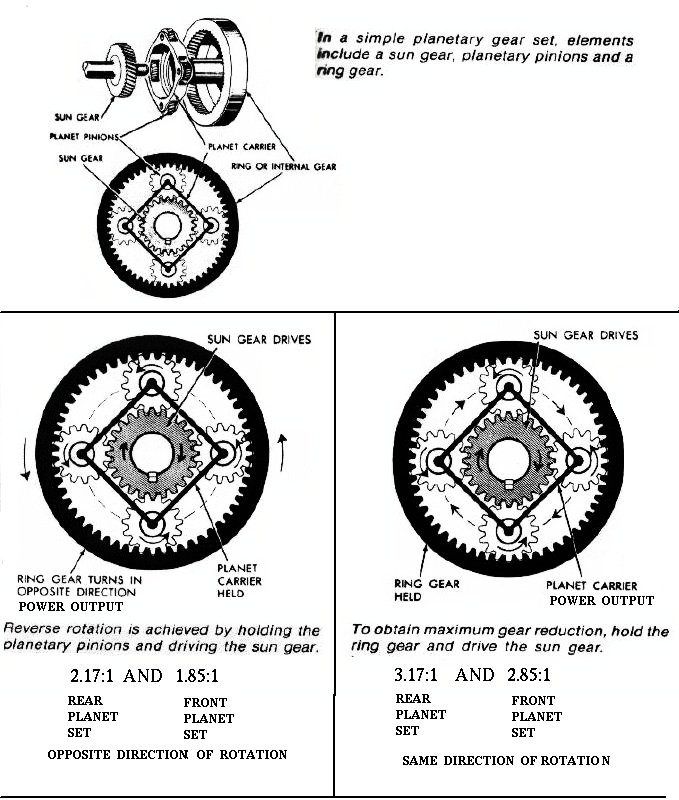
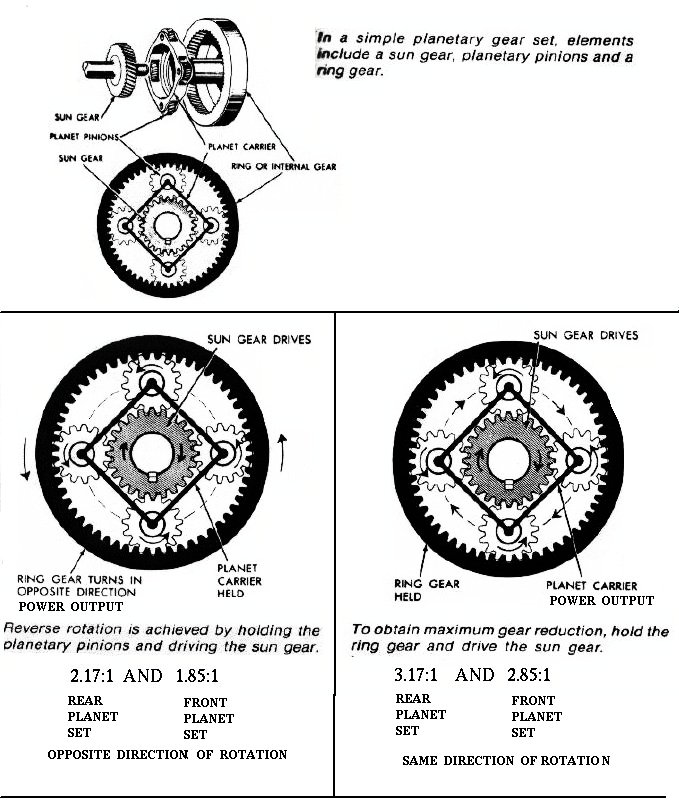
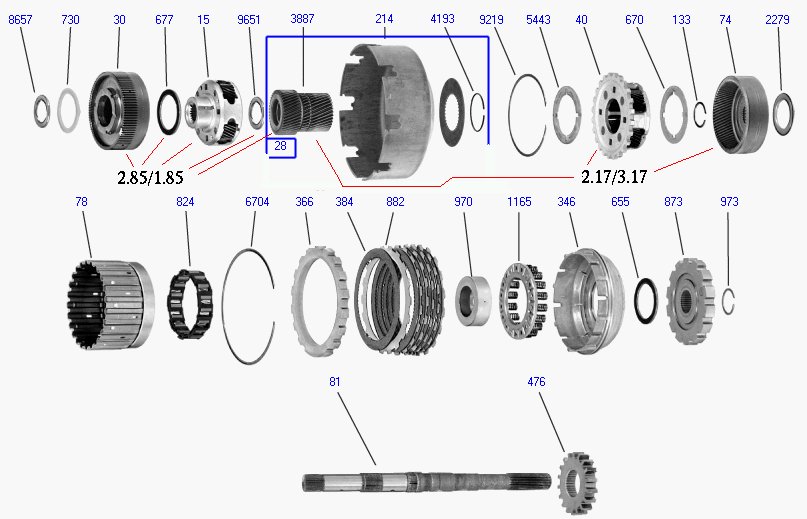
form with a 2.85:1 gear box. Then you are looking at 250 HP which takes
a heavier six cylinder to equal. If you have 250 HP in an RV4 you have a
good single place hot rod with baggage room :)
To get the speed however it takes a lot of work on the detail aerodynamics.
Dave Anders and Tracy Saylor used to hang out on our taxi way with
Klause Savier. Dave's RV4 airplane went over 250 MPH and Tracy Saylor's
RV6 238 MPH. Allan Tolle's rotary RV3 also went 235 MPH as I recall in
the Sun 100 with a Mazda based engine. Not the ultra light.
All three piston engines were souped up with reduced TBO to roughly 500
hours. Remember, top speed is the cube root of HP so it was mostly
reduced drag. I would say Dave's IO-360 engine was roughly 250 HP.
Tracy Saylors somewhat less. Both Dave and Tracy had special CS metal
props.
The Nemesis Nxt fusleage mold was also built on our taxi way so we
arguably had the fastest light kit aircraft taxi way in the world
there for awhile :)
Paul Lamar
Paul,
I'm not sure what you mean when saying the RV-4 is marginal for a stock
13B?
My airplane is heavier than the typical RV-4, but my performance is
slightly
better than what my old RV-6A would do with a 160HP Lyc. My overweight
issues (and I'm sure Brian's as well) are due entirely to engineering
issues. If there was any doubt, make it beefier. Cost was also a factor in
the weight. I have no doubt that with a careful weight loss program I could
remove 50 - 70 pounds. Which would make it comparable in weight to a
typical -4. Now if what you meant is that the RV-4 is a marginal 2 place
cross country airplane, I'd agree.
I've toyed with the idea of building a Harmon Rocket (Lyc powered) for
several years now. But you've got me thinking about going the same route as
Mark Steitle and building up a spare PP engine for my current plane while
flying the current engine. Building a PP engine with aluminum intermediate
housings is particularly appealing. Rocket performance in an airplane that
cost less than a new IO-540! Lots cheaper and less work than building a
whole new airplane. I'm looking forward to hearing from Mark on how much
his
performance improves with the new engine.
Mike Wills
What I meant was weight of engine allowed.
An airplane with a higher empty weight or gross weight has a
little more margin of error on engine weight.
While you are at it I like the idea of air racing.
The Dayton to OSH 500 mile race requires more fuel than the
stock RV4 or RV3 can handle. Steve Beckham and I had a long
discussion on what to do about that and Steve is implementing
tip tanks on the RV3 racer.
The news letter Everett Hatch Memorial still has a $1000 prize for any
rotary
powered airplane exceeding an average 220 MPH in that race.
A P-port PS 13B Velocity came close in 2007 at 214 MPH.
Paul Lamar
I have to agree with Mike- anytime there was doubt about strength, I over
engineered. My
plane still has lower wing loading than the RV-8, even if I were to use
1700lbs as gross
weight. That's not to say that I am content with 1091 lbs as an empty
weight. I'm not. I
just look at what Everett, Steve, and Allan have done - a rotary powered
RV-4 at under 900
lbs- that's almost 200 lbs less than mine. Everything being equal, I'd
prefer superior
lightness to superior power. I might have more power, but the airplane
won't glide so well.
It cost about $6000 for my firewall forward installation- that includes the
redrive,
EC2 and EM2. Compare that with even a used lycoming 0-320. At that price,
it's not
unreasonable to think about an extra $3000 for aluminum side and
intermediate housings in
order to lose a goodly amount of weight.
I'm definitely going to think about building up an all-aluminum P-port
engine in the
future. It's always good to have a spare, right?
Brian Trubee
Weight is unrelated to gliding performance. The airplane sinks faster, but
it
also moves forward faster; the glide angles remain the same. If only the
same
were true of climb!
Peter Garrison
Thanks Peter,
I learned something today. So my glide radius at any given altitude would
remain the same, I'd just be traveling and descending faster, yes? Well,
that's not too troubling, I thought I'd also have a steeper glide angle,
and a shorter glide radius.
But, I'd like a steeper climb also. There, weight is an issue.
Brian Trubee
Yes, glide ratio and gliding radius are functions of aerodynamic shape, not
of weight or wing loading. Airliners make quite good gliders.
Peter Garrison
--
Hello all,
I remember that Powersport bought the rights to the Superlite engine design. Is this
correct? An e-mail to them did not generate a reply. How does the Superlite compare to
RB aluminum housings? I remember Steve B comments that they saved about 10 lbs per housing.
Paul, have you created a file on lightweight designs? I have many e-mails saved under
various file names, the intention is to build light single rotors (to start with) for LSA.
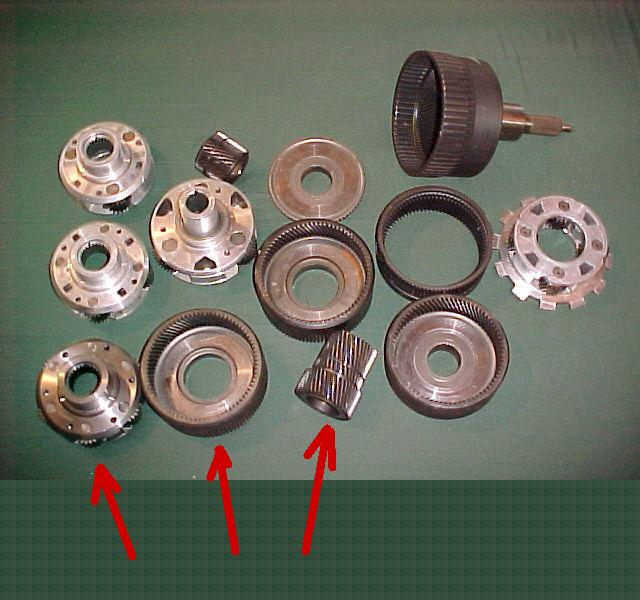
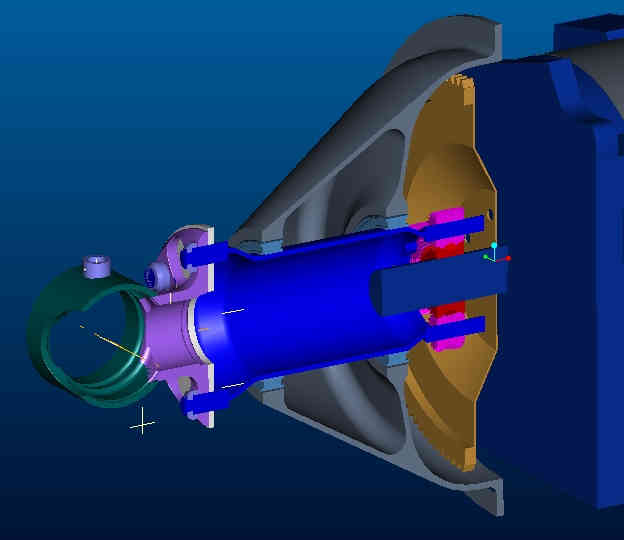
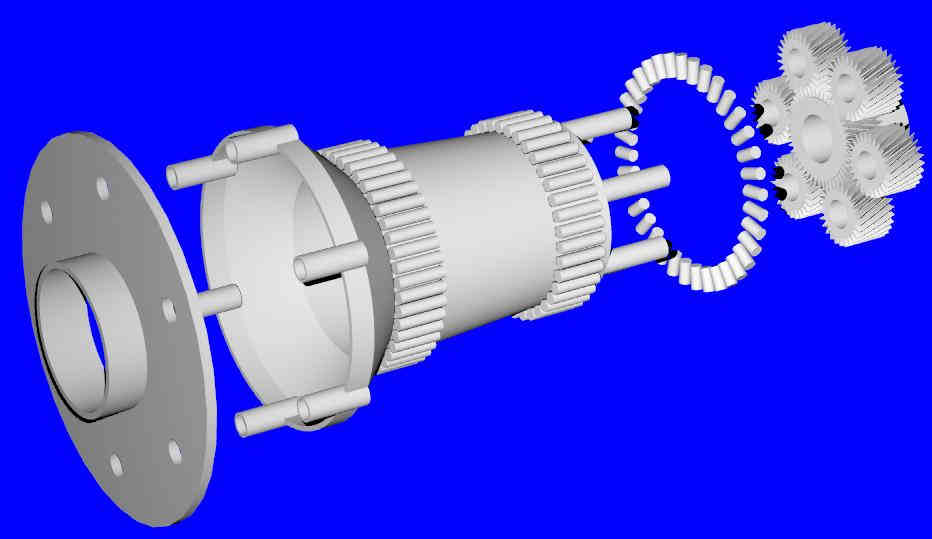
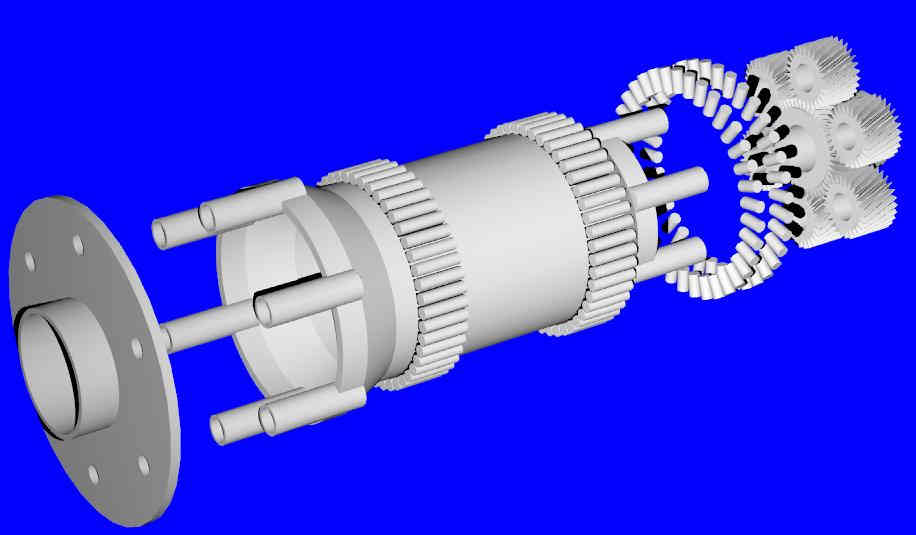
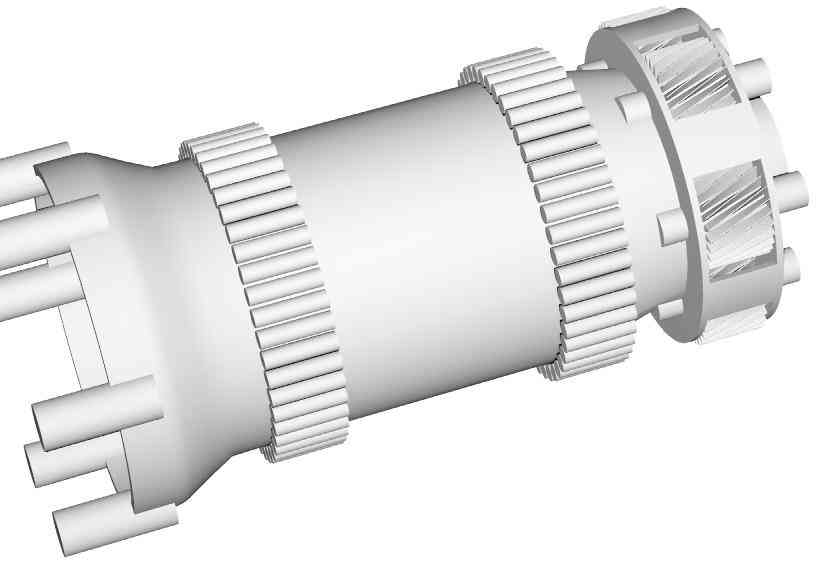
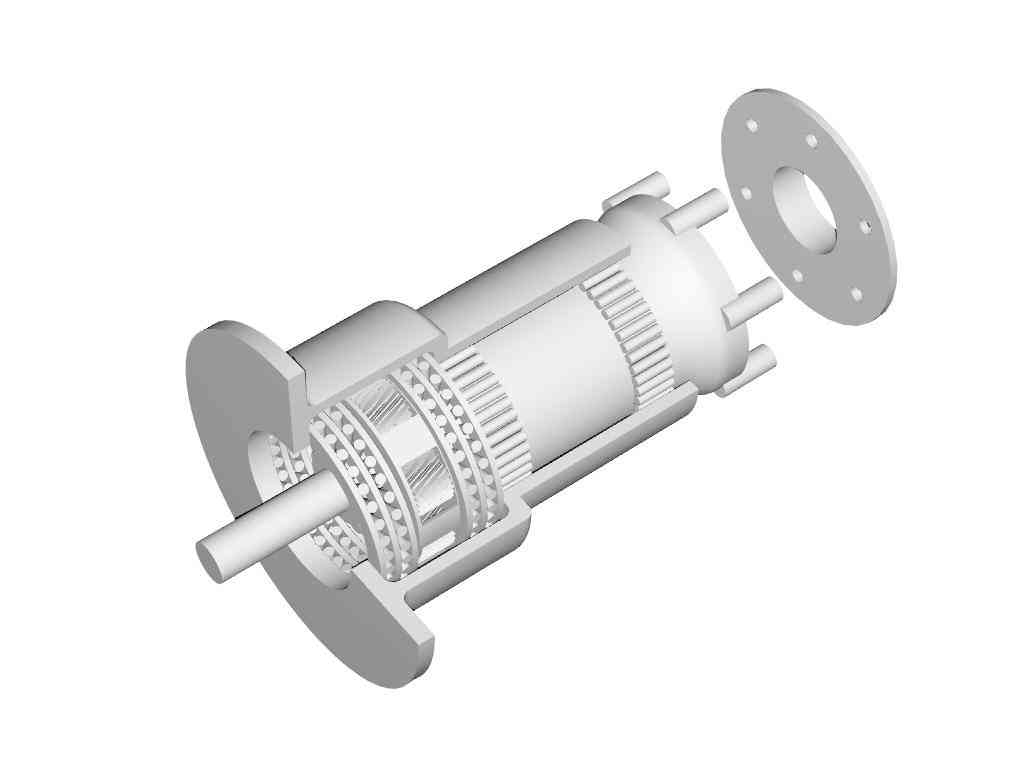
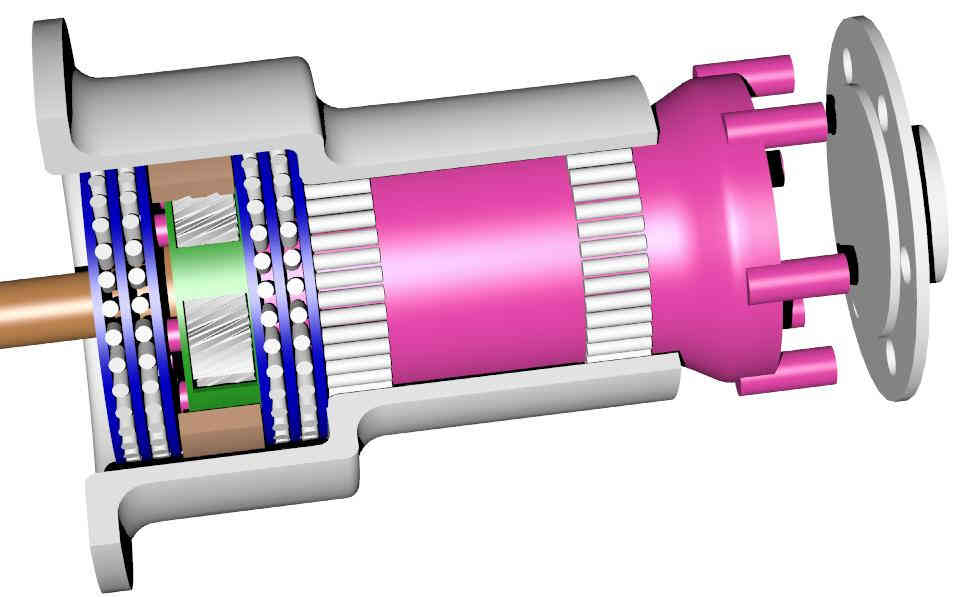
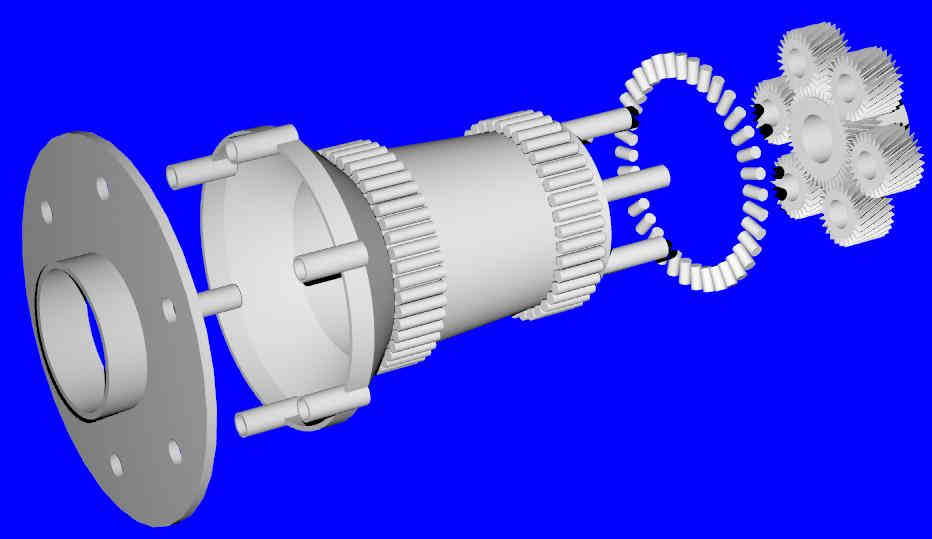
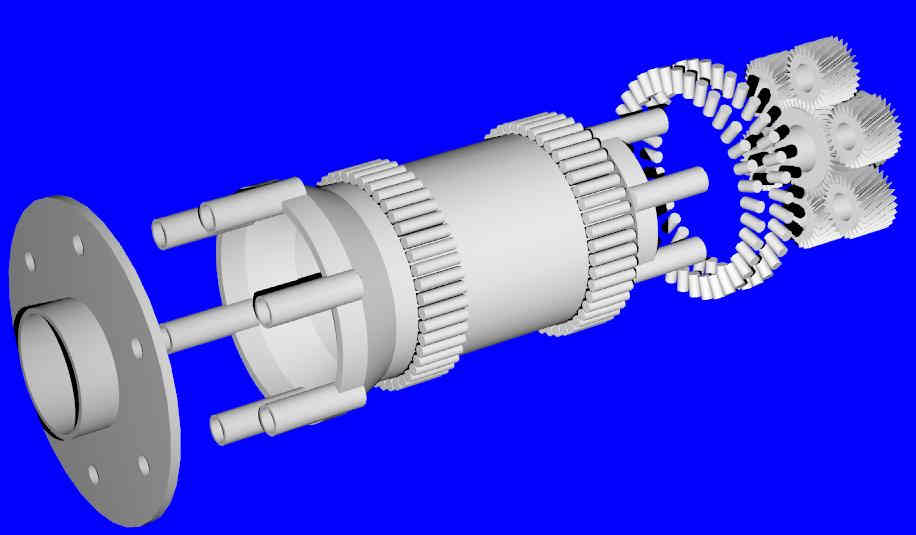
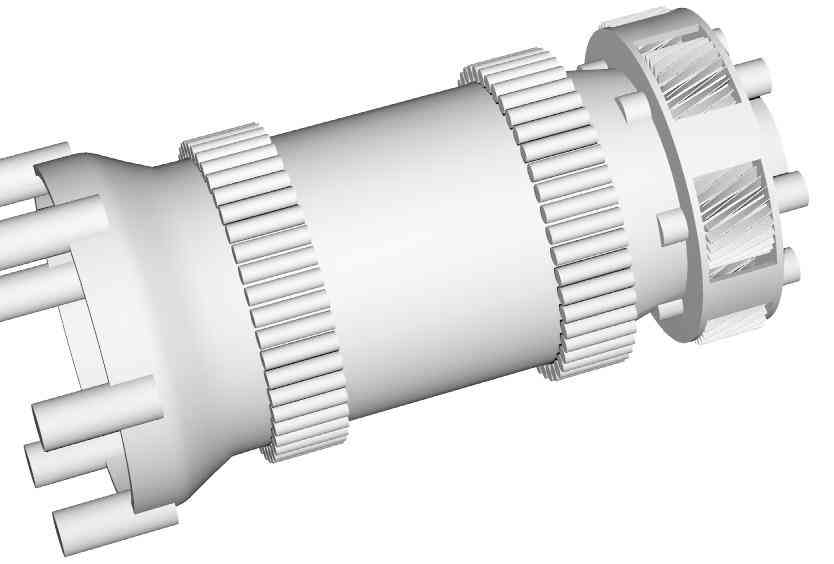
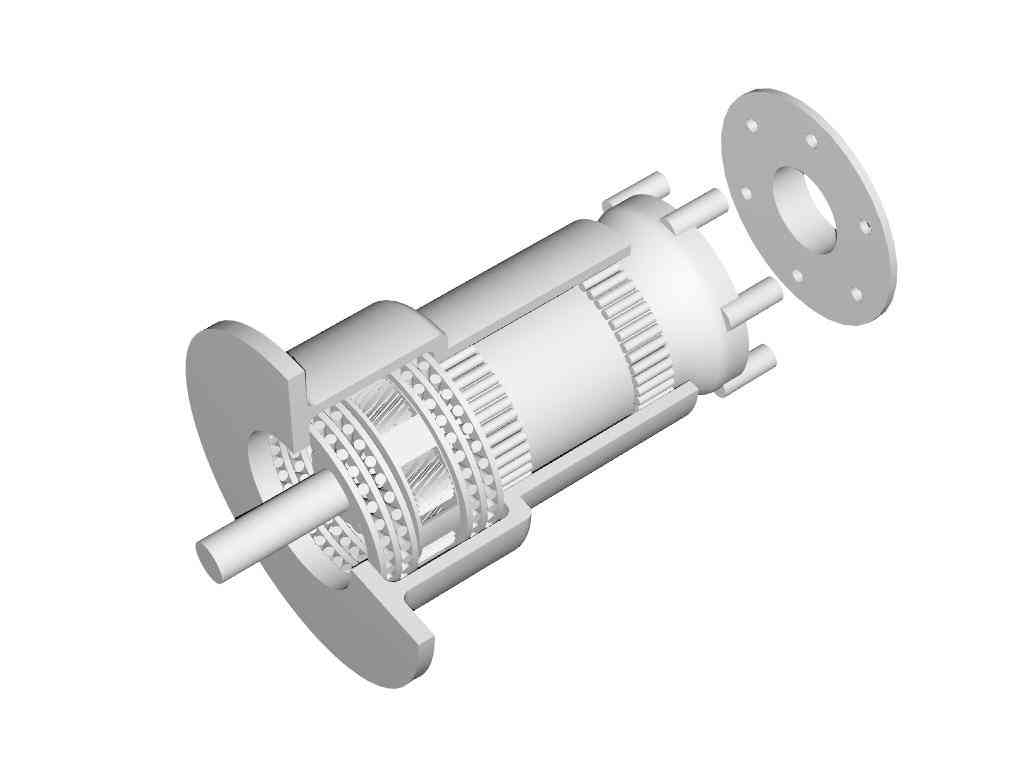
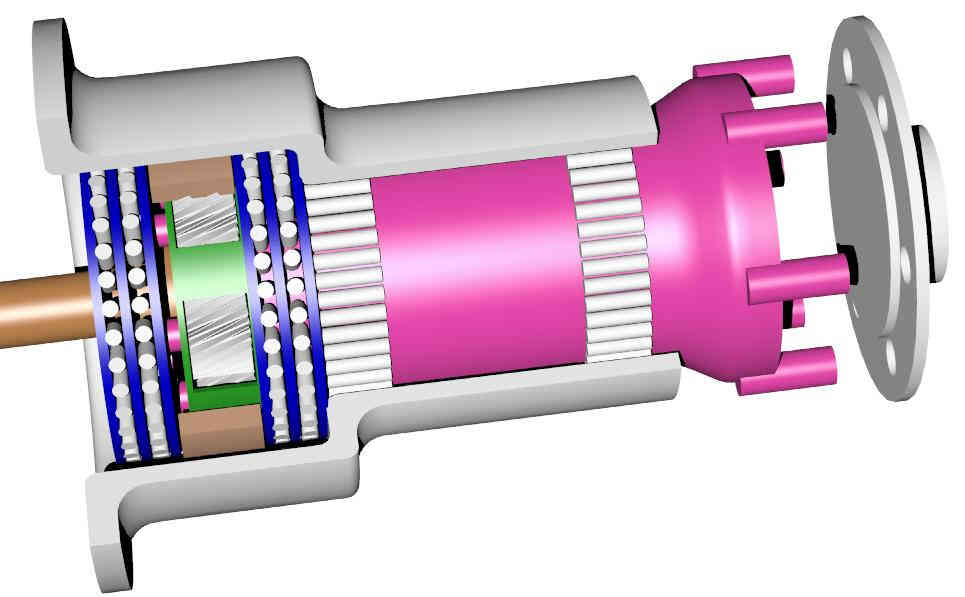
Jeff has the mounting plate covered, how about the PSRU? You had also worked on a light
PSRU with a hollow prop shaft and large dia bearings. Should we pursue this design?
I followed in Brian Trubees' footsteps. when in doubt over engineer. :D The single
rotor engine/PSRU has the bigest weight savings potential, about 100 lbs less than our
current Subaru/Autoflight setup of 140 hp @ 220 lbs dry with exhaust, mount, and extended
nose on the PSRU.
Dan F
Yes on the light weight PSRU but keep the Ford parts.
Paul Lamar
--
The Rotary Engine NewsLetter. Powered by Linux.
ACRE NL web site.
http://www.rotaryeng.net
Youtube key word PaulLamar2
Copyright 1998-2009 All world wide rights reserved.