Paul, I remember the big motor starters and had some which also
did from one to five speed control of the three phase motor. They
require maintenance on the solid silver contacts and resister
elements and fail due to heat cycle fatigue and arcing as the points
close. We usually changed to a Wye Delta starter contactor rather
than fixing them.
My prefferred method of transforming
power is with a hydraulic piston pump. A variable displacement pump
that will fit in a 10" cube can easily need 120 HP to turn it at
3500 RPM and full flow at 3000 PSI. One common frame size goes up to
60 GPM. If you know the pressure and RPM of the pump you can
determine HP to a fraction of a horsepower. There are also
mechanical lever controls available on these pumps ( think Bobcat
skid loader) that can set the displacement for different loads.
The pumped oil would be sent thru an adjustable valve or an
orfice to return to the tank and the HP would go off as heat. This
makes a lot of heat and in fact I used to have a relief valve that I
could drop the pressure to just 600 PSI to warm up the oil in the
winter if the hydraylics were outside the building.This was done to
reduce the viscosity of cold oil to prevent pump damage.
If
you set pump volume at 1000 Rpm down to where the turbocompound can
turn it then read the pressure rise as the HP rises and record the
pressures you can read the HP of the pump curve charts.
george grimes
A power steering pump would be easy to integrate and
control pressure with an adjustible pressure relief valve.
Dale Davies
Thanks for all the ideas and help guys.
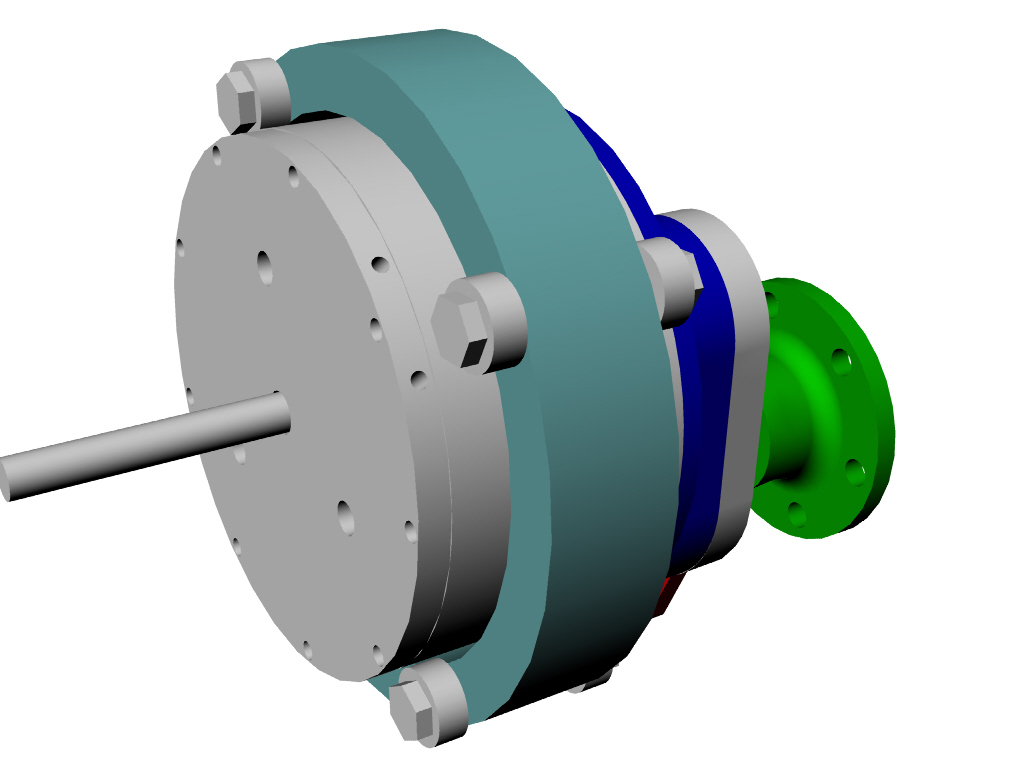
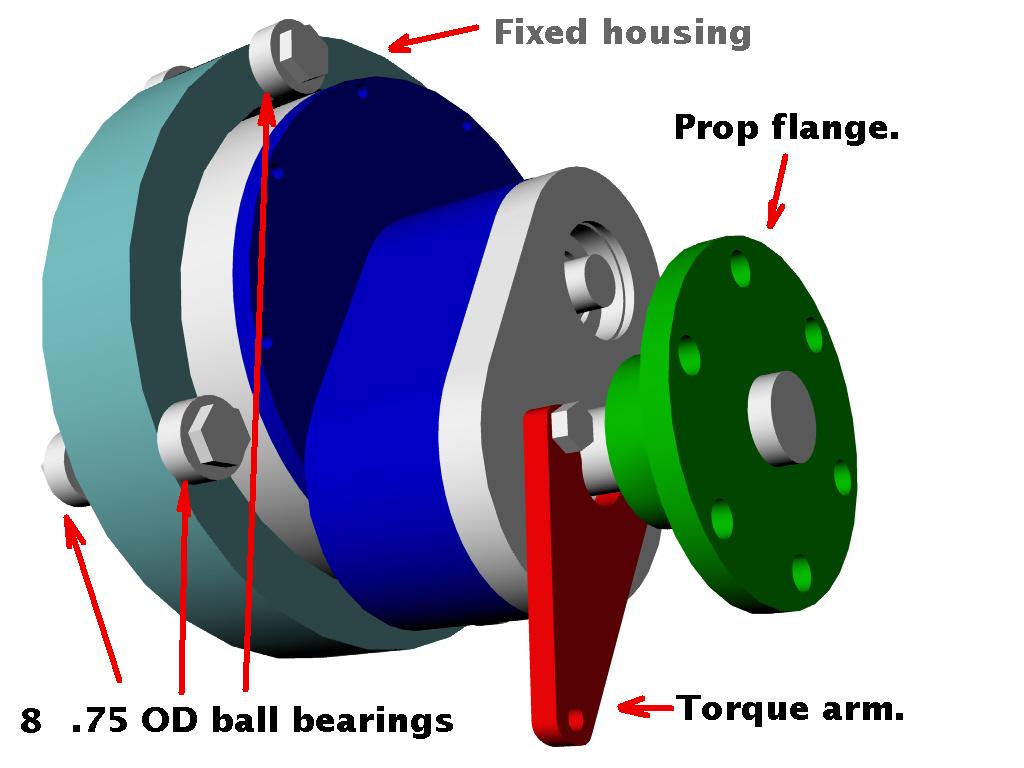
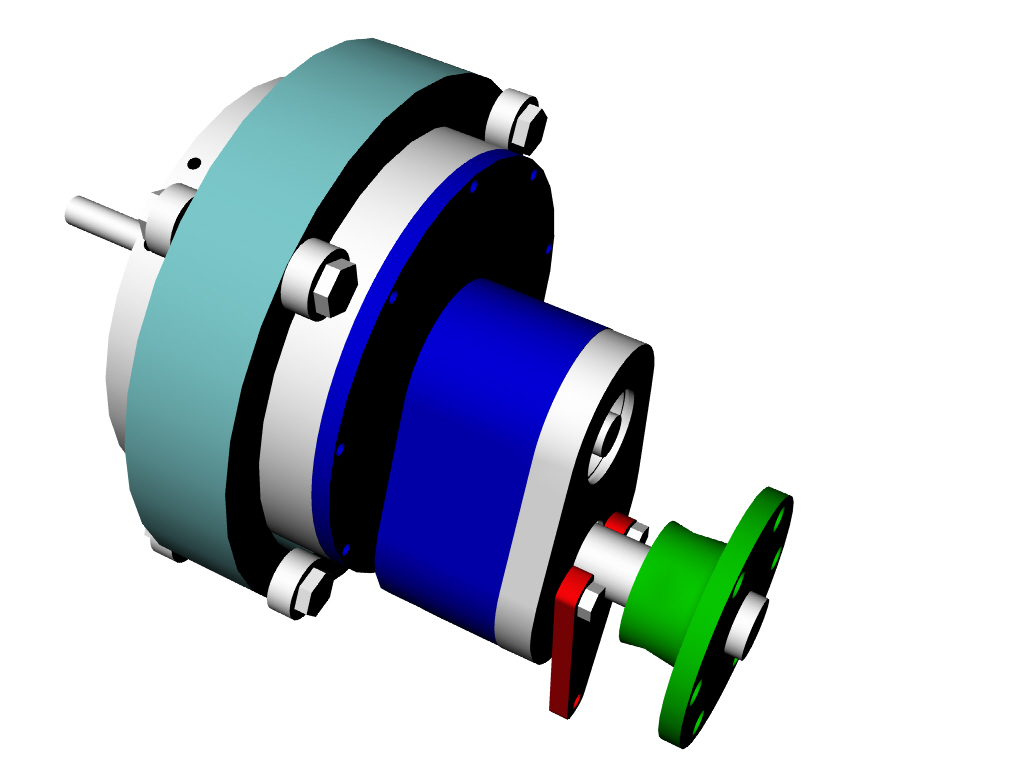
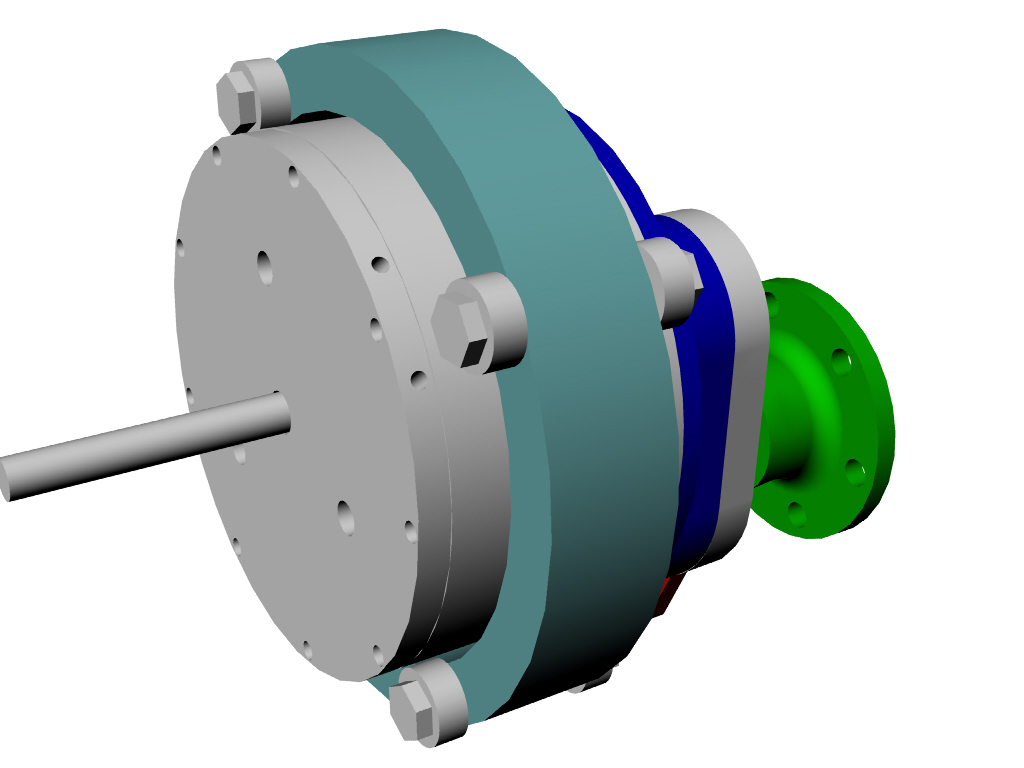
I am going back to the old standby of a prop dyno.
Much cheaper and less tech risk.
Paul Lamar
--
The Rotary Engine NewsLetter. Powered by Linux.
ACRE NL web site.
http://www.rotaryeng.net
Youtube key word PaulLamar2
Copyright 1998-2009 All world wide rights reserved.