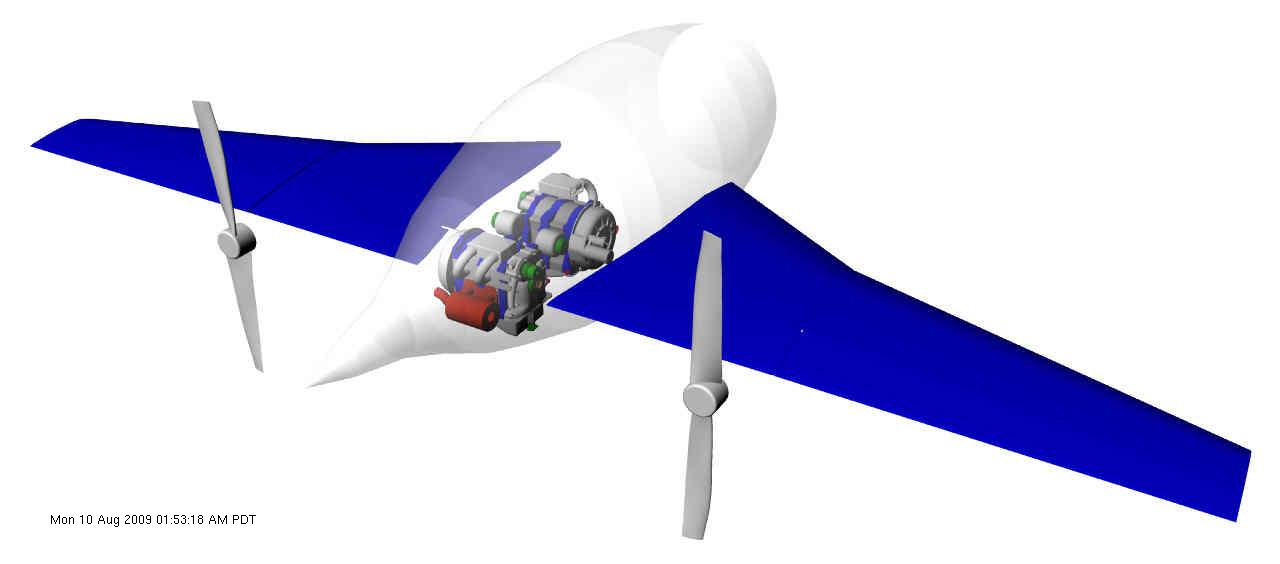
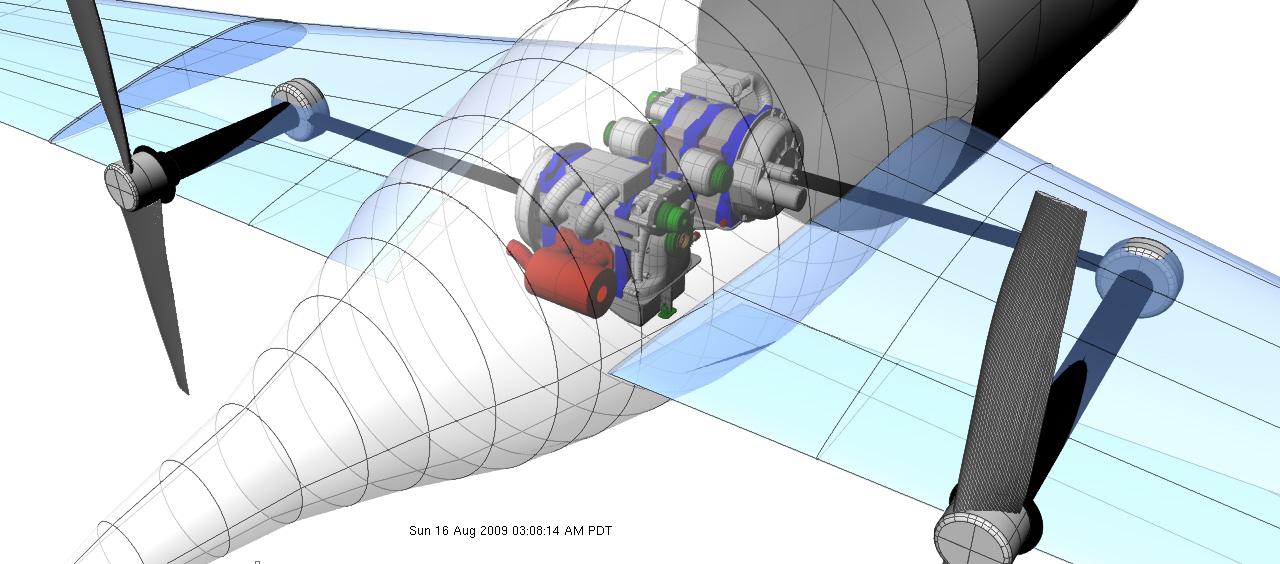
snips.....
I already contact a drive shaft manufacturer and i need a shaft of 24" long for my drive
and they can make it for $600.00 for a ligt weight shaft with 1"dia gun drill shaft
estimated at 8.5 lbs
with a 45mm bearings but if i can get to 1 3/8 shaft with tracy exact bearing it will be
fine.
I already contact Tracy to have the shaft i need and he said it will be to expensive .
I can reuse his housing to attach to the shock mount plate.
I do have all the parts on hand to built my angle drive at 3 to 1 ratio and i should
assemble it as soon i solved my bearing and shaft problem
I do have an aluminum spool with 28 splines and i need to rebrouch to 31 or 35 splines.
I can buy a rought housing from Tracy and do some machining to suit my shaft but i can by
pass his housing to have a lighter housing by using 2"I.D. x 3" O.D. and weld stiffner rib
of alum 1/4 thickness to the gear end housing
and it will be on one pce instead 2 parts with Tracy Housing lighter.
Jean Prudhomme
You cannot put a prop on the end of a 24 inch shaft. It is against the
laws of physics. It is just not a bad idea it is the LAW. The penalty
for breaking this law is a crash and possibly death.
Jean,
Read these web sites.
http://www.epi-eng.com/mechanical_engineering_basics/torsional_vibration_intro.htm
http://en.wikipedia.org/wiki/Torsional_vibration
http://www.bksv.com/Products/LaserVibrometry/TorsionalAngularVibration.aspx
Paul Lamar
Yes i understand but if the shaft does have a bearing support at 11" or 12" and have oil
circulation inside the shaft as return fluid can reduce enought the oscillation .
Now how come on car and truck those axles shaft of 33" and over unsupported and with a
heavy load as tire does not break as you said in oscillations cycle.
On a copter they do have sometime shaft over 24"
Jean Prudhomme
The oil circulation and the intermediate bearings have nothing
to do with the torsional oscillations.
The moving rubber tires on automotive vehicles are in constant contact with
the road and the friction in the rubber damps the low frequency torsional
oscillations. In some cases you can get severe torsional oscillation when
you break the tires loose on burn outs. I can do it in the RX8 any time
I feel like it.
Many air craft designers in the past have tried driving props with long
shafts. The vast majority have given up. One of the most famous was the
Bell P-39. The BIG difference is the gear box is right next to the prop.
The same thing goes for helicopter tail rotors. The shaft RPM is much higher
than the prop RPM. That lowers the resonant frequency of the torsional
vibrations in the shaft so that range of RPM's can be avoided.
The only possibility for success and you will be the first in the world
is stiffen the prop shaft to raise the resonant frequency beyond 2700 RPM.
The way you do that and keep the weight down is use a large diameter,
very stiff, hollow carbon fiber shaft.
Here is the message I sent on this subject back in August 2009.
============================================================================
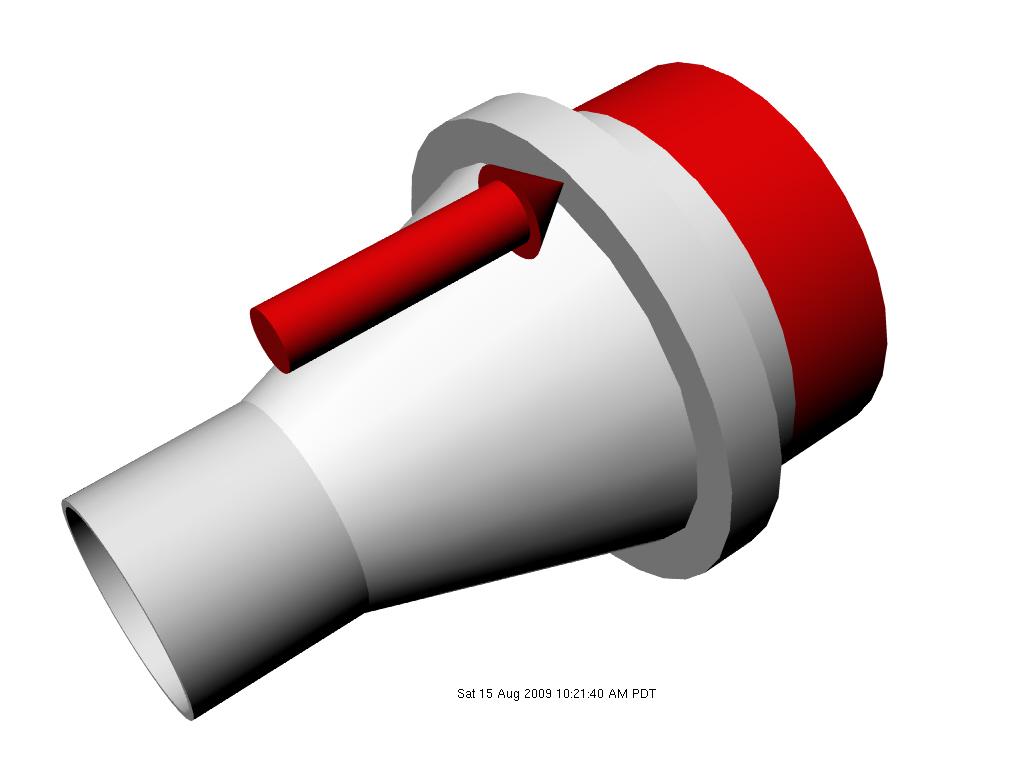
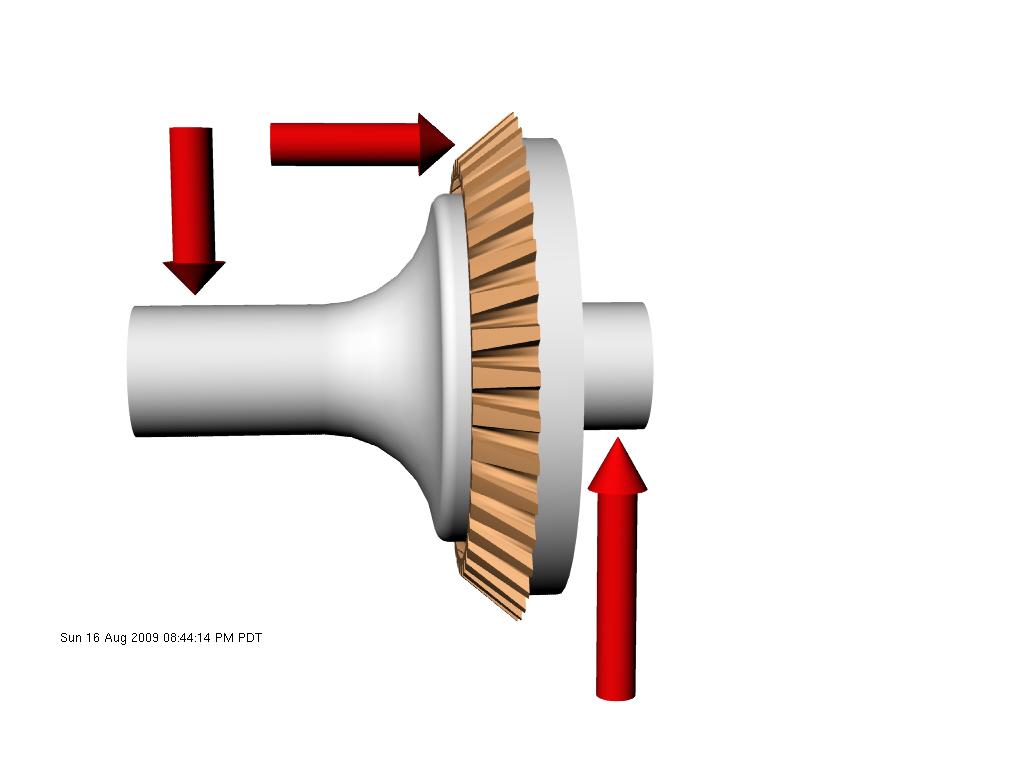
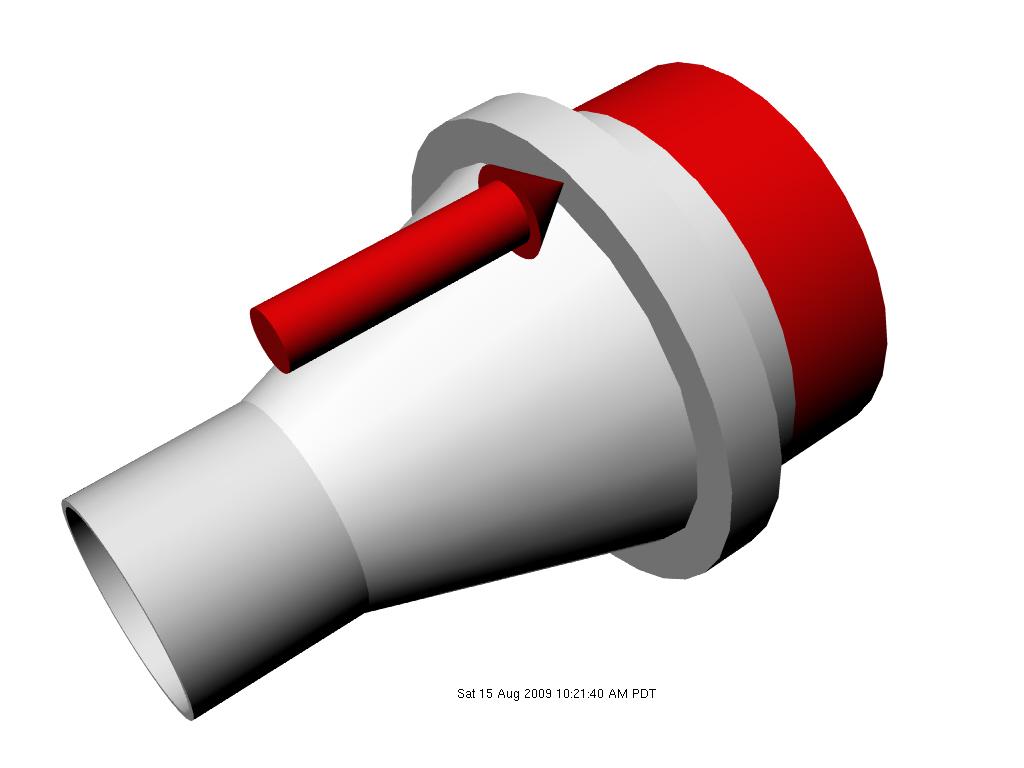
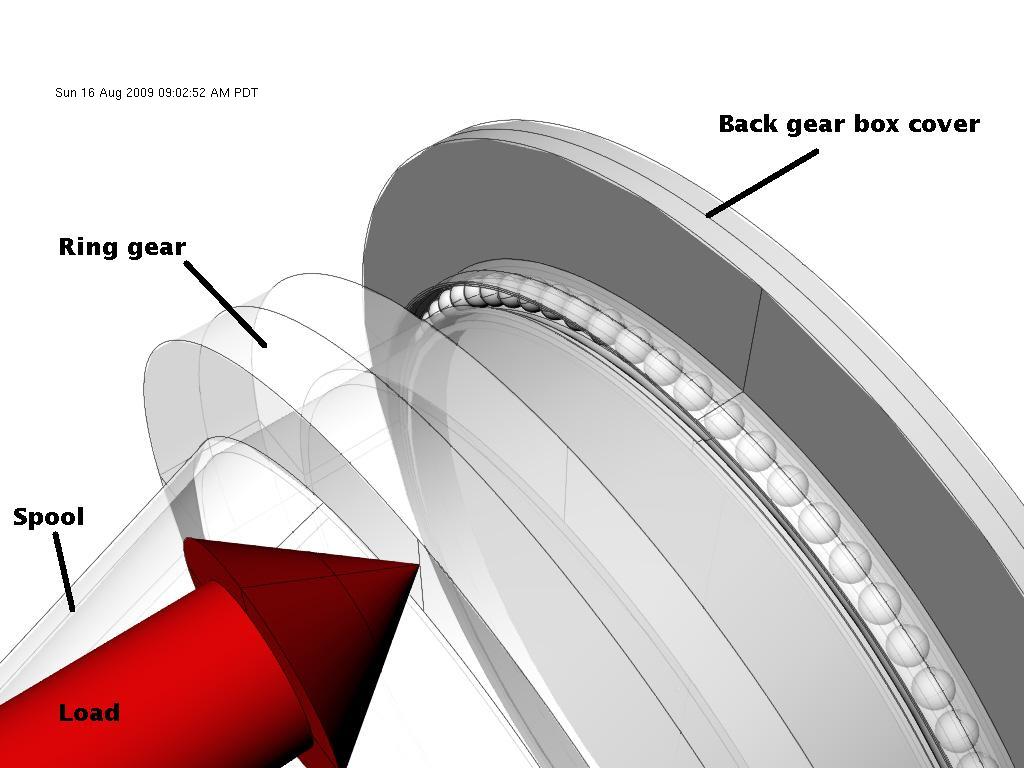
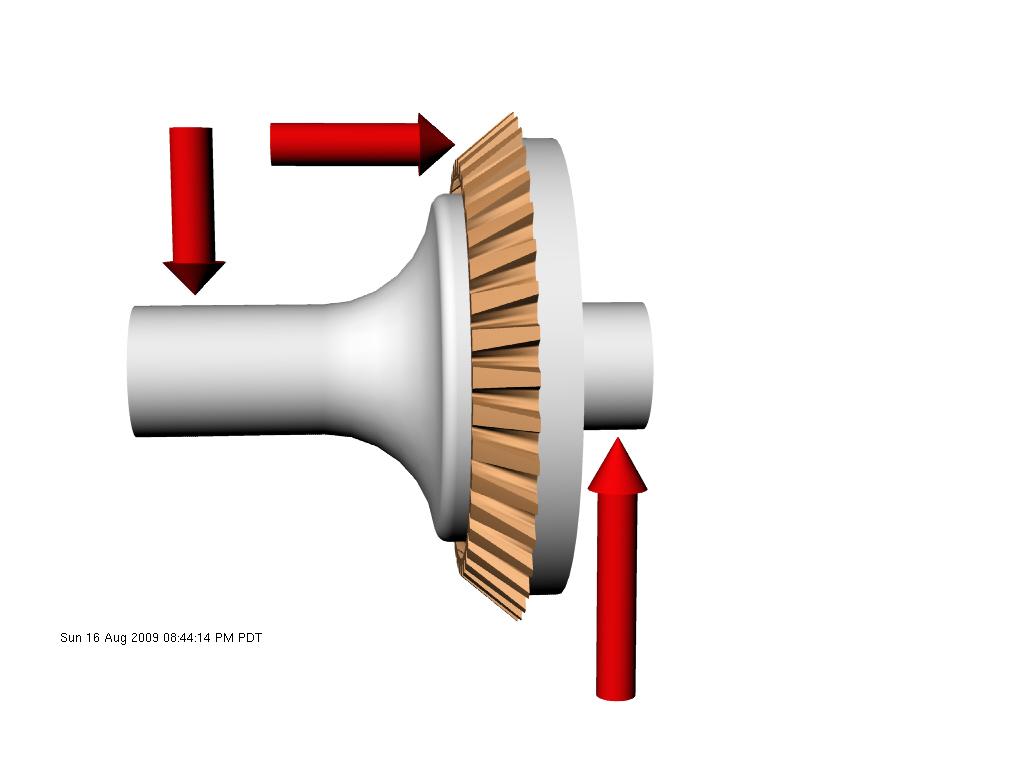
Here is a 3D of a traditional rear axle spool. It has a couple of features
we don't need. Namely there are two axles coming out. One on each side.
This means the bearings need to be rather small to support the axles.
This also means there is considerable bending loads on the spool due
to the gear separating forces. These must be reacted in the bearings
as shown by the red arrows. All and all a very heavy design.
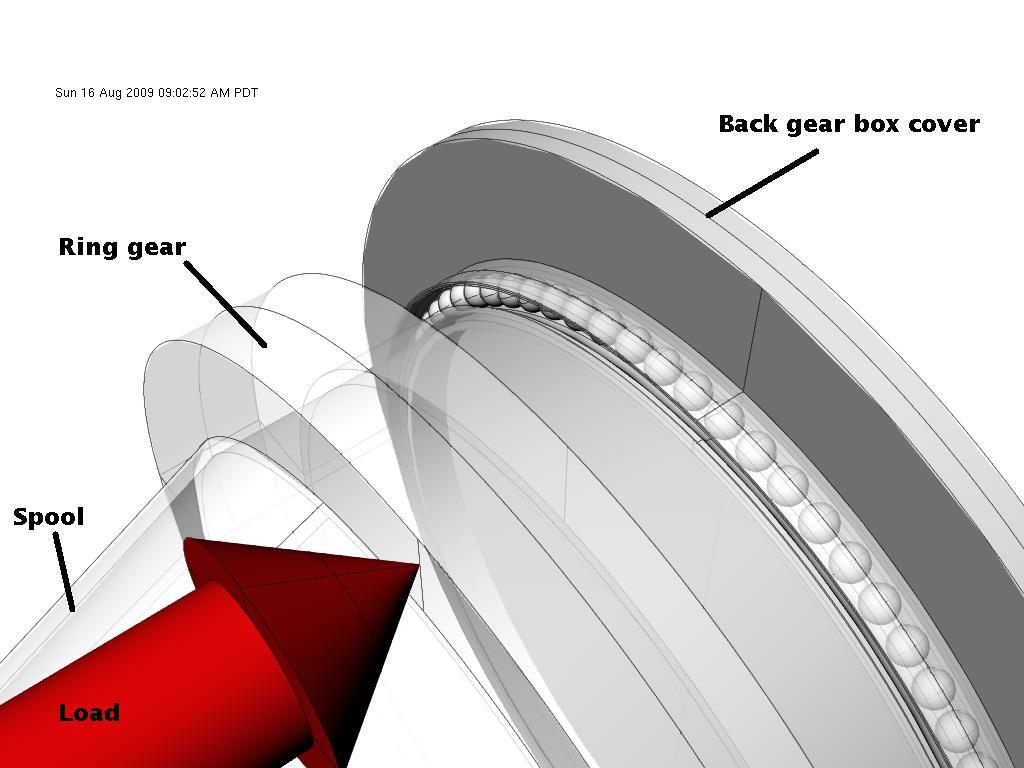
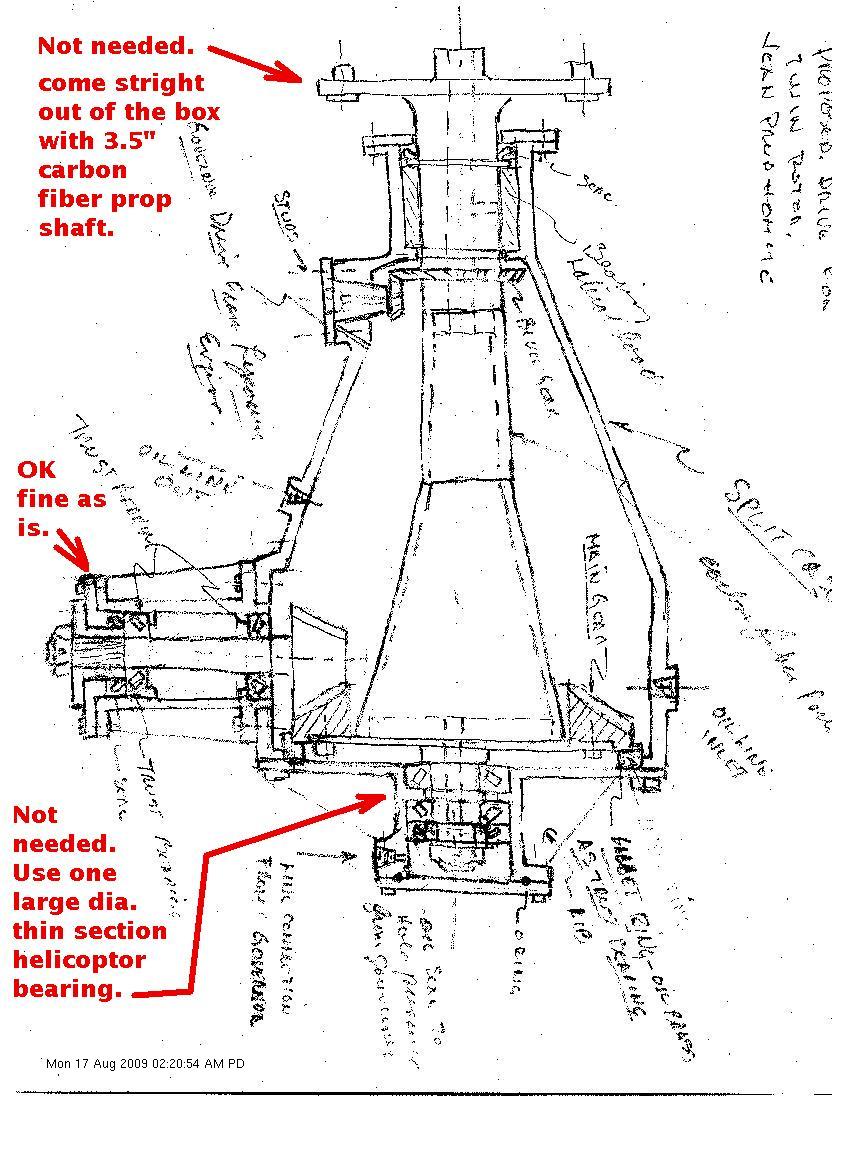
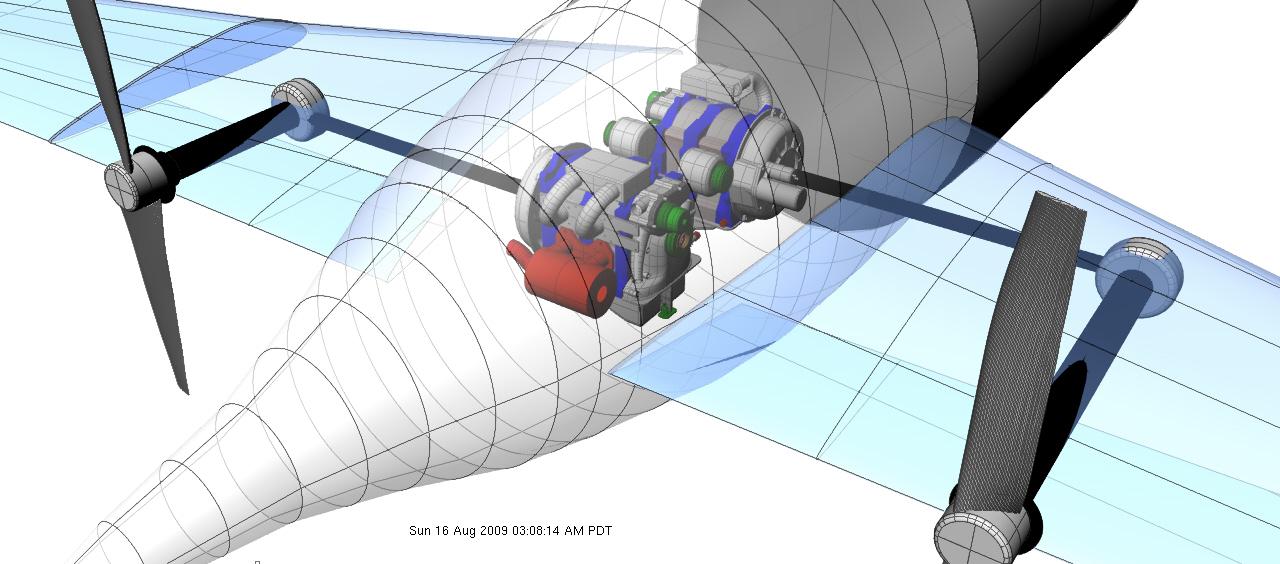
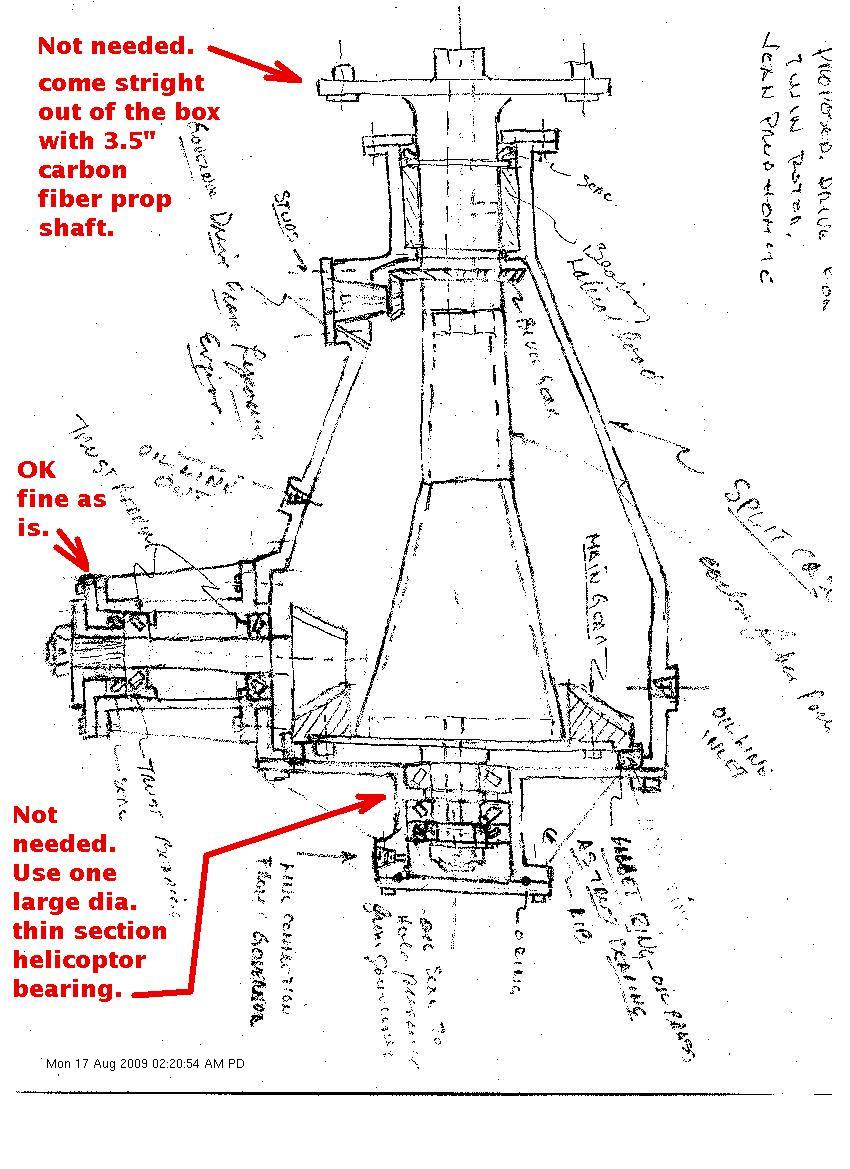
We have a carbon fiber prop shaft coming out only only one side
so we don't need those bearings. The gear separating forces will be directly
reacted by the large diameter thin section bearing in compression.
No bending moments. The shortest possible load path. Thin section bearings are
a recent development. They are sometimes called helicopter bearings because
light weight is every thing in a helicopter.
BTW The history of shaft driven propellers has not been good.
Every designer has had trouble from the P39 through the early Northrop
prop driven flying wings and the B36. Not to mention a bunch of small
aircraft designs. A prop at the end of a long shaft is a tough
engineering problem.
The reason I am undertaking this design is the advent of hollow large
diameter carbon fiber shafts could mitigate the problem due to the high
stiffness to weight ratio. We will use Tracy's design on the torque pulse
isolator or a copy of it which hopefully will allow us to tune out
the inevitable torsional vibrations.
I suggest Jean build a ground test rig to try this system out before
he builds an aircraft around this idea. You don't want to get it all done
and then find out you have a serious problem.
Paul Lamar
=========================================================================
End of quote.
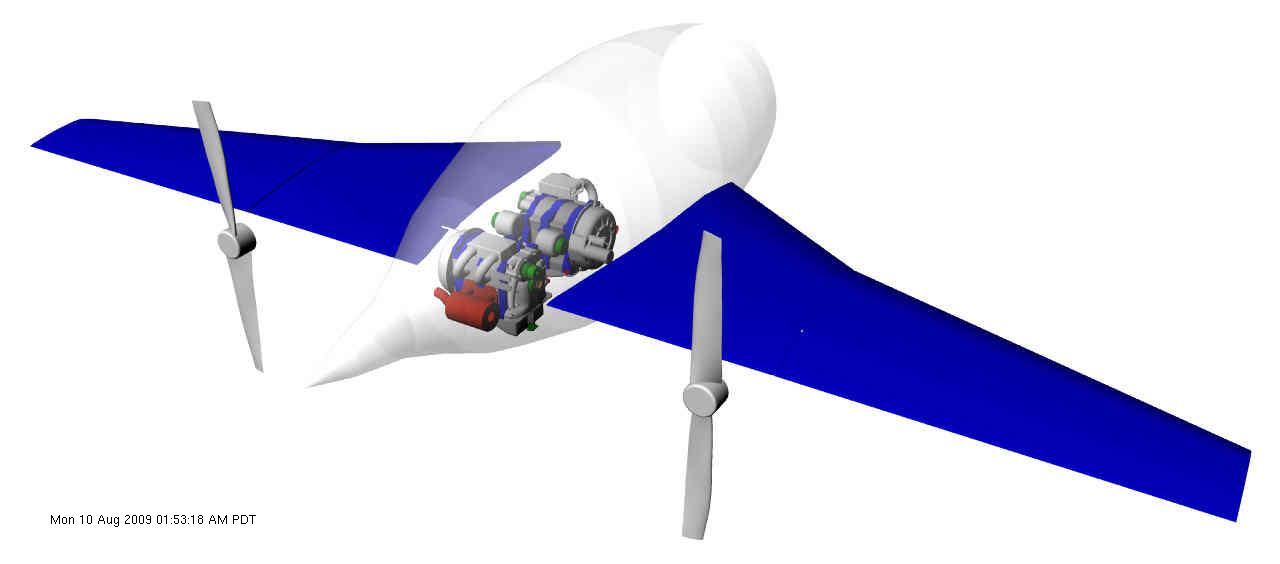
Your goal appears to be building a canard pusher with lower drag.
The rotary engine has a very low frontal area for the amount of HP
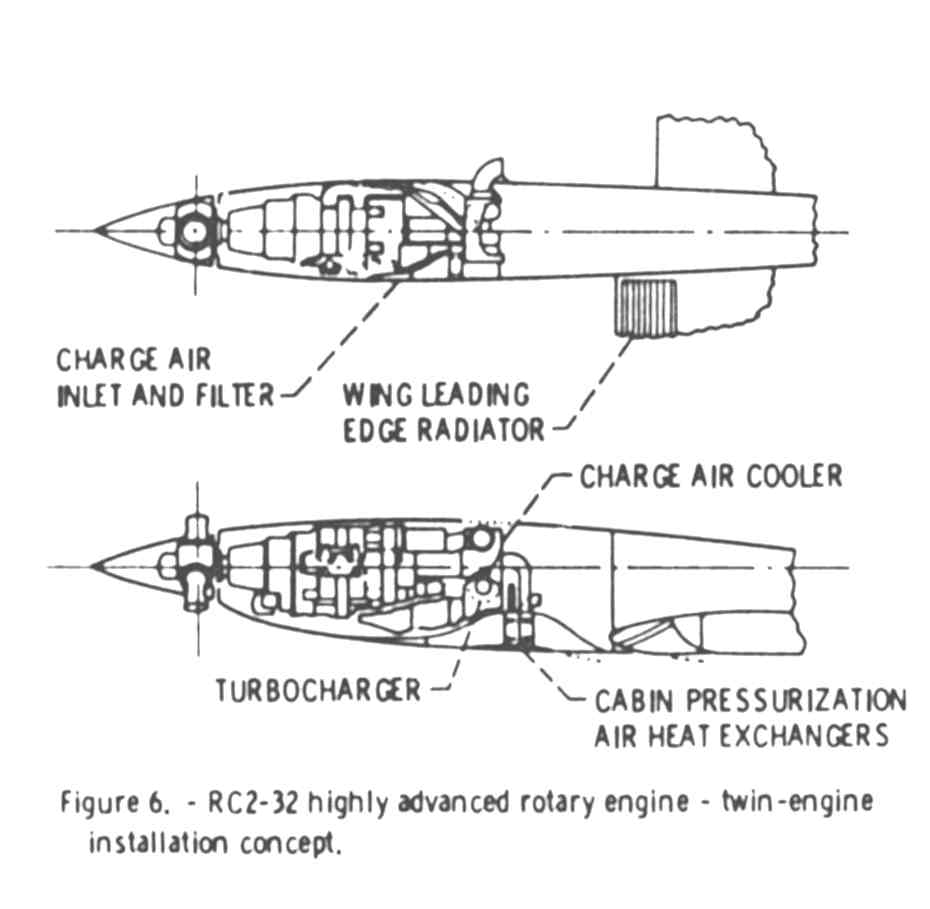
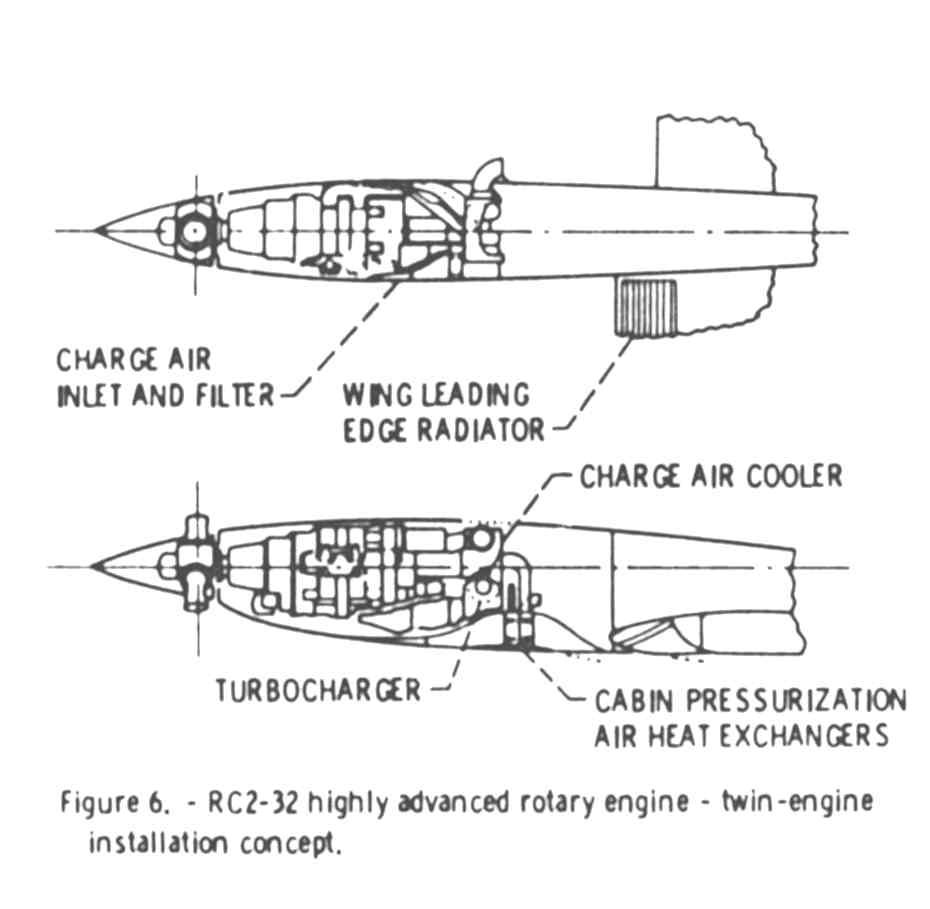
it can developed. I would take the advice of NASA and put both engines in
long, low drag nacelles on the wing with the PSRU mounted on the
engine.
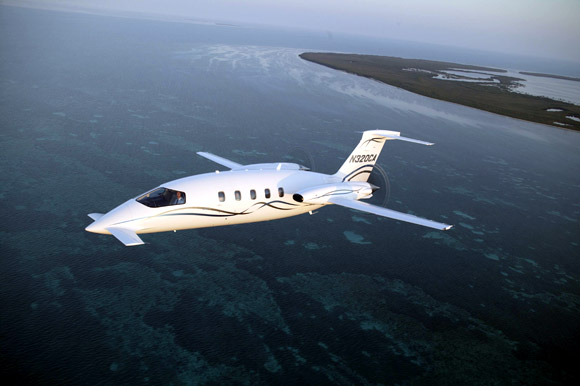
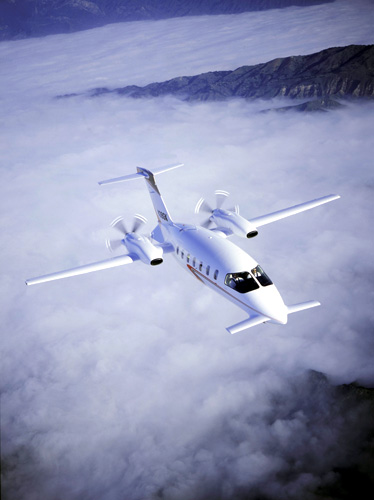
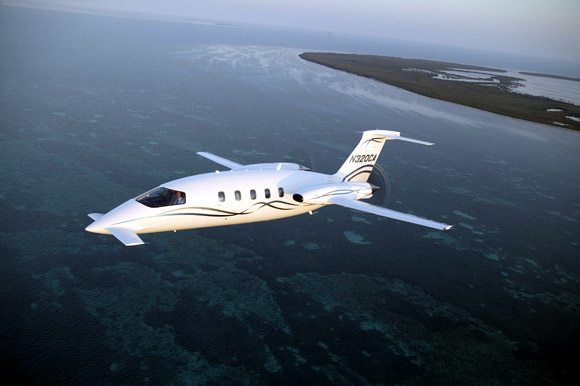
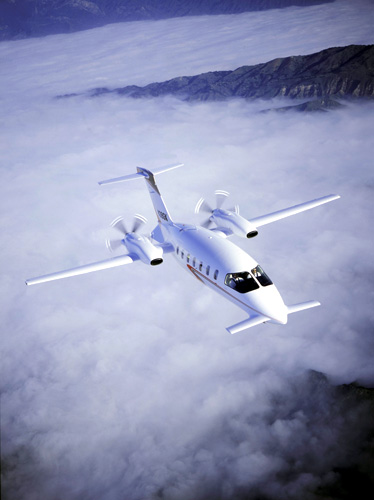
We have a big FBO here at Camarrilo airport that specializes
in Piaggio P180 Avanti II Twin-Engine Turboprops. These airplanes are
very very fast. I watch them fly over my house all the time
apparently on the way to Hawaii.
Pratt & Whitney PT6-66B engines give a cruise speed of 398kt at
altitudes over 35,000ft. The maximum range is 2000 miles.
I would scale this airplane exactly and use turbo charged rotary
engines with half the fuel burn.
You will save a lot of weight, cost and time.
Paul Lamar
The Rotary Engine NewsLetter. Powered by Linux.
ACRE NL web site.
http://www.rotaryeng.net
Youtube key word PaulLamar2
Copyright 1998-2009 All world wide rights reserved.