I suggest if you are interested in this system you make
a folder and drag over all the many future messages on this
subject otherwise delete it.
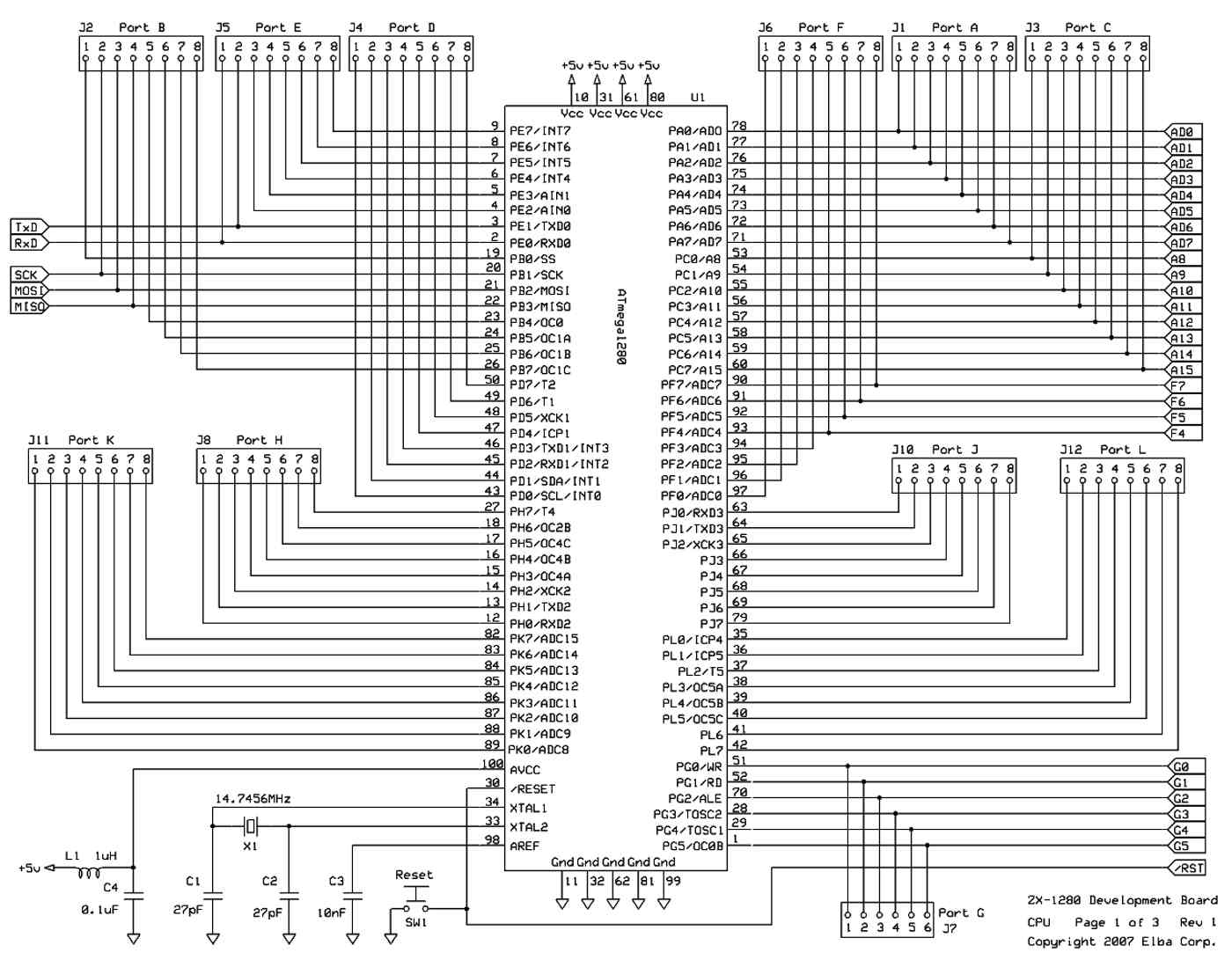
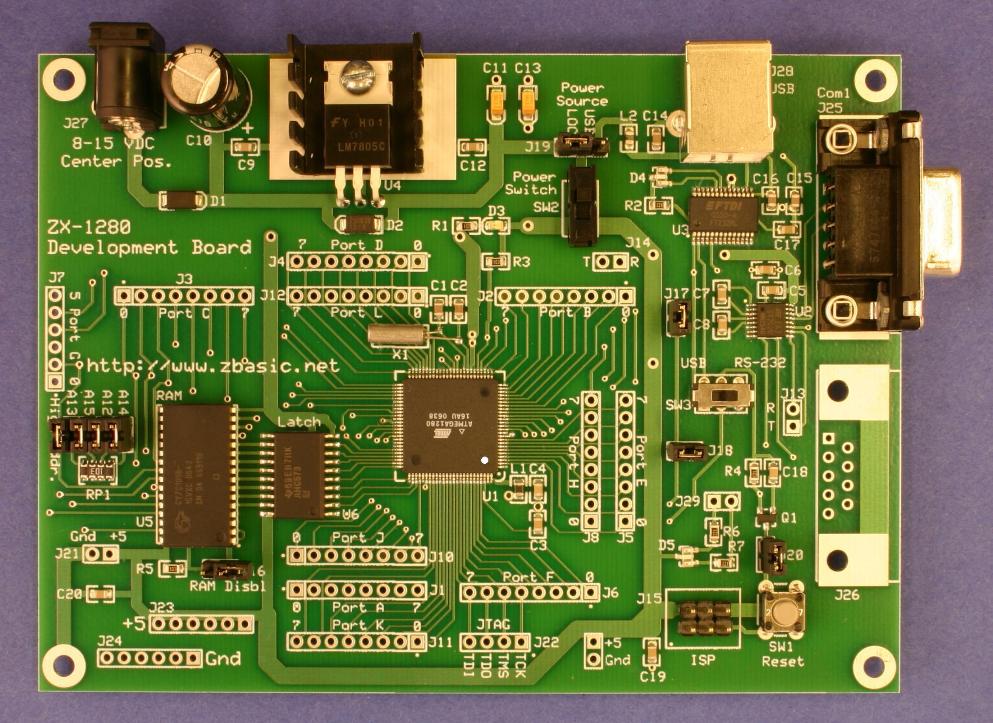
The ZX-24s ATmega1284P $90 proto board has a 64K byte
RAM on board that could store a 16 byte string of GPS
time stamped location data. It is shared with the A to D
port so you cannot use the RAM when you are reading
the eight A to D 10 bit converters. Not a real problem
as it only takes a few microseconds to store stuff
in the RAM or read the A to D's.
It is a simple program as you read in the GPS data from just
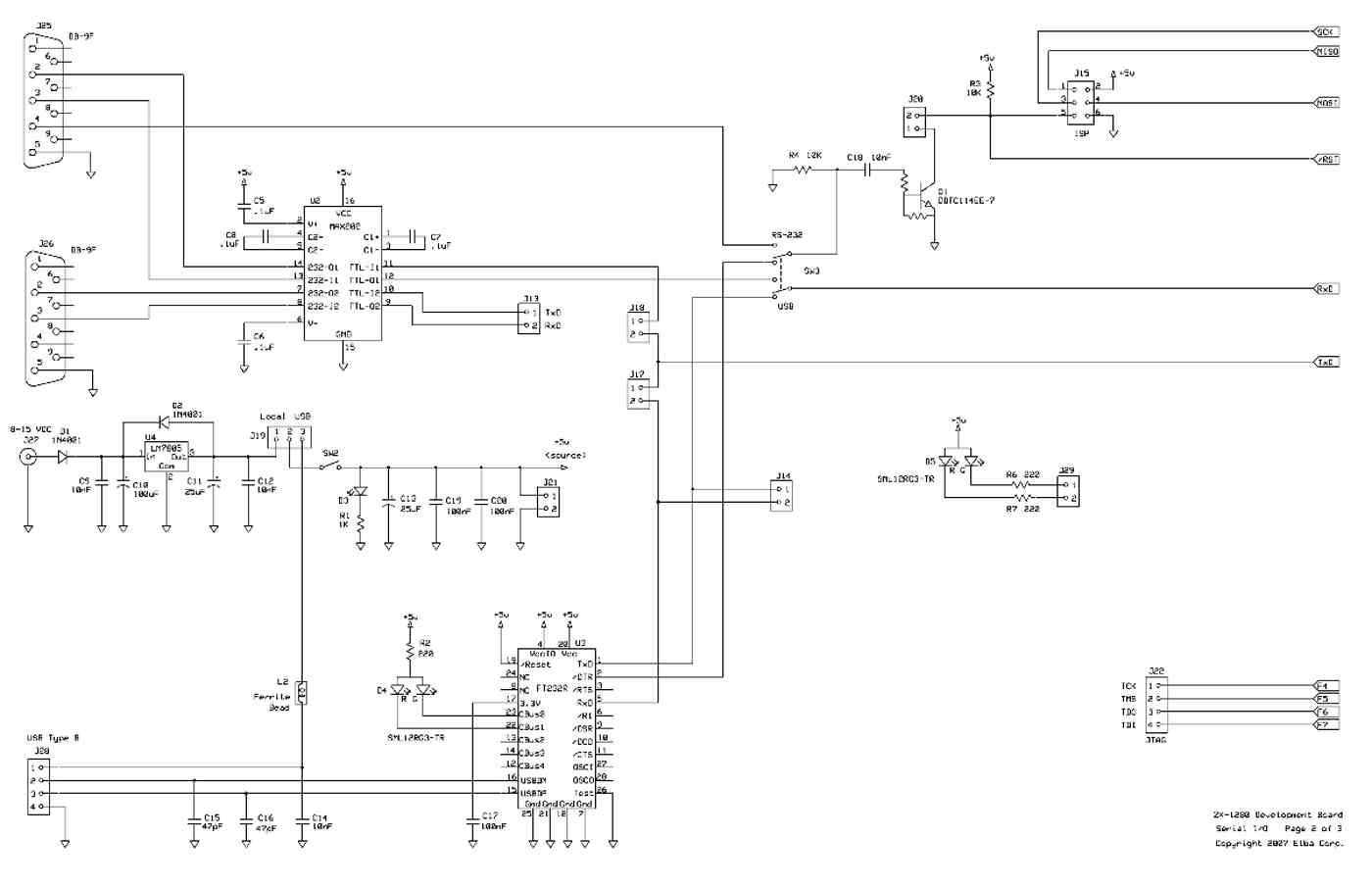
about any aircraft panel GPS receiver through the RS232
port and store it in the RAM every 30 seconds or so.
If my arithmetic is correct that is hours of data
so you can tell where you were and how fast you went.
Here is what comes out of the GPS.
$GPGGA,123519,4807.038,N,01131.000,E,1,08,0.9,545.4,M,46.9,M,,*47
It is merely a string of ASCII data.
The $GPGGA identifies one of half a dozens such strings.
Fields are separated by commas.
The first six digit number is the Zula time
of the fix at 12:35:19 hours minutes and seconds.
This one has the latitude at 48 degrees
seven minutes and .038 minutes North.
The longitude at 011 degrees 31 minutes and .000 minutes
East.
The 1 means it is a valid fix.
The most of the rest of this stuff can be ignored.
08 = Number of satellites being tracked.
0.9 = Horizontal dilution of position.
545.4,M = Altitude, Meters, above mean sea level
46.9,M = Height of geoid (mean sea level) above WGS84 ellipsoid
(empty field) time in seconds since last DGPS update
(empty field) DGPS station ID number
*47 = the checksum data, always begins with *
Of course you could also send the data out the USB port
and let a Netbook store it on a hard disk or solid state memory.
Future messages will deal with the mechanics of the fuel injection
after I get the proto board up and running.
------------------------------------------------
Correction. I overlooked another A to D on port K.
No need to share the RAM. A good illustration how
a lot of I/O pins simplify the programming.
I am liking this chip more and more.
Paul Lamar
--
The Rotary Engine NewsLetter. Powered by Linux.
ACRE NL web site.
http://www.rotaryeng.net
Youtube key word PaulLamar2
Copyright 1998-2009 All world wide rights reserved.