Well I am on the third attempt to seal a leak that originates in one of
the
screw holes. I tried the permatex blue thread locker but it did not
work.
This time I drown the screw in red rtv so will see on tuesday if it
leaks
again.
Joe Berki
Limo EZ
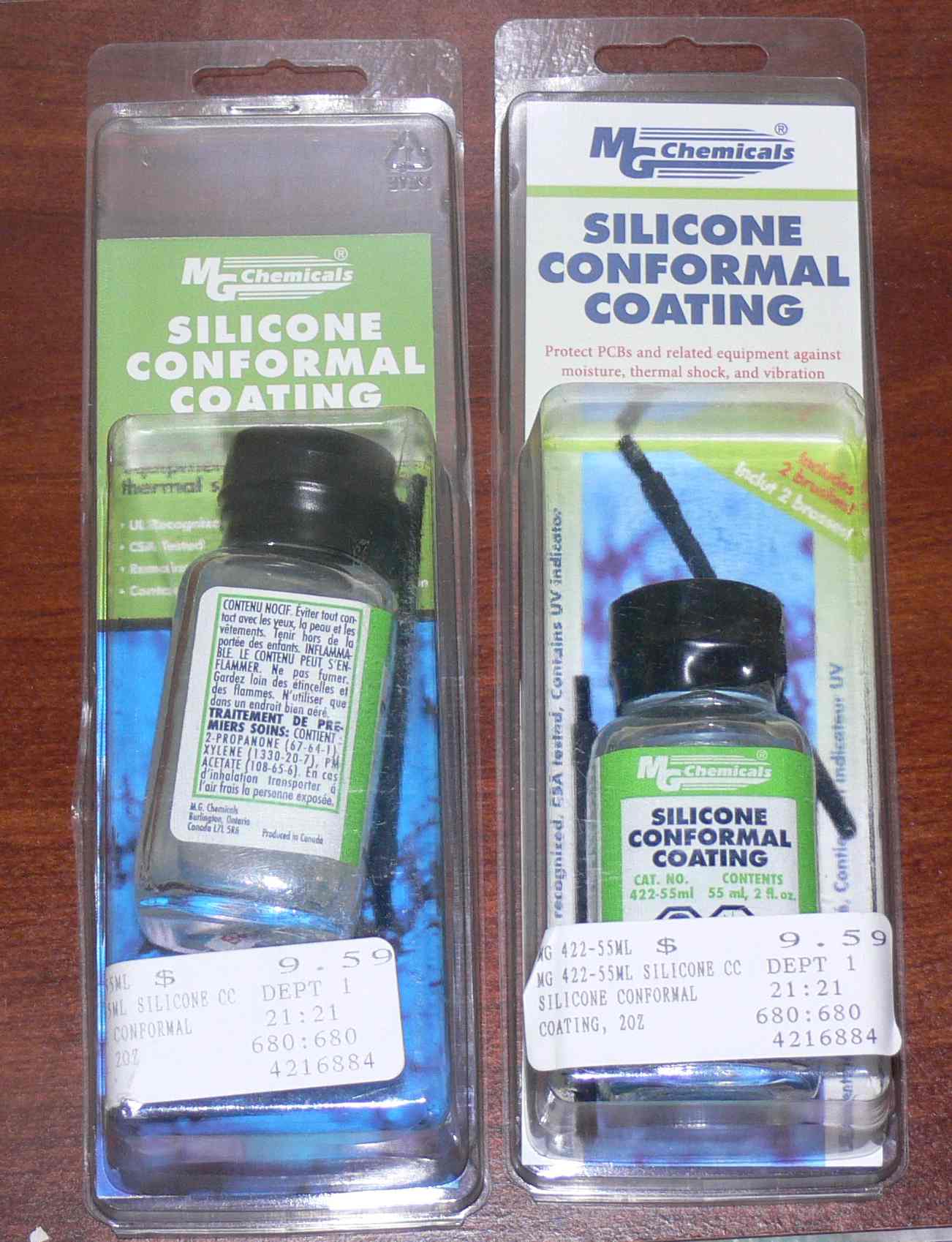
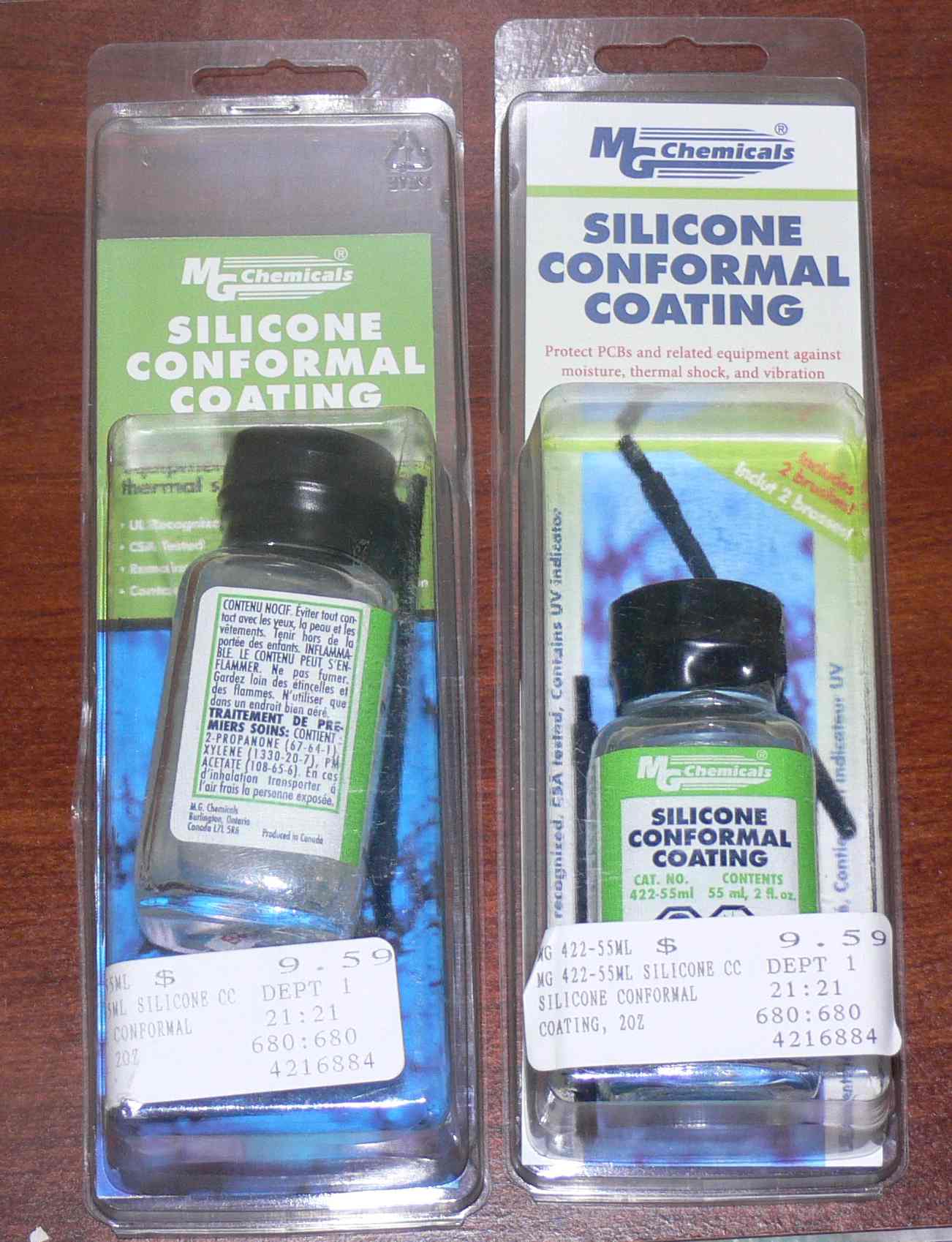
Joe get some of this stuff and try it.
It is almost as thin as water so it should
flow along the threads.
Paul Lamar
Dear Guy,
Please note that standard RTV is usually VMQ, normal silicone, VMQ is not
resistant to fuel and oil... If you need to seal something you need to use
FVMQ, which is Fluorosilicone, it is much more expensive but it is
reliable.
P.S. I run a manufacture plant that makes Automotive and Aerospace
elastomer
seals
Roderick Scotto
Yes. I am aware of that.
This is engine coolant we are sealing and not fuel or oil.
We use Teflon encapsulated silicone O-rings to seal the combustion
chamber which is subject to oil and fuel.
Paul Lamar
Paul,
It looked like it held pressure for a while. I started at 60psi at 5:00pm
est yesterday and now it is at 43 psi.5:16 est. The bolts are stainless.
Would that be a contributing factor since very little things stick to
stainless. I am planning on going to Akron to the distributor for the 422
stuff and see if that works.
Joe Berki
Limo EZ
Stuff sticks to stainless better than aluminum.
Set up the rotor housing with the p-port down.
Clean the screws.
Place the low viscosity silicone liquid around the screw
threads. Take the pressure up to 30 psi and then
let it fall back to atmos. Wait 24 hours to let it cure
and then pressure test it again.
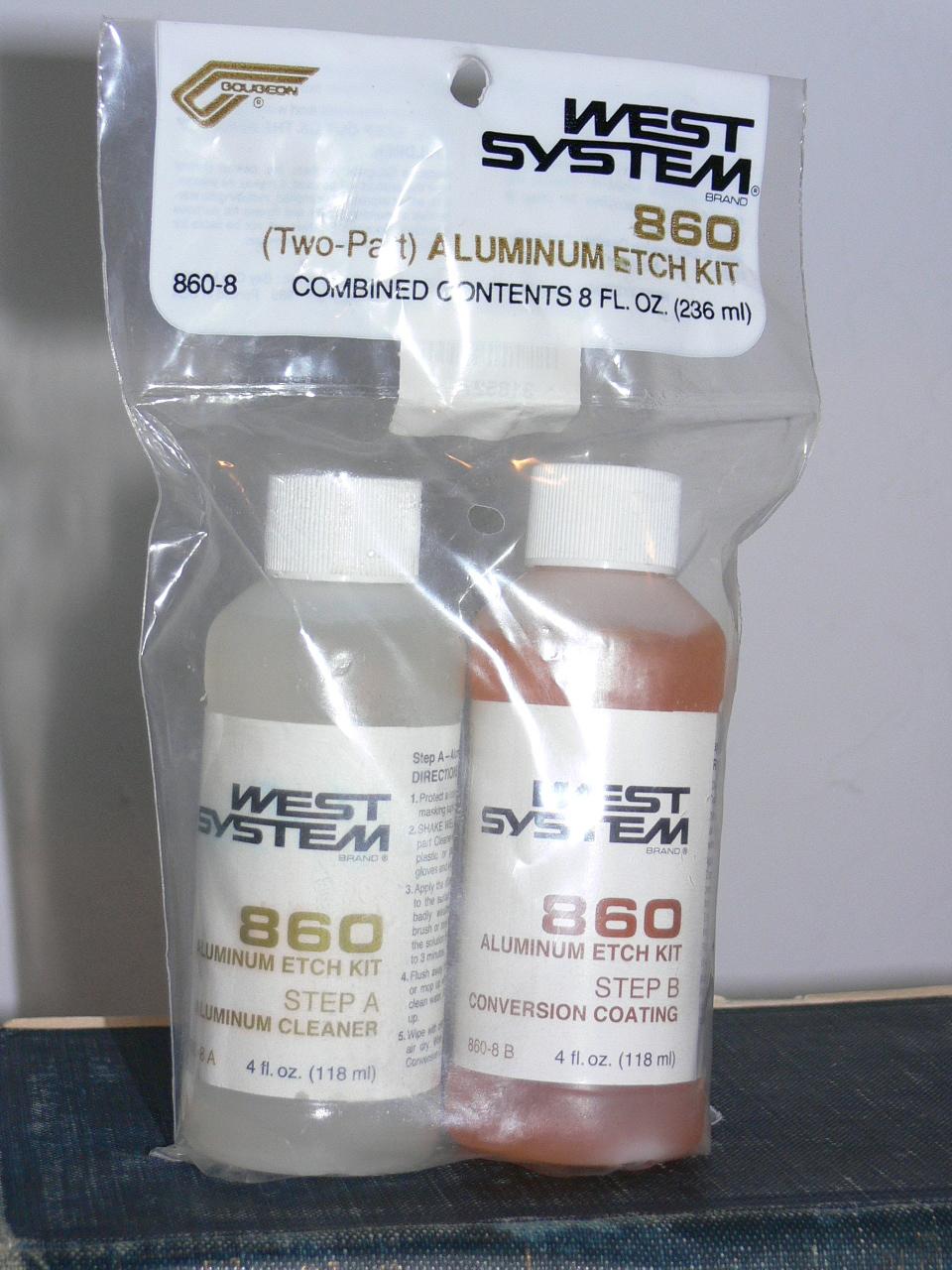
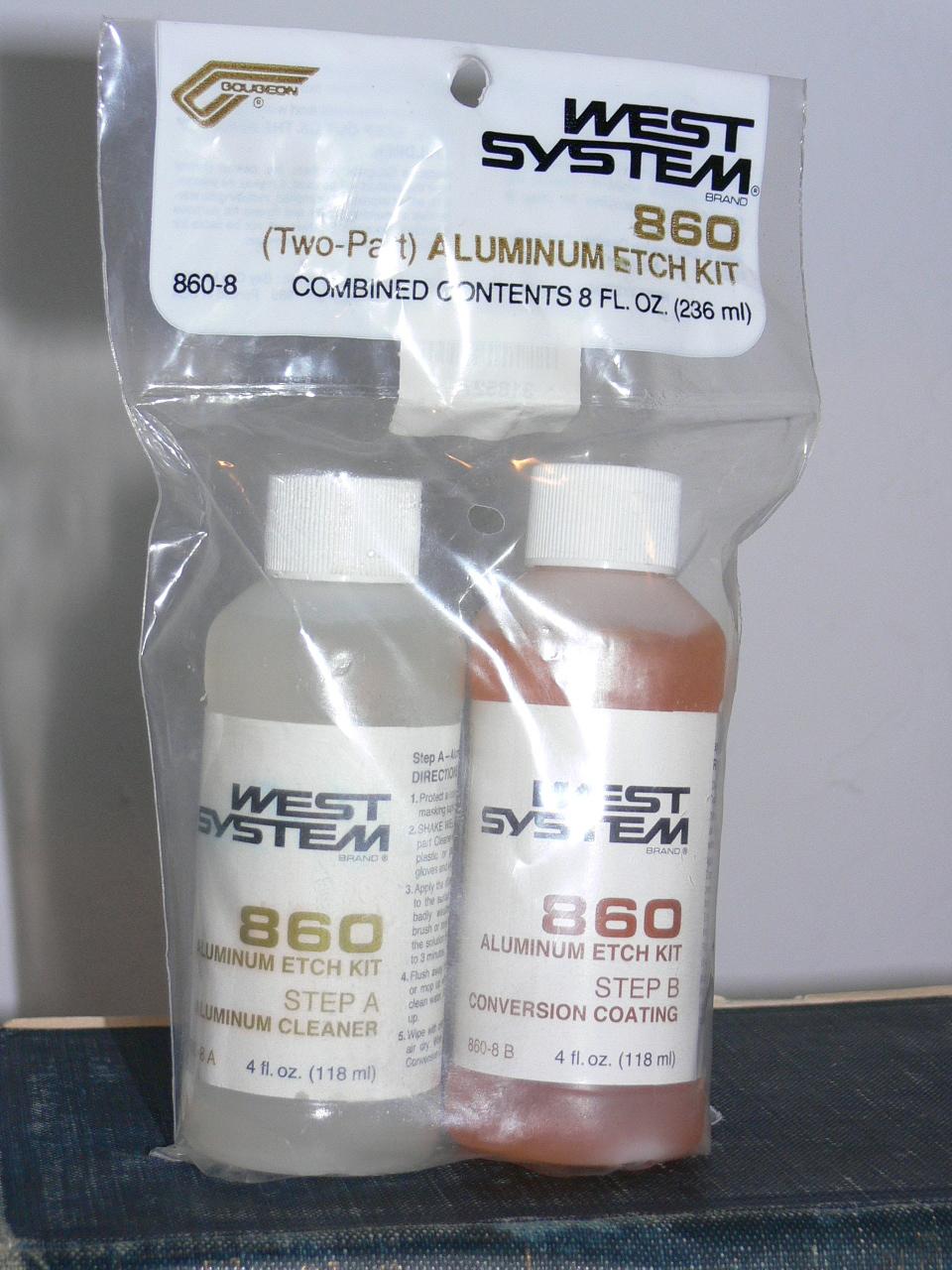
The threads in the aluminum probably have an oxide coating
already so it would not hurt to convert them as well.
Use this prep kit to do that.
Paul Lamar
--
The Rotary Engine NewsLetter. Powered by Linux.
ACRE NL web site.
http://www.rotaryeng.net
Youtube key word PaulLamar2
Copyright 1998-2010 All world wide rights reserved.