Paul Lamar
In your book How to Cool Your Wankel you talk about pressure
testing the cooling system as a preflight check. Is
there an advantage to having water pressure info built
in? I am planning a redundant Dynon system so the smaller
the display the better for me, or could your system be
tied in with the Dynon EFIS and a seperate leaning knob?
Dan F
Yes it is highly desirable. The pressure in the cooling
system can tell you a lot about the condition of the
coolant system.
Preflight the cooling system with a 12 Volt electric air pump
that will apply 30 psi, assuming it is a 30 psi pressure cap.
Shut off the air pump and see if the system holds the 30 psi.
You have a leak of course if the pressure bleeds off.
You can use pressure caps as high as 50 psi if you can find
them. Continental used 50 psi on their Voyager series
of liquid cooled aircraft engines. This high pressure delays
boiling as boiling is the last thing you want to happen.
When the engine starts up the pressure should increase
as the coolant warms up and expands. As long as the pressure is
well below the pressure relief valve setting on the filler neck
pressure cap you are OK. If it goes there and stays there you
are in serious trouble so find a place to land now. It might
be a good idea to trigger an alarm. This is early warning
for subsequent over heating.
In normal operation the second valve in the pressure
cap will allow the engine to recover the coolant in
overflow tank as the engine cools off and the coolant
contracts. The pressure gage will then show a pressure
less than the atmospheric pressure.
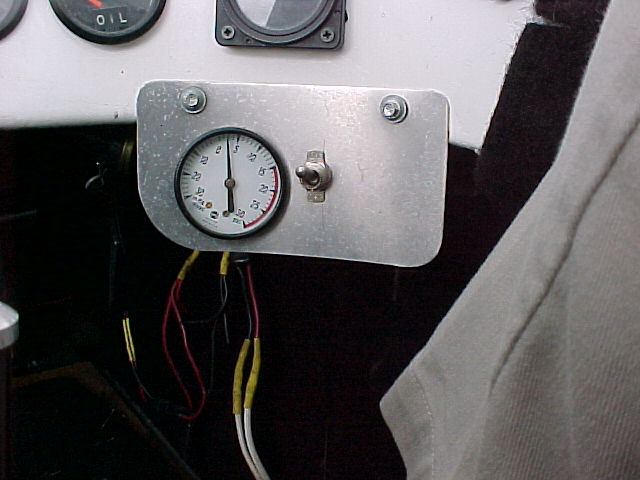
Here is a picture of Ken Welters coolant pressure
gage going above and below atmospheric.
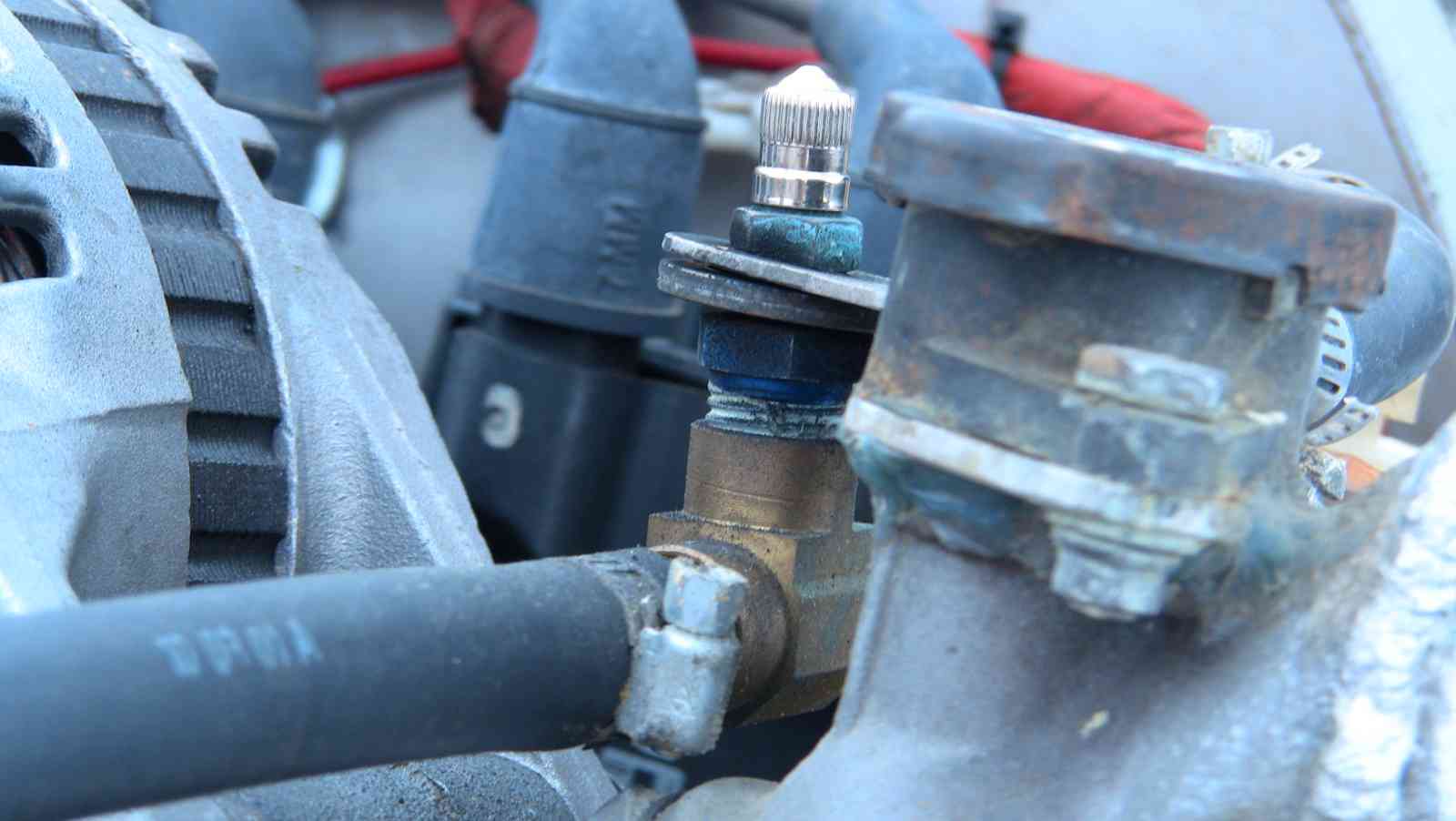
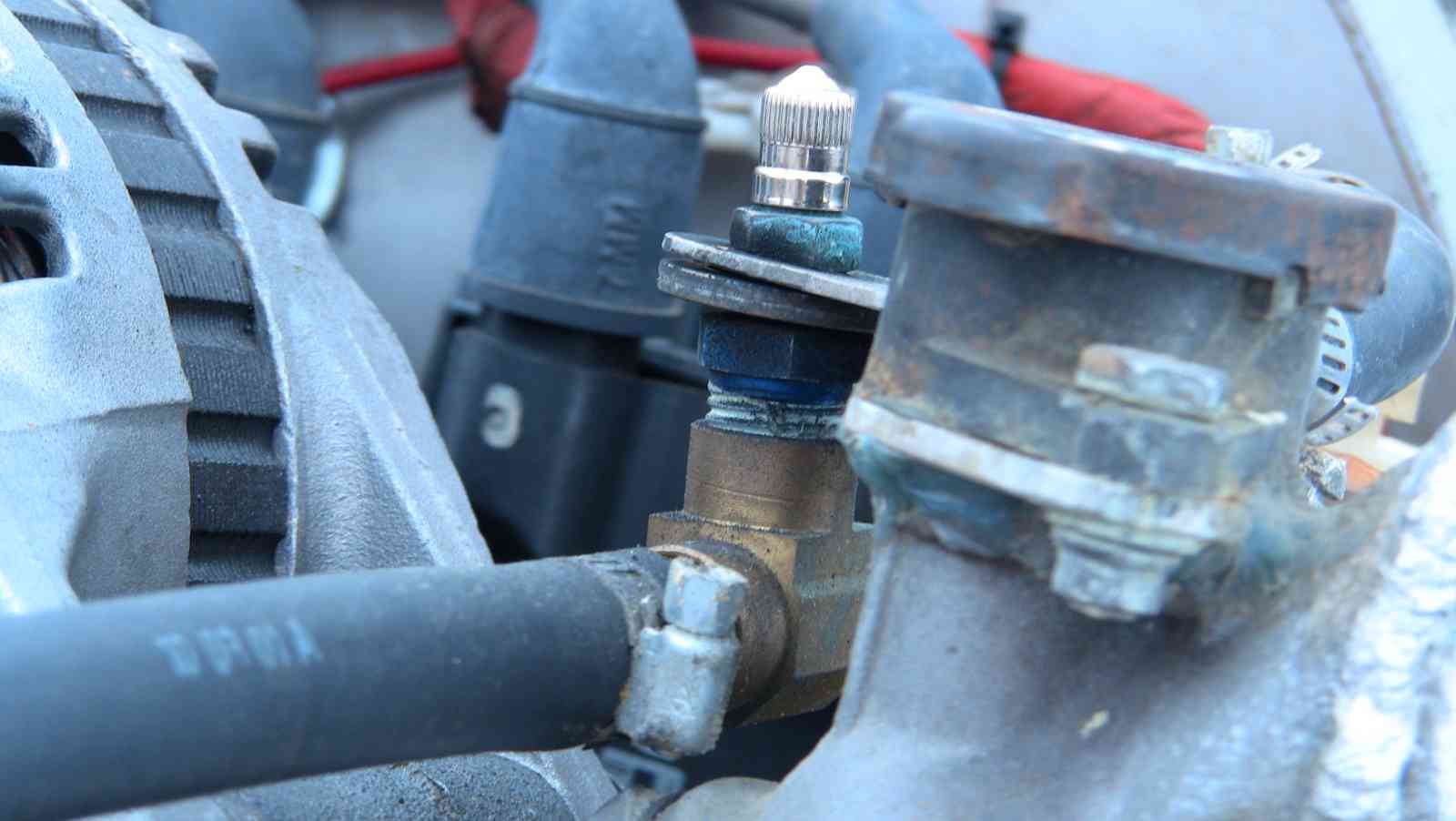
Here too is a picture of Perry Mick's tubeless tire Schrader
valve coolant system pressure check point.
Paul Lamar
--
The Rotary Engine NewsLetter. Powered by Linux.
ACRE NL web site.
http://www.rotaryeng.net
Youtube key word PaulLamar2
Copyright 1998-2010 All world wide rights reserved.